


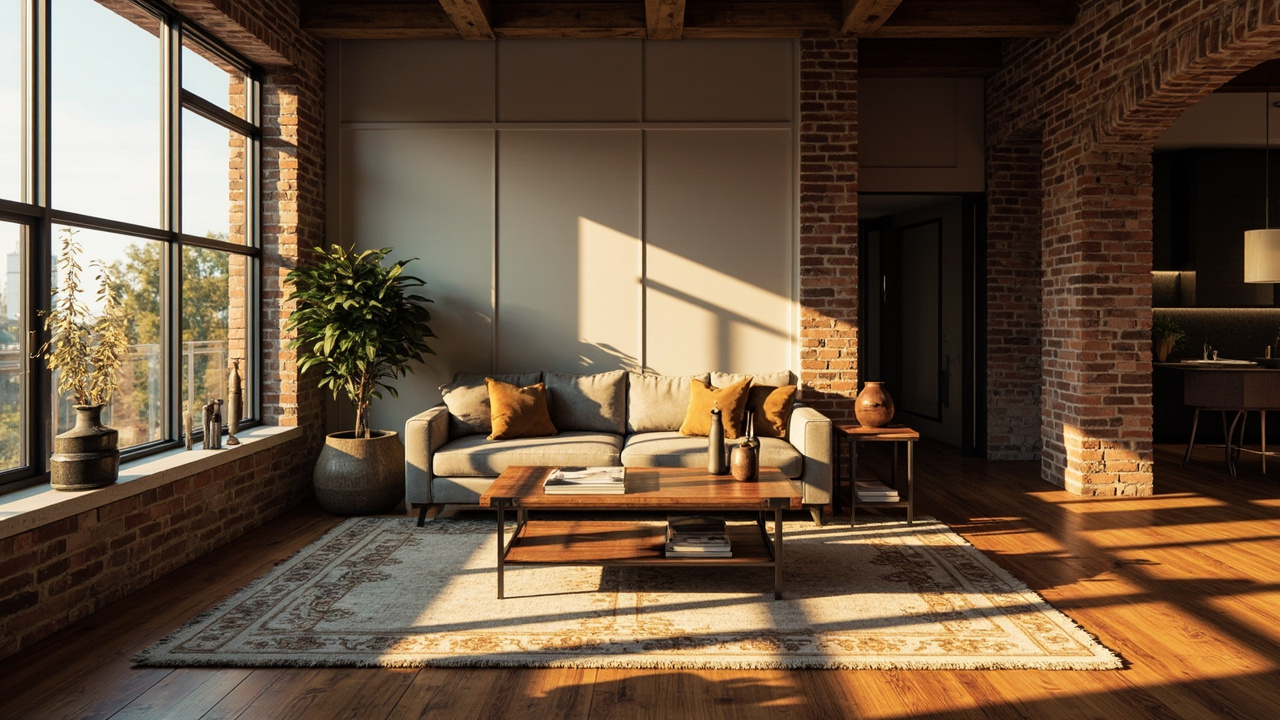
Homes that feel thoughtfully updated sell faster and for more. Focus on strategic improvements—those that modernize style, increase perceived quality, and require minimal upkeep to get the best return on investment at resale.
Prioritize projects that signal long-term value: durability, timeless materials, and a touch of personality without overwhelming potential buyers.
- 1. Whimsical Accents for Playful Spaces
- 2. Statement Wood Tones Replace Pale Oak
- 3. One-of-a-Kind Stone Kitchen Features
- 4. Mixed-Material Kitchen Island Designs
- 5. Warm Walnut Bathroom Renovations
- 6. Integrated Home Office Nook Ideas
- 7. Bold Wallpaper Focal Wall Strategies
- 8. Curved Furnishings Soften Interiors
- 9. Layered Lighting For Mood Control
- 10. Sustainable Material Choices That Last
- 11. Maximizing Small-Space Functionality
- 12. Outdoor Rooms Extend Living Areas
- 13. Textured Ceilings Add Visual Interest
- 14. Color-Forward Cabinetry Trends
- 15. Flexible Open-Plan Room Zoning
- Final Thoughts
- FAQ
1. Whimsical Accents for Playful Spaces
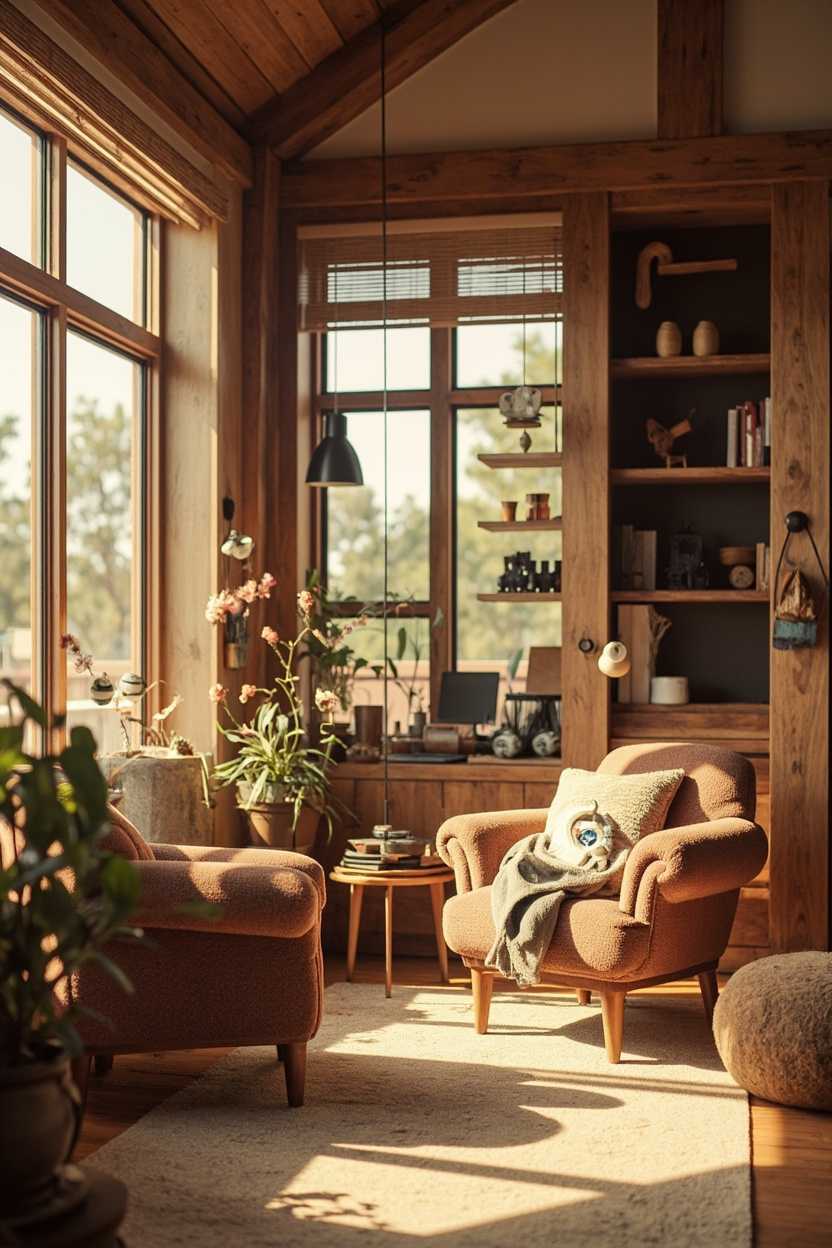
A light-handed injection of whimsy, think playful tile patterns in a powder room or a custom-built-in nook for kids, adds memorable character without committing to a bold overall style.
These small, curated touches help a home stand out in listings and feel lived-in, which often shortens time on market.
Keep updates reversible and high-quality: removable wallpaper, colorful but neutral-enough accents, or artisanal hardware.
That balance lets buyers imagine their own style while appreciating the thoughtful finishings you invested in.
2. Statement Wood Tones Replace Pale Oak
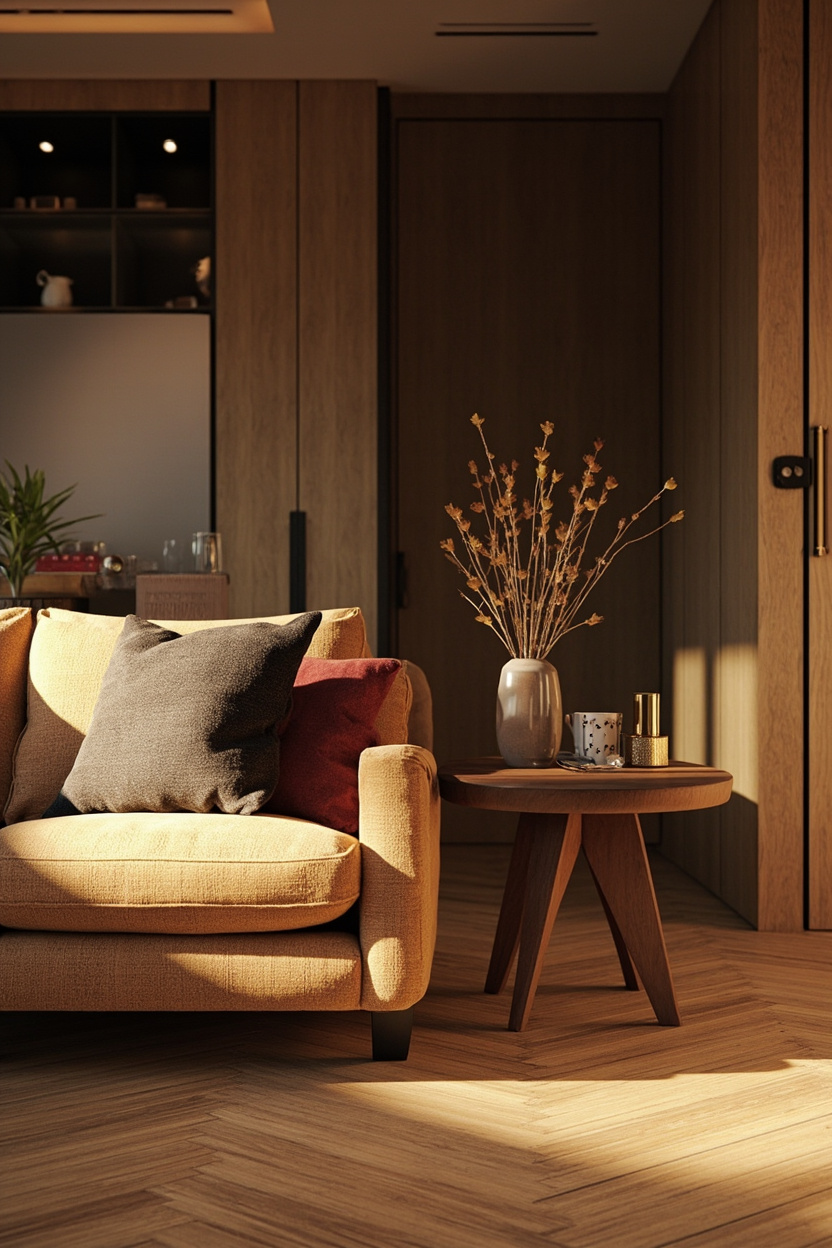
After years of bleached finishes, rich walnut, mahogany, and chocolate-toned woods are back—bringing warmth and perceived luxury to kitchens and living areas.
Swapping cabinet faces, flooring, or built-ins for deeper wood tones updates the home’s aesthetic and aligns with current buyer preferences for richness and depth.
Choose durable, well-finished species or veneers and pair them with lighter surfaces to avoid darkening rooms.
This upgrade reads as a high-end refresh and can significantly boost buyer interest, especially in mid- to higher-priced markets.
3. One-of-a-Kind Stone Kitchen Features
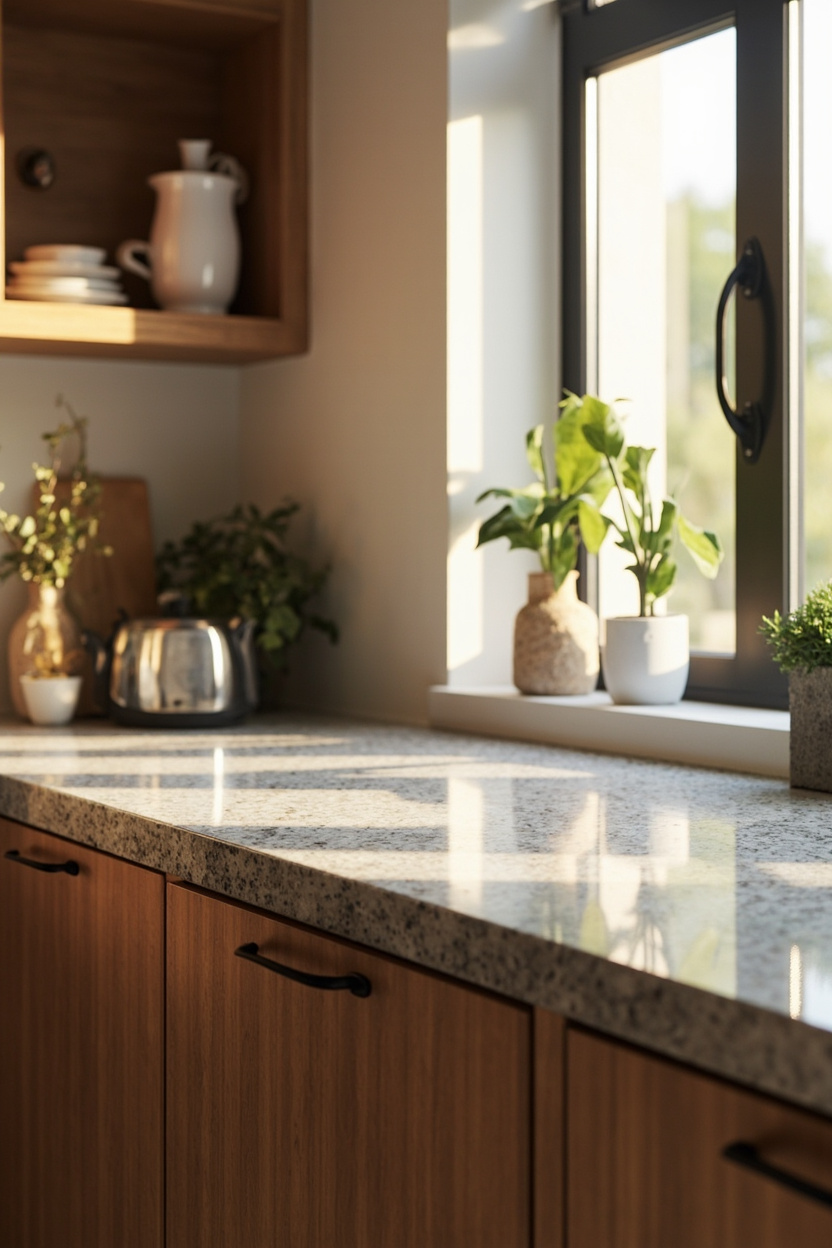
Unique, show-stopping stone an island slab with dramatic veining or a waterfall counter—signals luxury and craftsmanship in a kitchen without a full remodel.
Buyers are increasingly drawn to singular pieces of stone that act as focal points and feel custom, adding perceived value beyond standard materials.
Opt for durable stones and professional installation to ensure longevity and resale appeal. Even when paired with simple cabinetry, a standout stone feature elevates the kitchen’s profile and can justify a higher asking price.
4. Mixed-Material Kitchen Island Designs
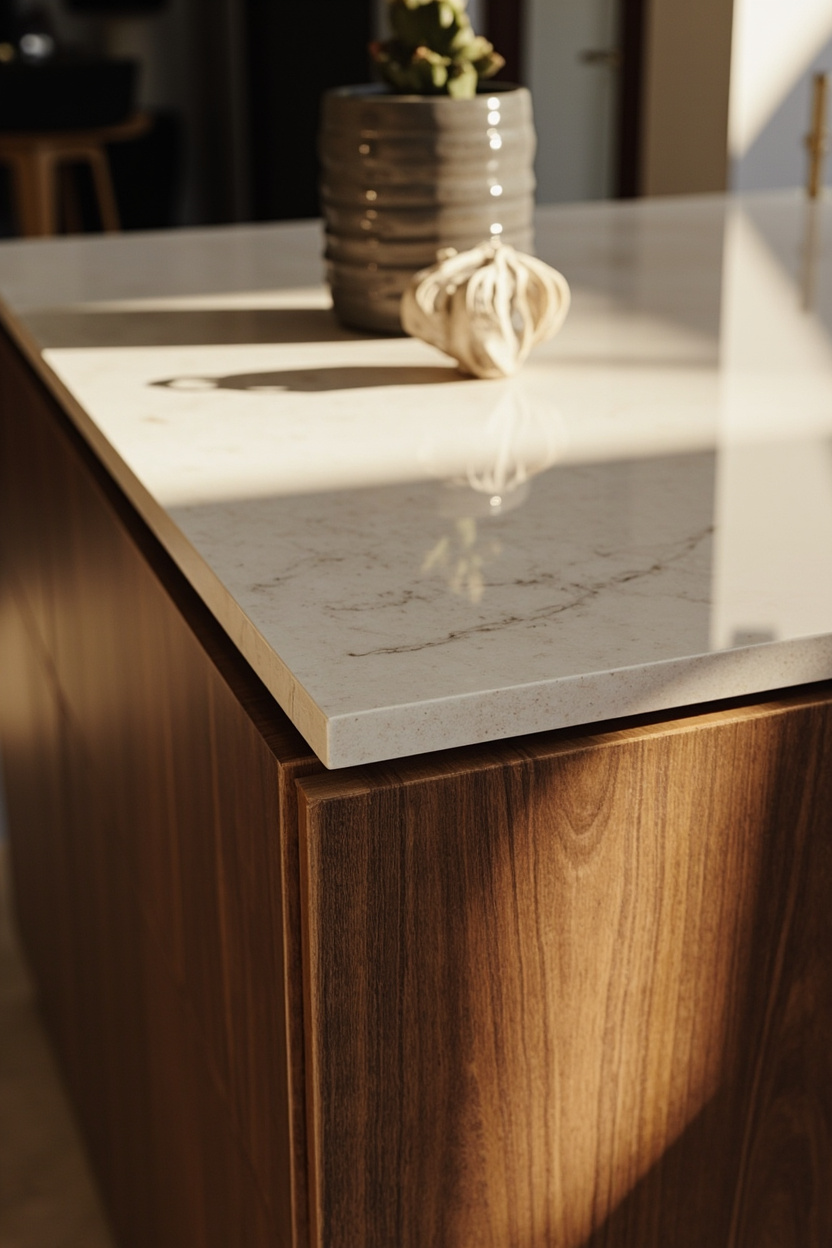
A mixed-material island combining stone countertops with a wood or painted base—creates visual layering that reads custom and high-end to buyers.
Contrast between warm wood tones and crisp stone also helps the island act as a focal point without overwhelming the room.
Choose durable, low-maintenance surfaces and configure the island for multiple functions: prep, casual dining, and storage. For inspiration on cohesive kitchen treatments that boost resale, see ideas from a range of farmhouse kitchen layouts and finishes to balance trend with timelessness.
5. Warm Walnut Bathroom Renovations
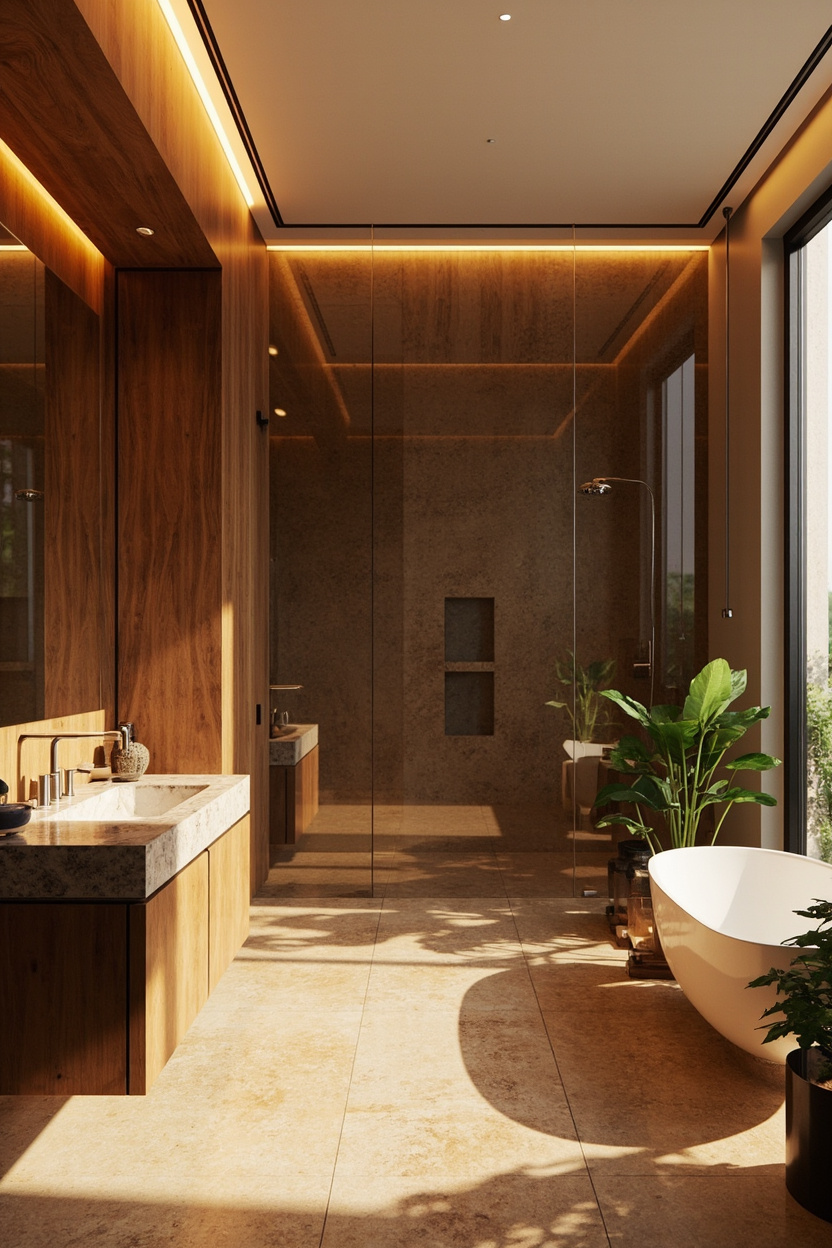
Replacing bleached finishes with warm walnut vanities or accents brings in richness and a sense of permanence that buyers find appealing.
Walnut pairs especially well with natural stone tiles and matte black fixtures, creating a spa-like aesthetic that reads expensive yet approachable.
Prioritize moisture-resistant construction and cabinet hardware updates so the look endures. If you’re leaning into rustic-modern or classic palettes, coordinate with broader home styles to maximize appeal across potential buyers.
6. Integrated Home Office Nook Ideas
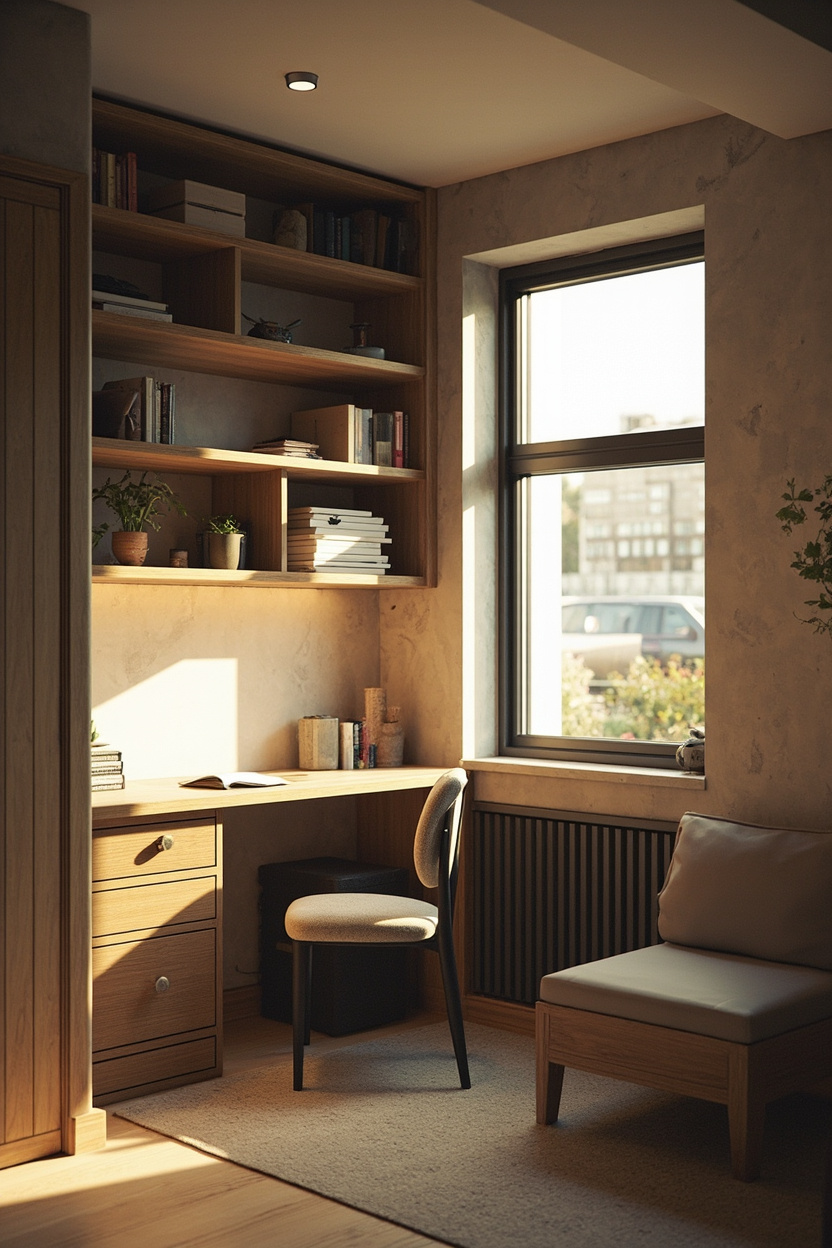
A thoughtfully integrated office nook—built into a hallway, bedroom alcove, or kitchen—adds functional square footage without major structural work and appeals to remote workers.
Keep the footprint compact but efficient: a shallow desk, vertical storage, and task lighting make the space usable while maintaining open sightlines.
Finish the nook to match the surrounding millwork and floors so it feels intentional rather than ad-hoc; buyers prefer a seamless look that suggests the home was designed for modern living. For more layout strategies that help circulate space and purpose, consider how floor plans can absorb small work zones without sacrificing flow.
7. Bold Wallpaper Focal Wall Strategies
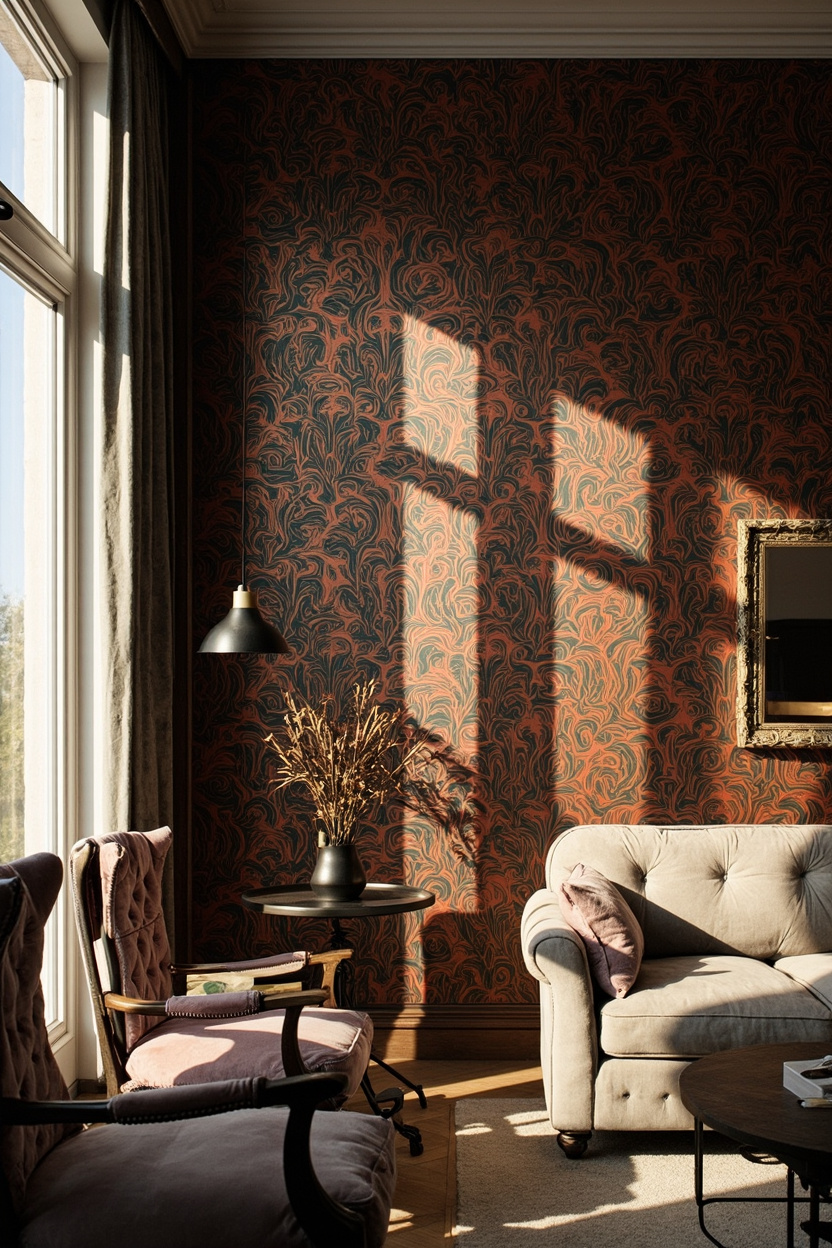
A carefully chosen wallpaper focal wall adds visual interest without a full-room commitment, making a space feel intentional and updated for relatively low cost. Opt for oversized scale patterns or textured grasscloth in a single accent wall to create drama that photographs well for listings and staging.
Place the wallpaper where it highlights an architectural feature behind a bed, sofa, or dining wall—to guide the eye and suggest a defined purpose for the room.
For broader appeal, pair bold patterns with neutral furnishings and consider removable options to keep the renovation buyer-friendly.
8. Curved Furnishings Soften Interiors
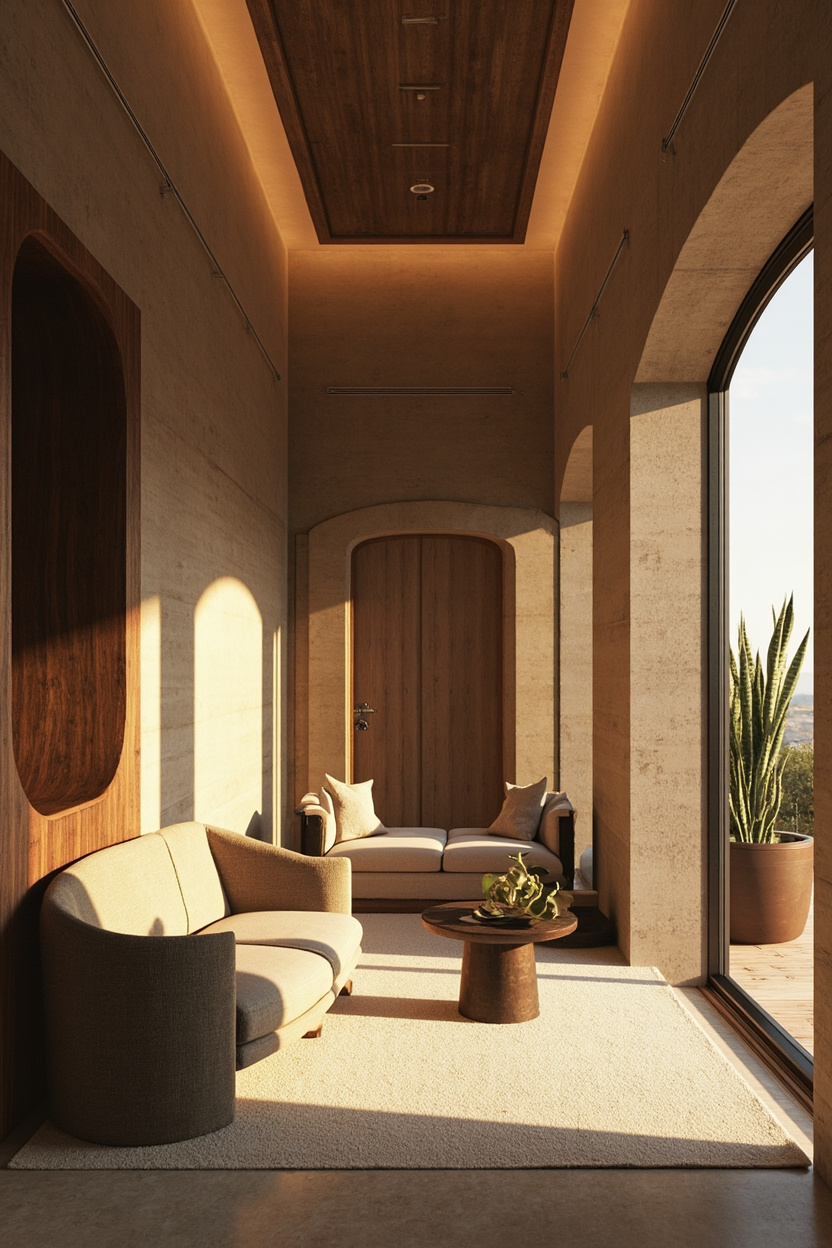
Introducing curved sofas, rounded coffee tables, or arched built-ins smooths a room’s lines and signals a contemporary, high-end update without structural work.
These pieces soften traffic flow and make spaces feel more inviting, which can sway emotional buying decisions and improve perceived value.
Select one or two curved statement pieces rather than replacing everything, and keep the rest of the palette restrained so the forms read as intentional design, not trend-only.
Curved elements work especially well in living rooms and master suites where comfort and style drive resale appeal.
9. Layered Lighting For Mood Control
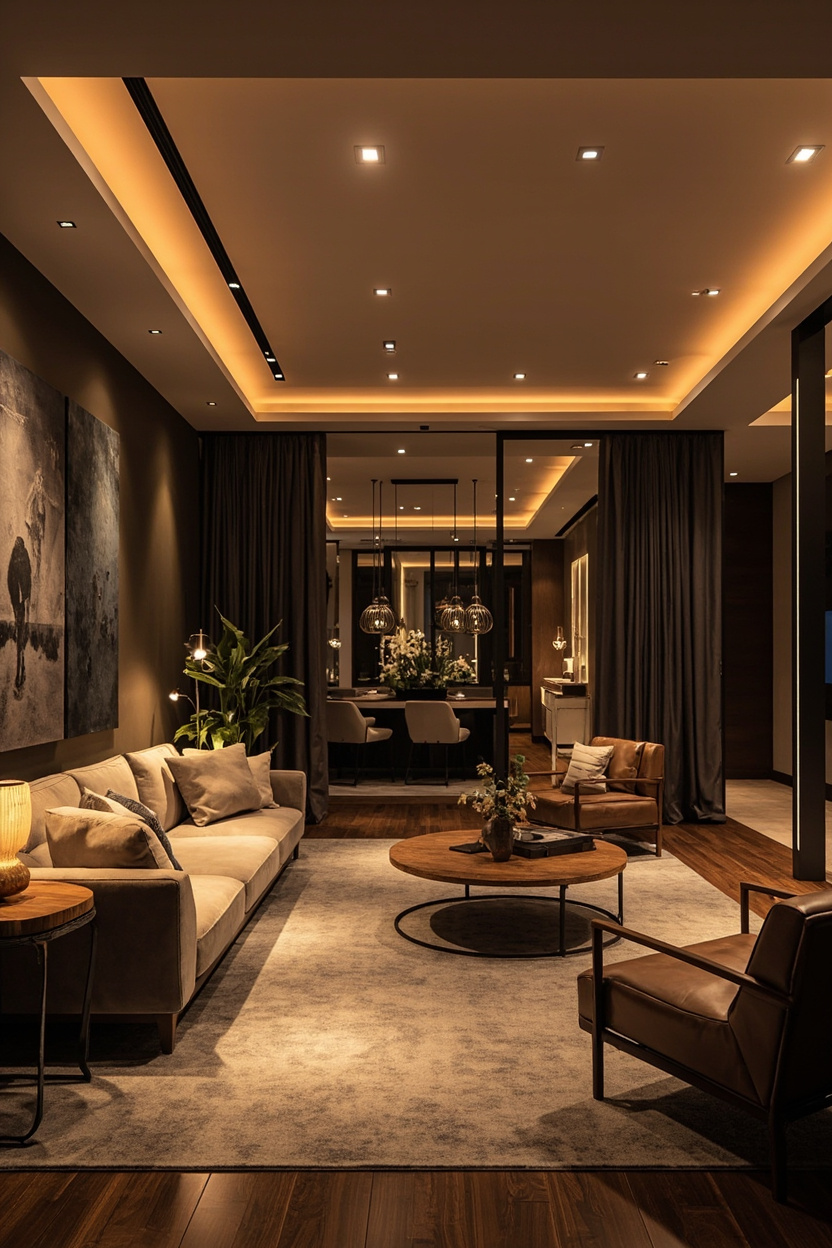
A layered lighting scheme—combining ambient, task, and accent sources—transforms how a home functions and photographs, making rooms feel larger and more versatile.
Install dimmers, add sconces or pendant clusters, and include undercabinet or toe-kick lighting in kitchens to showcase finishes and improve everyday usability.
Good lighting highlights architectural details and creates a mood, which helps buyers envision different uses for a space.
Prioritize energy-efficient LED fixtures and smart controls to boost marketability and demonstrate a modern, low-maintenance upgrade.
10. Sustainable Material Choices That Last
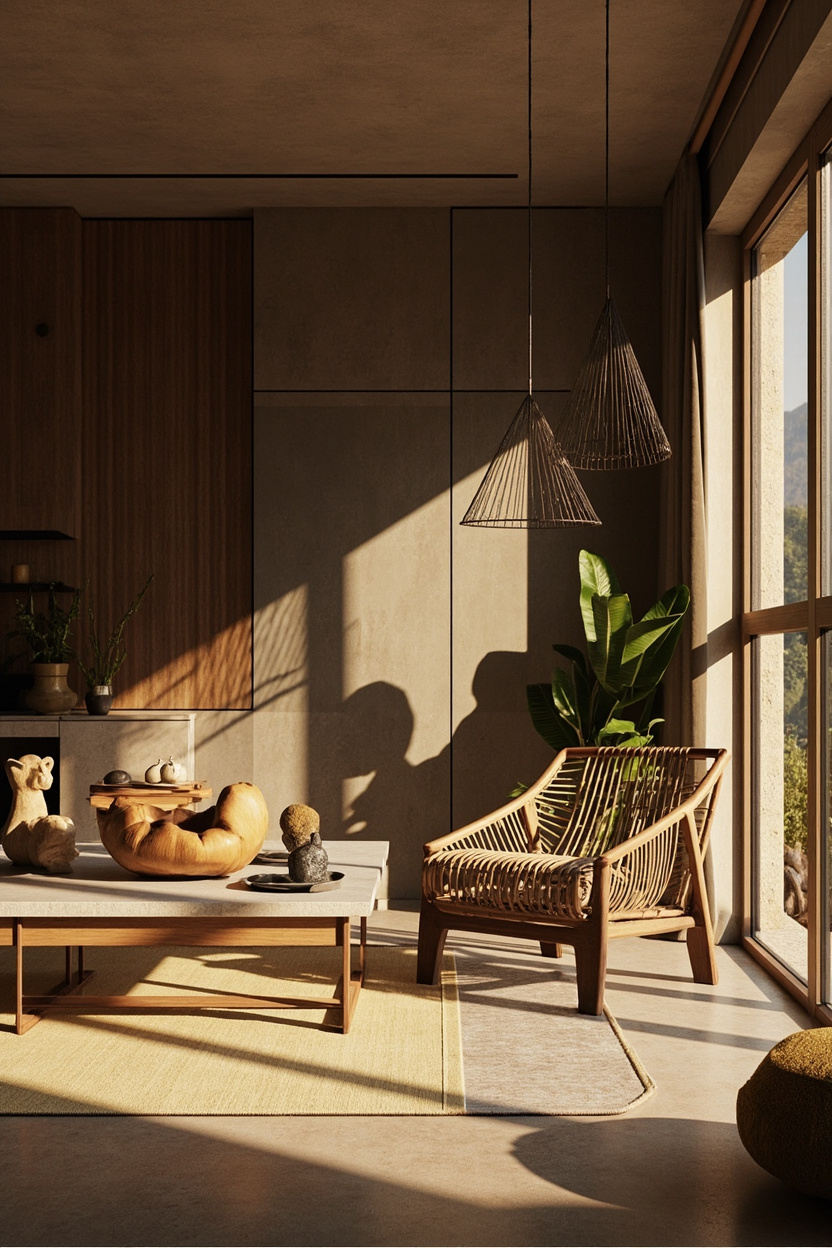
Choosing durable, low-maintenance materials—think porcelain tile, engineered hardwood with a walnut or white oak finish, and recycled-content countertops reduces long-term upkeep and appeals to eco-conscious buyers.
These selections signal quality and lower lifetime costs, boosting perceived value without a luxury price tag.
Specify certifications like FSC for wood or GREENGUARD for finishes to validate claims; buyers increasingly search for verified sustainability when assessing resale potential.
11. Maximizing Small-Space Functionality
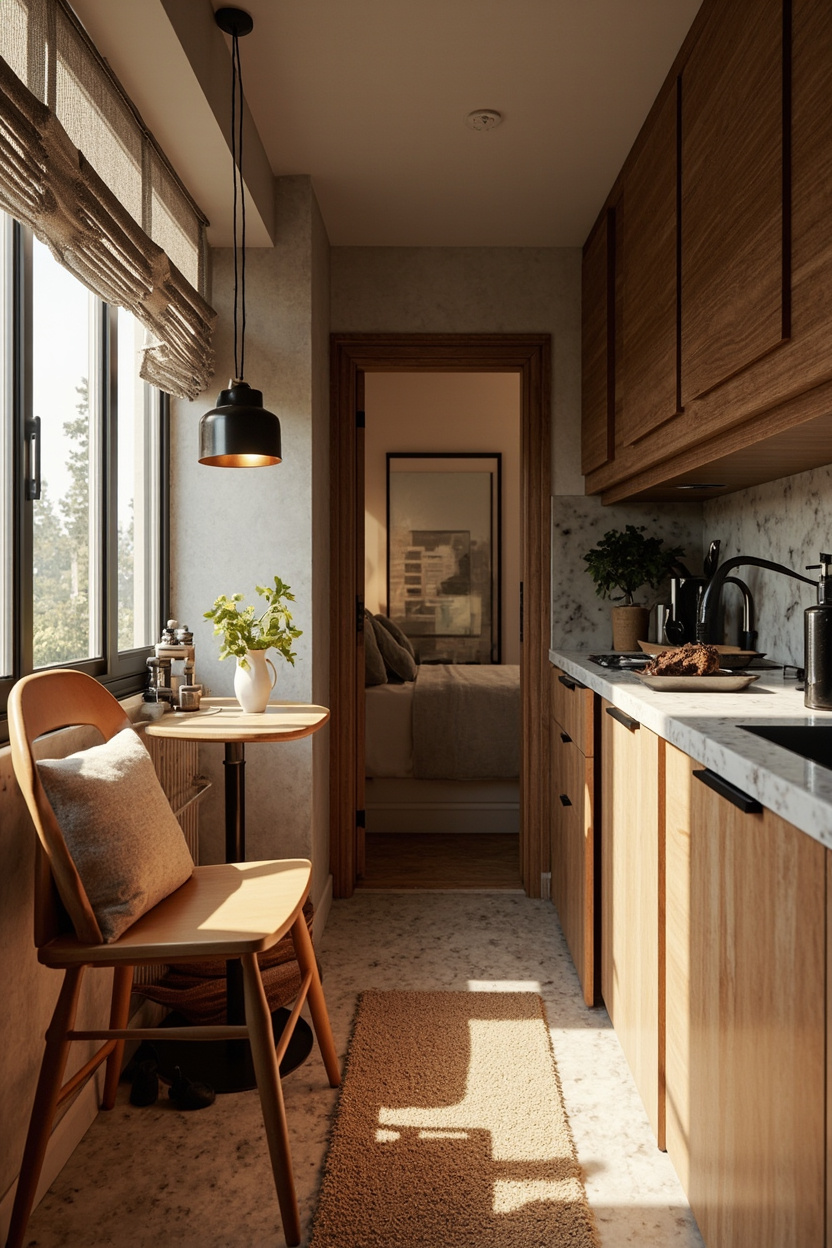
Smart storage and multi-use fixtures convert tight footprints into highly liveable layouts: wall-mounted foldaways, built-in pantry systems, and kitchen islands on casters improve flow and utility.
These changes often cost less than square footage additions but deliver measurable lifestyle upgrades that show well to potential buyers.
Design with flexible zones—a nook that reads as a home office by day and a guest sleeping space by night—so listings can market the home to a wider audience searching for versatility.
12. Outdoor Rooms Extend Living Areas
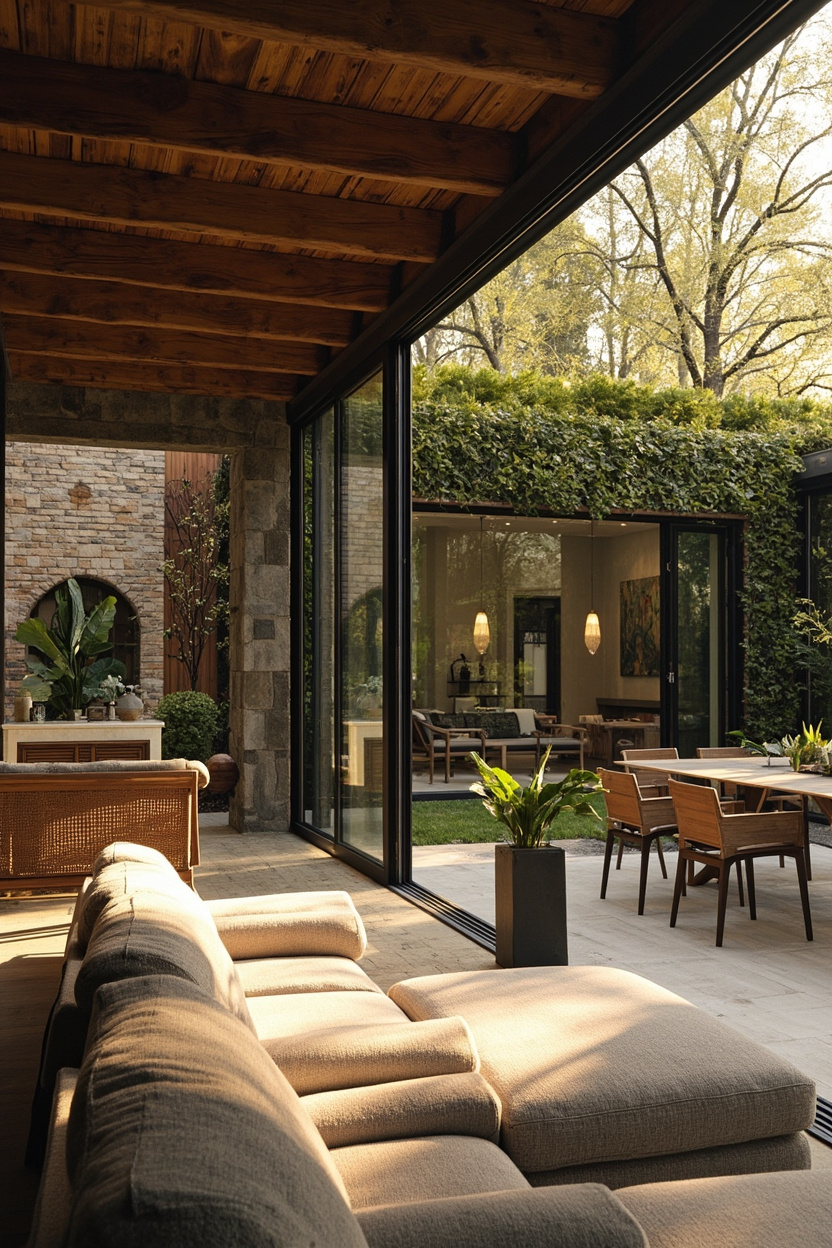
Well-designed outdoor rooms—covered patios with weatherproof seating, layered lighting, and durable flooring—effectively add usable square footage and enhance curb-to-backyard appeal.
Buyers value spaces that feel like true extensions of the interior, especially when landscaping, heating, or screening make them usable across seasons.
Keep finishes consistent with the home’s style (for example, pairing sleek decking with minimalist interiors or raw timber with a farmhouse aesthetic) to create a seamless experience that strengthens resale storytelling.
13. Textured Ceilings Add Visual Interest
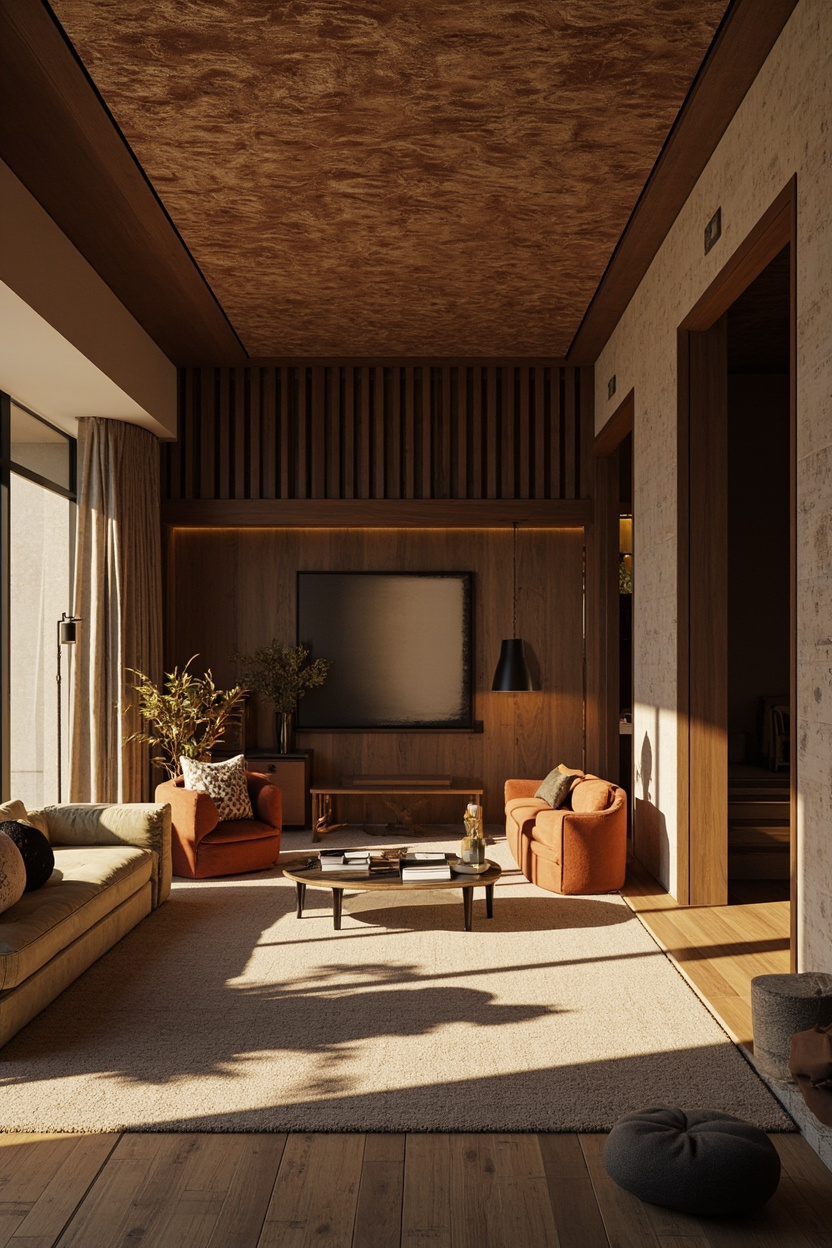
Textured ceilings give rooms immediate character without a full remodel; subtle techniques like plaster swirls or beadboard draw the eye upward and make spaces feel more finished.
They’re especially effective in older homes where adding depth can hide minor ceiling imperfections and reduce the need for costly repairs.
Choose textures that complement your overall style—smooth Venetian plaster for a refined look or tongue-and-groove for farmhouse warmth—to increase perceived value.
Small, well-executed ceiling upgrades photograph well for listings, making rooms read as intentional and cared-for to prospective buyers.
14. Color-Forward Cabinetry Trends
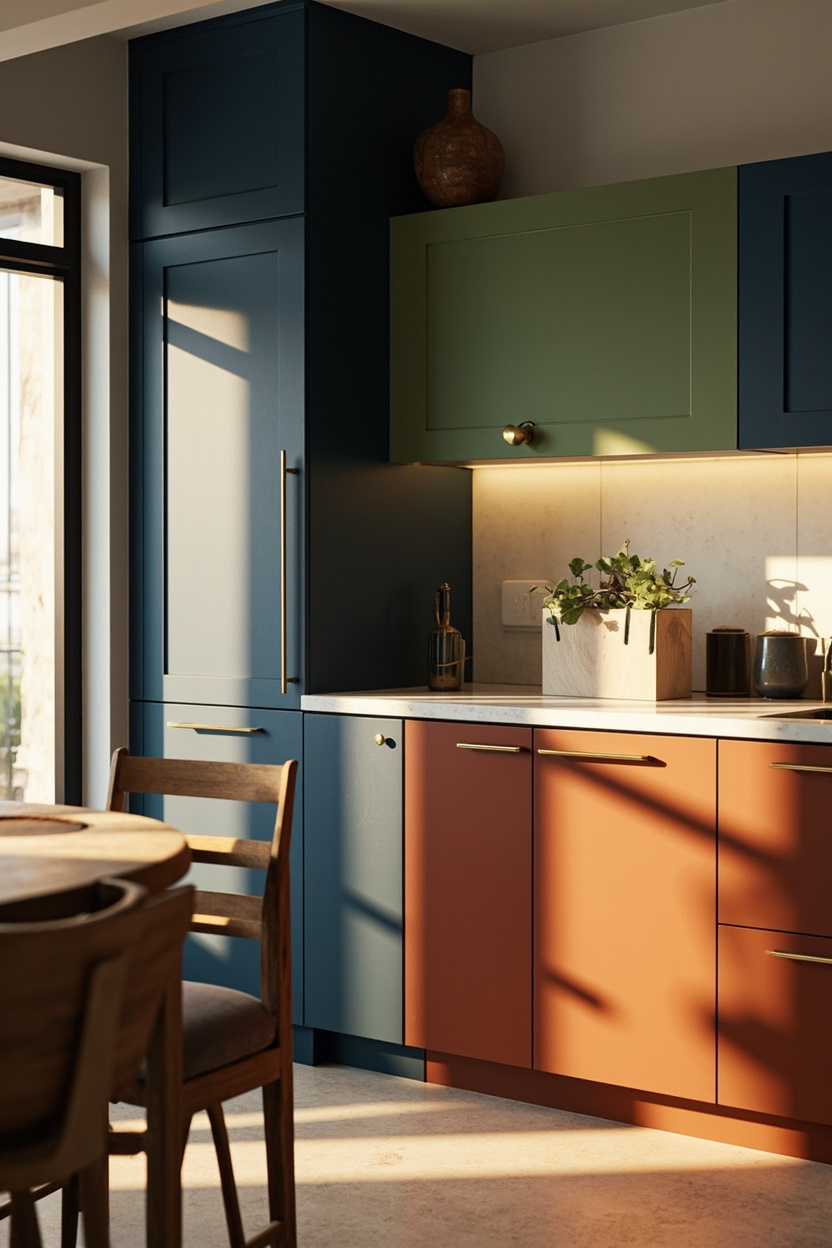
Moving away from all-white kitchens, painted and stained cabinetry in deep greens, navy, and warm walnut tones signals a considered, designer touch that buyers notice.
These hues pair well with natural stone countertops or brass hardware, creating a high-end look without replacing the entire kitchen.
For cost-effective resale impact, repaint existing cabinets and swap hardware instead of a full replacement; the refreshed palette modernizes the space and aligns with trends found in both farmhouse and modern homes.
Strategic accent cabinets—an island in a contrasting tone—offer drama while keeping budgets sensible.
15. Flexible Open-Plan Room Zoning
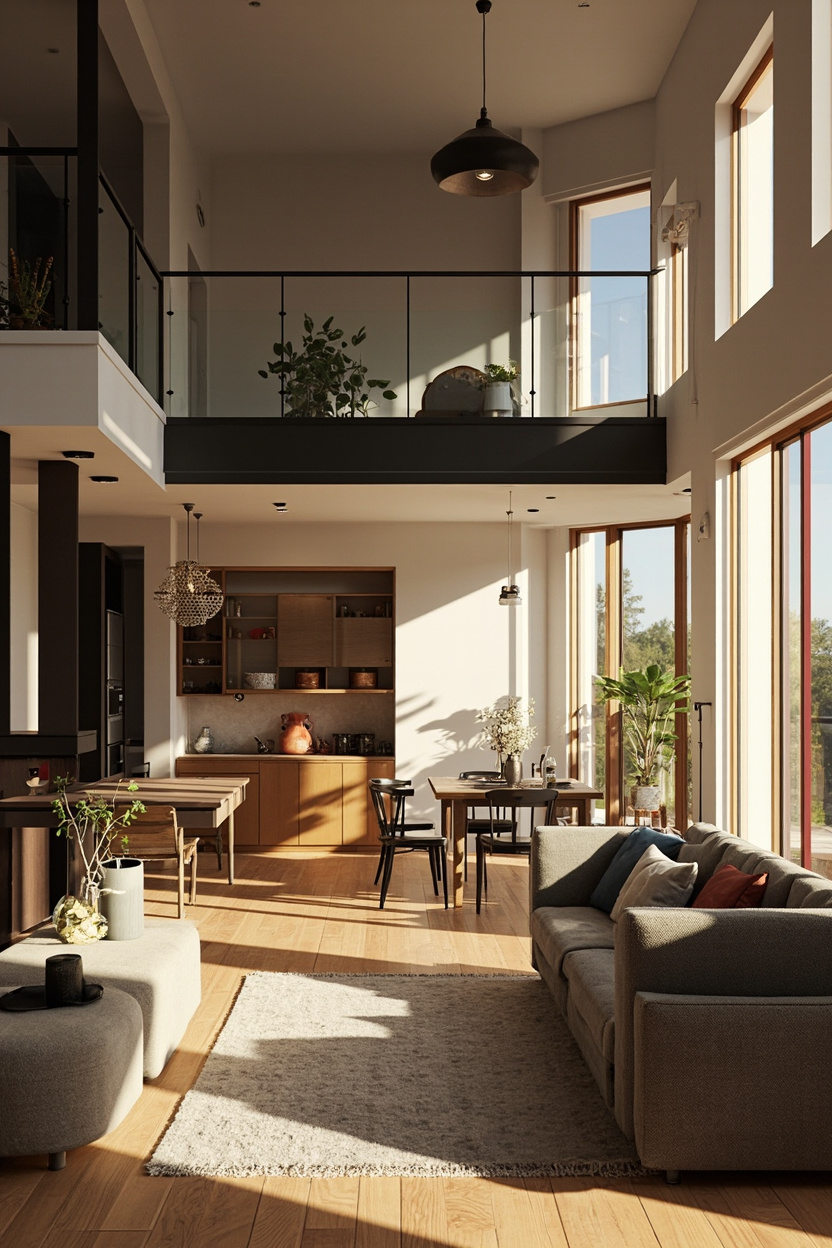
Open plans remain popular, but buyers now want defined zones for work, play, and dining within that openness. Use half-walls, area rugs, built-in shelving, or differing floor finishes to create functional pockets without sacrificing light or flow.
This adaptability appeals to families and remote workers alike; a home that can transition between entertainment and work modes feels more useful and future-proof.
Thoughtful zoning upgrades are relatively low-cost yet raise perceived square footage and livability, improving resale appeal.
Final Thoughts
Invest in visible, well-executed upgrades that enhance function and finish—modern cabinetry colors, intelligent open-plan zoning, and measured ceiling treatments all lift buyer perception without high cost. Prioritize cohesion and durability to maximize resale appeal.
FAQ
Kitchens and bathrooms consistently top ROI lists—focus on durable surfaces, updated fixtures, and a timeless palette to appeal to many buyers.
Tasteful color choices in key areas (island, lower cabinets) can elevate a home; keep the overall scheme balanced and neutral elsewhere to avoid alienating buyers.
Prioritize projects with high visual impact and modest cost: paint, lighting, hardware, and minor landscaping often deliver strong returns versus large-scale structural work.
When done subtly and in harmony with the home’s style, textured ceilings and attention to detail enhance perceived quality; avoid extreme or dated treatments that feel fussy.