


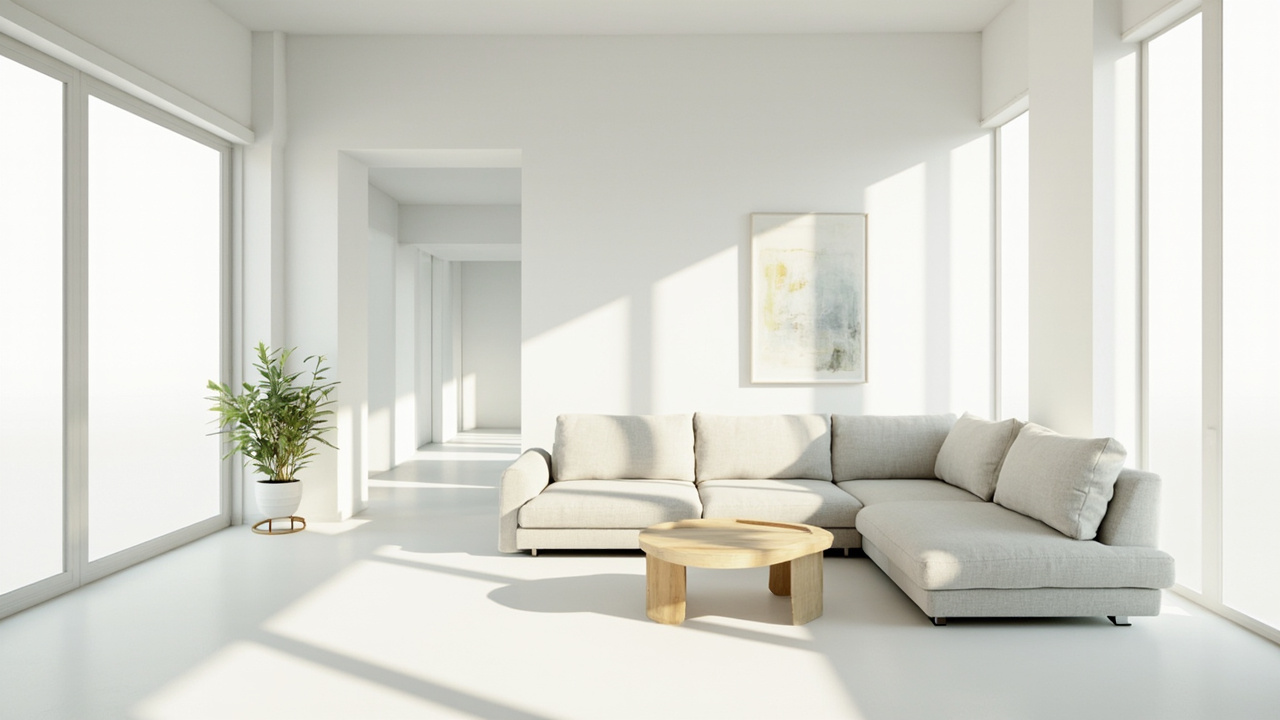
Minimalist Home Decor brings a clean breath into crowded lives, softening the visual noise with calm lines and quiet textures. You feel the relief in smooth surfaces and muted colors, a tactile invitation to rest and reset after a busy day.
These 19 Beautiful Minimalist Home Decor You’ll Love are essential now because they balance practicality with warmth, offering pieces that simplify routines while keeping rooms inviting.
- 1. Modern Minimalist
- 2. Warm Minimalism
- 3. Textured Minimalism
- 4. Japandi Minimalism
- 5. Sculptural Simplicity
- 6. Slow Living Spaces
- 7. Minimalist Maximalism
- 8. Neutral Palette Power
- 9. Curved Minimal Forms
- 10. Sustainable Minimal Decor
- 11. Layered Minimal Textiles
- 12. Minimalist Gallery Walls
- 13. Functional Minimal Kitchens
- 14. Minimalist Vintage Fusion
- 15. Monochrome Minimal Interiors
- 16. Minimalist Lighting Drama
- 17. Natural Material Focus
- 18. Quiet Luxury Minimalism
- 19. Minimalist Entryways
- Final Verdict
- FAQs
1. Modern Minimalist
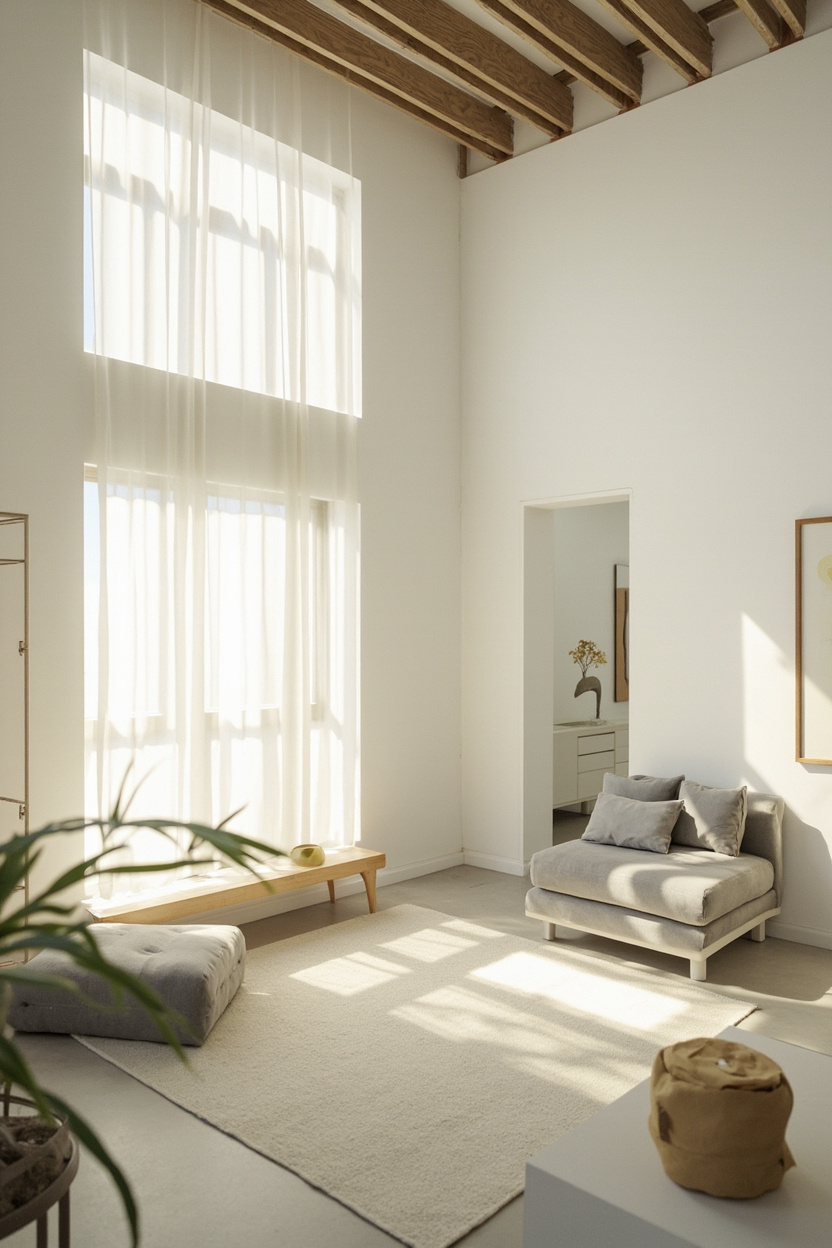
This space feels crisp and uncluttered, like fresh air in a city apartment, with clean sightlines and purposeful furniture placement. The first impression is sharp, calm—every piece has a jo,b and nothing competes for attention.
Surfaces are smooth and often matte, with lacquered cabinetry and slim metal or wood legs on furniture to keep the look light. Fabrics are tight-knit and restrained, such as cotton canvas and fine wool, paired with glass and brushed steel accents.
Color Palette
- Neutral base of whites and greys with a single accent color for contrast.
- High-contrast black trims or fixtures to define architectural lines.
- Soft metallics like brushed nickel are used sparingly for warmth.
The Vibe
- Serene and ordered, prioritizing function and clear visual flow.
- Minimal ornamentation with an emphasis on negative space.
- Smart storage solutions are hidden from view to maintain the aesthetic.
2. Warm Minimalism
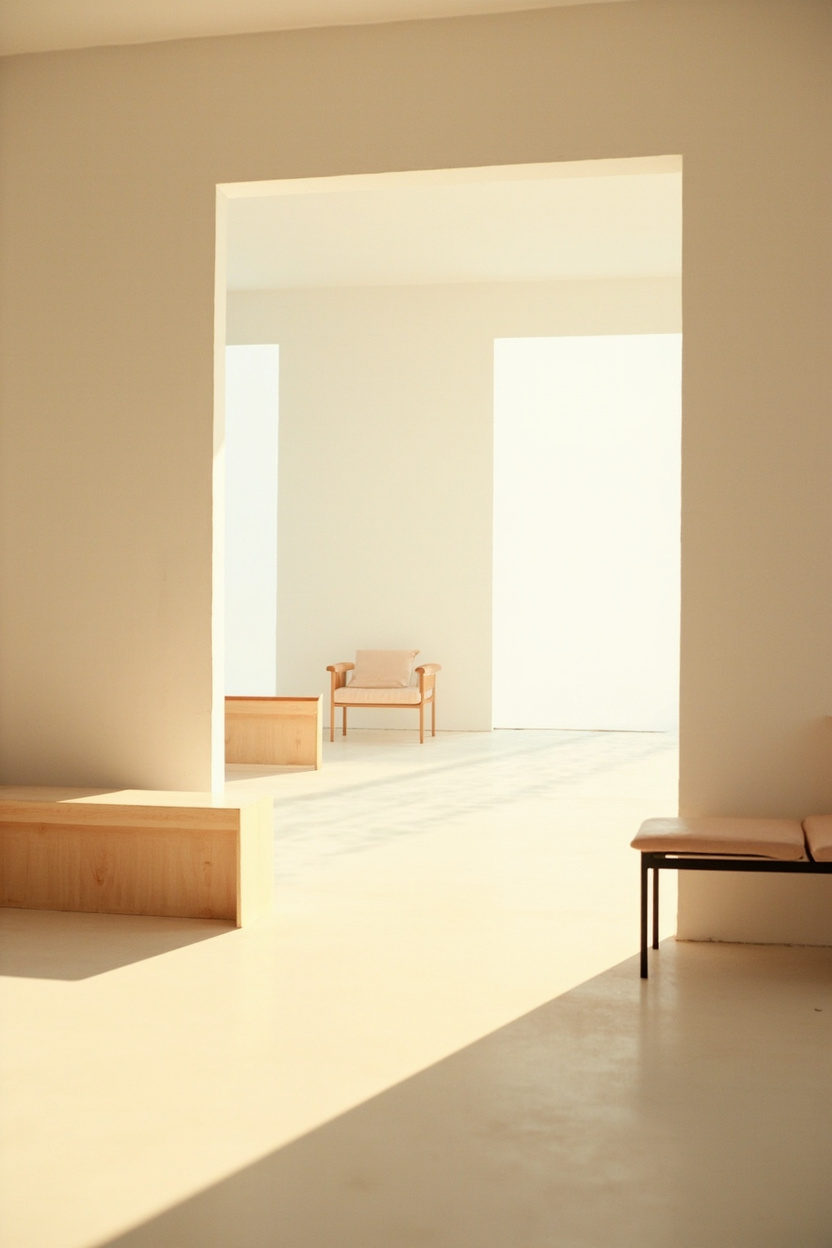
Warm Minimalism feels cozy without clutter, blending simplicity with soft, inviting touches that make a home feel lived-in. The immediate atmosphere is calming, with a gentle human scale and approachable furniture.
Materials lean toward natural warmth: oiled woods, warm stone, and textiles like linen and alpaca that add tactile softness. Accents are matte and organic—think terracotta pots and leather throws—to keep the palette grounded.
Materials & Textures
- Light to medium wood tones for furniture and flooring to add warmth.
- Textured linens, wools, and brushed leathers for layered comfort.
- Matte ceramic and unglazed clay accessories for an earthy texture.
Style Notes
- Keep furniture shapes simple, but choose warmer finishes and rounded edges.
- Introduce soft textiles and layered rugs to break the formality.
- Use subdued, warm accents instead of bold color pops.
3. Textured Minimalism
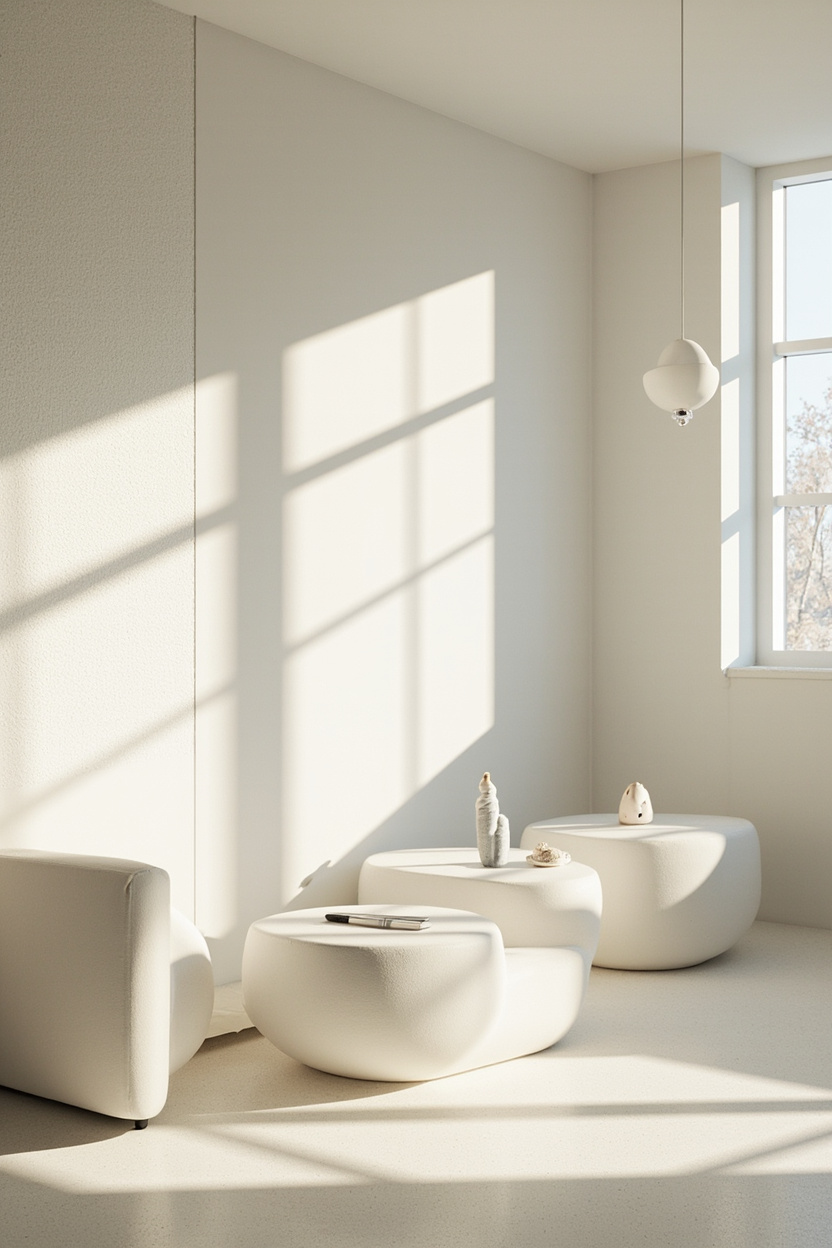
Textured Minimalism reads calm from a distance but reveals depth up close through tactile surfaces and layered materials. The room feels intentionally simple yet rich with sensory detail.
Expect a mix of rough and refined: plastered walls, boucle upholstery, woven baskets, and concrete or reclaimed wood surfaces. The textures create contrast while maintaining a restrained color story.
Natural Elements
- Raw or honed stone and concrete surfaces for grounded solidity.
- Handwoven textiles and natural fiber rugs for tactile interest.
- Reclaimed wood finishes add character without visual clutter.
Design Details
- Layer textures in small doses to avoid visual overload.
- Choose neutral tones so texture, not color, becomes the focal point.
- Opt for matte finishes to emphasize materiality over shine.
4. Japandi Minimalism
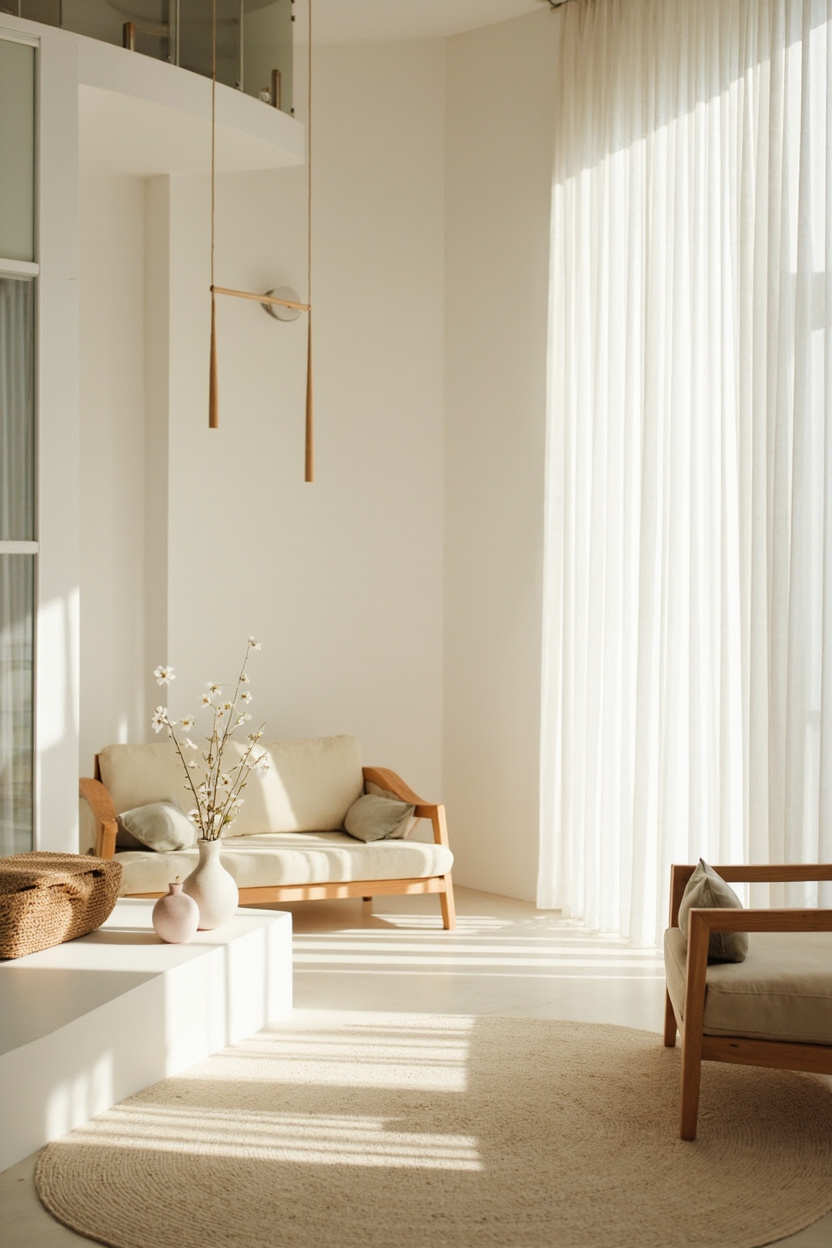
Japandi Minimalism blends Scandinavian warmth with Japanese restraint, creating serene, balanced interiors that feel both lived-in and intentional. The initial impression is tranquil harmony with a focus on craft.
Materials are natural and refined: light woods like oak and birch paired with dark-stained accents, paper lamps, and simple ceramics. Surfaces are tactile but refined, highlighting joinery and subtle imperfections.
Materials & Textures
- Light, unfinished woods contrasted with darker wood details for depth.
- Washi paper lamps, linen textiles, and simple ceramic wares for softness.
- Low-profile furniture with visible joinery and minimal embellishment.
Key Elements
- Low, functional furniture that emphasizes horizontality and calm.
- Carefully chosen, handcrafted pieces that show subtle imperfection.
- Muted color palette with strategic dark accents for balance.
5. Sculptural Simplicity
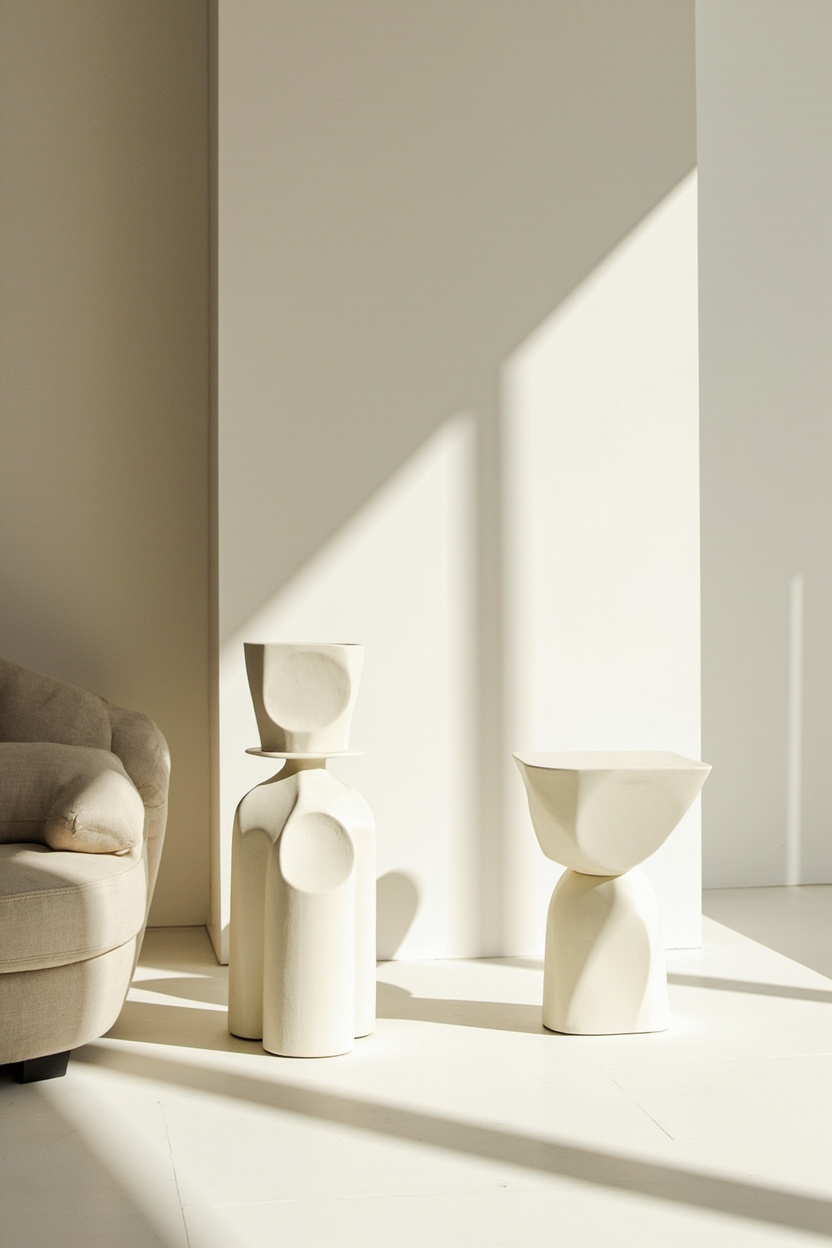
Sculptural Simplicity feels like a quiet gallery where furniture doubles as art, offering bold silhouettes within a pared-back setting. The first impression is elegant restraint, where form and negative space create drama.
Materials are chosen to showcase curves and planes: smooth plaster, bent plywood, cast stone, and matte metals that highlight shape over ornament. Fabrics are simple and supportive, letting the silhouettes remain the hero.
Color Palette
- Muted neutrals to keep focus on form, with occasional deep tones to accentuate curves.
- Monochrome groupings that emphasize silhouette rather than pattern.
- Soft contrasts using tonal variations rather than bright hues.
The Vibe
- Calm, gallery-like atmosphere emphasizing negative space and sculptural pieces.
- Intentional placement of statement furniture to create visual rhythm.
- Quality materials and finishes that highlight the design’s lines.
6. Slow Living Spaces
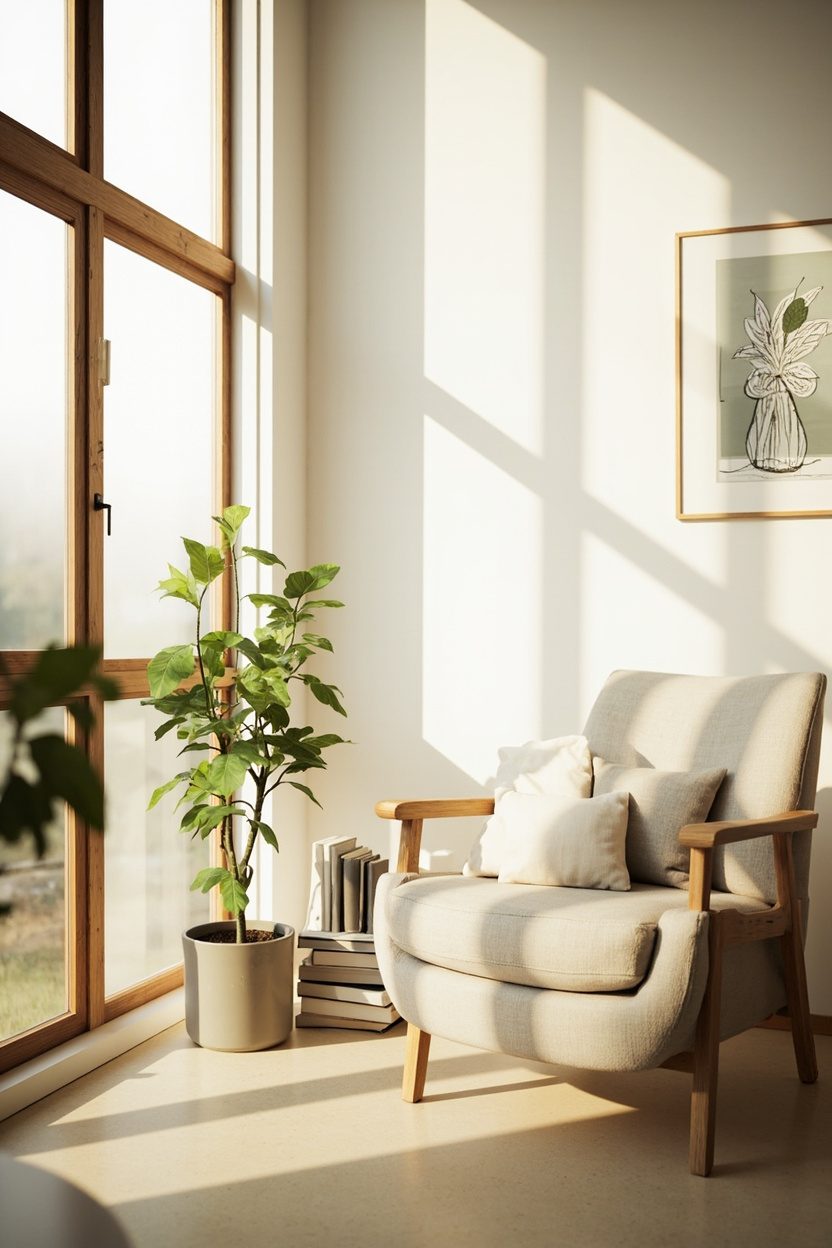
Slow Living Spaces feel calm and unhurried, like a gentle pause in a busy day. The first impression is warm serenity that invites lingering and low-energy activity.
Surfaces are soft and matte, with linen, raw wood, and hand-thrown ceramics adding tactile depth. Furniture is low-profile and comfortable, encouraging slow routines and simple rituals.
Materials & Textures
- Oversized linen sofas and cotton throws for relaxed comfort.
- Reclaimed wood tables with matte finishes to show natural grain.
- Handmade pottery and woven baskets for subtle texture contrast.
The Vibe
- Gentle, unstructured layouts that prioritize comfort over formality.
- Soft, warm lighting that mimics daylight and slows the pace.
- Minimal clutter with a few meaningful objects displayed intentionally.
7. Minimalist Maximalism
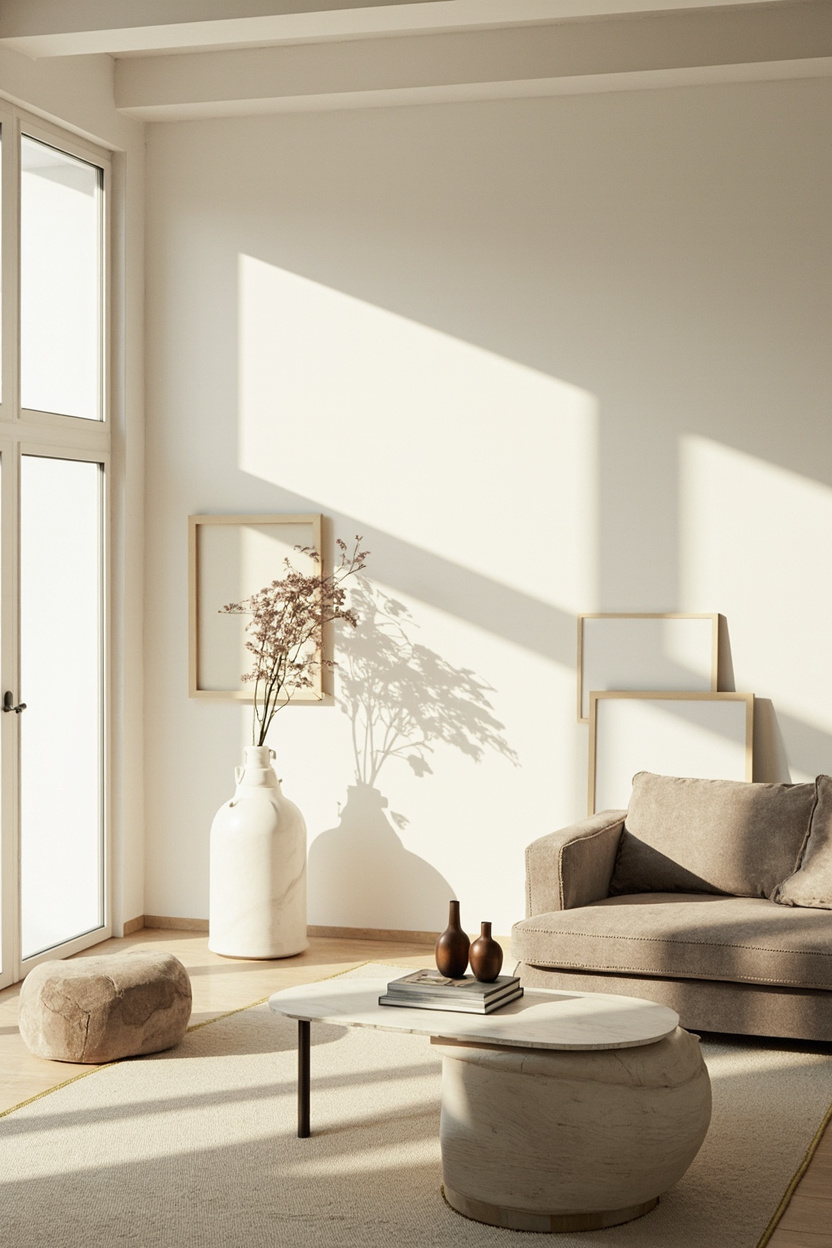
Minimalist Maximalism balances bold personality with restraint, giving impact without chaos. The first impression is curated confidence—statements are few but strong.
Materials mix sleek modern surfaces with one or two bold, richly textured pieces like an oversized rug or sculptural chair. Contrast is key: smooth lacquer and raw boucle, glass and hammered metal.
Color Palette
- Neutral base tones punctuated by one saturated accent color.
- High-contrast black or deep navy elements to anchor the room.
- Warm metallics are used sparingly for highlights.
Design Details
- One statement furniture piece per room that defines the aesthetic.
- Layered lighting with dramatic directional fixtures and soft ambient light.
- Artful negative space to let bold pieces breathe.
8. Neutral Palette Power
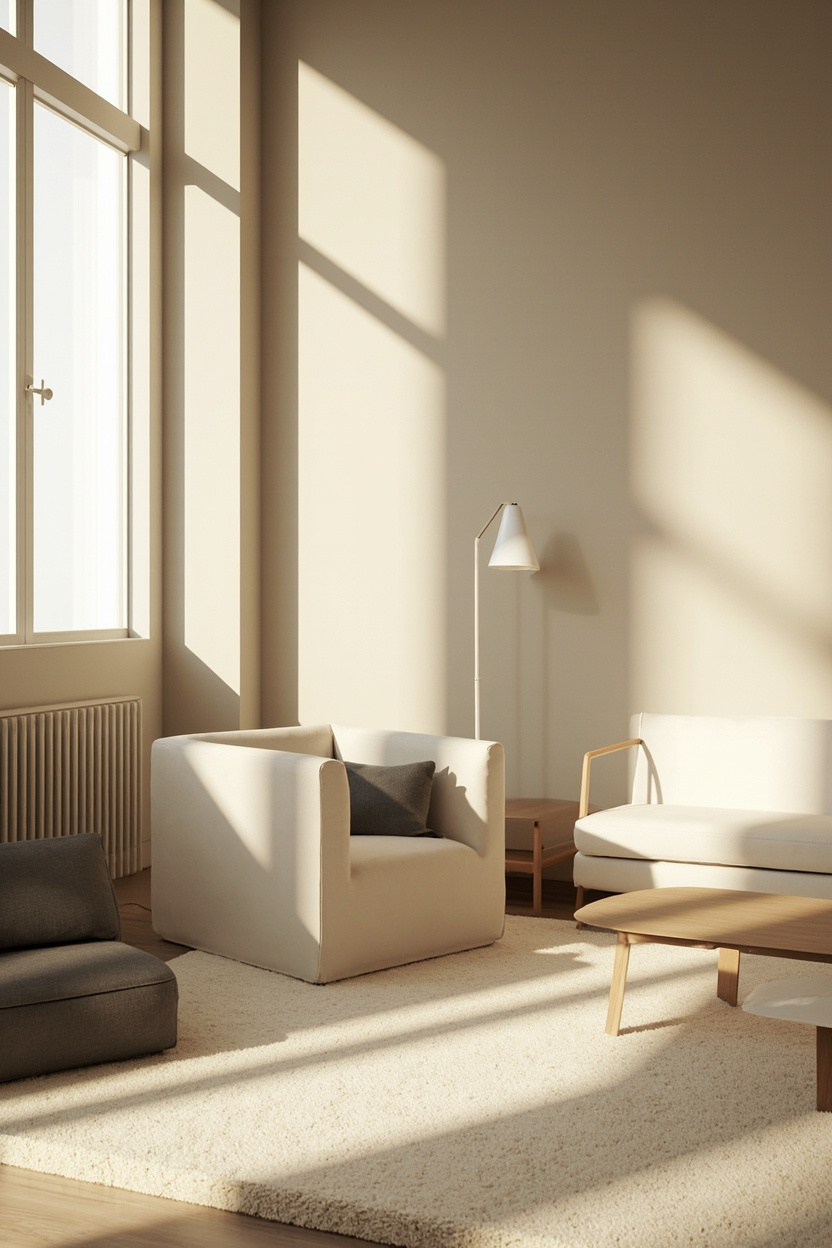
Neutral Palette Power feels sophisticated and calming, relying on subtle tonal shifts for interest. The first impression is cohesive elegance that’s easy on the senses.
Textures play the leading role—suede, terracotta, wool, and matte ceramics create depth without introducing color distractions. Finishes stay low-sheen for a refined, modern feel.
Color Palette
- Layered beiges and greiges that create a soft, continuous backdrop.
- Warm off-whites to brighten without stark contrast.
- Deep brown or charcoal accents for visual grounding.
Key Elements
- Monochrome textiles layered for richness and variation.
- Simple, streamlined furniture silhouettes to maintain calm.
- Subtle patterning in rugs or pillows to add quiet interest.
9. Curved Minimal Forms
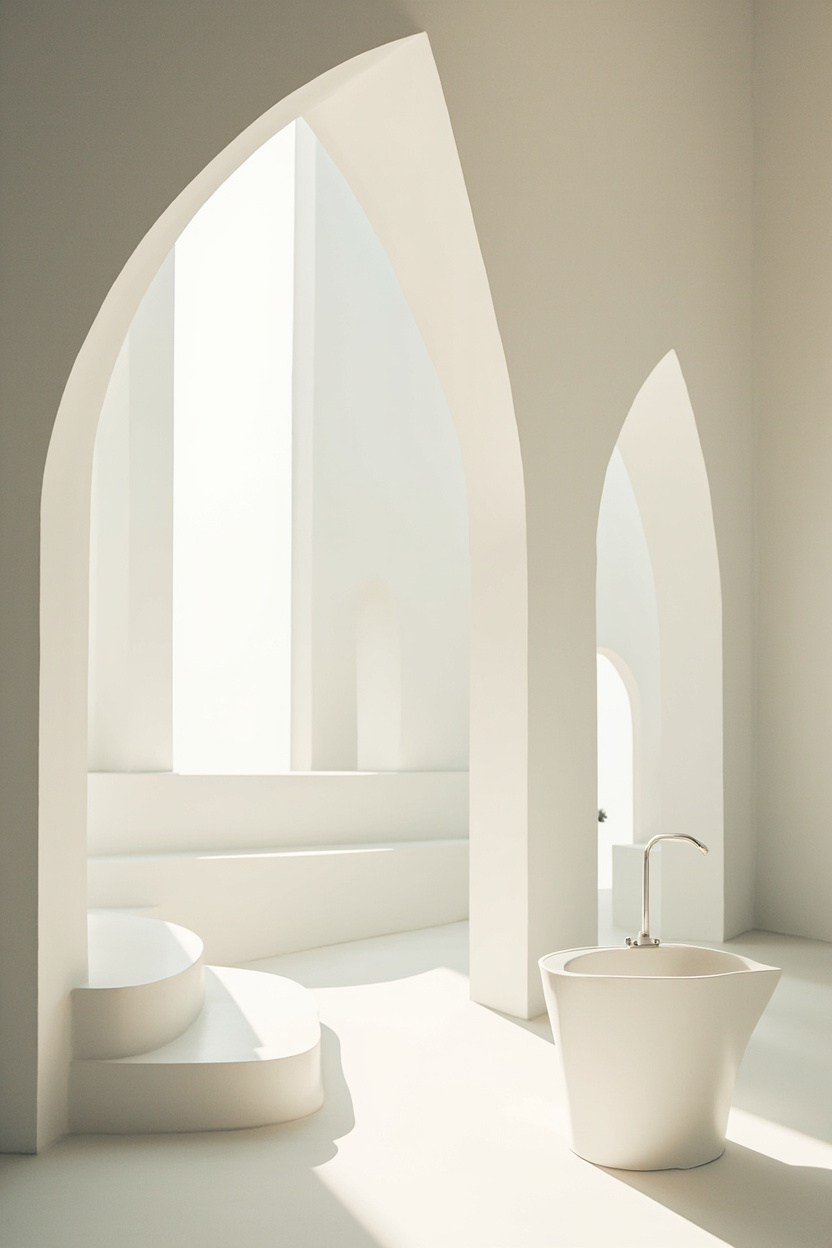
Curved Minimal Forms feel modern yet inviting, with soft lines that reduce visual tension. The first impression is an approachable design—clean but friendly.
Materials favor warm woods, molded upholstery, and matte metals that follow the curves. Edges are rounded, and joints are hidden to keep the silhouette seamless.
Materials & Textures
- Sculpted plywood and bentwood for organic, flowing furniture shapes.
- Bouclé and velvet upholstery to emphasize tactile softness.
- Matte brass or soft black metal accents to complement curves.
Style Notes
- Low-profile furniture with rounded backs and tapered legs.
- Soft, indirect lighting to highlight shapes without glare.
- Minimal decor focused on form rather than ornament.
10. Sustainable Minimal Decor
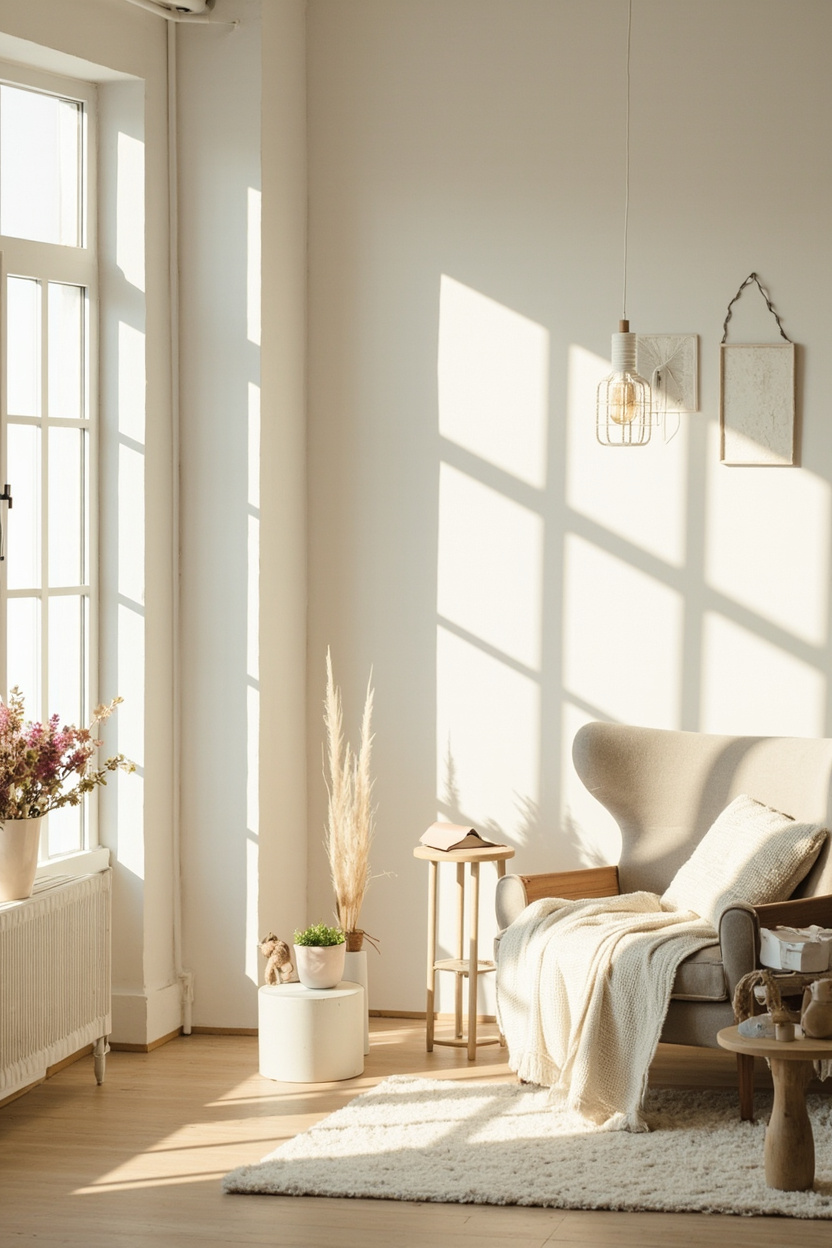
Sustainable Minimal Decor feels ethical and intentional, where every piece has a purpose and a story. The first impression is clear and conscientious living that respects resources.
Materials are locally sourced, recycled, or upcycled—think FSC wood, reclaimed metal, and organic fabrics. Finishes avoid toxic coatings, favoring natural oils and water-based stains.
Natural Elements
- Reclaimed wood furniture that shows age and character.
- Organic cotton and hemp textiles for breathable comfort.
- Stone and terracotta accessories that are fully recyclable.
Design Details
- Intentional, multipurpose furniture to reduce consumption.
- Neutral palettes that extend the life of pieces through trends.
- Local artisanship prioritized over mass-produced items.
11. Layered Minimal Textiles
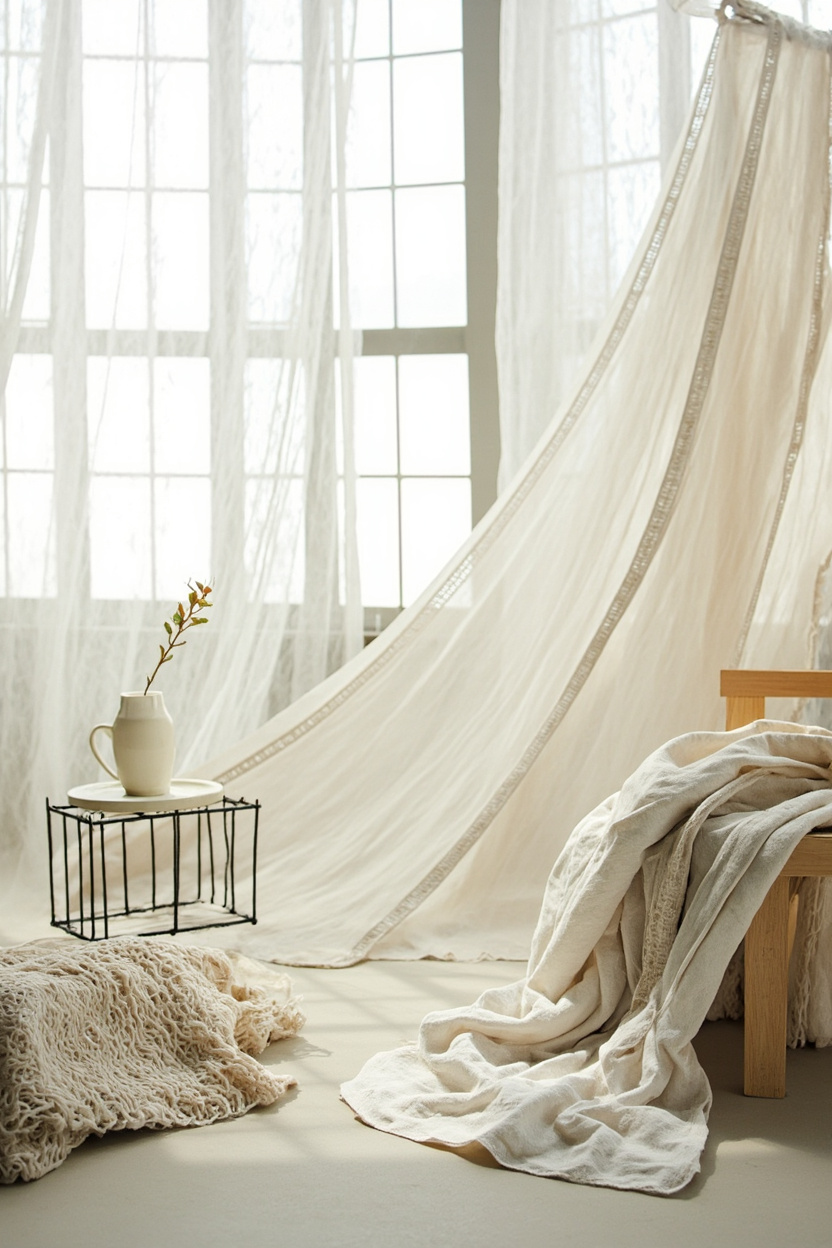
Layered Minimal Textiles feel calm and collected, with an inviting softness that keeps a minimalist room from feeling cold. The first impression is quiet luxury—simple shapes warmed by generous fabrics.
Textiles are lightweight linens, low-pile wools, and soft cottons layered like quiet waves, creating depth without clutter. Finishes are matte and natural, leaning on handcrafted weaves and subtle stitching.
Materials & Textures
- Use linen throws and cotton blankets in neutral tones for breathable layers.
- Add a low-pile wool rug to ground seating areas with subtle warmth.
- Choose matte, hand-loomed fabrics to introduce tactile interest.
Design Details
- Keep patterns minimal—tone-on-tone stripes or small grids are enough.
- Stack textiles neatly on benches or at the foot of beds to look intentional.
- Limit color shifts to two or three near-neutrals for cohesion.
12. Minimalist Gallery Walls
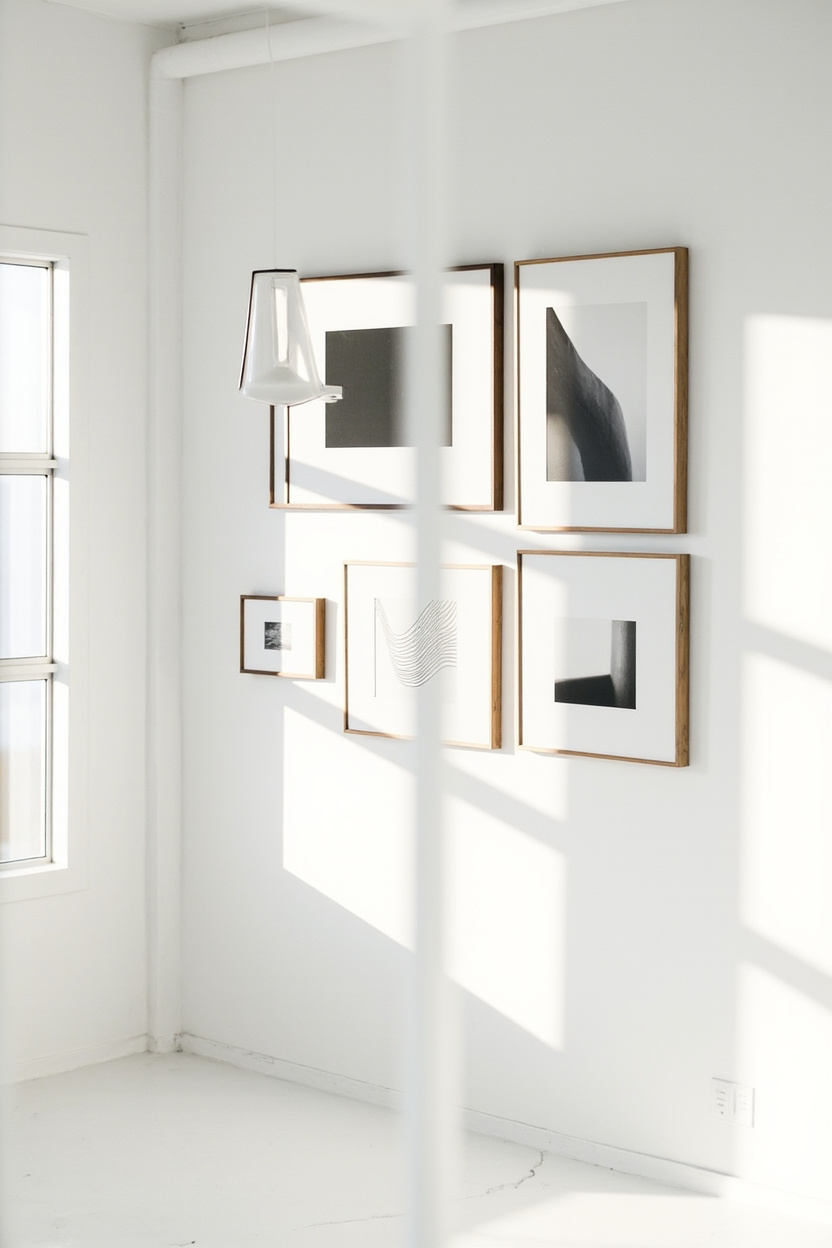
Minimalist Gallery Walls present curated calm—art feels deliberate, spaced, and balanced to avoid visual noise. The first impression is thoughtful restraint, where each piece has room to breathe.
Frames are thin and simple, with mats that create negative space and unify varied art sizes. Materials favor matte paper, charcoal sketches, and limited-color prints for consistency.
Color Palette
- Stick to black, white, and one muted accent for cohesion.
- Use off-white mats to create consistent borders across artworks.
- Include a single warm tone in one or two pieces to anchor the layout.
The Vibe
- Arrange with equal spacing and staggered heights for a relaxed grid feel.
- Mix photography and line drawings for subtle contrast without clutter.
- Keep frames identical or matching finishes to maintain minimal unity.
13. Functional Minimal Kitchens
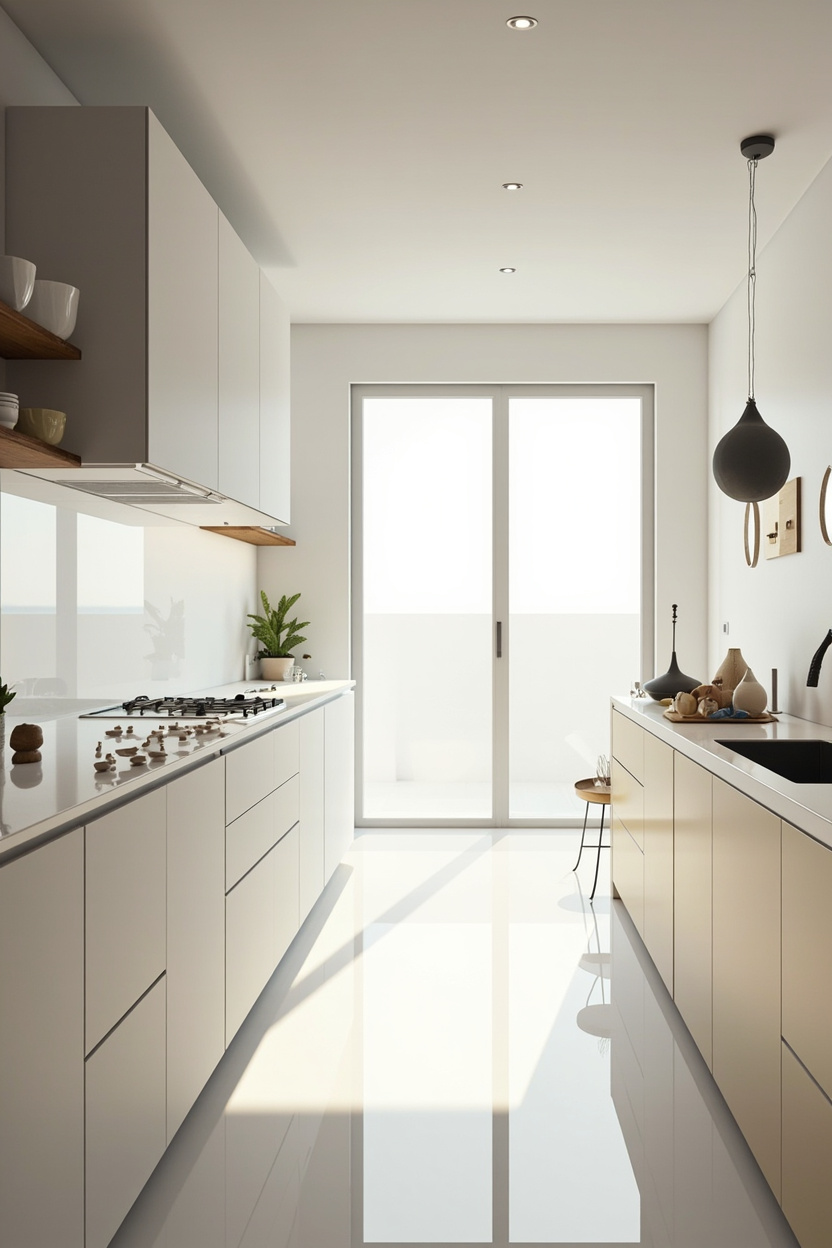
Functional Minimal Kitchens feel open and efficient, with everything placed for ease and calm. The first impression is purposeful simplicity—beautiful tools and hidden storage doing the heavy lifting.
Cabinetry is handleless or with slim pulls, countertops are durable matte stone, and shelving is sparse for essential dishware. Appliances are integrated or chosen in muted tones to blend quietly.
Materials & Textures
- Choose matte quartz or honed stone for low-maintenance countertops.
- Use flat-front cabinetry in painted wood or laminate for smooth sightlines.
- Incorporate slim metal accents for discreet durability around edges.
Key Elements
- Prioritize hidden storage and pull-out organizers to reduce countertop items.
- Install open shelves for a few curated pieces that add personality.
- Opt for integrated lighting under cabinets to keep surfaces bright and clean.
14. Minimalist Vintage Fusion
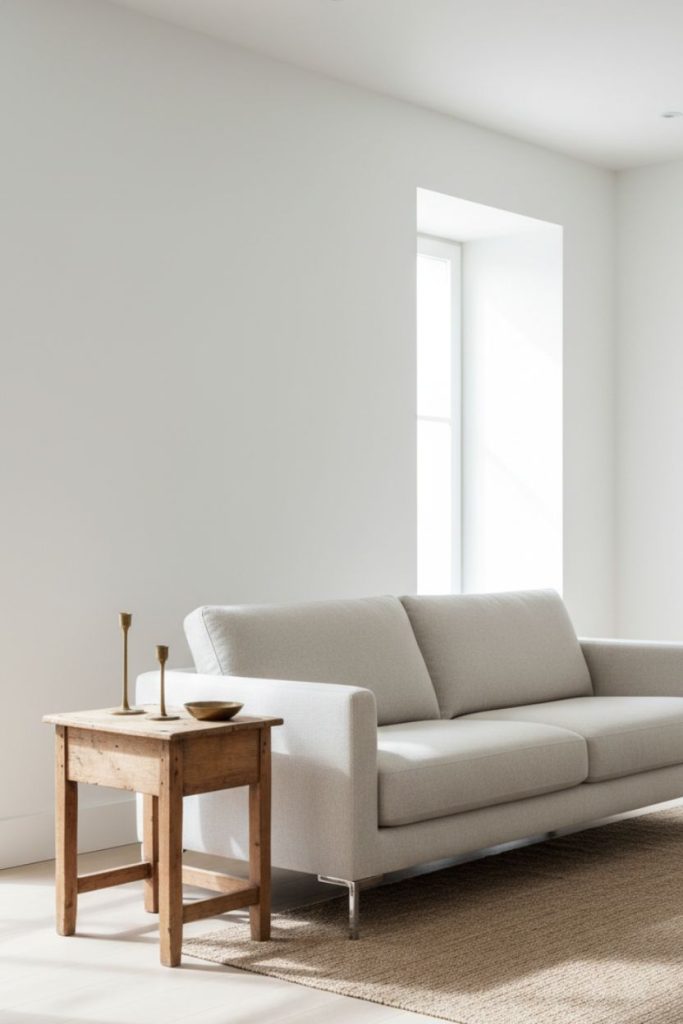
Minimalist Vintage Fusion blends clean modern lines with a few well-chosen vintage pieces for character without chaos.
The first impression is curated warmth—history softened by contemporary restraint.
Materials combine aged wood, patinated metals, and updated upholstery in simple silhouettes. Textures are balanced so antique patina reads as design, not clutter.
Natural Elements
- Introduce a single vintage wood side table to add age and warmth.
- Use brass or aged metal hardware sparingly for subtle antique notes.
- Select leather or linen upholstery updated on streamlined frames.
Style Notes
- Limit vintage pieces to one or two focal items to avoid a collecting look.
- Keep the surrounding decor minimal to highlight the vintage element.
- Pair antiques with neutral modern furniture to balance scale and era.
15. Monochrome Minimal Interiors
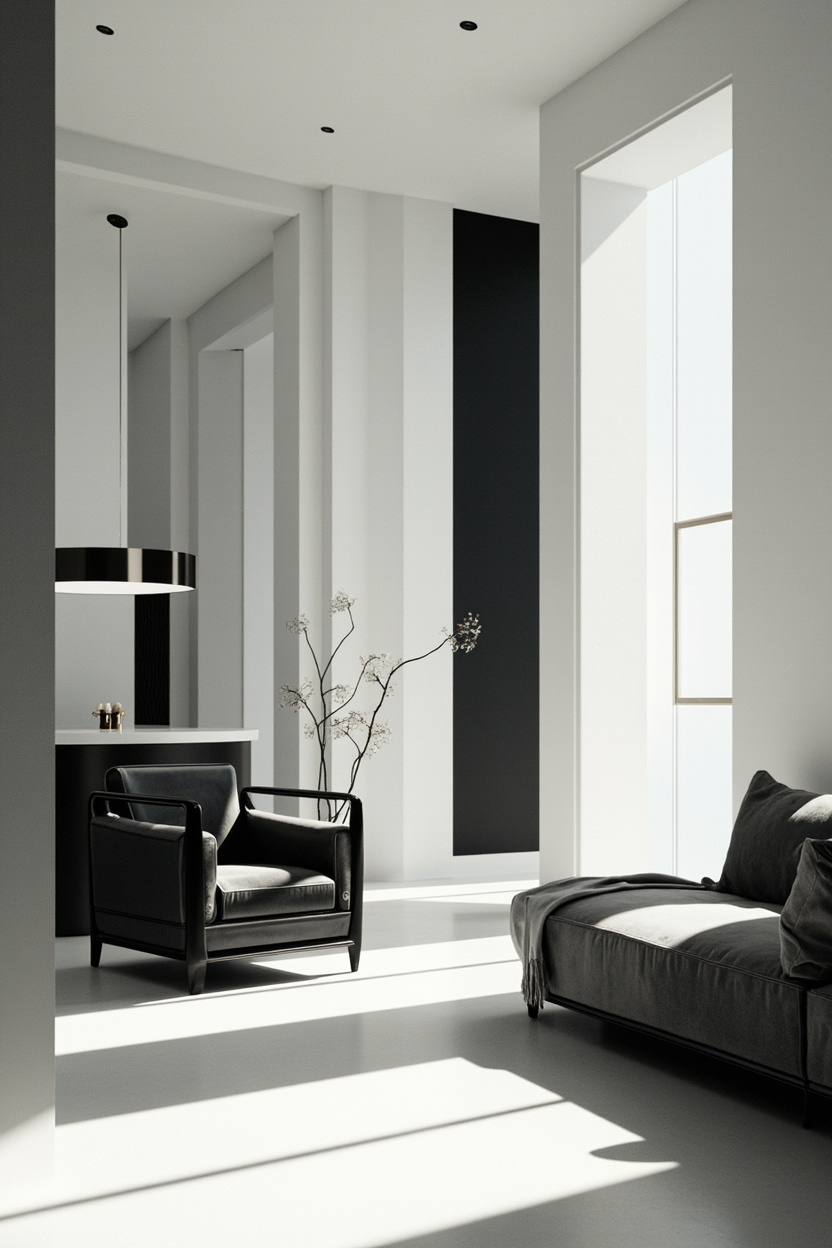
Monochrome Minimal Interiors feel calm, cohesive, and visually soothing through a single-color focus and varied tones. The first impression is clear and confident, with everything in service of a unified look.
Textures create depth within the monochrome scheme—matte paints, soft fabrics, and subtle sheen metals. Materials are chosen to differentiate surfaces without adding competing colors.
Color Palette
- Pick one dominant color and use three to four tonal variations for layering.
- Include lighter neutrals for trim and ceilings to keep the space airy.
- Add a single metallic or wood accent for warmth within the palette.
The Vibe
- Maintain strong contrasts in texture to prevent visual flatness.
- Choose furniture with clean silhouettes to emphasize the monochrome scheme.
- Use lighting to highlight material shifts and create subtle focal points.
16. Minimalist Lighting Drama
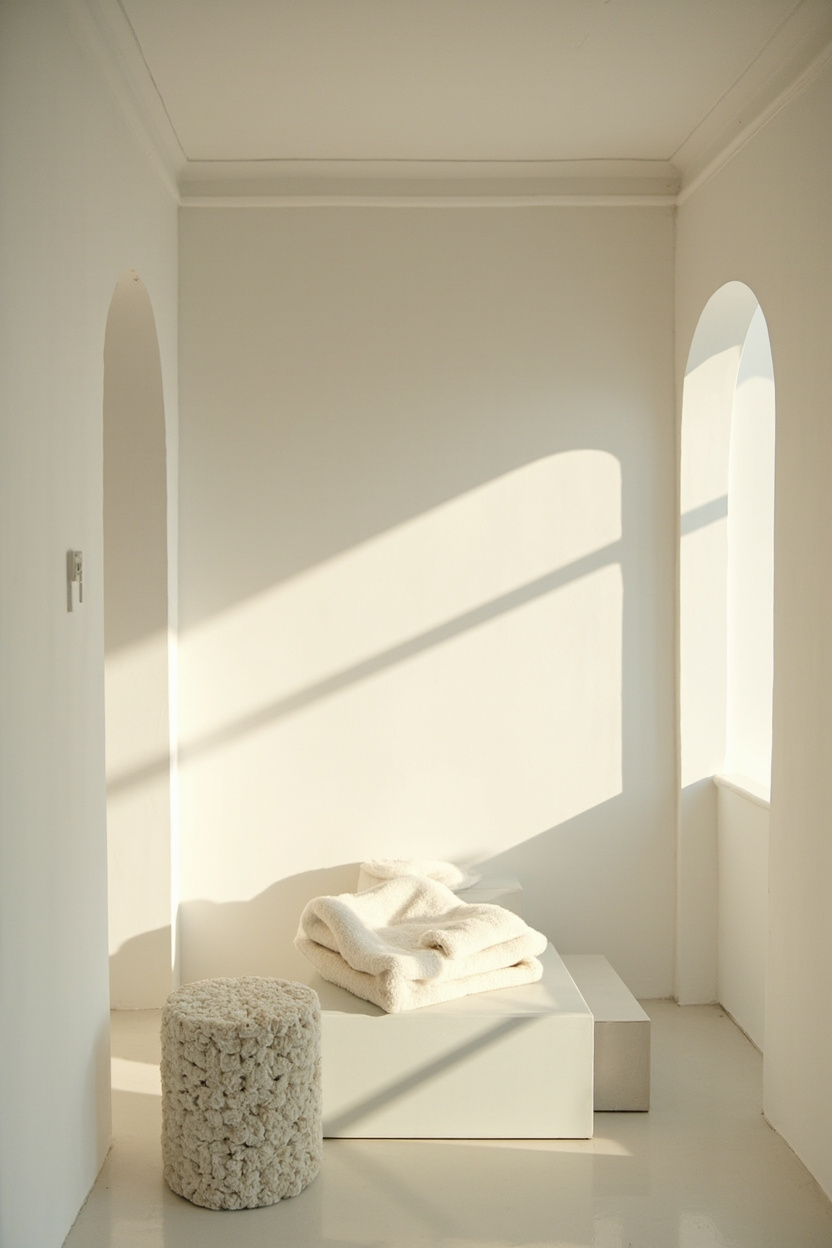
The room reads like a curated gallery where light is the main exhibit, creating sculptural shadows and focused pools of warmth. It feels intentional and theatrical without being fussy.
l fixtures and matte finishes dominate, paired with slim, architectural silhouettes that emphasize negative space. The contrast between bright highlights and soft shadows defines the mood and guides the eye.
Materials & Textures
- Brushed brass or blackened steel fixtures to anchor the composition.
- Soft linens and matte plaster surfaces to absorb light subtly.
The Vibe
- Minimal clutter so each light fixture becomes a focal point.
- Calm theatricality—sophisticated but understated.
17. Natural Material Focus
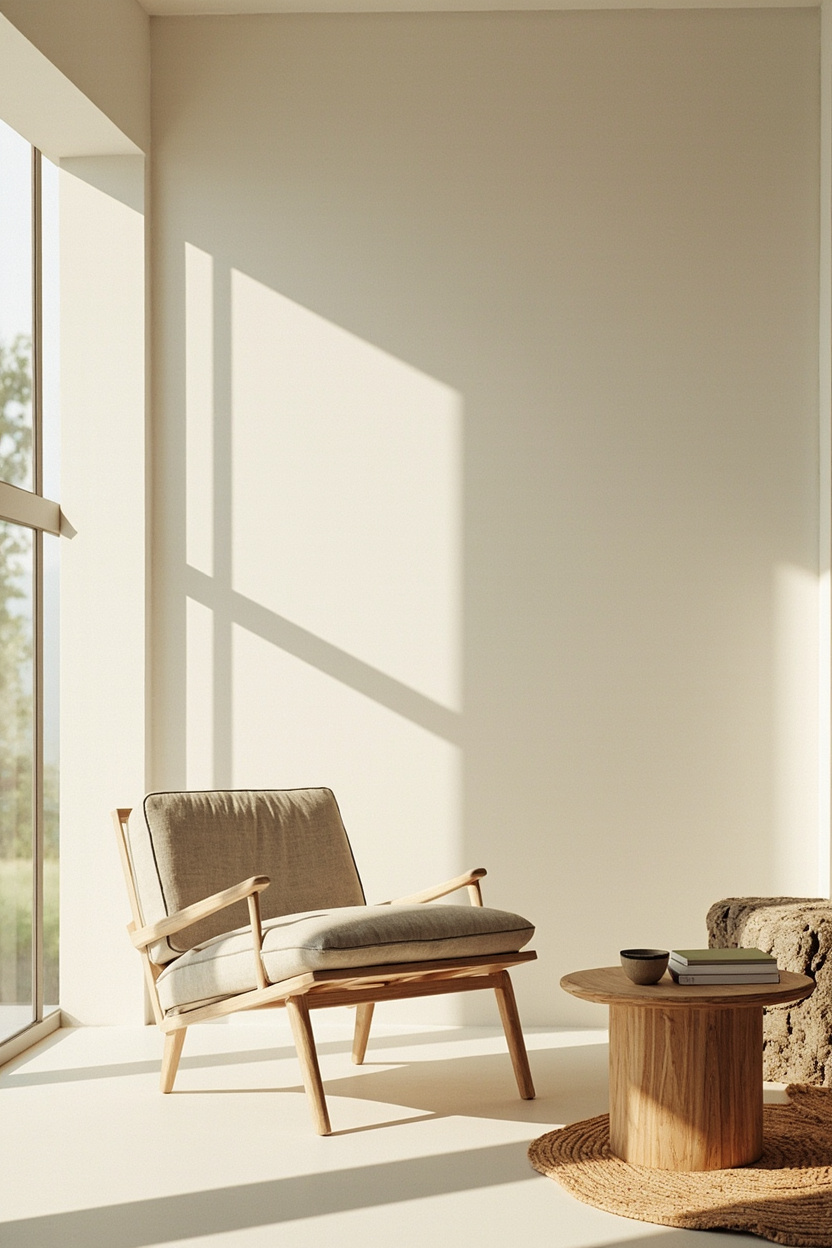
This style feels grounded and warm, evoking a quiet connection to the outdoors through simple shapes and honest finishes. It gives an immediate sense of calm and tactile comfort.
Natural woods, stone, and woven fibers are used in their raw or lightly finished states, letting grain and texture tell the story. The palette stays muted to let material character drive the aesthetic.
Natural Elements
- Oak or walnut joinery paired with stone countertops or accents.
- Handwoven rugs and linen upholstery for soft, lived-in texture.
Design Details
- Plants are placed sparingly to reinforce the natural connection.
- Visible joinery and simple workmanship as subtle ornamentation.
18. Quiet Luxury Minimalism
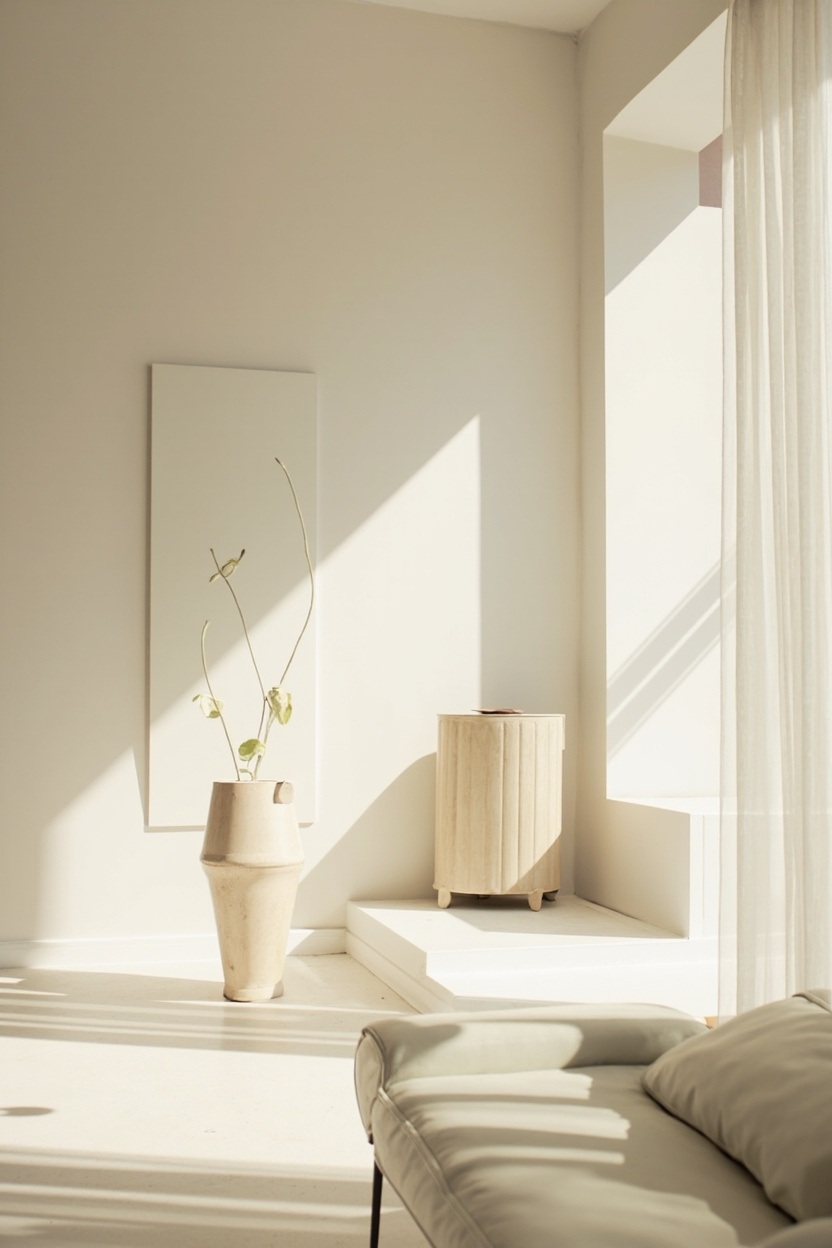
This approach reads as refined and restrained, where quality materials and precise proportions replace ornament. The first impression is elegant, calm, with a sense of expensive restraint.
Plush but simple textiles—silk-blend throws, cashmere cushions—and matte stone surfaces combine with understated metal accents. Every piece feels chosen for longevity and tactile richness.
Color Palette
- Accent with warm metals like brushed gold in minimal doses.
- Soft greys, warm ivories, and deep charcoals for a muted, upscale range.
Style Notes
- Hidden storage preserves the quiet, composed look.
- Scale is generous but uncluttered, prioritizing comfort and proportion.
19. Minimalist Entryways
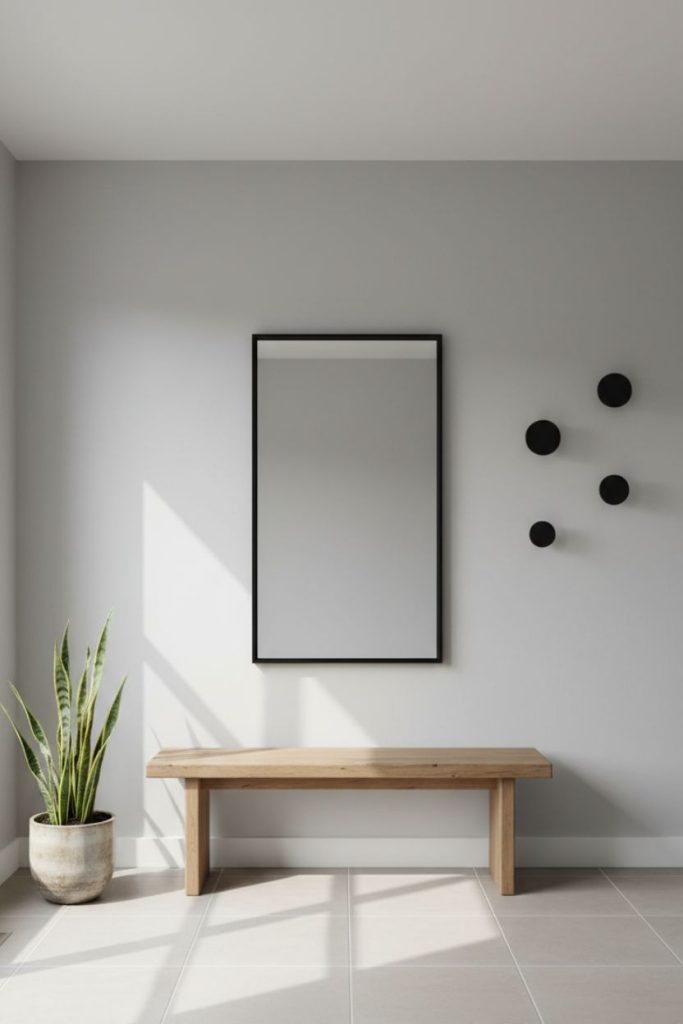
An entry designed with minimalist intent feels like a calm threshold, offering clarity and order the moment you step in. It sets the tone for the home with purposeful simplicity and clean sightlines.
Durable surfaces—stone tiles or matte hardwood—and a single sculptural bench or console create functionality without fuss. Practical accents like a slim mirror and discrete hooks keep the space tidy.
Key Elements
- Single statement mirror or light fixture to define the space.
- Low-profile storage to keep clutter out of sight.
The Vibe
- Welcoming minimalism that feels organized and calm.
- Natural materials to add warmth without visual noise.
Final Verdict
Minimalist Home Decor lets your home breathe while highlighting the things you love. Keep choices simple, thoughtful, and warm—your space will feel calm and inviting.
FAQs
Use a few carefully chosen objects that reflect your life—one meaningful artwork, a sculptural vase, or a stack of favorite books—to keep surfaces calm but personal. Choose pieces with clean lines and a restrained palette so they read as intentional, not cluttered.
Opt for layered lighting: a sleek overhead fixture, a slim floor lamp, and a focused task lamp to create depth without visual noise. Warm LED bulbs and dimmers keep the space cozy while maintaining the minimalist silhouette.
Yes—pick one or two wood tones and repeat them across furniture and accents to create harmony and warmth. Keep profiles simple and avoid ornate carvings so the wood adds texture and comfort without competing with the minimalist intent.
Use removable hooks, peel-and-stick tiles, and freestanding furniture to define zones and add style without damage. Soft textiles, a curated rug, and plug-in wall lights can dramatically shift the mood while staying temporary
Read Next: 15 Beautiful White Farmhouse Architecture You’ll Love
Read Next: 13 Gorgeous Coastal Farmhouse Homes Worth Copying
Read Next: 16 Farmhouse Floor Plans That Work Perfectly
Read Next: 17 Boho Chic Decor Ideas for Stylish Homes