


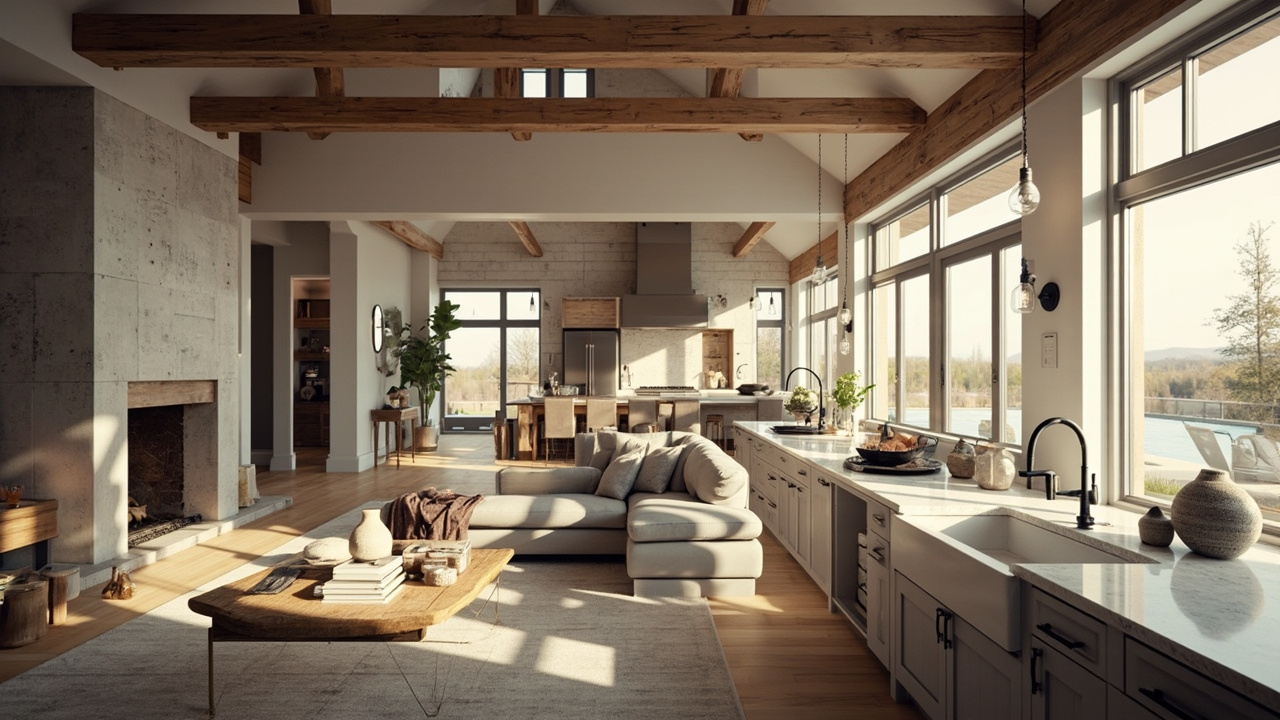
Modern Farmhouse Designs blend clean, contemporary lines with cozy, lived-in warmth to make homes feel both fresh and familiar; these 13 Gorgeous Modern Farmhouse Designs showcase practical layouts, natural materials, and curated details that work for families, entertaining, and resale value.
Each selection pairs rustic textures with modern finishes to create airy, light-filled spaces that are easy to maintain and highly adaptable—explore ideas inspired by farmhouse classics and modern updates.
- 1. Open-Plan Farmhouse Living: Merging Rustic Warmth with Contemporary Flow
- 2. Neutral Palette with Punch: Using Textures to Elevate Modern Farmhouse Interiors
- 3. Refined Reclaimed Wood: Accent Walls, Ceilings, and Statement Furniture
- 4. Industrial Meets Country: Wrought Iron, Matte Black, and Farmhouse Fixtures
- 5. Soft Curves and Windsor Charm: Updating Classic Farmhouse Seating
- 6. Light-Filled Farmhouse Kitchens: Shaker Cabinets, Subway Tile, and Layered Lighting
- 7. Minimal Farmhouse Bathrooms: Tactile Tile and Sleek Vanity Pairings
- 8. Cozy Entryways: Practical Mudroom Styling with Modern Farmhouse Flair
- 9. Textiles That Tell a Story: Layered Rugs, Linen Drapes, and Farmhouse Throws
- 10. Modern Farmhouse Outdoor Rooms: Transitional Porches and Durable Décor
- 11. Palette Play: Introducing Pale Greens, Warm Greys, and Chalky Whites
- 12. Statement Lighting for Farmhouse Spaces: Oversized Pendants and Sculptural Chandeliers
- 13. Curated Vintage: Sourcing Antiques and Styling Them in a Contemporary Farmhouse Home
- Final Style Tip
- Decor FAQ
1. Open-Plan Farmhouse Living: Merging Rustic Warmth with Contemporary Flow
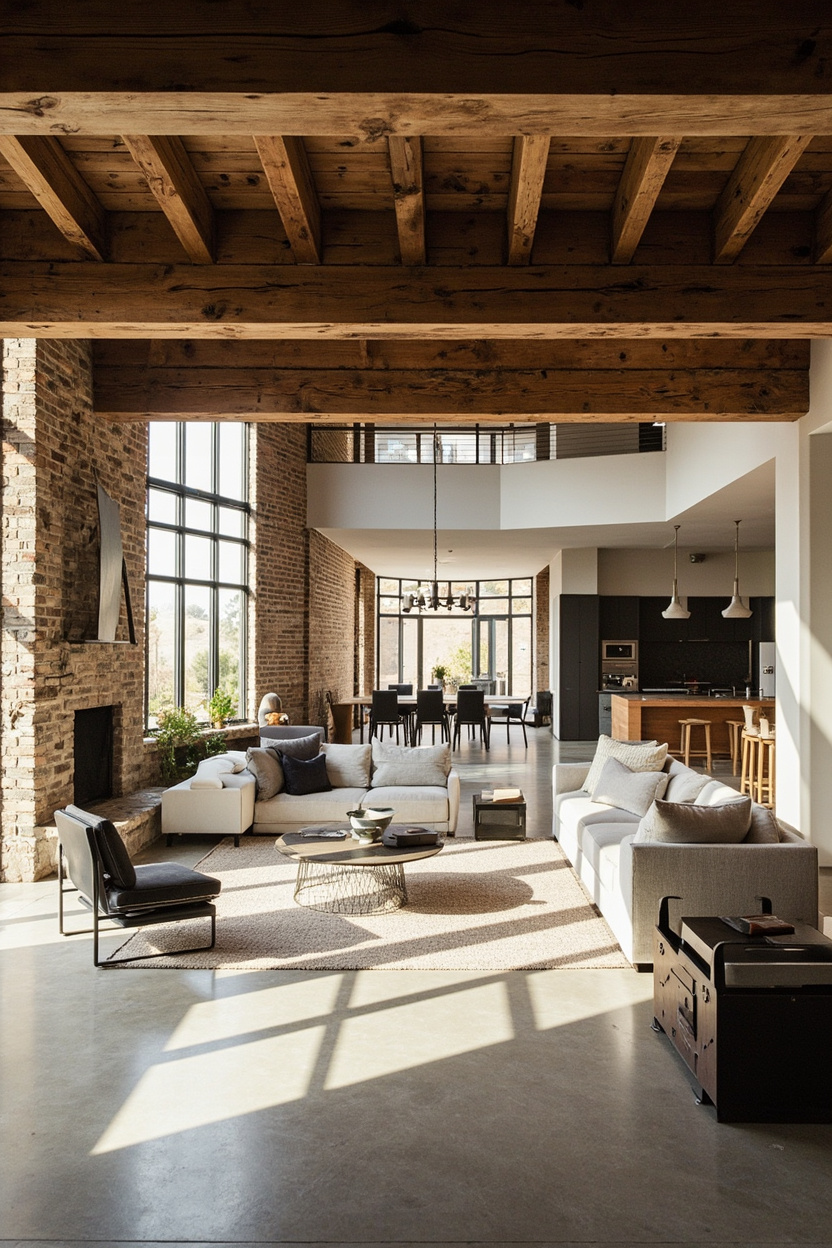
Keep sightlines clear by zoning with rugs, lighting, and ceiling treatments rather than walls to preserve the airy flow while defining function.
Anchor the space with one large, warm focal element—like a substantial stone fireplace or an oversized island—to balance modern openness with farmhouse weight.
Use consistent flooring and complementary baseboard heights throughout connected areas to visually extend the rustic palette and prevent a disjointed feel.
2. Neutral Palette with Punch: Using Textures to Elevate Modern Farmhouse Interiors
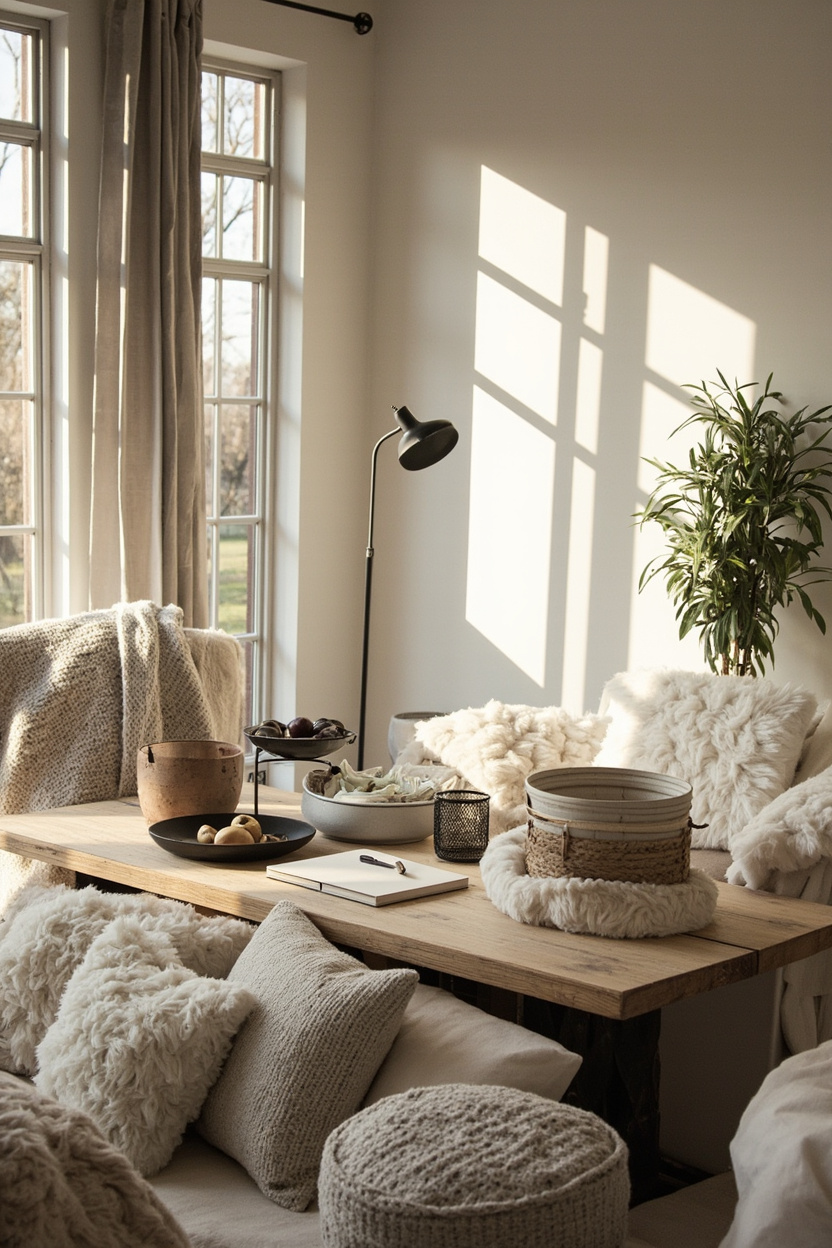
Layer matte paints, raw plaster, woven linens, and nubby wools in a restrained tonal range to create depth without relying on color contrast.
Introduce one bold tactile accent—distressed leather, hammered metal, or a heavily textured throw—to punctuate the calm palette and invite touch.
Keep trims and millwork in soft neutrals and add contrast through texture placement rather than saturated hues to maintain a sophisticated farmhouse aesthetic.
3. Refined Reclaimed Wood: Accent Walls, Ceilings, and Statement Furniture
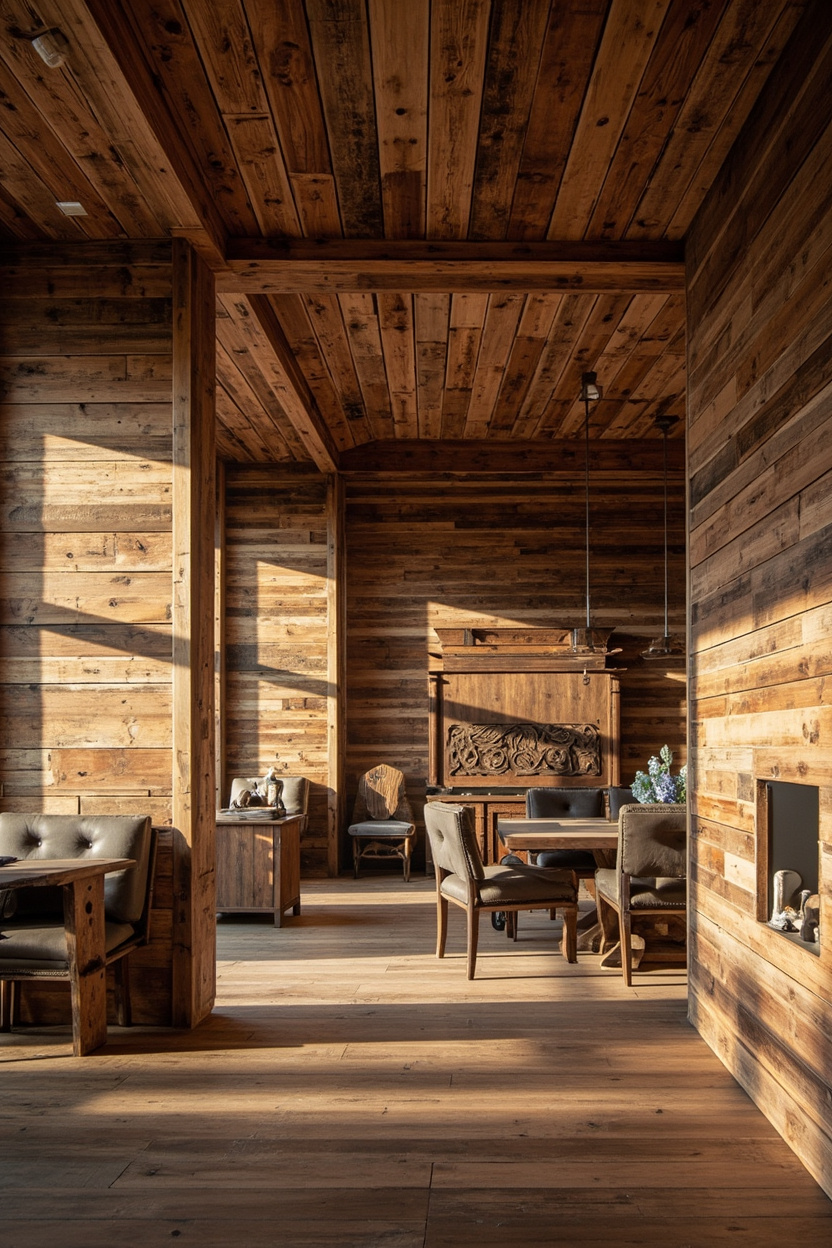
Select reclaimed wood with consistent patina and stabilized finishes to avoid splintering and to ensure durability in high-traffic zones.
Use reclaimed boards strategically—behind a bed, as a dining room ceiling, or on a kitchen island face—to create focal points without overpowering the room.
Pair warm reclaimed tones with cool, modern fixtures or upholstery to create a curated balance between aged character and contemporary polish.
4. Industrial Meets Country: Wrought Iron, Matte Black, and Farmhouse Fixtures
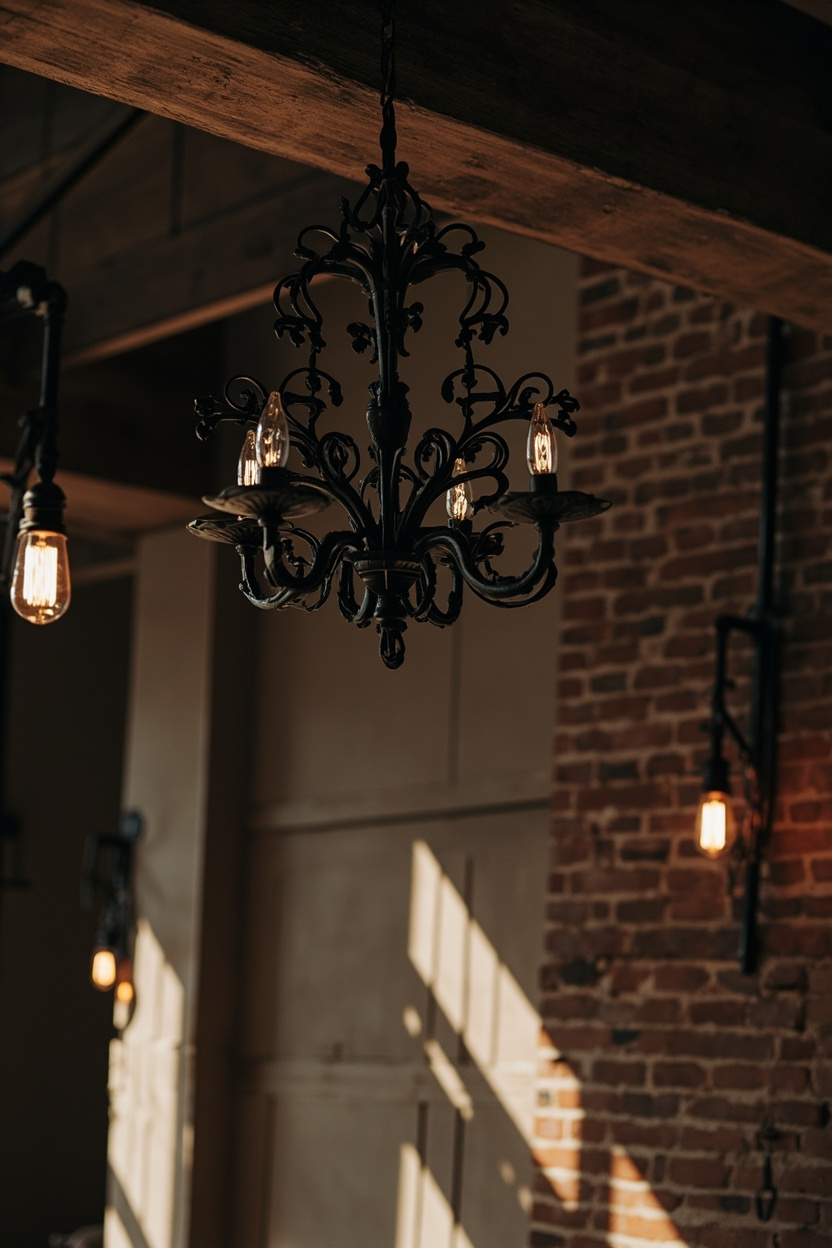
Limit matte black or wrought-iron elements to hardware, lighting, and key trim to create cohesion without turning the scheme heavy or utilitarian.
Contrast industrial metals with softer surfaces—painted cabinetry, natural stone, or linen upholstery—to preserve farmhouse warmth while highlighting modern edges.
Specify finishes that patina well and choose scale deliberately: oversized black pendants can anchor a space, while small hardware should remain subtle and ergonomic.
5. Soft Curves and Windsor Charm: Updating Classic Farmhouse Seating
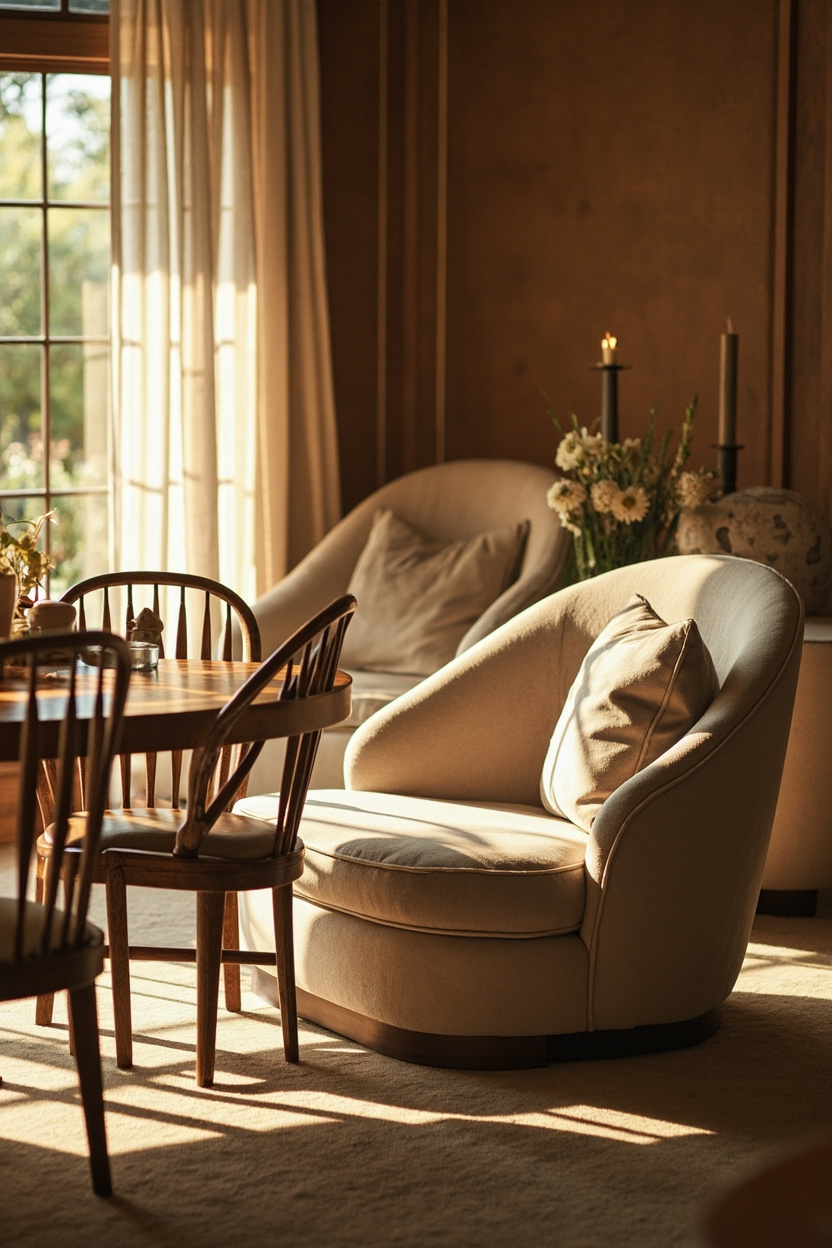
Reimagine Windsor silhouettes with slightly wider seats, tapered legs, and refined joinery to feel both heritage-driven and comfortable for modern use.
Opt for muted upholstery or painted frames in neutral tones to freshen the profile while preserving the classic shape’s approachable feel.
Mix curved Windsor chairs with a rectangular farmhouse table to balance softness and structure and to keep the dining composition intentional and inviting.
6. Light-Filled Farmhouse Kitchens: Shaker Cabinets, Subway Tile, and Layered Lighting
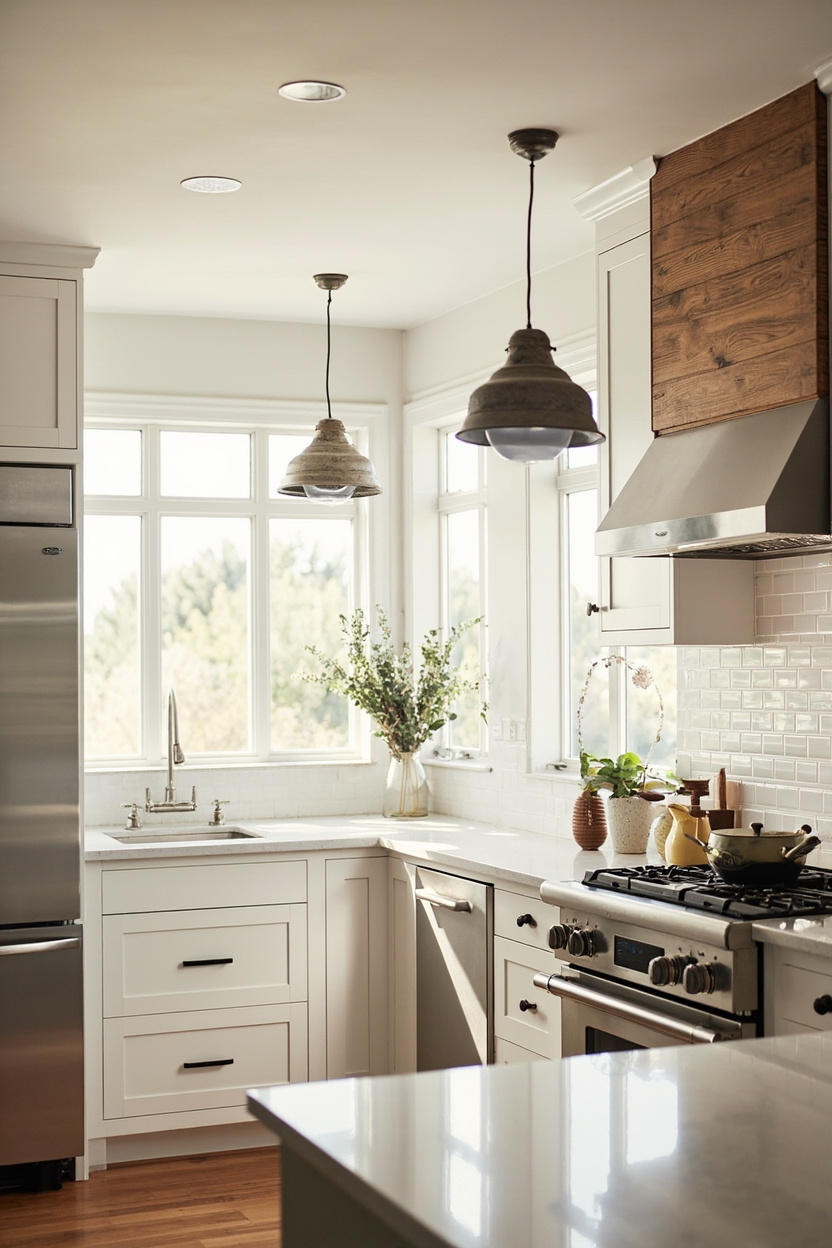
Keep shaker cabinets in a soft, warm white or muted gray to reflect light while keeping the farmhouse character crisp; balance with a matte or semi-gloss finish to resist wear in busy kitchens.
Use classic subway tile with dark grout selectively—backsplashes or full-height runs—so grout lines read intentional and add subtle contrast against cabinetry.
Layer lighting: bright task strips under cabinets, warm pendant over the island, and dimmable recessed lights to control mood and highlight texture; add a window seat or open shelving to maximize daylight and function.
7. Minimal Farmhouse Bathrooms: Tactile Tile and Sleek Vanity Pairings
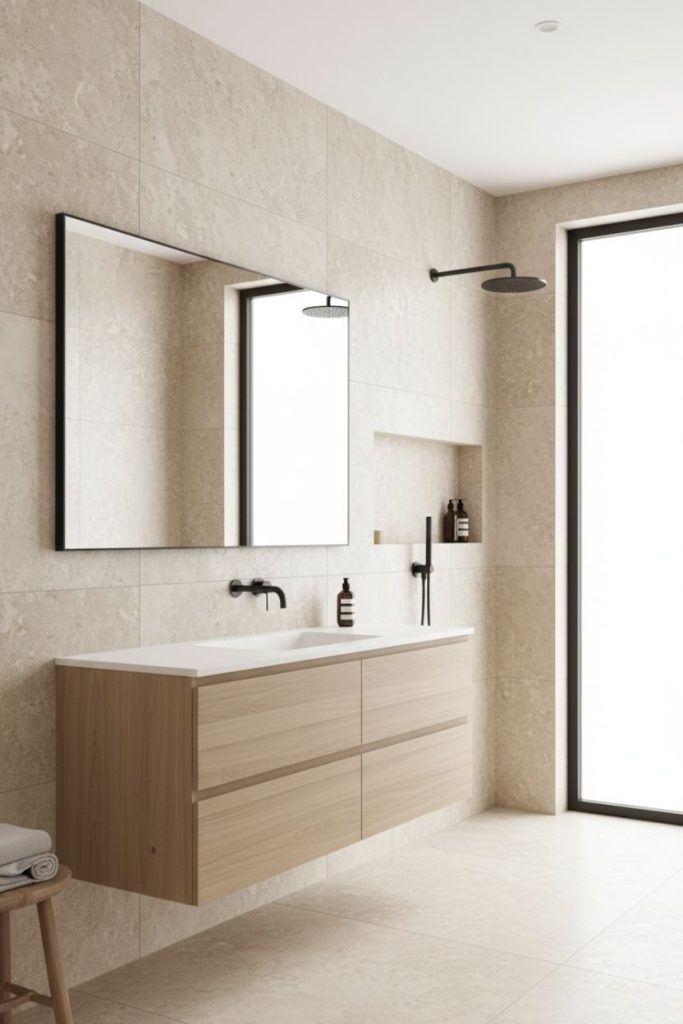
Choose large-format, textured tiles on the floor or a shower niche to give tactile interest without visual clutter, keeping grout lines minimal for a cleaner look.
Pair a streamlined floating or narrow-profile vanity in stained wood or matte lacquer with simple hardware to maintain warmth while saving visual space.
Select matte black or brushed nickel fixtures and a frameless glass shower to keep lines simple and allow the tile textures and natural light to define the room.
8. Cozy Entryways: Practical Mudroom Styling with Modern Farmhouse Flair
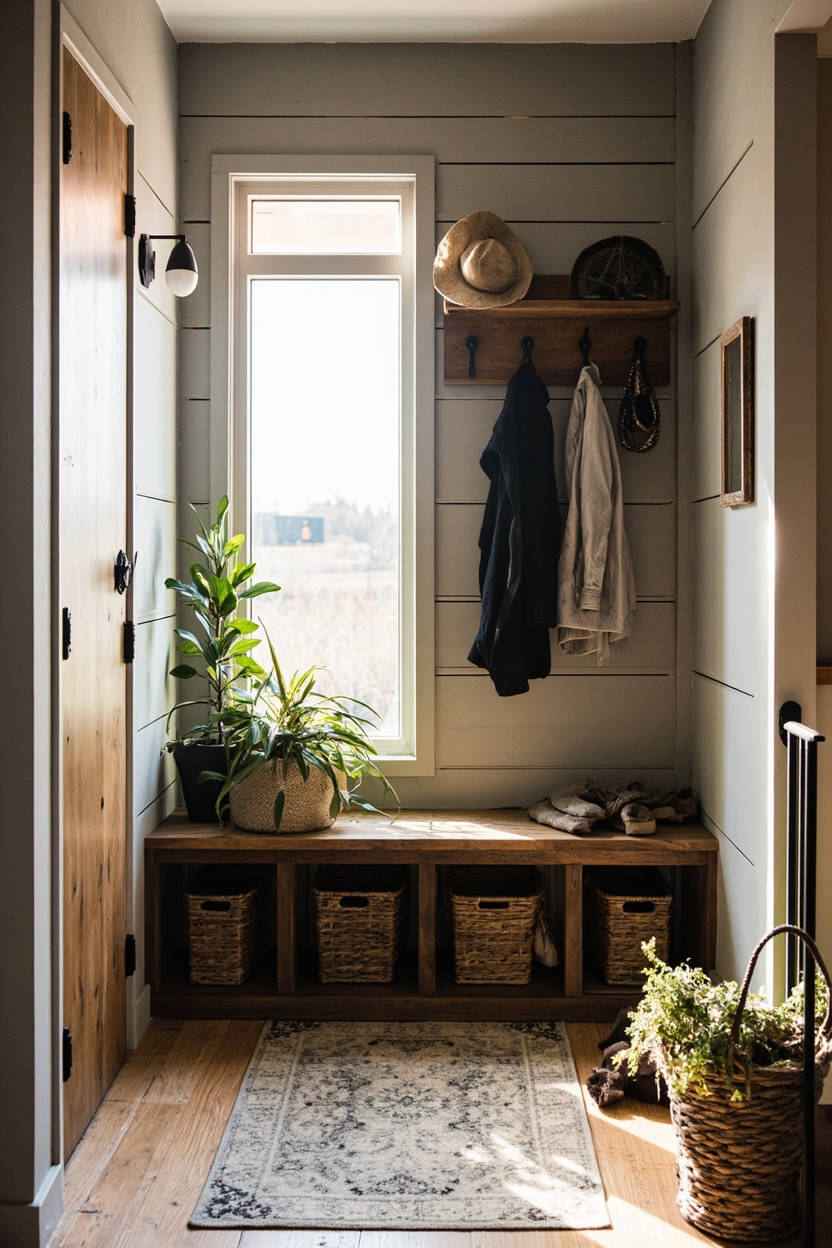
Design built-in cubbies and a bench with clean shaker fronts and durable surfaces—painted lower cabinets with a stained bench top hides wear and keeps mudroom chores concealed.
Incorporate washable, low-pile mats and vertical peg rails for efficient daily use; use consistent wood tones or paint to visually tie the mudroom to the rest of the house.
Add a slim console with a shallow drawer and a matte wall sconce to create a welcoming landing that handles keys and mail while reinforcing farmhouse proportions; link storage decisions to overall flow from the entry to living spaces.
9. Textiles That Tell a Story: Layered Rugs, Linen Drapes, and Farmhouse Throws
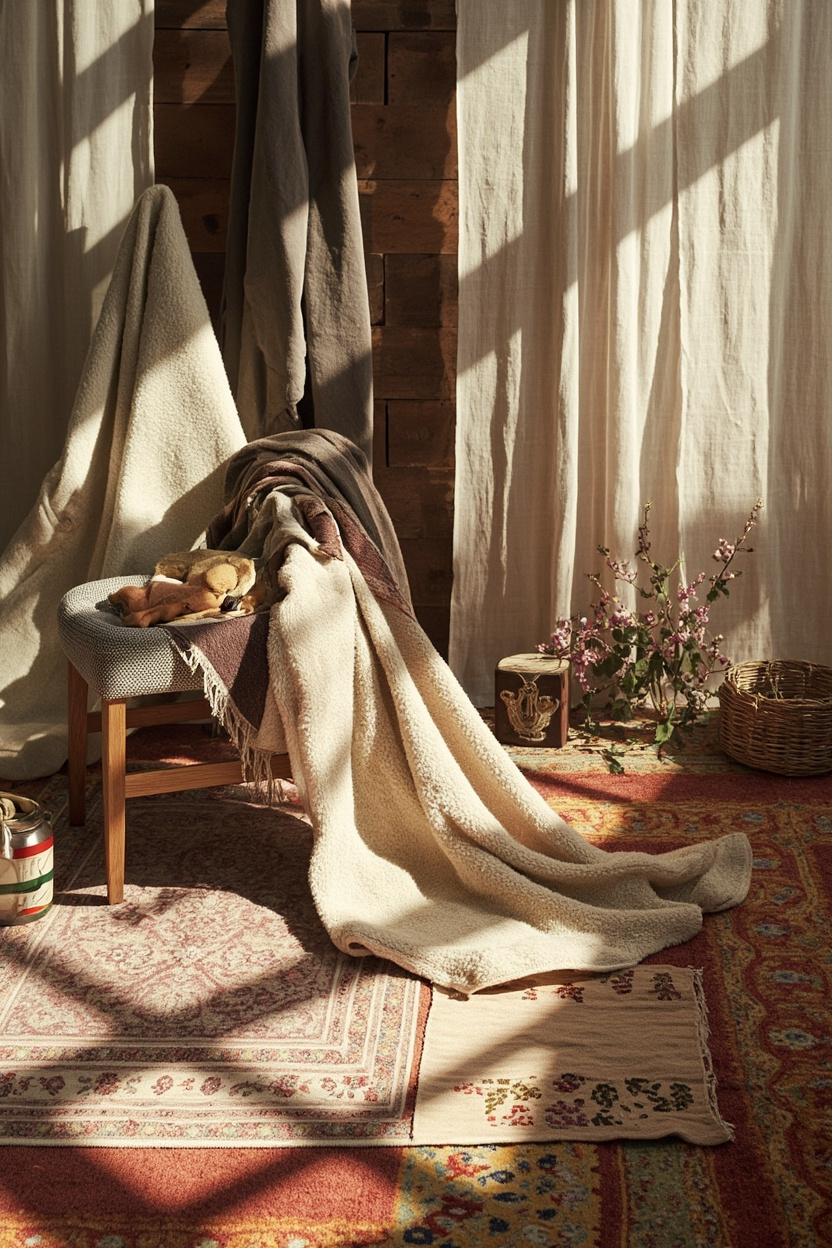
Anchor living spaces with a large natural-fiber rug and add smaller patterned rugs for visual interest—keep color palettes restrained to let texture do the work.
Use linen drapes in neutral tones hung high and wide to enlarge windows visually, and choose washable throws in wool or cotton for practical layering and seasonal swaps.
Mix weaves and scales—nubby rugs, smooth linens, chunky knits—to create depth without clutter, and coordinate these choices with upholstery fabrics for cohesive, touchable rooms; see 12 Beautiful Farmhouse Decor Youll Love for complementary accents.
10. Modern Farmhouse Outdoor Rooms: Transitional Porches and Durable Décor
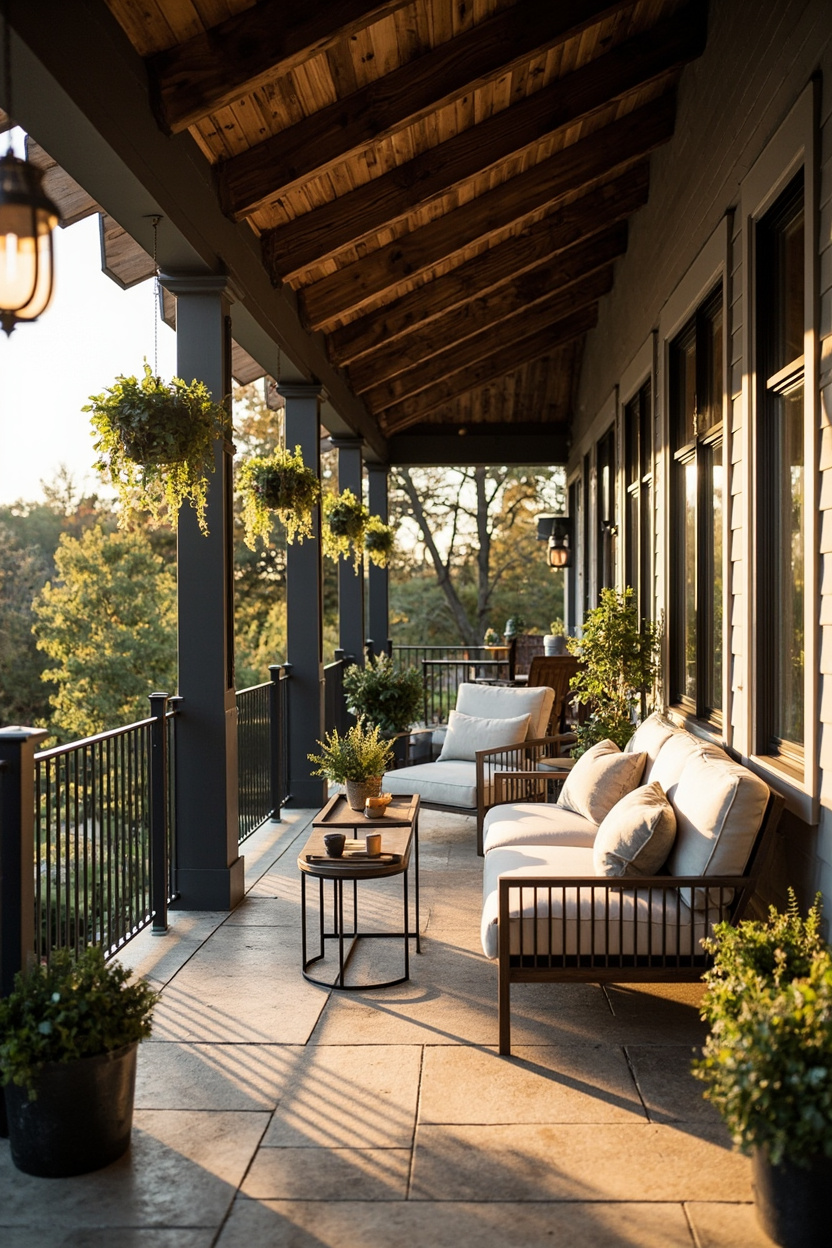
Select all-weather wicker or teak for seating and anchor the space with an indoor-quality rug rated for outdoors to maintain farmhouse comfort without constant upkeep.
Prioritize layered lighting—sconce or pendant for ambience plus portable lamps or string lights for flexibility—and choose fade-resistant fabrics in muted palettes for longevity.
Plan durable surfaces with sealed wood or composite decking and corrosion-resistant hardware, and include storage benches or waterproof baskets to keep the porch tidy.
11. Palette Play: Introducing Pale Greens, Warm Greys, and Chalky Whites
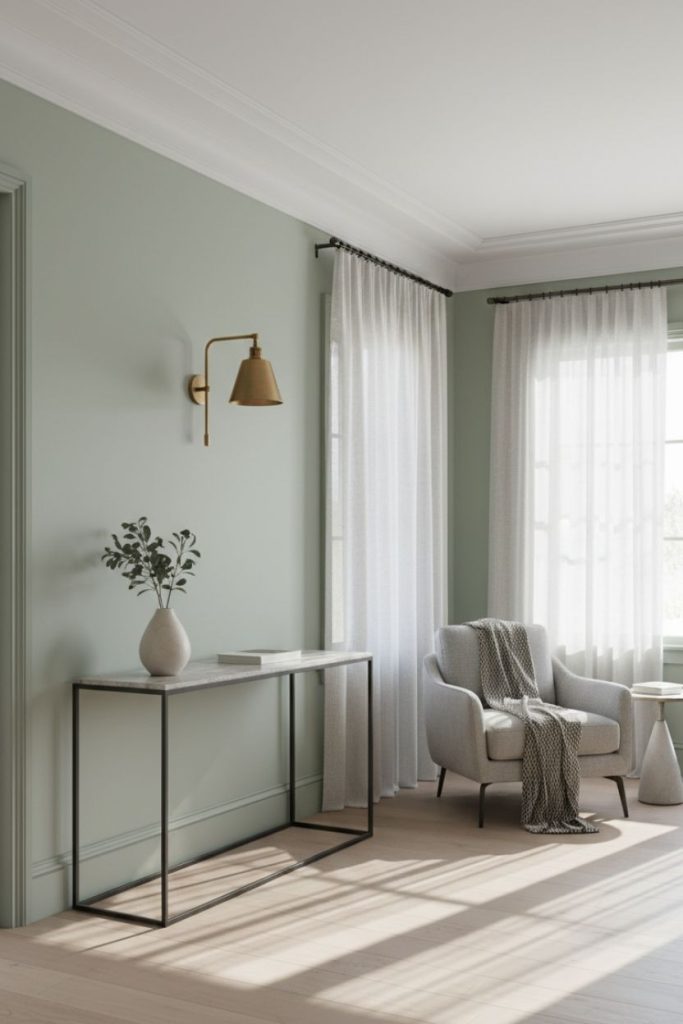
Use a limited three-tone scheme—pale green as the accent, warm grey for larger surfaces, and chalky white for trim and ceilings—to keep rooms cohesive and airy.
Balance saturation: choose a muted sage for textiles, a soft greige on walls, and a true chalk white for millwork to prevent colors from competing.
Anchor the palette with natural materials like bleached oak floors and woven rugs so the soft colors feel intentional and durable.
12. Statement Lighting for Farmhouse Spaces: Oversized Pendants and Sculptural Chandeliers
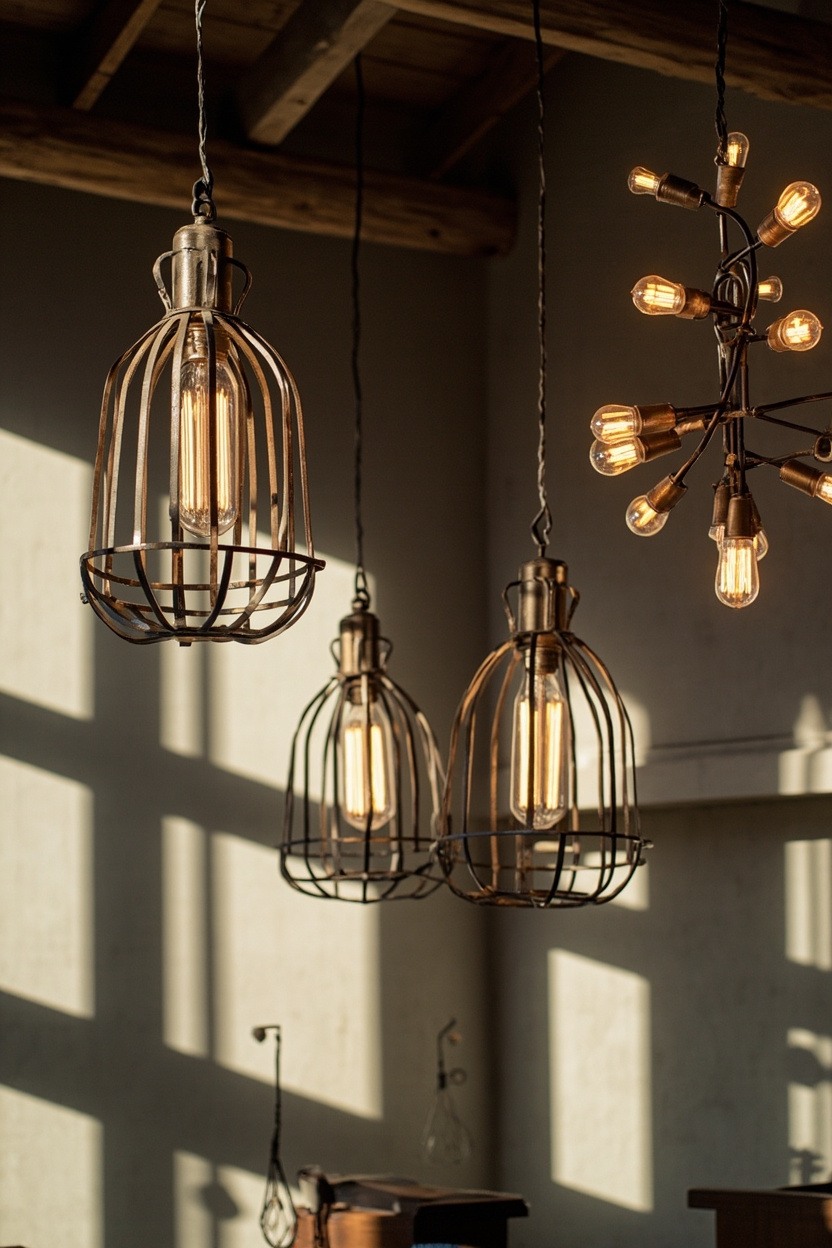
Select scale first: oversized pendants should relate to table or island dimensions—aim for fixtures that total two-thirds the length of the table when grouped.
Choose finishes and materials that echo the farmhouse vernacular—aged brass, blackened steel, or washed wood—and pair with warm-color-temperature bulbs for inviting light.
Layer lighting with recessed or wall sconces to prevent a single fixture from creating harsh shadows or leaving task areas underlit.
13. Curated Vintage: Sourcing Antiques and Styling Them in a Contemporary Farmhouse Home
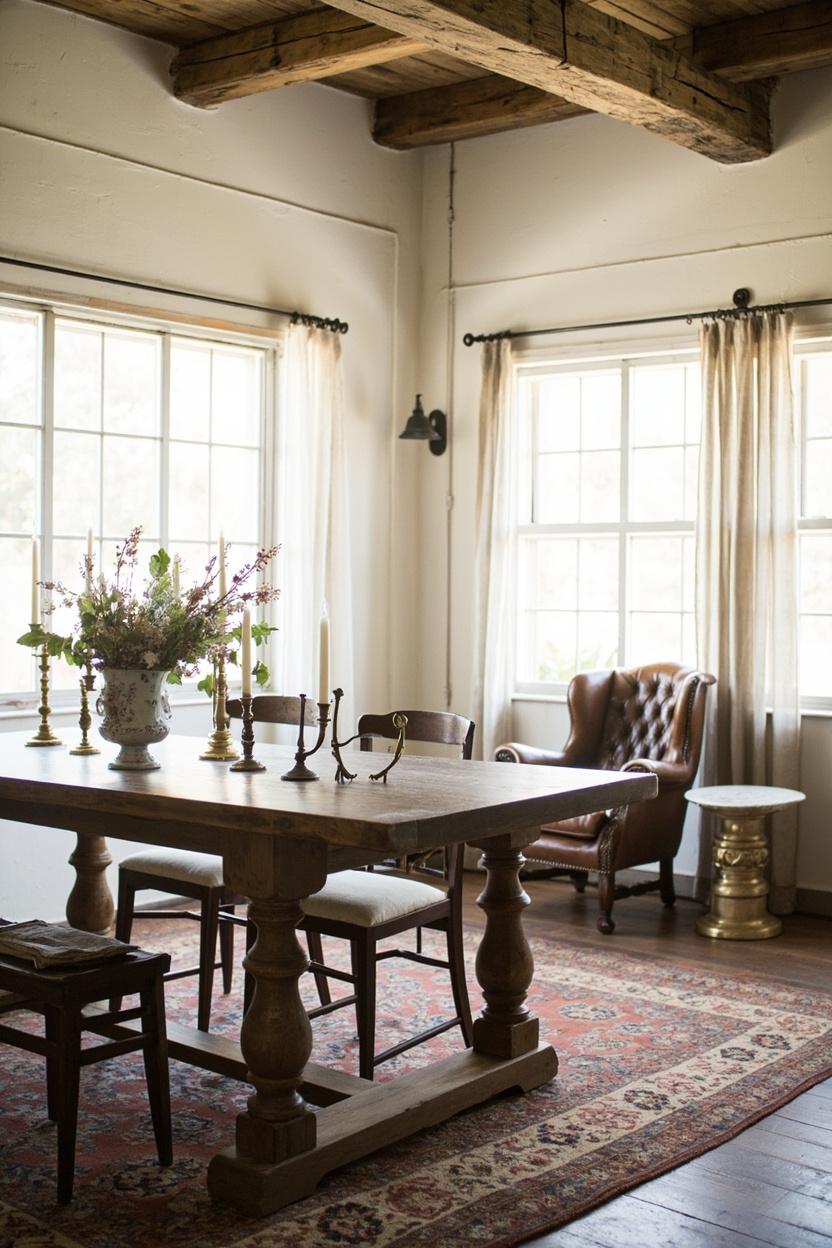
Shop with purpose: prioritize pieces with solid construction and simple lines—farm tables, turned legs, and enamelware blend best with modern elements.
Edit ruthlessly: limit large vintage items to one focal piece per room and repeat smaller antique accents in threes for visual rhythm.
Conserve function by refinishing surfaces minimally—clean and stabilize rather than over-restoring—to keep patina that adds warmth without feeling dated.
Final Style Tip
Layer warm textures with clean-lined furniture to keep a farmhouse room cozy without feeling cluttered; for more classic farmhouse ideas.
Decor FAQ
Focus on paint, lighting, and one statement piece like a rustic table or vintage mirror to change the room’s character quickly.
Stick to warm neutrals—creams, soft grays, and muted greens—and add contrast with black metal or deep wood to keep the palette grounded and contemporary.
Yes, balance scale and finish so one element anchors the room while the other provides visual interest.
Use a unifying color or material—like reclaimed wood or linen—and repeat it in each zone to create flow.