


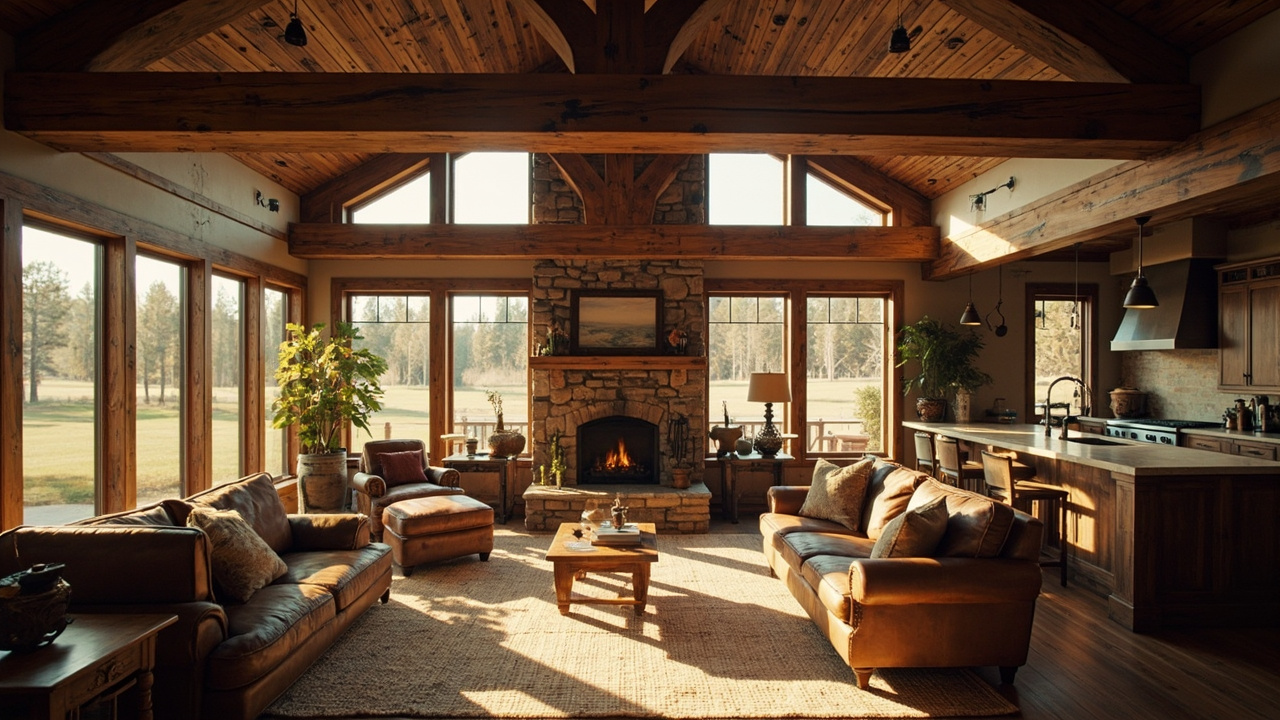
Ranch-style homes remain a top choice for homeowners seeking a seamless blend of indoor-outdoor living and practical layouts.
These one-level plans deliver clear sightlines, effortless circulation, and a relaxed aesthetic that fits both suburban lots and rural settings.
Designers and buyers are increasingly favoring ranch plans that strike a balance between modern openness and human-centered details.
- 1. Ranch Plans Embracing Open Concept
- 2. Single-Story Accessibility and Ergonomics
- 3. L-Shaped Kitchens with Large Islands
- 4. Vaulted Great Rooms for Gathering
- 5. Seamless Indoor-Outdoor Living Zones
- 6. Mixed Materials Exterior Trends
- 7. Flexible Mudroom and Drop Zone Designs
- 8. Primary Suites with Spa Features
- 9. Multi-Generational Floor Plan Options
- 10. Energy-Efficient Envelope Strategies
- 11. Smart Home Integration Essentials
- 12. Adaptive Spaces for Remote Work
- 13. Garage-to-Living Conversion Ideas
- 14. Covered Outdoor Kitchens and Patios
- 15. Laundry and Utility Room Optimization
- 16. Passive Solar Orientation Tactics
- 17. Universal Design for Aging in Place
- 18. Landscaping to Complement Ranches
- FAQ
- Final Thoughts
1. Ranch Plans Embracing Open Concept
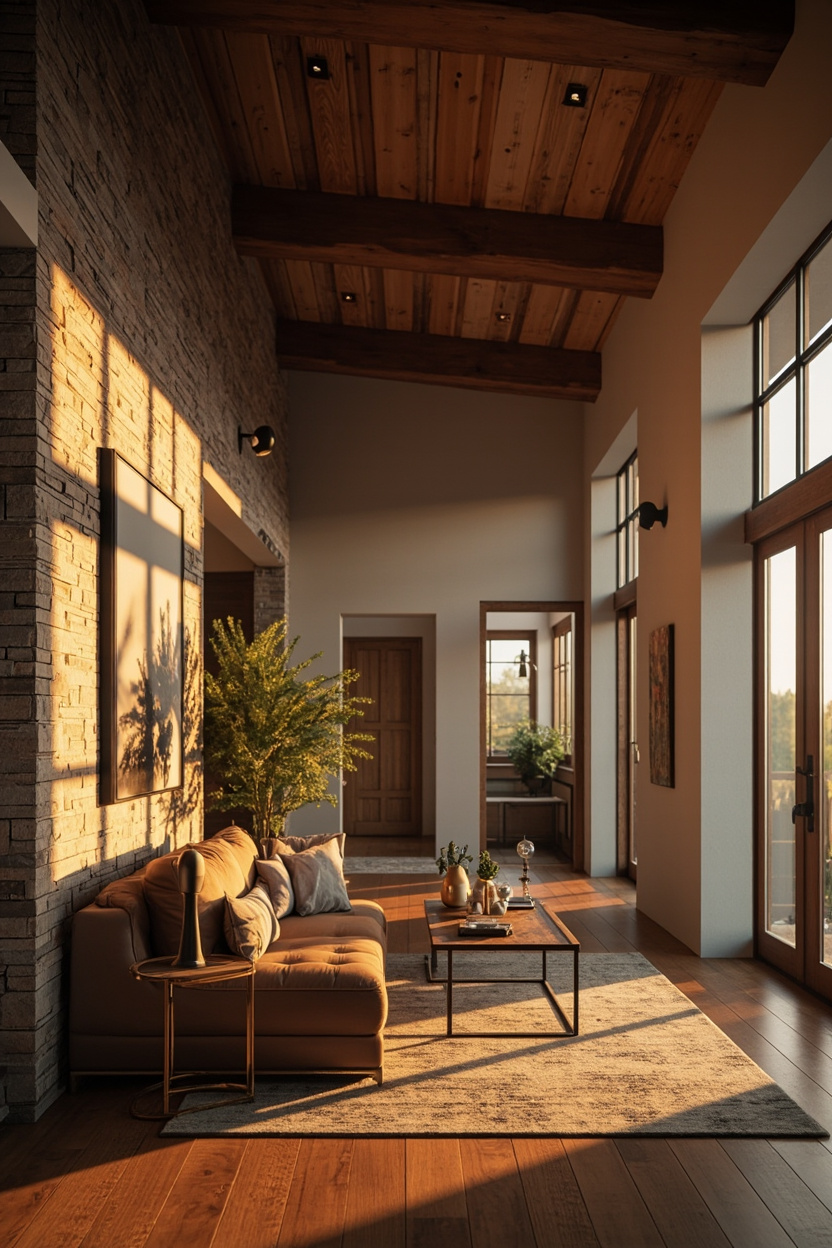
Open-concept ranch plans prioritize a visual connection between the living, dining, and kitchen areas, making a single-story feel expansive and sociable.
Removing unnecessary partitions improves daylighting and simplifies furniture layout, ideal for entertaining and family life.
These plans often use material changes or ceiling variations to define zones without disrupting flow, a technique seen in many modern farmhouse and minimalist designs.
For more ideas on blending airy plans with farmhouse charm, see farmhouse decor inspiration that complements open layouts.
2. Single-Story Accessibility and Ergonomics
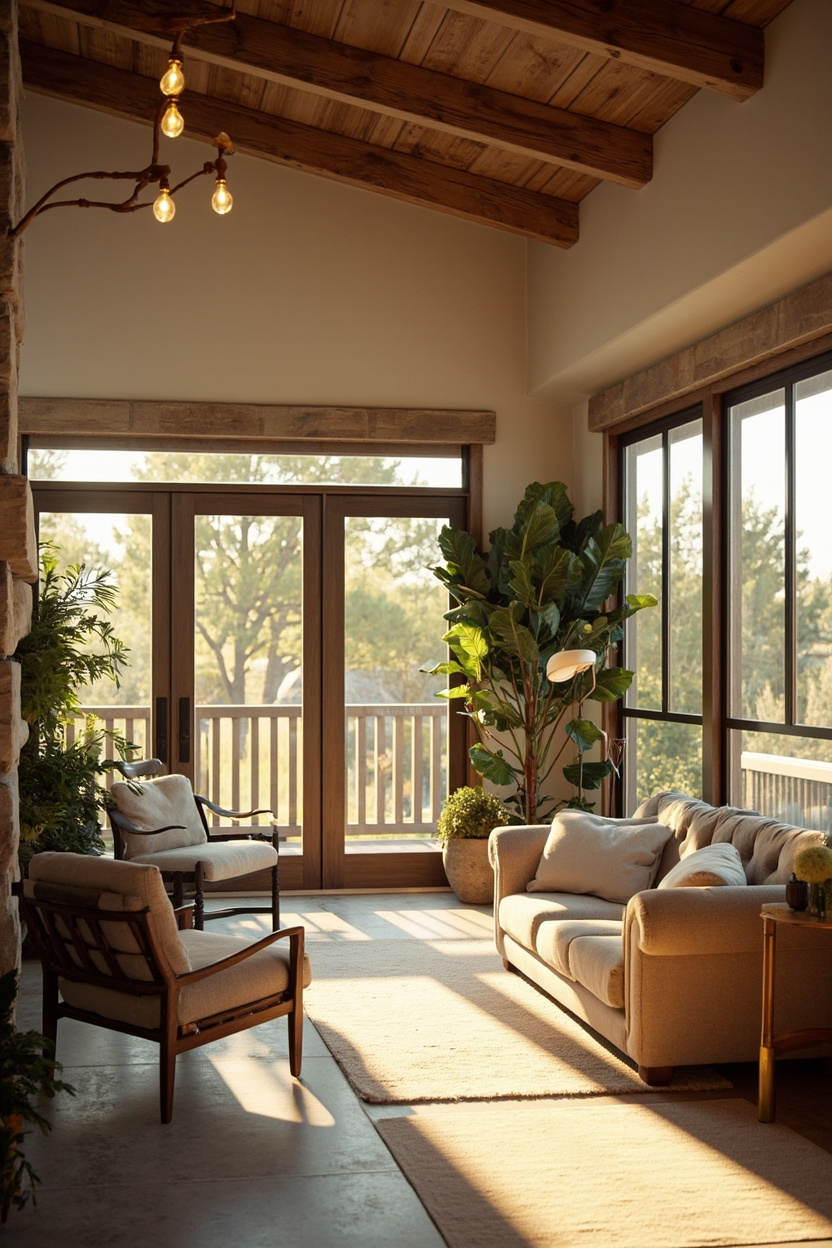
One-level ranch homes excel at universal design: wider hallways, step-free entries, and thoughtfully placed switches and storage make daily living easier for all ages.
Ergonomic planning ensures usability for decades, so these homes remain practical as needs evolve.
Designers integrate subtle accessibility features, curbless showers, lowered counters, and reachable shelving—without compromising style.
This human-centered approach is a core reason ranch plans are redefining comfortable living in 2026.
3. L-Shaped Kitchens with Large Islands
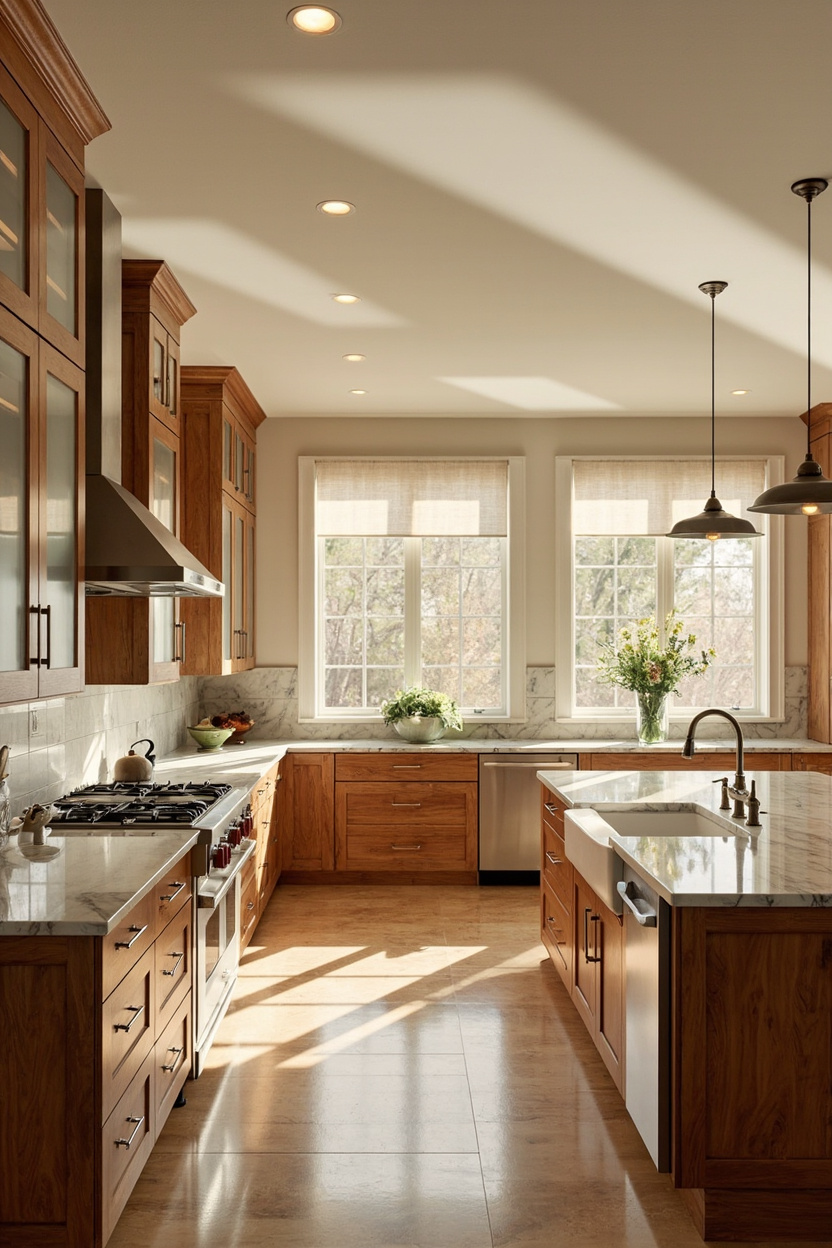
L-shaped kitchens in ranch plans create efficient work triangles while opening to dining and living spaces, often anchored by a generous island for prep, casual dining, and socializing. The configuration supports multiple cooks and keeps the kitchen central to daily life.
A big island can double as a storage hub and buffet station during gatherings, enhancing the seamless flow between rooms.
Many contemporary plans adopt this layout to maximize function while preserving an uncluttered, cohesive aesthetic.
4. Vaulted Great Rooms for Gathering
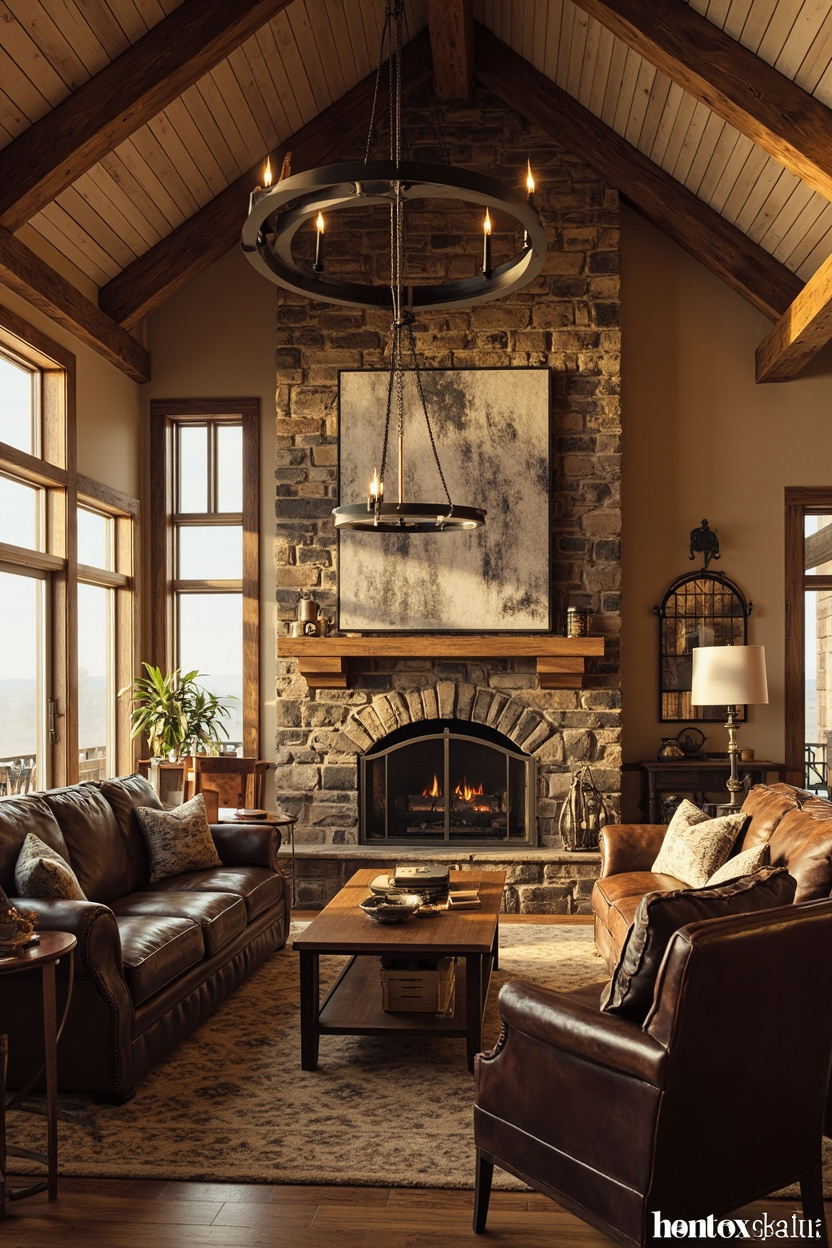
Vaulted great rooms remain a signature of ranch plans, creating instant drama and a sense of spaciousness without adding floors. Tall ceilings paired with large windows amplify natural light and make furniture arrangements feel intentional and welcoming for family life and entertaining.
Design-wise, a vaulted space simplifies zoning: place the main seating toward the fireplace or view, and use the remaining area for a reading nook or piano.
For layout inspiration that blends flow with functionality, consider examples that prioritize sightlines between the kitchen and living area to keep conversations moving across the home.
5. Seamless Indoor-Outdoor Living Zones
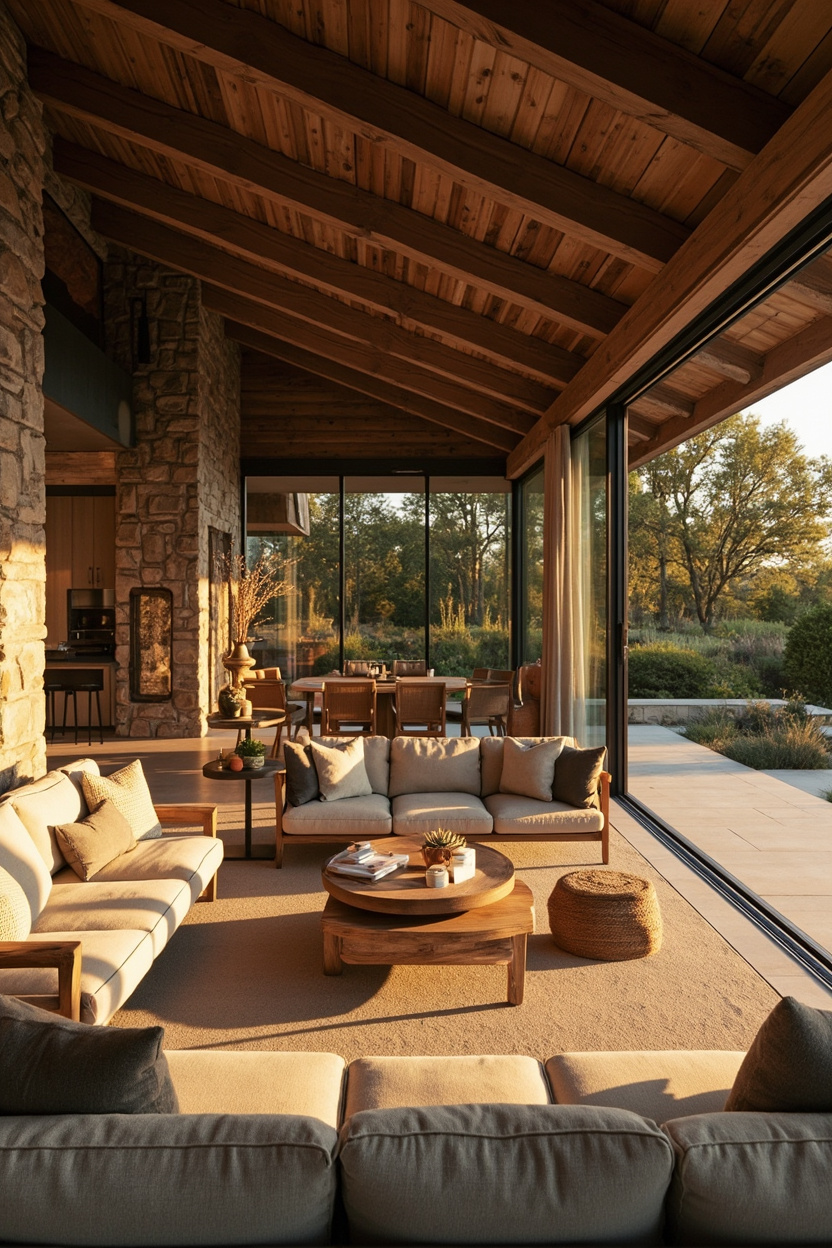
Ranch homes excel at blurring boundaries between inside and out—oversized sliding doors, covered patios, and aligned sightlines make stepping into the yard feel like an extension of the living room.
This approach enhances usable square footage and supports year-round living when paired with outdoor heaters, ceiling fans, or operable screens.
Practical planning focuses on transitions: durable flooring that handles both zones, storage for outdoor gear, and direct kitchen access for alfresco dining.
These strategies reflect current buyer priorities for homes that support flexible, healthy lifestyles and rounded entertaining experiences.
6. Mixed Materials Exterior Trends
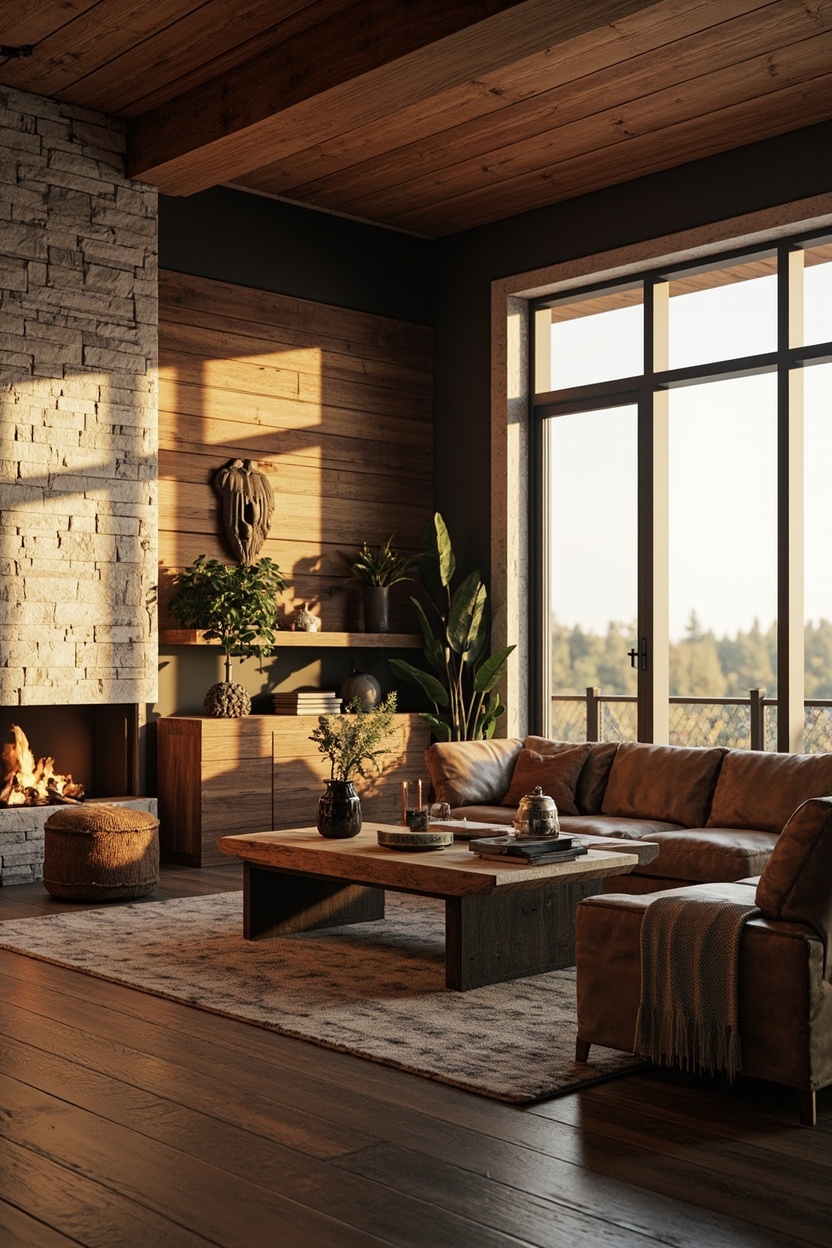
Exterior palettes now favor mixed materials board-and-batten, stone accents, metal roofs, and horizontal siding that combine to give ranch homes texture and curb appeal.
Thoughtful contrasts highlight architectural lines and scale the home visually without relying on a large footprint.
Using varied materials also improves longevity when each is applied where it performs best: stone at lower walls for durability, siding above for lighter maintenance, and metal on accents for visual pop.
This layered approach to cladding is a core trend in both modern farmhouses and broader farmhouse exterior design.
7. Flexible Mudroom and Drop Zone Designs
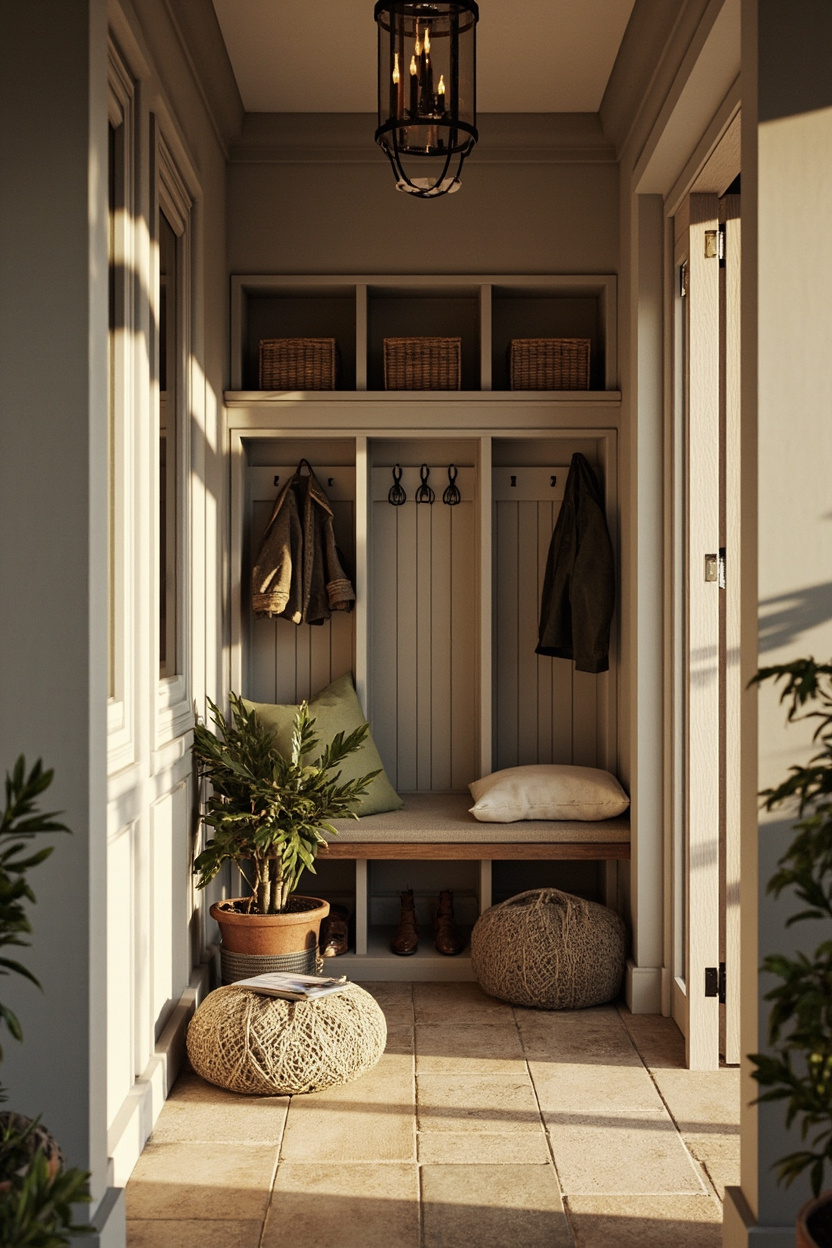
A well-planned mudroom acts as the home’s control center, drop zone, pet station, and laundry transition all in one. Incorporate cubbies, a bench with storage, and durable surfaces to handle boots, backpacks, and daily clutter without sacrificing style.
Position the mudroom between the garage and main living areas to protect the floorplan’s flow and keep mess contained; consider pocket doors or a partial wall so the space feels integrated yet purposeful.
For farmhouse-influenced ranches, pairing shiplap or beadboard with practical tile nods to Farmhouse Decor while staying highly functional.
8. Primary Suites with Spa Features
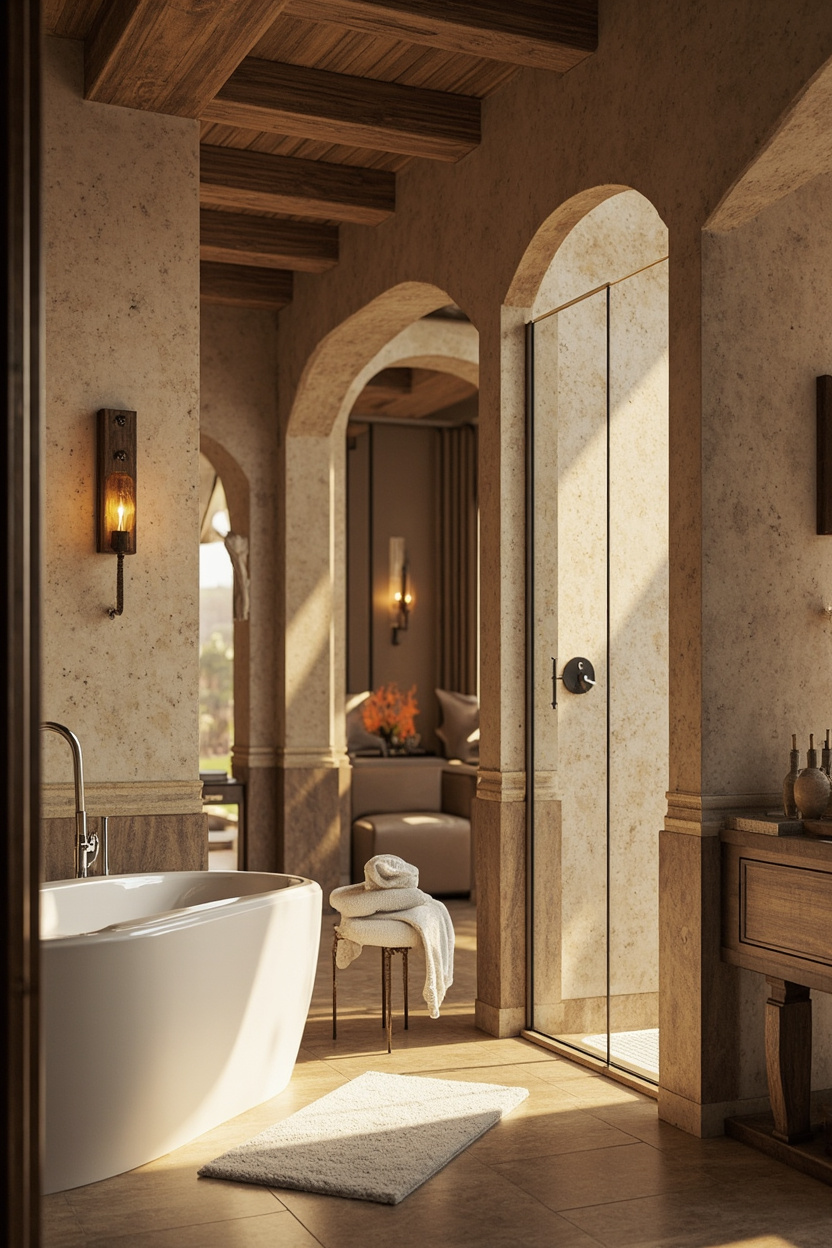
Ranch plans increasingly include primary suites that function as private retreats, with walk-in showers, soaking tubs, and double vanities laid out for accessibility and comfort.
Prioritize natural light and direct access to a private patio so the suite feels connected to the single-level landscape.
Design details like heated floors, steam options, and ample storage elevate daily routines into restorative experiences while ensuring long-term livability.
Keep the layout simple and ergonomic, clear circulation,n and universal design elements ensure usability as needs change.
9. Multi-Generational Floor Plan Options
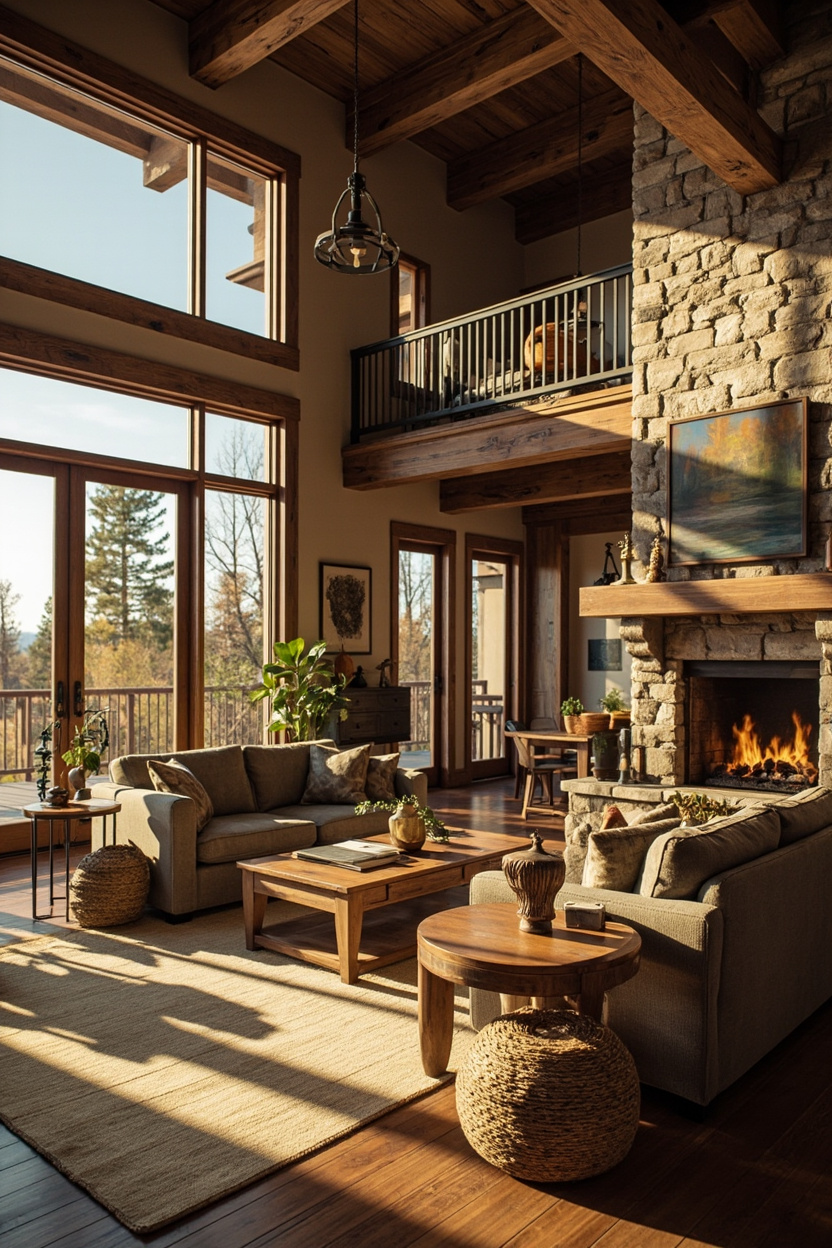
Ranch homes are ideal for multi-generational living because single-level plans can easily accommodate separate suites, flex rooms, or in-law apartments without sacrificing privacy.
Look for designs that provide a private bedroom, dedicated bath, and small living area or kitchenette to support autonomy for multiple household members.
Flexible partitioning, like a den that converts to a suite or a garage-to-living conversion, adds resale value and long-term adaptability, reflecting broader 2026 trends toward inclusive, enduring home design.
For exterior cohesion on larger lots, tie these options back to the home’s façade with consistent materials and thoughtful circulation.
10. Energy-Efficient Envelope Strategies
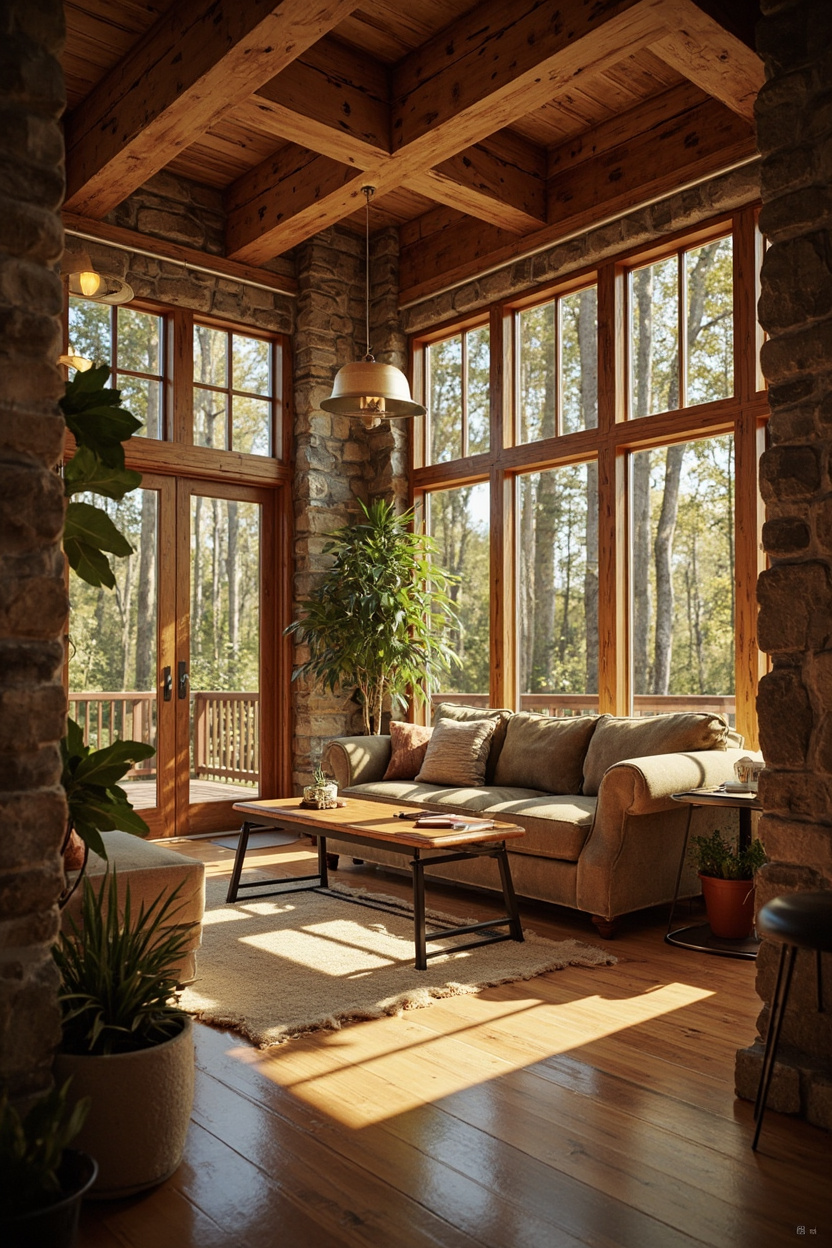
A tight, well-insulated envelope reduces heating and cooling loads and supports long-term comfort across a single-level ranch. Prioritize continuous exterior insulation, high-performance windows, and properly detailed air barriers to minimize thermal bridging and drafts without sacrificing the clean lines common to ranch designs.
Pairing efficient wall and roof assemblies with thoughtful shading and orientation cuts energy use and improves durability.
These strategies complement open ranch plans and make smaller HVAC systems viable, which frees up space for larger living areas or a more generous mudroom entry.
11. Smart Home Integration Essentials
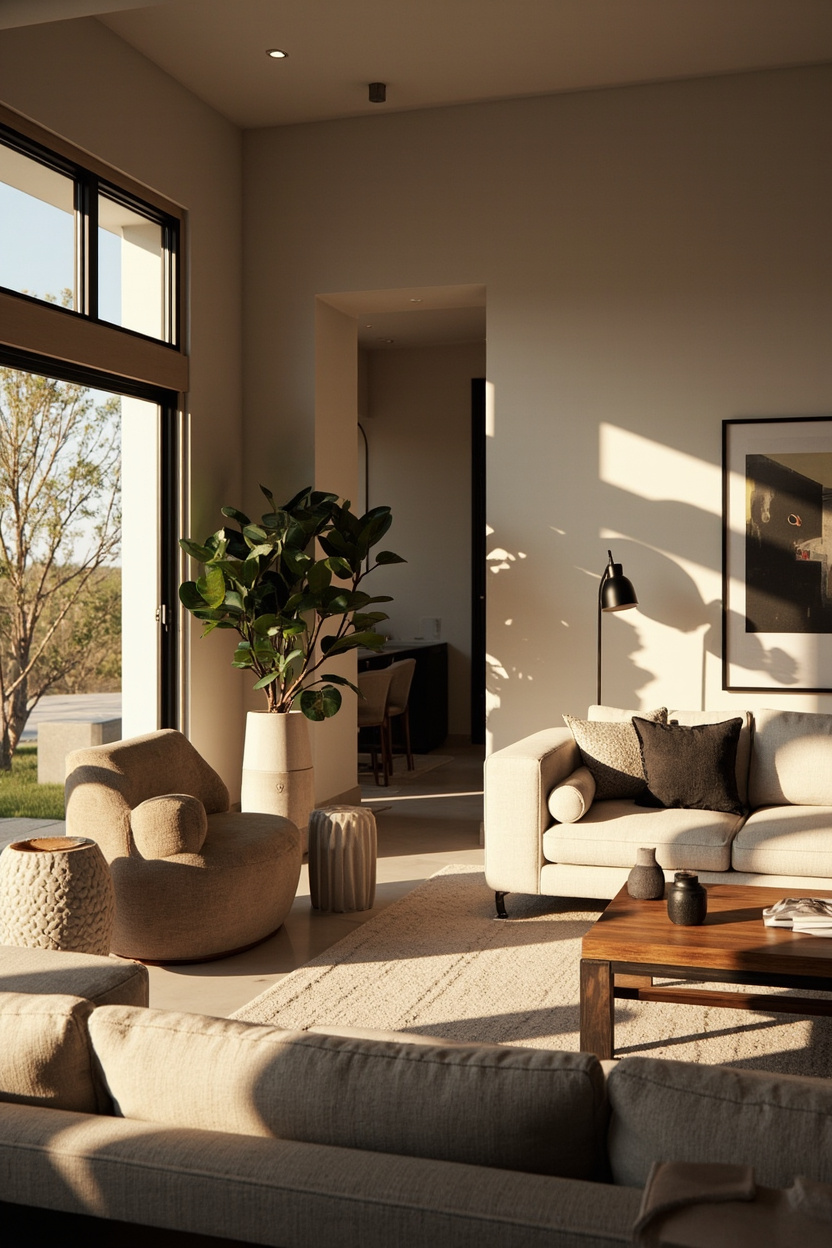
Integrate smart thermostats, zoned lighting, and whole-house ventilation controls to make a sprawling one-level layout responsive and efficient.
Place controls in key living zones and use wireless sensors to avoid excessive wiring while enabling automated comfort and security routines.
Choose interoperable platforms that scale as needs change—this future-proofs the ranch and makes upgrades less disruptive.
Thoughtful placement of hubs and discreet devices preserves the clean aesthetic central to farmhouse and minimalist looks while delivering modern convenience.
12. Adaptive Spaces for Remote Work
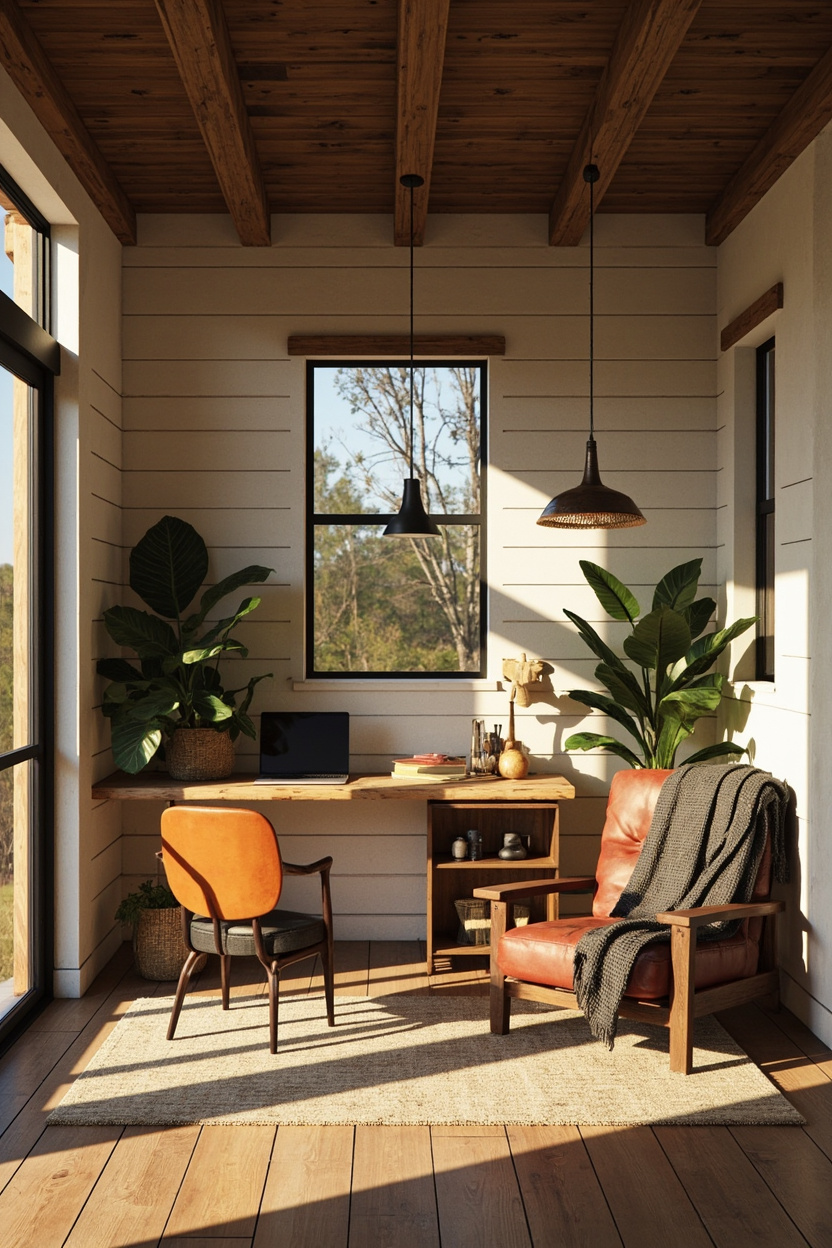
Design small, flexible work nooks that can expand into guest bedrooms or hobby rooms as needs evolve; sliding doors and built-in storage make transitions seamless.
Prioritize daylight, sound separation, and ergonomic planning so these areas function as productive retreats without isolating occupants from main living zones.
Locate remote-work spaces near secondary entries or mudrooms for client drop-offs and deliveries, keeping primary living areas calm.
Integrating ample data connectivity and discreet power solutions ensures long-term usability and aligns with trends toward fluid, multifunctional ranch living.
13. Garage-to-Living Conversion Ideas
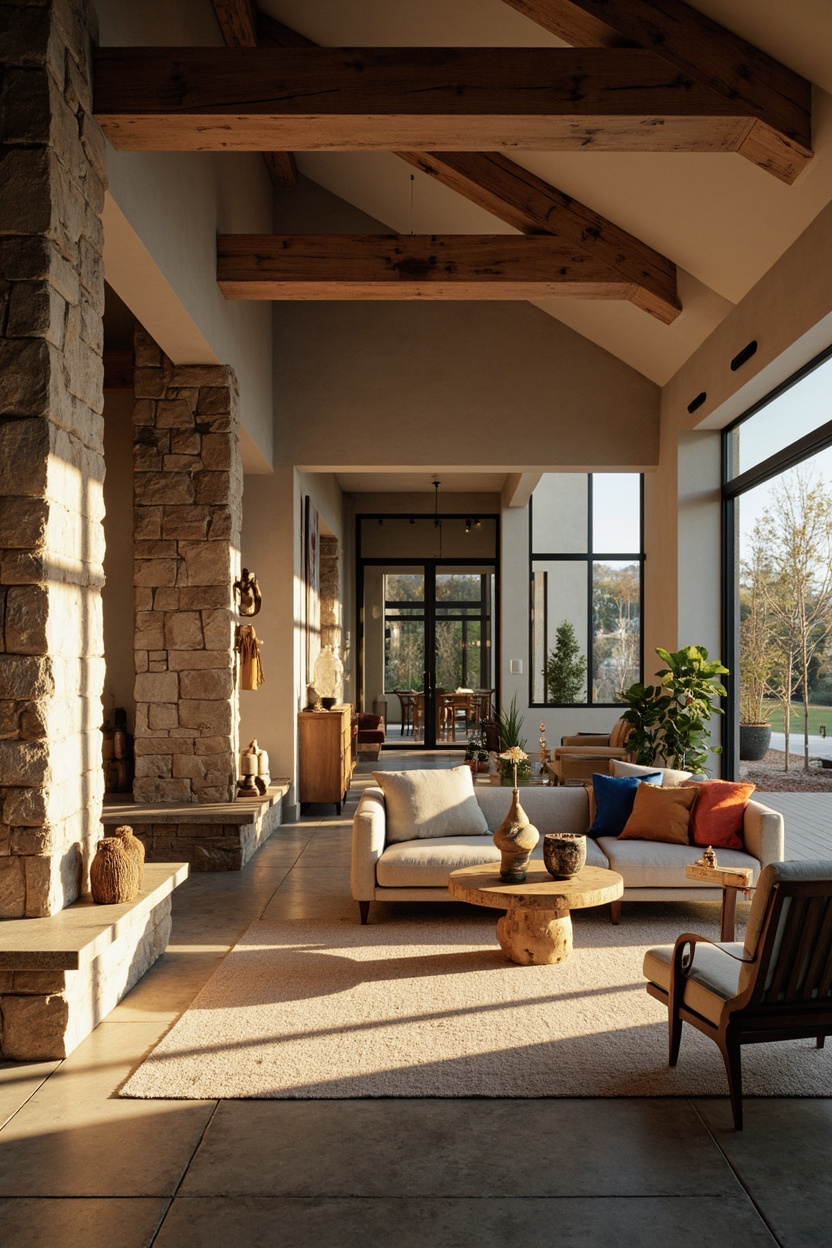
Converting a garage into livable space is a high-value way to expand a ranch home without altering the footprint. Focus on insulation, proper ventilation, and subfloor solutions to prevent cold floors and ensure the room meets building codes for year-round comfort.
Think about flexible uses: home office, guest suite, or a studio with pocket doors or sliding panels to maintain flow in the single-level plan; keeping a visual connection to the rest of the home preserves the open, ranch-style feel.
14. Covered Outdoor Kitchens and Patios
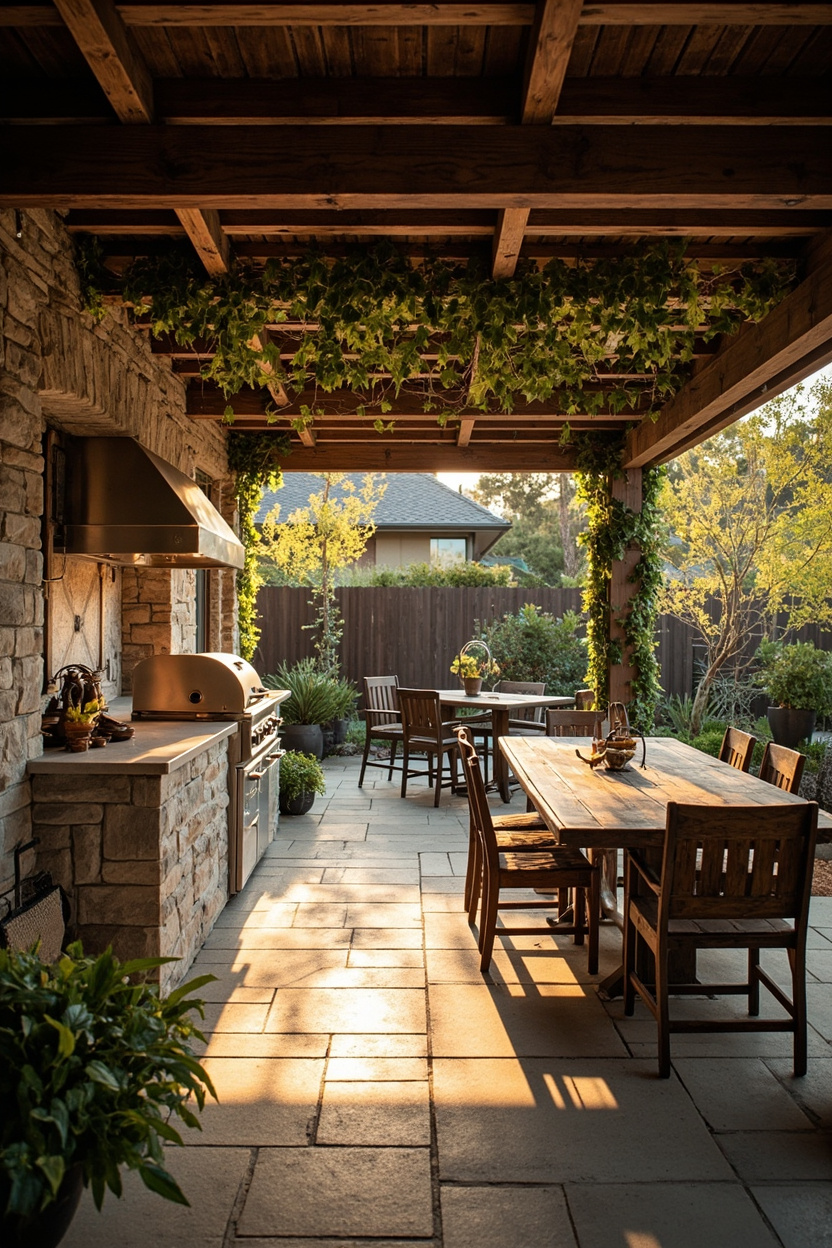
A covered outdoor kitchen extends living space and creates a natural transition between interior zones and the yard, ideal for single-level ranch layouts that emphasize indoor-outdoor flow.
Choose durable materials, integrated storage, and a small prep sink to make al fresco cooking practical through multiple seasons.
Design the patio layout to align with sightlines from the kitchen and great room so entertaining remains sociable; adding a retractable screen or glass windbreak keeps the space usable in varied climates without sacrificing openness.
15. Laundry and Utility Room Optimization
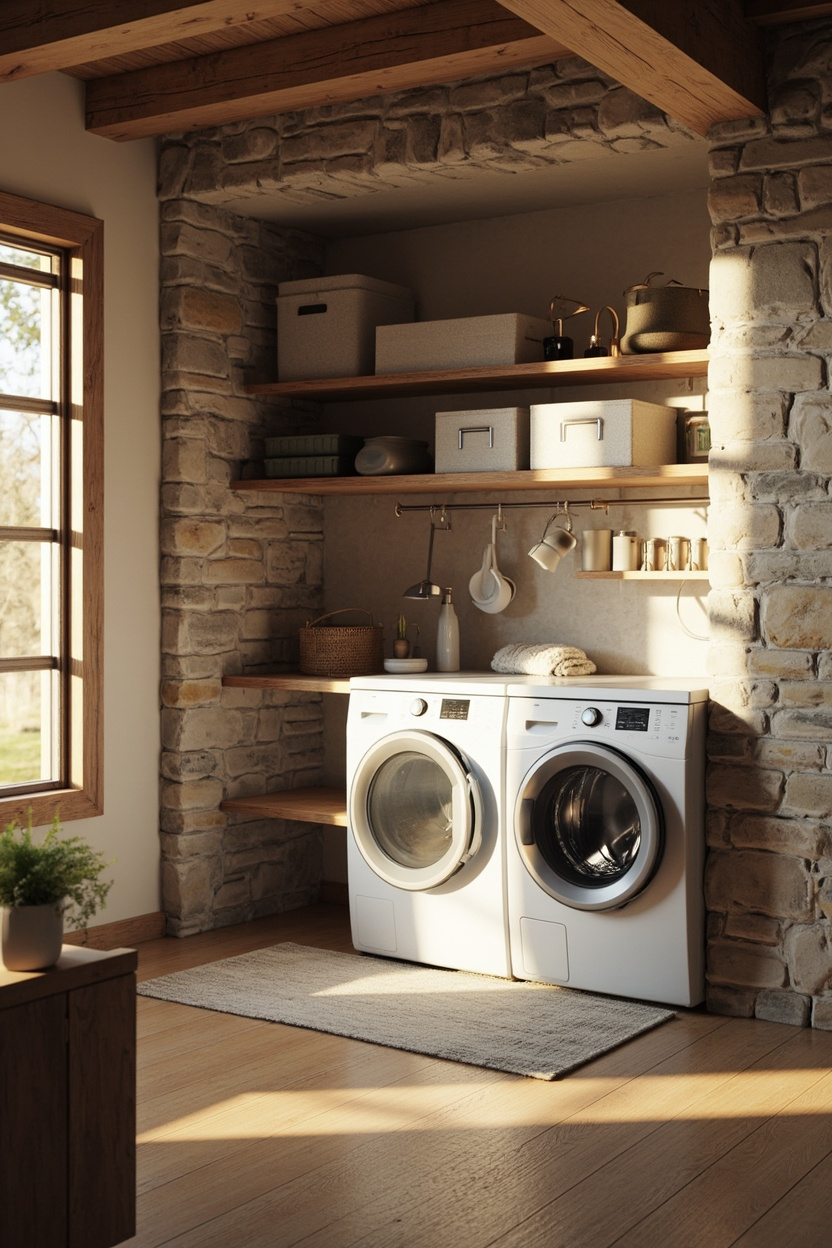
In one-level ranch homes, the laundry and utility room should be both functional and accessible—locate them near bedrooms or the garage for quick drop-off and streamlined routines.
Incorporate counter space for folding, vertical storage for linens, and a utility sink; thoughtful lighting and durable flooring make the room more pleasant to use daily.
Consider stacking machines to save footprint or a built-in locker system for outerwear and shoes to reduce clutter in entry zones; these small efficiencies keep single-floor living organized and timeless.
16. Passive Solar Orientation Tactics
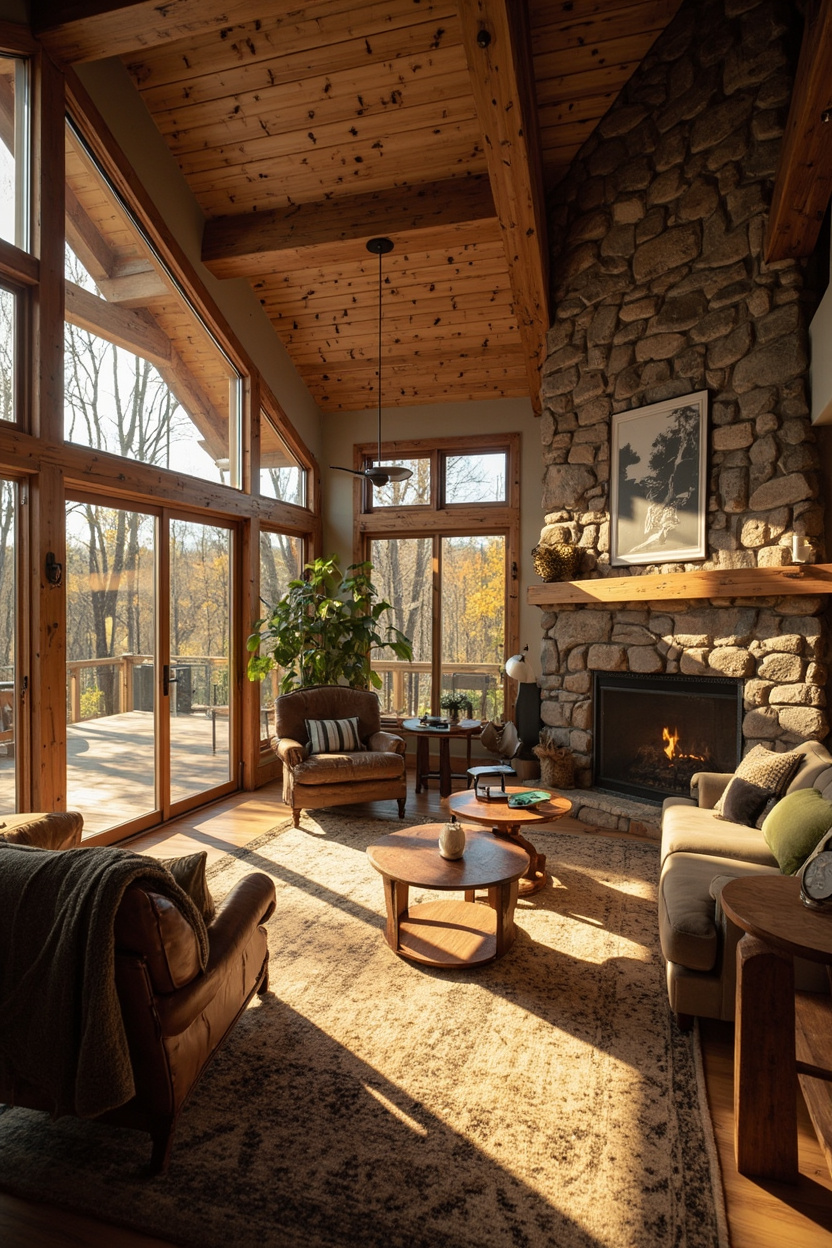
Siting a ranch home to capture winter sun and shade, summer heat boosts comfort and cuts energy bills. Orient primary living spaces and large, south-facing windows to harvest low-angle winter light while using properly sized overhangs or pergolas to block high summer sun.
Combine thermal mass like tiled floors or masonry walls with operable windows for night cooling; this simple choreography stores daytime heat and vents it when temperatures drop.
Thoughtful passive solar moves reduce reliance on mechanical systems and support long-term sustainability.
17. Universal Design for Aging in Place
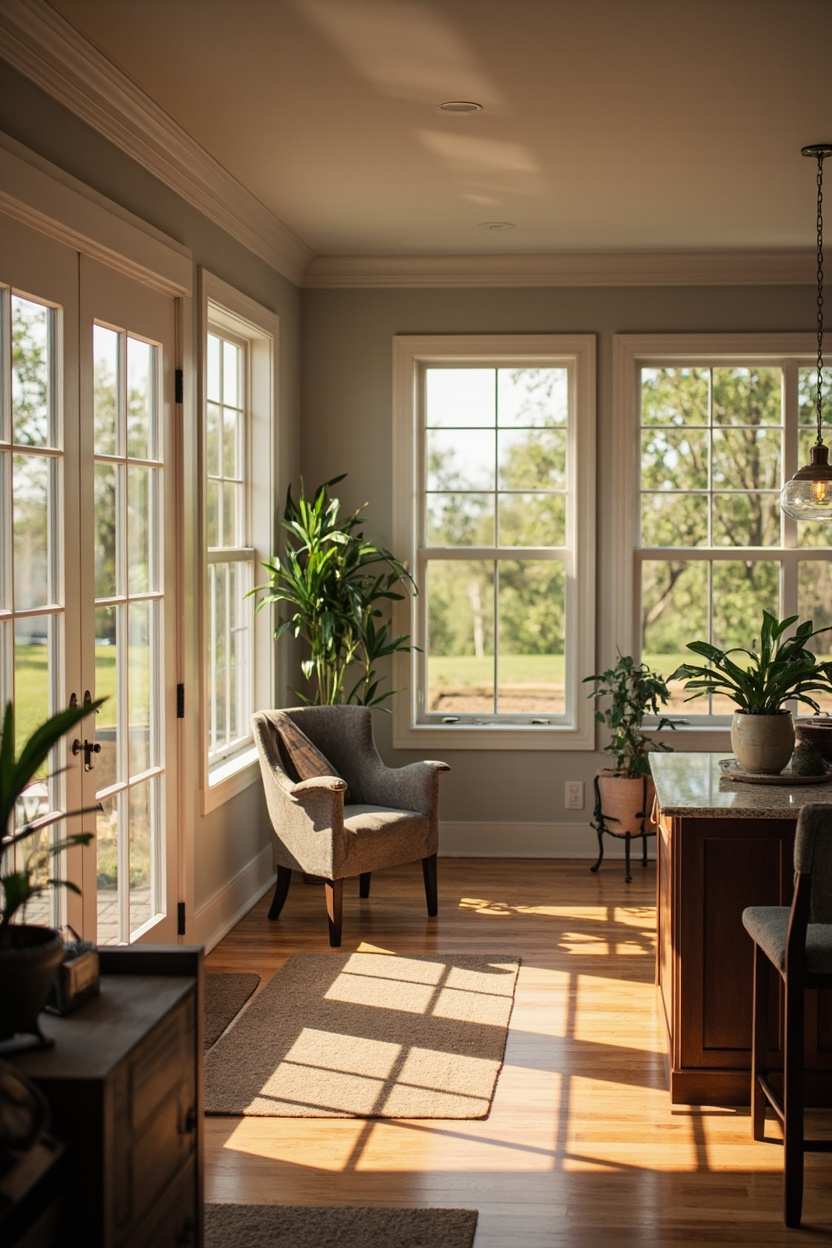
Ranch plans are ideal for aging in place because everything is on one level; widening doorways, minimizing thresholds, and installing curbless showers make daily life safer without sacrificing style. Prioritize non-slip flooring and lever-style hardware for intuitive, secure use across abilities.
An open, flexible floor plan also allows for future adaptations, such as an extra bedroom that can become a caregiver suite or space for mobility aids, preserving independence and resale value. Integrating these features early avoids costly retrofits later.
18. Landscaping to Complement Ranches
Low, horizontal architecture calls for layered, horizontal landscaping to reinforce the home’s lines—think long hedges, ornamental grasses, and native groundcovers that flow with the roofline. Place specimen trees strategically to frame entries and provide shade without overwhelming the one-story silhouette.
Use durable, low-maintenance plantings and hardscape paths to create smooth transitions between indoor and outdoor living areas; this keeps the property usable year-round and enhances curb appeal.
Native species reduce water needs and support local ecosystems while keeping upkeep manageable.
FAQ
Ranch homes offer single-level living, an easy indoor-outdoor connection, and flexible layouts that suit families and downsizers alike; these traits map well to current priorities like accessibility and casual entertaining.
Focus on orientation, high-performance insulation, efficient glazing, and sealing the building envelope. Passive solar tactics and properly sized overhangs further reduce heating and cooling loads.
Yes—open plans, separate wings, or accessory units can provide privacy while keeping everyone on one level. Thoughtful planning of entries and circulation preserves independence.
Horizontal planting and long sightlines emphasize the home’s breadth, while vertical elements like trees or tall planters add balance without undermining the single-story aesthetic.
Final Thoughts
Ranch-style plans deliver practical, accessible living that aligns with 2026 trends toward single-level comfort and sustainable choices.
Small design decisions, orientation, universal features, and responsive landscaping make these homes more livable, efficient, and future-ready.