


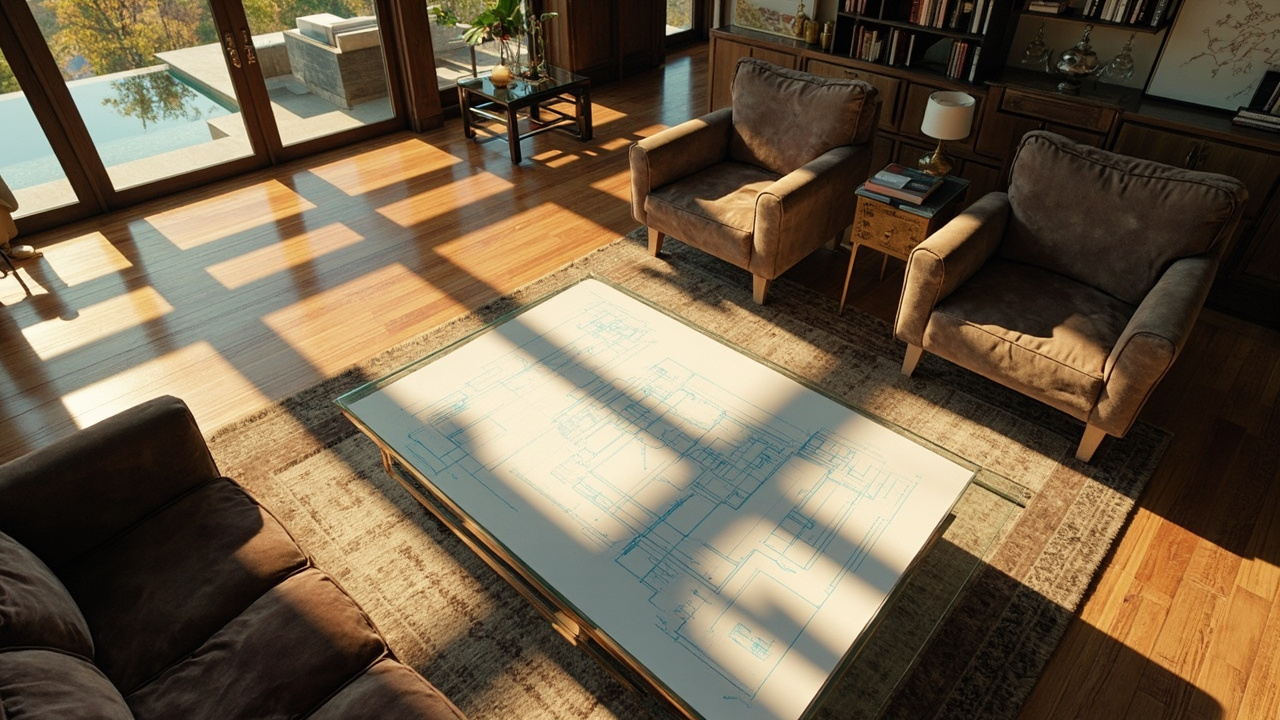
Reading architectural floor plans before you build saves time, avoids costly mistakes, and ensures the finished home matches your intent.
Whether you’re a first-time homeowner, a DIY renovator, or working with a designer, these concise steps will help you interpret drawings accurately and ask the right questions of your architect or builder.
- How to Read Basic Architectural Floor Plan Symbols?
- Interpreting Scale, Dimensions, and Room Labels
- Understanding Semi-Open and Semi-Closed Layouts
- Identifying Main-Level Primary Suite Configurations
- Reading Exterior Features: Courtyards and Covered Spaces
- Assessing Sightlines, Views, and Natural Ventilation
- Common Mistakes When Interpreting Floor Plans
- Optimizing Plans for Functionality and Lifestyle
- FAQ
- Final Thoughts
- Related Decor Reads
How to Read Basic Architectural Floor Plan Symbols?
Floor plans use a compact visual language. Learn the common symbols so you can quickly identify walls, doors, windows, fixtures, and structural elements.
- Walls: Solid lines show full-height walls; dashed or thinner lines indicate half-walls, cabinetry, or overhead elements. Note wall thickness for structural vs. partition walls.
- Doors: A swing arc shows the door swing direction; sliding doors are shown as overlapping lines. Check swing clearance against adjacent furniture or circulation paths.
- Windows: Breaks in walls with thin lines or parallel lines indicate windows; double-line symbols often mark operable vs. fixed units.
- Stairs: A series of parallel lines with an arrow indicates direction up; look for rise/run notes and headroom clearances.
- Plumbing fixtures: Standard icons for sinks, toilets, tubs, and showers show location and orientation—confirm rough-in dimensions for contractors.
- Electrical: Outlets, switches, and lighting are shown with specific marks; use these to plan furniture placement and charger or appliance locations.
Decision criteria: always cross-check symbol legends on the plan sheet and ask for enlarged details where multiple systems cluster.
Mistake to avoid: assuming symbol meaning without consulting the legend—architects sometimes use firm-specific variations.
Interpreting Scale, Dimensions, and Room Labels
Scale and dimensions convert the drawing into real-world sizes. Start by locating the scale bar or note (for example, 1/4″ = 1′-0″). Use it to verify room sizes and clearances.
- Overall dimensions: These typically run along the plan perimeter. Confirm exterior footprint first, then interior clearances.
- Room labels: Names indicate intended use, but check the listed dimensions—“guest bedroom” might be smaller than you expect.
- Finish dimensions vs. rough: Finish dimensions account for wall finishes; always verify which type the plan shows to avoid surprises in final sizes.
- Circulation paths: Measure walkways (goal: 3′ minimum for main paths, 2’6″ for secondary) and sightlines from entry points to ensure comfort and code compliance.
Implementation tip: print a scaled overlay or use digital measuring tools in your PDF viewer to test furniture fits and appliance clearances before finalizing layouts.
Understanding Semi-Open and Semi-Closed Layouts
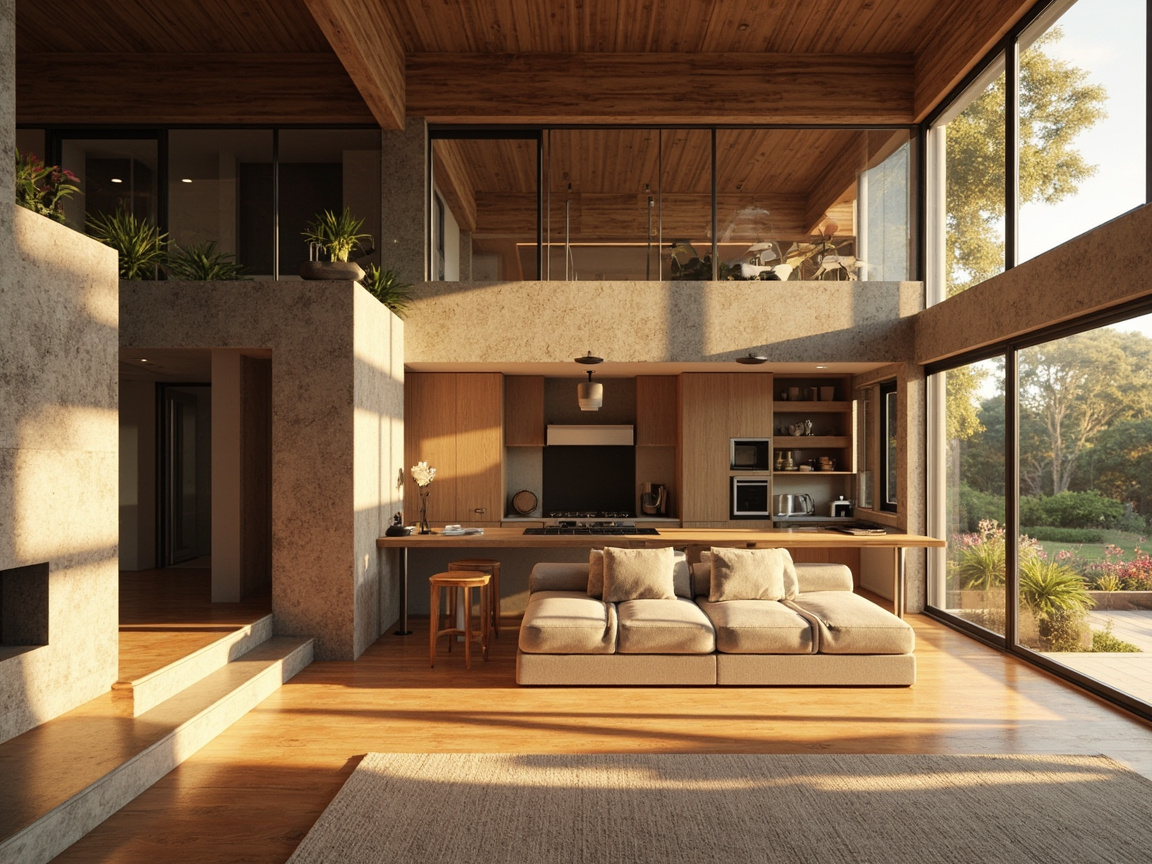
Semi-open and semi-closed floor plans blend openness with dedicated rooms. They’re increasingly popular because they balance social interaction with privacy.
- Semi-open: Partial walls, columns, or wide openings connect living zones while retaining visual separation. Look for half-height partitions, large cutouts, or furniture-defined edges on the plan.
- Semi-closed: Sliding doors, pocket doors, or folding screens allow spaces to be closed off when needed. Plans will show these as dashed lines or special door symbols—note track locations.
- Why it matters: These layouts affect light flow, HVAC zoning, and acoustics. Identify where sightlines, natural light, and mechanical systems intersect on the plan.
- Practical checks:
- Confirm headroom and soffits where openings occur.
- Ask for reflected ceiling plans to see dropped ceilings or beams that may change the feel of openness.
- Plan HVAC and lighting circuits for variable occupancy and privacy modes.
Mistake to avoid: treating “open” as purely visual, openings change sound and temperature flows. Therefore, coordinate with your design team early to reconcile aesthetic goals with mechanical and structural realities.
Identifying Main-Level Primary Suite Configurations
Many modern plans place the primary suite on the main level for accessibility and single-floor living.
Look for a bedroom labeled “primary” or “owner’s suite,” often adjacent to private closets, an en-suite bathroom, and either direct access to outdoor living or separation from secondary bedrooms.
Actionable checks:
- Confirm separation: note door locations and hallway buffers that keep the suite private from high-traffic zones.
- Measure adjacencies: ensure closet and bathroom square footage meets your storage and layout needs; a walk-in closet should allow 3–4 feet of clear depth for usability.
- Check access to outdoor spaces: sliding doors or a private porch are common; verify swing direction and landing space outside for furniture or steps.
- Evaluate future flexibility: a main-level suite should have options for grab bars, wider door swings, or a curbless shower—identify walls that could be modified without major structural work.
Mistakes to avoid:
- Assuming “primary” means spacious—verify dimensions rather than relying on the label.
- Overlooking sightlines to adjacent living spaces, which affect noise and privacy.
If you prefer classic or farmhouse layouts that often emphasize a main-level suite, compare similar plans on resources like the White Farmhouse or Farmhouse Interior pages for configuration ideas.
Reading Exterior Features: Courtyards and Covered Spaces
Exterior elements like courtyards, loggias, and covered lanais shape how you use indoor-outdoor space. On plans, these are usually hatched or labeled as “covered,” “lanai,” or “courtyard,” and may lack full exterior walls.
Quick interpretation guide:
- Identify roof lines and columns: dotted or dashed lines usually show overhangs; verify column placement and widths to plan furniture and circulation.
- Check drainage and grade notes: courtyards often include slopes or drains—confirm these so outdoor furniture and plantings work as intended.
- Confirm access points: count doors and their swing to ensure smooth flow between interior rooms and covered areas.
- Assess solar orientation: courtyards on the south or west can create heat gain; consider shade structures or landscape buffers shown on the plan.
Common pitfalls:
- Misreading a “porch” as fully enclosed, verify whether the space is open to weather or conditioned.
- Ignoring structural notes for cantilevers or long overhangs that affect cost and permitting.
For inspiration on blending covered outdoor spaces with interior style, see examples in Coastal Farmhouse Homes for layout ideas.
Assessing Sightlines, Views, and Natural Ventilation
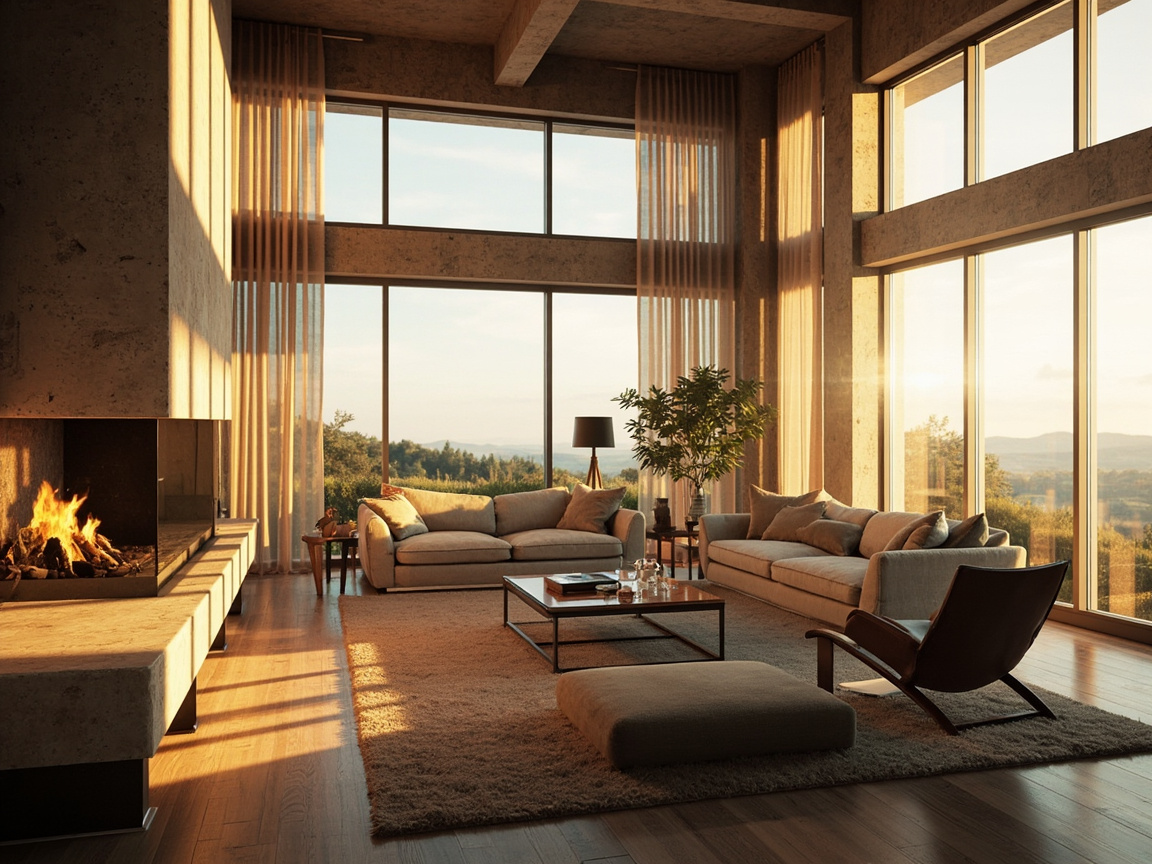
Sightlines, views, and airflow determine day-to-day comfort and the perceived size of spaces. Floor plans convey these through window locations, door swings, and the relationship of rooms and openings.
How to evaluate:
- Trace primary sightlines from key standing points: front entry, kitchen island, and primary suite doorway. Make sure there are no visual obstructions you don’t want.
- Map view axes to the exterior: align windows and doors with intended landscape features, vistas, or privacy buffers shown on the plan.
- Check cross-ventilation paths: identify pairs of operable windows or doors on opposite or adjacent walls that allow airflow through main living areas and bedrooms.
- Note window types and sizes: casements and awnings can maximize ventilation; fixed windows provide a view but no airflow—confirm labels on the plan.
Implementation tips:
- Use a transparent sheet or tracing paper over the plan to sketch sightlines and breeze paths before finalizing the layout.
- Discuss ceiling heights and transoms with your architect; higher ceilings and clerestory windows improve stack ventilation and daylighting.
- If a desirable view is obstructed by a mechanical area or closet, consider swapping layouts early to avoid costly rework.
Mistakes to avoid:
- Assuming every window shown is operable, verify window schedules or notes.
- Relying solely on compass roses, verify how neighboring structures or future landscaping could block views or airflow.
Finally, review room adjacencies and window placements with your builder so orientation, screening, and HVAC needs align with the plan and site conditions.
Common Mistakes When Interpreting Floor Plans
Misreading plans can lead to costly changes during construction. Being aware of common errors helps you catch issues early and communicate clearly with your architect or builder.
- Assuming scale equals size: Never assume a room’s feel from square footage alone. Verify the scale bar and measure door swings, circulation space, and furniture footprints.
- Overlooking vertical relationships: Floor plans show layout but not ceiling heights, roof pitches, or split levels. Cross-check elevations and section drawings for headroom and sightlines.
- Ignoring traffic flow: Designers may place rooms efficiently, but your lifestyle needs can differ. Walk through the plan on paper or with tape on the floor to test daily routines.
- Forgetting mechanicals and storage: HVAC, plumbing stacks, and mechanical closets often get squeezed. Confirm locations early to avoid relocating fixtures later.
- Misinterpreting window and door types: Symbols can be confusing—sliding, casement, and fixed windows look different on elevations. Ask for labeled schedules to avoid surprises.
- Neglecting natural light and views: A room’s orientation impacts lighting and comfort. Review the sun path and exterior context to prevent dark or overheated spaces.
- Skipping furniture and appliance layouts: Plans without furniture can be misleading. Place key items—beds, sofas, kitchen appliances—on the plan to confirm fit and circulation.
- Assuming flexibility without checking structure: Moving walls may seem easy on paper, but load-bearing elements and mechanical runs can limit changes. Consult the structural engineer before committing.
Optimizing Plans for Functionality and Lifestyle
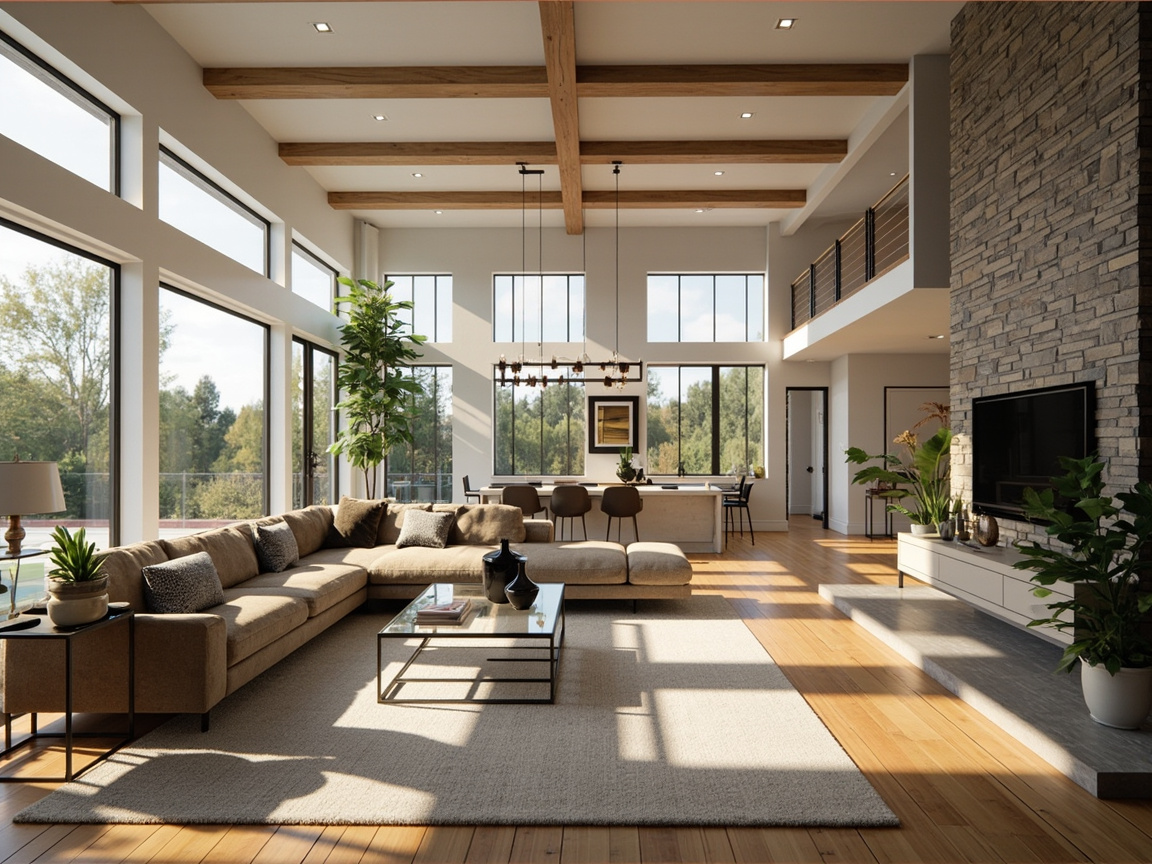
Optimized plans match the way you live. Start by listing daily activities and prioritize spaces accordingly to make the floor plan work for you, not the other way around.
- Define priorities: Rank needs such as main-level primary suite, home office, mudroom, or open kitchen. Use that ranking to allocate square footage where it matters most.
- Plan adjacencies sensibly: Place noisy zones away from quiet ones—laundry and mechanical rooms near bedrooms can be disruptive. Group related functions like kitchen/pantry and mudroom/garage for efficiency.
- Design flexible rooms: Specify dimensions and clearances so rooms can evolve. For example, a 10–12 ft wide room with good daylight can serve as an office, nursery, or guest room later.
- Prioritize circulation efficiency: Aim for direct paths between high-use areas. Minimize long, narrow hallways by opening sightlines or creating multifunctional corridor spaces.
- Integrate storage deliberately: Add built-ins, walk-in closets, and pantry space early. Small storage omissions cost more to retrofit than to include during design.
- Consider daylighting and ventilation: Place primary living spaces on the best sun exposure side. Include operable windows and cross-ventilation strategies for comfort and energy savings.
- Account for systems and maintenance: Reserve accessible space for HVAC filters, utility panels, and roof access. Design for serviceability to avoid disruptive repairs later.
- Test with mockups: Use cardboard or tape to mark room footprints and furniture on the existing floor. Live in the mockup for a day to validate dimensions and flow.
- Consult specialists early: Bring in a structural engineer, MEP consultant, or interior designer before finalizing walls. Their input prevents costly functional reworks.
FAQ
Find the scale bar (for example, 1/4″ = 1′-0″) and use a ruler or scale tool to convert plan measurements to real-world dimensions. Always double-check critical room sizes and door openings.
Confirm type (casement, sliding, fixed), swing direction, and rough opening sizes. Cross-reference the plan with window/door schedules so light, privacy, and egress requirements are met.
Bring them in before finalizing layouts—especially for load-bearing walls, HVAC routing, and plumbing stacks. Early input prevents structural conflicts and hidden costs.
Map daily routines onto the plan, prioritize flexible rooms, and include generous storage. Test layouts with full-size mockups or by placing furniture templates on the plan.
Final Thoughts
Reading plans well reduces surprises and saves money. Focus on scale, circulation, daylight, and systems, and involve specialists early. Small adjustments during design are far easier than big fixes during construction.