


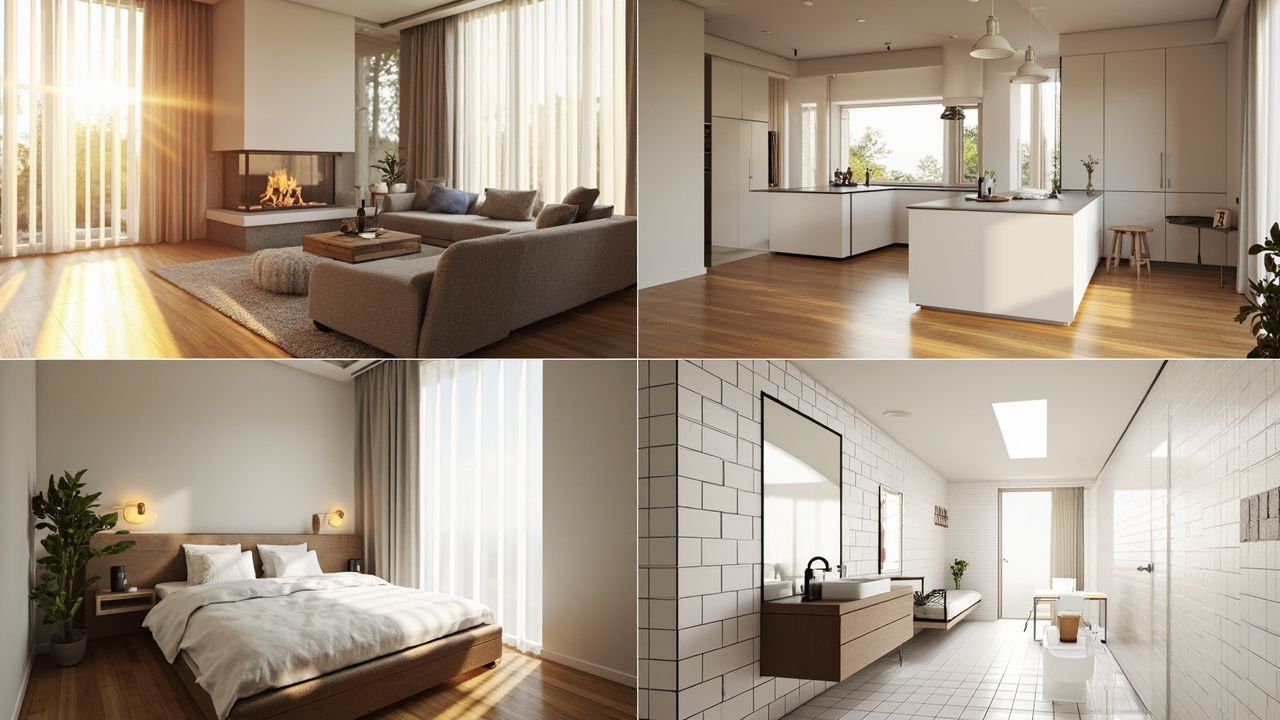
Small homes demand thoughtful planning: every square foot should earn its keep while feeling generous.
These floor plans lean on semi-open layouts, adaptable living zones, and built-in tech to make compact living comfortable and resilient.
We curated practical strategies and real-layout ideas that balance privacy, light, and storage without sacrificing character.
- Maximizing Space with Semi-Open Plans
- Flexible Multi-Functional Living Areas
- Compact Floor Plans with Future-Ready Features
- Whimsical Nooks for Small Homes
- Resilient Materials for Tiny Footprints
- Adaptable Rooms for Changing Needs
- Smart Storage Solutions Integrated Seamlessly
- Natural Light Strategies for Small Layouts
- Efficient Circulation and Zone Planning
- Flexible Privacy with Semi-Closed Layouts
- Indoor-Outdoor Flow in Small Homes
- Compact Kitchens Designed for Entertaining
- Micro-Bedrooms with Big Comfort
- Sustainable Systems for Small Properties
- Elevated Character in Petite Floor Plans
- Final Thoughts
- FAQ
Maximizing Space with Semi-Open Plans
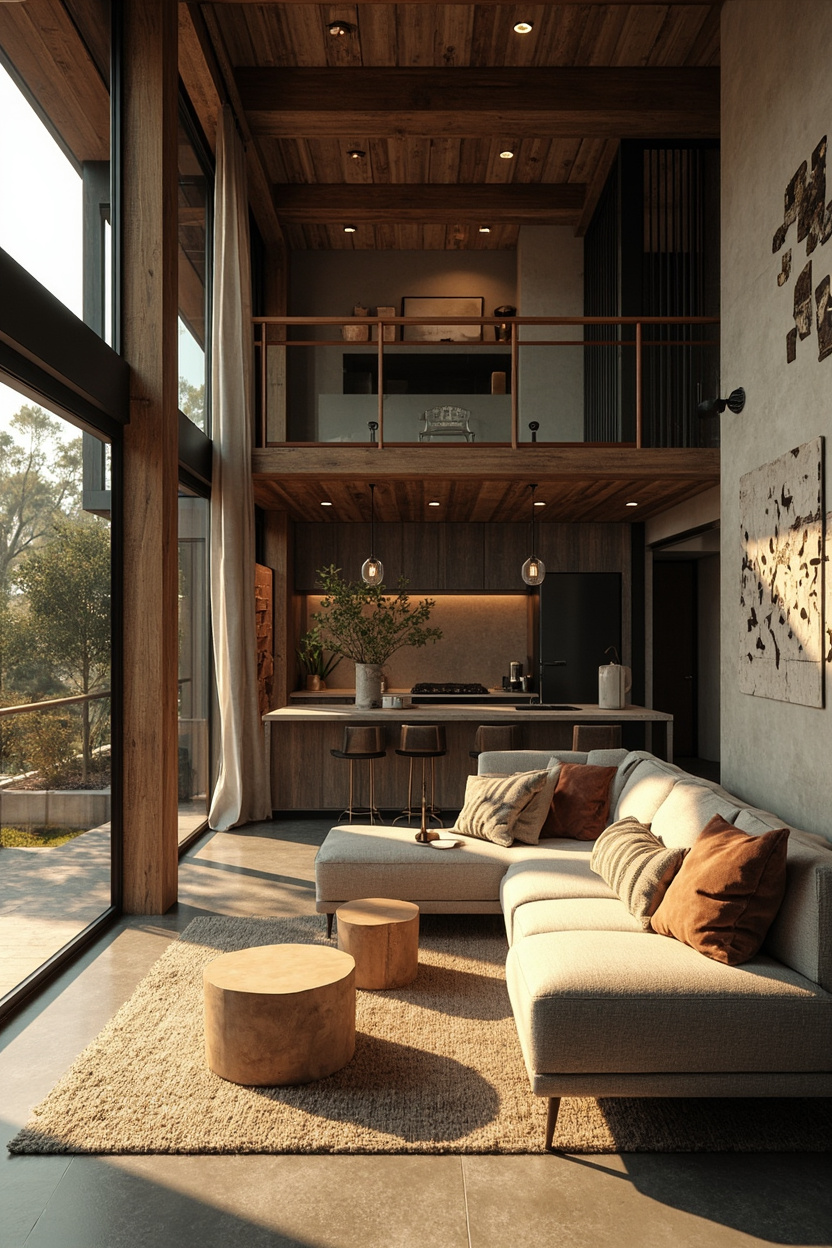
Semi-open plans create visual flow between the kitchen, dining, and living areas while maintaining distinct functional zones. Partial walls, low dividers, or a strategically placed island keep sightlines open for light and social connection without losing designated spaces for cooking or relaxing.
This approach also supports evolving household needs: it provides an acoustic buffer and privacy when required, and it adapts well to the semi-open/semi-closed trend that gives small homes both openness and cozy definition.
For examples of pared-back wall styling that enhance these layouts, explore Bed Wall Decor Minimalist.
Flexible Multi-Functional Living Areas
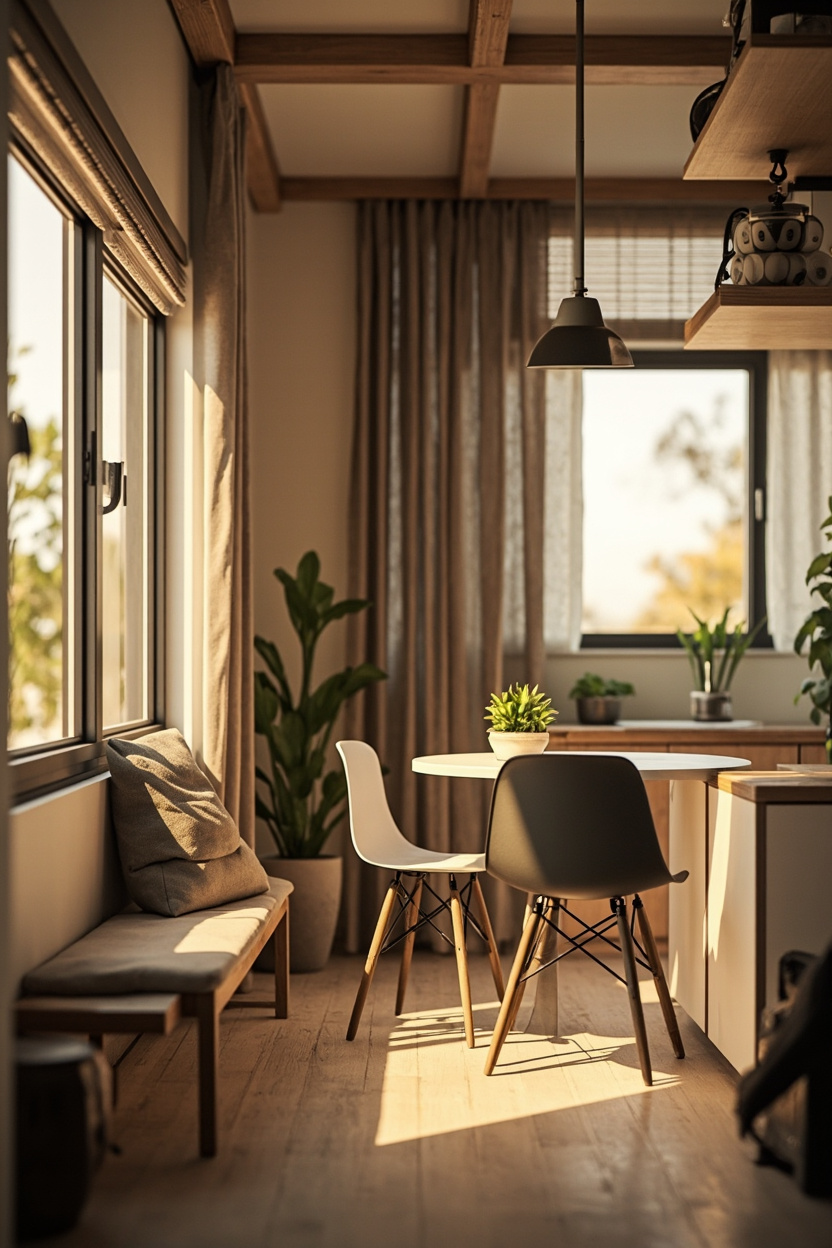
Designing rooms to serve more than one purpose makes small homes feel larger and more usable. A loveseat that converts to a guest bed, a dining table that doubles as a workspace, or a built-in bench with storage can transform a single footprint into multiple functional zones.
Plan circulation around multipurpose furniture and clear sightlines so transitions between uses feel natural.
Borrowing cues from Boho Office Space Decor helps integrate a home office elegantly into living areas without disrupting the overall aesthetic.
Compact Floor Plans with Future-Ready Features
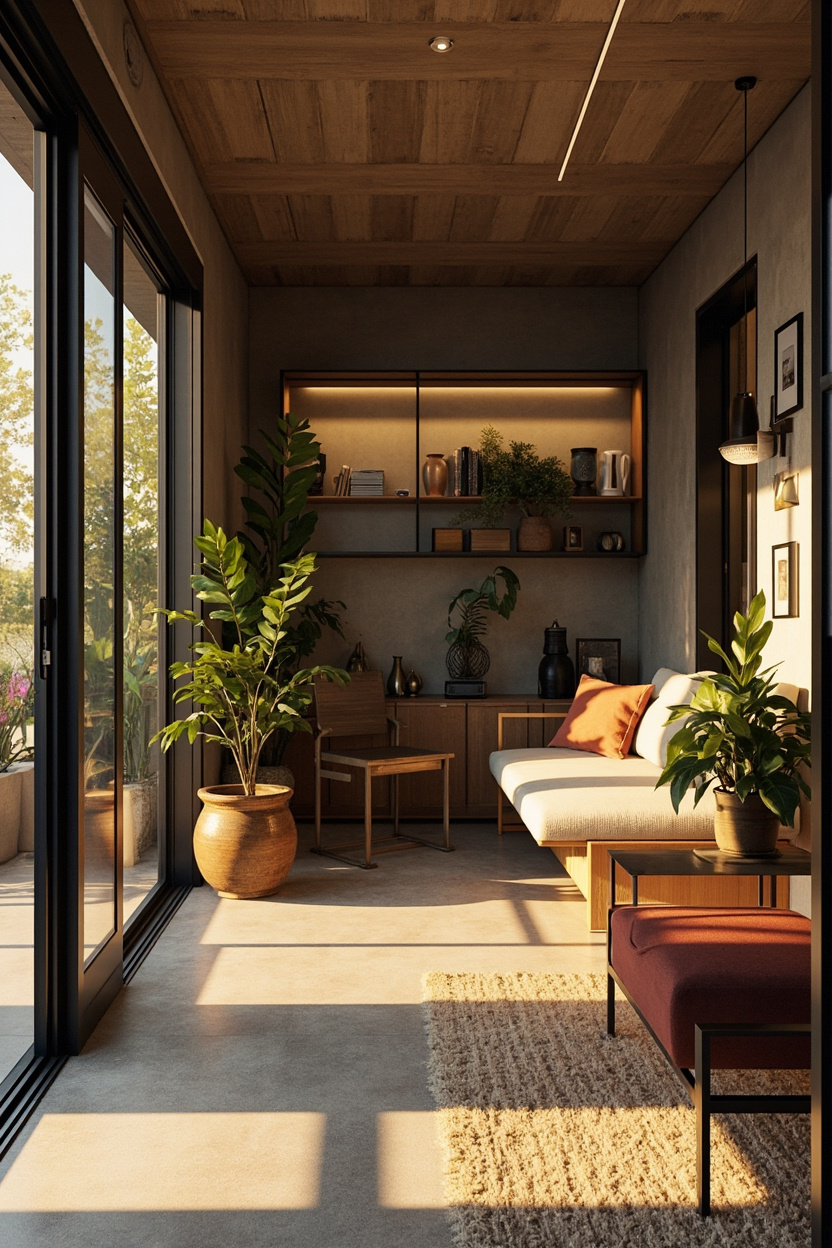
Small homes benefit from built-in resilience: prewired smart zones, energy-efficient HVAC layouts, and adaptable plumbing locations that allow rooms to change function over time.
Including wiring pathways and flexible mechanical closets makes future upgrades or reconfigurations straightforward and cost-effective.
Prioritize daylighting, layered lighting, and compact storage systems to keep these homes comfortable and efficient.
Thoughtful small-plan details mean a compact house can perform like a larger one while staying ready for whatever the next decade brings.
Whimsical Nooks for Small Homes
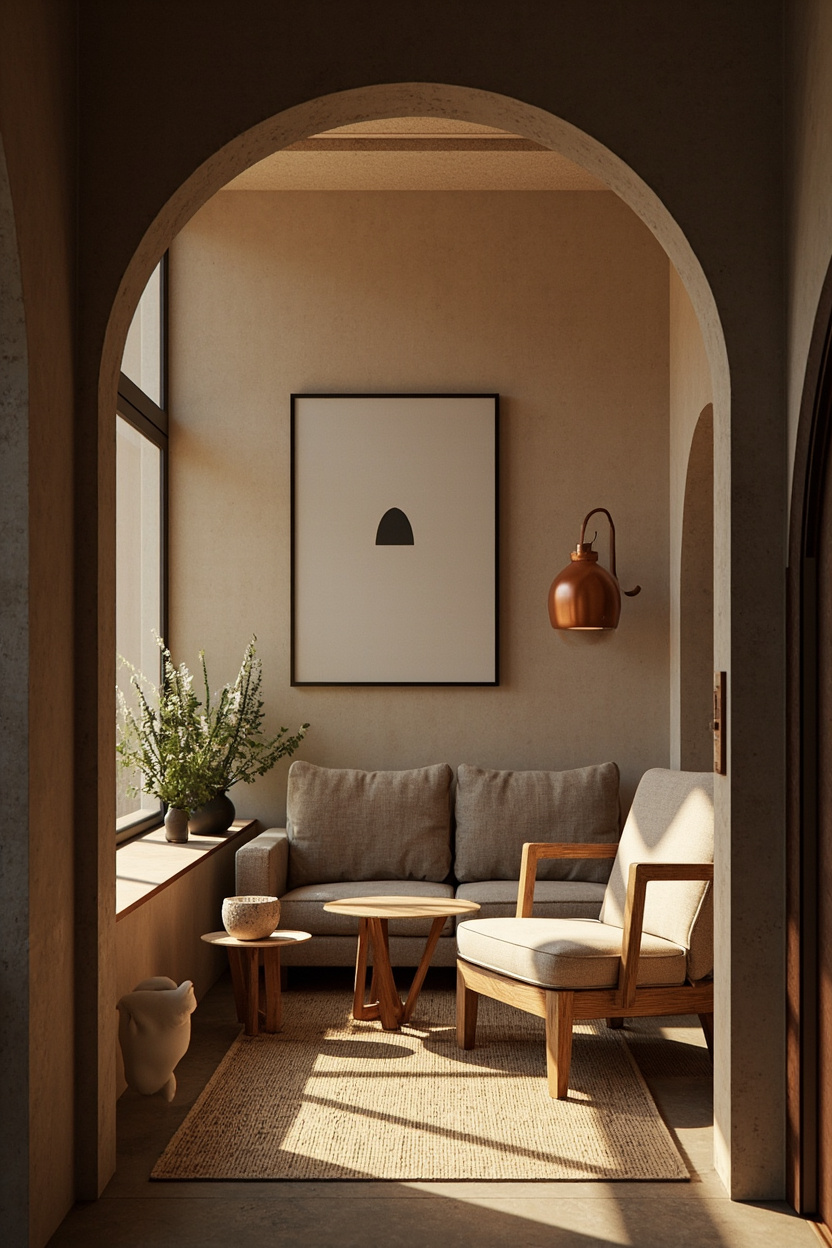
Carve out charming, purpose-driven nooks, a window seat with storage, a micro reading alcove, or a compact breakfast banquette to add personality without sacrificing square footage.
These playful pockets make small homes feel layered and intentional, turning leftover space into high-impact moments.
Use lighting, texture, and a single bold accessory to define each nook so it reads as a distinct room within a room.
For ideas on subtle, pared-back wall styling that complements these corners, see Bed Wall Decor Minimalist for inspiration on keeping small spaces serene and stylish.
Resilient Materials for Tiny Footprints
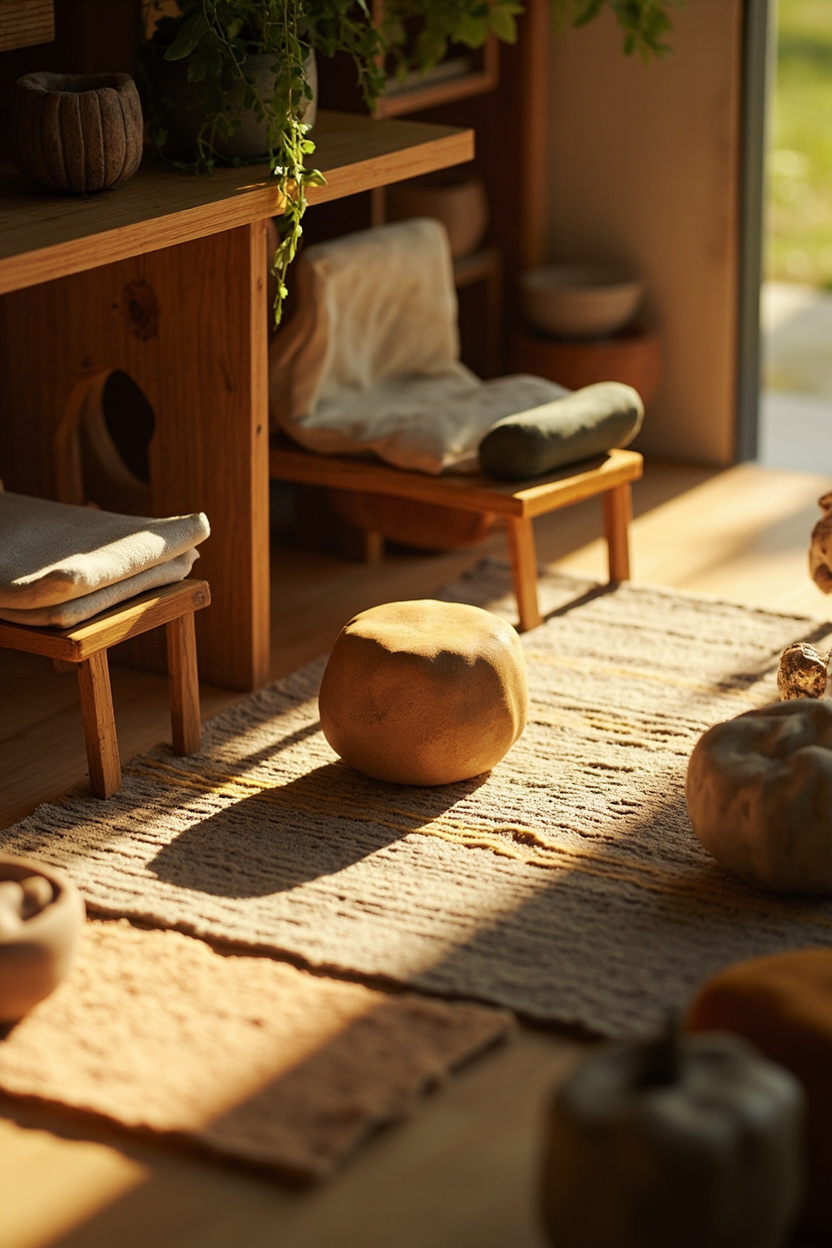
Prioritize durable, low-maintenance finishes engineered hardwood, porcelain tile, and high-performance upholstery that stand up to daily life while preserving a light, spacious feel.
Choosing resilient materials reduces long-term upkeep and allows you to invest saved resources into smarter layout choices or better insulation.
Specify finishes that perform double duty: waterproof vinyl planks in entryways and kitchens, washable paint in high-traffic zones, and easy-clean textiles for upholstery.
These decisions support the future-focused trend toward resilient, adaptable homes highlighted in recent house plan and design analyses for 2026.
Adaptable Rooms for Changing Needs
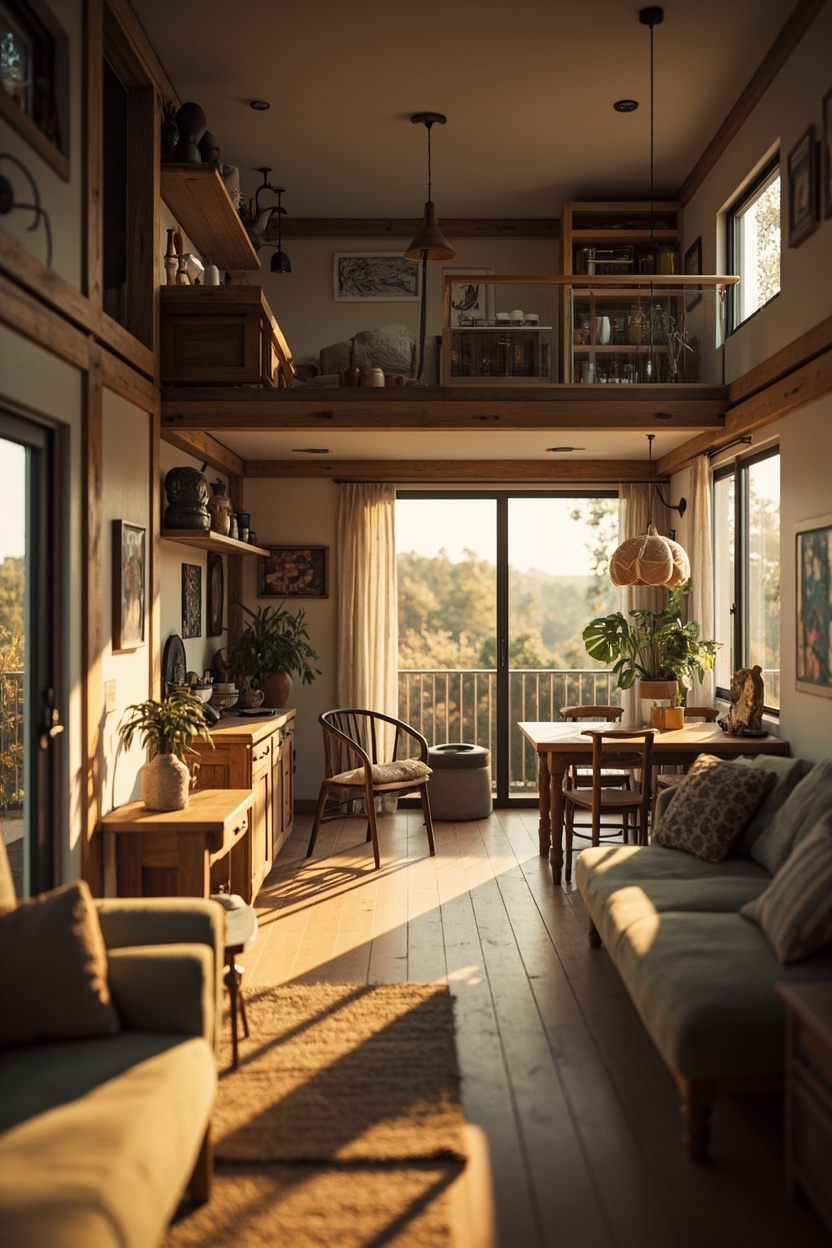
Design rooms to flex: sliding doors or pocket dividers let a living area convert into a guest room, while fold-down desks transform a bedroom corner into a productive home office.
This semi-open/semi-closed approach maximizes utility without permanent walls, aligning with the 2026 shift toward flexible floor plans.
Incorporate built-in storage, modular furniture, and plumbing/electrical planning that anticipates future changes to avoid costly renovations.
For small homes that need a relaxed, multifunctional vibe, explore Boho Office Space Decor for styling cues that blend function with warmth.
Smart Storage Solutions Integrated Seamlessly
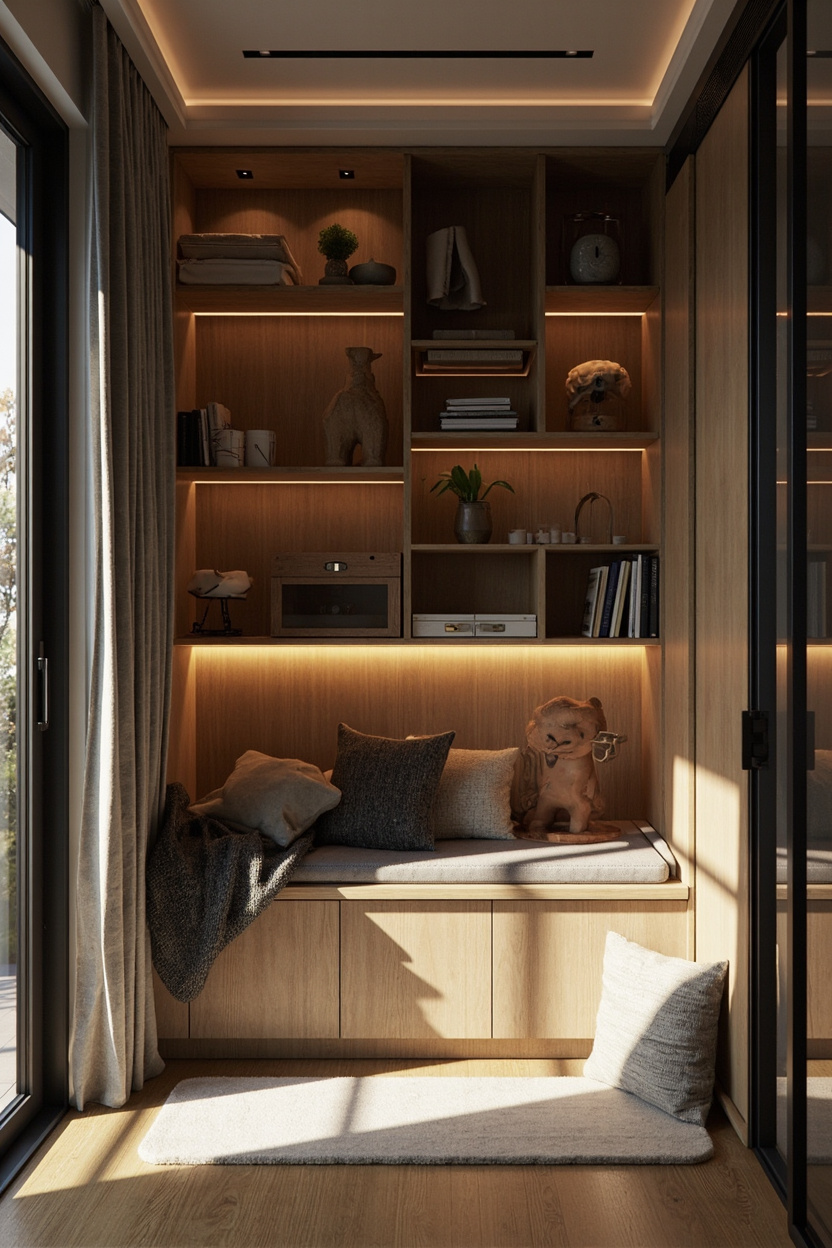
Clever storage turns every square foot into usable space without feeling claustrophobic. Built-in cabinets, under-stair drawers, and window-seat benches hide clutter while becoming part of the architecture so rooms read as intentional rather than crowded.
Use multifunctional pieces—beds with deep drawers, dining benches with storage, and kitchen islands that house appliances to reduce separate furniture needs.
For inspiration on pared-back, functional styling that complements built-ins, see minimalist mantle and bed wall approaches that keep surfaces calm and focused. Minimalist Mantle Decor
Natural Light Strategies for Small Layouts
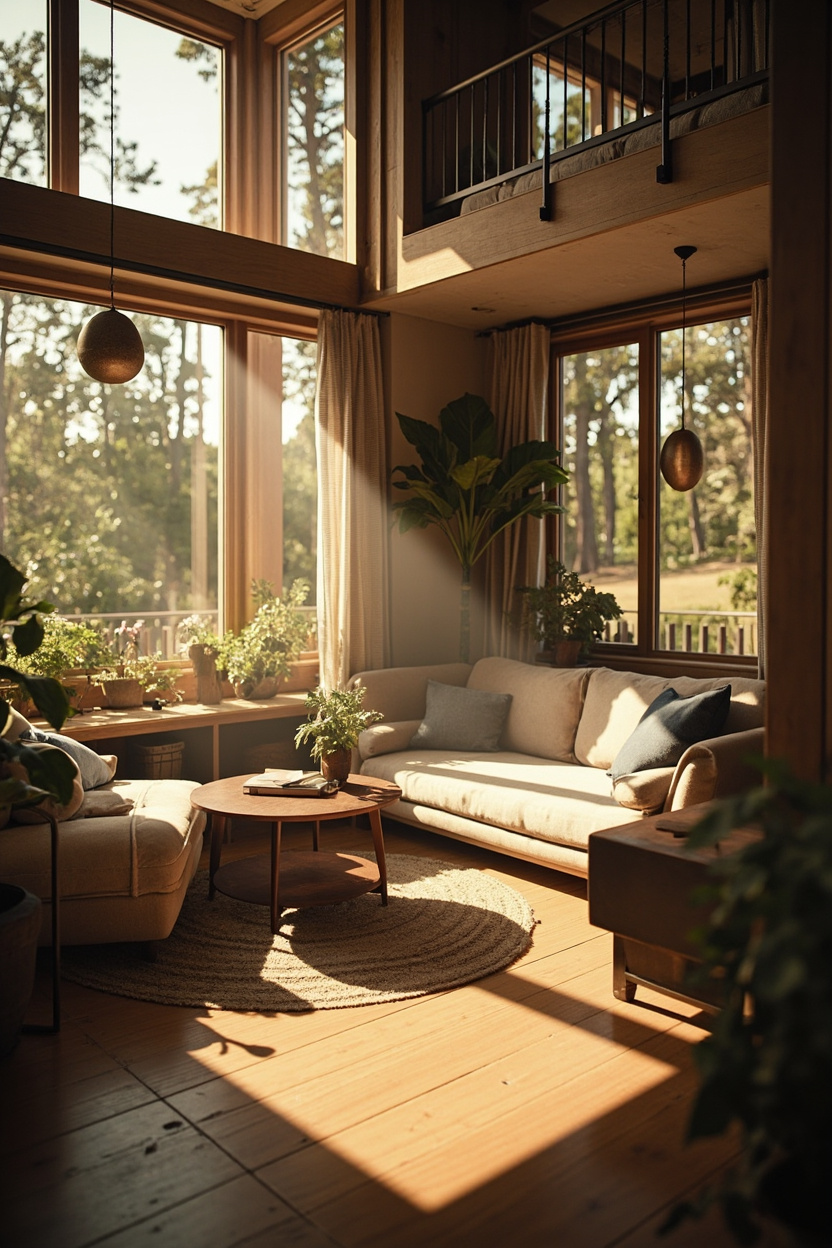
Maximizing daylight expands perceived space and improves mood in compact homes. Position primary living areas and circulation paths along the sunniest façades, use larger high windows, and consider clerestory glazing to flood interiors without sacrificing privacy.
Reflective surfaces and light-toned finishes amplify incoming light; a well-placed mirror opposite a window or a gloss kitchen backsplash multiplies brightness.
Efficient Circulation and Zone Planning
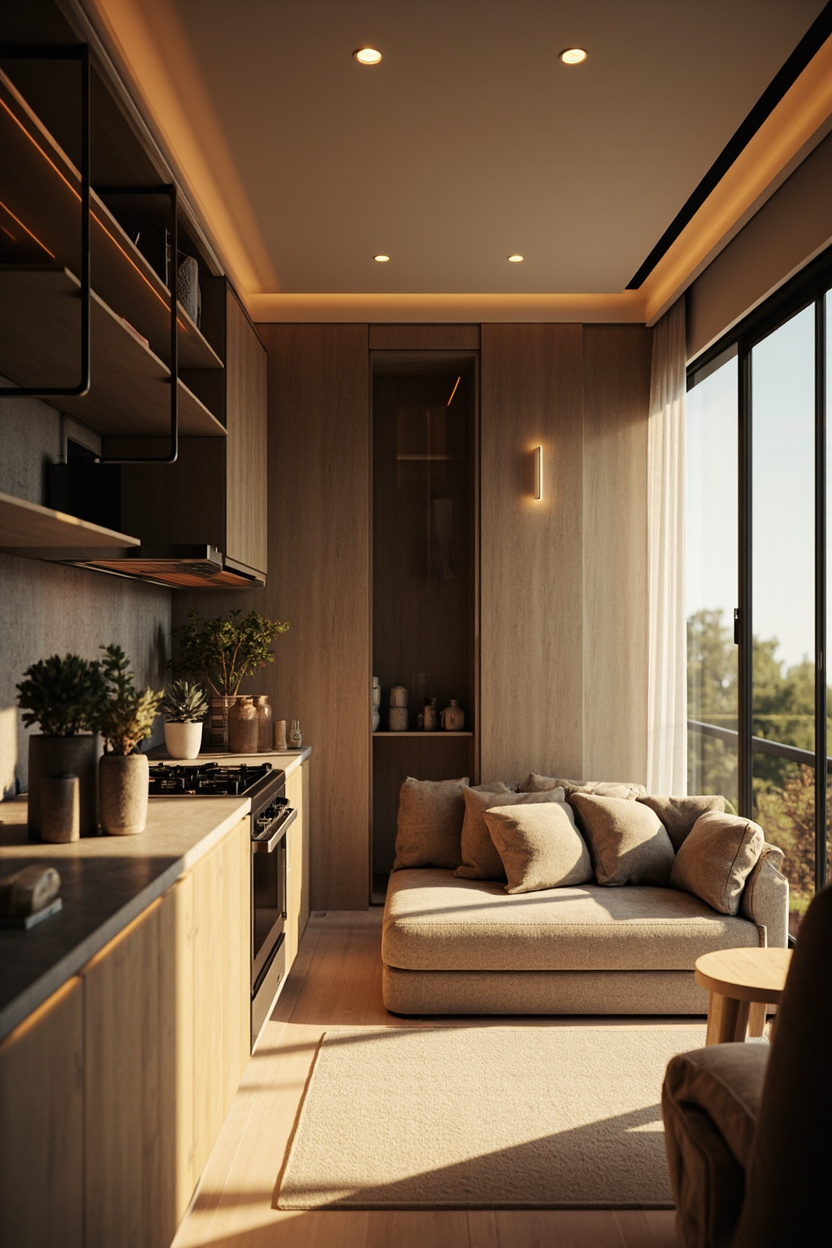
Good flow is crucial in homes under 1,500 sq ft. Avoid long, narrow corridors that waste space and instead favor semi-open transitions that connect rooms while retaining privacy.
Define zones by function using partial walls, open shelving, or varied flooring to reduce the need for separate rooms.
Position wet zones (kitchen, bath) close together to consolidate plumbing and increase usable square footage for living areas. Flexible furnishings like folding tables and sliding doors let rooms serve multiple purposes, supporting a resilient layout that adapts as needs change.
Flexible Privacy with Semi-Closed Layouts
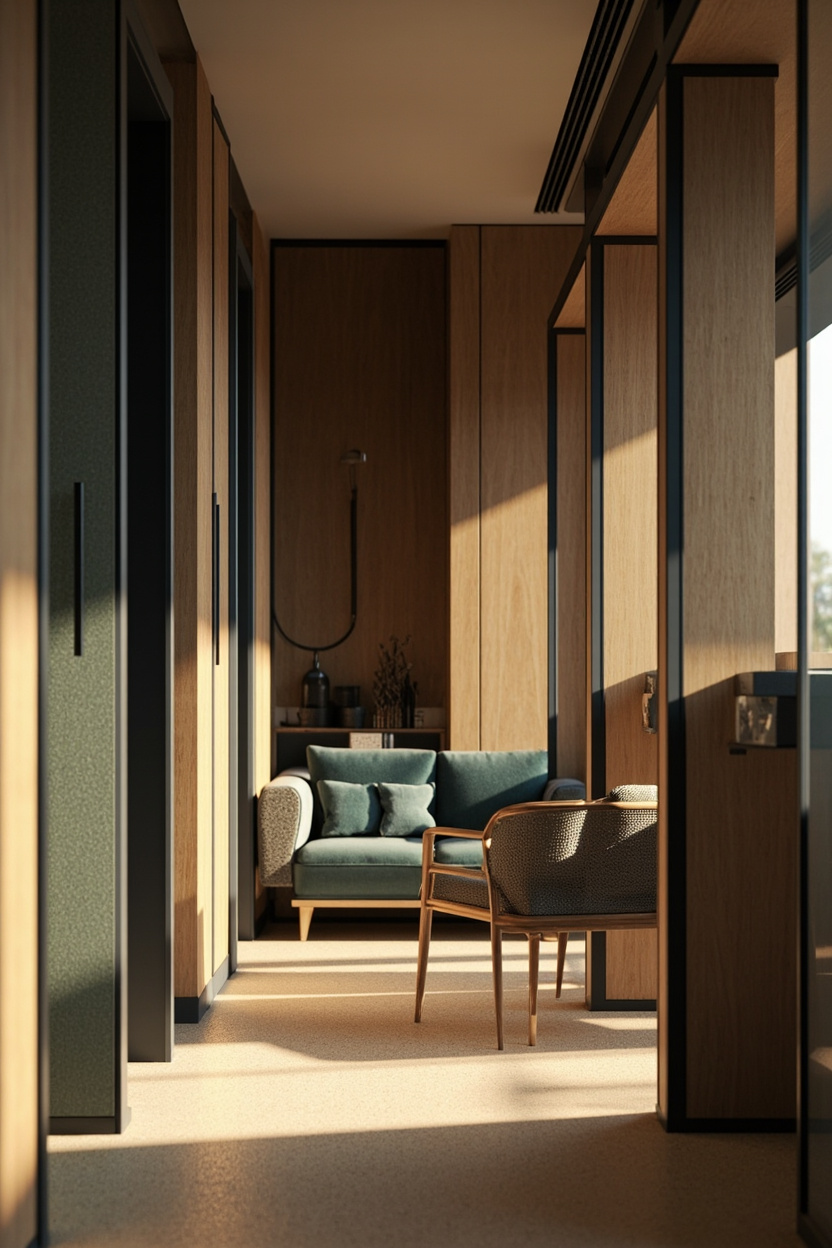
Semi-closed layouts balance openness and seclusion by using partial walls, sliding doors, or built-in shelving to define zones without boxing spaces in.
This approach preserves sightlines and natural light while giving bedrooms, home offices, or sleeping nooks the privacy they need in a compact plan.
In small homes under 1,500 sq ft, semi-closed planning lets rooms serve dual purposes—an office that converts to a guest room, or a living area that tucks away for quiet evenings so every square foot earns its keep.
Indoor-Outdoor Flow in Small Homes
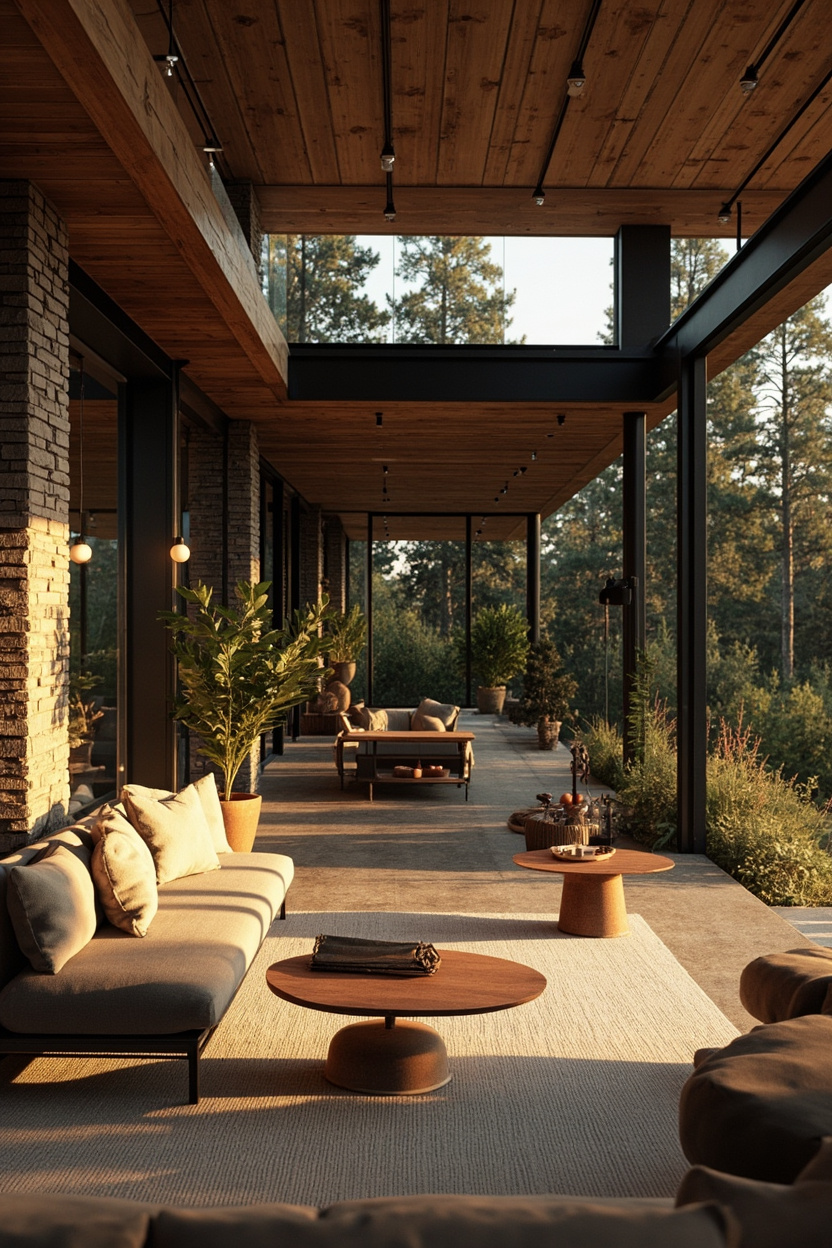
Maximizing perceived space often comes from blurring the line between inside and out: large sliding glass doors, compact patios, and aligned sightlines extend living areas visually and functionally.
Even a small deck or a narrow courtyard can act as a true room when designed as a natural extension of the main living space.
Prioritize durable finishes and weather-ready furnishings so the outdoor zone is usable year-round, and orient openings to capture prevailing breezes and daylight.
Thoughtful landscaping paired with cohesive interior materials creates a seamless transition that makes a small home feel larger and more connected to its site.
Compact Kitchens Designed for Entertaining
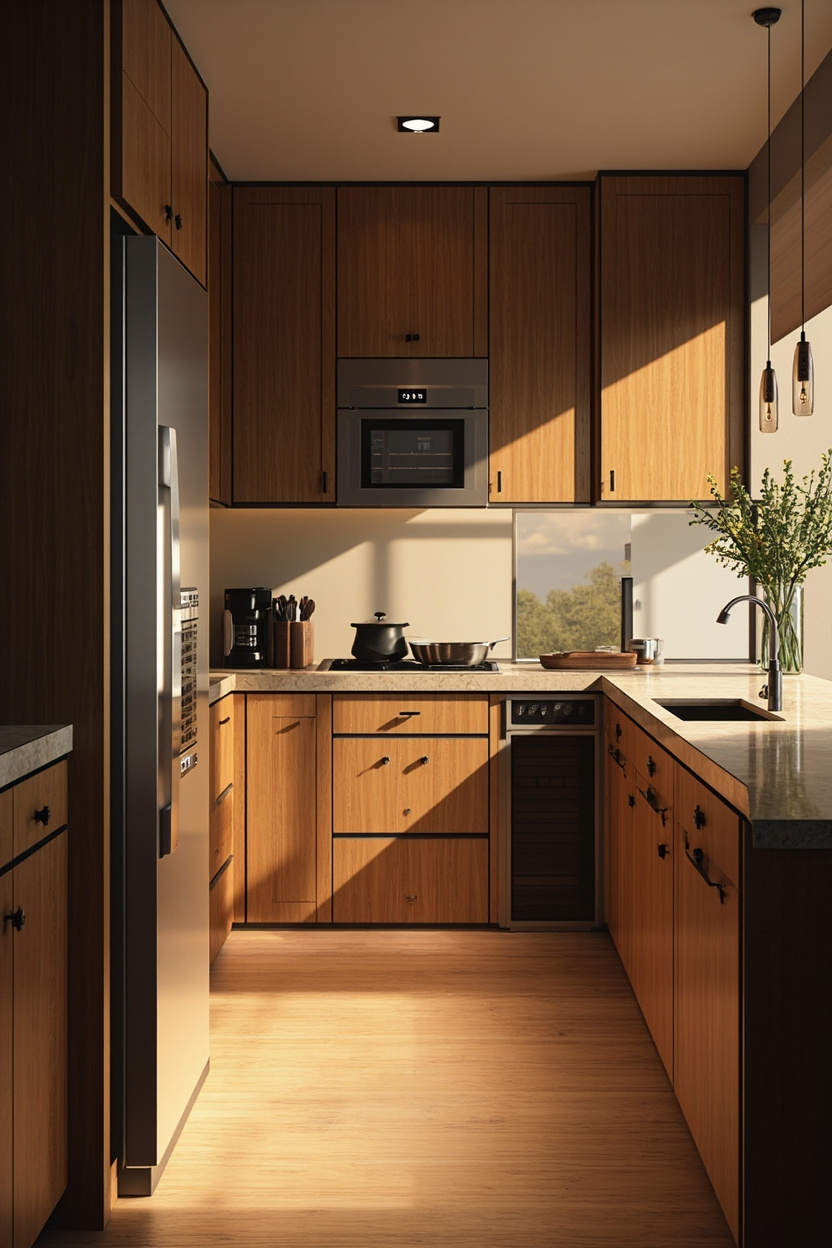
A compact kitchen can still host: place an efficient work triangle, integrate a peninsula or compact island with seating, and use slide-out storage to keep counters clear for socializing.
Appliances scaled to the footprint, narrow dishwashers, two-burner cooktops, or combo cooking units—free up prep space while maintaining capability.
Design for flow by situating serving and seating adjacent to the kitchen so guests gather without crowding the cook.
Clever lighting, open shelving, and consistent material palettes help a small kitchen feel welcoming and sophisticated, turning limited square footage into an intentional, convivial hub.
Micro-Bedrooms with Big Comfort
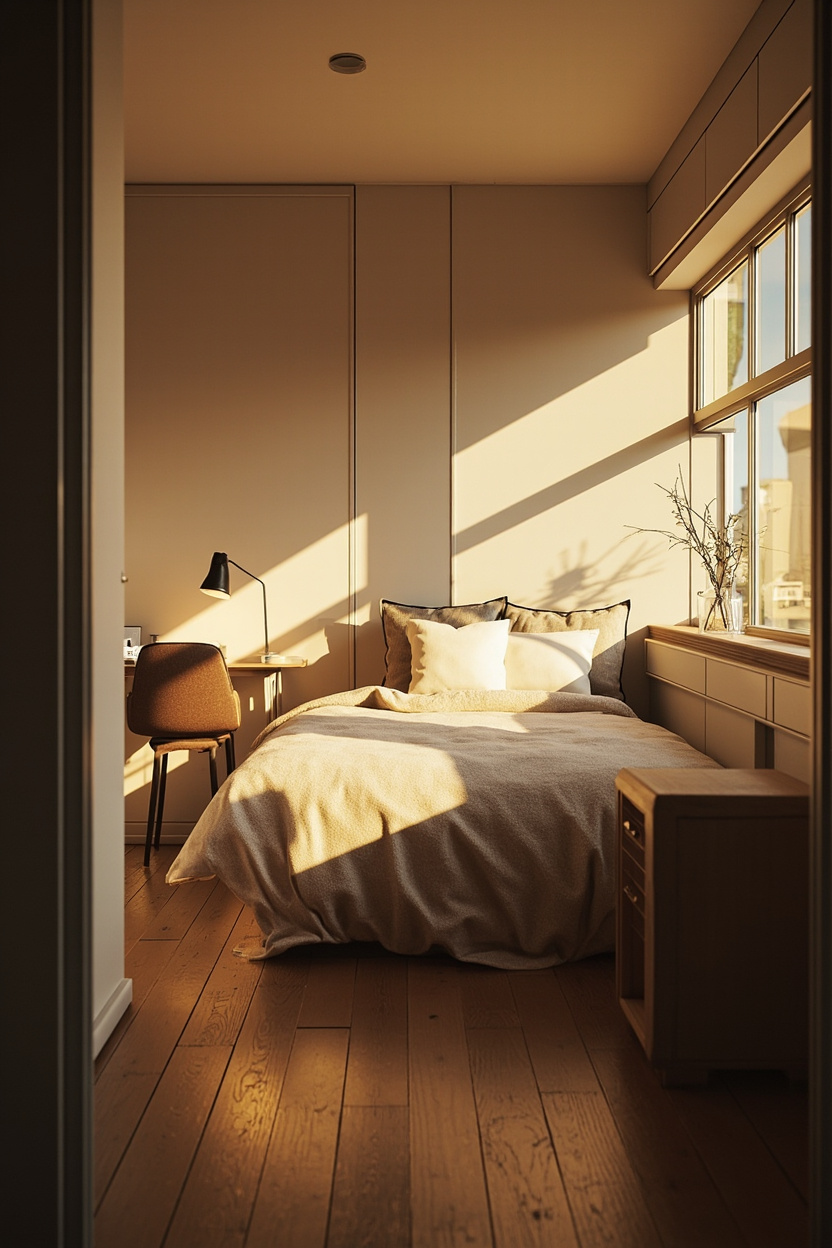
Designing a micro-bedroom is about prioritizing sleep and storage without feeling cramped.
Choose a low-profile bed with integrated drawers or a platform with under-bed storage and mount bedside lighting to free up surface area for essentials.
Layering soft texture, such as a plush rug, blackout curtains, and breathable bedding, creates the sense of spaciousness and coziness.
Use a neutral palette with one accent color to keep the room calm while visually expanding the space.
Sustainable Systems for Small Properties
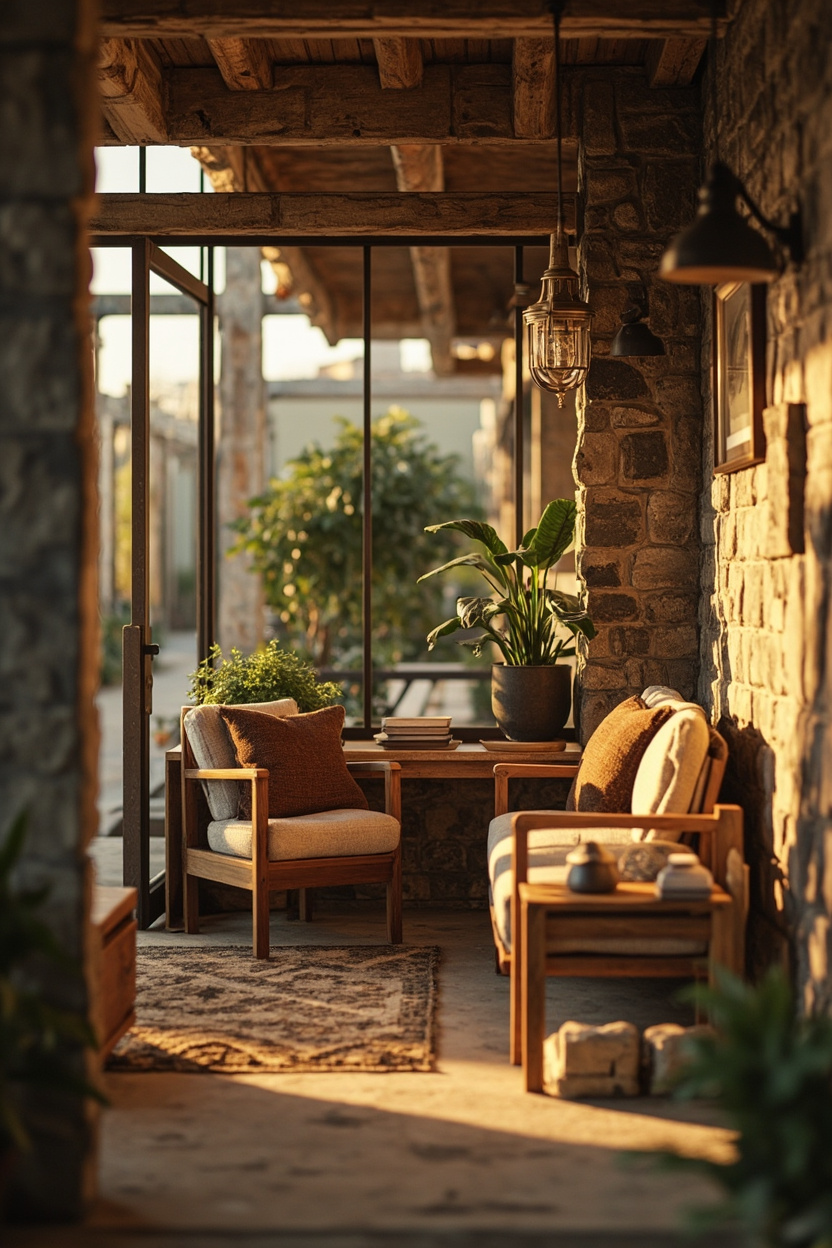
Smaller footprints make sustainable upgrades more affordable and easier to integrate, from solar-ready rooflines to on-demand hot water systems.
Prioritize energy-efficient windows, high-performance insulation, and a compact heat-pump HVAC that matches the reduced load for meaningful long-term savings.
Consider rainwater capture and graywater reuse where local codes allow, and specify durable, low-VOC finishes to improve indoor air quality.
These choices increase resilience and resale appeal while aligning with the 2026 trend toward building for the future.
Elevated Character in Petite Floor Plans
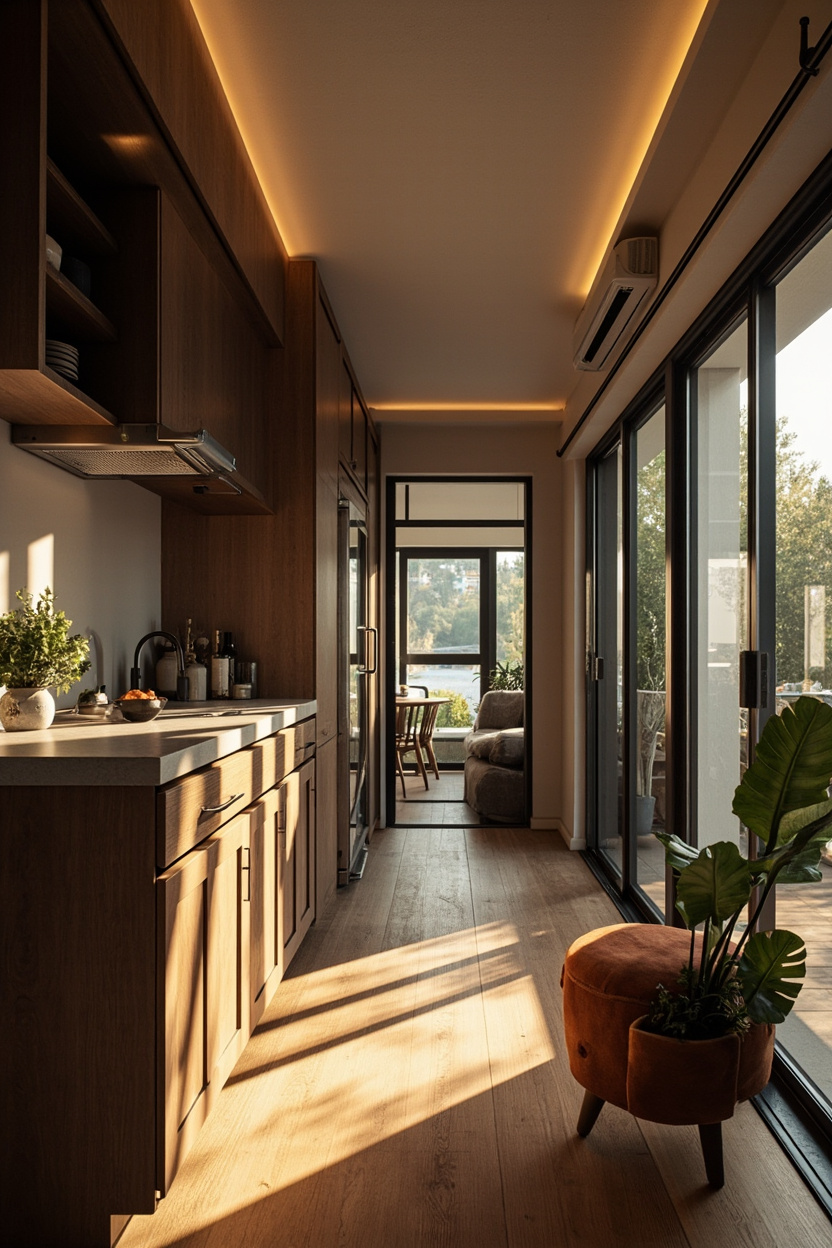
Small homes can feel rich with character by focusing on well-considered architectural details think exposed beams, millwork around windows, or a statement staircase that doubles as storage.
Mixing material contrasts like warm wood and matte black metal adds sophistication without taking up square footage.
Intentional sightlines and semi-open transitions create the perception of depth and flexibility, reflecting the move toward semi-open/semi-closed floor plans that balance privacy with connectivity.
Final Thoughts
A well-executed small floor plan under 1,500 sq ft balances efficient systems, thoughtful character, and flexible layouts to deliver livability without excess. Prioritize durable, high-impact decisions, smart storage, energy upgrades, and purposeful detailing to make every square foot count.
FAQ
A compact open-plan living, dining, and kitchen area with bedrooms tucked to one side maximizes usable space and natural light while keeping circulation efficient.
Use consistent flooring throughout, large-scale mirrors, and a restrained color palette to create visual continuity and expand perceived space.
Smaller homes have lower embodied and operational energy needs, but sustainability depends on systems, materials, and site orientation; intentional design matters.
Yes. Designing rooms with multi-use intent guest/office bedrooms, fold-down furniture, and adaptable storage allows a small home to evolve with life stages.