


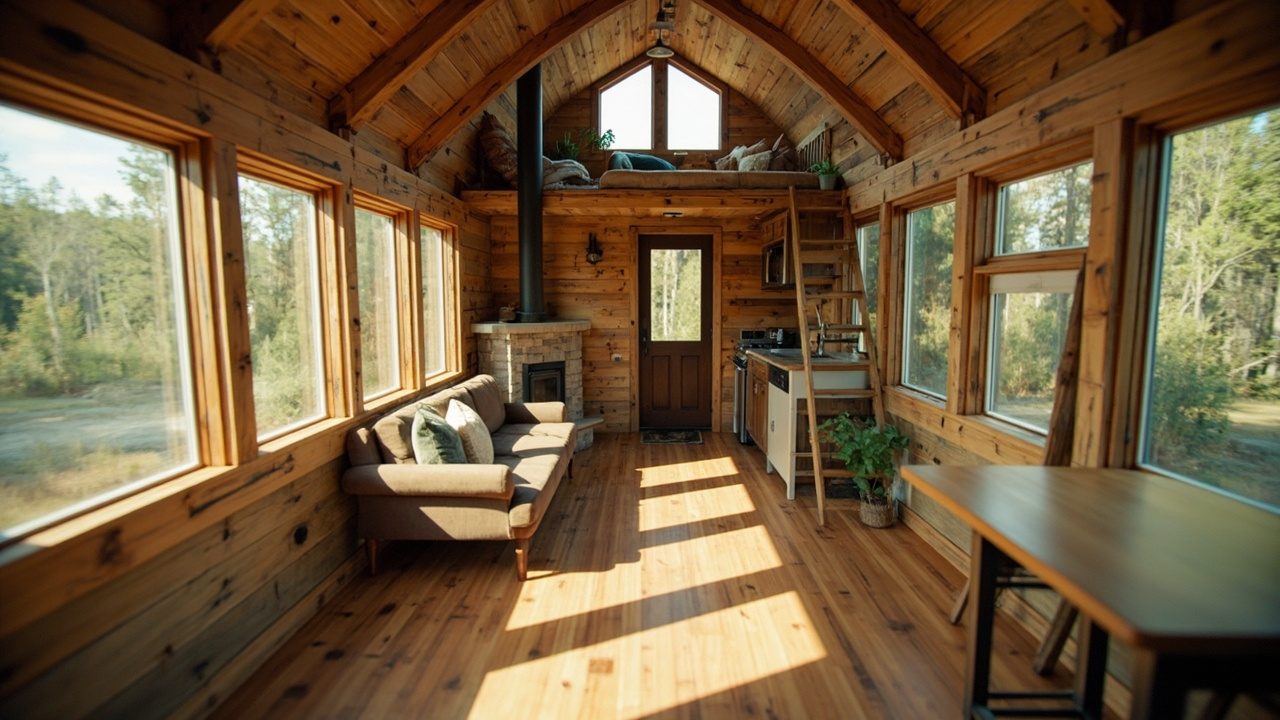
Tiny homes under 500 sq ft thrive when every square foot is deliberate. These plans focus on fluid circulation, multifunctional elements, and smart storage so small footprints feel generous and adaptable to daily life.
Below are core design approaches that keep tiny homes livable without sacrificing style: open-concept living, strategic layout moves that encourage flow, and lofted sleeping solutions that free up ground-level space for living and storage.
- Open-Concept Great Room Living
- Fluid Living Open Layout Strategies
- Lofted Sleeping Area Designs
- Built-In Storage Solutions
- Convertible Furniture Ideas
- Multi-Functional Kitchen Plans
- Compact Bathroom Layouts
- Integrated Workspace Nooks
- Outdoor Living Extensions
- Sustainable Tiny Home Features
- Passive Heating and Cooling Tactics
- Smart Home Automation Integration
- Efficient Stair and Ladder Systems
- Modular Tiny Home Options
- Accessible Tiny Home Designs
- Natural Light Maximization Techniques
- Privacy Solutions for Small Spaces
- Tiny Home Exterior Styles
- Garage and Workshop Additions
- Transportable Tiny Home Plans
- Final Thoughts
- FAQ
Open-Concept Great Room Living
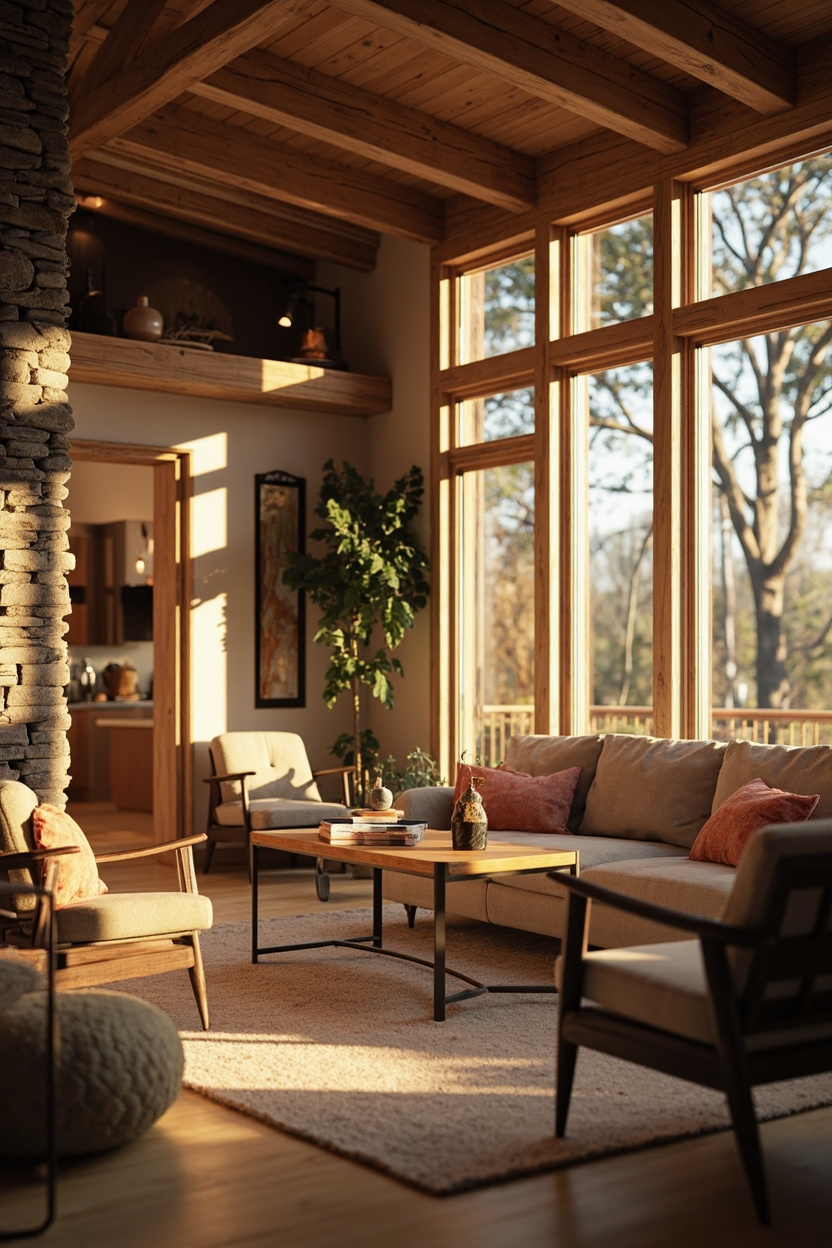
An open-concept great room combines living, dining, and kitchen into one cohesive space to eliminate corridors and dead zones. This layout uses sightlines and consistent finishes to make a compact home read larger than its square footage, while flexible furnishings let the room transform from day to night.
Design priorities include zoned lighting, built-in seating with storage, and a compact kitchen island that doubles as prep space and a dining surface.
Fluid Living Open Layout Strategies
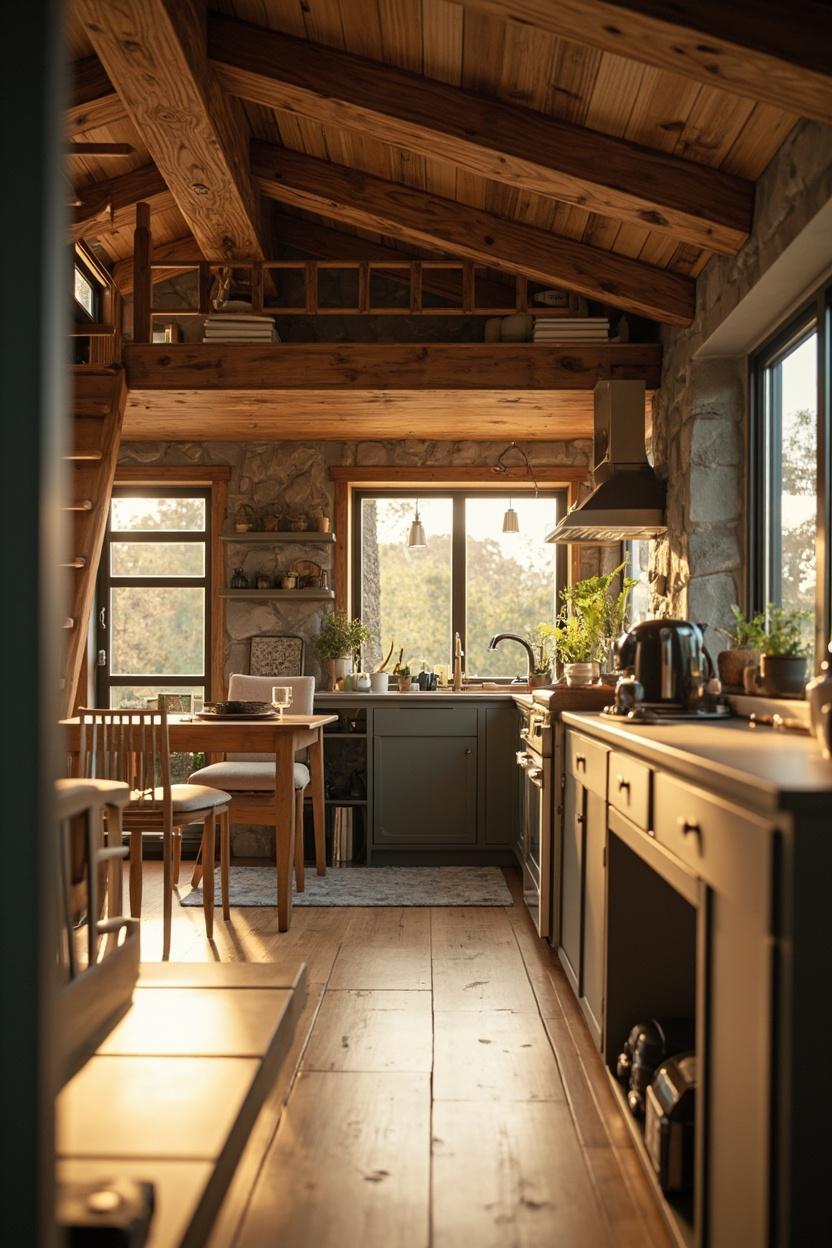
Fluid living removes physical barriers and prioritizes circulation, so movement through a tiny home feels uninterrupted and easy. Strategies include aligning major functions along a central axis, using sliding partitions instead of doors, and choosing transparent or low-profile furniture to preserve sightlines.
These plans often integrate multiuse pieces—convertible benches, nesting tables, and pocket storage—to support a variety of activities without adding bulk.
Pairing minimalist fixtures and careful color palettes from Minimalist Home Decor helps maintain visual calm while maximizing perceived space.
Lofted Sleeping Area Designs
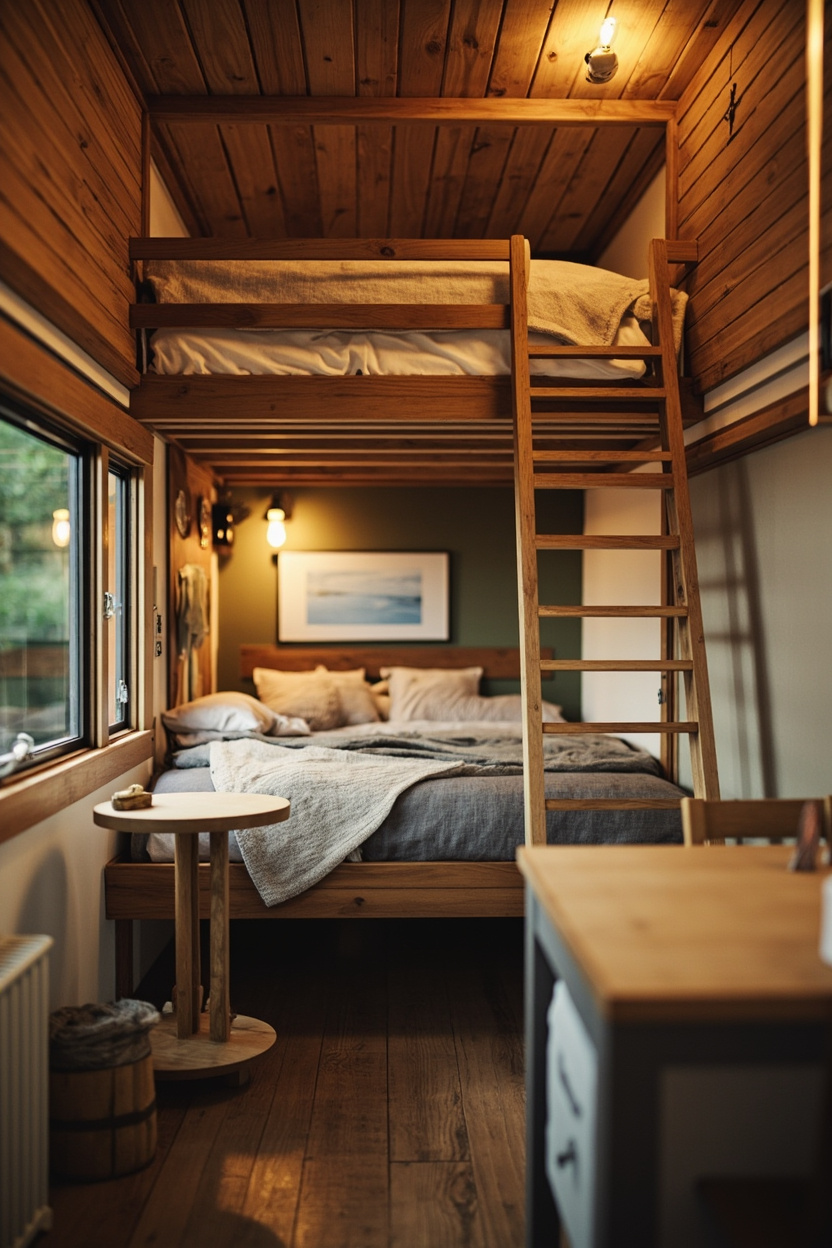
Lofted sleeping areas reclaim valuable floor area by stacking functions vertically, creating room for full-height living spaces below.
Well-planned lofts include built-in shelving, safe and compact access (like steep stairs with storage), and proper ventilation and headroom to ensure comfort.
Many tiny plans locate bathrooms and closets beneath or adjacent to lofts to consolidate plumbing and structure, improving efficiency and reducing clutter.
Thoughtful detailing—skylights, railing design, and integrated lighting- turns lofts into cozy, well-lit retreats rather than cramped afterthoughts.
Built-In Storage Solutions
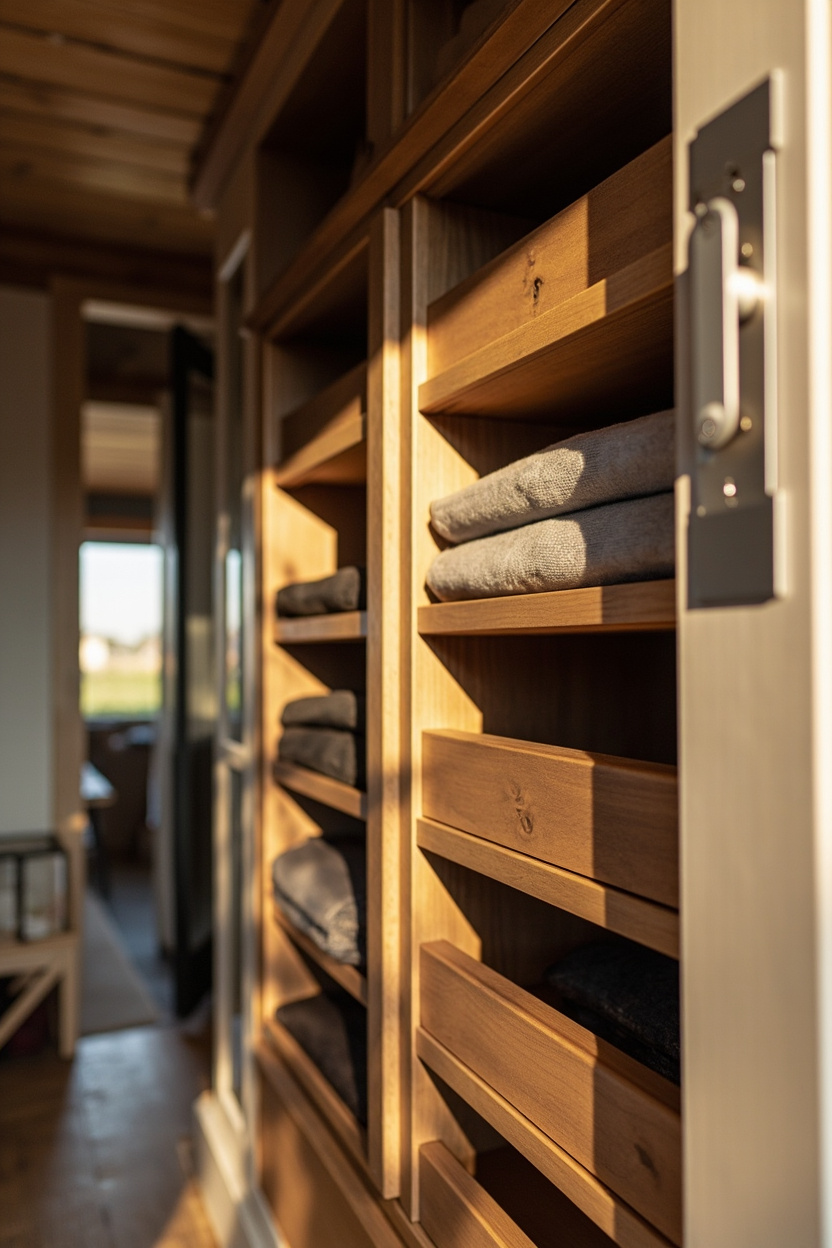
Built-in storage is the backbone of any tiny home plan under 500 sq ft; integrated cabinetry, under-stair drawers, and bench seating with hidden compartments keep clutter invisible while maximizing usable floor space.
Prioritize full-depth closets where possible and vertical storage that reaches the ceiling to take advantage of volume rather than just footprint.
Design details matter: recess lighting above shelves, labeled pull-outs, and custom dimensions for your daily items make built-ins feel intentional and tailored.
For inspiration on blending functional storage with relaxed style, see approaches used in Boho and minimalist interiors that value simplicity and layered textures.
Convertible Furniture Ideas
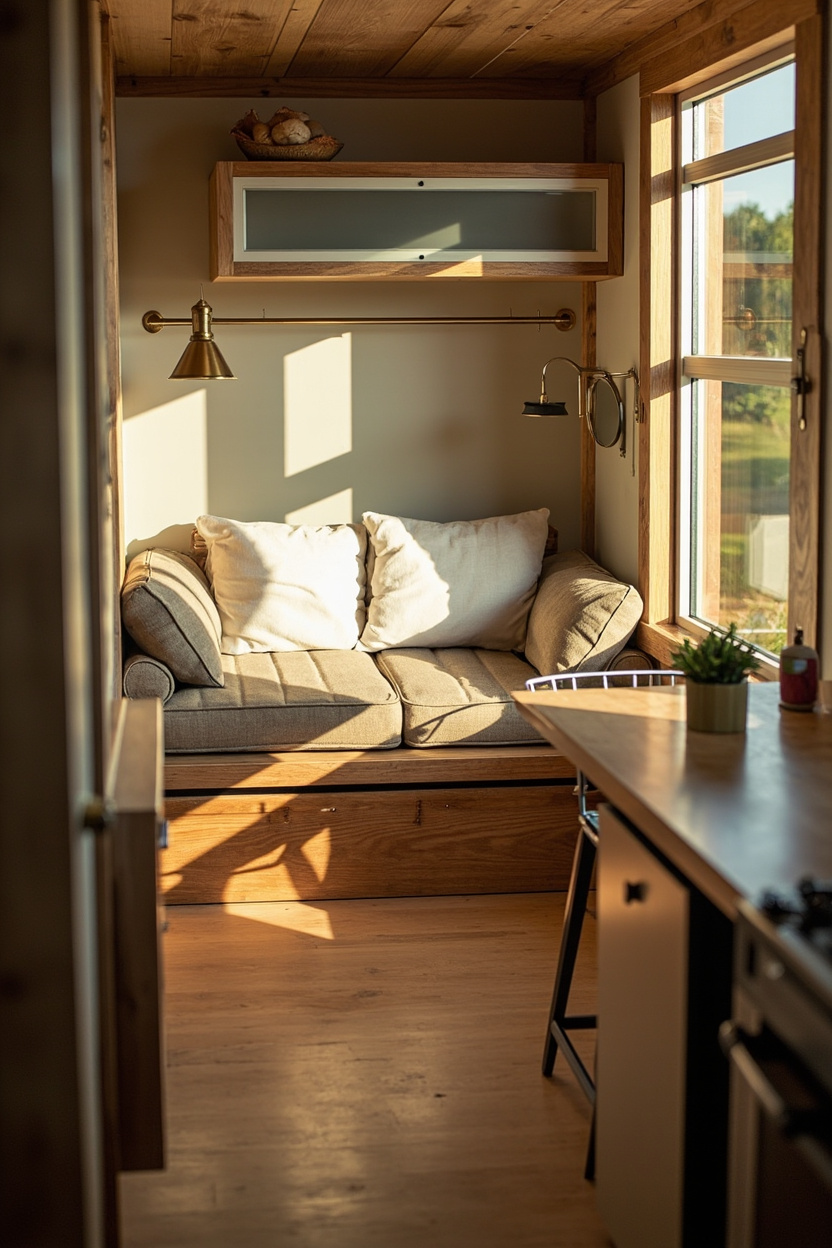
Convertible furniture turns a tiny home into a multi-use space: wall-mounted drop-leaf tables, foldaway beds, and sofas that transform into dining benches let one footprint serve several activities without feeling overcrowded.
Choose mechanisms with smooth action and durable hardware, so daily transformations feel effortless rather than fragile.
Mix fixed elements with modular pieces so you can reconfigure rooms for guests, work, or hobbies; for example, a rolling island that tucks under a counter doubles as prep space and a breakfast bar. Keep upholstery and finishes neutral to ensure pieces remain versatile as your needs evolve.
Multi-Functional Kitchen Plans
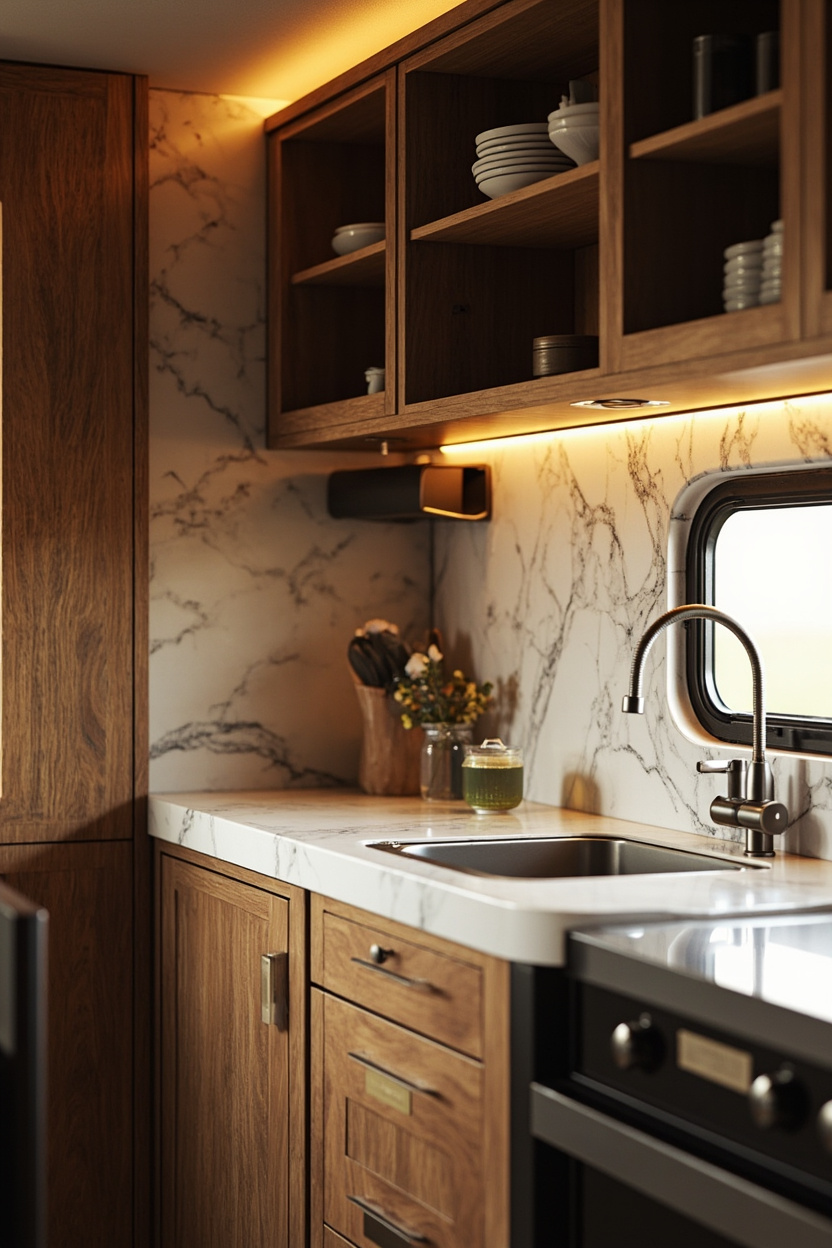
A tiny kitchen must be highly efficient: think galley layouts with continuous countertops, integrated appliances, and open shelving to maintain sightlines and a sense of space. Incorporate a shallow pantry and appliance garages to reduce countertop clutter while keeping essentials within reach.
Design kitchens to support multiple tasks—meal prep, dining, and storage—by adding a fold-down dining ledge or a built-in seating nook that doubles as extra storage.
For ideas that pair simple utility with warm, lived-in charm, study compact farmhouse and minimalist kitchen solutions that prioritize layout over ornament.
Compact Bathroom Layouts
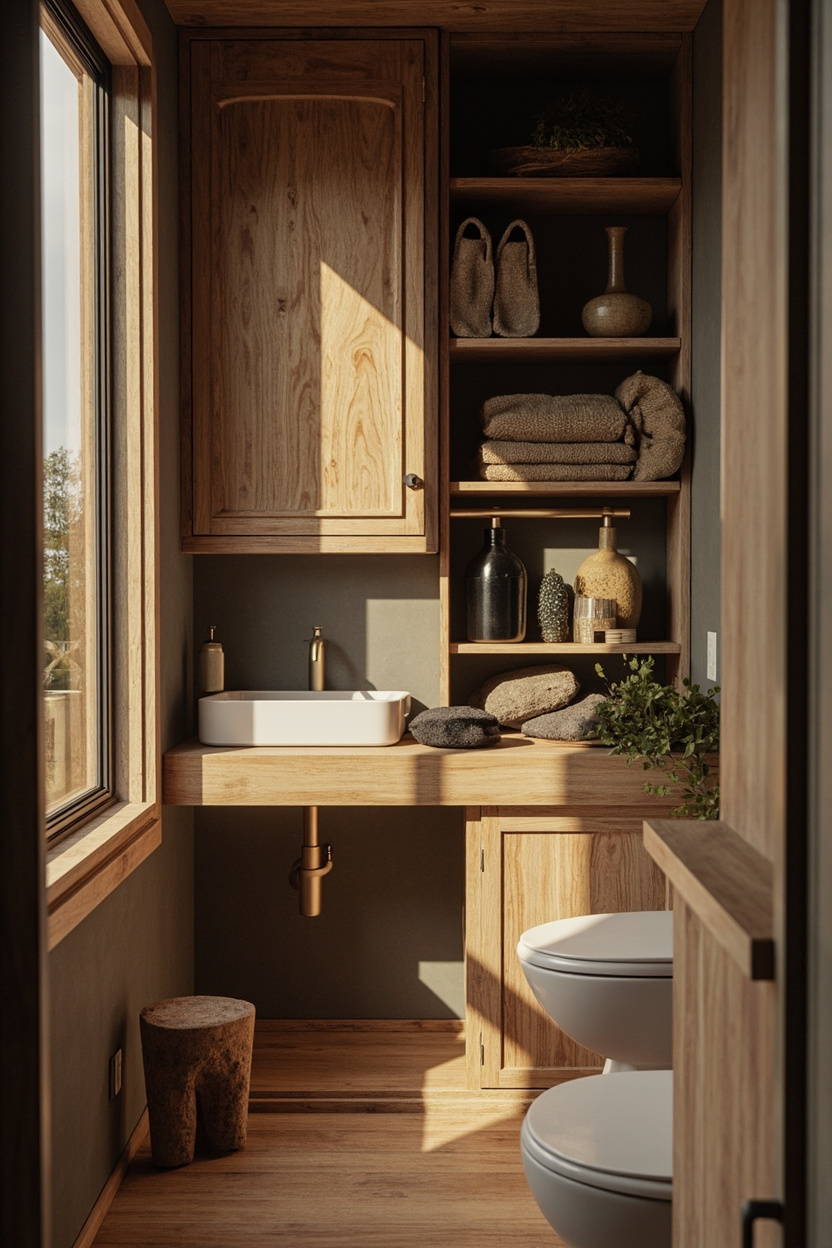
A well-designed tiny home bathroom maximizes function without feeling claustrophobic by prioritizing clear circulation and multi-use fixtures. Consider a wet-room approach or a corner shower plus wall-mounted vanity to free floor space and simplify cleaning.
Built-in niches, recessed medicine cabinets, and over-toilet storage keep essentials organized while preserving visual openness.
Selecting lighter finishes and consistent materials will make the small room read larger and more cohesive with the rest of the home design trends in fluid living and space-saving solutions.
Integrated Workspace Nooks
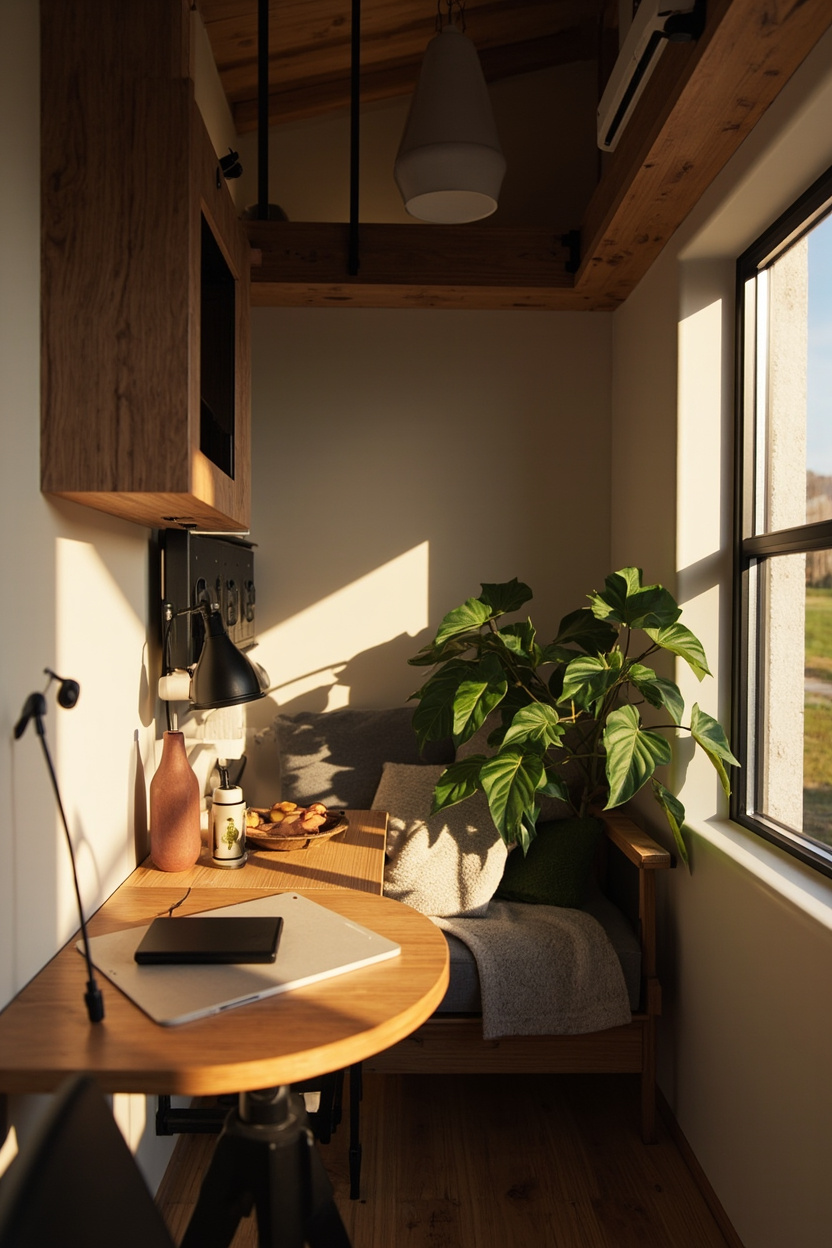
Integrating a workspace into a tiny home requires flexible planning: fold-down desks, bench seating with storage, or loft-edge desks provide productive surfaces that disappear when not needed.
Position work nooks near natural light sources or use task lighting to reduce the footprint of floor lamps and keep the area visually light.
Design the nook to double as another function, dining, hobby station, or additional storage, so every square foot earns its place.
Thoughtful placement and convertible furniture align with the 2026 tiny-house trends, emphasizing built-ins and multifunctional layouts.
Outdoor Living Extensions
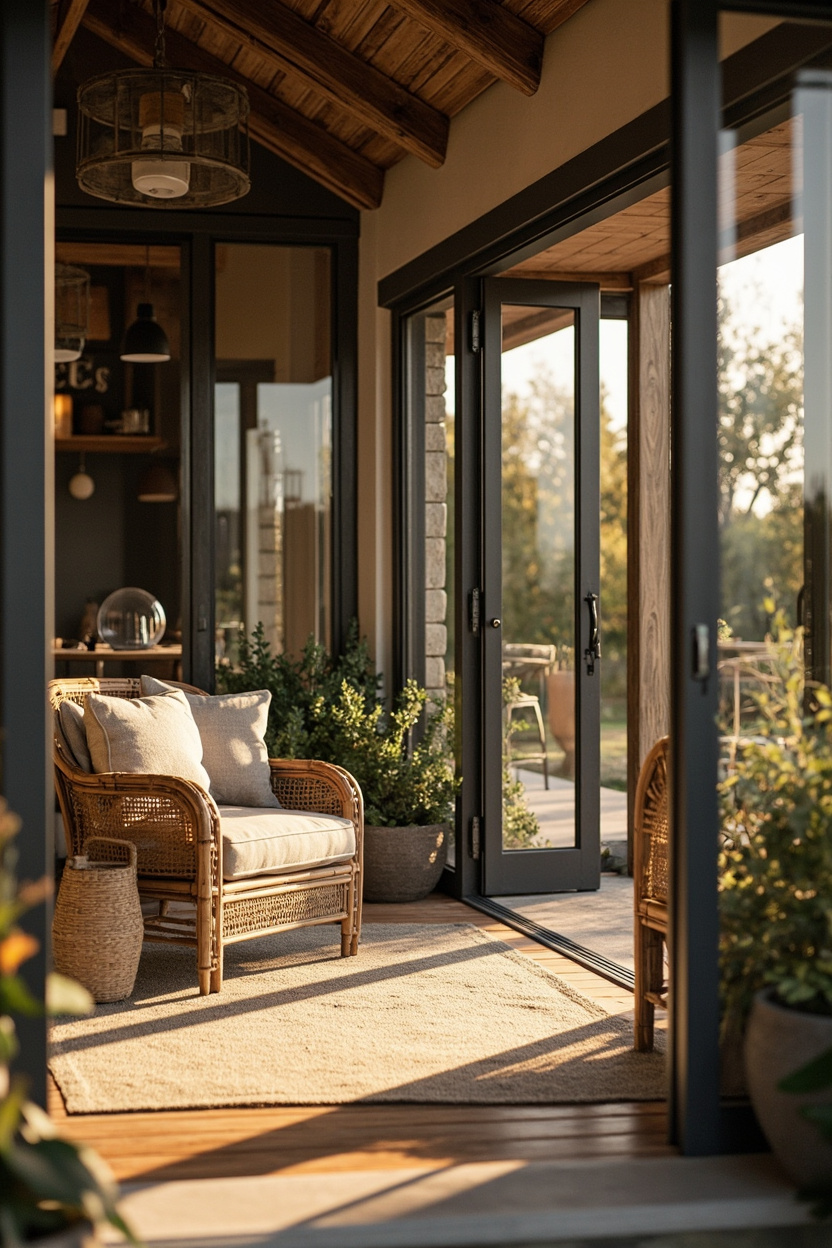
Extending the living area outdoors effectively increases usable square footage without altering the footprint: small decks, fold-down balconies, or screened porches create seasonal rooms that feel like natural extensions.
Use compact, stackable furniture and weatherproof storage to keep the space tidy and ready for use.
Sliding or folding glass doors help blur the boundary between inside and out, enhancing daylight and the perception of space while supporting an open-concept “great room” feel.
Pair the extension with planters or privacy screens to make an intimate, year-round retreat that complements tiny home designs.
Sustainable Tiny Home Features
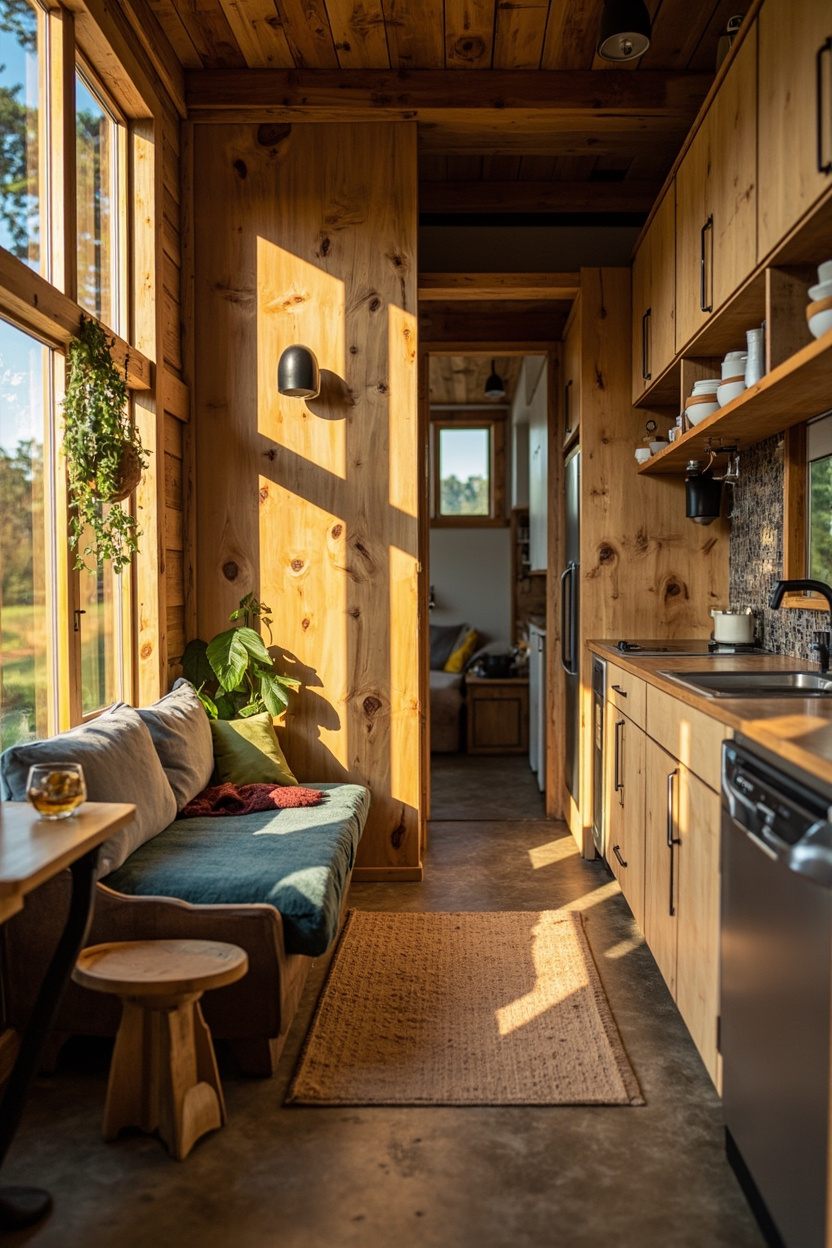
Sustainable features prioritize efficiency without sacrificing comfort: low-flow plumbing, high-efficiency appliances, and LED lighting shrink utility use immediately.
Incorporating reclaimed wood, non-VOC finishes, and locally sourced materials lowers embodied carbon while giving the interior a warm, earthy character that feels intentional rather than makeshift.
Design tiny homes with integrated water catchment, composting toilets, or greywater reuse to reduce dependence on external systems; these systems free you from infrastructure constraints and expand siting options for off-grid living.
Passive Heating and Cooling Tactics
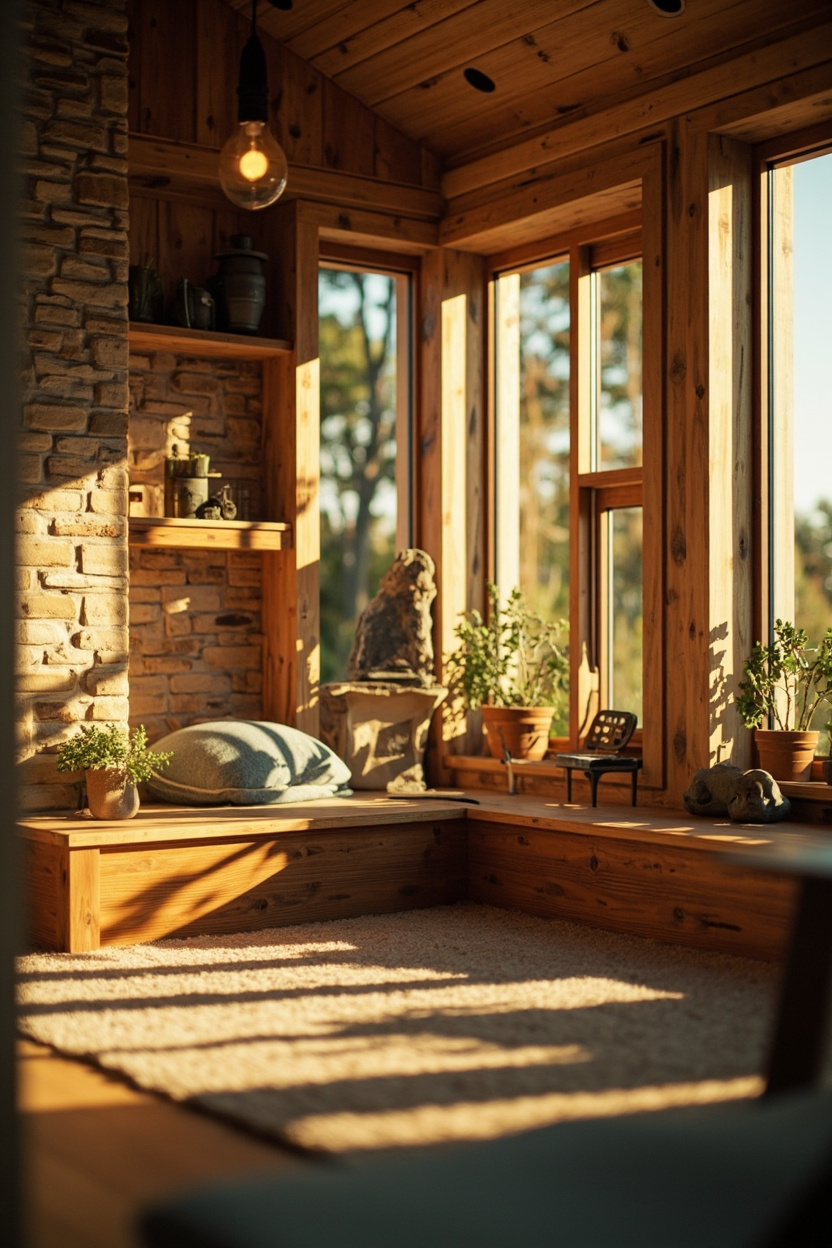
Smart orientation and window placement, south-facing glazing for winter gain and deep overhangs for summer shade, create comfortable temperature swings without mechanical loads.
Cross-ventilation combined with stack-effect vents or operable clerestory windows rapidly moves air through compact plans, eliminating the need for large HVAC systems.
Thermal mass in a tiny home can be subtle: concrete counters or tiled floors tuned to store heat by day and release it at night, paired with high-performance insulation to keep that stored energy where you want it.
Smart Home Automation Integration
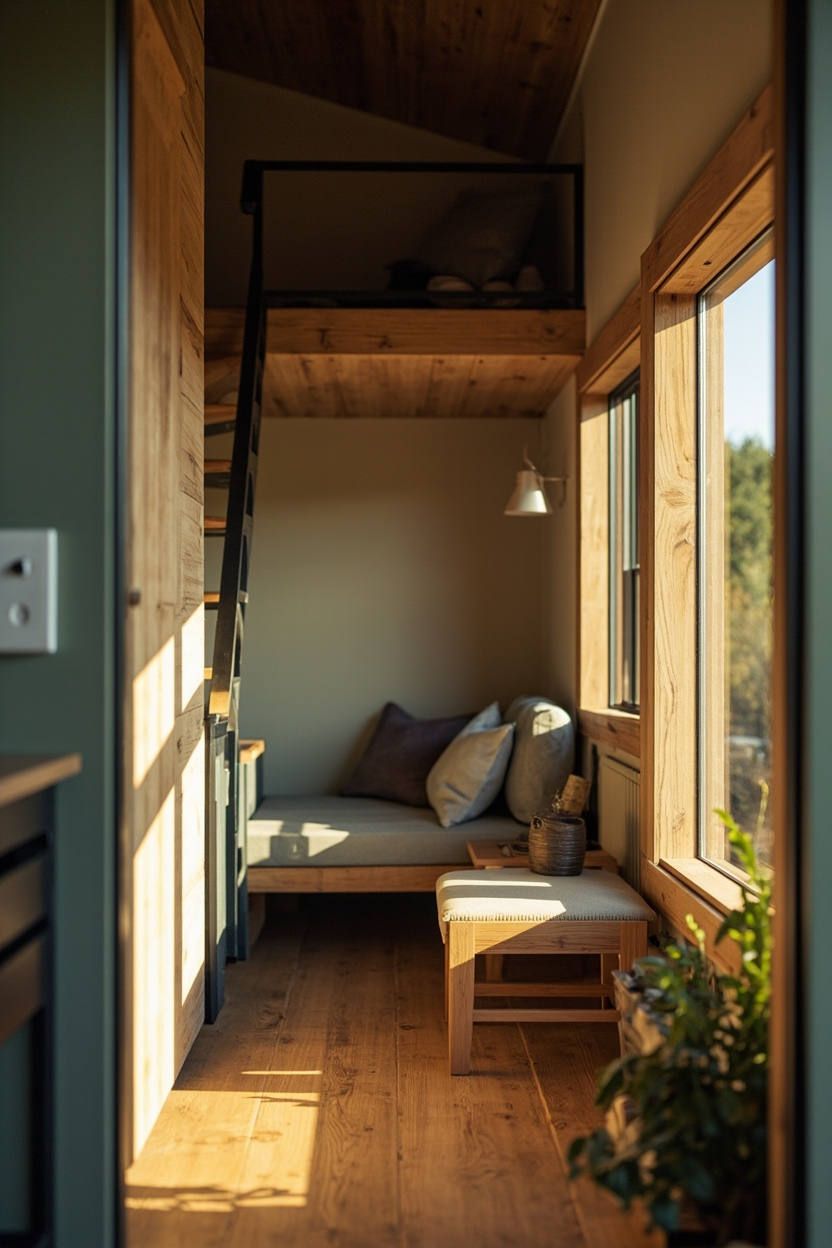
Automation scales down brilliantly for tiny living: programmable thermostats, multi-zone LED scenes, and occupancy sensors streamline comfort and conserve energy in tight footprints.
Integrating voice or app controls for lighting, window shades, and water heaters reduces the fuss of multiple switches and lets you optimize systems from anywhere.
Choose open protocols and modular devices so tech grows with the home; this keeps upfront costs manageable and avoids ripping out proprietary systems later. ideal for renters, tiny-house owners, or those planning future expansions.
Efficient Stair and Ladder Systems
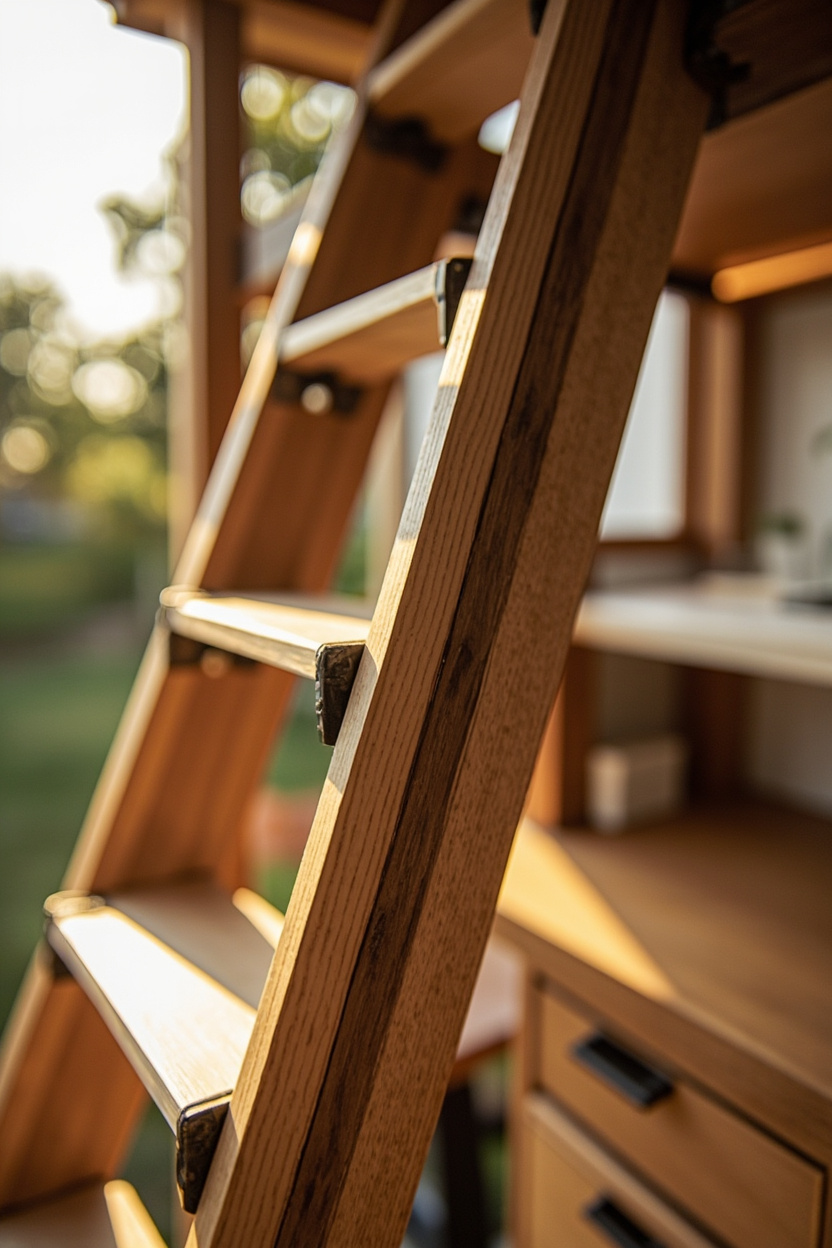
Smart stair and ladder systems turn vertical circulation into functional storage and usable square footage.
Compact alternating-tread stairs, pull-down ladders, and built-in drawers beneath steps maximize space while keeping movement safe and intuitive in a home under 500 sq ft.
Choose based on frequency of use: a sturdy, space-saving stair is worth the floor area if you access a loft nightly, while a slim ladder suits occasional lofts.
Integrating handrails, lighting, and storage keeps these vertical connectors both practical and visually cohesive with the interior scheme.
Modular Tiny Home Options
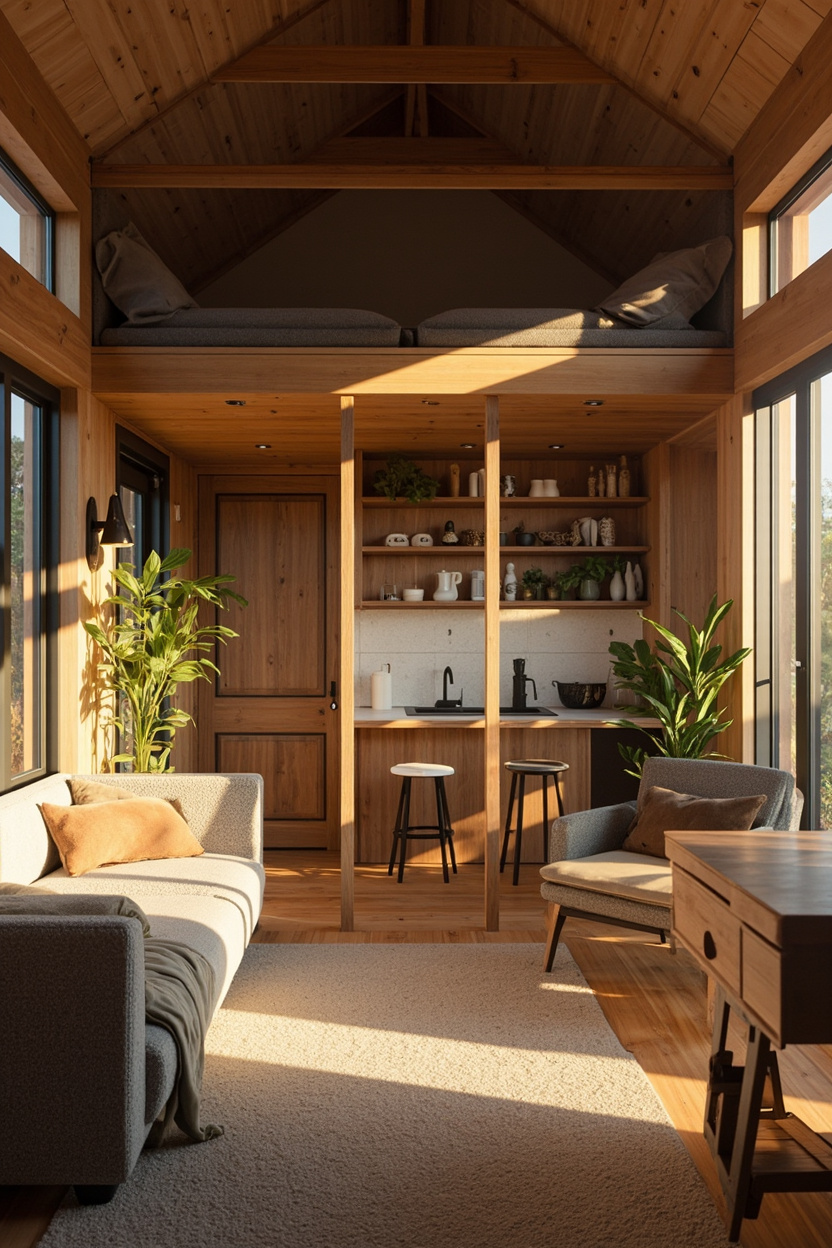
Modular tiny homes offer flexibility: you can start with a core unit under 500 sq ft and add prebuilt modules as needs change. This approach simplifies construction, lowers initial cost, and enables future expansion without a full redesign, making it ideal for growing families or changing uses.
Modules can be tailored for kitchens, bathrooms, or workspaces and swapped for seasonal needs, which preserves resale value and adaptability.
Accessible Tiny Home Designs
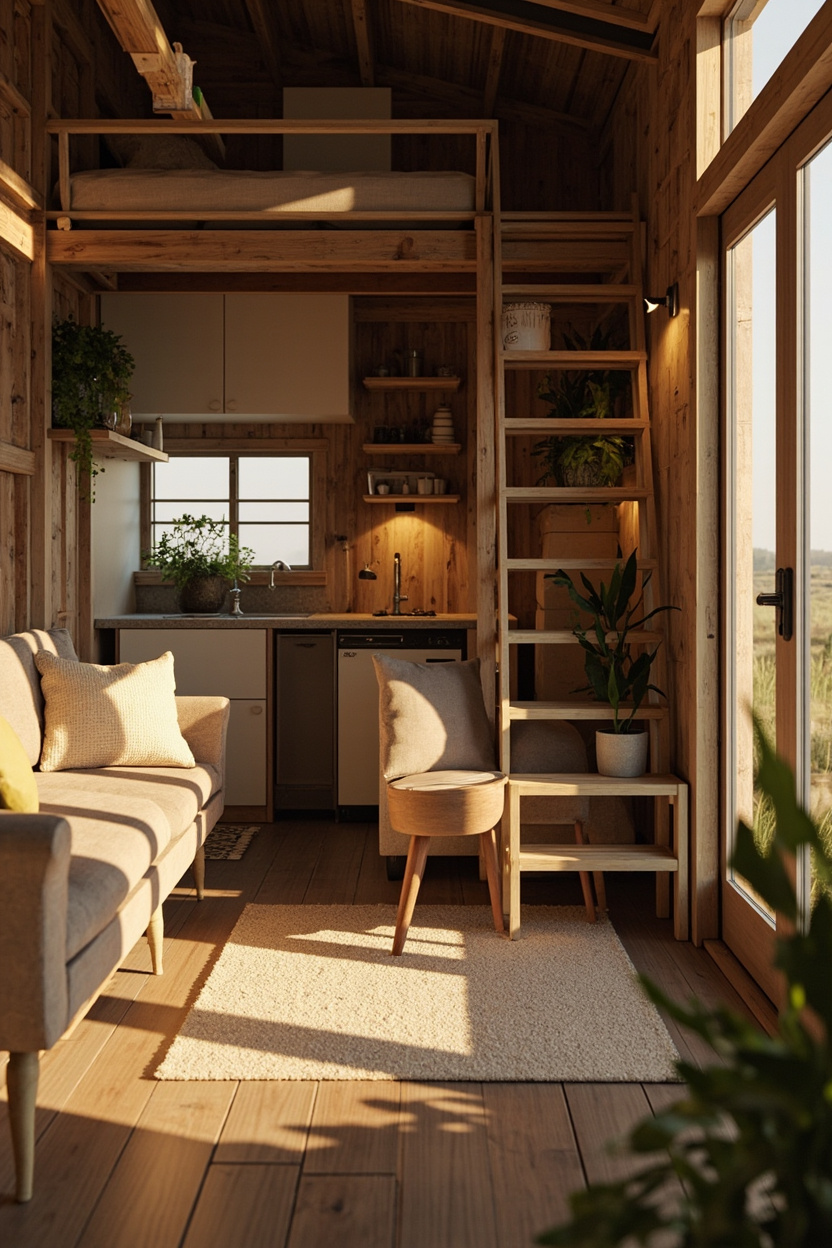
Accessible tiny homes prioritize step-free entries, wider circulation paths, and user-friendly fixtures to ensure comfort for all occupants.
Thoughtful layouts place a fully appointed bathroom and bedroom on the main level, use zero-threshold showers, and select lever handles and pull-out cabinetry to improve daily usability.
Designing accessibility from the start avoids costly retrofits and creates a more flexible, welcoming space. Combining universal design with compact planning keeps the footprint efficient while delivering dignity and long-term livability.
Natural Light Maximization Techniques
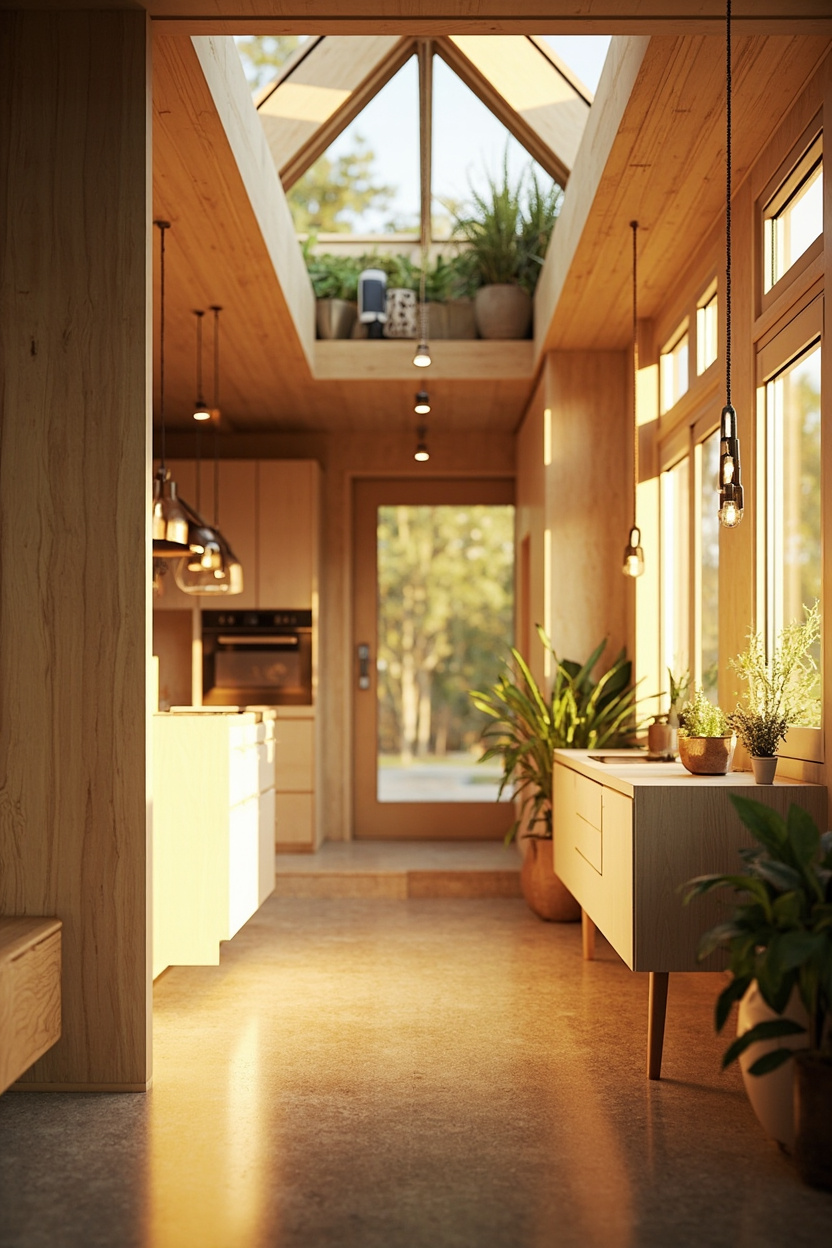
Skylights, clerestory windows, and strategically placed transoms expand perceived space by bringing daylight deep into a tiny home without sacrificing wall space.
Prioritize operable roof windows for ventilation as well as light to prevent a boxed-in feel while keeping furniture layouts flexible.
Light-reflective finishes, pale paint, satin cabinetry, and large mirrors bounce daylight and reduce the need for artificial lighting.
Combine these with a few well-positioned task lamps to maintain cozy evening ambiance, borrowing ideas from minimalist strategies to keep the scheme uncluttered and efficient. Minimalist Home Decor.
Privacy Solutions for Small Spaces
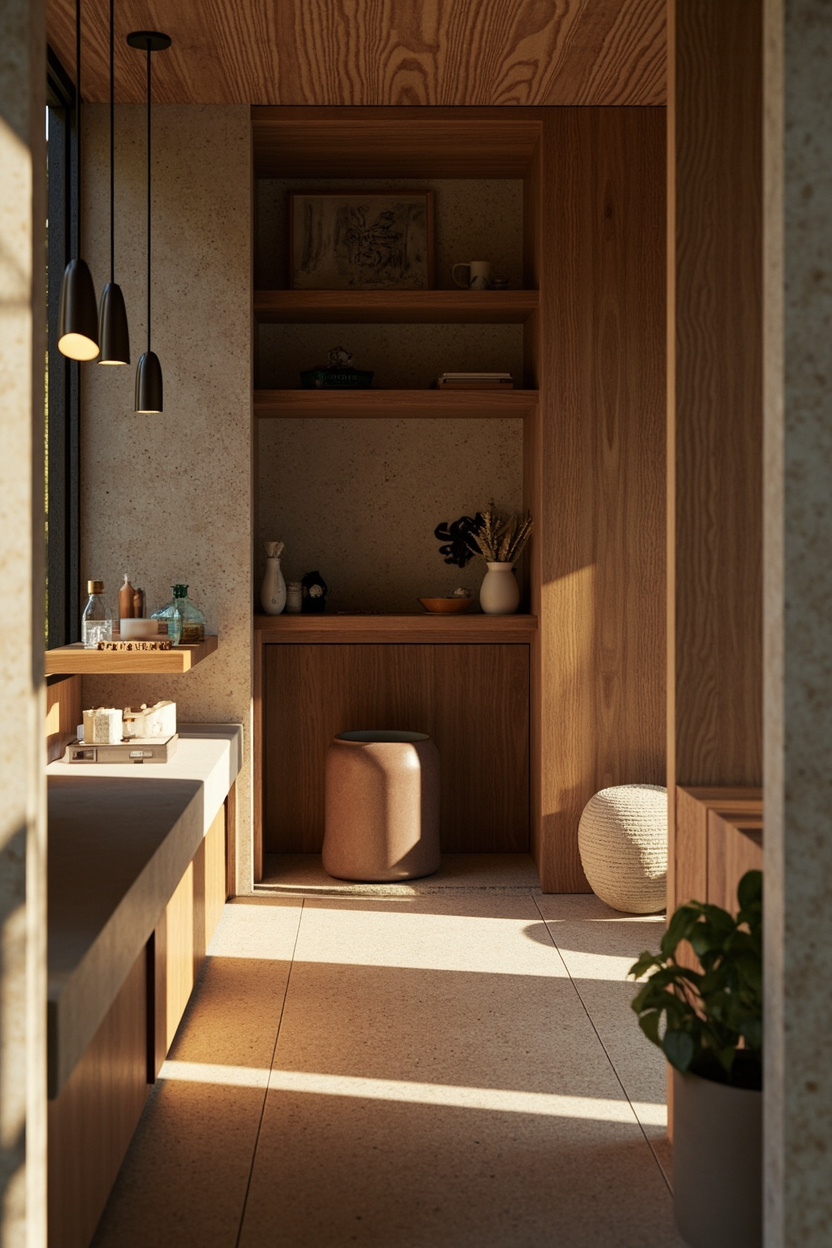
Layered privacy lets a tiny home feel open yet intimate: use sliding barn doors, folding screens, or pocket curtains to separate sleeping and bathroom areas without permanent walls.
These options preserve daylight flow when open and create quiet zones when needed, making lofts and multifunctional living rooms more usable.
Built-in furniture with integrated partitions, such as a bookshelf that doubles as a divider or a sofa with a high back, adds privacy while contributing storage and seating.
Consider translucent materials like frosted glass for partitions to maintain brightness while shielding sightlines.
Tiny Home Exterior Styles
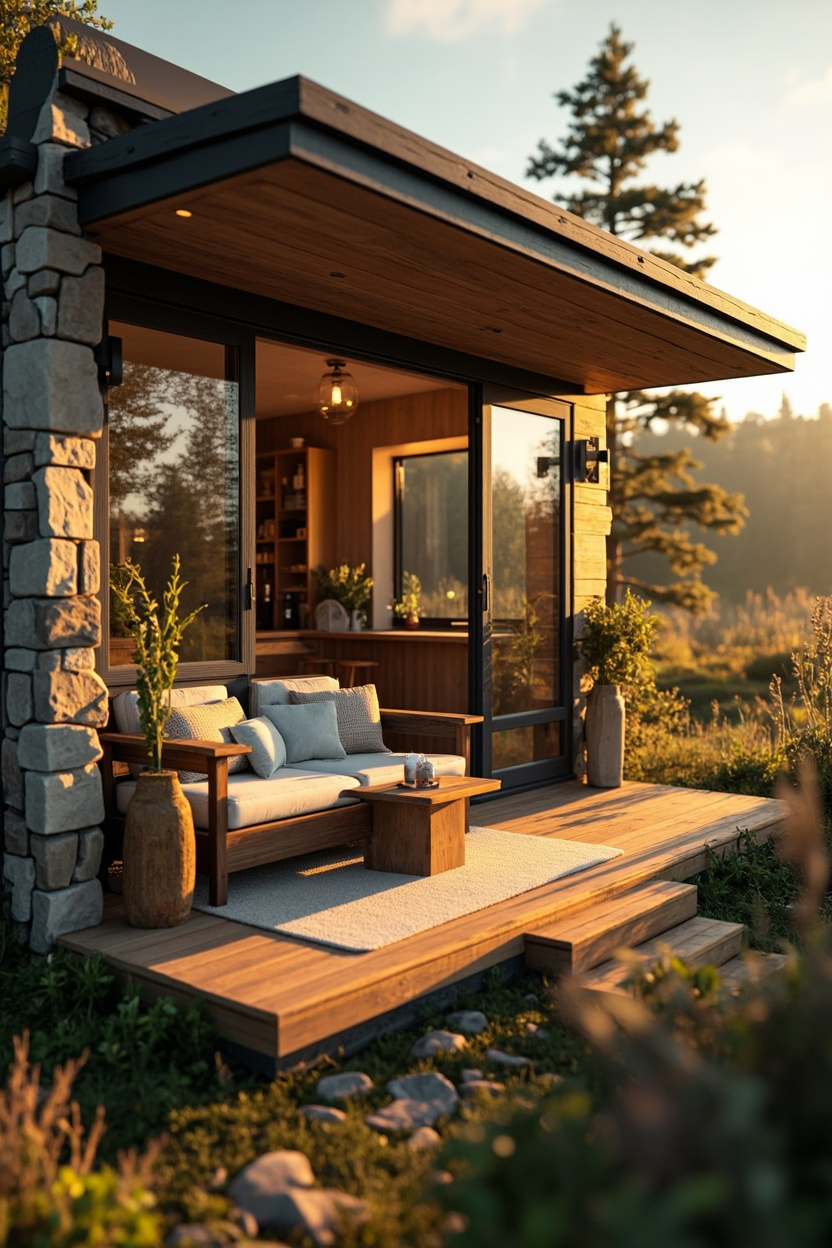
Exterior style sets the tone for tiny living and can be tailored to context: a crisp white farmhouse look reads fresh and classic on rural plots, while a modern minimalist box with clean lines suits urban infill.
Materials matter; vertical wood siding or metal panels both streamline façades and simplify maintenance.
Blend curb appeal with performance by choosing insulated panels, durable cladding, and properly detailed roof overhangs to protect from weather while reducing energy use.
Garage and Workshop Additions
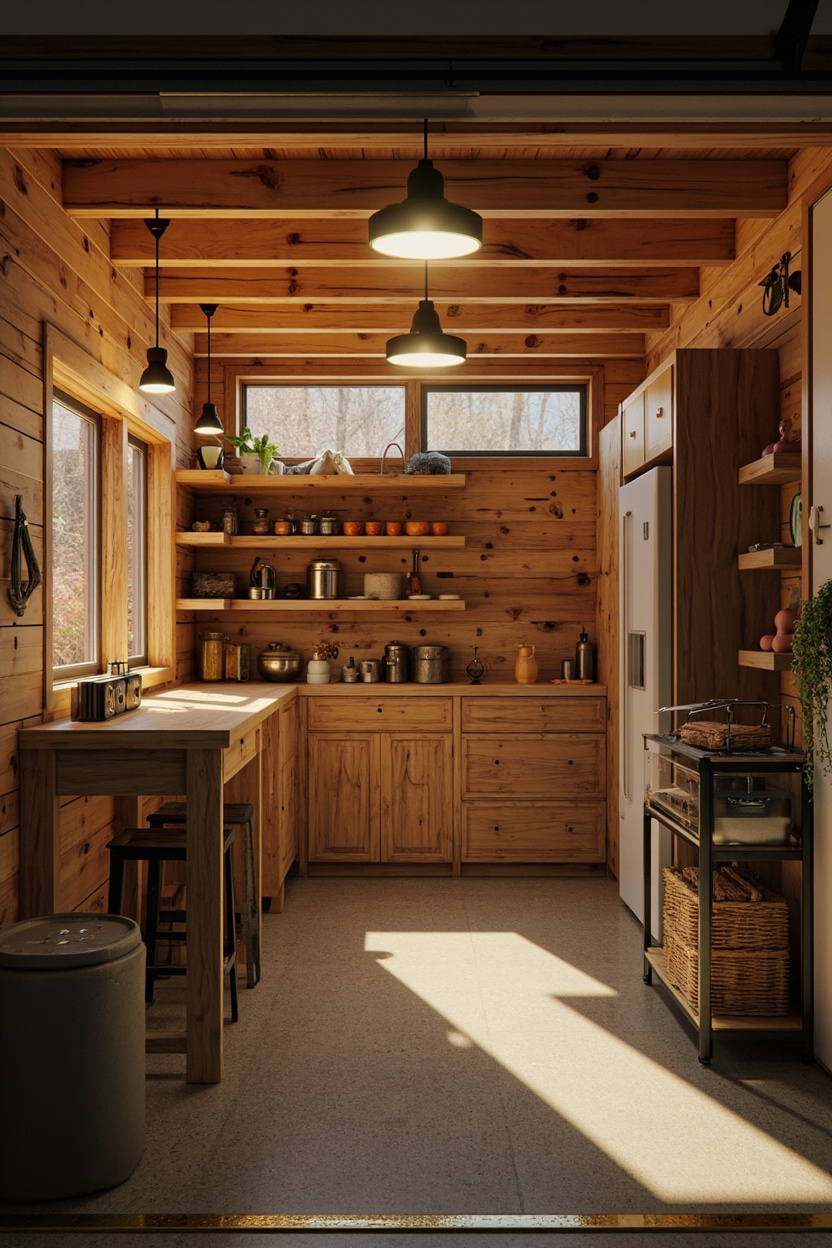
A compact garage or integrated workshop transforms a tiny home into a multifunctional property without blowing the square footage budget.
Design these additions with dedicated storage zones and fold-down workbenches so tools and projects live neatly out of sight when not in use.
Prioritize a durable, low-maintenance floor and good ventilation to protect both vehicle and workspace, and consider multitasking features, like a roll-up door that doubles as extra light and access to the outdoor living area.
Thoughtful placement of electrical outlets and task lighting makes the space genuinely usable for hobbies or small-scale entrepreneurship.
Transportable Tiny Home Plans
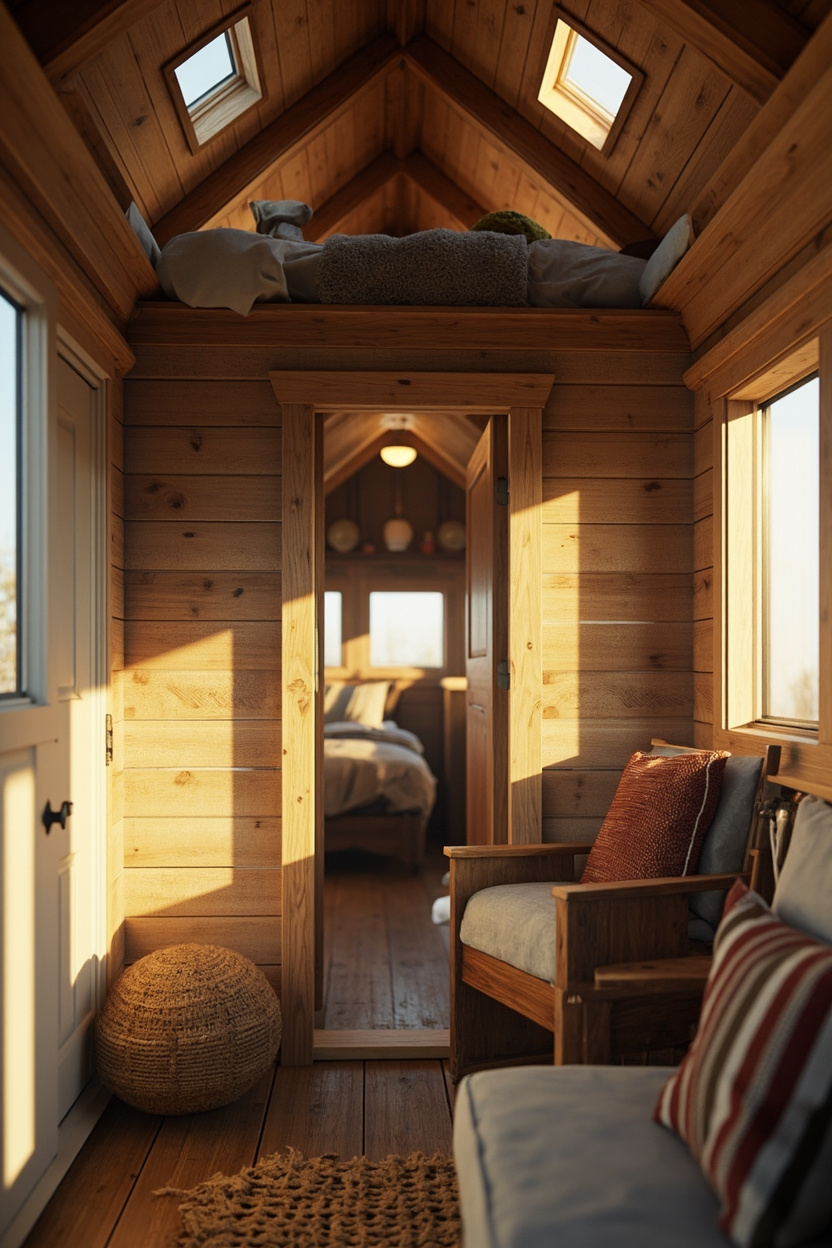
Transportable plans focus on weight distribution, axle placement, and compact systems so the home can move safely on the road while still feeling spacious inside.
Look for floor plans that place heavy systems—water tanks, batteries, and HVAC- over the trailer frame for stability and keep lofted sleeping areas to maximize living space.
These plans often use modular or fold-out elements: fold-down porches, slide-out living modules, and convertible furniture that reduce towing width and height.
Choosing lightweight, durable materials and simplified connections for utilities makes setup and mobility faster, whether you travel seasonally or relocate permanently.
Final Thoughts
Well-designed sub-500 sq ft plans blend open-concept flow, smart storage, and multifunctional elements to deliver big utility in a small footprint.
Whether you need a workshop, a towable model, or a cozy year-round dwelling, prioritize systems placement and flexible furnishings to make every square foot count.
FAQ
Yes. Smart layouts with built-in storage, lofted sleeping areas, and multifunctional furniture make full-time living comfortable within 500 sq ft.
Use compact, vertical storage, fold-down work surfaces, and external-access garages or modular additions that keep tools separate from main living areas.
Verify trailer weight limits, axle placement, required permits, and how utilities connect and disconnect for efficient setup and towing.
Efficient plumbing, compact appliances, and space-savvy cabinetry allow for fully functional kitchens and bathrooms in well-designed tiny plans.