


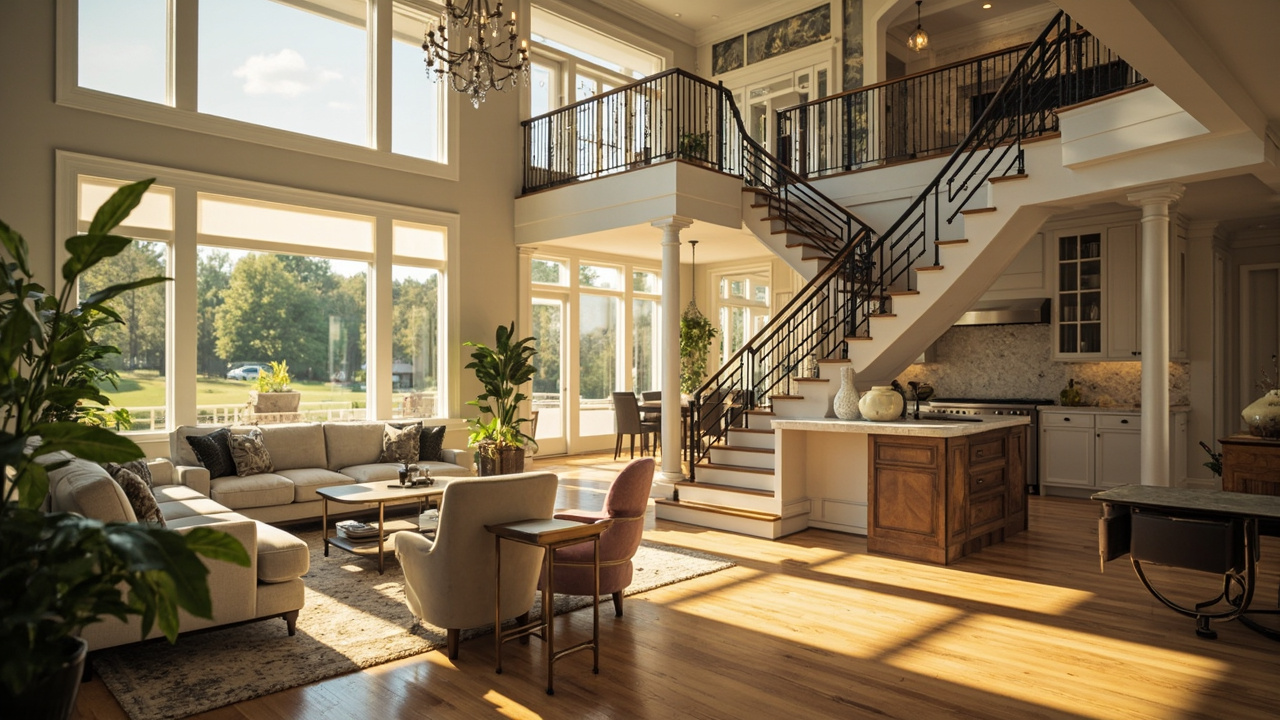
Two-story homes offer a unique chance to stack function without expanding your footprint. Smart vertical planning frees up main-floor space for living and lets bedrooms, storage, and utilities occupy compact upper levels.
These three layout strategies maximize efficiency without sacrificing style. Each item highlights practical choices from entry organization to stacked living and upstairs conveniences—that make a smaller lot feel much larger.
- Mudroom Lockers for Organized Entryways
- Two-Story Plans with Open Living
- Second-Floor Laundry Room Advantages
- Flexible Bonus Rooms Over Garages
- Dual-Master Two-Story Layouts
- Algorithmic Ergonomics in Stair Seating
- Indoor-Outdoor Flow on Upper Levels
- Space-Saving Staircase Designs
- Vertical Zoning for Privacy
- Two-Story Plans with Guest Suites
- Optimizing Natural Light Upstairs
- Outdoor Living Extensions for Second Floors
- Final Thoughts
- FAQs
Mudroom Lockers for Organized Entryways
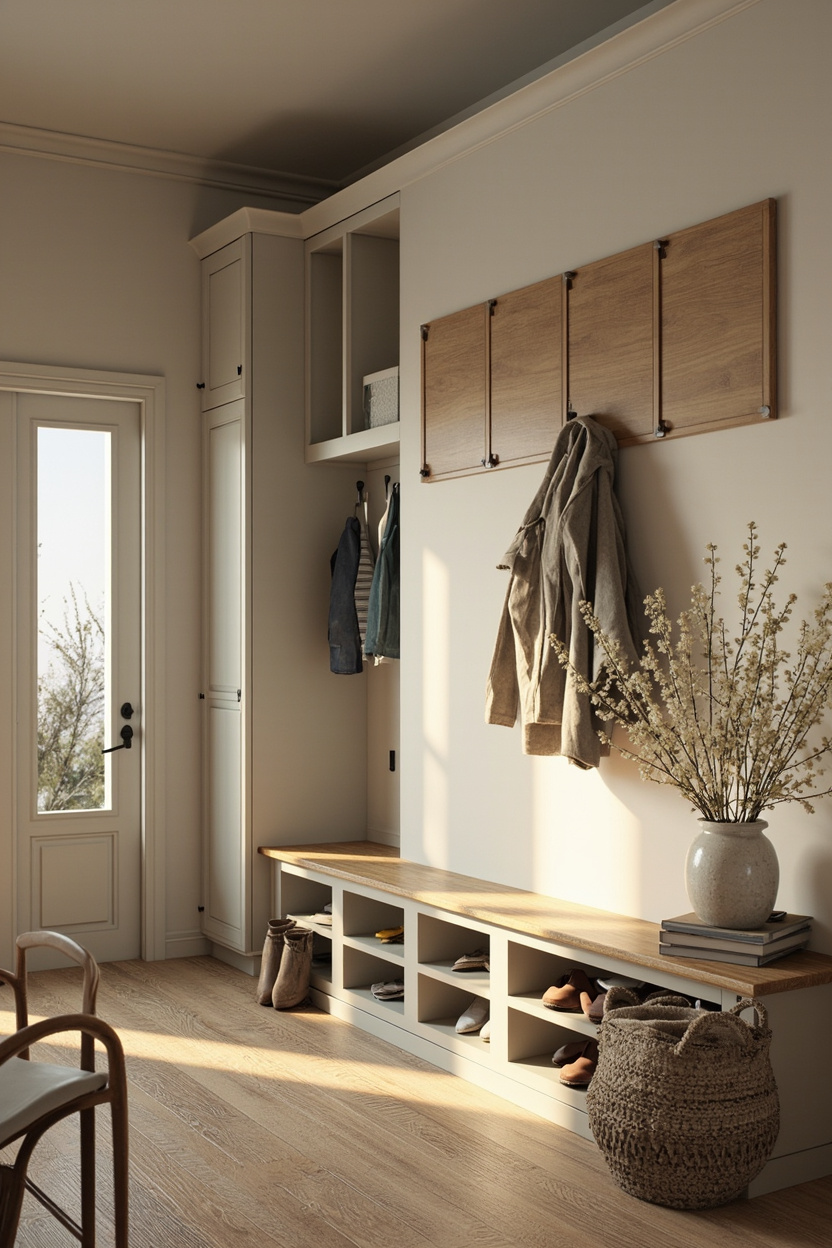
A dedicated mudroom with built-in lockers creates an instant command center for daily life, corralling shoes, coats, backpacks, and sports gear at the threshold.
Lockers tailored to family needs reduce clutter in shared spaces and provide individualized storage that keeps mornings moving.
Design lockers with adjustable shelves, a bench for putting on shoes, and integrated hooks to adapt as children grow or routines change.
For layout inspiration and minimalist styling tips, see Bed Wall Decor Minimalist for ways to keep the look clean while maximizing function.
Two-Story Plans with Open Living
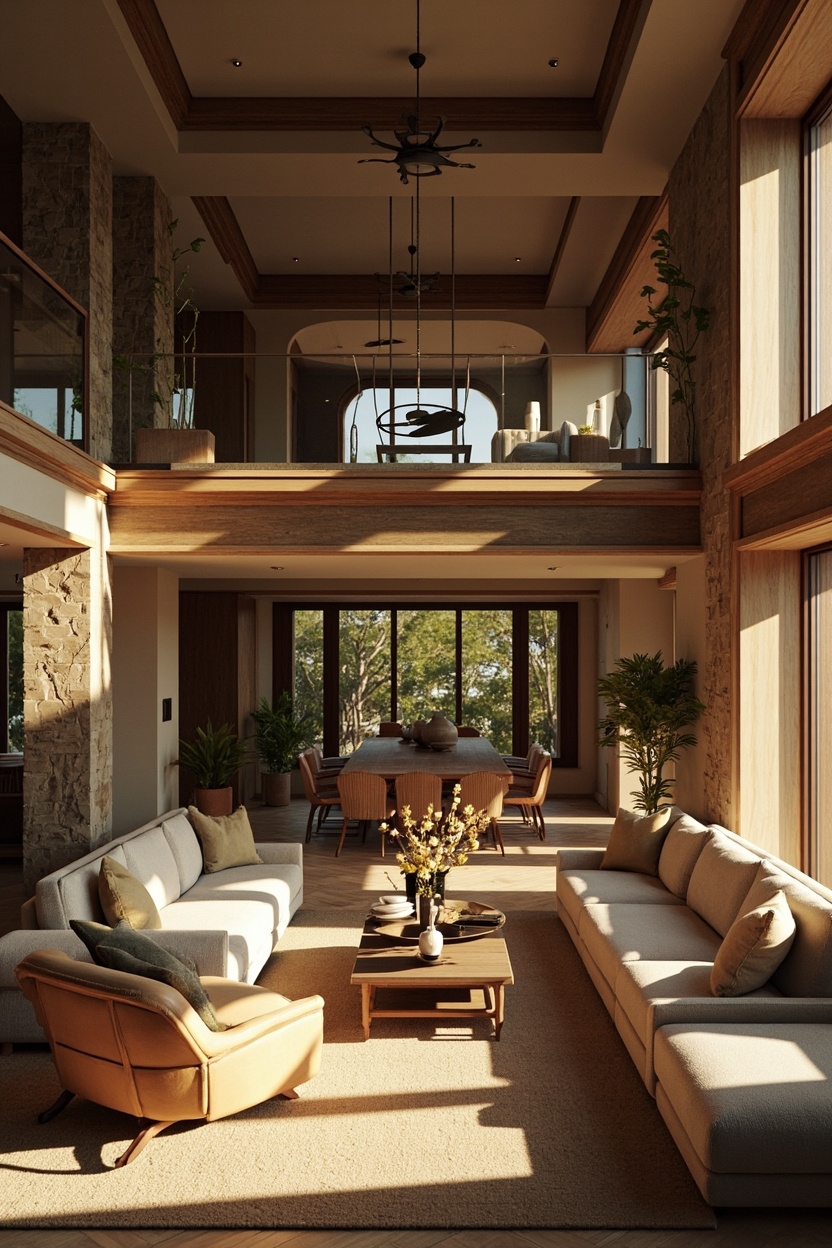
Open living on the ground floor—where kitchen, dining, and family areas flow together—creates a sense of spaciousness while keeping the program compact.
Visual continuity and sightlines amplify how much space feels available, making even modest footprints feel generous.
Stacking private zones upstairs preserves the main floor for social life and daylight, improving light distribution and ventilation.
Pair open plans with careful storage integration and consider gallery-style wall treatments in transition spaces to elevate the aesthetic; Minimalist Gallery Walls offers ideas that maintain openness without visual clutter.
Second-Floor Laundry Room Advantages
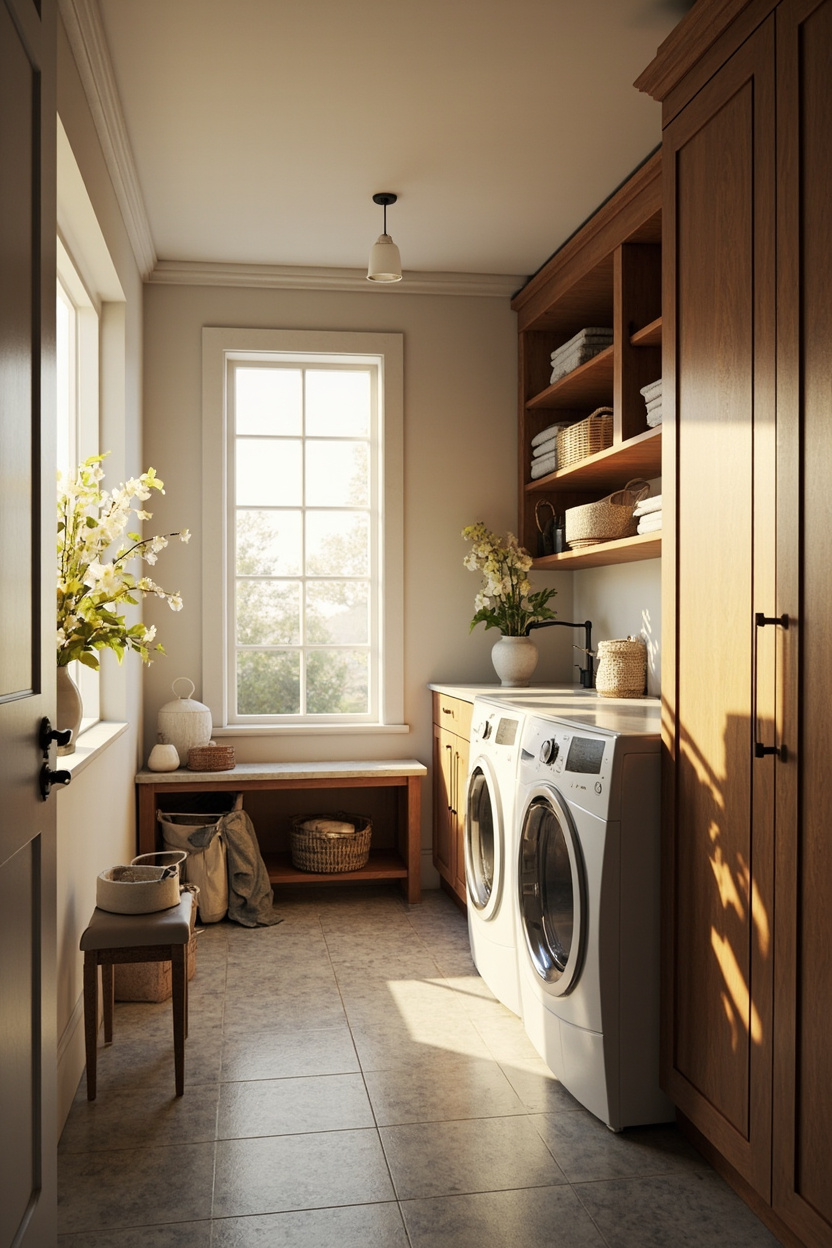
Placing laundry on the second floor near bedrooms saves countless steps and streamlines household routines by keeping linens and clothes close to their home base.
This reduces trips up and down stairs and encourages quicker laundry cycles, which is especially useful in busy households.
A compact upstairs laundry can include counter space for folding and stacked machines to preserve square footage, plus built-in hampers or a linen closet to simplify sorting.
Thoughtful soundproofing and ventilation ensure the room is efficient and unobtrusive, preserving bedroom comfort.
Flexible Bonus Rooms Over Garages
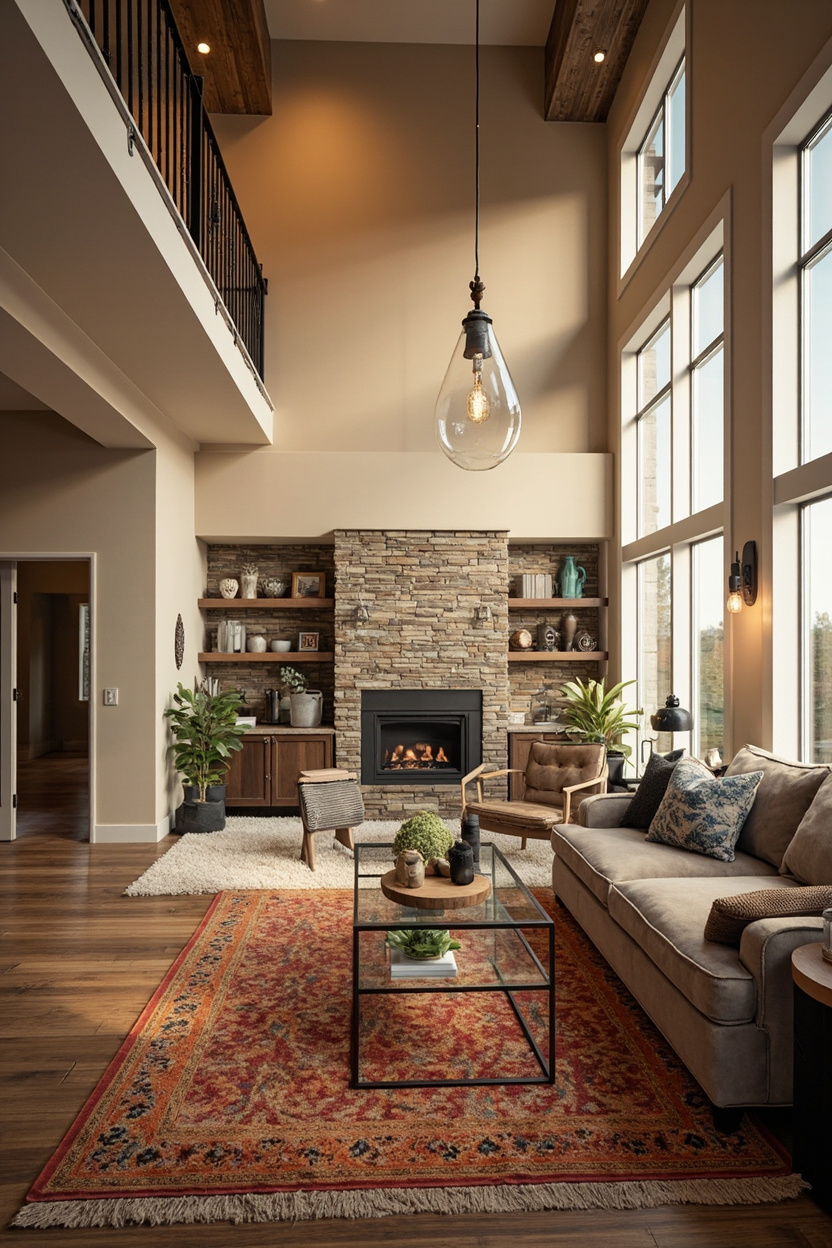
A bonus room above the garage converts otherwise wasted volume into a highly adaptable space—home office, guest suite, playroom, or rental unit without increasing the home’s footprint.
Install insulated floors, soundproofing, and a separate HVAC zone to make the space comfortable year-round and future-proof for changing needs.
Design for flexibility with simple plumbing chases and reinforced floor loads so the room can support a wet bar or bathroom later.
Thoughtful access, either from the main house or a dedicated exterior entrance, raises resale value by broadening use cases for multigenerational living or short-term rental.
Dual-Master Two-Story Layouts
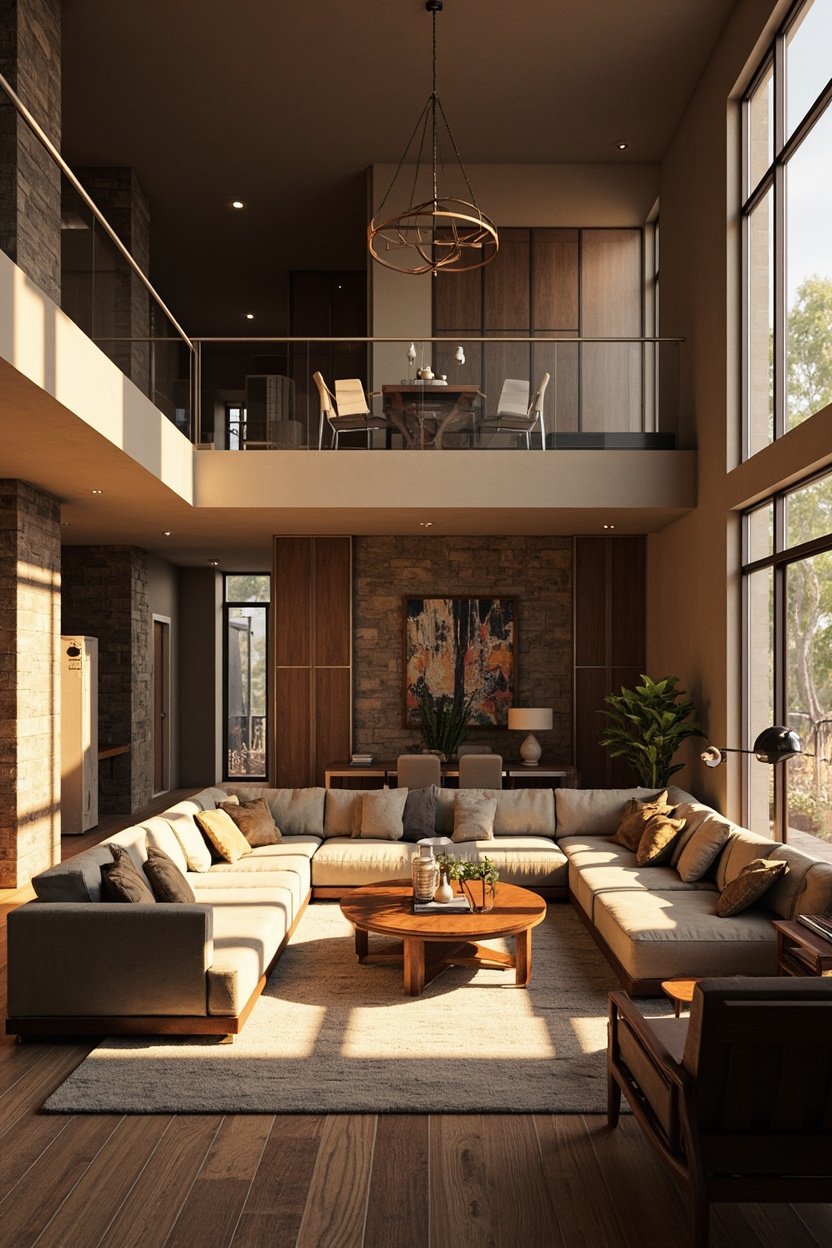
Dual-master layouts place full primary suites on both floors or opposite wings to accommodate extended family, caretakers, or live-in guests while preserving privacy.
Each suite should have its own walk-in closet, en-suite bath with barrier-free options, and controlled daylight to create independent, hotel-like comfort.
Stacking mechanicals and bathrooms simplifies plumbing and lowers construction costs, while bermed or pocketed stairs keep circulation compact.
This plan type boosts market appeal by offering universal design ready for aging-in-place without sacrificing aesthetic proportions.
Algorithmic Ergonomics in Stair Seating
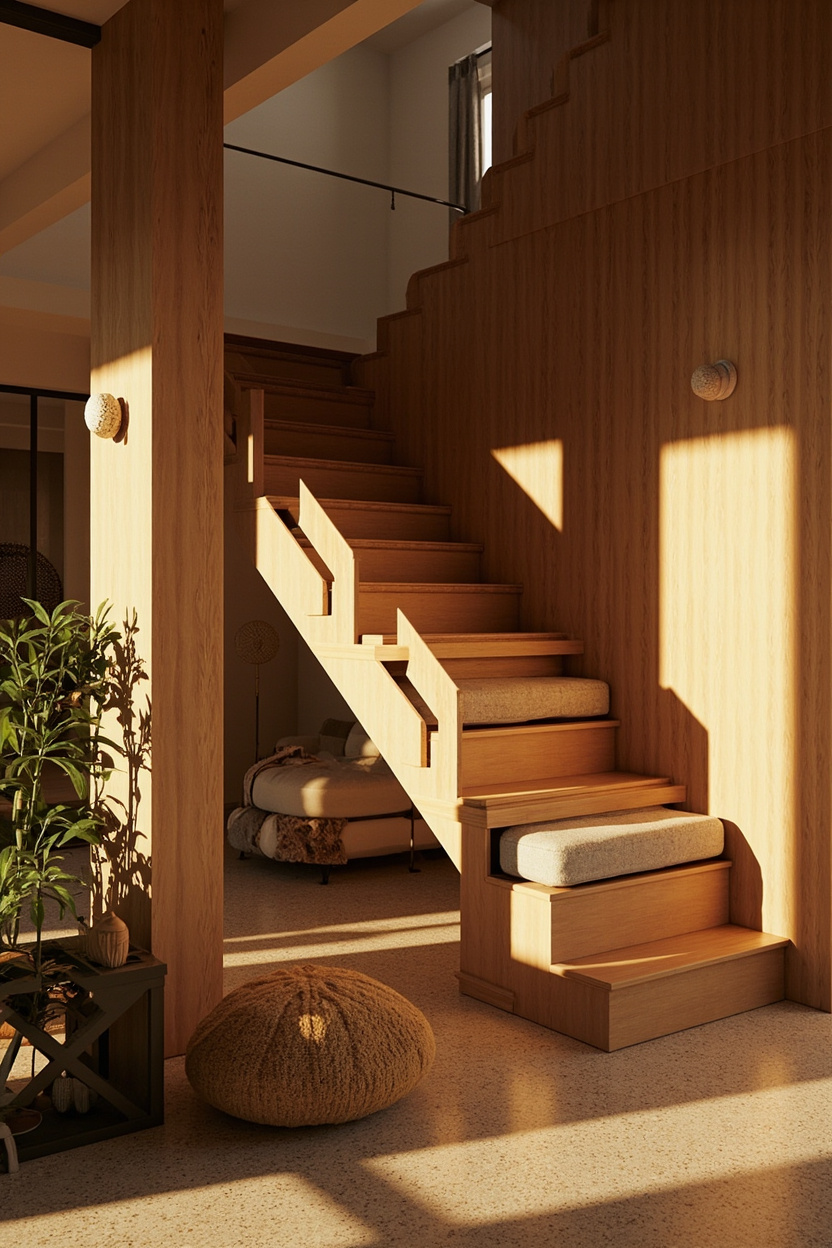
Algorithmic ergonomics applies data-driven curves and riser-depth proportions to stair seating, turning transitional space into comfortable, posture-supporting nooks.
Built-in stair benches and landings designed with ergonomic metrics enhance usability for reading, putting on shoes, or casual conversations without widening the stair footprint.
Integrate durable, low-maintenance upholstery and concealed storage beneath seating to maximize function in tight plans.
For visual continuity, coordinate rail and tread materials with adjacent floors so the seating feels intentionally designed rather than tacked on.
Indoor-Outdoor Flow on Upper Levels
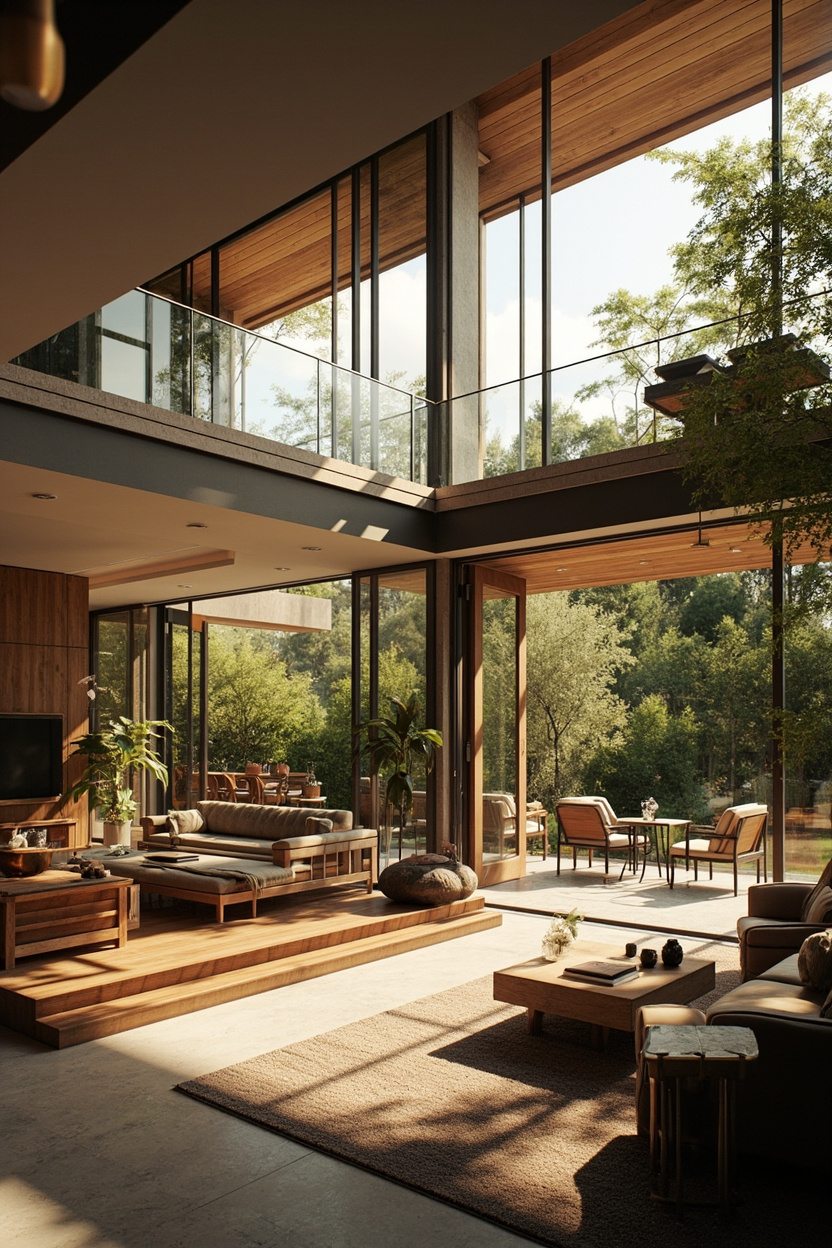
Upper-level terraces and Juliet balconies extend living areas without increasing the footprint, bringing natural light and cross-ventilation to bedrooms and lofts.
Designing with sliding doors and sheltered overhangs keeps these outdoor spaces usable year-round while preserving privacy from street level.
Strategically placing roof gardens or planters softens the façade and creates micro-climates that reduce heat gain on upper floors.
For inspiration on pared-back wall treatments that complement these transitions, see minimalist gallery approaches that emphasize calm, continuous lines, like in Minimalist Gallery Walls.
Space-Saving Staircase Designs
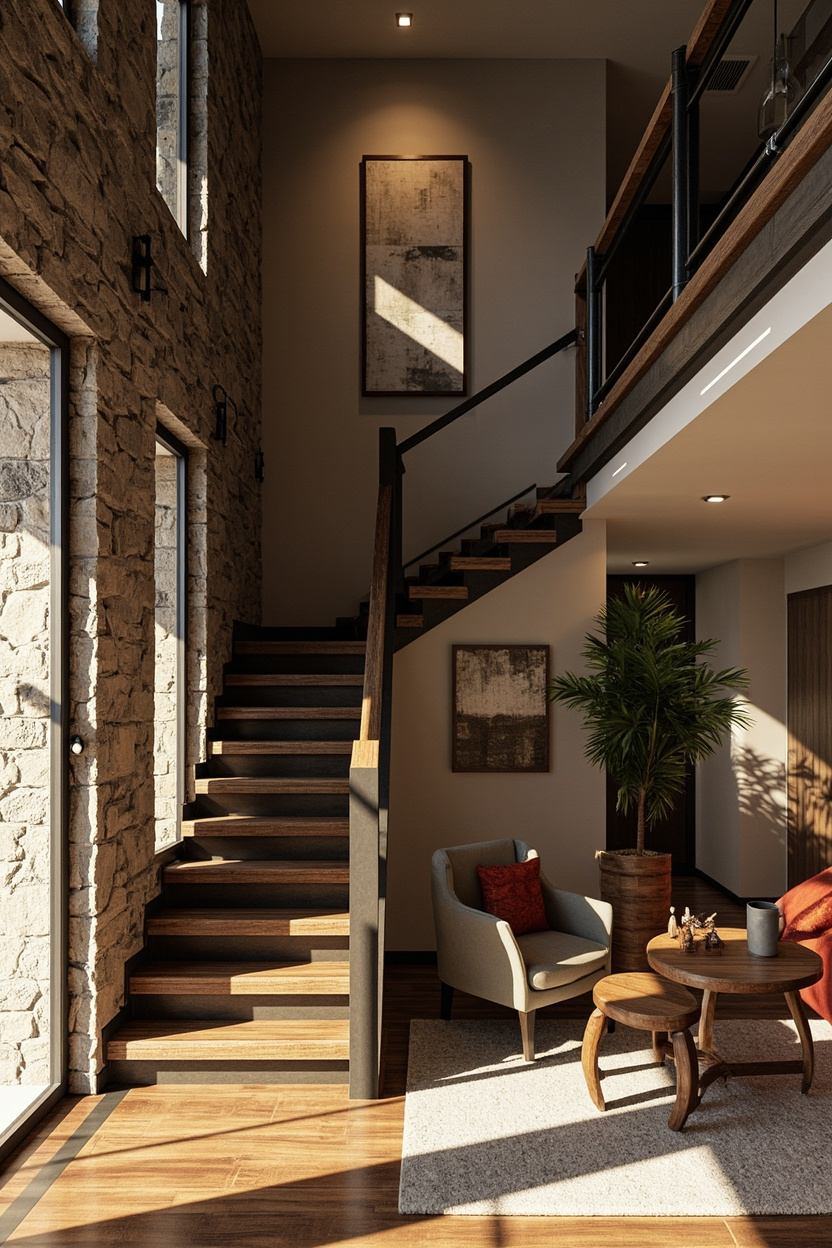
Compact stair layouts like L-shaped, half-turn, or alternating tread stairs conserve floor area while maintaining comfortable rise and run; integrating storage beneath the run maximizes every inch.
Open risers and thin-profile balustrades visually reduce bulk, helping staircases read as architectural features rather than room dividers.
Consider built-in drawers, shelving, or a mudroom bench tucked under the lower flight to turn a circulation element into practical storage.
For homes where minimal detailing matters, blend staircase finishes with surrounding walls and cabinetry to keep sightlines clean and cohesive.
Vertical Zoning for Privacy
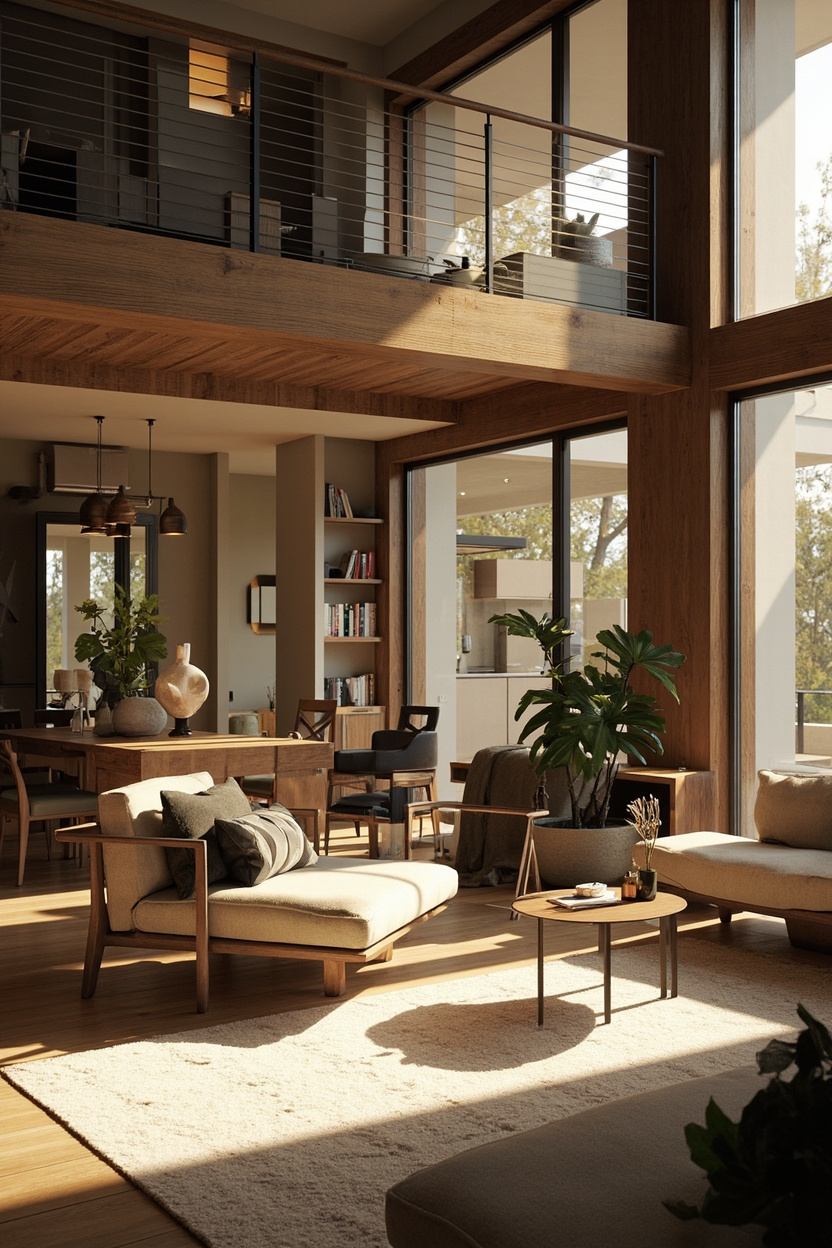
Stacking public and private functions vertically creates clear separation without sprawling horizontally: place noisy living zones on the ground floor, bedrooms above, and flexible spaces in between. Intermediate half-levels or mezzanines offer buffer zones for home offices, play areas, or guest suites, improving acoustic separation and daily flow.
Use continuous elements like aligned windows, consistent flooring transitions, and centralized mechanical chases to simplify vertical circulation and services.
Thoughtful vertical zoning preserves usable square footage while giving each household activity its own defined, efficient space.
Two-Story Plans with Guest Suites
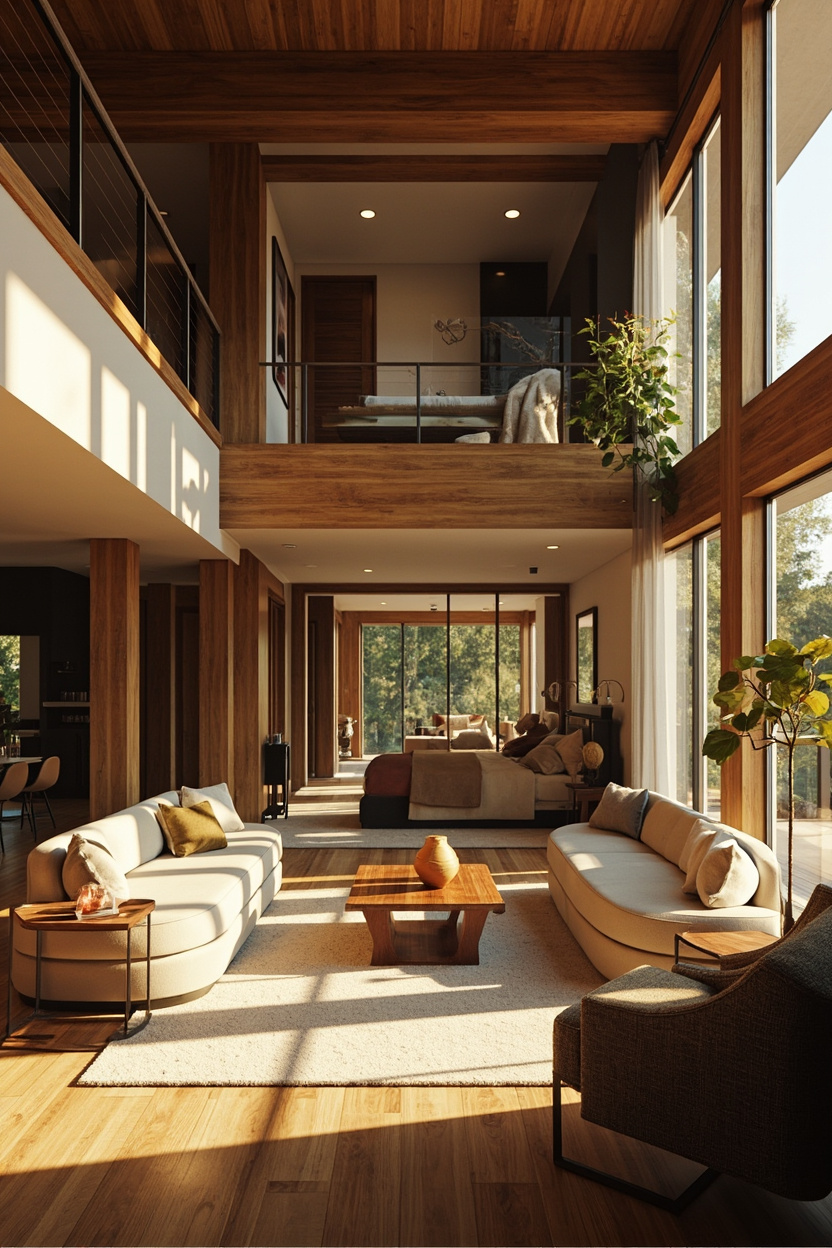
Designing a guest suite on the main or second floor gives visitors privacy without sacrificing family circulation. Include a compact ensuite, storage, and a little sitting nook so the suite feels like a true retreat rather than a spare room.
Place the suite near a quiet stair landing or with a separate entry to reduce hallway traffic and make flexible use easier, convertible to a home office or long-term rental.
For layout inspiration, explore bed wall arrangements that keep the space calm and functional.
Optimizing Natural Light Upstairs
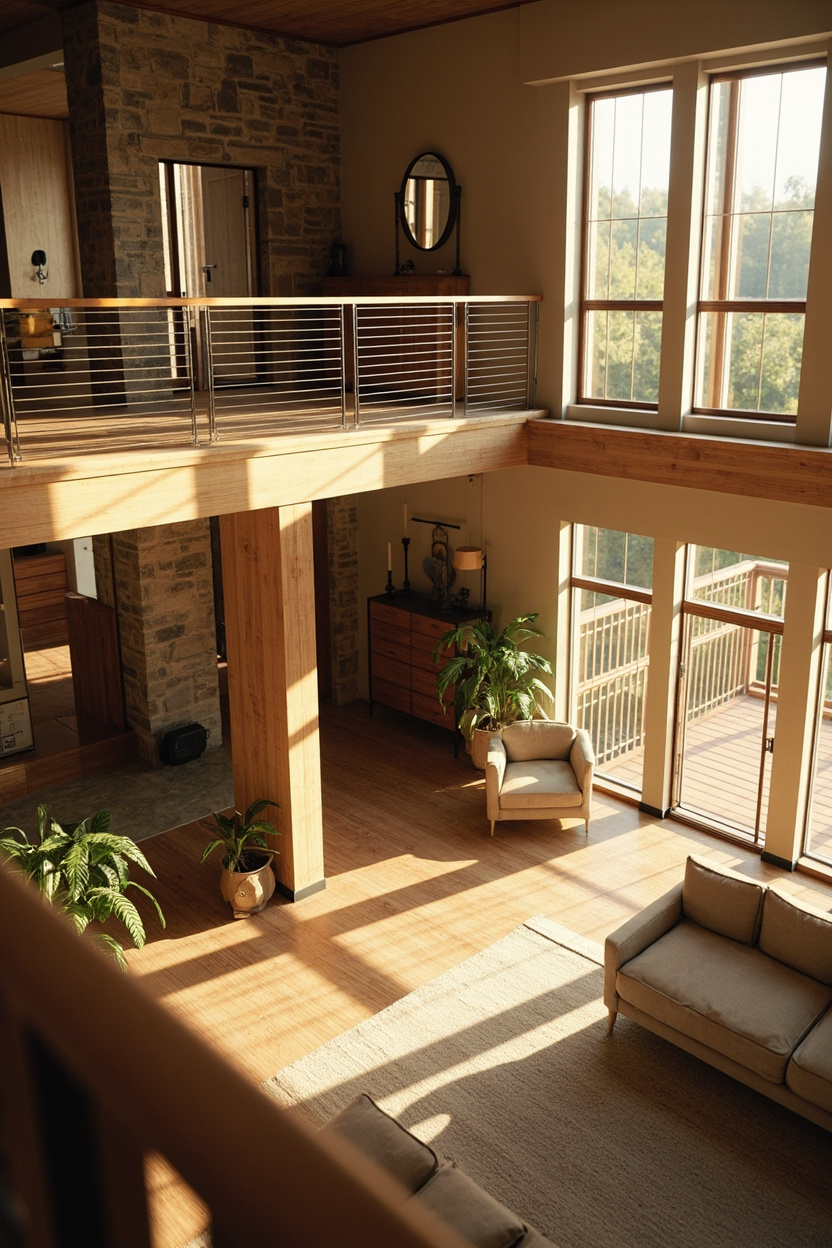
Maximize daylight by clustering bedrooms and common spaces along the home’s brightest facade and using clerestory windows, skylights, or thin roof dormers to bring light deep into corridors.
Position stairs under or adjacent to vertical glazing to act as a lightwell, reducing the need for artificial lighting during daytime.
Use translucent or glass-panel doors for bathrooms and closets to allow light transfer while maintaining privacy, and select reflective, muted finishes upstairs to amplify available light without glare.
Outdoor Living Extensions for Second Floors
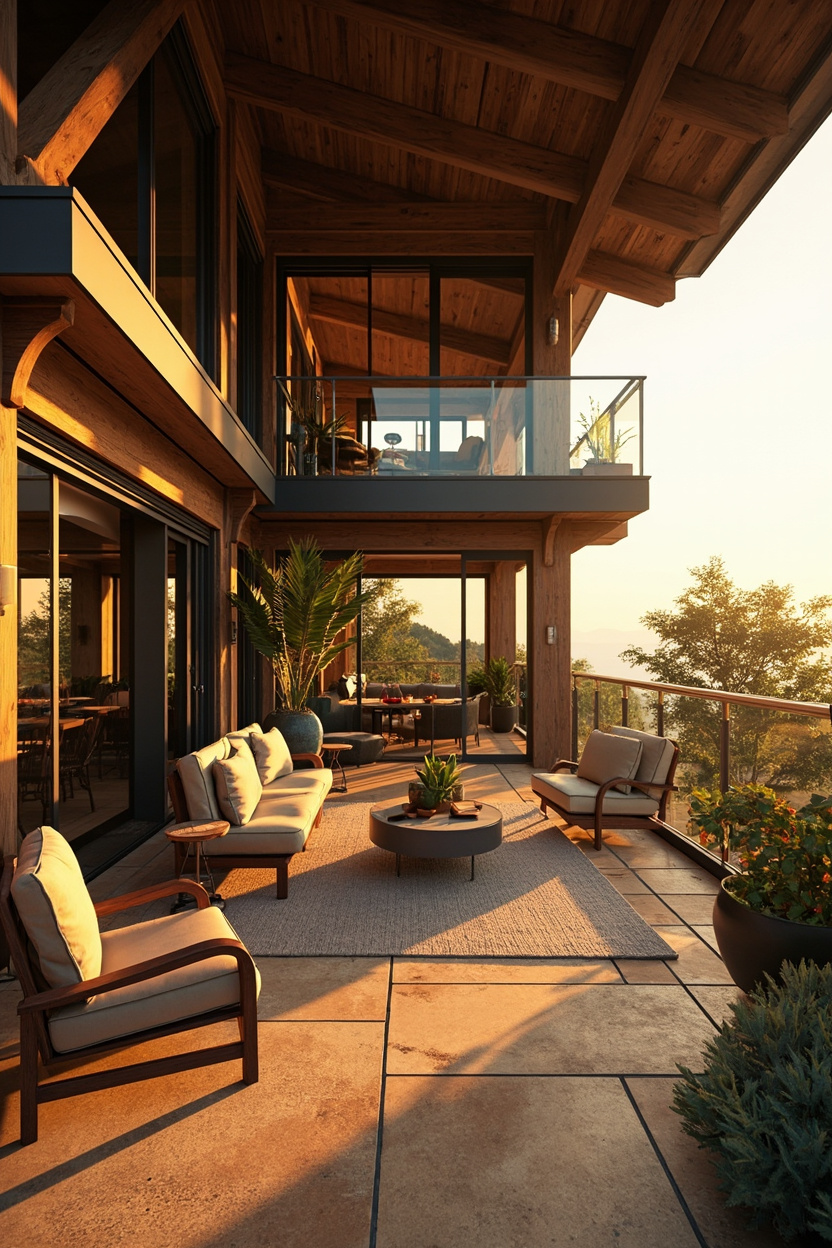
Balconies, roof decks, and covered loggias extend usable square footage and create private outdoor rooms without a larger footprint.
Design these spaces with direct access from a primary bedroom or upstairs common area and include shading, durable decking, and integrated seating for all-season use.
Consider structural overhangs that shelter lower-level patios, and plan for utilities like outdoor lighting and rough-ins for a sink or heater so the extension feels like a true living space rather than an afterthought.
Final Thoughts
Two-story plans offer powerful opportunities to multiply usable space through stacked functions, daylight strategies, and elevated outdoor rooms.
Thoughtful placement of guest suites, light sources, and decks lets you maximize every square foot without compromising comfort or style.
FAQs
Guest suites upstairs offer enhanced privacy and quieter separation from main living areas, and they can easily be converted to private offices or long-term rentals when needs change
Add skylights or tubular daylighting devices, swap solid stairwell walls for glazing, and use lighter wall and flooring finishes to reflect more daylight into upstairs rooms.
Yes—well-designed balconies or roof decks increase usable living area, add resale value, and expand lifestyle options without enlarging the footprint, especially in constrained lots.
Specify durable, low-maintenance materials, include adjustable shade and wind screening, and plan for electrical outlets and space for heaters or ceiling fans to extend seasonal use.