


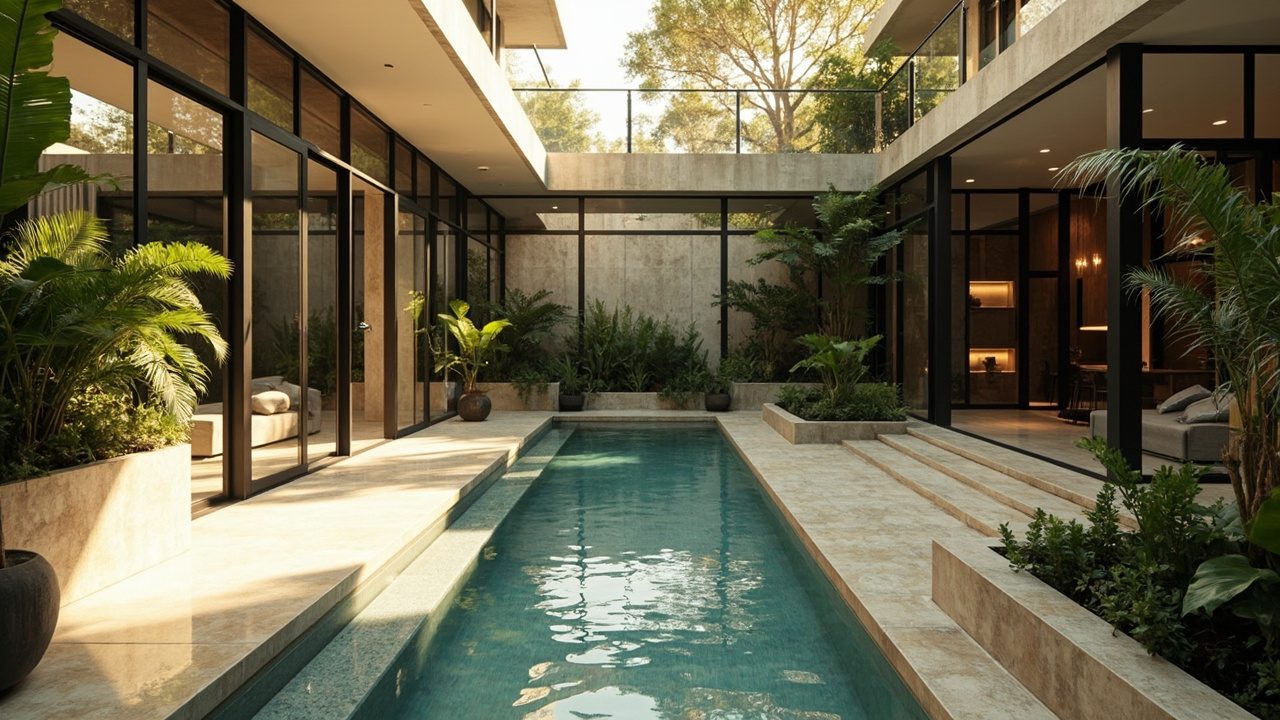
Designing the perfect landscape around your plunge pool isn’t just about plants and paving—it’s about creating a stylish, cohesive outdoor space that feels like a private retreat.
With the right mix of textures, greenery, and layout choices, you can transform even a small area into a designer-inspired oasis.
- Plunge Pool Landscaping: Site Planning and Zoning Considerations
- Choosing Geometric Shapes That Complement Home Architecture
- Selecting Materials and Colors for Seamless Integration
- Planting Schemes for Small Pool Surrounds and Privacy
- Hardscape Ideas: Terraces, Decks, and Mediterranean Details
- Incorporating Safety, Covers, and Maintenance Access
- Avoiding Common Landscaping Mistakes Around Plunge Pools
- Optimizing Drainage, Irrigation, and Year‑Round Performance
- Final Thoughts
- FAQ
Plunge Pool Landscaping: Site Planning and Zoning Considerations
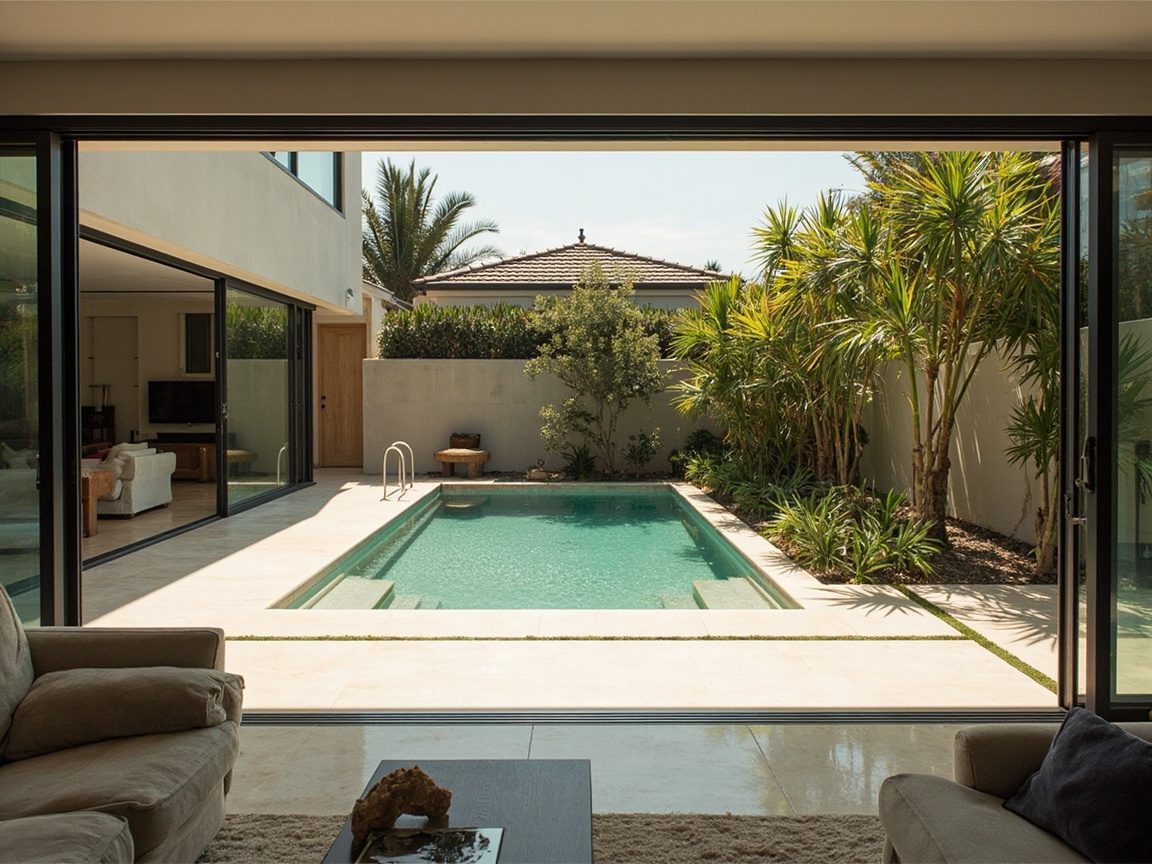
Careful site planning prevents costly revisions later and ensures the plunge pool functions as a true outdoor room. Start by mapping property lines, existing utilities, and any setback or local pool fencing requirements, because regulations often dictate placement, safety features, and access.
Practical steps:
- Check local codes, including setbacks, barrier heights, and drain requirements. Confirm these with your municipality before design work starts.
- Evaluate solar orientation and wind patterns. Place the pool where it gets morning sun and is sheltered from prevailing winds to reduce heat loss and debris.
- Plan circulation and access. Leave at least 3 to 4 feet of clear perimeter for seating and maintenance, and design a direct, non-slip path from the house.
- Consider sightlines and privacy. Use existing walls, fences, and mature planting to frame the pool, or specify screening that allows air flow while blocking views.
- Account for drainage and grade. Ensure surface water is diverted away, and allow room for a mechanical/service area that is accessible but discreet.
Choosing Geometric Shapes That Complement Home Architecture
Choosing a pool shape should reflect the architecture, rather than compete with it.
For modern or contemporary homes, crisp rectangles and L-shapes reinforce clean lines, while cottages or Mediterranean homes benefit from softened rectangles and gentle curves.
Design criteria to apply:
- Match prevailing lines: align pool edges with home rooflines, patios, or paths to reinforce a cohesive composition.
- Scale to space: a simple rectangle often reads larger in a narrow yard, while an L-shape can create a separate lounging bay or spa zone.
- Use proportion rules: keep the pool length 1.5 to 2.5 times its width for a balanced appearance, unless a lap focus dictates otherwise.
- Integrate hardscape geometry: mirror patio pavers, pergola beams, or garden beds in the pool outline to create visual continuity.
- Consider multifunctional edges: straight edges ease the installation of automatic covers and coping-mounted benches, while curves work well with sculptural planting.
Selecting Materials and Colors for Seamless Integration
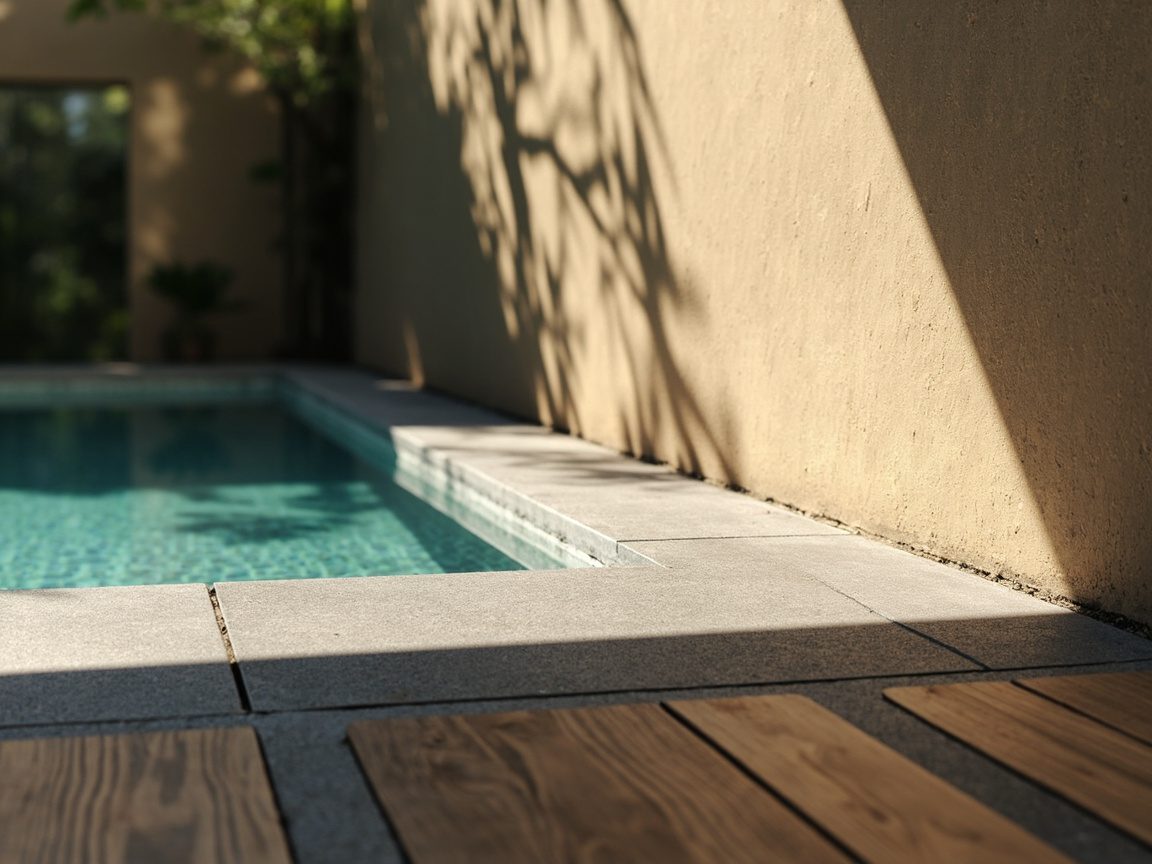
Material and finish choices determine whether the plunge pool reads as an extension of the house or an isolated feature.
Aim for a palette and texture that ties to exterior cladding, roofing, and main paving materials.
Material selection checklist:
- Pool finish: choose neutral, contemporary finishes such as pale pebble or soft quartz for a muted water color, or darker basalt tints for a reflective, courtyard feel.
- Coping and paving: match stone tone and texture with nearby terraces. For example, pick warm travertine for Mediterranean schemes, or honed concrete for modern homes.
- Plant palette: select two to three repeating plant textures and colors to echo interior fabrics or exterior paint, and use evergreen screens for year-round privacy.
- Metal and fixtures: coordinate metal trims, fixtures, and railings with window frames and outdoor lighting for a unified finish level.
- Maintainability: prioritize non-slip finishes and durable paving near the pool, and select salt- or chlorine-resistant materials for long-term performance.
Planting Schemes for Small Pool Surrounds and Privacy
Keep plant choices proportional to the plunge pool. Tall, dense specimens at the perimeter create privacy without overwhelming the space, while low-texture groundcover softens edges and reduces glare from tile or stone.
- Use vertical layers: place columnar evergreens or bamboo at the rear for screening, mid-height flowering shrubs in front, and low-slung grasses or sedges at the pool edge to prevent leaf drop into water.
- Choose low-litter species, such as Italian cypress, dwarf bamboo (Fargesia), Mediterranean rosemary, and dwarf pittosporum, to minimize maintenance and filtration load.
- Limit deciduous trees near the pool. If you want shade, use a single strategic tree planted beyond the immediate splash zone, for example, an olive or small Japanese maple, to avoid constant leaf cleanup.
- Consider container plantings on terraces or decks for flexibility. Use matching pots in groups of three, and pick compact varieties so you can rearrange seasonally without root disturbance.
- Soil and drainage criteria: raise beds slightly above pool level with well-draining soil, and include a gravel drainage strip adjacent to the coping to prevent runoff and soil erosion into the pool.
Hardscape Ideas: Terraces, Decks, and Mediterranean Details
Hardscape defines the functional perimeter and establishes style. For a designer look, balance clean geometry with tactile Mediterranean materials, keeping dimensions comfortable for circulation and lounging.
- Terrace layout: create one or two stepped terrace levels, each 12–18 inches high, to provide seating, planting, and service zones without intruding on the pool plane.
- Deck materials: choose durable, low-maintenance surfaces such as brushed concrete pavers, porcelain tile, or thermally modified timber; mix materials sparingly to avoid visual clutter.
- Mediterranean touches: incorporate terracotta tiles as accents, pebble or micro-finish plaster bands, and warm-colored stone like travertine or limestone for coping and steps.
- Edge treatment: specify a non-slip satin finish for coping, and use a recessed channel or hidden gutter to keep pool edges clean and dry without bulky scuppers.
- Furniture footprints: reserve 36–48 inches of clearance behind loungers for circulation; anchor seating to terraces with built-in low walls or planters to create permanence and scale.
- Lighting and detail: integrate low-profile LED uplights into steps and planting walls, and add a single statement water feature or arched tile niche for Mediterranean character without overpowering the small site.
Incorporating Safety, Covers, and Maintenance Access
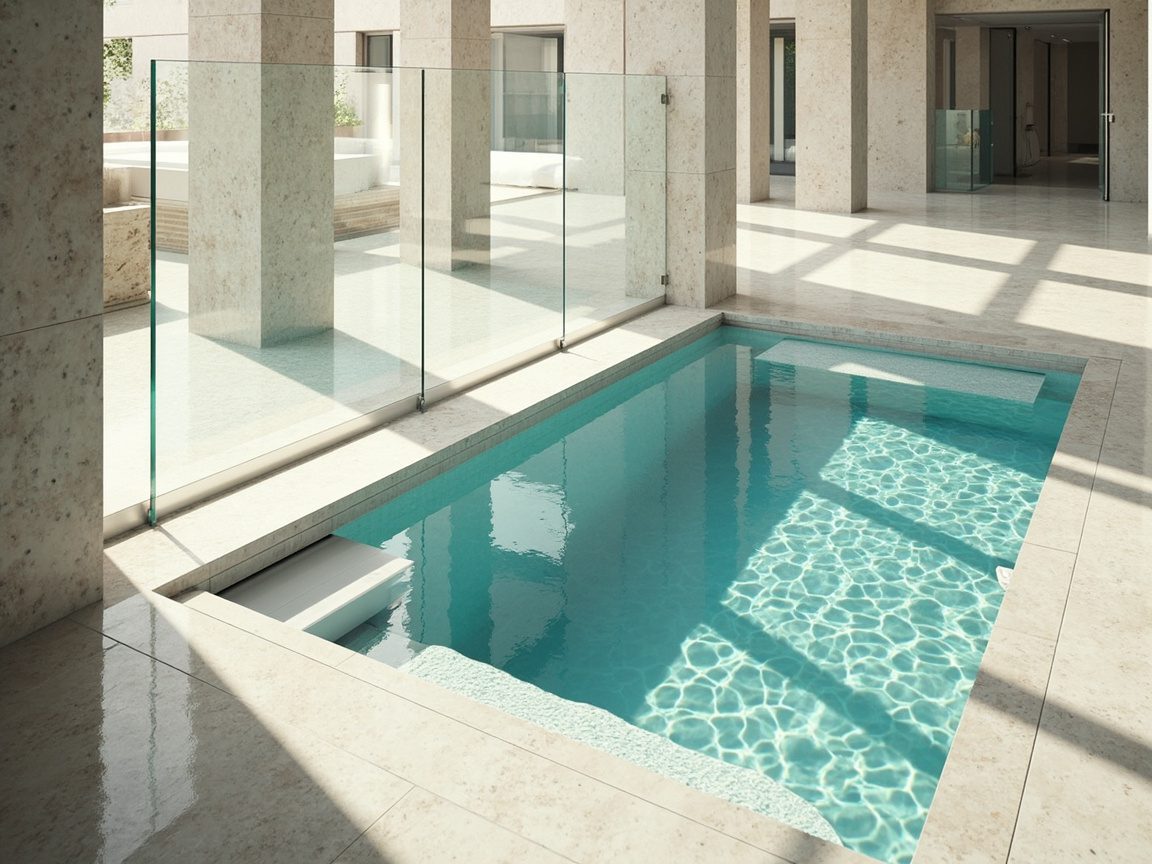
Safety and service access are non-negotiable in tight pool environments. Design them to be discreet, fully functional, so the pool remains beautiful and usable.
- Cover selection: choose an automatic retractable cover when possible, as it provides safety, heat retention, and is easy to operate; coordinate cover housing color with coping for seamless integration.
- Deck-level access panels: specify lockable, flush service panels for pumps and skimmers, placed on the least visible terrace side and sized for tool and filter cartridge removal.
- Slip-resistance and edging: use textured, non-slip finishes around the perimeter and a rounded coping profile to reduce trip hazards and minimize water return into planted beds.
- Barrier requirements: include compliant fencing or a privacy wall that doubles as a design element, for example, a plastered wall with an integrated slotted gate or glass panels with bronze hardware.
- Equipment siting: locate mechanicals within a ventilated, easily accessed cabinet or beneath a terrace bench, 3–6 feet from the pool where code allows, to simplify servicing and reduce visual impact.
- Maintenance workflow: plan a 3-foot clear access zone on at least one side of the pool for vacuuming and portable equipment, and provide a dedicated hose bib and drain point near the filter area for backwash management.
Avoiding Common Landscaping Mistakes Around Plunge Pools
Planting too close to the pool, ignoring scale, and choosing high-maintenance materials are the most frequent errors. Addressing these prevents maintenance headaches, leaf litter, and visual imbalance.
- Wrong plant choice: avoid large-rooted trees and prolific leaf-shedders within 10–15 feet. Choose small, low-litter species such as dwarf palms, ornamental grasses, or evergreen shrubs with shallow roots.
- Overcrowding: Maintain sightlines and circulation by spacing plants according to mature size. Use a simple rule: half the mature canopy for shrub spacing, and one-third for groundcovers near decking.
- Slip hazards and surface mismatch: select non-slip pavers and keep textured transitions between wet and dry zones. Test a sample in wet conditions before committing.
- Poor material durability: Avoid untreated wood and delicate stone in splash zones. Specify sealed natural stone, porcelain pavers, or composite decking rated for pool areas.
- Ignoring maintenance access: create 3–4 foot service corridors to pumps, filters, and lighting. Design gates or removable planting strips for seasonal equipment work.
- Scale mismatch with architecture: match the pool’s formality to the house. For modern homes, favor geometric plantings and hardscape. For cottage or Mediterranean styles, use layered, looser plant groups.
Optimizing Drainage, Irrigation, and Year‑Round Performance
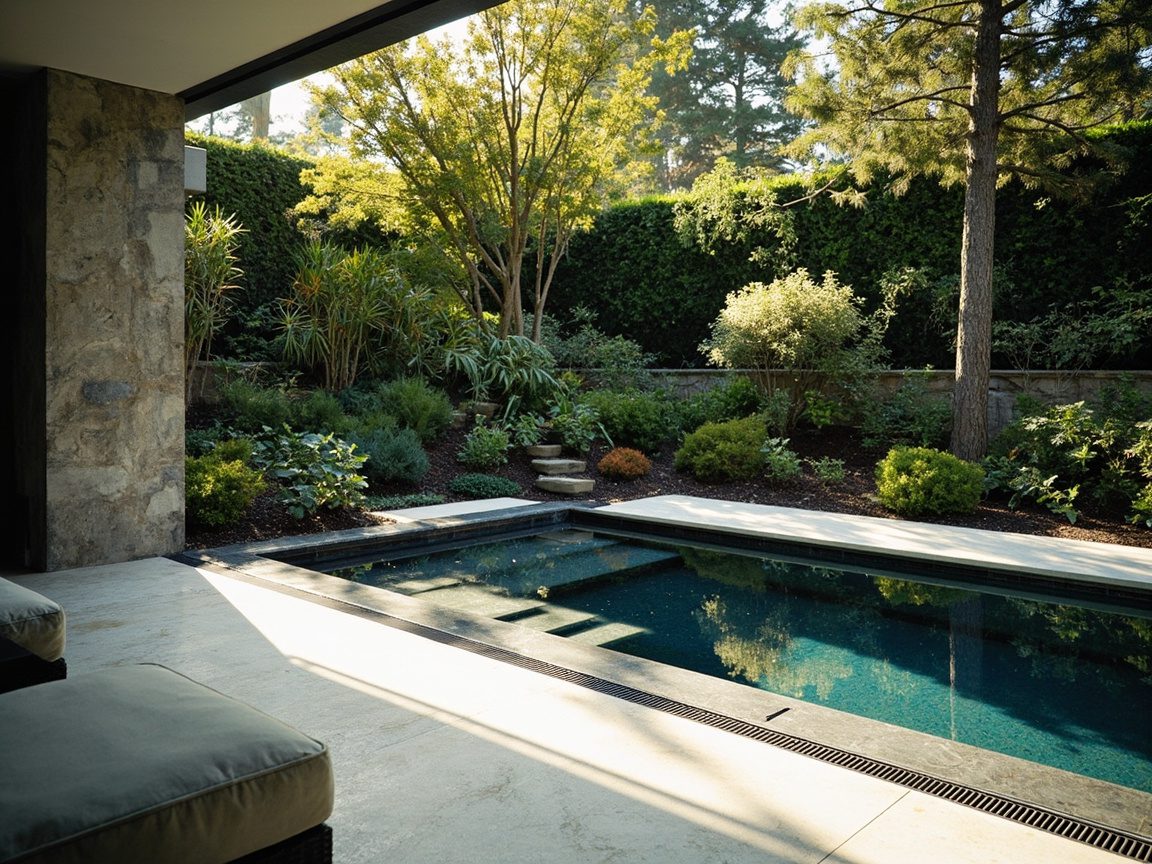
Proper drainage and irrigation extend the life of your plunge pool and surrounding landscape, and reduce algae, erosion, and freeze damage.
- Grade for runoff: slope the landscape away from the pool at least 1–2% within the first 5–10 feet. Direct runoff to planted bioswales, drains, or permeable areas to keep chlorinated water from pooling.
- Permeable surfaces: specify permeable pavers, gravel, or reinforced turf within the dripline to reduce surface runoff and recharge soils. Aim for at least 10–15% permeable area in tight yards.
- Subsurface drainage: install French drains or perforated pipe behind retaining walls and under high-concentration planting beds. Use geotextile fabric and clean stone for longevity.
- Irrigation zoning: create separate irrigation zones for poolside plantings, sun and shade areas, and lawn. Use low-volume drip for shrubs and trees, and smart controllers tied to local evapotranspiration data.
- Salt and chemical tolerance: select plants and irrigation equipment that tolerate pool splash and occasional backwash. Use corrosion-resistant fittings and landscape fabric barriers where necessary.
- Winterizing and freeze protection: design easy-to-close irrigation blowouts, and choose frost-hardy plants for colder climates. For climates with freeze risk, slope irrigation heads away from pool edges to prevent ice on decking.
- Maintenance access and isolation valves: Place manual or automatic valves so you can quickly isolate irrigation near the pool when doing chemical work. Label valves and keep a simple site map near the equipment pad.
Final Thoughts
Designing around a plunge pool requires balancing aesthetics, maintenance, and technical systems. Prioritize plant selection, durable materials, and smart drainage to ensure a beautiful, low-stress outdoor room year-round.
FAQ
Choose evergreen, low-litter, shallow-root species such as dwarf Mediterranean pines, agave, ornamental grasses, and compact boxwood. Prioritize native or drought-tolerant varieties and use drip irrigation to reduce pruning and cleanup.
Keep non-slip decking flush to the pool with a 1–2 inch gap for drainage, or a consistent flush joint. Ensure the surface is slip-resistant when wet, and provide 3–4 foot clear zones for circulation and furniture.
Create a debris buffer using low-litter plantings, a raised planter edge, and a small windbreak such as a neatly clipped hedge. Install a mechanical skimmer and consider an automatic cover for non-use periods.
Yes, use a landscape contractor for grading and irrigation, and a pool contractor or civil engineer for pool-specific drainage and waterproofing. Coordinate plans so drainage solutions tie into pool discharge and local codes.