


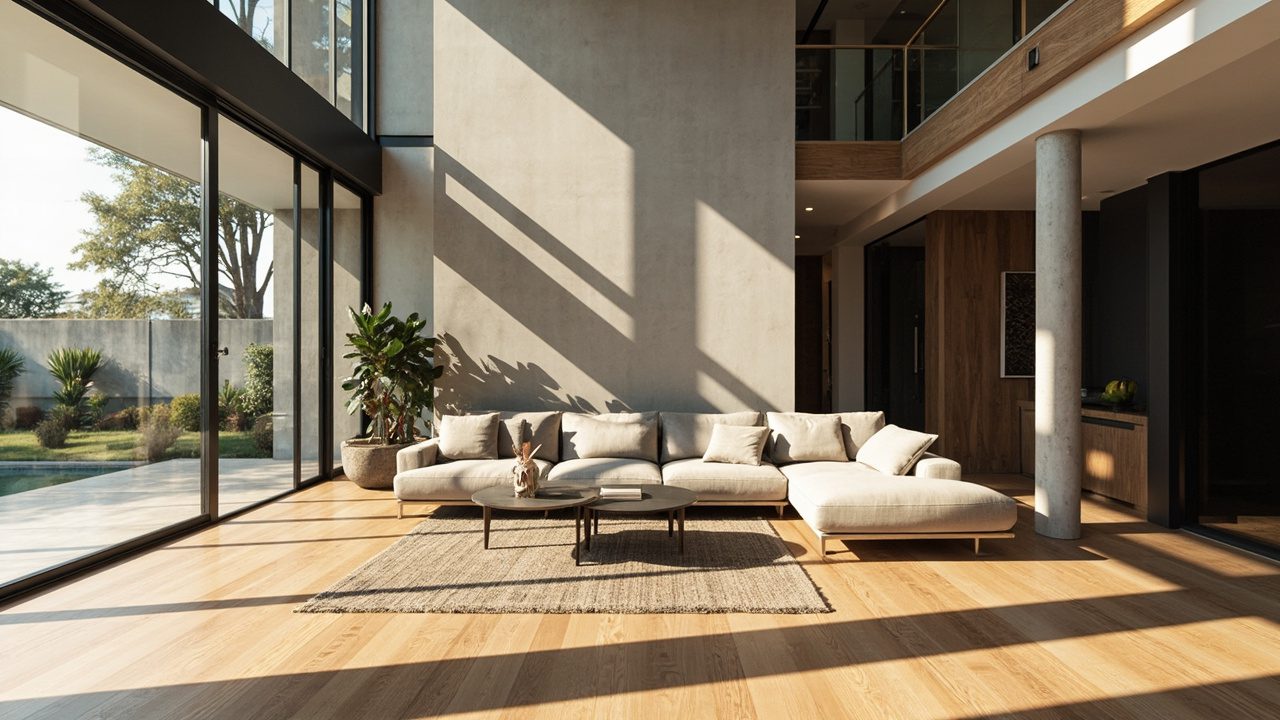
Modern home improvement thrives on character-rich updates that balance function with feeling. This year favors layered spaces, where sculptural lines, tactile finishes, and curated finds replace matchy sets. Expect rooms that flex for daily life, and design moves that add soul without sacrificing utility.
My Pick: Modern Meets Vintage — I love how mixing eras stretches a budget and instantly adds soul. In my projects, one standout antique makes all the sleek pieces feel warmer and lived-in.
- 1. Collected, Not Coordinated
- 2. Modern Meets Vintage
- 3. Sculptural Silhouettes
- 4. Organic Curved Lines
- 5. Textured Statement Walls
- 6. Material-Inspired Wallpapers
- 7. Mixed Wood Tones
- 8. Matte Black Fixtures
- 9. Warm Minimalist Palette
- 10. Artisanal Lighting
- 11. Plaster and Limewash
- 12. Bold Stone Veining
- 13. Layered Natural Textiles
- FAQ
1. Collected, Not Coordinated
- Effort Level: Weekend DIY.
- Estimated Budget: 100-500.
- Maintenance Level: Low (Wipe clean).
- Best For: Small, low-light spaces.
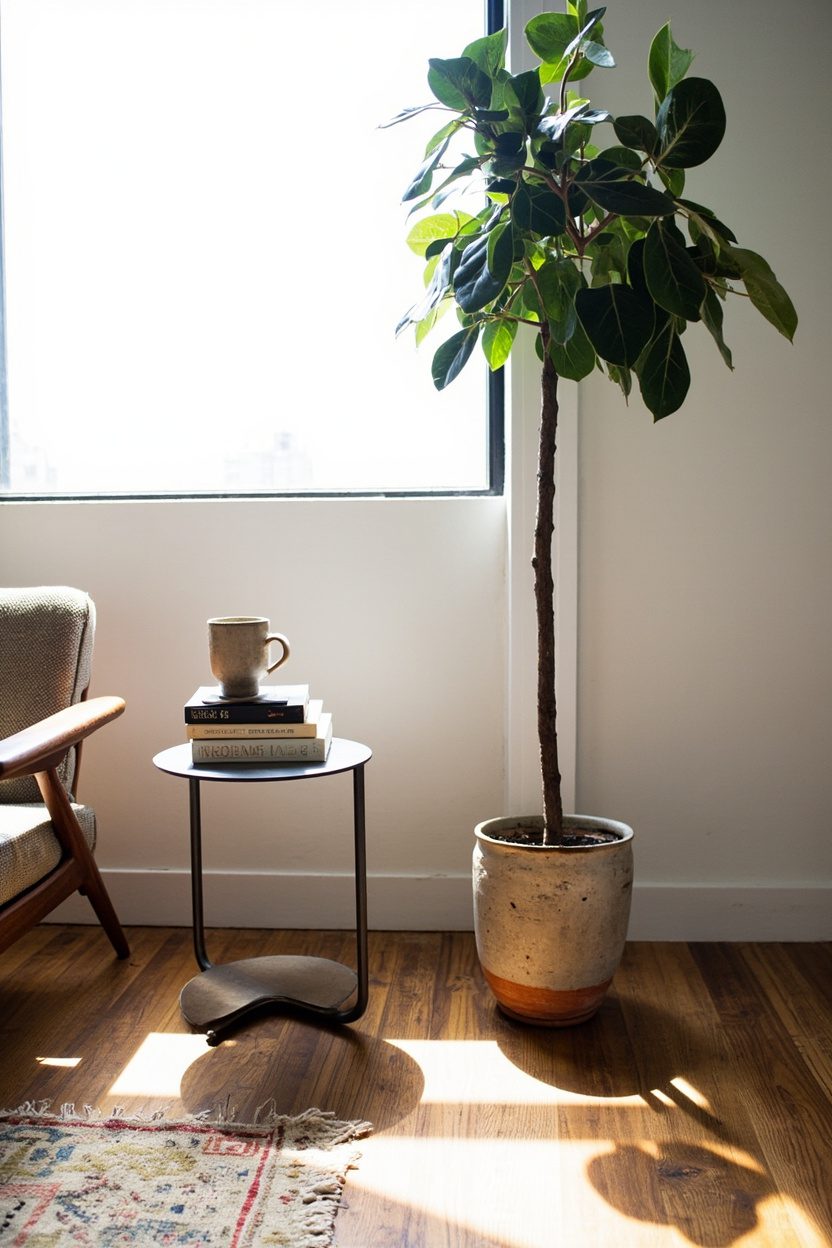
Layer pieces by story, not by SKU, letting patina, texture, and scale guide your mix. Skip matching sets, pair a linen sofa with a thrifted wood side table, and ground it with a textured wool rug.
Use a tight palette to keep the variety feeling intentional. Three hues plus one metal finish keep the eye calm, even with diverse silhouettes and finishes in the same room.
Vary heights and profiles to add movement. A low bench, curvy lamp, and tall plant create rhythm, especially when grouped in triangles on mantels and consoles.
Prioritize tactile finishes that photograph and live beautifully. Bouclé, ribbed ceramics, and matte black hardware add quiet depth and resist trend fatigue.
Borrow from soft minimalism to edit ruthlessly. Keep one hero per vignette and let negative space frame it, an approach that aligns with serene Japandi Interiors principles.
Why This Works?
Collected rooms feel personal, which instantly reads modern in 2026. When you calibrate color, proportion, and texture, the mix looks curated instead of chaotic, and small imperfections become the charm that new builds often lack.
Start with one anchor, like a neutral rug or sofa, then audition additions in daylight. If a new piece competes too loudly, tone it down with a throw, or relocate it to create balance in another corner.
2. Modern Meets Vintage
- Effort Level: Weekend DIY.
- Estimated Budget: 200-1500.
- Maintenance Level: Moderate (Spot treat, occasional polish).
- Best For: Living rooms and dining zones.
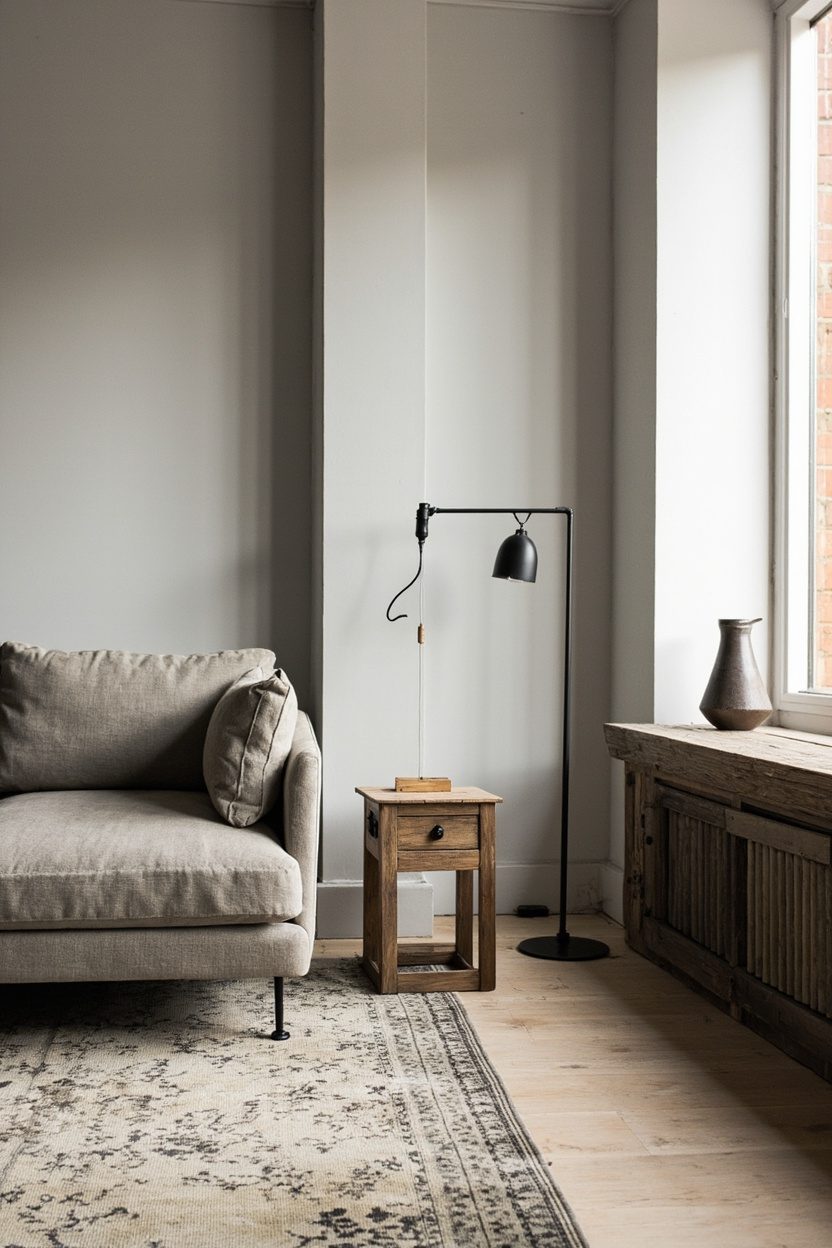
Blend clean-lined staples with one timeworn anchor. A streamlined sectional beside a 1940s bleached oak cabinet adds contrast, texture, and practicality for hidden storage.
Mind scale and seat height when pairing eras. Vintage dining chairs often sit lower, so target table heights of 28 to 29 inches and confirm 10 to 12 inches of knee clearance.
Keep finishes compatible for cohesion. If your new lighting is brushed brass, echo that warmth in vintage frames or a petite lamp finial for a subtle thread through the space.
Introduce artwork that nods to both worlds. Abstract prints sit happily over antique chests, while vintage landscapes soften metal coffee tables and contemporary media units.
Before You Buy
Measure twice, especially depth. Many vintage pieces are deeper than modern counterparts, which can cramp walkways. Bring a tape measure, felt pads, and photos of your space to vet the proportion on the spot.
Check drawers, hinges, and odors. A quick sniff test and a run of each drawer reveal repairs needed. If the bones are great, factor in re-lacquer or new hardware to make it sing with contemporary neighbors.
3. Sculptural Silhouettes
- Effort Level: Weekend DIY.
- Estimated Budget: 150-1200.
- Maintenance Level: Low (Dust regularly).
- Best For: Minimal spaces needing softness.
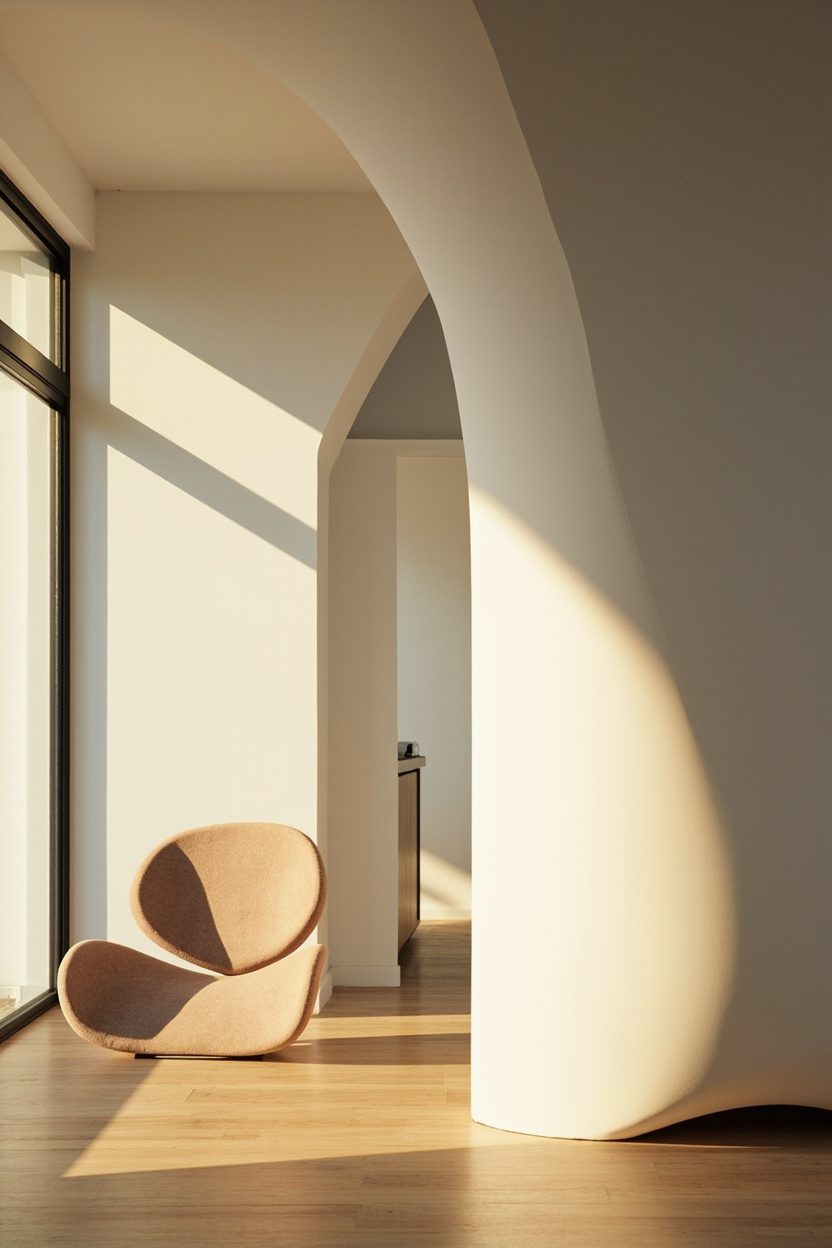
Choose curvy, organic furniture to soften straight architectural lines. A pedestal coffee table, a swooped lounge chair, or a ripple-edge console introduces movement and visual calm.
Let lighting act like art. A plaster dome pendant or a ribbon-like LED sconce creates gentle shadows that elevate walls, aligning with 2026’s love of organic, flowing forms.
Edit surfaces so shapes read clearly. Keep coffee tables 60 percent clear, and allow at least 6 inches of breathing room around sculptural accents for crisp silhouettes.
Balance with texture-rich walls or textiles. Tactile wallpapers and boucle upholstery help the curves feel integrated, echoing reports that walls will “show off” through material-forward finishes.
For heritage envelope charm, pair curves with honest materials referenced in Craftsman Home Plans. Natural wood trim and arched lamps bridge tradition and the new organic mood seamlessly.
Stylist’s Note
Test scale by taping floor footprints and using pillows to fake height before buying. Curves eat more space than rectangles, so confirm traffic flow and sightlines from key seats.
If a big curvy sofa is out of budget, start with a wavy lamp or a scalloped tray. One statement curve can shift the entire room’s energy without overwhelming your layout.
4. Organic Curved Lines
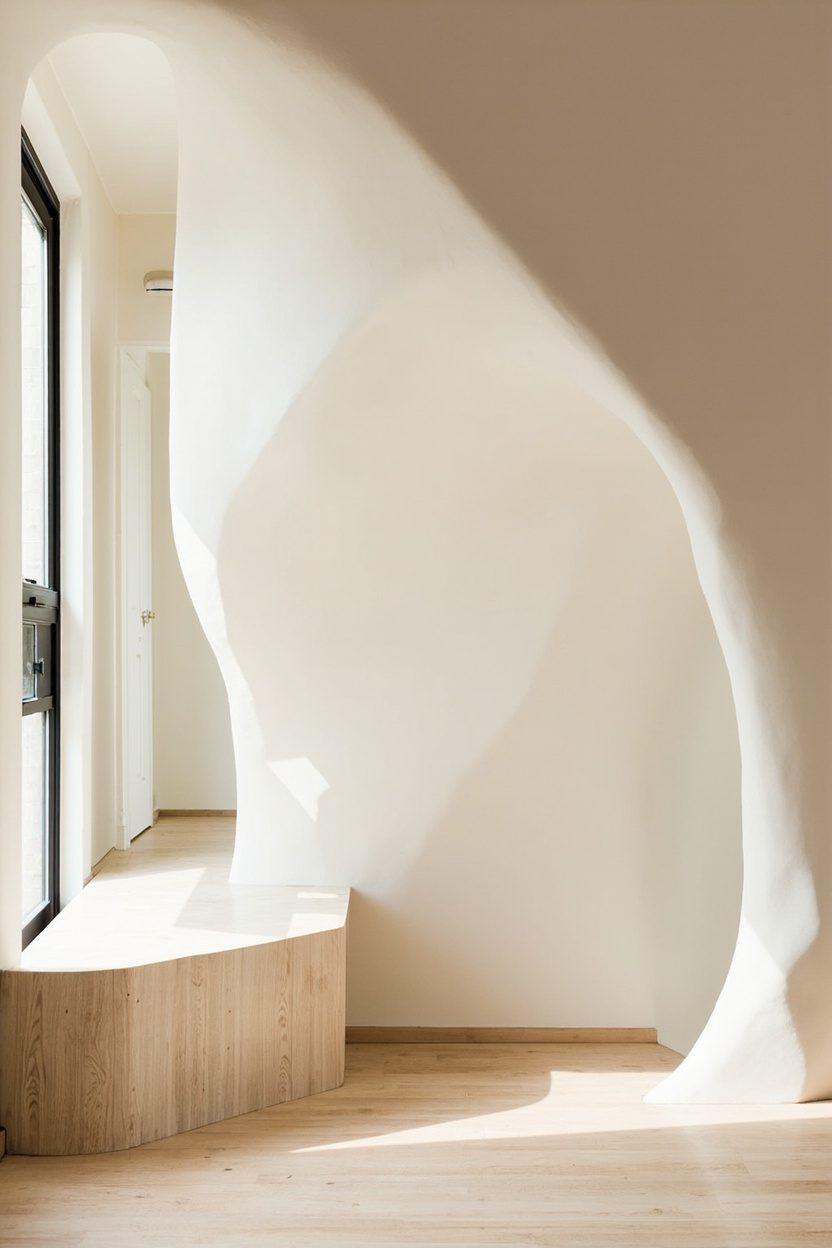
- Effort Level: Weekend DIY.
- Estimated Budget: 200-800.
- Maintenance Level: Low, dust occasionally.
- Best For: Living rooms and entryways.
- What You’ll Need: Flexible drywall or bendable MDF panels, a jigsaw and sanding blocks, paint in a satin finish, curved mounting brackets, or French cleats.
Sculptural silhouettes soften boxy rooms, introducing movement without clutter. Opt for arched wall shelves, scalloped console edges, or a curved entry bench to round off sharp architectural lines.
Choose materials that bend cleanly, like kerf-cut plywood or bendable MDF, then finish in a matte or satin paint to enhance shadows along the curve. Keep hardware minimal for a seamless look.
Color counts here. Warm neutrals like mushroom, clay, and bone keep curves sophisticated, while a single saturated accent, think olive or oxblood, adds modern contrast without stealing focus.
Scale is crucial. A 36 to 48 inch radius reads elegant in standard rooms, while tighter radii can feel novel. Test with painter’s tape arcs on walls before committing to fabricated pieces.
Balance the softness with one crisp element, such as a linear brass sconce or ribbed side table. The tension between organic curves and tailored lines is what makes the room feel designed.
Why This Works?
Designers are leaning into sculptural, organic shapes for 2026 because they calm sightlines and add a gallery note to everyday rooms. A single curved form can do the job of multiple smaller accents.
If you love minimal spaces like those in Japandi interiors, this move complements that ease while adding dimension. A gentle arc paired with natural woods quietly elevates a pared-back palette without fuss.
5. Textured Statement Walls
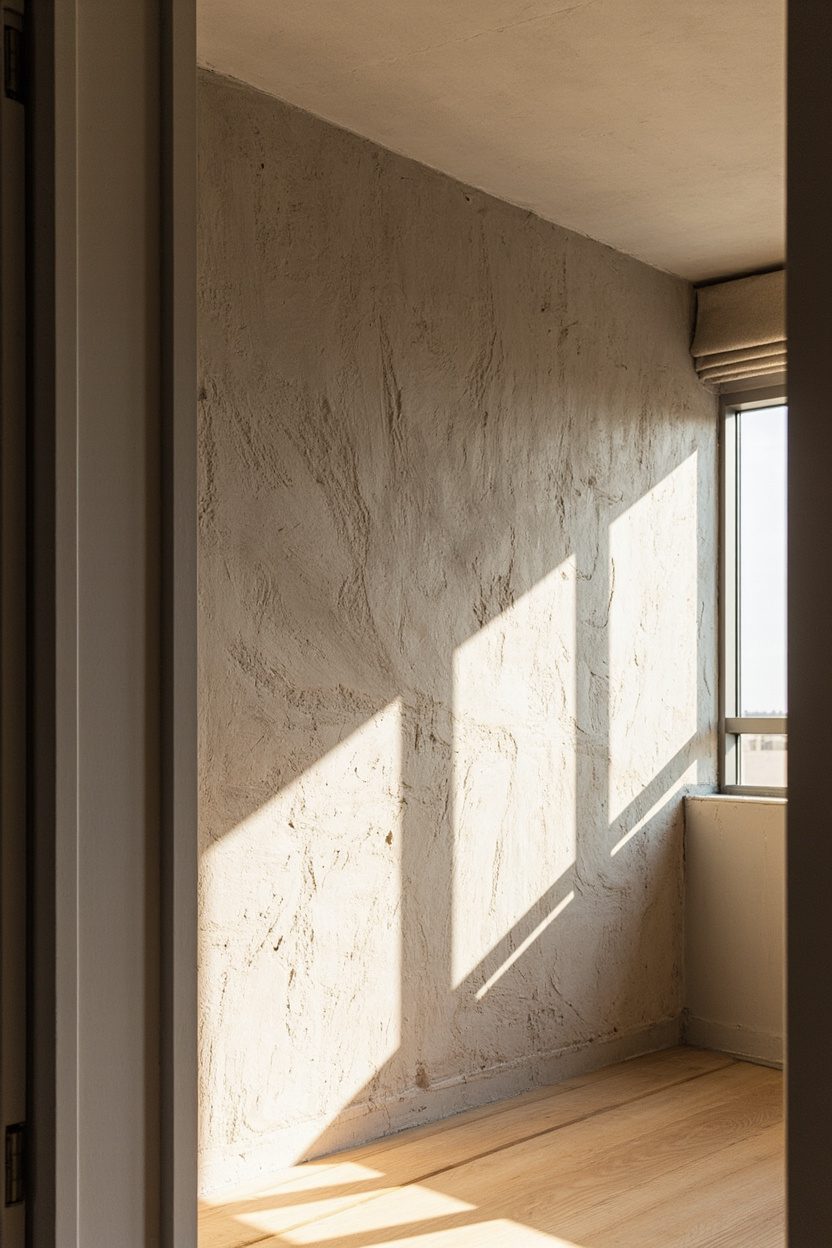
- Effort Level: Weekend DIY.
- Estimated Budget: 150-1,500.
- Maintenance Level: Moderate, dust and occasional touch-ups.
- Best For: Bedrooms and dining rooms.
Bring depth to flat rooms with applied textures, from limewash and plaster to fluted MDF or thin wood slats. A single wall can reshape light and add quiet drama, especially in evening settings.
Select a treatment suited to humidity and wear. Limewash excels in bedrooms and halls, while paintable beadboard or PVC slats handle kitchens and baths where moisture is a factor.
Keep the color soft to showcase texture. Bone, putty, and chalky taupe let shadows perform, while a deep oxford blue or forest green lends cocooning richness without killing detail.
Plan the layout. For slats, hold a consistent 3/8 to 1/2 inch gap and stop at a clean datum line, typically door head height or full height to the crown. Cap edges with slim trim for polish.
When I tried this in my own living room, I learned that inconsistent sanding telegraphed through paint. I made this mistake once and had to reprime, so take ten extra minutes to feather joints perfectly.
6. Material-Inspired Wallpapers
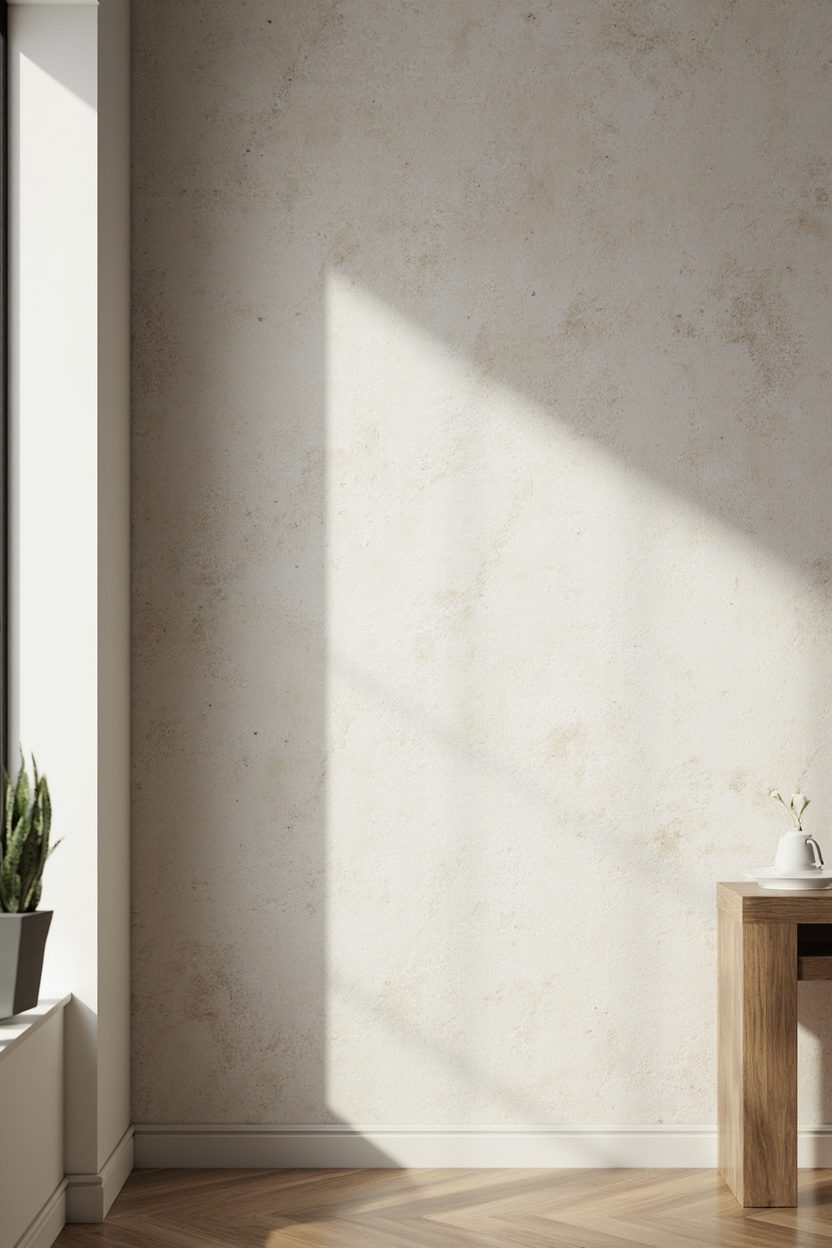
- Effort Level: Weekend DIY.
- Estimated Budget: 120-900.
- Maintenance Level: Low, wipeable vinyl options.
- Best For: Powder rooms and home offices.
Give walls a tactile look with wallpapers that mimic linen, grasscloth, plaster, or wood grain. They add instant sophistication, no contractor required, and align with 2026’s love of materiality.
Decide by room use. Choose vinyl-backed grasscloth lookalikes for durability, or real paperweaves in low-traffic spaces for luxe fiber texture. Sample at least three tones under day and night light.
Edge details matter. Paint outlets to match plate covers, and order 10 percent overage for pattern matching. For faux wood, run the grain vertically to visually heighten ceilings.
Keep furnishings quieter to let the wall read as architecture. Matte black hardware, natural oak, and linen drapery keep things collected, not theme-y, similar to the restraint seen in a thoughtful Farmhouse Interior.
Common mistake to avoid: choosing a pattern scale that fights your room size. Large-scale linen slubs feel rich in bigger rooms, while tight weaves flatter small powder rooms without visual noise.
Before You Buy
Order peel-and-stick samples first, then live with them for a week. Light will shift, and you will quickly learn whether the undertone skews green, pink, or yellow, which can skew flooring and upholstery.
If you are nervous about seams, start on a wall without doors or windows. It is the easiest run for beginners, and a smooth finish will build confidence for bolder corners and alcoves next weekend.
7. Mixed Wood Tones
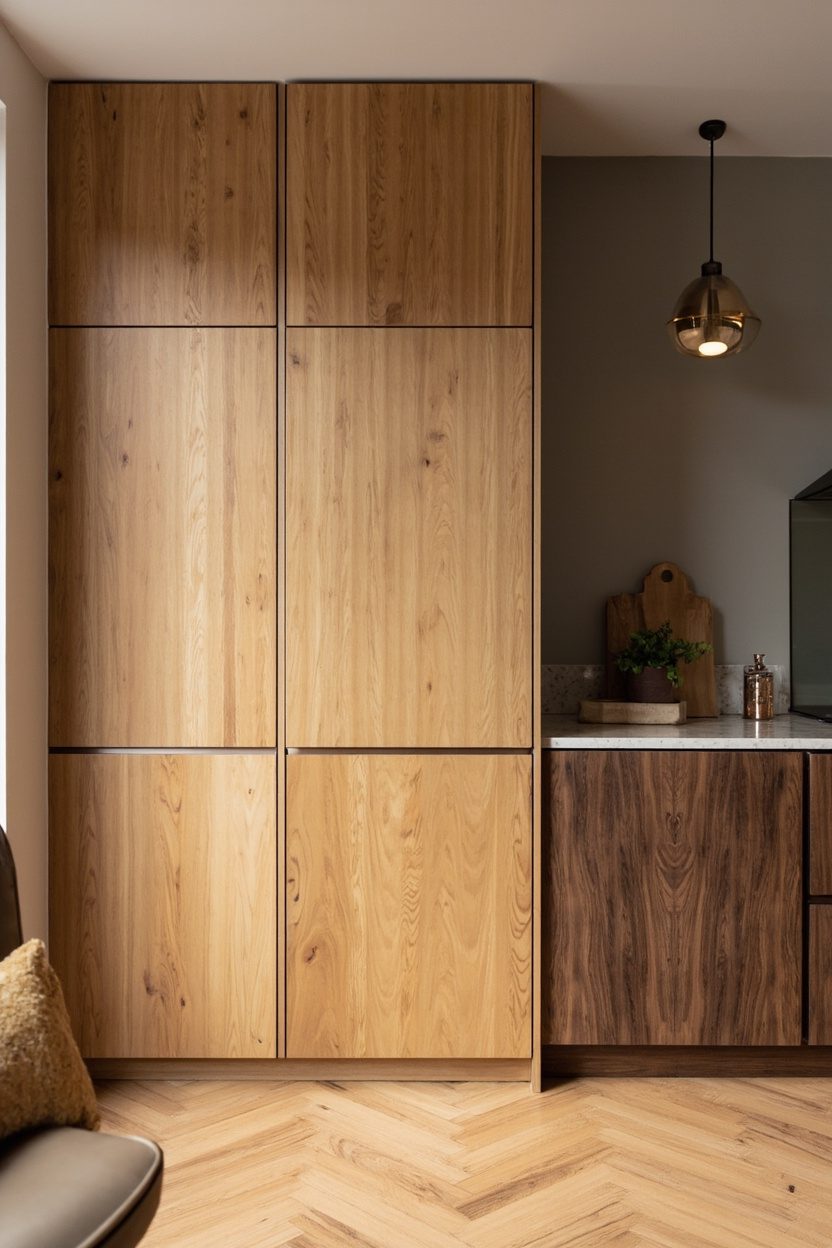
- Effort Level: Weekend DIY.
- Estimated Budget: 200-800.
- Maintenance Level: Low, occasional oil or polish.
- Best For: Living rooms and dining zones.
Blend at least three species, like white oak floors, a walnut coffee table, and ash or maple shelving, for a layered, collected look that still feels calm. Keep undertones aligned, either all warm or all cool, to avoid visual noise.
Repeat one dominant tone across big planes, typically flooring or cabinetry, then sprinkle a darker contrast in two or three smaller hits. This anchors the palette while giving your eye places to land.
Match the sheen, not just the color. Pair matte to matte, satin to satin, so mixed grains read intentional rather than haphazard. A quick rubdown with furniture wax can unify luster across older pieces.
Mind scale and proportion. Go chunkier on one hero piece, like a Parsons dining table, then lighten up with slim wood chair frames and a narrow picture ledge for balance.
If your home leans rustic, referencing an Old Farmhouse vibe, introduce a refined walnut or rift-cut oak to modernize without losing soul. Urban spaces can soften with a reclaimed beam mantle for textural contrast.
Stylist’s Note
Pull your woods together with a bridge element, like a cane or leather seat that shares undertones with both light and dark pieces. A single striped rug with beige and espresso threads can also knit mismatched tones into one story.
Before buying, bring home sample blocks and photograph them in morning and evening light. What looks cohesive in a store can skew red or gray at home, and undertone drift is the most common mixed-wood mistake.
8. Matte Black Fixtures
- Effort Level: Weekend DIY.
- Estimated Budget: 150-1,200.
- Maintenance Level: Low, wipe with microfiber.
- Best For: Kitchens and baths.
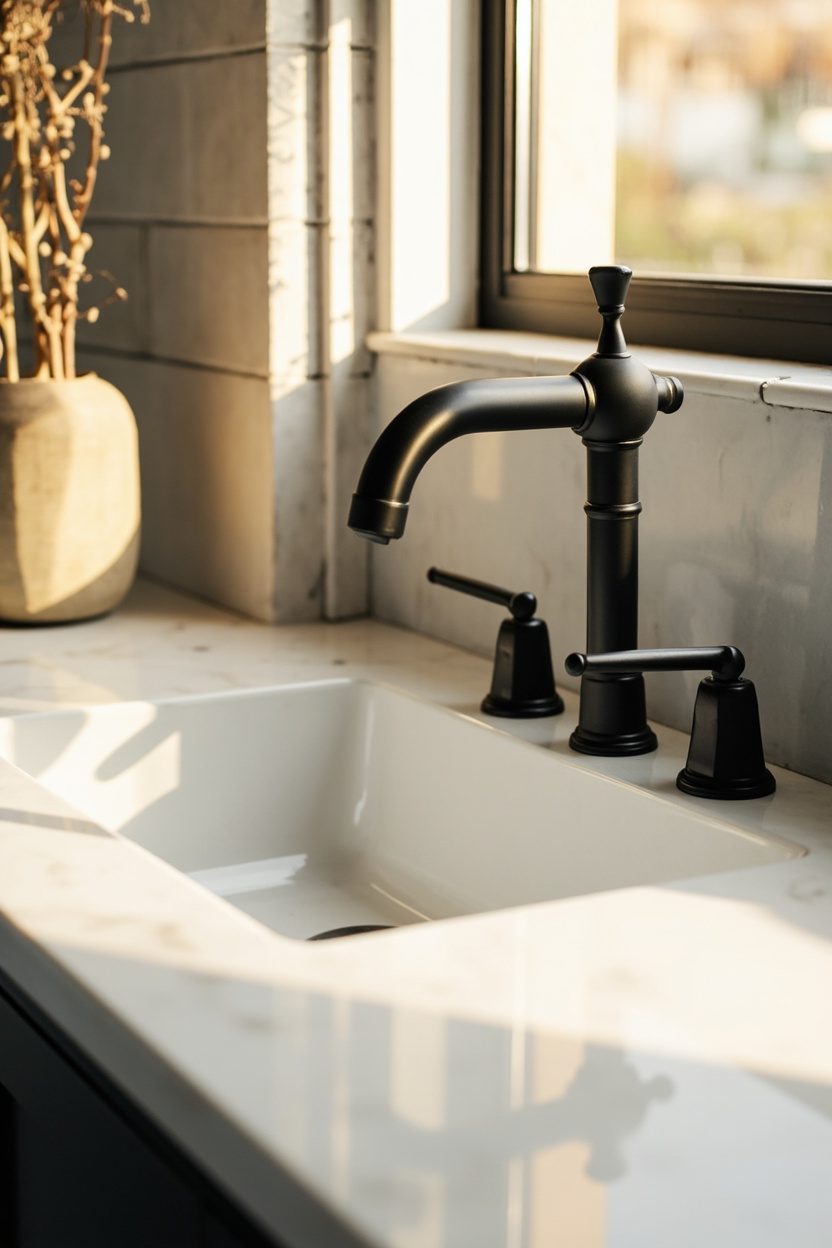
Swap dated chrome for powder-coated matte black in faucets, pulls, and door levers to add crisp contrast. It frames surfaces the way eyeliner defines eyes, especially on pale stone or oak cabinetry.
Choose consistent geometry across pieces. Pair a cylindrical faucet with rounded knobs, or a square gooseneck with bar pulls. Mixed shapes can read busy against matte finishes.
Go quality on touch points. Cheaper coatings can chip at set screws or edges. Look for PVD or e-coat finishes that resist fingerprints and hard-water marks.
Balance the black with warm textures. A butcher block board, linen hand towels, or travertine accessories keep the look grounded, aligning with 2026’s softer, more organic silhouette trend.
If your architecture skews handcrafted, tie the look to the bones using ideas from Craftsman Home Plans, like squared backplates or exposed fasteners that nod to joinery tradition.
Splurge vs. Save
- Save: Update cabinet hardware and a powder-room faucet first, plus a pair of black sconces. These are quick swaps that create high-contrast punctuation without touching plumbing rough-ins or tile.
- Splurge: Invest in a kitchen faucet with a ceramic disc valve and PVD finish, a matching filtered-water tap, and a full suite of shower fittings. Coordinated valves and trims guarantee a perfect color match and better long-term performance.
9. Warm Minimalist Palette
- Effort Level: Paint-and-style weekend.
- Estimated Budget: 300-1,000.
- Maintenance Level: Low, dust and spot clean.
- Best For: Open-plan living.
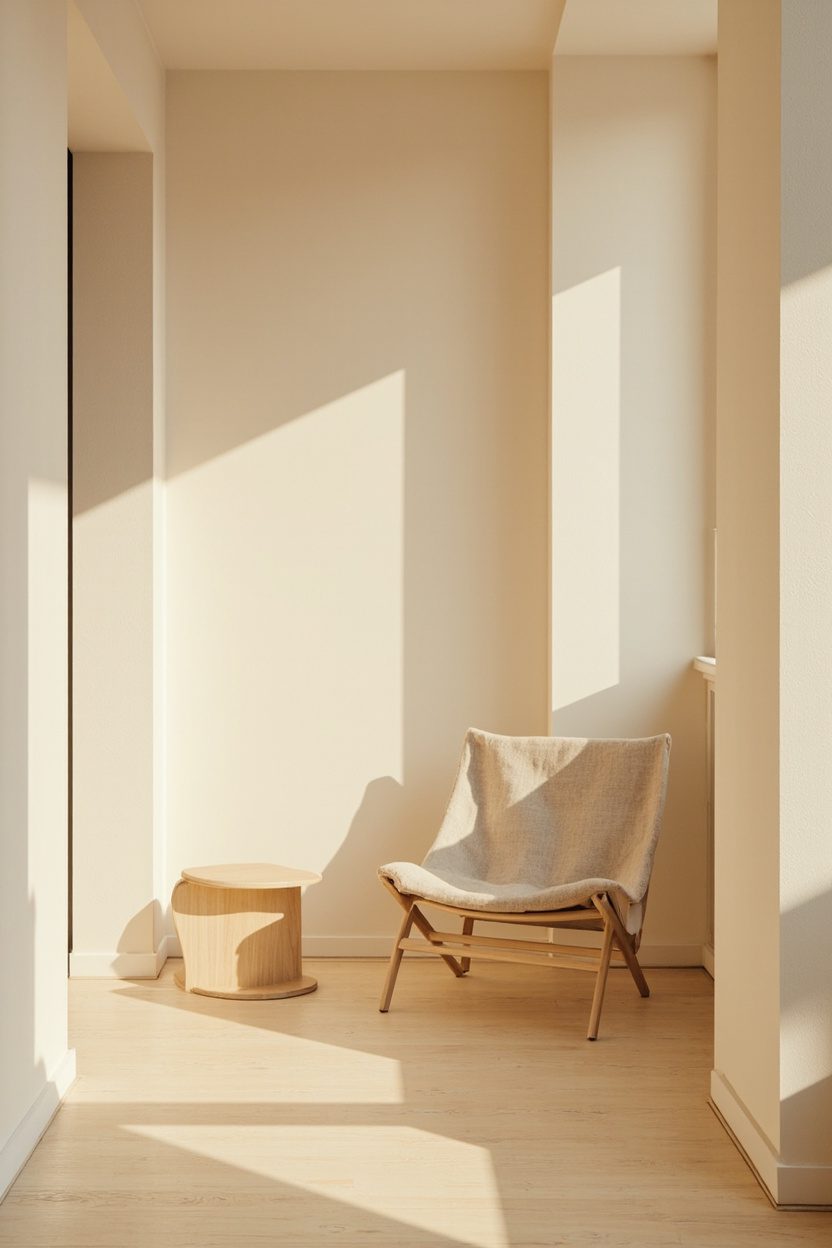
Keep lines simple, but shift the temperature to creamy whites, beige, and soft clay. This is minimalism that invites, not intimidates, perfect with sculptural forms rising in the 2026 trends.
Establish a 60-30-10 formula. Sixty percent warm white walls, thirty percent oatmeal textiles, ten percent rust or caramel accents, like a throw or art mat, for gentle depth.
Prioritize tactile variety over pattern. Bouclé, nubby linen, and honed travertine create richness while preserving calm. Choose eggshell paint on walls and a matte seal on stone for quiet light bounce.
Limit black to outlining moments, like a thin metal frame or lamp stem, to keep warmth dominant. Oversized art with soft edges feels curated, not cluttered.
If you love blended styles, fold in a low-profile bench or pale oak console that nods to Japandi Interiors, maintaining serenity while adding craftsmanship.
Make It Your Own
Test three paint chips on the largest wall, one shade creamier and one grayer than your favorite. Warm whites shift fast with daylight, and the right undertone prevents your room from reading pink or green.
Edit accessories to a tray or two, then scale up essentials. One large ceramic table lamp beats three tiny decor objects. Fewer, bigger pieces keep the room restful while still feeling richly layered.
10. Artisanal Lighting
- Effort Level: Weekend DIY.
- Estimated Budget: 200-1,200.
- Maintenance Level: Low, occasional dusting.
- Best For: Dining rooms, entryways, and living areas.
What You’ll Need:
- A statement pendant or sconce, dimmable LED bulbs, a canopy kit or hardwire conversion, ceiling anchors, and a stud finder.
- Wire strippers, a voltage tester, and a compact ladder for safe installation.
- Cord concealer or chain sleeve to tidy exposed runs.
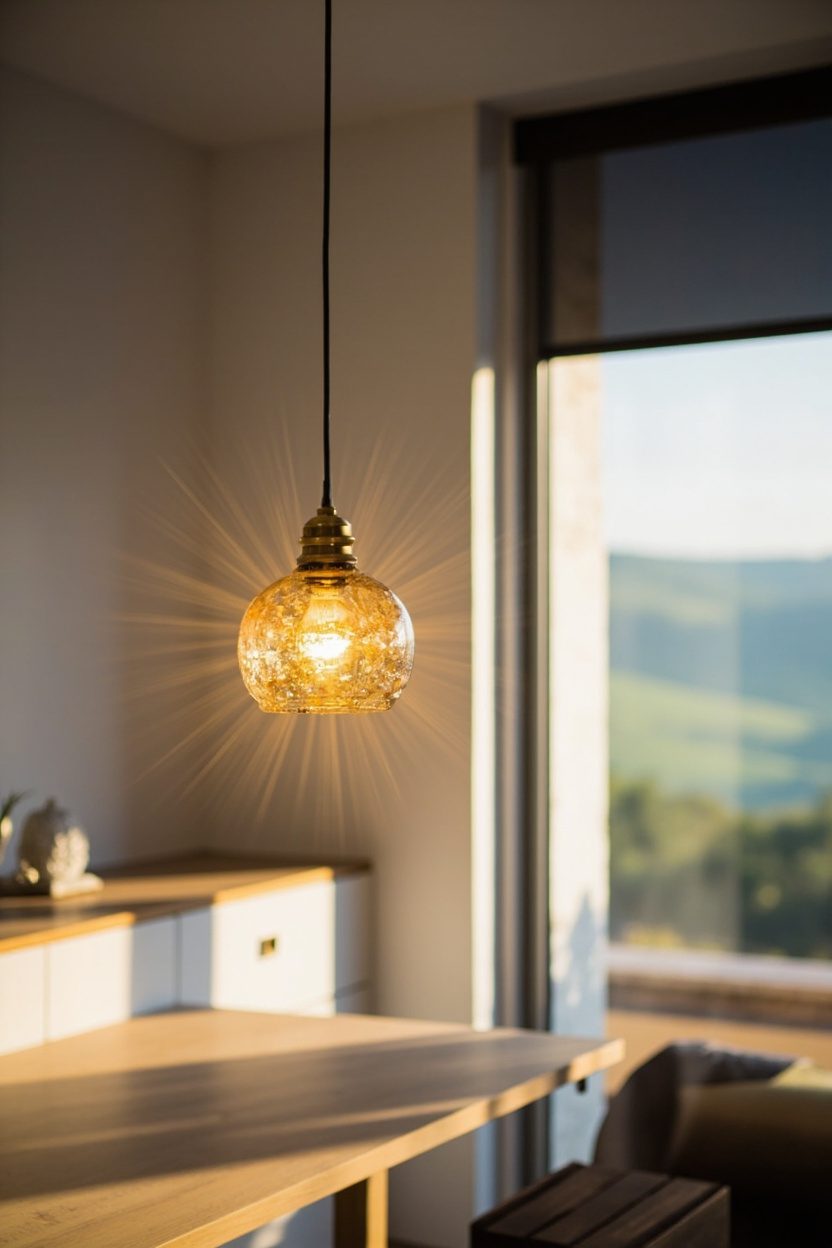
Opt for hand-blown glass, patinated brass, or carved wood shades to introduce character that mass lighting often misses. Favor irregular silhouettes that nod to 2026’s sculptural trend without feeling trendy.
Scale matters, so size pendants to roughly two-thirds the width of your table or island. For rooms with eight-foot ceilings, keep the bottom of a fixture about 30 to 34 inches above a dining surface.
Choose a warm 2700K to 3000K LED to flatter finishes and skin tones. High CRI bulbs, 90 or above, keep color true on art, textiles, and painted walls.
Mix finishes confidently, pairing blackened metal with natural linen or tumbled brass with smoky glass. This aligns with the move toward collected interiors over coordinated sets highlighted in the 2026 reports.
Stylist’s Note
If your ceiling junction is off-center, use a swag hook to position the pendant perfectly over a table. A woven cord sleeve makes the reroute look intentional, like a Parisian apartment detail.
Design-wise, balance sculptural lights with quieter furniture. If your fixture curves and twists, let the table be simple and grounded, similar to the calm of Japandi principles you might love in Japandi Interiors.
11. Plaster and Limewash
- Effort Level: Weekend DIY.
- Estimated Budget: 150-800.
- Maintenance Level: Low, occasional touch-ups.
- Best For: Bedrooms, living rooms, fireplaces.
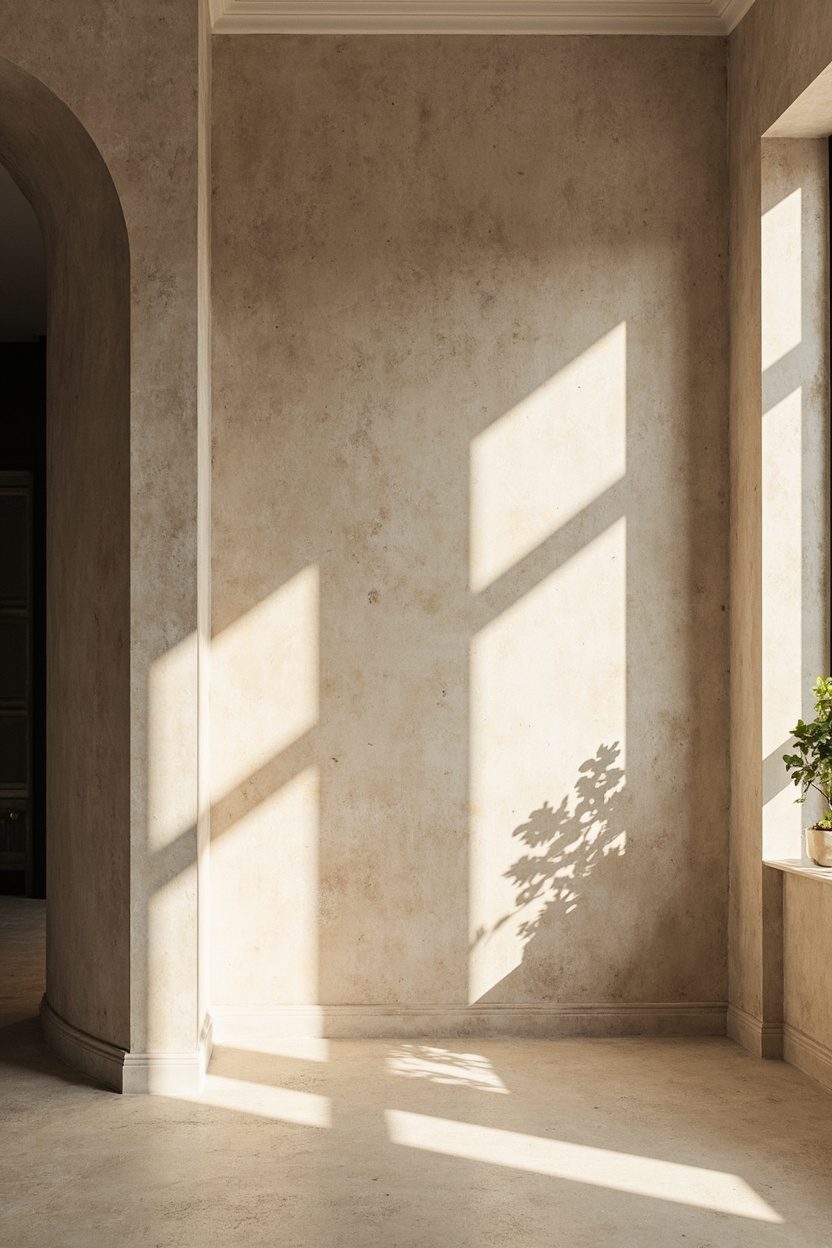
Limewash softens sharp drywall with tonal variation and a mineral matte finish. Choose warm putty, clay, or soft stone hues to create depth without pattern.
For higher impact, microcement or traditional plaster adds subtle movement and a tactile feel. A medium trowel polish catches light beautifully, especially on curved corners and columns.
Test two sheen levels in daylight and evening lamps. A too glossy seal can read plastic, while a dead flat can scuff, so find the sweet spot for your space.
The Golden Rule Here
Work wet on wet, in X strokes, maintaining a live edge. Stopping mid-wall creates lap lines you will never unsee, so plan sections you can finish before the product flashes.
Prime with a mineral-friendly base and tint your undercoat close to the top color. That way, minor nicks disappear, and the overall wall reads like stone rather than paint.
12. Bold Stone Veining
- Effort Level: Pro install recommended.
- Estimated Budget: 1,500-9,000.
- Maintenance Level: Medium, seal yearly.
- Best For: Kitchens, baths, fireplace surrounds.
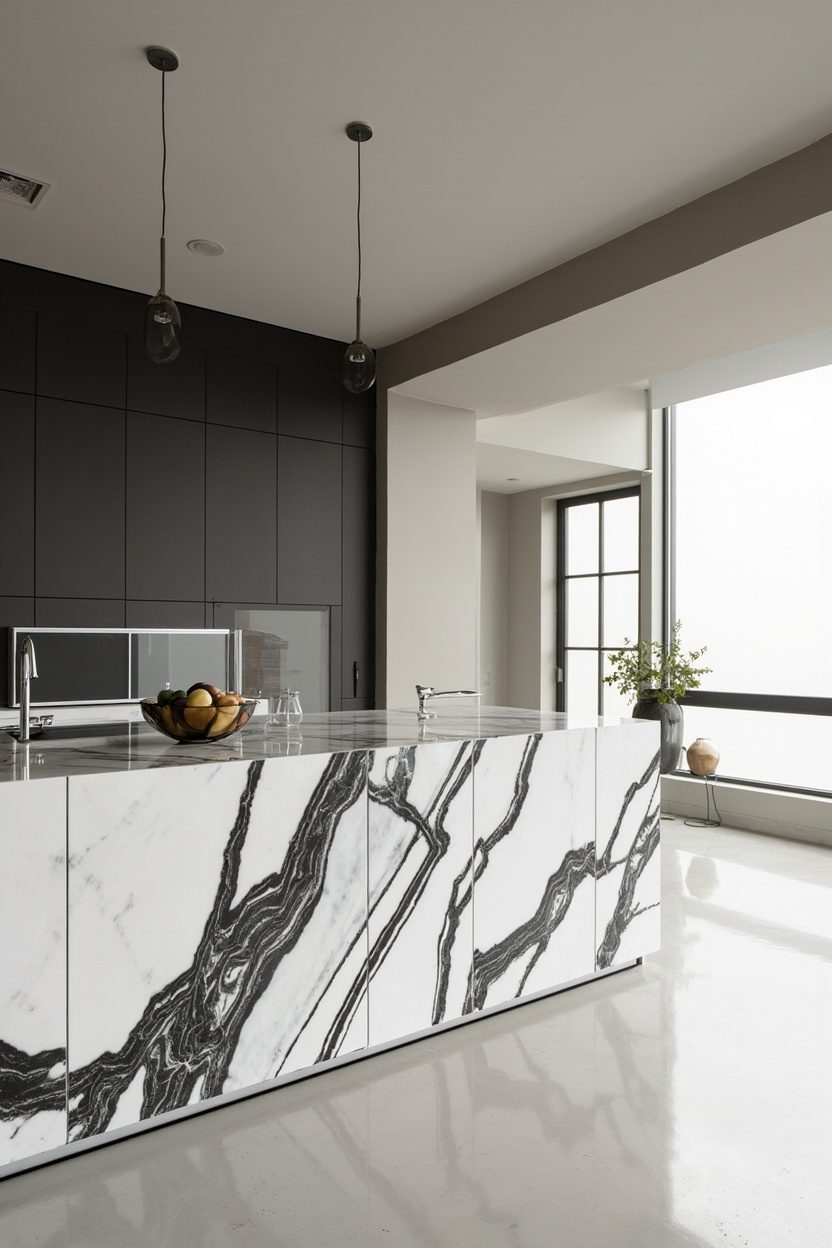
Lean into expressive veining with Calacatta, Arabescato, or dramatic quartz lookalikes. Large format slabs minimize seams, letting the pattern flow like art across counters and splash.
Bookmatch for symmetry behind a range or vanity. The mirrored effect feels editorial, especially where lighting grazes the surface to heighten contrast.
Mind undertones so the stone harmonizes with cabinet finishes. Warm cream veining sings with natural oak, while cool gray networks suit painted graphite or deep green.
Budget-wise, pair a hero slab on the island with more modest perimeters. It keeps costs in check without compromising that gallery-like focal point.
Real Talk Warning: I once chose a stone for its dramatic movement, then forgot about the sink cutout. The best part of the vein vanished. Template with tape on the slab so the showpiece lands where eyes fall.
Before You Buy
Visit the slab yard and tag the exact pieces, not just the bundle. Veining varies wildly, and lighting in person tells you if the gray reads stormy or taupe in your home.
Ask for a dry lay or digital vein match plan. Confirm how seams align, where outlets interrupt pattern, and whether a mitered edge or eased profile best preserves your stone’s drama while standing up to daily life.
13. Layered Natural Textiles
- Effort Level: Weekend DIY.
- Estimated Budget: 100-500.
- Maintenance Level: Low (Wipe clean).
- Best For: Small, low-light spaces.
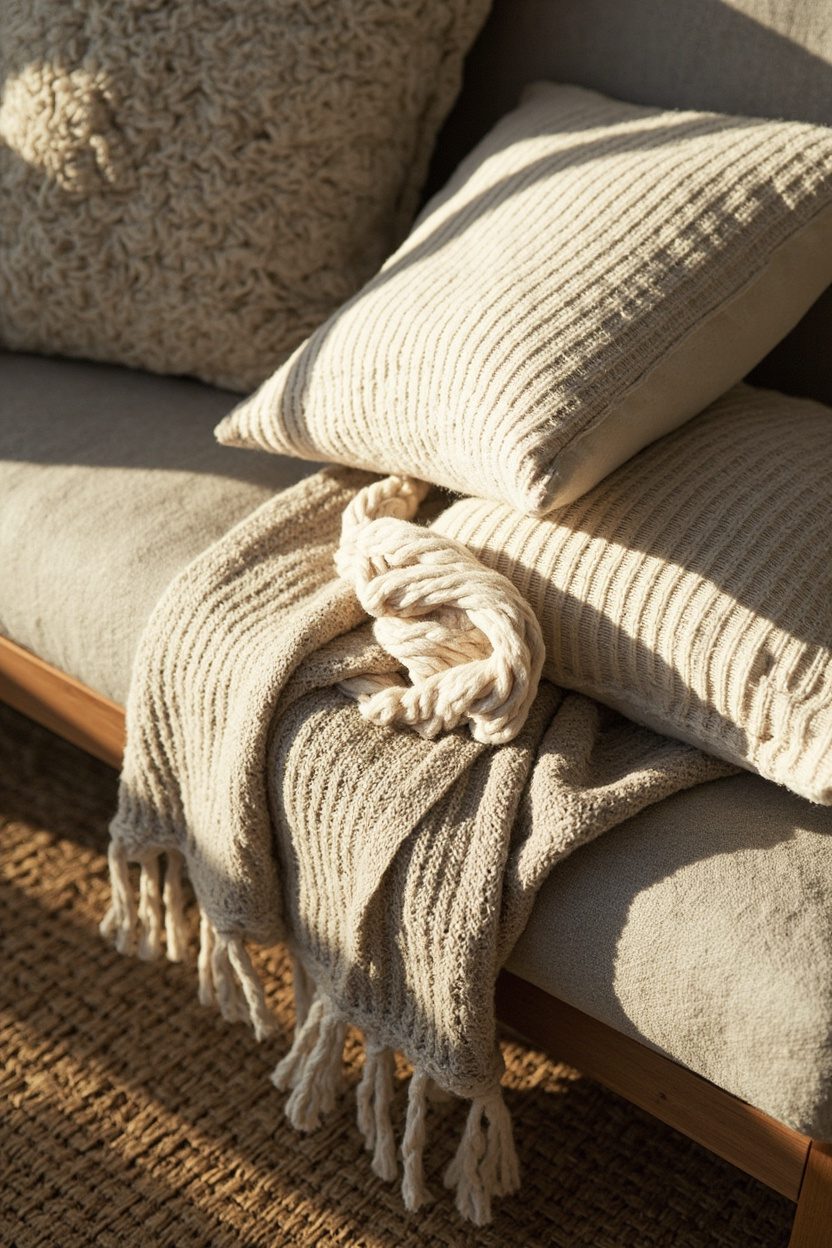
Mix linen, cotton, wool, and jute to soften modern lines and add depth without visual clutter. Start with a neutral base rug, then stack airy throws and tactile cushions for quiet richness.
Choose a color story of warm oat, clay, and stone, then punctuate with one accent like olive or indigo. Keep patterns subtle, using thin stripes or a slub weave to maintain calm restraint.
Mind scale by pairing a chunky knit throw with finer herringbone pillows. Vary the texture weight every layer, from heavy to light, to avoid a flat, bundled look on sofas and beds.
Prioritize materials with visible weave like linen and bouclé for movement that reads modern, not rustic. Avoid shiny synthetics that catch light harshly and can cheapen the composition.
Place textiles where touch matters most, like a lumbar pillow at the lower back or a wool runner by the sink. Budget wisely, investing in the primary rug and opting for affordable pillow covers.
Stylist’s Note
If your room leans sleek, layered textiles are the shortcut to warmth without sacrificing clean lines. Keep edges tailored, choose knife-edge cushions, and let the texture do the talking rather than ornate trim.
For style direction, look to serene blends seen in Japandi-minded spaces, similar to the vibe in Japandi Interiors. One tactile hero, like a nubby wool rug, anchors every other soft layer you add.
FAQ
Aim for three to five distinct textures, balancing one chunky element with finer weaves and a smooth anchor. This keeps the look intentional, not busy, while giving your eye a satisfying rhythm across the space.
Stick to a grounded neutral base like oat, taupe, or gray, then add a single accent such as rust, forest, or indigo. Repeating that accent twice in the room makes the palette feel cohesive and elevated.
Yes, choose durable covers like performance linen, cotton canvas, or washable wool blends. Opt for zip-off pillowcases and machine-washable throws so maintenance is quick, and place higher-end pieces out of high-traffic zones.
Invest in the largest surface first, typically a wool or wool blend area rug, then layer affordable pillow covers and a versatile throw. Rotate accent textiles seasonally to keep the room feeling fresh without replacing big items.