


If you’re searching for “low deck materials,” you want long-lasting boards that stand up to moisture, insects, and yard splash without constant upkeep.
This guide focuses on materials and planning choices tailored to ground-level decks, where contact with soil and trapped moisture raise durability concerns.
You’ll get practical criteria, quick comparisons, and site-based decisions to reduce future repair work.
Read on for moisture-resistance picks, foundation options that prevent rot, and a clear performance comparison between composite, PVC, and treated wood.
- Best Low-Deck Materials for Moisture Resistance
- Planning Your Low Deck: Site and Foundation Choices
- Composite vs PVC vs Treated Wood: Performance Comparison
- Designing Clean, Geometric Low-Profile Decks
- Color and Finish Selection to Match Architecture
- Installation Tips for Low-Maintenance Decking
- Common Low-Deck Mistakes to Avoid
- Long-Term Care and Optimization Strategies
- FAQ
- Final Thoughts
Best Low-Deck Materials for Moisture Resistance
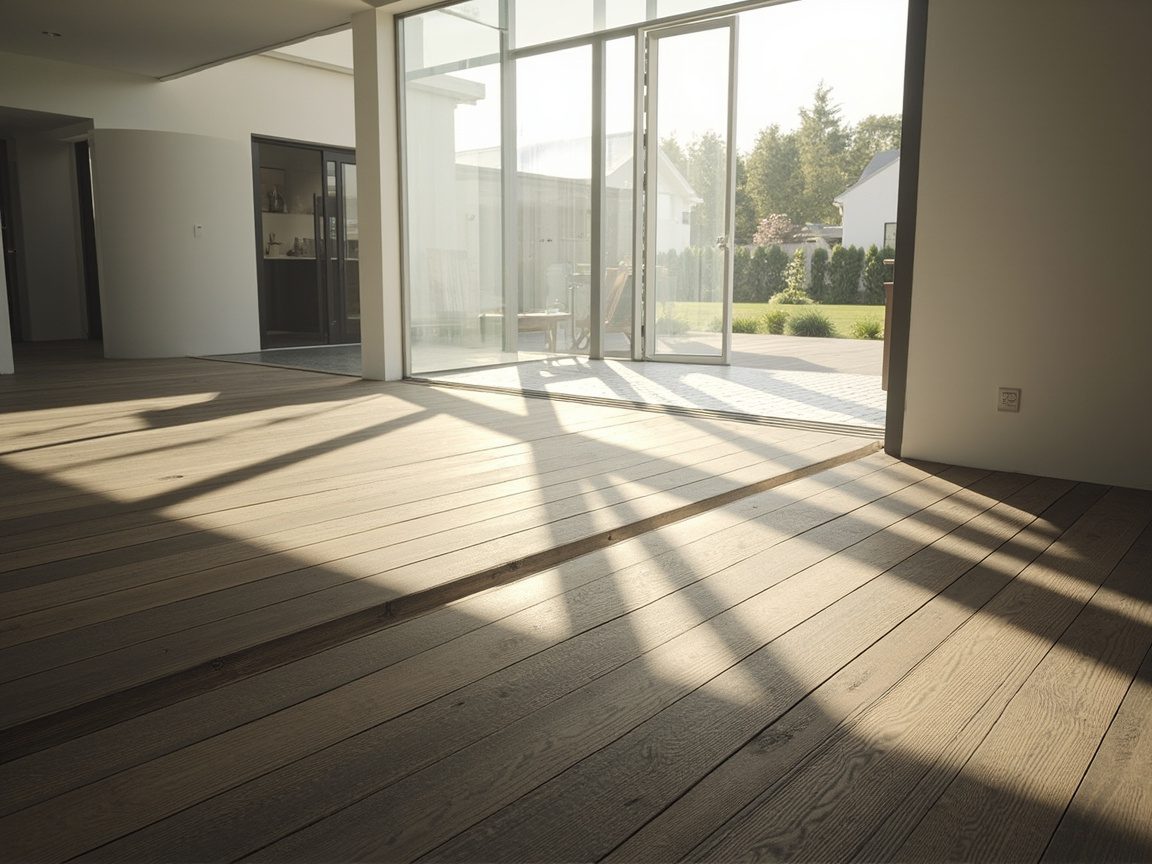
Choose materials rated for ground contact and with proven moisture-shedding or non-porous properties.
Prioritize products that explicitly state resistance to rot, mold, and insect damage, and check manufacturer warranties for ground-level use.
- Composite decking: Look for capped composites with a dense composite core and a protective outer layer, specified for ground-level installation. Criteria: Class 1 or high-density core, UV-stable cap, and a minimum 25-year limited fade/defect warranty.
- PVC decking: Fully synthetic, non-porous boards resist moisture and mold well. Criteria: Cellular or solid PVC with reinforced core, ASTM or equivalent performance ratings, and strong slip resistance for wet conditions.
- Pressure-treated wood (ground-contact rated): Economical and traditional, but requires correct species and preservative levels for ground contact. Criteria: Ground-contact treatment label (UC4A/UC4B/UC4C or local equivalent), use of rot-resistant species if possible, and oil- or clear-penetrating sealers applied after installation.
- Thermally modified wood or engineered hardwoods: Improved stability and rot resistance versus untreated wood, but confirm local supplier testing for wet climates. Criteria: Proven T/R values, manufacturer guidance for ground proximity, and topping with a breathable finish.
Practical checks before purchase:
- Request technical data sheets and warranty specifics for “ground-level” or “ground-contact” use.
- Ask for sample boards to test water absorption and surface texture under local climate conditions.
- Prefer materials with integrated drainage or open-vented installation options to avoid trapped moisture.
Planning Your Low Deck: Site and Foundation Choices
Site assessment drives foundation decisions. Ground-level decks need drainage, airflow, and barriers to separate wood or composite from wet soil.
- Grade and drainage: Ensure soil slopes away from the house, and add a gravel perimeter or French drain where water pools. Criterion: at least 2% grade away from structures, or engineered drain if slope cannot be achieved.
- Ventilation and clearance: Provide 6 inches or more of clearance under the deck where possible, or use ventilated skirting and gaps between boards to promote airflow. Criterion: continuous airflow prevents moisture buildup and mold.
- Foundation options: .
- Concrete piers or pads: Best for permanence, use poured footings or precast pads on compacted gravel. Criterion: frost depth where relevant, and sealed tops to prevent wicking.
- Deck blocks on compacted gravel: Cost-effective and acceptable for small ground-level decks, but limit contact points and use a geotextile weed barrier. Criterion: only for decks not supporting heavy loads, and placed on 4–6 inches of compacted crushed stone.
- Adjustable pedestals over gravel: Useful for minor grading issues and allow drainage channels under decking. Criterion: choose UV-stable pedestals rated for exterior use and local load requirements.
- Moisture barriers and ground separation: Install 6-mil polyethylene, landscape fabric with gravel, or a capillary-breaking layer beneath joists and sleepers. Criterion: barrier must be breathable or have drainage provision; avoid trapping water against pressure-treated wood.
Permits and inspection: Confirm local codes for footing depth, joist spacing, and allowable materials near grade.
Practical step: bring product specs to the building department to verify approval before ordering materials.
Composite vs PVC vs Treated Wood: Performance Comparison
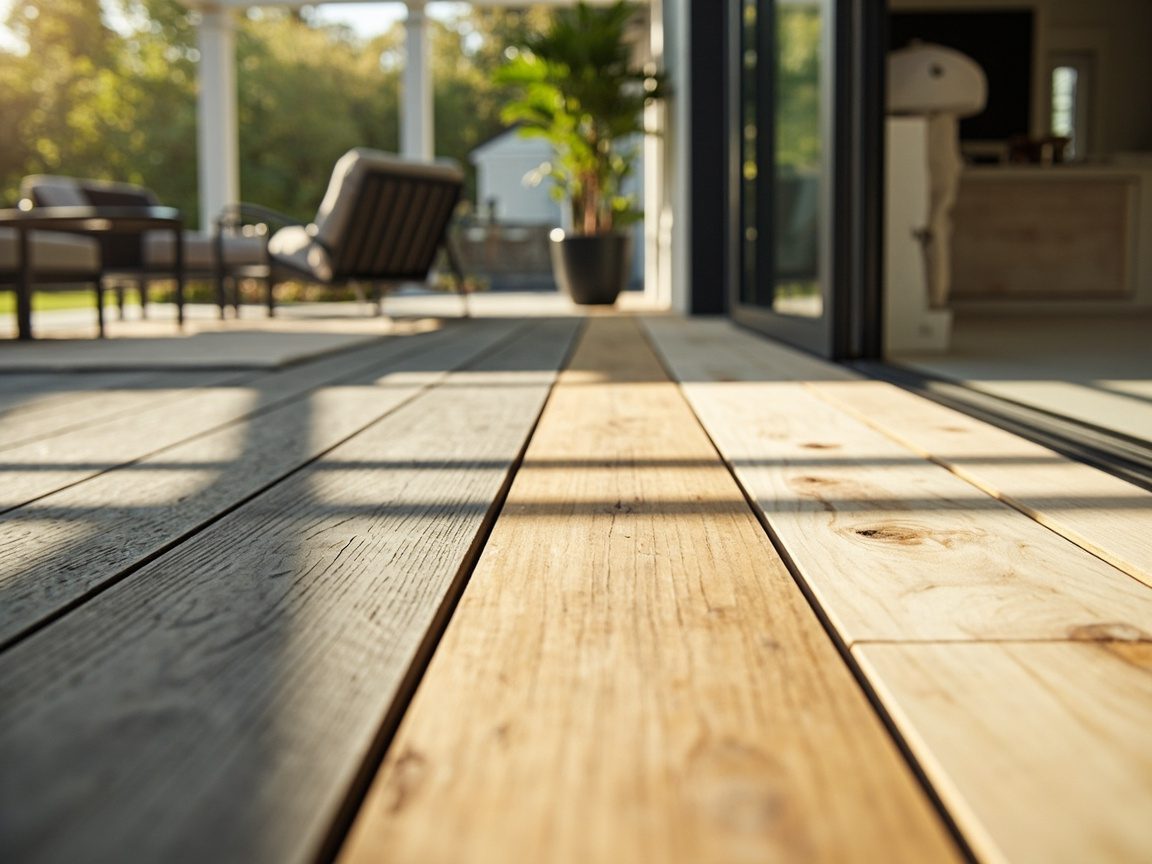
Compare these three by moisture resistance, maintenance, cost, and lifespan to match budget and site conditions.
Moisture resistance
- Composite: High resistance if capped, but can retain moisture in gaps; choose ventilated installations. Example: capped composite resists mold on the surface, but ensures underside drainage.
- PVC: Best moisture resistance, non-absorbent, minimal mold risk. Example: ideal for splash zones and coastal sites.
- Treated wood: Depends on treatment and species; still susceptible to long-term decay if in constant contact with wet soil.
Maintenance
- Composite: Occasional cleaning, low sanding or sealing needs; occasional mold treatment in shaded, damp spots.
- PVC: Lowest maintenance, soap and water cleaning only.
- Treated wood: Regular staining or sealing every 2–4 years in moist climates, and more frequent inspections.
Cost and lifecycle
- Upfront: treated wood typically lowest, composite mid, PVC highest.
- Lifecycle cost: composite and PVC often lower due to reduced maintenance; check warranty lengths and expected fade/wear.
Structural and aesthetic considerations
- Composite: wide range of colors and textures, good dimensional stability.
- PVC: can look synthetic, limited warmth compared with wood; choose textured finishes to reduce plastic appearance.
- Treated wood: natural look, can be refinished, but requires skilled installation to allow drying and prevent fastener corrosion.
Actionable selection rule:
- For constant ground contact or splash exposure, choose PVC or a capped composite specified for ground-level use. If the budget is strict and the site is well-drained with proper barriers, pressure-treated ground-contact wood is acceptable with routine sealing.
- Always pair any deck material with a drainage plan, proper clearance, and a ground barrier to maximize longevity.
Designing Clean, Geometric Low-Profile Decks
A ground-level deck benefits from a restrained, geometric approach, which emphasizes form and flow while minimizing visual clutter.
Aim for simple rectangles, aligned boards, and consistent edge treatments to create a calm foreground that reads as an extension of the house.
- Scale and proportion: keep the deck width at least 3 times the height of adjacent steps or planting beds, so the plane reads as a terrace rather than a tight walkway.
- Board direction: run deck boards parallel to the house for a seamless, elongating effect, or perpendicular in narrow yards to widen the perception of space.
- Hidden fasteners and trim: Use concealed clips and integrated fascia for uninterrupted sightlines and fewer shadow lines.
- Integrated seating and planters: design built-in benches and linear planters with the same material or coordinated tones to maintain geometric unity.
- Transitions: keep thresholds low, use flush edges where possible, and align deck grid lines with major thresholds or landscape axes for visual continuity.
Color and Finish Selection to Match Architecture
Choose a palette that complements your home’s façade and the surrounding landscape, rather than competing with them.
Neutral or slightly warm tones typically read as cohesive, while dark charcoals can anchor modern structures, and light grays suit coastal or cottage styles.
- Match undertones: compare deck samples to exterior trim in natural light, checking for warm or cool undertones to avoid clashes.
- Contrast strategy: use a 10–30% contrast between deck and siding to delineate the outdoor room without overpowering the house.
- Finish sheen: select low to medium sheen finishes to hide scratches and reduce glare; matte finishes look more integrated with natural material palettes.
- Fade resistance: for composite or capped materials, choose products with proven UV stabilizers, and request manufacturer colorfastness data.
- Sample testing: install a 2 x 2 foot mock-up on-site for several weeks to observe weathering and how the color reads at different times of day.
Installation Tips for Low-Maintenance Decking
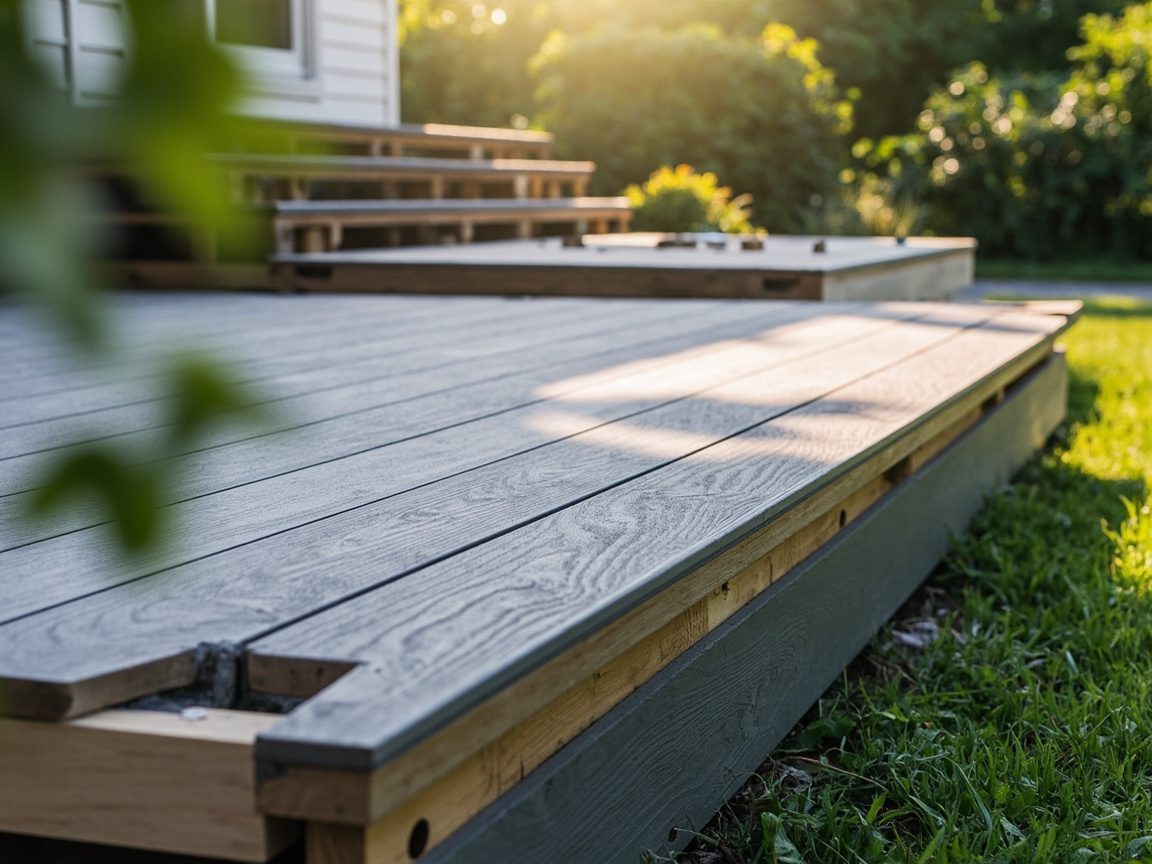
Correct installation is crucial to realizing the low-maintenance promise of modern decking materials. Follow manufacturer specifications closely, and plan details that prevent water pooling and allow ventilation.
- Subframe and ventilation: use corrosion-resistant joists, maintain 1/4 inch per foot slope for drainage where appropriate, and allow 1–2 inches of air gap under the deck for airflow.
- Fasteners and spacing: Use recommended hidden-clip systems or stainless steel screws; adhere to specified board spacing to allow thermal expansion and drainage.
- Edge and end-grain protection: cap exposed board edges when possible, seal cut ends on composite boards per manufacturer instructions to prevent moisture ingress.
- Attachment to structure: flash ledger connections properly, and avoid direct wood-to-masonry contact; use adjustable pedestals for uneven ground to keep the deck above grade.
- Finish details: route joints for consistent gaps, butt boards on a support to prevent sag, and plan for access panels to allow future under-deck inspections.
- Inspection and warranty compliance: document installation steps with photos, keep receipts and warranty registrations, and schedule a post-installation walkthrough with the supplier to confirm warranty terms.
Common Low-Deck Mistakes to Avoid
Low-level decks can feel simple, yet small missteps create big problems. Below are the most frequent errors and how to prevent them with concrete criteria.
- Poor drainage planning, causing rot and pooling: slope the deck away from the house at 1/8 to 1/4 inch per foot, and provide gaps or drainage channels between boards.
- Choosing the wrong material for moisture exposure: for wet climates, prioritize capped composite or tropical hardwoods with proven decay resistance, rated for ground contact when relevant.
- Undersized footings and supports: size posts and piers to local code and soil type, typically 12–18 inches below the frost line or use surface-mounted adjustable pedestals when code allows.
- Ignoring ventilation under the deck: keep at least 6–12 inches of clearance where possible, and avoid enclosing the underside without proper vents to reduce moisture buildup and pests.
- Using hidden fasteners in high-moisture spots without corrosion resistance: specify stainless steel or hot-dipped galvanized fasteners compatible with your decking material.
- Overlooking transition details at doors and thresholds: install a water-shedding threshold and ensure deck height clears door swing and flashing for a watertight junction.
- Skipping a maintenance plan: even low-maintenance materials benefit from seasonal checks for movement, staining, and fastener integrity—schedule inspections twice a year.
Long-Term Care and Optimization Strategies
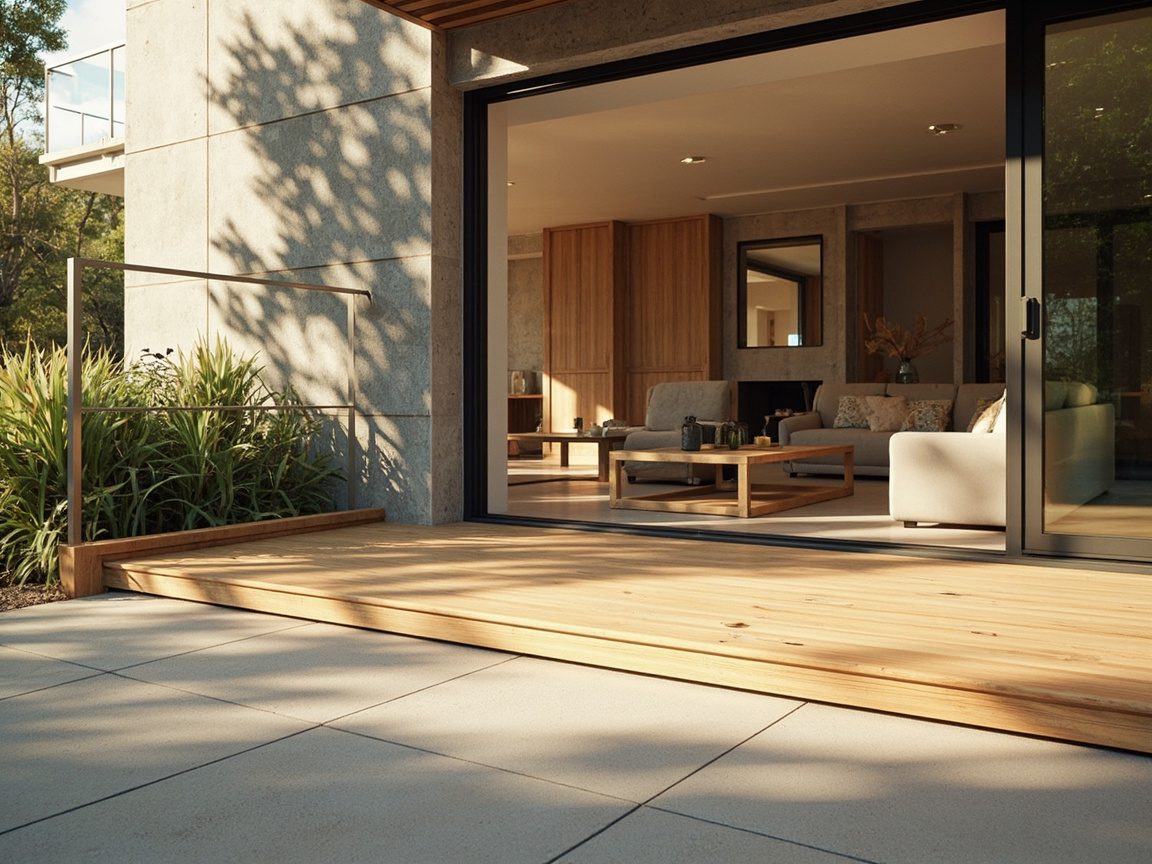
Long-term performance stems from sensible upkeep and small optimizations. These strategies extend life, reduce costs, and keep the deck safe.
- Establish a seasonal checklist: spring clean debris, inspect fasteners and joists, and reapply sealer or cleaner as recommended by the material manufacturer.
- Targeted cleaning methods: use a soft-bristle brush and mild detergent for composites, and a low-pressure washer for wood at no more than 1200 psi, holding the wand 8–12 inches away.
- Protect high-traffic zones: add area rugs rated for outdoor use, and place felt pads under furniture legs to limit abrasion and localized wear.
- Reapply protective coatings based on performance, not just time: for natural wood, expect a recoat every 1–3 years; follow manufacturer guidance for capped composites or PVC products.
- Monitor and upgrade drainage and airflow: if water collects, retrofit with gap adjustments, additional scuppers, or simple French-drain ideas to divert water away from the structure.
- Plan incremental upgrades: replace individual boards or hardware proactively when showing wear, rather than waiting for systemic failure, to spread cost and downtime.
- Keep documentation: store product data sheets, installation photos, and maintenance receipts to guide repairs and preserve resale value.
FAQ
Capped composite and PVC decking generally offer the longest low-maintenance life, resisting rot, staining, and fading better than untreated wood.
Slope the deck away from the house about 1/8 to 1/4 inch per foot to encourage runoff, and provide board gaps or drainage channels to avoid pooling.
Only with proper support: use concrete piers, adjustable pedestals, or treated sleepers with a vapor barrier. Direct contact with soil risks rotting unless the material is rated for ground contact.
Inspect at least twice a year, in spring and fall, and after severe weather. Check for loose fasteners, drainage issues, rot, and insect activity.
Final Thoughts
Choose materials based on climate, use, and maintenance willingness, then protect that investment with practical installation details and a simple seasonal routine. Small preventive steps deliver the best long-term value for a ground-level deck.