


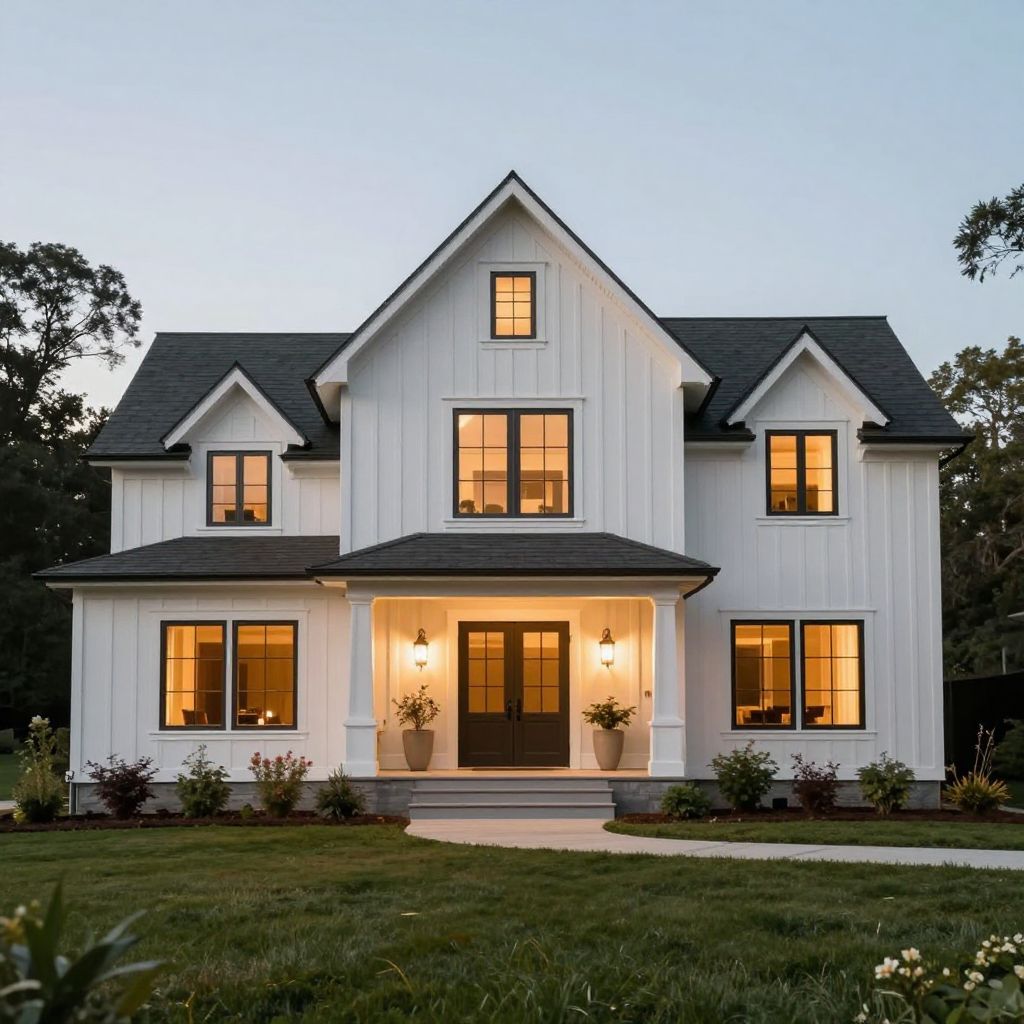
Farmhouse Exterior styling brings classic charm and practical curb appeal together, making homes feel welcoming and timeless while adding real resale value; these 16 Farmhouse Exterior Ideas show how simple updates, from siding and shutters to porches and lighting, create a big impact.
For hands-on examples and shopping inspiration, see curated resources at LordeCor and explore farmhouse decor tips in 12 Beautiful Farmhouse Decor Youll Love, all chosen to help you design a cohesive, eye-catching exterior that suits both modern and traditional homes.
- 1. Rustic Reclaimed Wood Facades for Authentic Charm
- 2. Board-and-Batten Makeovers: Vertical Lines with Farmhouse Flair
- 3. Black Trim Accents for Crisp Modern Farmhouse Contrast
- 4. Wraparound Porches That Invite Porch-Sitting & Porch Swings
- 5. Metal Roofs and Galvanized Details for Durable Country Style
- 6. Neutral Paint Palettes with Bold Front Door Statements
- 7. Mixed Siding Textures: Combining Stone, Shiplap, and Brick
- 8. Exposed Trusses and Gable Details to Elevate Rooflines
- 9. Vintage Lighting and Lanterns to Illuminate Curb Appeal
- 10. Barn Doors and Sliding Garage Facades as Functional Focal Points
- 11. Landscaped Pathways with Rustic Pavers and Native Plantings
- 12. Window Boxes, Shutters, and Trim for Cozy Cottage Vibes
- 13. Modern Farmhouse Color Pairings: Warm Taupes and Cool Grays
- 14. Outdoor Living Additions: Fire Pits, Pergolas, and Farm Tables
- 15. Sustainable Farmhouse: Reclaimed Materials and Energy-Smart Upgrades
- 16. Customized Entryways: Porches, Columns, and Personalized Signage
- Final Style Tip
- Decor FAQ
1. Rustic Reclaimed Wood Facades for Authentic Charm
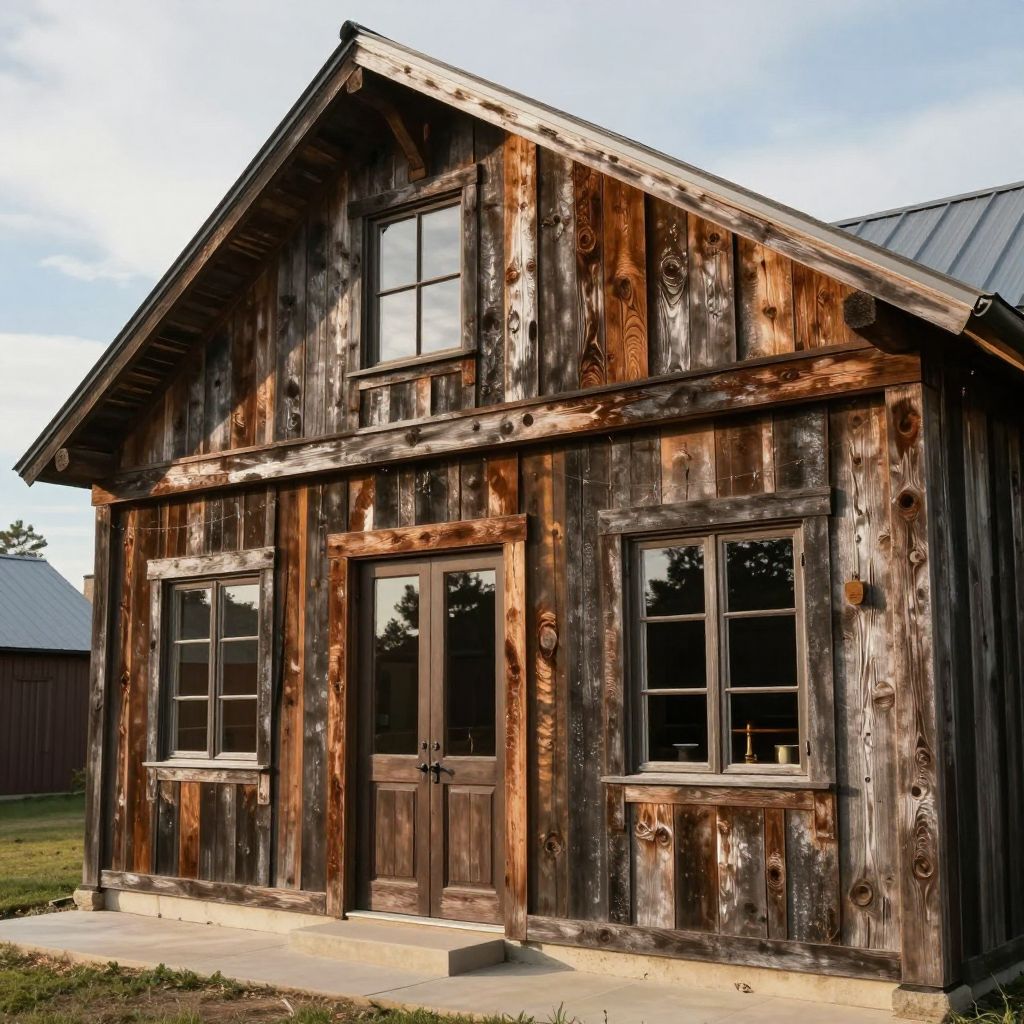
Choose planks with varied patina and grain to create depth; install horizontally or in mixed directions to avoid a monotonous surface.
Seal with a clear, UV-resistant finish to preserve character while protecting against moisture and insect damage.
Pair reclaimed wood with simple, modern windows and matte black hardware to balance warmth with refined farmhouse appeal.
2. Board-and-Batten Makeovers: Vertical Lines with Farmhouse Flair
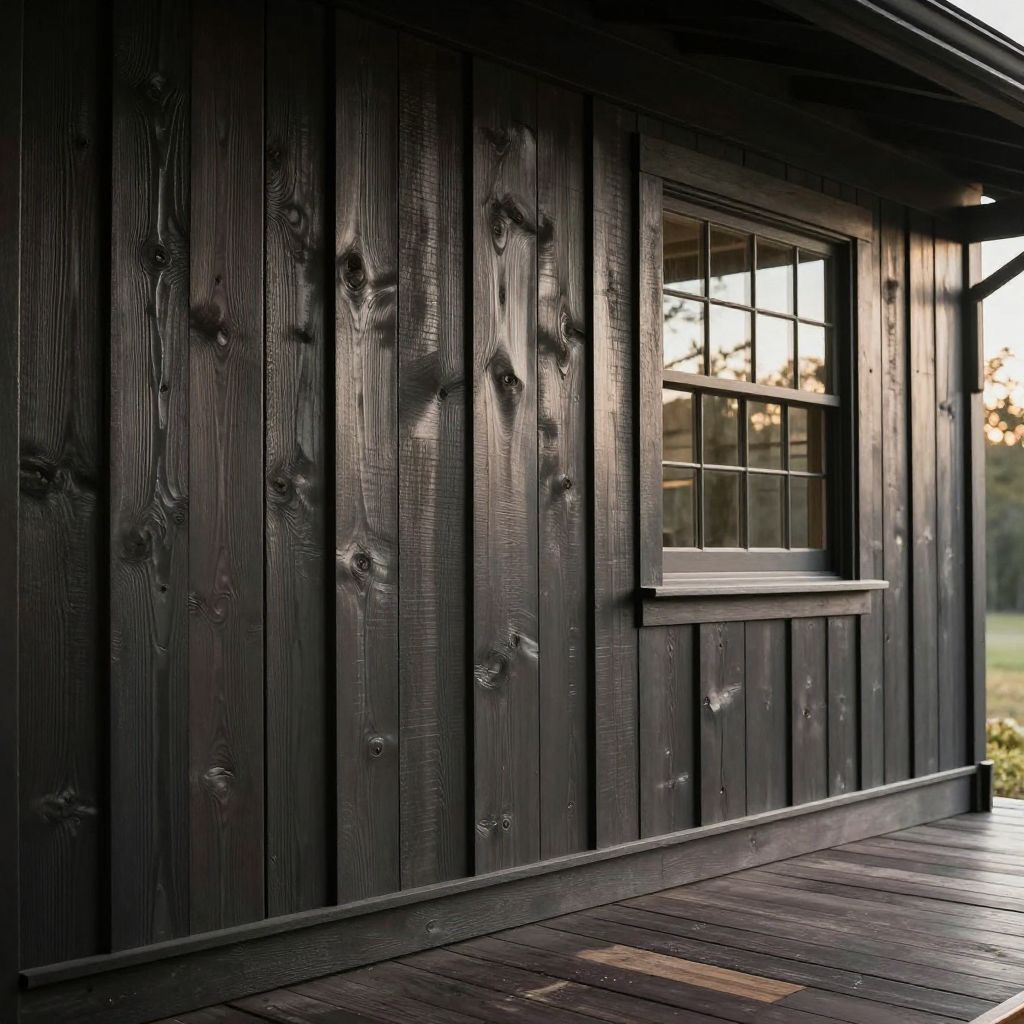
Use 8–12 inch boards with 1–2 inch battens for classic proportion; pre-primed fiber cement or engineered wood gives longevity without sacrificing look.
Paint the battens and boards the same color for a subtle texture, or paint battens darker for crisp shadow lines that read like custom trim.
Coordinate flashing and trim details at corners and openings to prevent water intrusion and keep the vertical rhythm clean over time.
3. Black Trim Accents for Crisp Modern Farmhouse Contrast
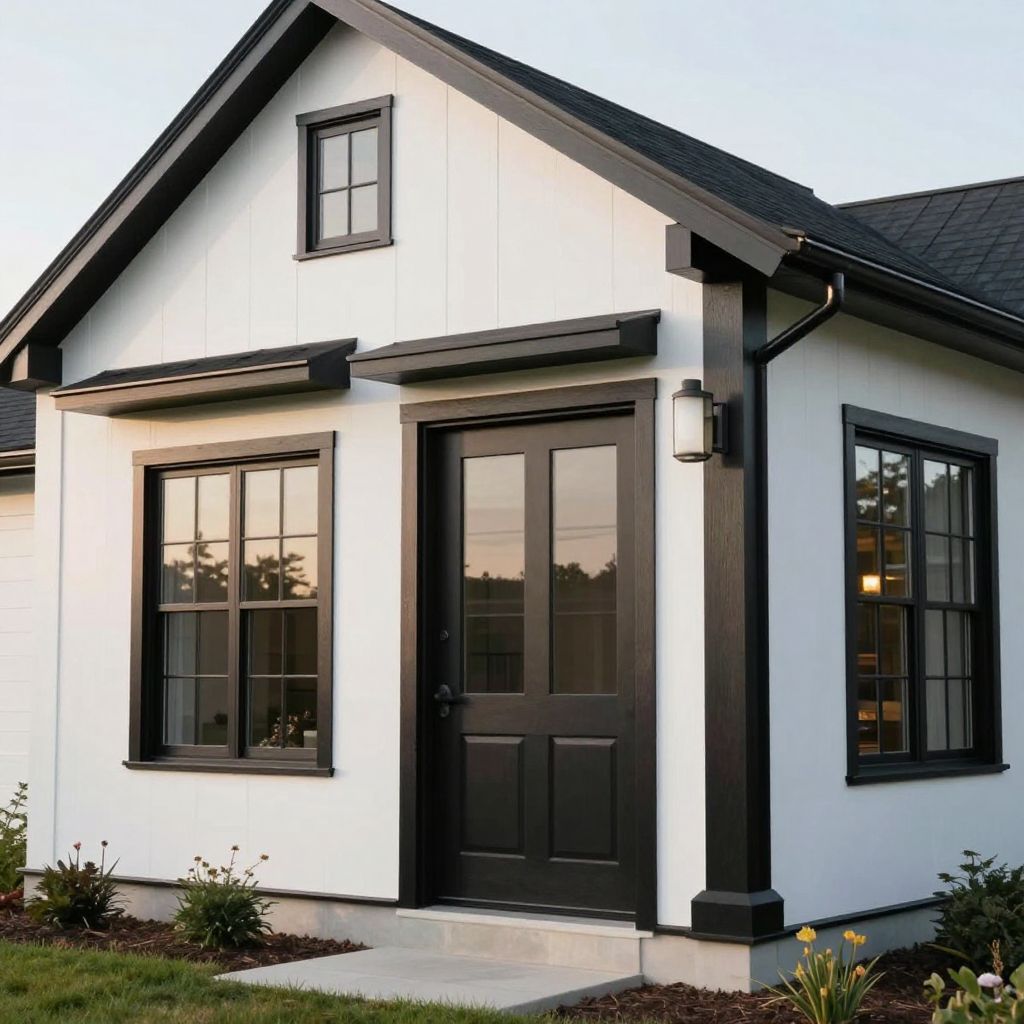
Specify a deep black with a low-sheen finish to hide imperfections while providing a sharp edge against light siding.
Frame windows, doors, and gables in black to create graphic focal points and visually anchor the facade.
Balance black accents with warm siding or natural wood elements to avoid a harsh, overly stark composition.
4. Wraparound Porches That Invite Porch-Sitting & Porch Swings
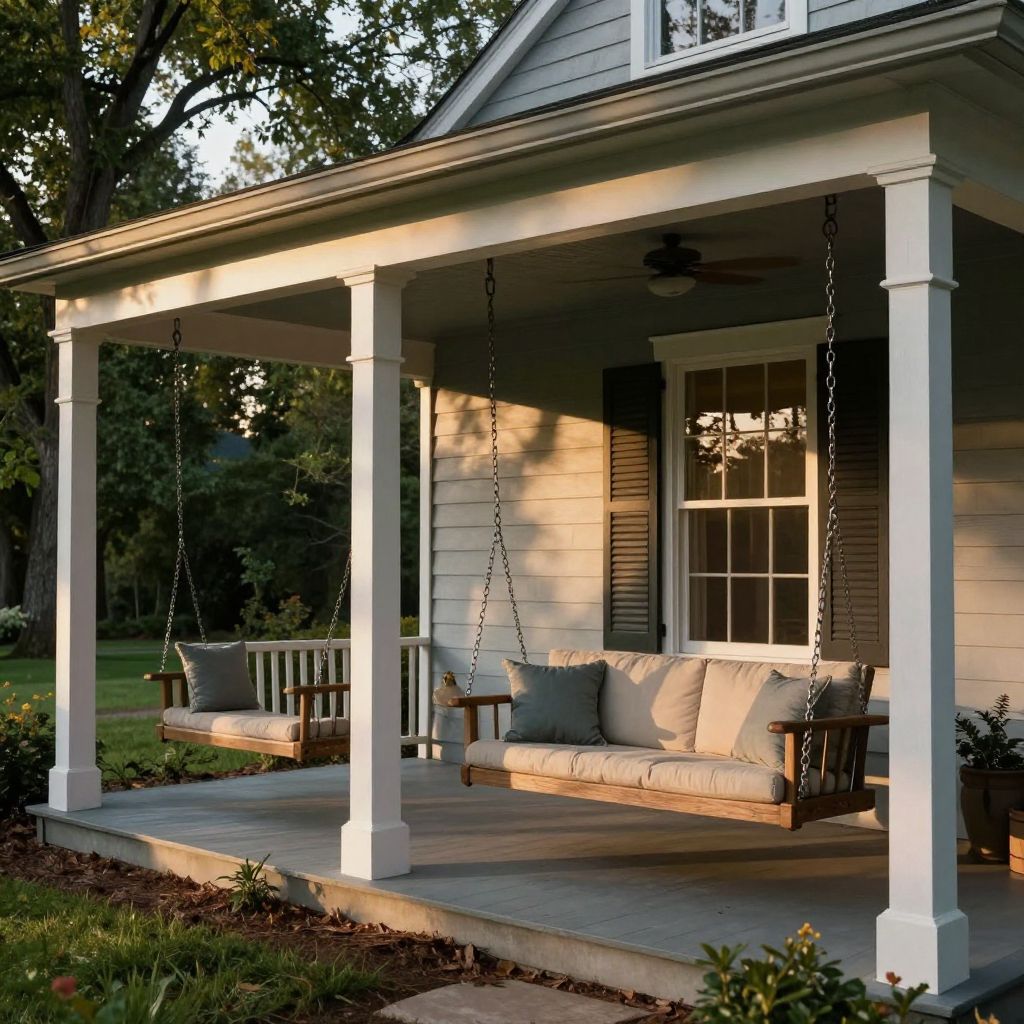
Design porch depth at least 8–10 feet to comfortably accommodate seating groups and a swing without crowding circulation.
Choose durable porch flooring like stained cedar or composite decking and slope slightly for drainage; oversized columns give the porch a grounded, welcoming scale.
Layer lighting—ceiling fixtures, wall sconces, and low-level post lights—to extend usability into the evening while highlighting architectural details.
5. Metal Roofs and Galvanized Details for Durable Country Style
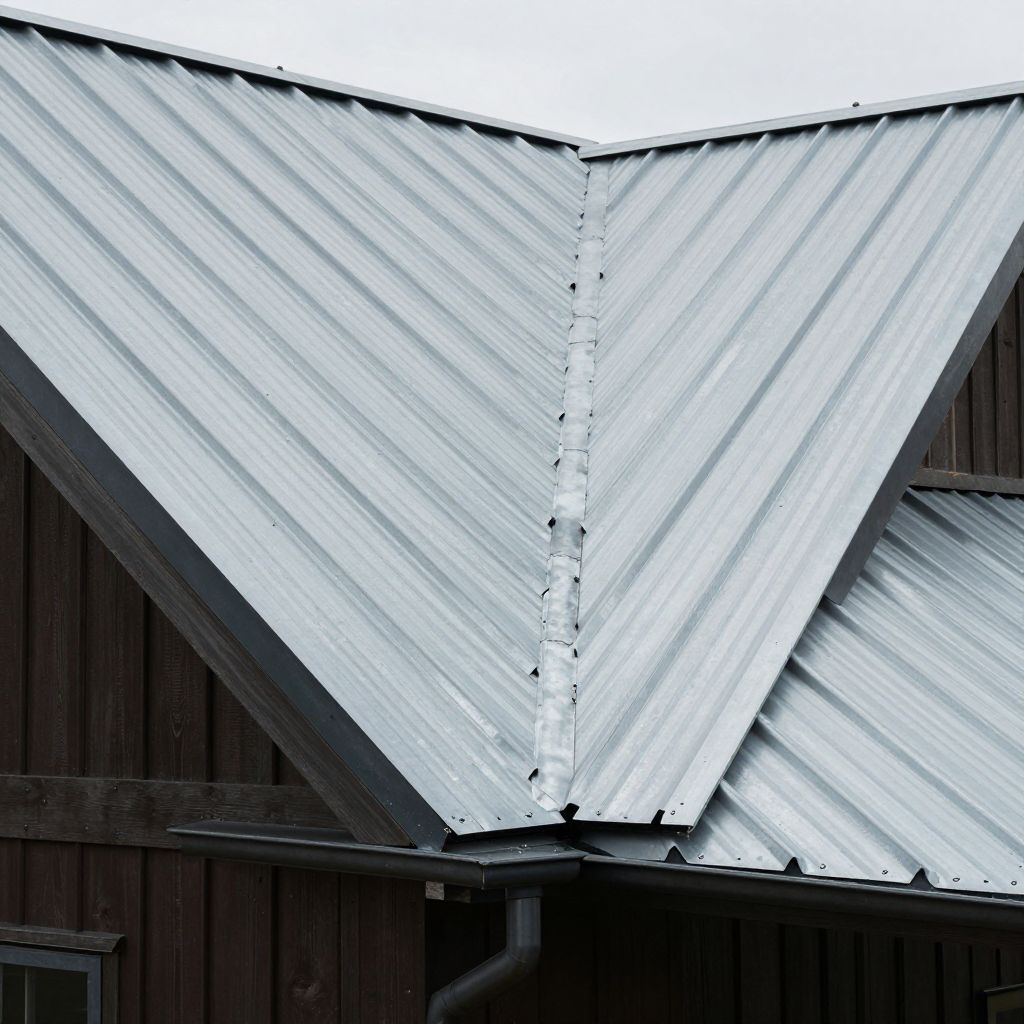
Select standing-seam metal with concealed fasteners for a clean look and superior leak resistance; choose a matte finish to reduce reflectivity.
Use galvanized accents like gutters, downspouts, and porch awnings to reinforce the industrial-farmhouse aesthetic while ensuring corrosion resistance.
Specify thermal breaks and solid underlayment to control condensation and improve energy performance in all seasons.
6. Neutral Paint Palettes with Bold Front Door Statements
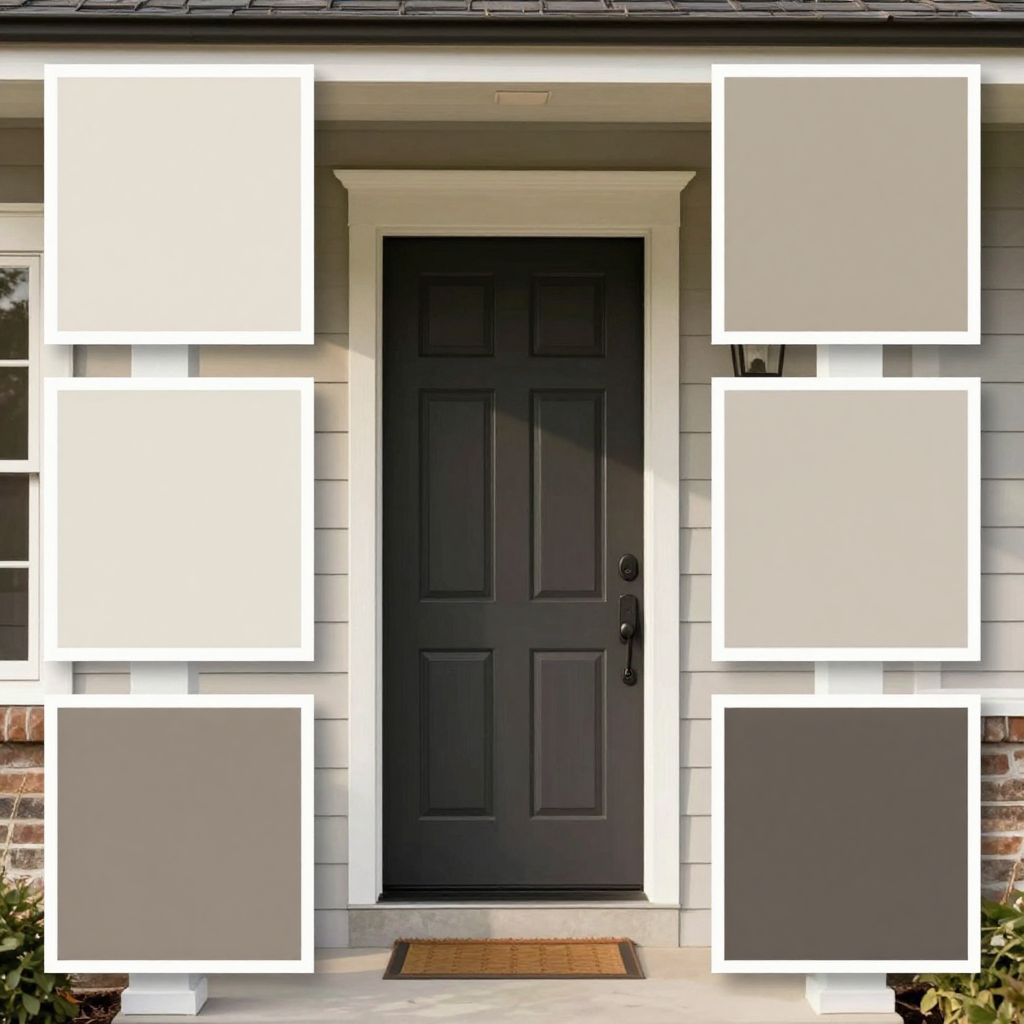
Choose a soft neutral body color—greys, warm whites, or greige—to create a calm backdrop that highlights architectural details without competing with landscaping.
Select a single bold hue for the front door—deep navy, forest green, or barn red—to act as a focal anchor and guide sightlines from the street.
Balance the contrast with trim and hardware in complementary tones (matte black or aged brass) and test paint samples on multiple elevations and lighting conditions before committing.
7. Mixed Siding Textures: Combining Stone, Shiplap, and Brick
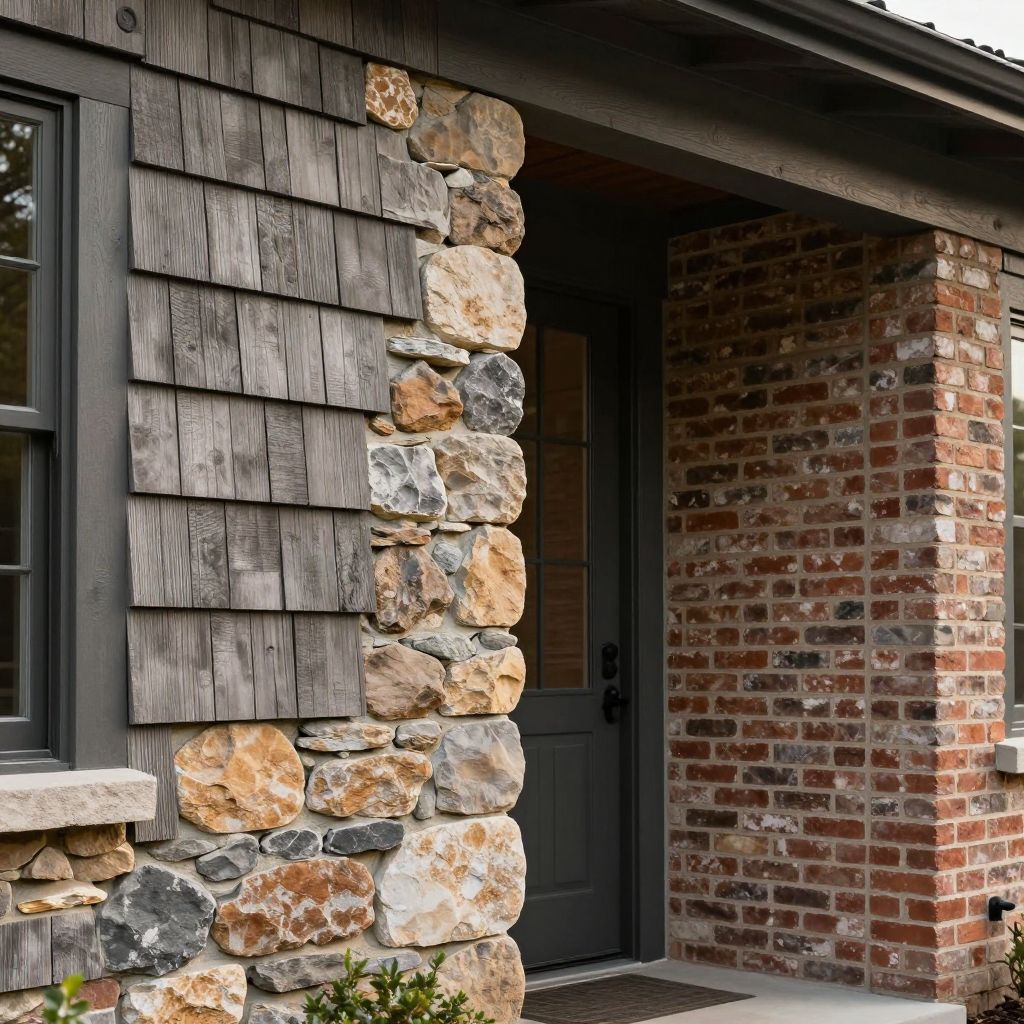
Use stone at the base or entry to ground the composition, shiplap on main wall planes for a clean farmhouse expression, and brick sparingly to introduce warmth and durability.
Keep mortar, board widths, and coursing proportions in harmony, so textures read cohesive; limit the palette to two primary materials plus accents to avoid visual clutter.
Define transition lines with a deliberate trim or belt course and coordinate flashing and weep details to ensure long-term performance and crisp sightlines.
8. Exposed Trusses and Gable Details to Elevate Rooflines
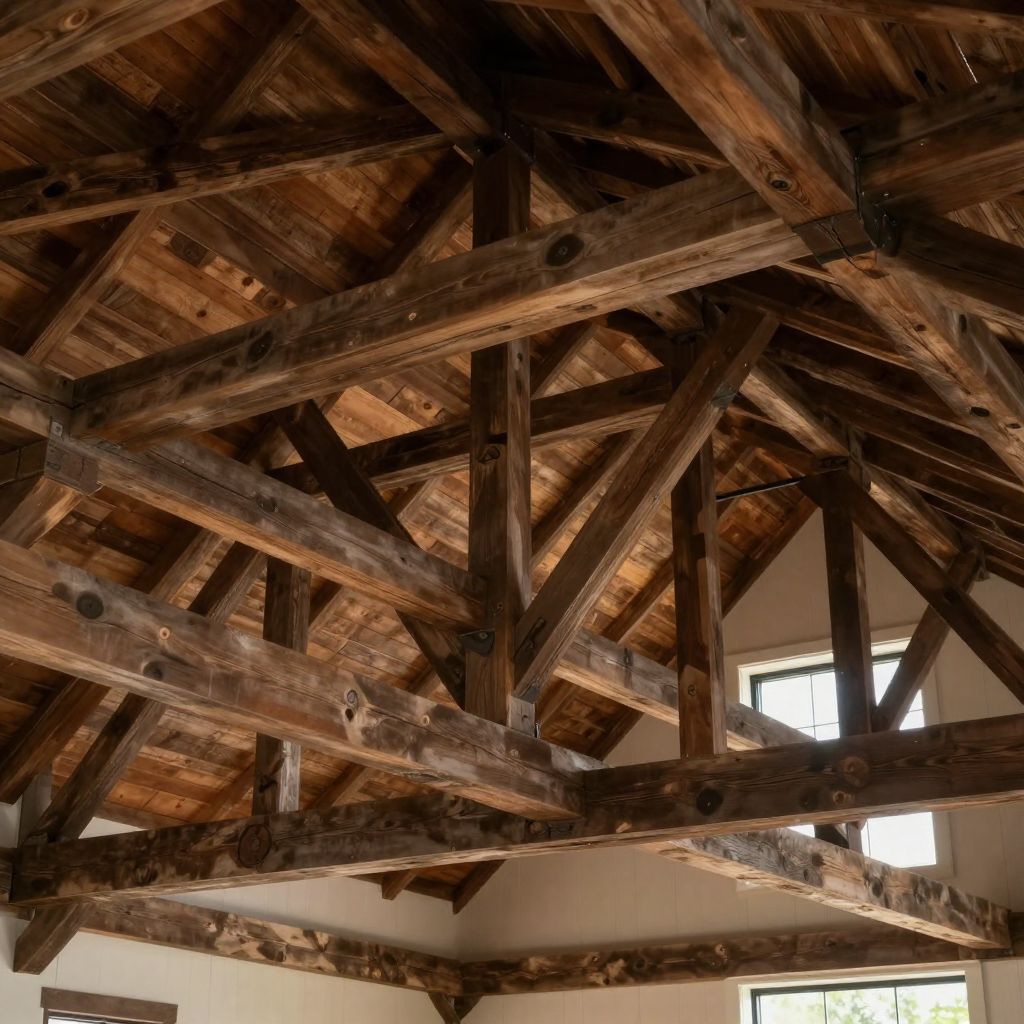
Expose rafter tails or decorative trusses in gables to add depth and authentic character while reinforcing the farmhouse silhouette.
Scale truss profiles to the roof span—heavier members for wide gables, lighter details for smaller projections—to keep proportions visually pleasing.
Protect exposed wood with appropriate finishes and design overhangs to manage weather, preventing premature wear and maintenance issues.
9. Vintage Lighting and Lanterns to Illuminate Curb Appeal
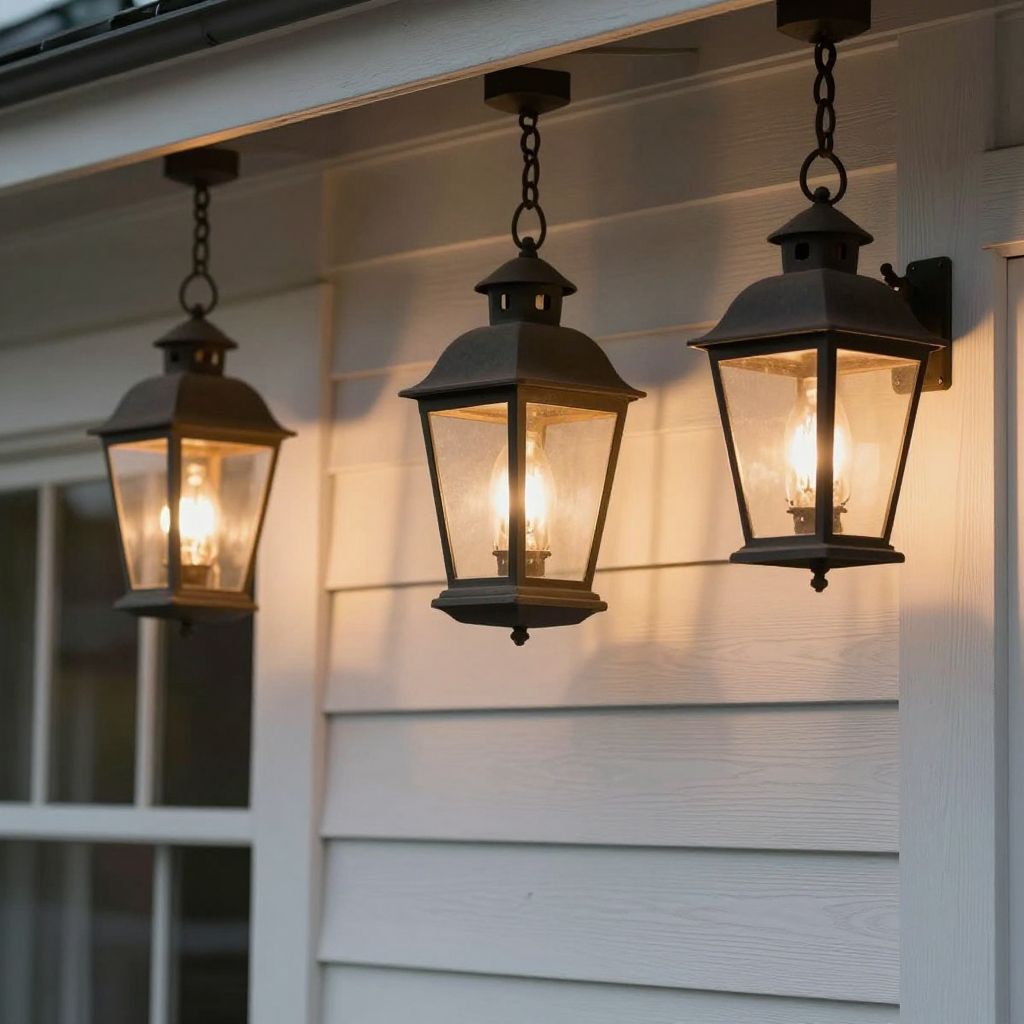
Select lanterns with classic forms and durable finishes—aged bronze or black powder coat—to complement the farmhouse aesthetic while resisting outdoor exposure.
Position lighting to layer illumination: entry fixtures for focal emphasis, wall sconces for architectural wash, and path lights for safety and depth.
Match the scale of fixtures to entry dimensions and bulb temperature (2700–3000K) to maintain warm, welcoming light that flatters siding and landscaping.
10. Barn Doors and Sliding Garage Facades as Functional Focal Points
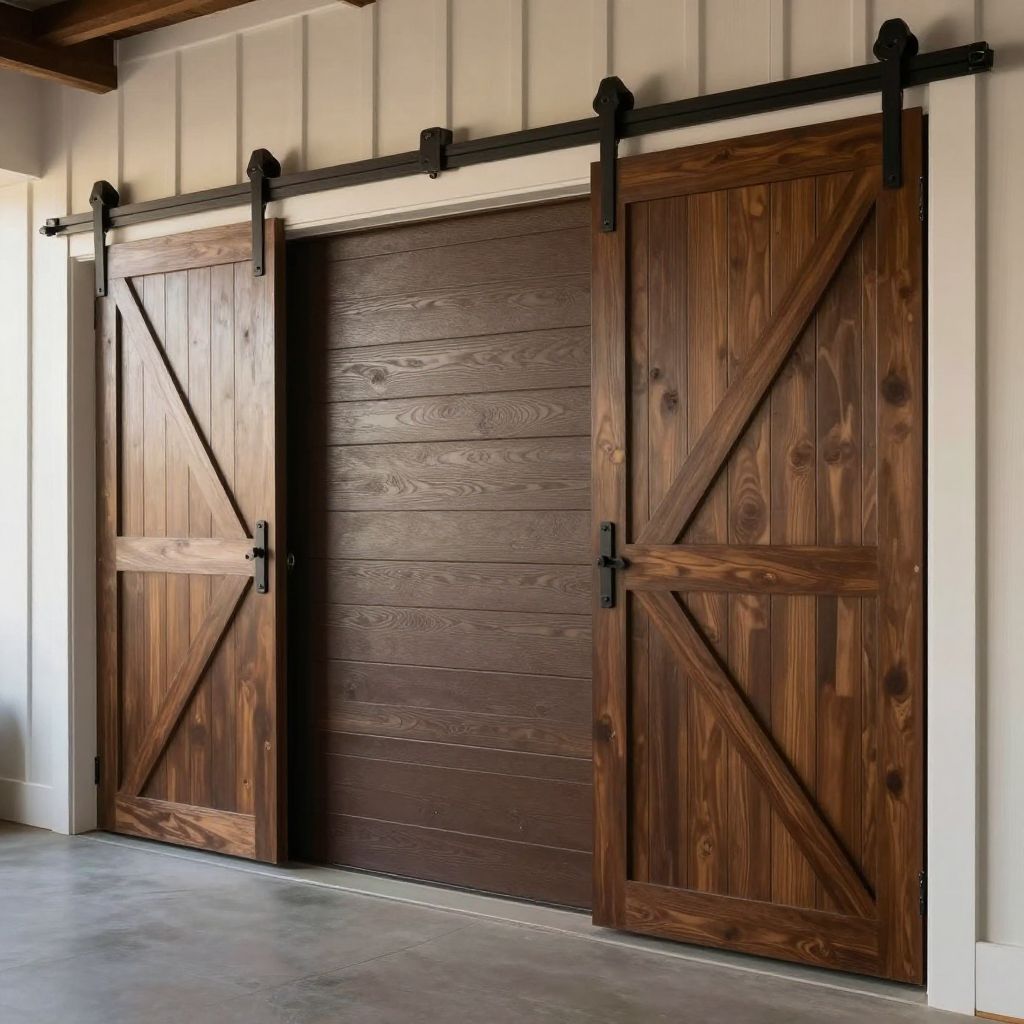
Incorporate barn-style sliding doors or cladding on garage façades to add texture and movement while breaking up large masses of overhead doors.
Use heavy-duty hardware rated for exterior use and design track pockets or overhangs to protect mechanicals and ensure smooth operation.
Coordinate materials and color with the house—wood planks, board-and-batten, or painted panels—so the sliding element reads as an intentional architectural feature rather than an afterthought.
11. Landscaped Pathways with Rustic Pavers and Native Plantings
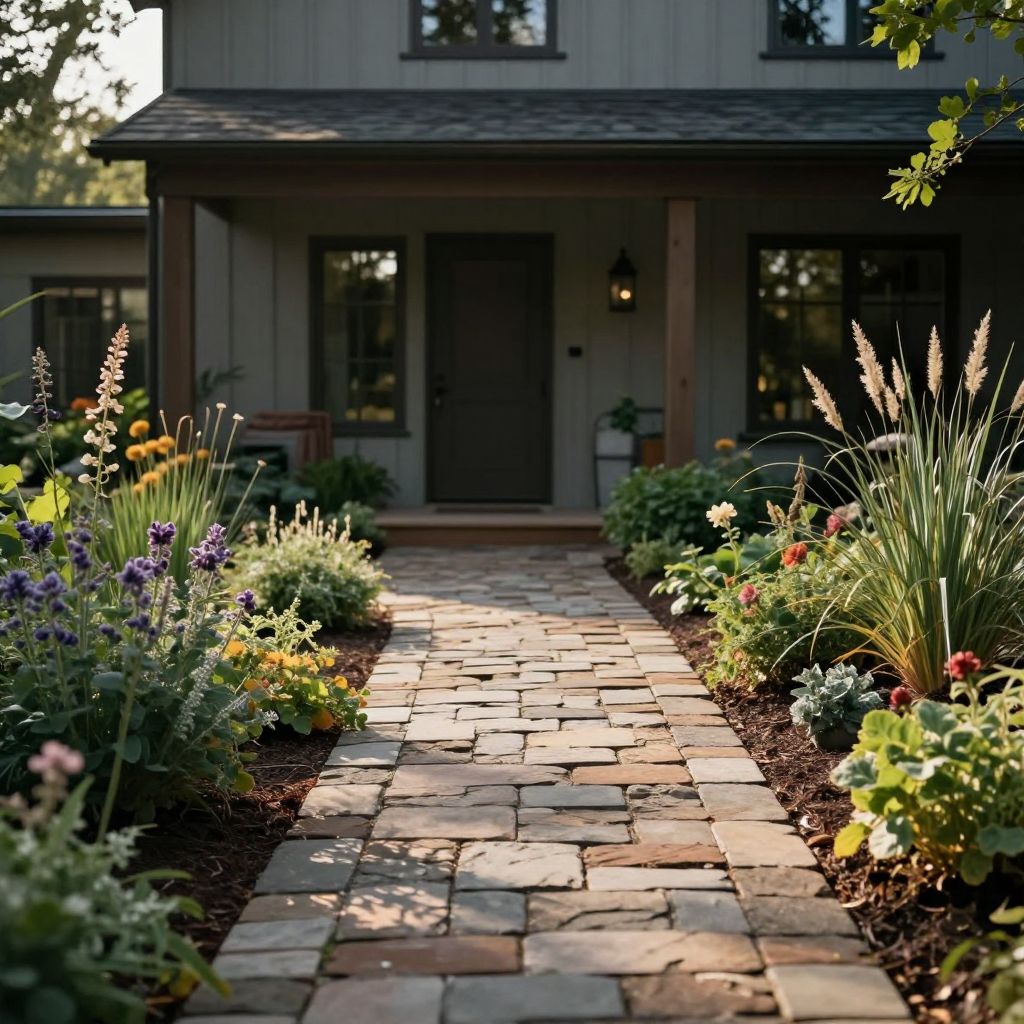
Use irregular, weathered pavers set in crushed stone to create a low-maintenance, authentic farmhouse path that reads as if it’s always belonged there.
Edge with massed native grasses and pollinator-friendly perennials to soften hard edges and reduce irrigation needs.
Keep widths generous for two-way foot traffic and include subtle grade changes or step stones to manage runoff and prevent soil compaction.
12. Window Boxes, Shutters, and Trim for Cozy Cottage Vibes
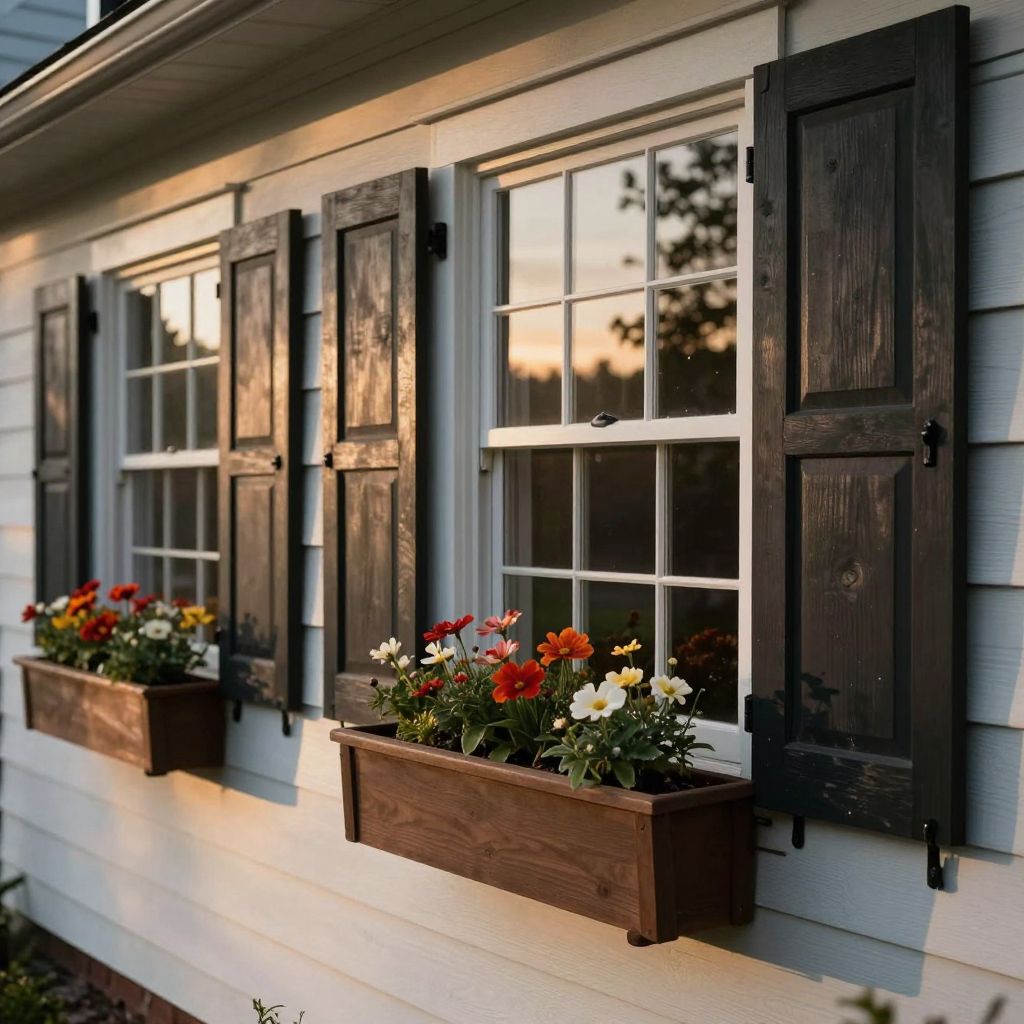
Scale window boxes to the opening—about two-thirds the width—and line with drip irrigation and a water-retentive soil mix for consistent plant health.
Choose board-and-batten or shaker-style shutters painted one to two shades darker than siding for contrast without overpowering the facade.
Use simple, layered trim profiles in rot-resistant wood or composite, and seal all joints to prevent moisture intrusion and maintain crisp sightlines.
13. Modern Farmhouse Color Pairings: Warm Taupes and Cool Grays
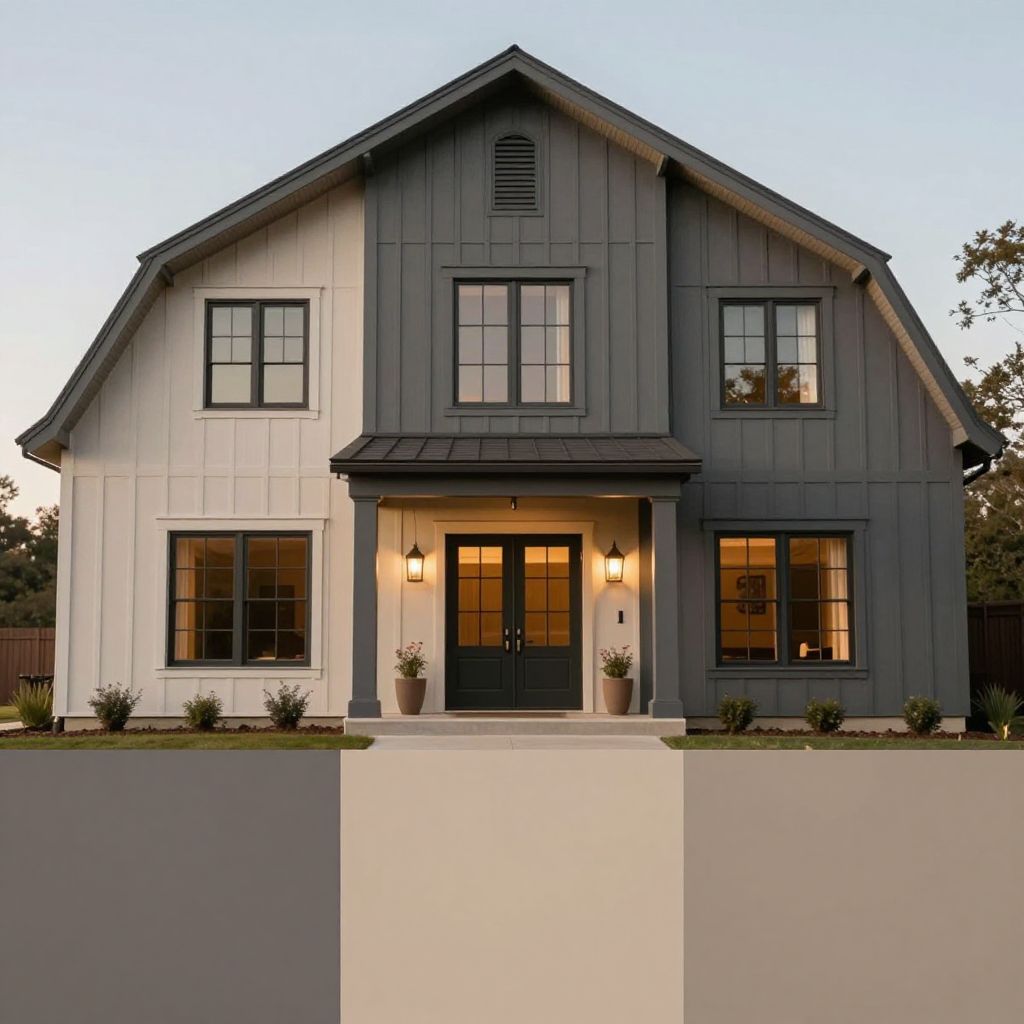
Pair a warm taupe body with cool gray trim to achieve balance: taupe adds depth while gray keeps the palette contemporary and grounded.
Anchor accents—doors, railings, or metal roofs—in a near-black or deep charcoal to sharpen architectural details and increase curb appeal.
Test full-size boards in morning and evening light to verify undertones and how natural shadows shift the perceived warmth or coolness.
14. Outdoor Living Additions: Fire Pits, Pergolas, and Farm Tables
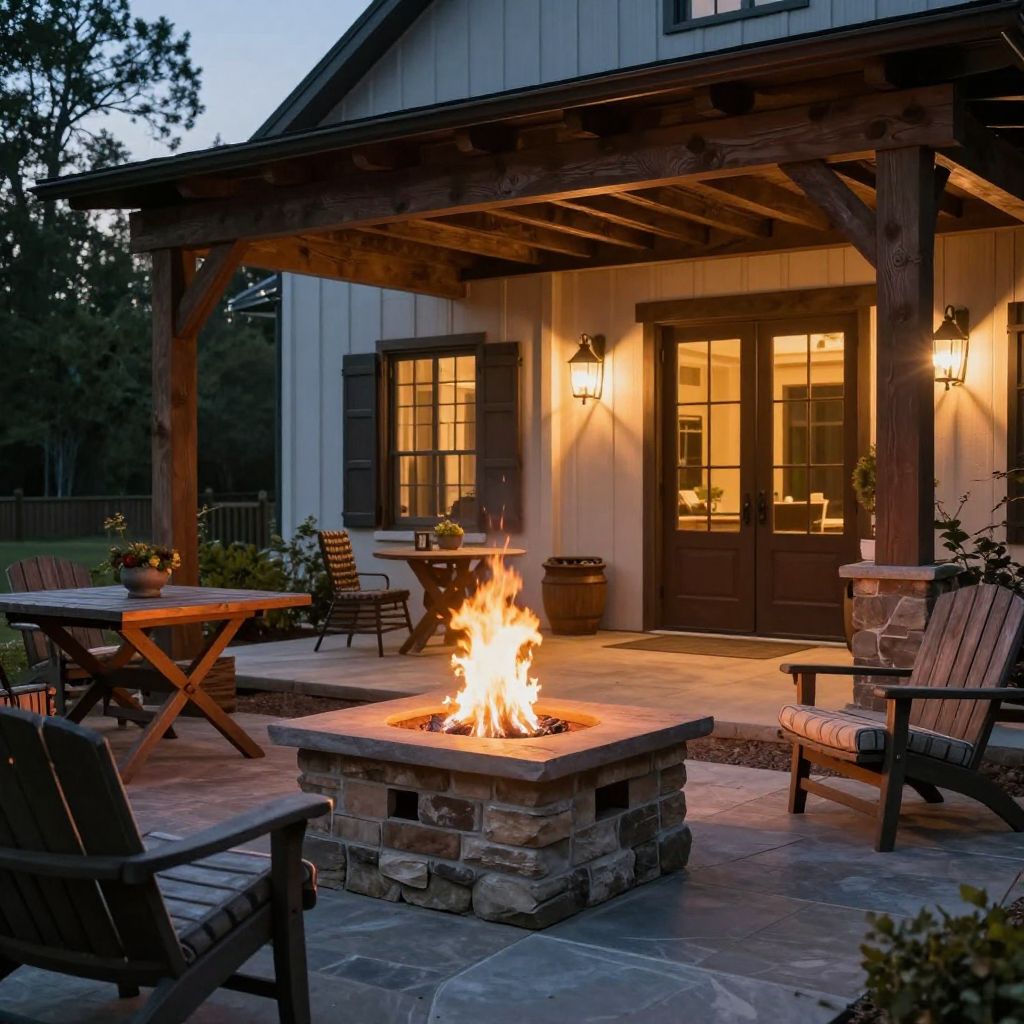
Position fire pits on compacted gravel pads with a 10-foot clear zone and choose natural stone or corten steel for a farmhouse-appropriate, low-maintenance look.
Design pergolas with heavy timber posts and simple exposed joinery; size them to allow circulation around a central farm table rather than squeezing furniture beneath.
Specify exterior-grade, oil-finished hardwood for farm tables and seal joints to prevent splitting—design for replaceable slats to simplify future repairs.
15. Sustainable Farmhouse: Reclaimed Materials and Energy-Smart Upgrades
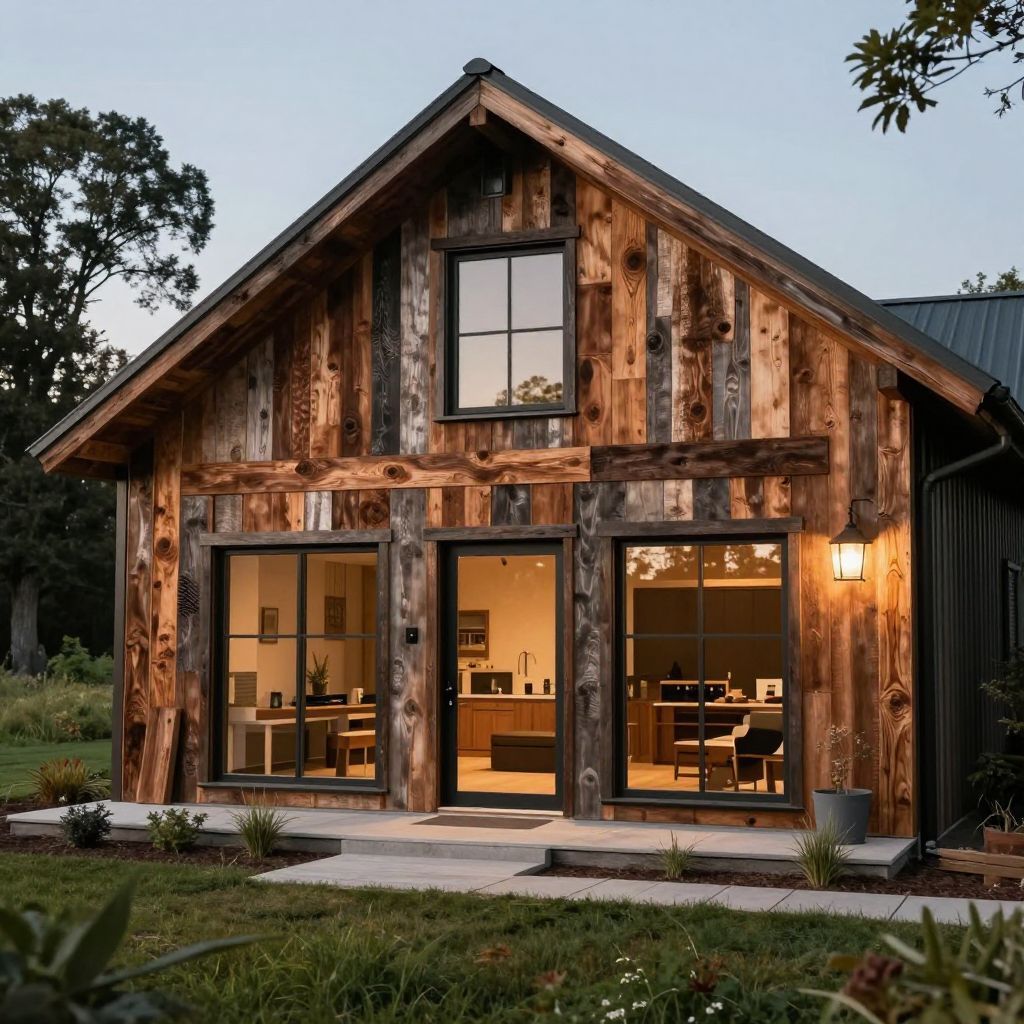
Prioritize reclaimed siding, beams, and flooring for visible character while verifying structural soundness and pest treatment history before installation.
Integrate energy-smart upgrades—high-R insulation, triple-glazed windows, and a heat-pump system—so the historic aesthetic performs efficiently year-round.
Combine rainwater harvesting with native landscaping and permeable paving to reduce runoff and lower long-term irrigation and maintenance costs.
16. Customized Entryways: Porches, Columns, and Personalized Signage
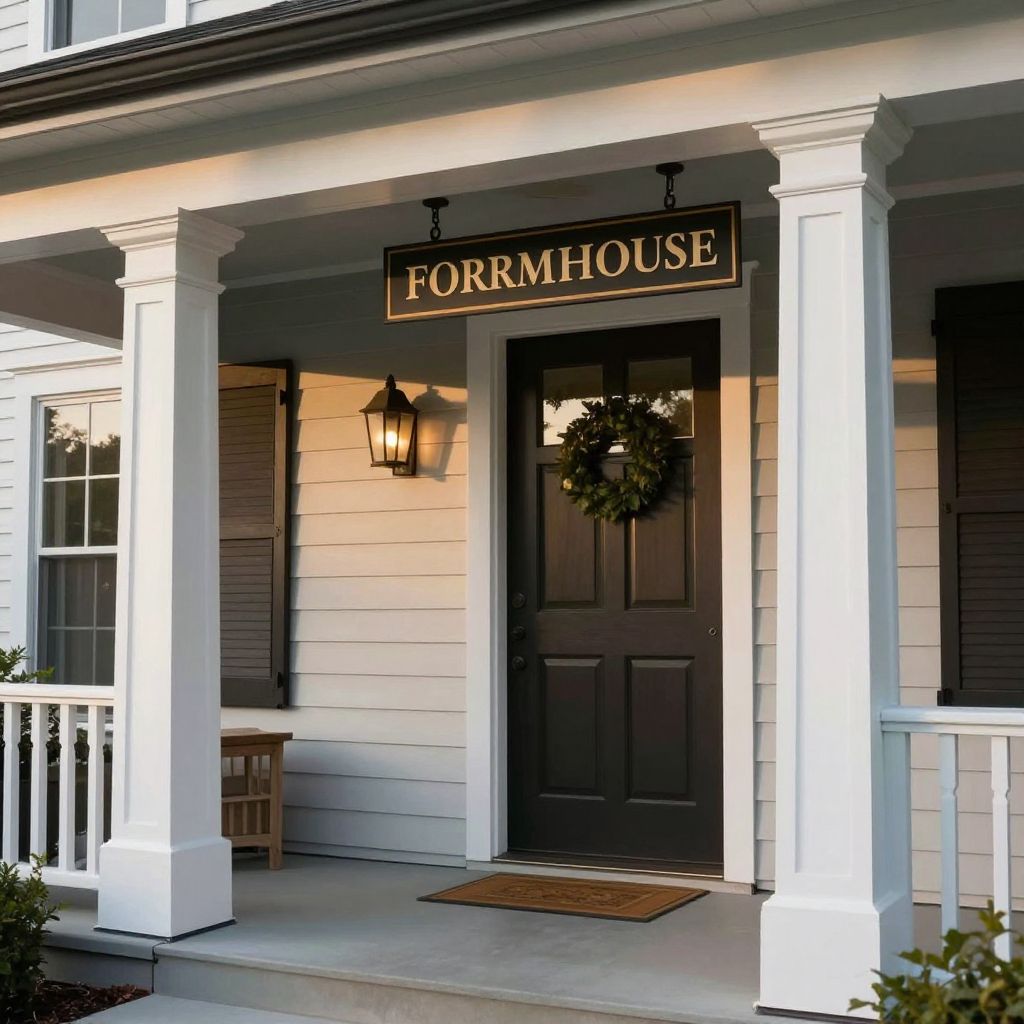
Define a clear focal point with a proportioned porch and columns that match your roofline and facade scale; oversized or undersized elements throw off the whole composition.
Select materials—painted wood, stained cedar, or fluted columns—that harmonize with siding and trim to create cohesive curb appeal.
Layer practical features like a covered entry, integrated lighting, and weather-resistant bench seating for functionality that reads as style.
Use recessed or pendant lighting to highlight architectural details and ensure safe, welcoming access at night without overpowering the facade.
Add personalized signage and house numbers in a finish and typeface that complement your period and palette to make the entry feel intentional.
Final Style Tip
Choose one consistent color temperature for all lighting and match metal finishes to create a cohesive, polished look that makes even simple rooms feel intentional.
Decor FAQ
Aim to have at least the front legs of major furniture on the rug to anchor the grouping and visually expand the space.
Limit to one primary accent plus one secondary for depth—use them in cushions, art, and small accessories.
Swap textiles—throws, pillow covers, and a small rug—for immediate warmth or lightness without a major overhaul.
Use a light, cohesive palette, reflective surfaces, multi-functional furniture, and keep pathways clear to maximize perceived space.