


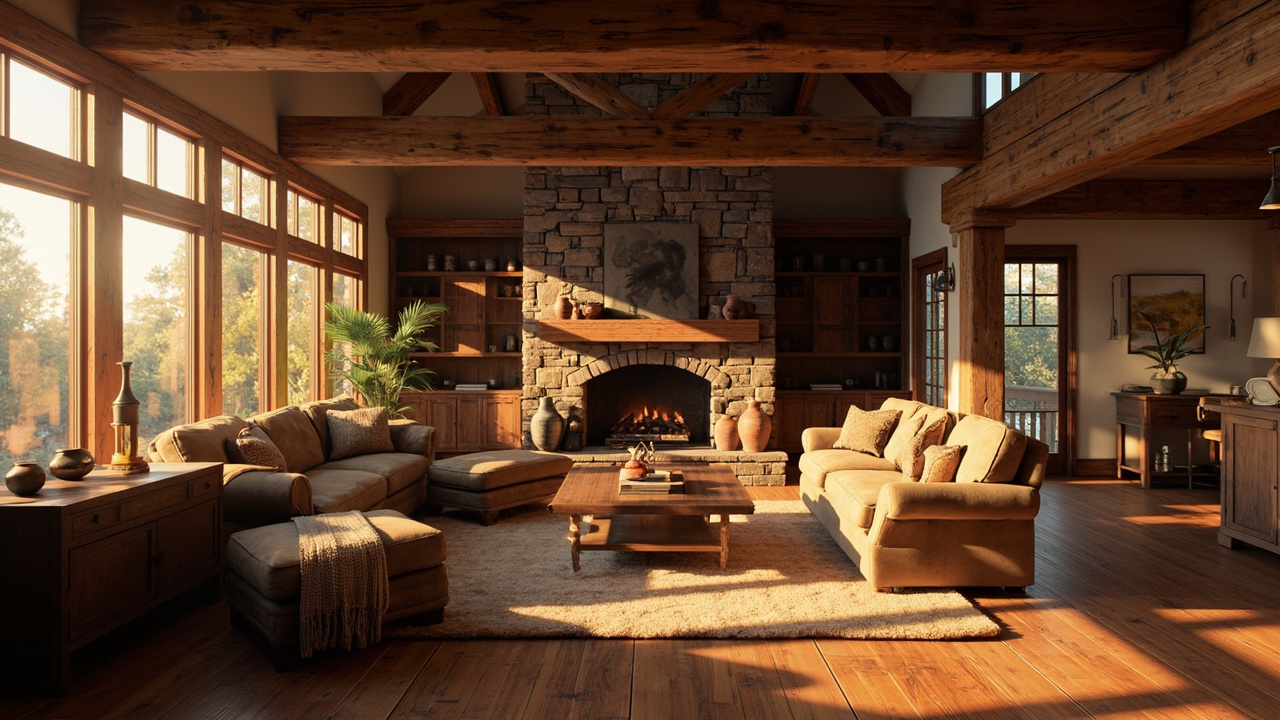
Craftsman homes feel inherently human: honest materials, thoughtful joinery, and floor plans that prioritize daily comfort. These 14 plans update that legacy with contemporary touches that respect tradition while solving modern living needs.
Expect guidance on proportion, material choices, and small design moves that deliver big impact—whether you’re refreshing a facade or specifying a porch that becomes your everyday room.
- Contemporary Craftsman Exterior Updates
- Welcoming Front Porch Design Ideas
- Tapered Column and Pier Details
- Material Honesty: Wood and Stone Finishes
- Open Floor Plans with Craftsman Character
- Built‑in Storage Solutions for Craftsman Homes
- Sustainable Materials for Authenticity
- Fireplace and Hearth Focal Points
- Natural Light Strategies for Craftsman Plans
- Modern Kitchen Layouts with Craftsman Touches
- Master Suite Retreats with Craftsman Elements
- Exterior Color Palettes That Ground
- Landscape Ideas Complementing Craftsman Style
- Adaptable Small Craftsman Footprints
- Final Thoughts
- FAQs
Contemporary Craftsman Exterior Updates
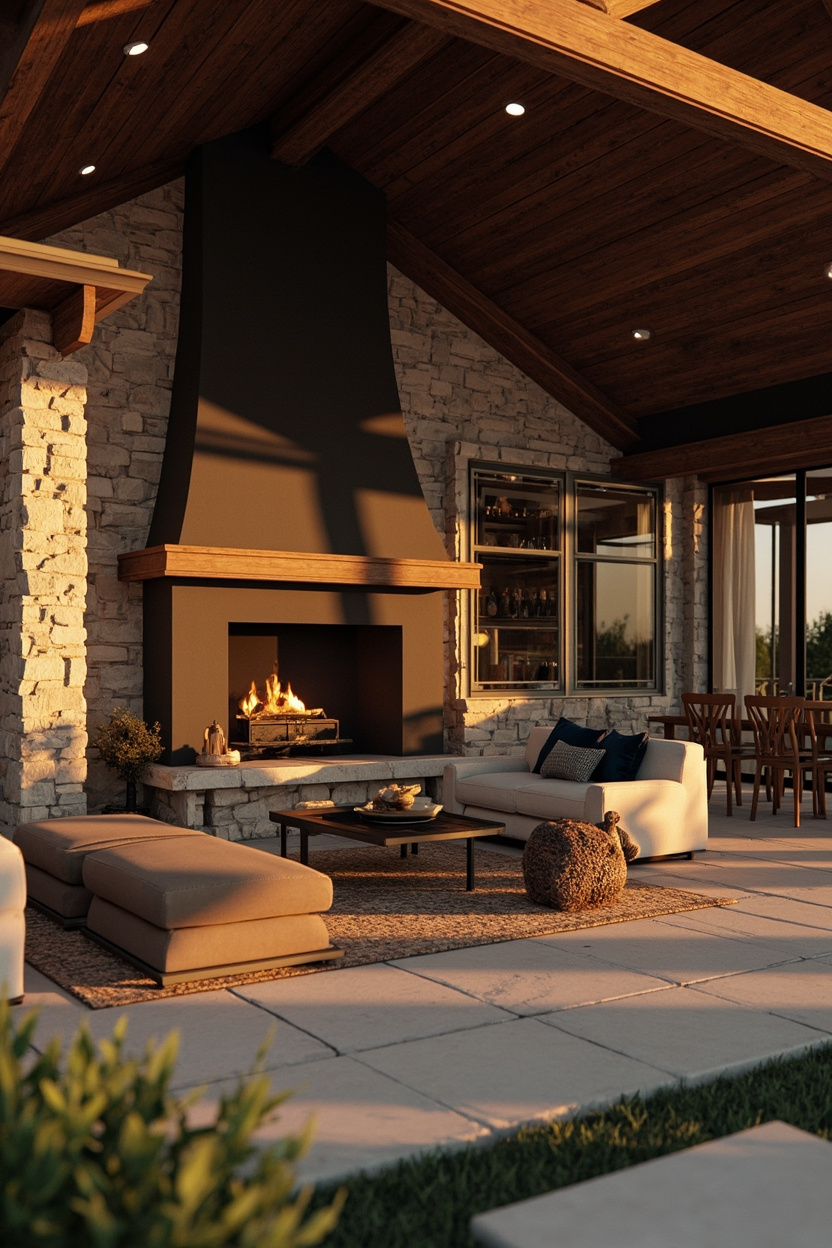
Refresh a Craftsman exterior by simplifying trim lines and using a restrained color palette to let texture do the work. Matte-board siding, natural stone accents, and charcoal or deep-green paints modernize the look while honoring Craftsman material honesty.
Introduce larger, energy-efficient windows with divided lites only where they enhance proportion; this improves daylighting and connects interiors to the landscape.
Thoughtful roofline adjustments, like a lower-profile gable or a subtle shed dormer, can modernize massing without losing character.
Welcoming Front Porch Design Ideas
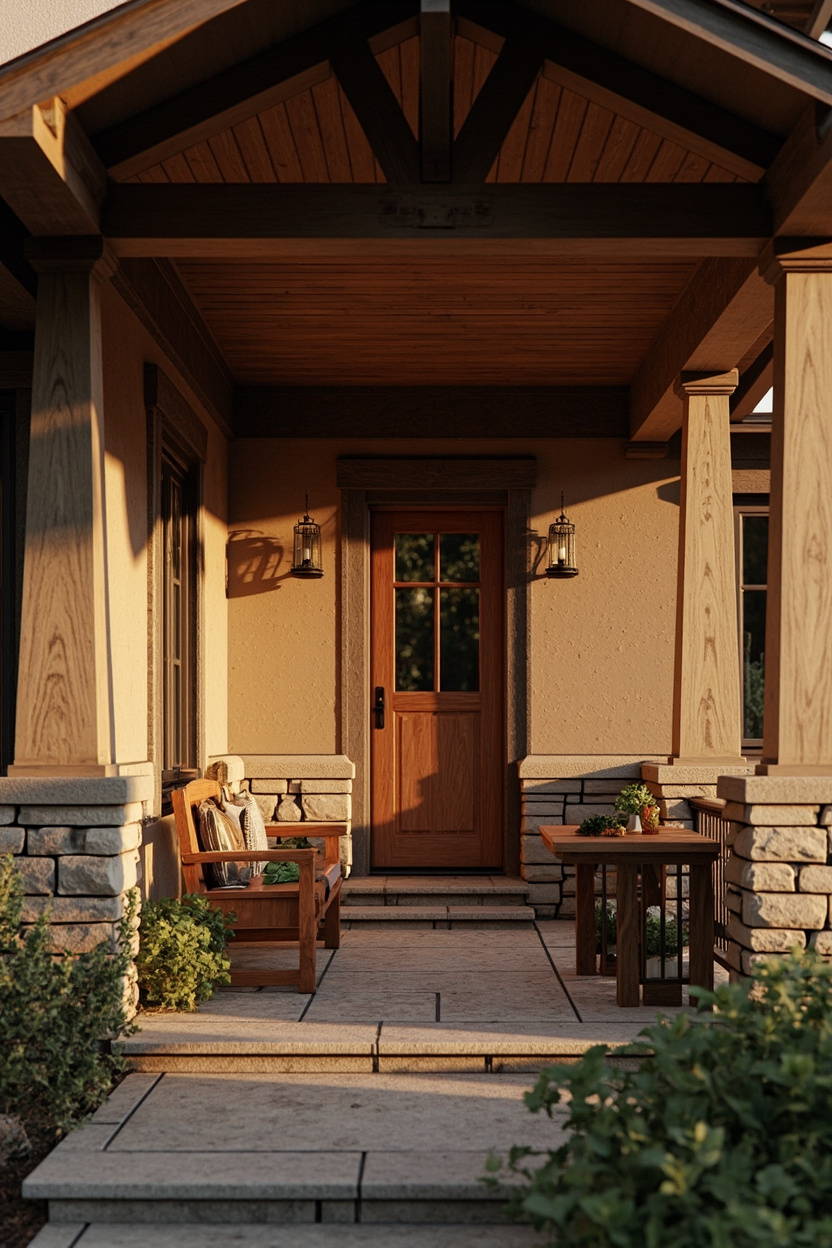
Design the porch as an outdoor living extension: deep seating, layered lighting, and durable rugs make it usable year-round. Keep circulation clear so the porch reads as both an entry sequence and a comfortable pause point for neighbors or morning coffee.
Integrate built-in storage and planter boxes to reduce clutter and add seasonal greenery, which enhances curb appeal and supports a seamless indoor-outdoor transition.
Use weather-resistant, textured materials, cedar ceilings, composite decking, and stone piers for lasting beauty with low maintenance.
Tapered Column and Pier Details
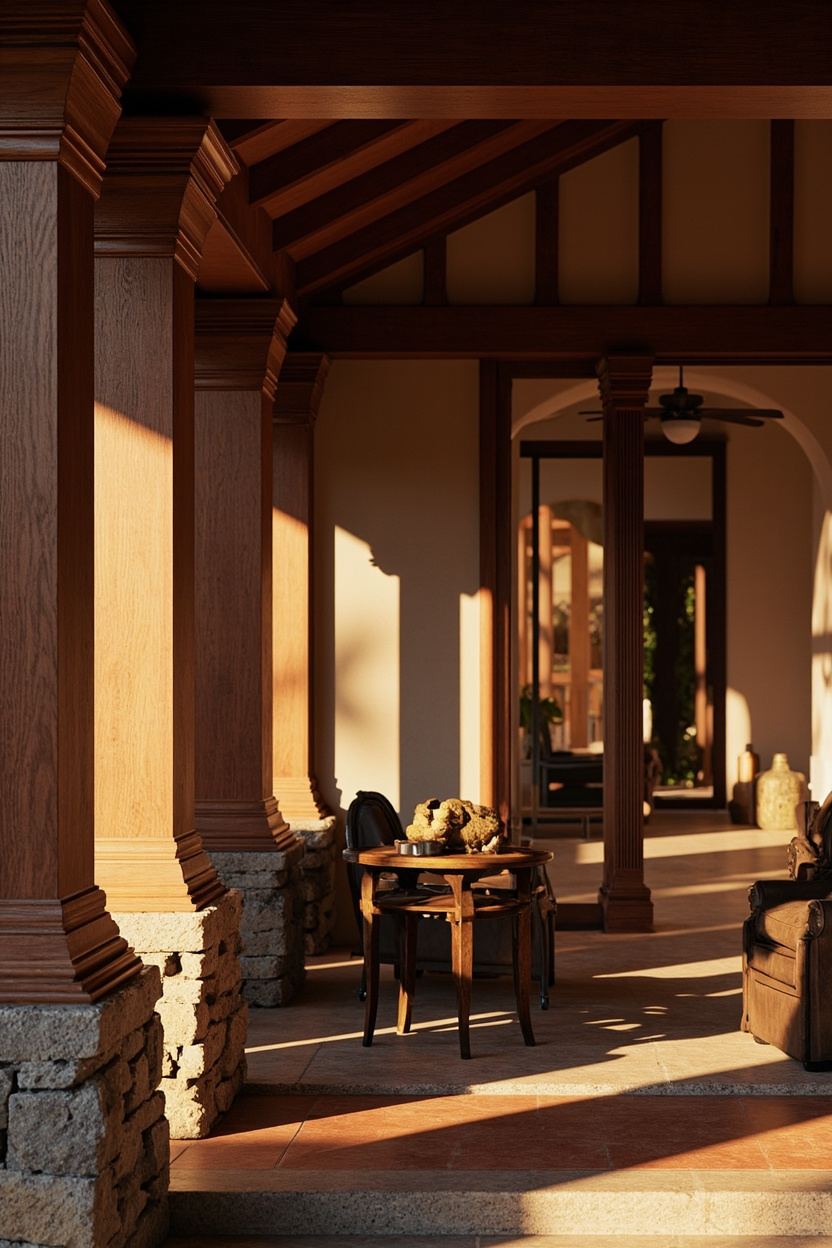
Tapered columns set on stone or brick piers are signature Craftsman elements; scale them to the porch span and roof load to maintain visual balance. Choose natural stone with variation in tone to ground the facade and complement wood trim for a cohesive, handcrafted look.
For a contemporary spin, use slimmer column profiles and extend the pier cladding to incorporate integrated lighting or benches.
This preserves the classic silhouette while improving functionality and reinforcing the connection to the surrounding site.
Read Also: Earthy Cottage Home Decor Ideas.
Material Honesty: Wood and Stone Finishes
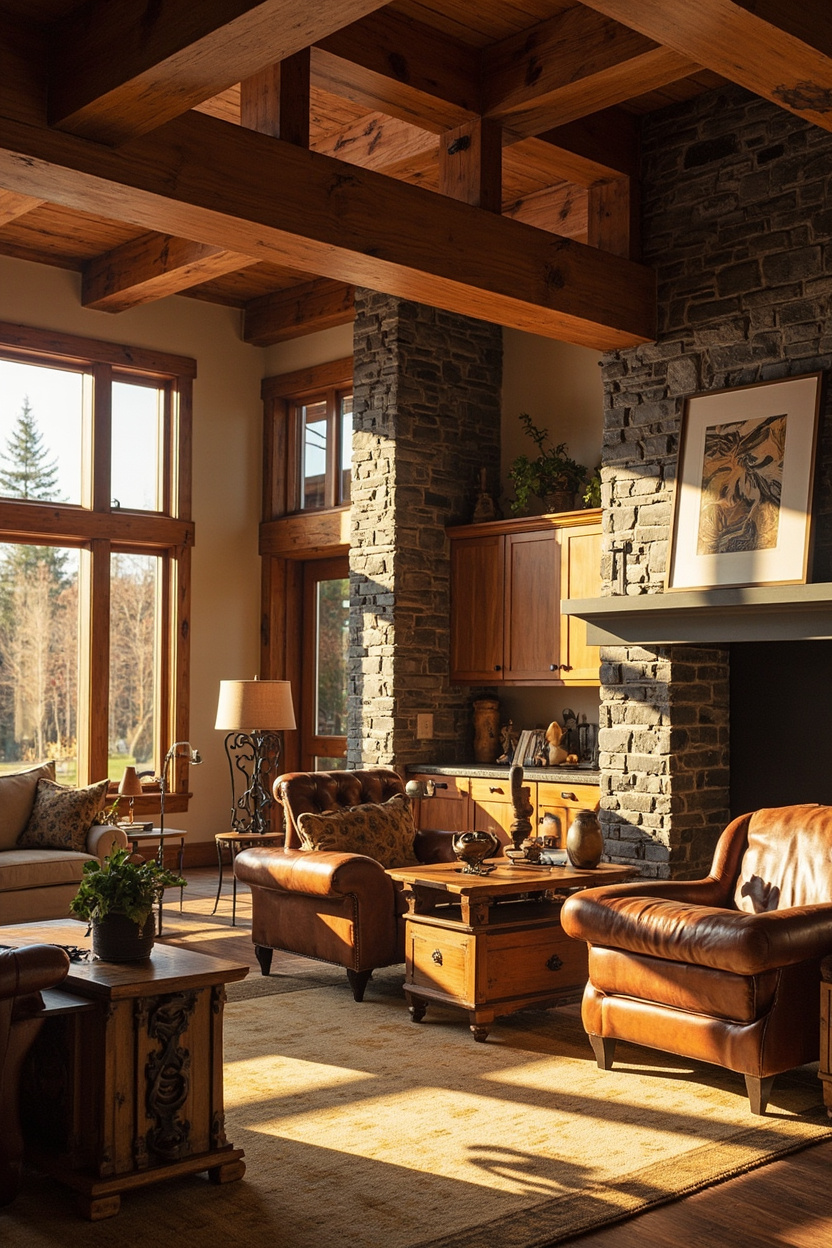
Craftsman homes celebrate materials that show their true character. Exposed timber beams, matte-finished hardwood floors, and natural stone hearths create a tactile, grounded interior.
Choosing durable, low-VOC finishes preserves the honest aesthetic while keeping surfaces easy to maintain and family-safe.
Layering textures, rough-sawn wood trim against smooth plaster walls or river rock beside metal fixtures, adds depth without clutter, reinforcing the handcrafted feel central to Craftsman design.
Consider pairing with sustainable sourcing to align aesthetics with longevity and environmental responsibility.
Open Floor Plans with Craftsman Character
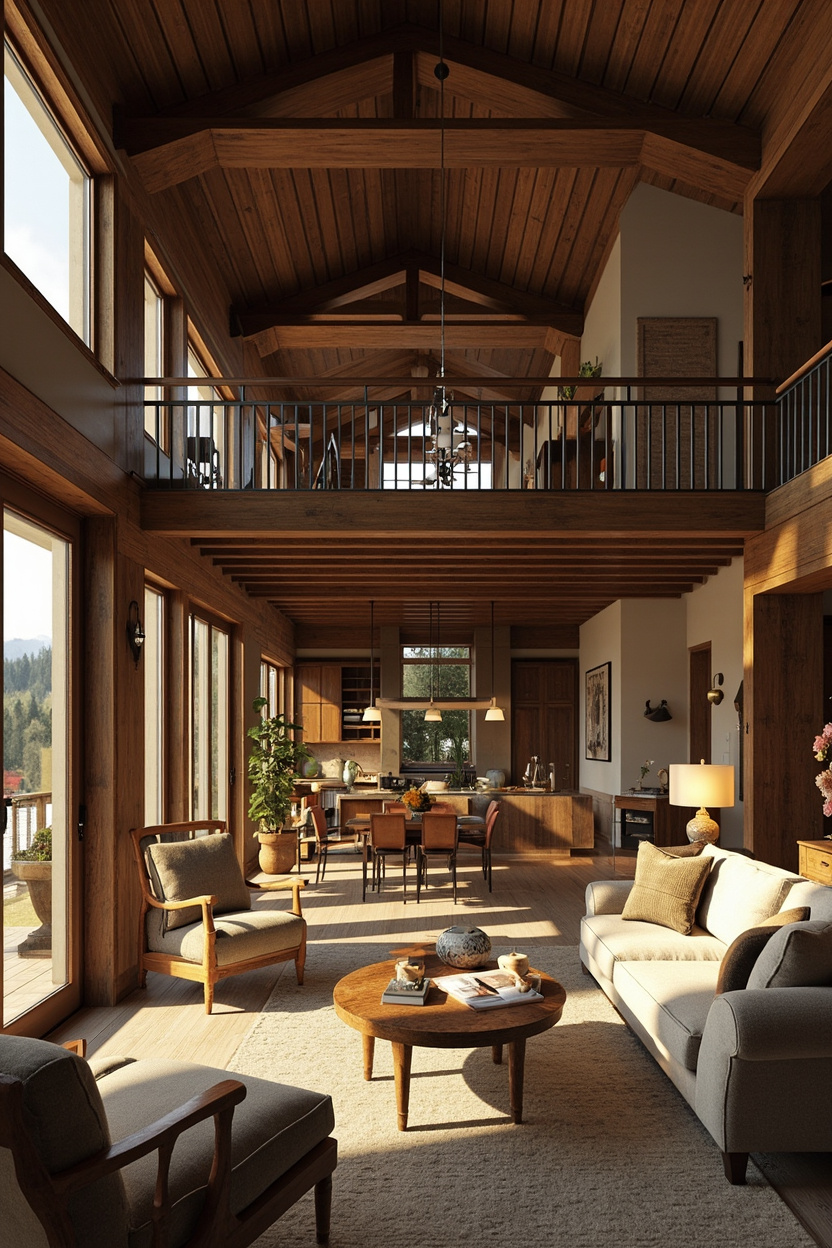
An open plan in a Craftsman home keeps sightlines airy while preserving the style’s warmth through defined zones, think a generous living area anchored by a fireplace and flanked by a dining nook framed with built-in bench seating.
Use half-walls, tapered columns, or ceiling beams to suggest transitions without closing spaces off, maintaining flow and the cozy proportions Craftsman homes are known for.
Finishes and consistent millwork tie the open layout together; repeating wood tones and hardware across zones makes the plan feel intentional rather than industrial, marrying modern living needs with traditional character.
Built‑in Storage Solutions for Craftsman Homes
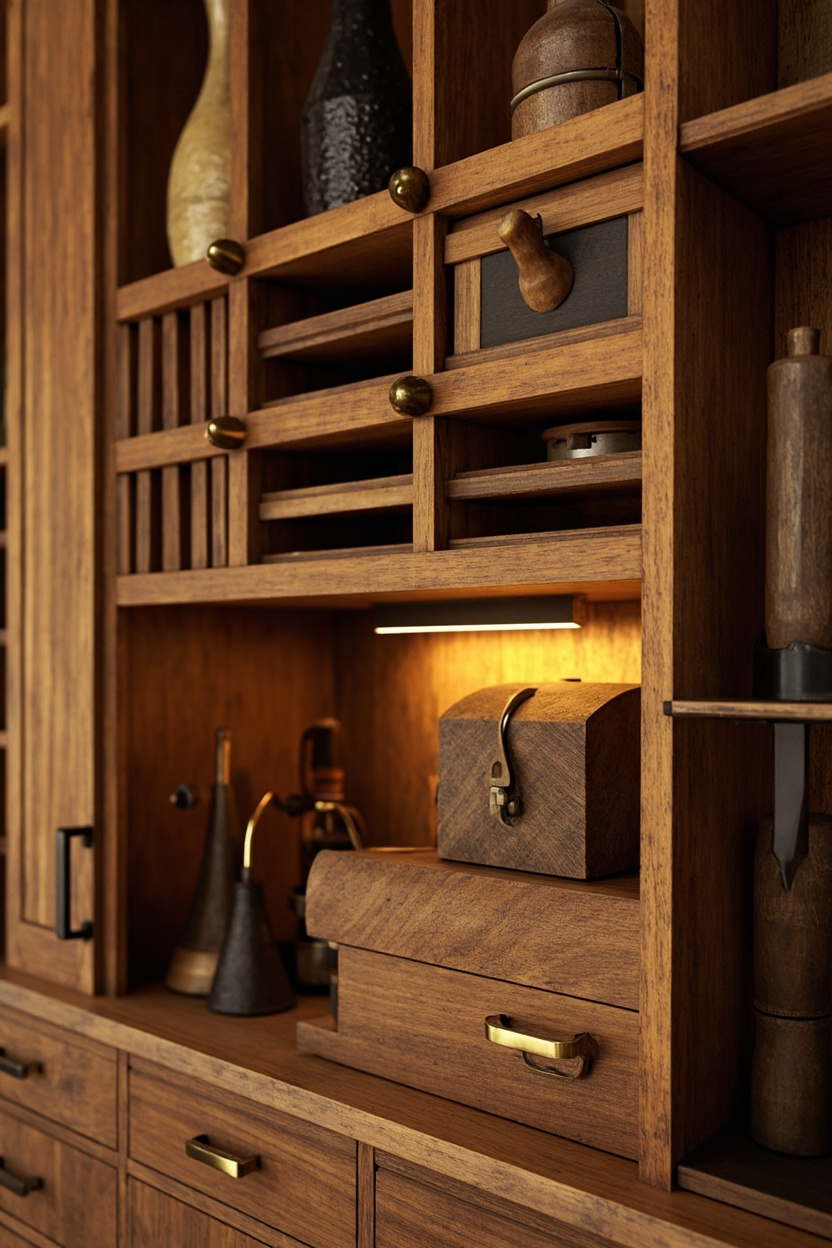
Built-ins are essential to Craftsman practicality: window seats with concealed drawers, bookcases flanking a mantel, and entryway cubbies keep clutter controlled while showcasing quality carpentry.
Integrate multifunctional pieces, a bench that doubles as shoe storage or a pantry with pull-out drawers—to maximize utility in modest footprints.
Design built-ins with the same material honesty as the rest of the home, using solid wood and durable joinery so storage reads as integral architecture rather than an afterthought, enhancing both resale appeal and everyday convenience.
Sustainable Materials for Authenticity
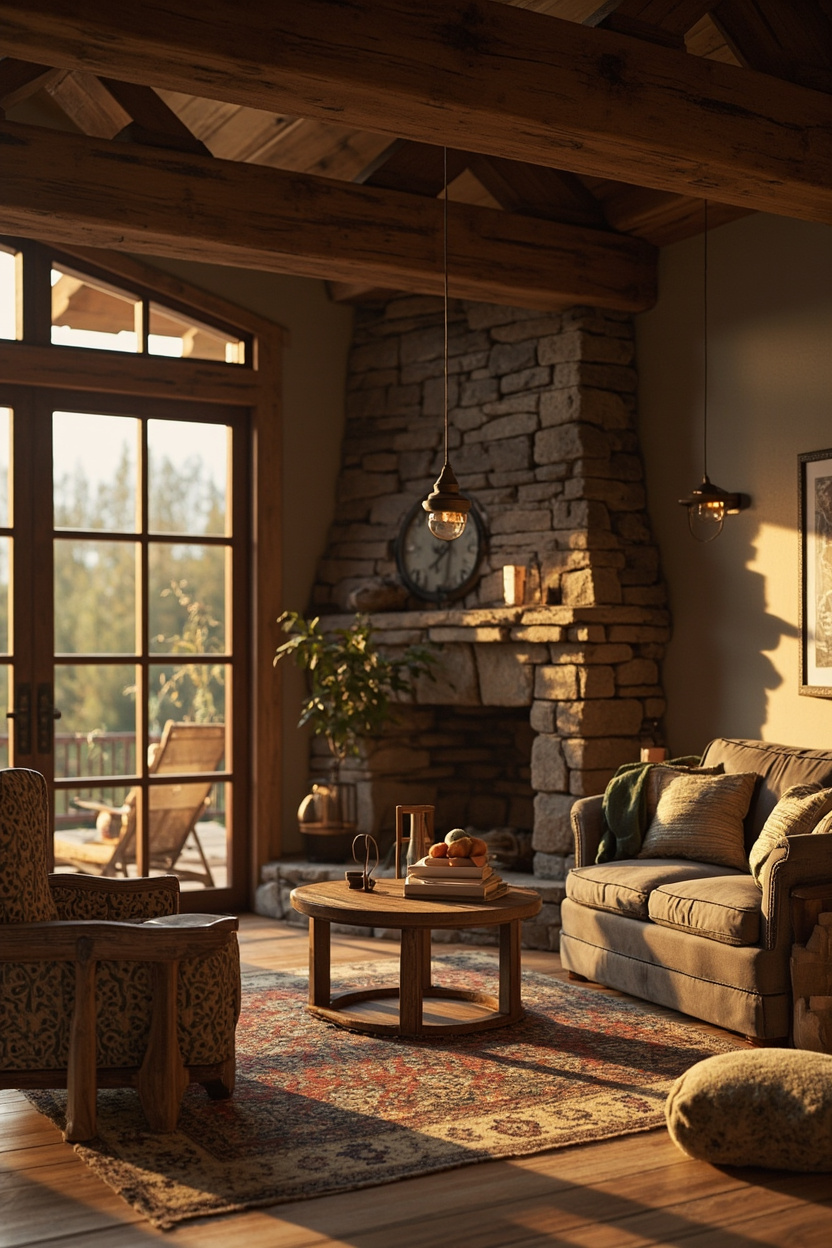
Choose durable, honest materials that age gracefully: matte-finished woods, natural stone, and exposed brick create the tactile, handcrafted feel central to Craftsman homes.
Prioritize locally sourced or reclaimed options to reduce embodied carbon while reinforcing the style’s celebration of material honesty.
Specify low-VOC finishes and FSC-certified lumber for trim, cabinetry, and built-ins; these choices keep interiors healthy and preserve the warm, muted palette that defines Craftsman interiors.
For inspiration on mixing textures and earthy palettes, see earthy cottage approaches that translate well to Craftsman sensibilities.
Fireplace and Hearth Focal Points
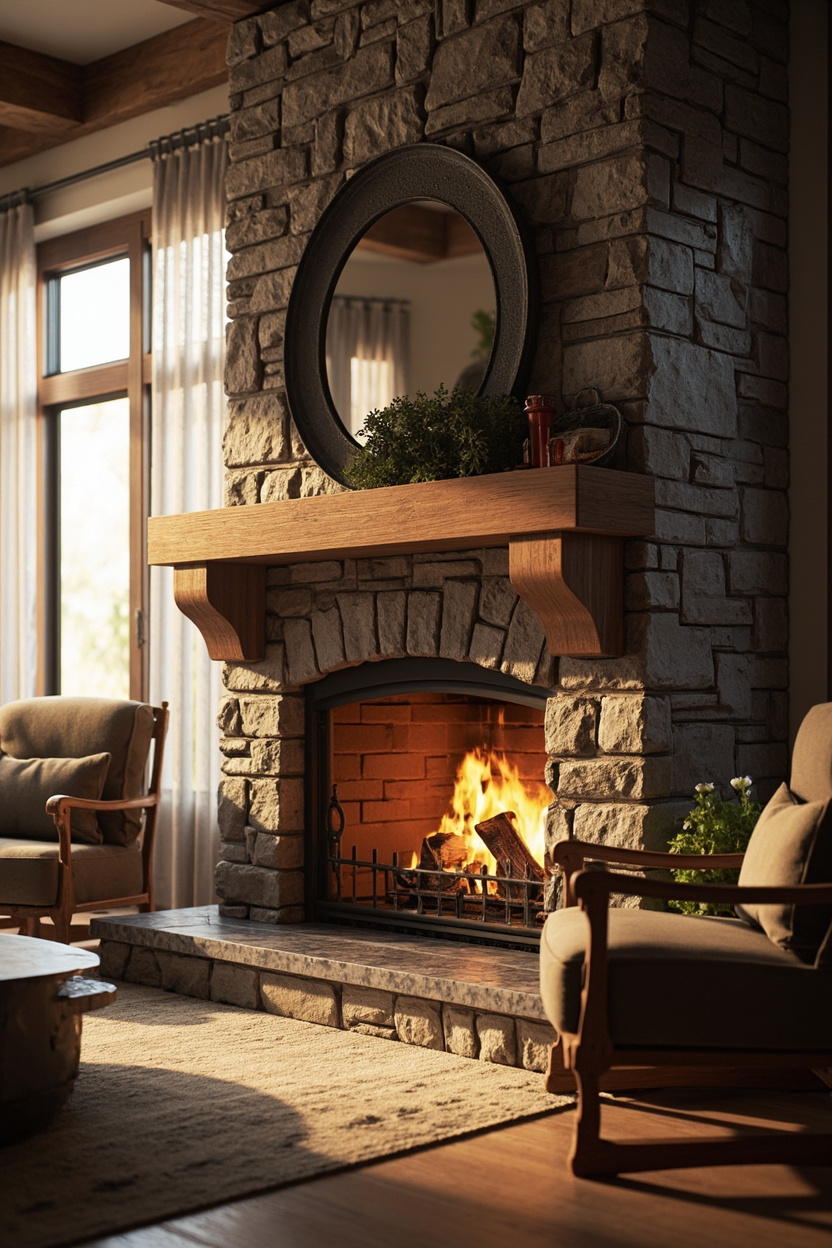
The fireplace should anchor the living room with a generous hearth and substantial surround—think tapered columns, stone piers, or a brick chimney that reads as structure rather than ornament.
A well-proportioned mantel and integrated built-ins on either side provide both display space and the cozy, lived-in look Craftsman homes are known for.
Consider multi-functional hearths: a deep bench seat at the hearth, wood storage niches, or a recessed media installation above the mantel keep the fireplace central to family life.
For house plans emphasizing welcoming porches and strong entry focal points, see complementary ideas in contemporary Craftsman planning and farmhouse layouts like those in classic farmhouse floor plans.
Natural Light Strategies for Craftsman Plans
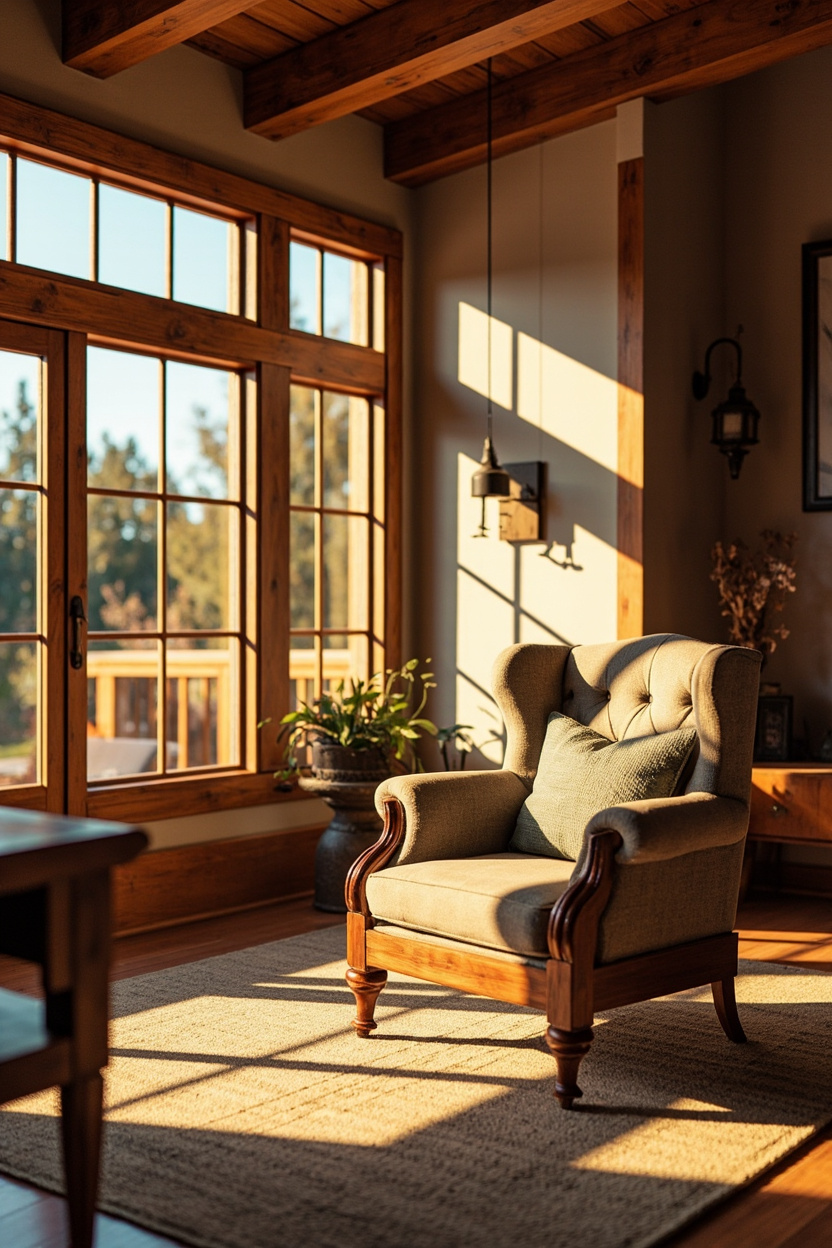
Optimize daylight with grouped windows, transoms, and clerestory placements to preserve wall space for built-ins while flooding interiors with soft, even light.
Stained or leaded glass details in upper sashes add pattern and privacy without sacrificing brightness, keeping rooms warm and visually rich.
Orient living spaces and porches to capture morning or evening sun based on climate, and use generous eaves and deep porches to control glare and heat gain.
Where direct light is limited, integrate reflective natural surfaces, light-toned wood finishes, and stone to amplify available daylight and sustain the inviting Craftsman ambiance.
Modern Kitchen Layouts with Craftsman Touches
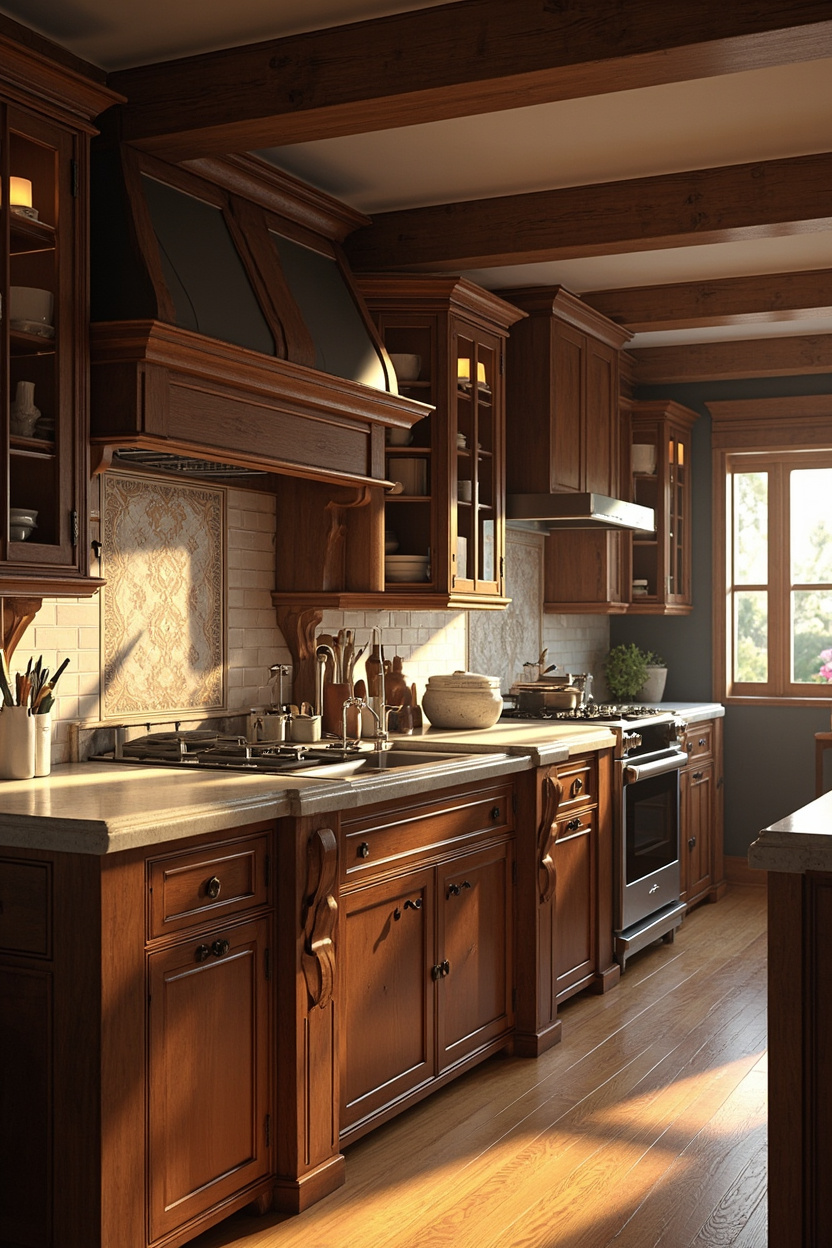
A modern kitchen in a Craftsman plan balances open, efficient layouts with honest, tactile materials—think matte wood cabinetry, soapstone counters, and exposed beam accents that read as both contemporary and grounded.
Positioning islands for circulation and sightlines keeps the space social while preserving the cozy scale central to Craftsman homes.
Incorporate built-in storage and handcrafted details—paneled appliance garages, open shelving with corbel brackets, and inset cabinetry, to marry modern function with the style’s signature craftsmanship.
These choices boost daily usability without sacrificing the warm, tactile palette that defines Craftsman interiors.
Master Suite Retreats with Craftsman Elements
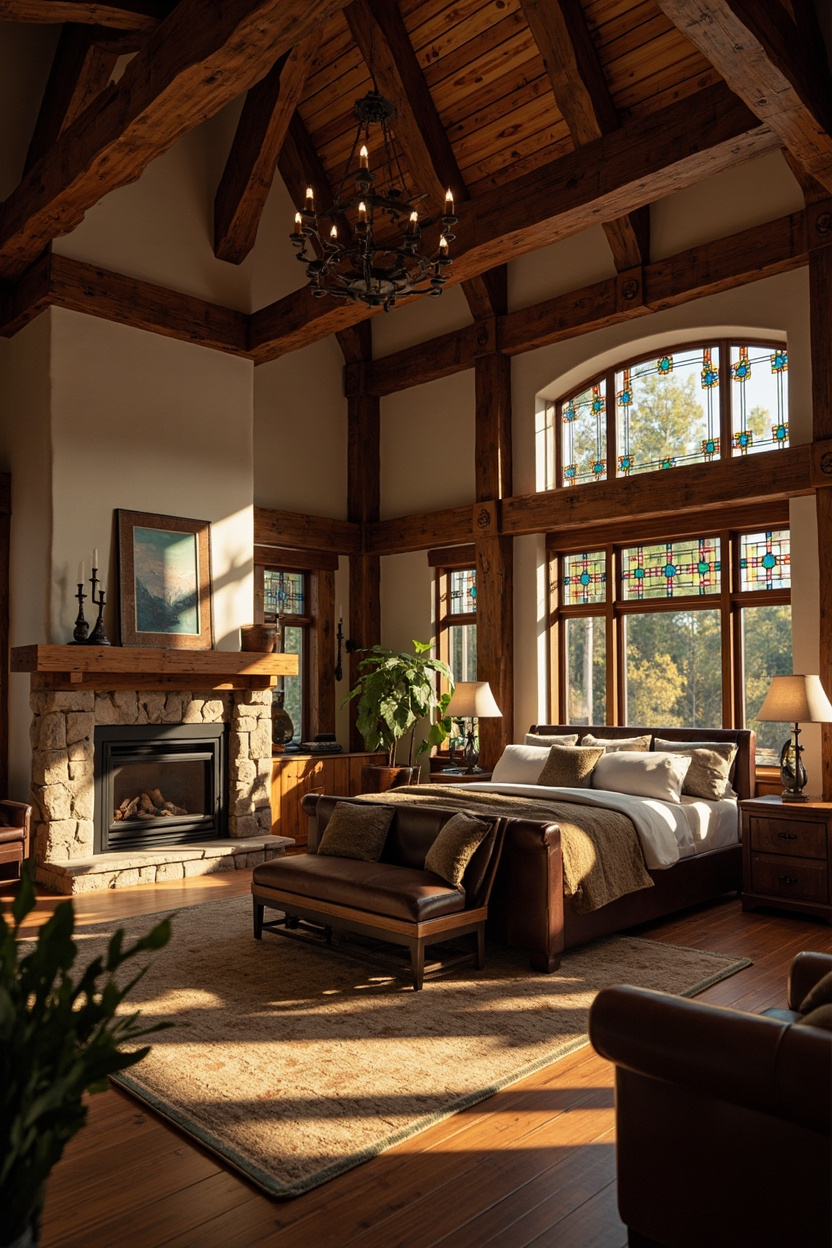
Craftsman master suites favor layered textures and simple architectural details: low-slung windows for natural light, wood-clad ceilings, and a modest fireplace or reading nook to create a calming, human-scaled retreat.
Keep the layout purposeful, a sleeping zone, a dressing area with built-ins, and a bathroom that reads like a spa but with honest materials such as matte stone and subway tile.
Built-in storage and thoughtfully placed windows maintain the style’s practical ethos while supporting modern needs like work-from-home flexibility or private lounging.
A restrained color palette and tactile finishes ensure the suite feels restful and timeless rather than trendy.
Exterior Color Palettes That Ground
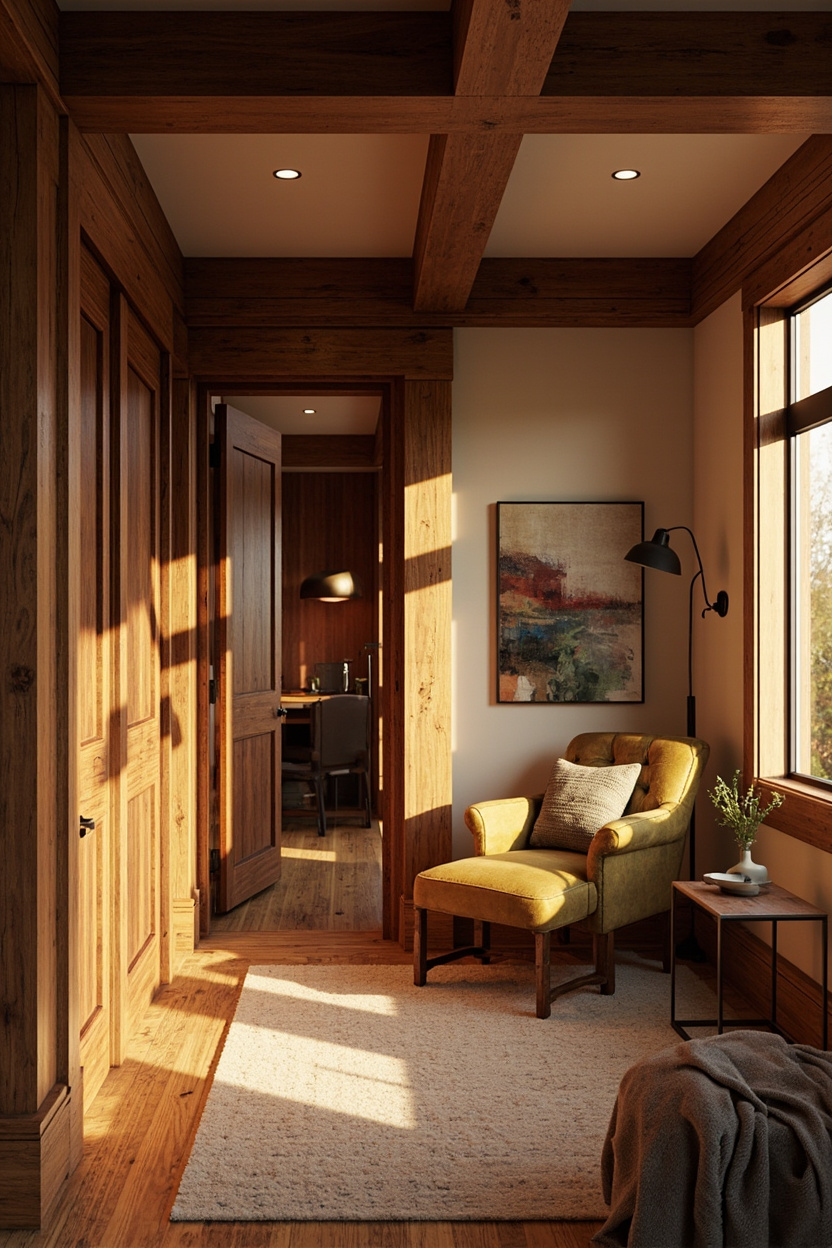
Craftsman exteriors perform best in grounded, nature-born palettes, deep greens, warm greys, muted taupes, and rich wood tones that accentuate stone piers and tapered columns.
Using darker trim against a softer field color highlights the home’s structural lines and handcrafted details without competing with natural surroundings.
Layer finishes, stained wood, matte siding, and natural stone, to create depth and durability, and choose palette accents for the front door and porch elements to anchor curb appeal.
Landscape Ideas Complementing Craftsman Style
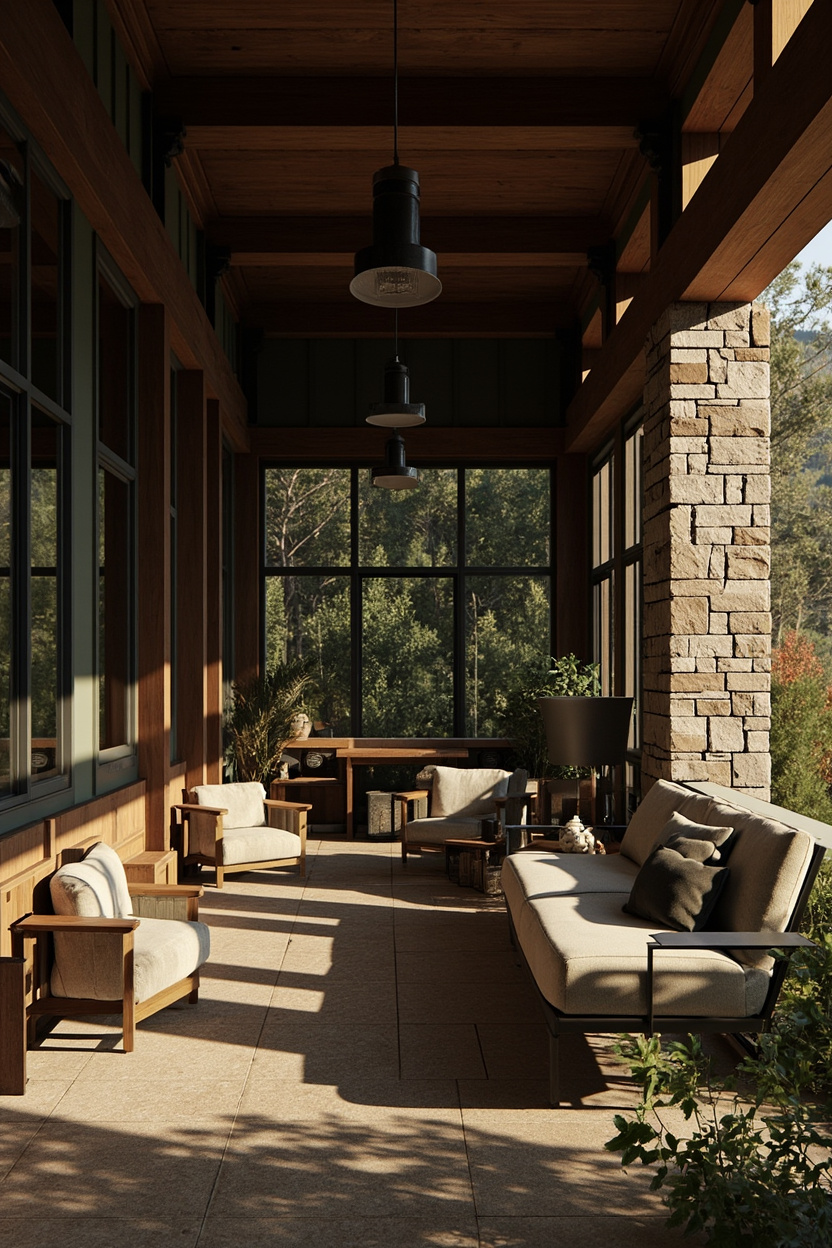
Craftsman exteriors thrive with layered, low-maintenance plantings that echo the home’s honest materials—native grasses, textured shrubs, and flowering perennials anchor paths and porches without feeling fussy.
Choose stone or brick edging and a simple flagstone walkway to mirror tapered columns and create a cohesive transition from yard to entry.
Incorporate functional outdoor rooms: a screened porch with built-in bench planters, a modest front garden for pollinators, and strategically placed shade trees to reduce solar gain.
Adaptable Small Craftsman Footprints
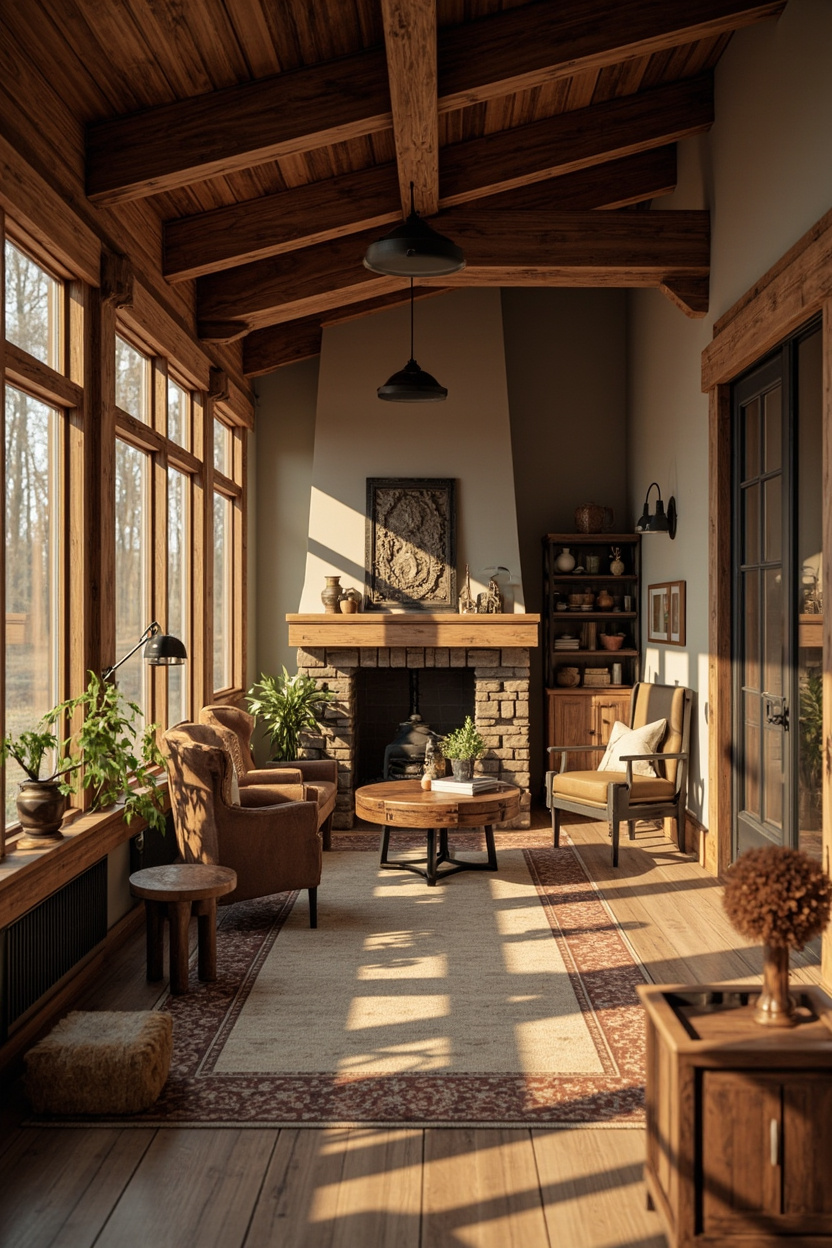
Small Craftsman plans celebrate efficient layouts—open living, compact kitchen work triangles, and multifunctional built-ins that reduce clutter while preserving charm.
Focus on sightlines from entry to backyard and use pocket doors or half-walls to maintain flow without sacrificing privacy.
Design for future adaptability by reserving attic or garage space for easy expansion, and specify durable, matte-finish materials that age gracefully.
These choices keep construction costs manageable while ensuring the home can evolve with changing household needs.
Final Thoughts
Craftsman plans balance tactile materials and thoughtful proportion with practical living solutions, making them ideal for homeowners who value warmth and longevity.
Whether refining the landscape or choosing a compact footprint, prioritize durable finishes and flexible design moves to keep beauty and function in harmony.
FAQs
A Craftsman plan emphasizes natural materials, exposed structural elements, low-pitched roofs, wide eaves, and welcoming porches—prioritizing craftsmanship and functional layouts.
Yes. Combine proper insulation, high-performance windows, shade trees, and efficient HVAC to meet modern efficiency targets without losing traditional character.
Contemporary plant palettes and simple hardscapes complement Craftsman details; for inspiration, blend native plantings with stone pathways or explore Earthy Cottage Home Decor Ideas for softer palettes.
Very adaptable, well-planned small footprints use built-ins, flexible rooms, and planned expansion zones (attic or garage conversions) to provide long-term functionality.