


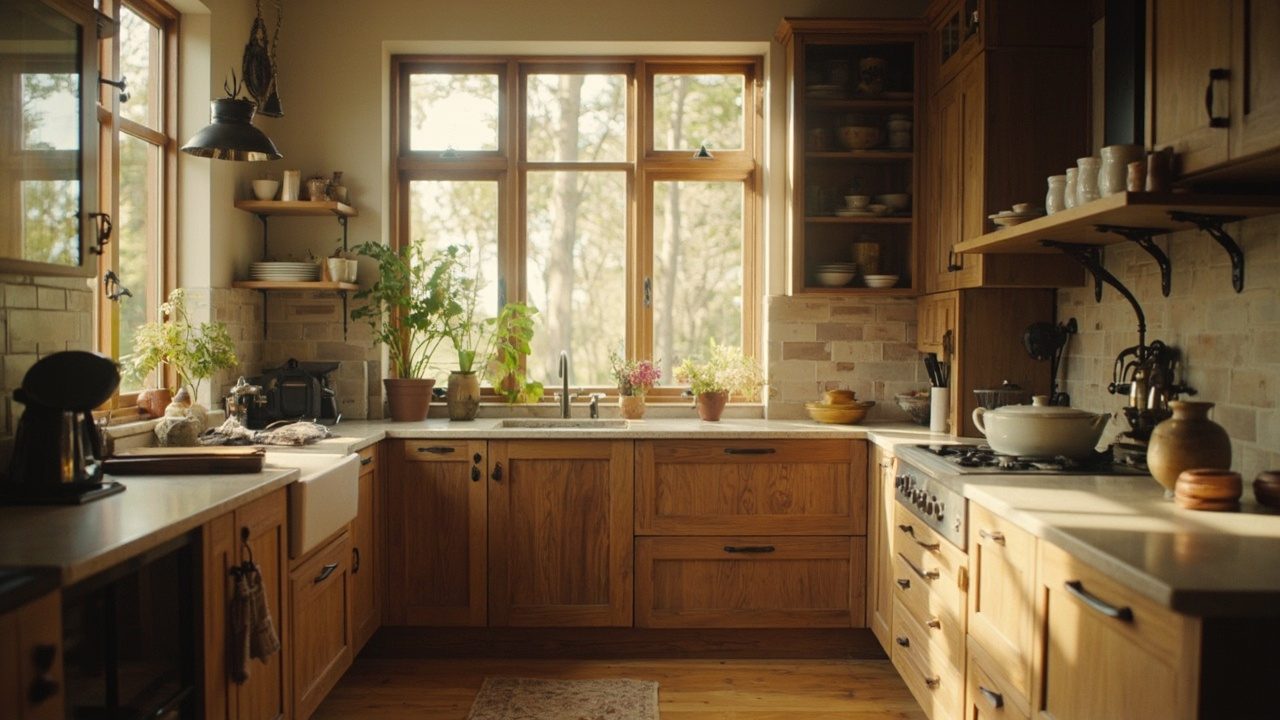
A cottage kitchen lives in the details: rounded corners, layered textures, and a palette that invites lingering breakfasts.
This guide focuses on three high-impact moves—green cabinetry, wooden islands, and marble surfaces that immediately add warmth and tactility without sacrificing function.
- 1. Green Cabinet Ideas For Warmth
- 2. Wooden Island Styling
- 3. Marble Countertop
- 4. Cozy Open-Plan Zoning
- 5. Intentional Layouts For Flow
- 6. Warm Textures To Layer
- 7. Compact Cozy Kitchen Solutions
- 8. Lighting For Intimate Ambience
- 9. Small Appliances, Big Impact
- 10. Stainless Steel Accent Uses
- 11. Rug Choices For Kitchen Comfort
- 12. Smart Storage For Clutter-Free
- 13. Color Palettes That Feel Homey
- 14. Seating Nooks For Casual Dining
- FAQ
1. Green Cabinet Ideas For Warmth
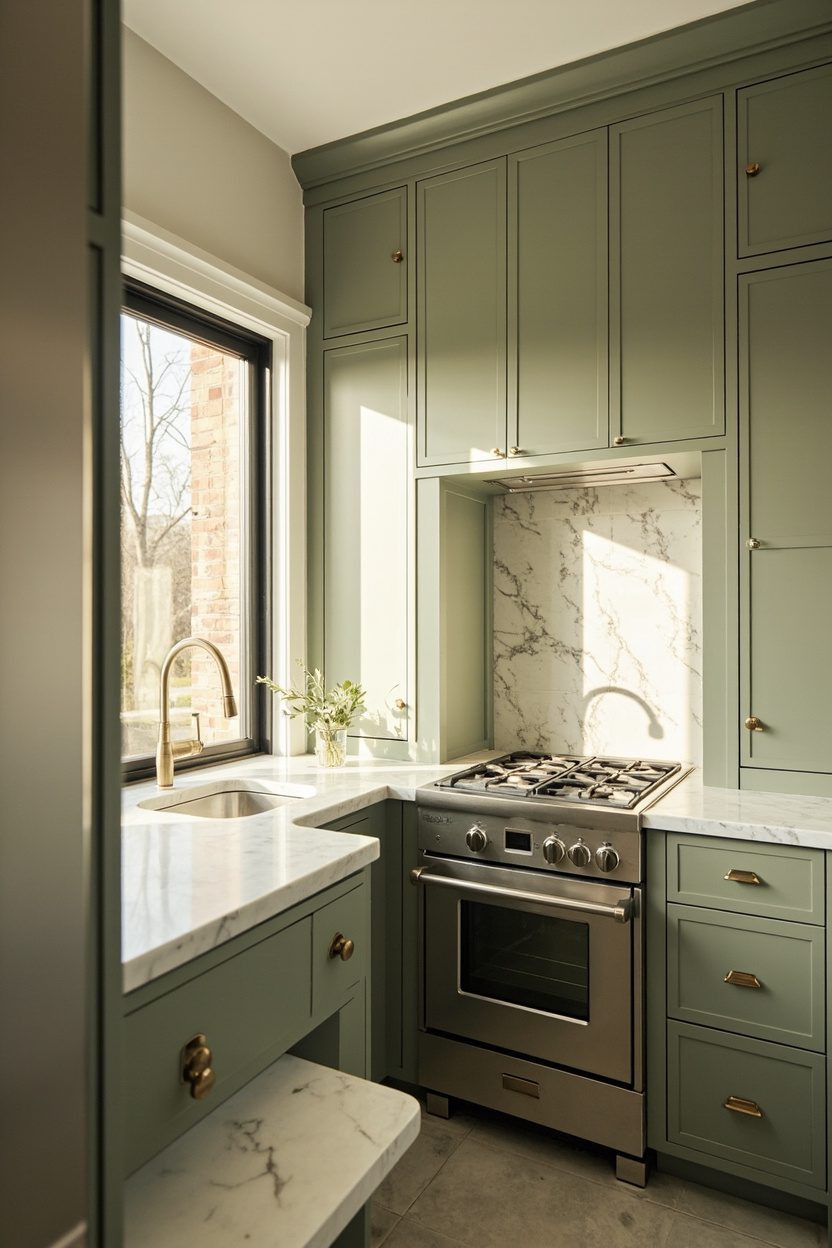
A deep, muted green on lower cabinets anchors the room while allowing upper white or cream cabinets to keep the feel light; aim for a value that reads mid to dark in daylight so it reads cozy rather than dated.
Pair the green with brass or aged bronze hardware in 2–3-inch pulls to introduce warmth and a slightly antique vibe typical of cottages.
Avoid painting every surface the same shade. Reserve the green for base cabinets or the island, and use open shelving in natural wood to break up the color plane and display ceramics for a lived-in look.
2. Wooden Island Styling
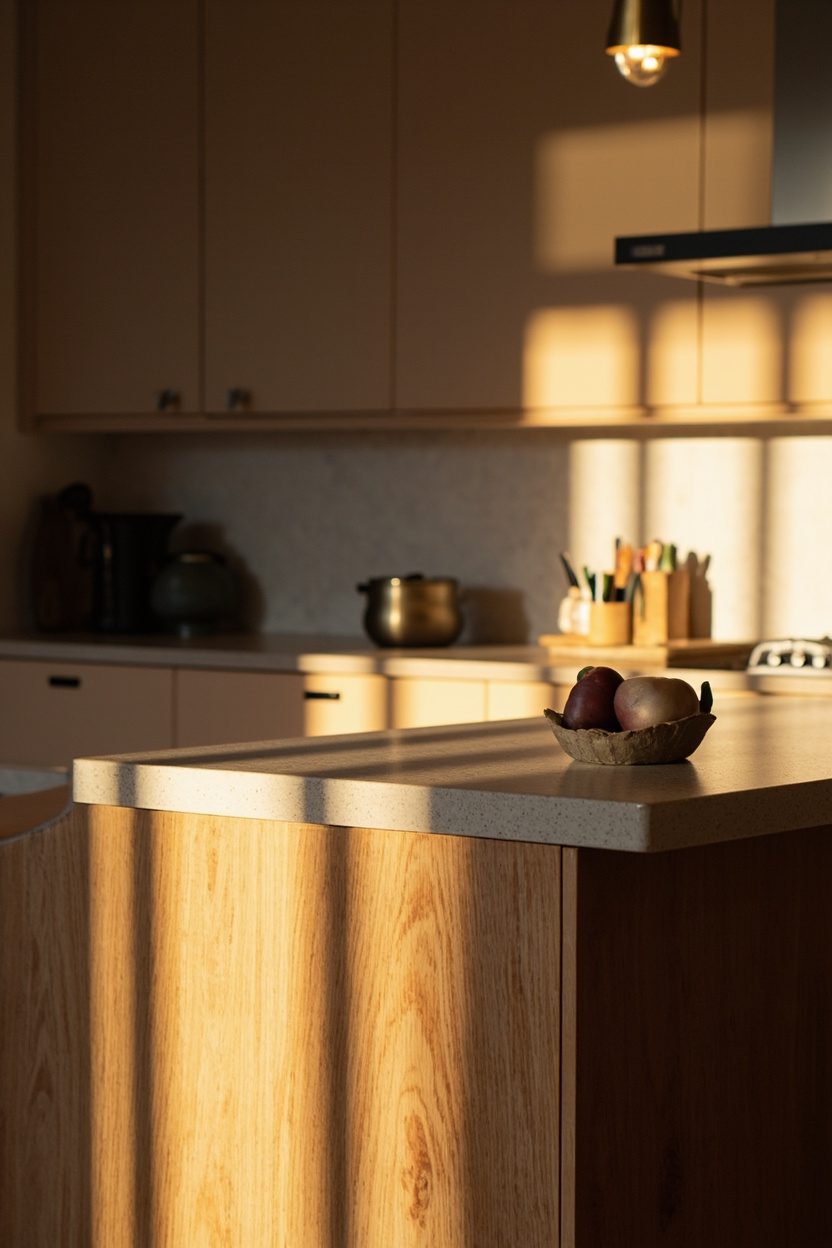
A wooden island adds instant cottage warmth; choose oak or walnut with a clear oil finish so the grain reads intimately, and size it so there’s at least 36 inches of clearance around for comfortable traffic flow.
Use a contrasting countertop, marble or honed stone on the island to prevent the wood from looking heavy and to provide a durable prep surface.
Style practically: install a deep apron-front sink on one side or a butcher-block prep top inset, and add two backless stools about 12–14 inches shorter than the counter height to maintain a relaxed, informal silhouette.
3. Marble Countertop
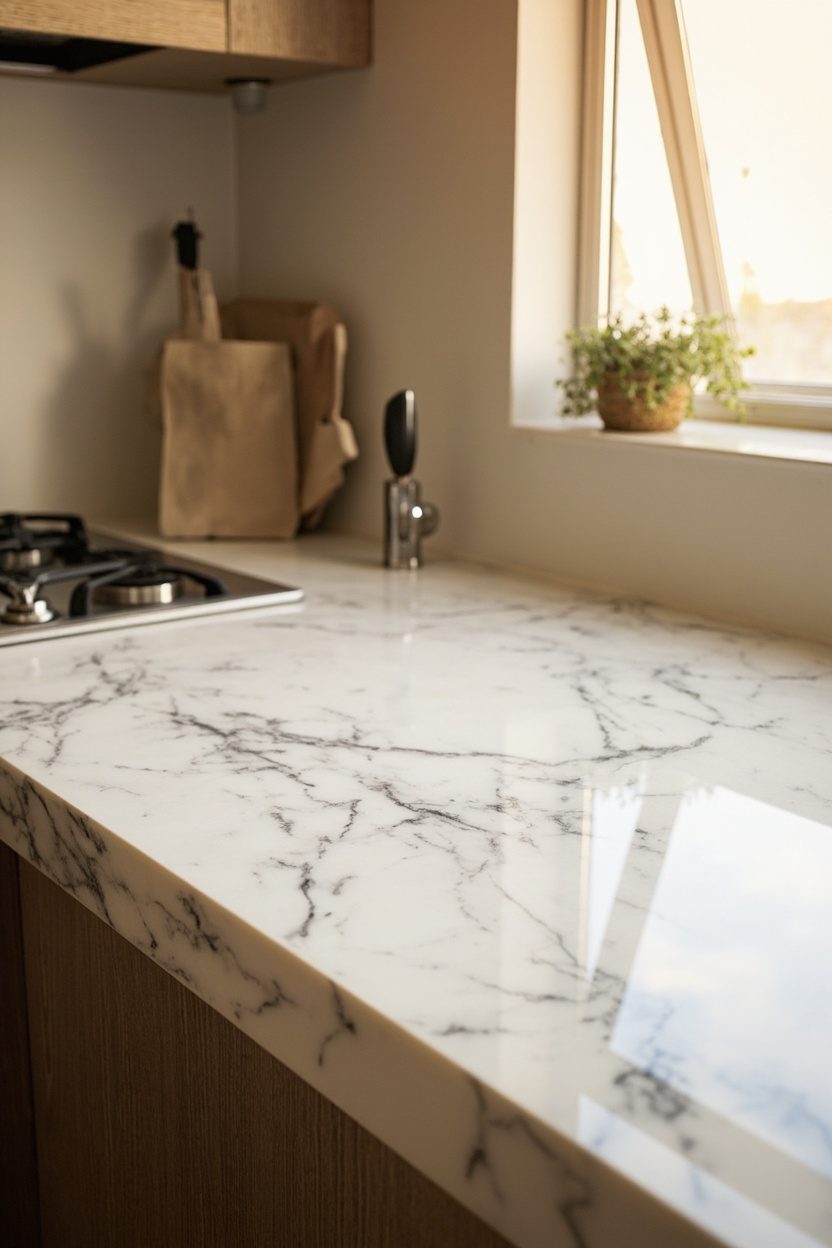
Marble brings light and a refined cottage touch, but it needs deliberate care to seal the surface annually and clean spills immediately with a pH-neutral cleaner to avoid etching from acids like lemon or vinegar.
For everyday use, place cutting boards over high-wear zones and designate a 12–18 inch prep area on the butcher block to protect the marble from heavy chopping.
If you prefer a marble look with less maintenance, choose a honed or engineered quartz that mimics marble veining; it gives the same visual softness while resisting staining and scratches for a busier family kitchen.
For further inspiration on lighting that complements these elements, see Minimalist Bathroom Lighting, and to borrow rustic silhouettes for seating and small details, visit White Farmhouse.
4. Cozy Open-Plan Zoning
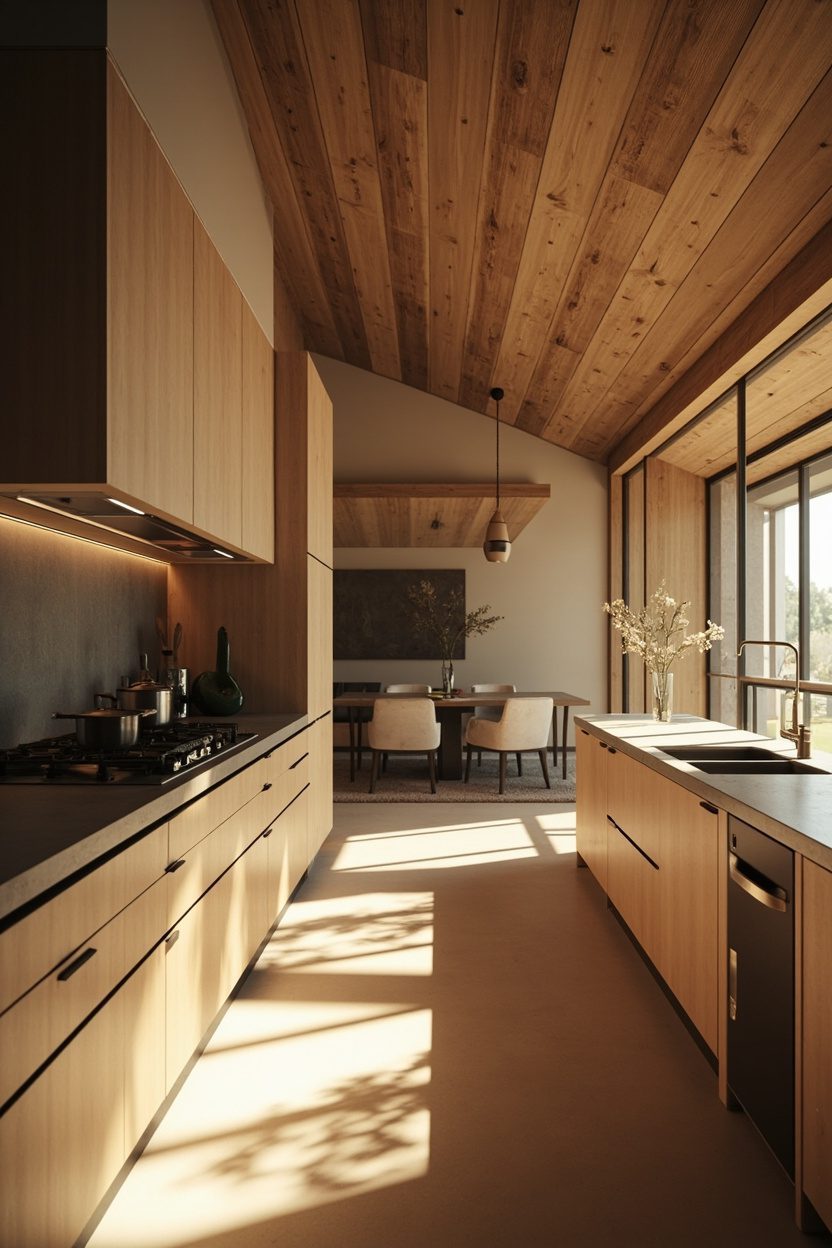
Define zones with materials, not walls: anchor the cooking area with a wooden island (preferably oak or walnut, 36–42″ deep) and place a low-backed sofa opposite to signal the living zone without breaking sightlines.
Use a change of flooring, wide-plank wood in the kitchen, and a patterned Beni-style rug in the seating area to visually separate spaces while keeping an open, cottage feel.
Add purposeful lighting layers so each zone reads correctly: pendant clusters above the island (hang at 30–36″ above the countertop) and a warm, dimmable floor lamp by the sofa create distinct moods.
Avoid overly large furniture that blocks flow; keep walkways at least 36″ for comfortable movement between zones.
5. Intentional Layouts For Flow
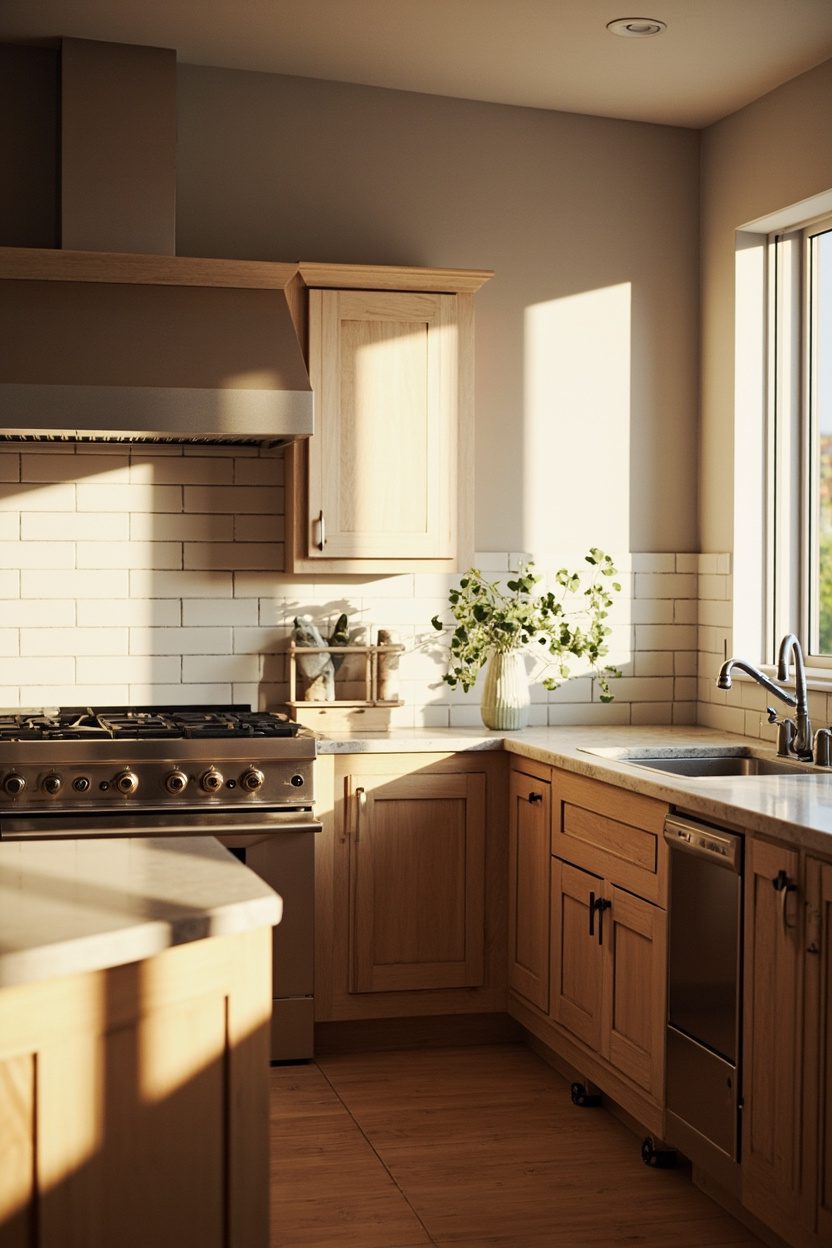
Plan around function by placing the sink, cooktop, and fridge in thoughtful proximity aim for a compact triangle with 4–8 ft between each point to reduce steps while prepping family meals. If space allows, insert a wooden island with a 12–18″ overhang for casual seating so guests can linger without crowding the work triangle.
Choose cabinet proportions to match the cottage scale: lower cabinets at standard 34.5″ height and upper cabinets no deeper than 12″ prevent a top-heavy look.
6. Warm Textures To Layer
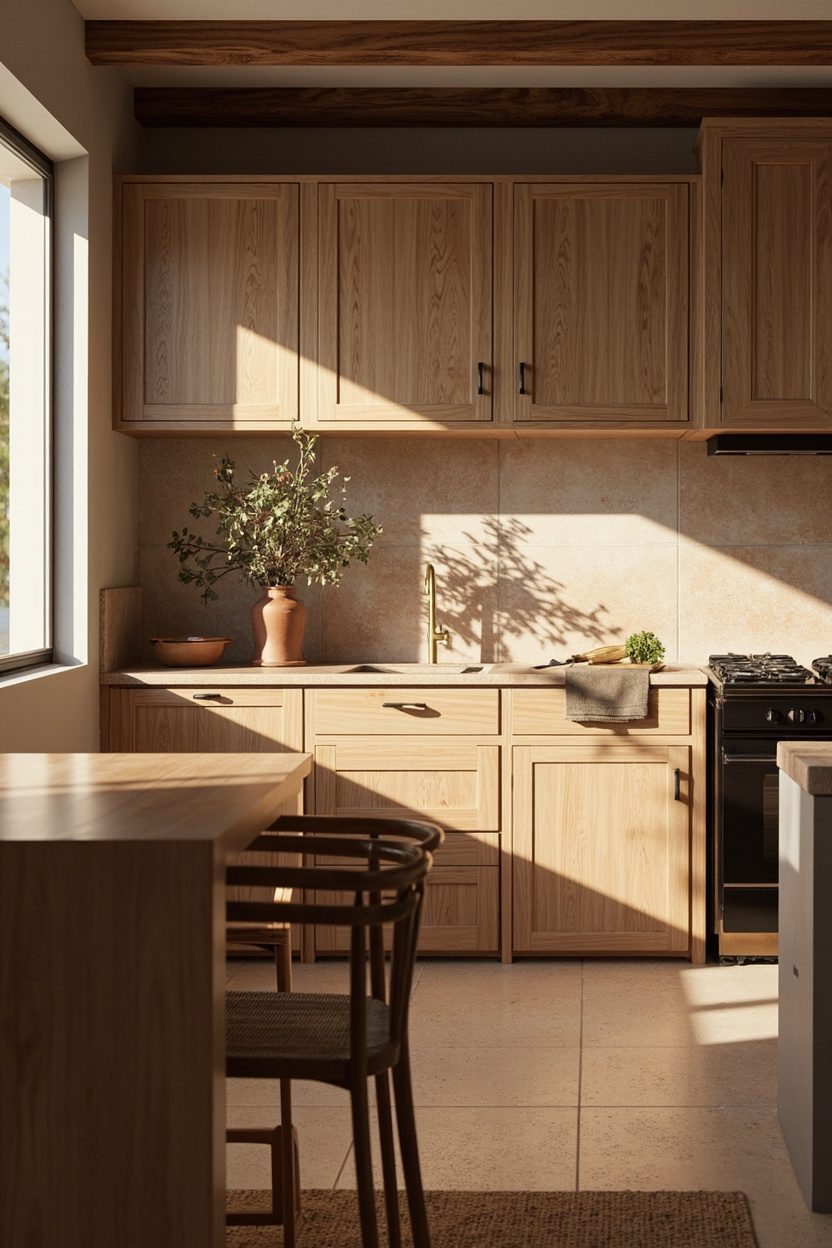
Start with a natural countertop, marble or honed quartzite paired with a wooden island surface adds visual warmth and tactile contrast; keep marble as an accent rather than the entire run to control budget and wear.
Introduce textiles: linen curtains, handwoven seat cushions, and a washable runner near the sink soften hard surfaces and nod to cottage charm.
Embrace honest materials in small doses: a brass faucet, open wooden shelving with earthenware, and a wool rug under the dining table.
Avoid over-cluttering shelves; leave breathing room between objects so texture reads as curated, not chaotic.
For color and pattern cues that pair beautifully with layered textures, consult these Boho Living Room Color notes.
7. Compact Cozy Kitchen Solutions
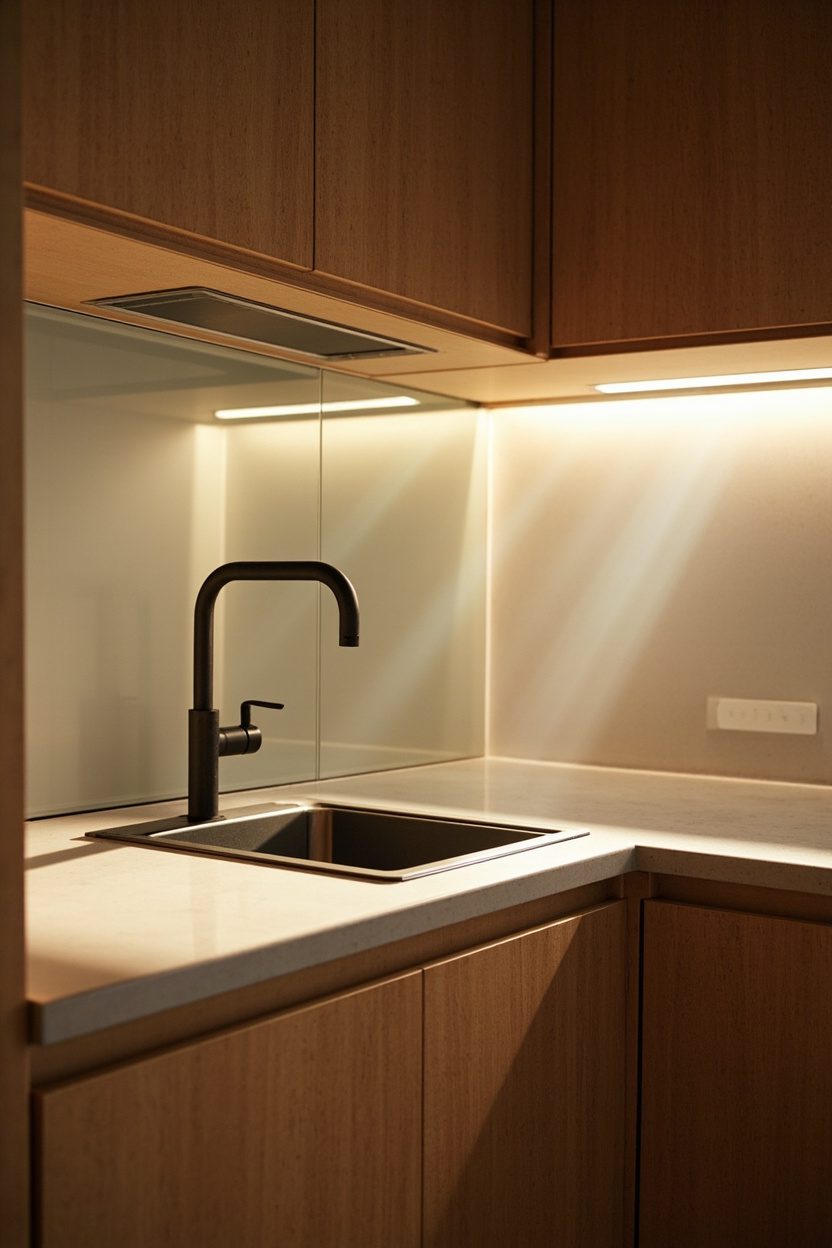
Make every inch count by choosing slimline cabinetry and a shallow farmhouse sink—the latter keeps the cottage look without eating up depth, so you can add a narrow dishwasher or pull-out pantry beside it.
Fit open shelving above a two-foot backsplash run to display crockery and free counter space; use reclaimed pine shelves at 8–10″ depth to avoid visual bulk.
Opt for a compact wooden island on casters as a prep station and informal table; at roughly 24″ wide it provides seating for one to two stools and can tuck against a wall when guests arrive.
Avoid the common mistake of oversized stools. Choose 16–18″ seat heights to keep sightlines low and the room feeling intimate.
8. Lighting For Intimate Ambience
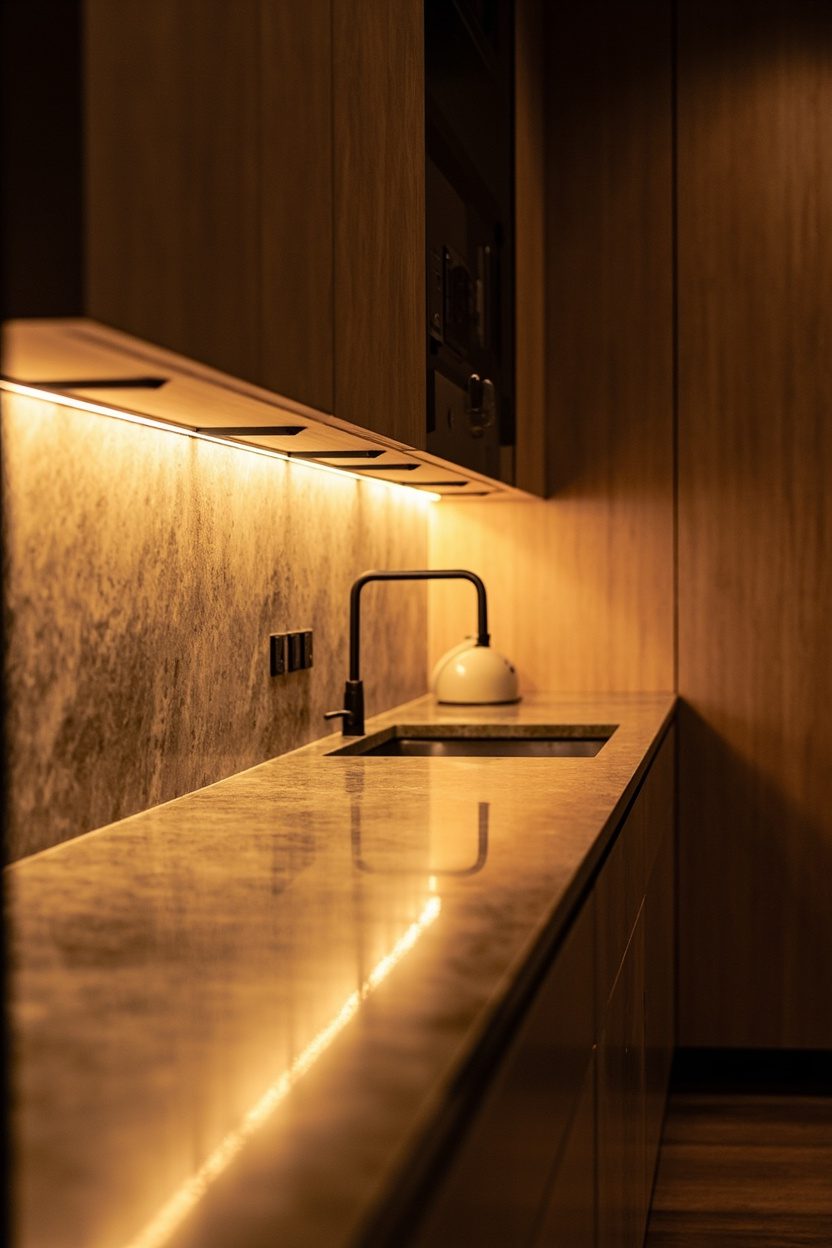
Layer lighting: a warm pendant over the table (choose a 12–16″ diameter for small kitchens), under-cabinet strips for task work, and a dimmable ceiling fixture to modulate mood from morning bustle to candlelit dinners.
Use bulbs at 2700K–3000K to preserve that cottage glow; mixing finishes like aged brass pendants with matte black task lights adds warmth without fuss.
Include a focused picture light or a small wall sconce above open shelves to highlight ceramics and create depth. Place it 6–8″ above objects and angle slightly forward to avoid glare.
For design guidance on pared-back fixtures, see Minimalist Bathroom Lighting for ideas that translate well into tiny kitchens.
9. Small Appliances, Big Impact
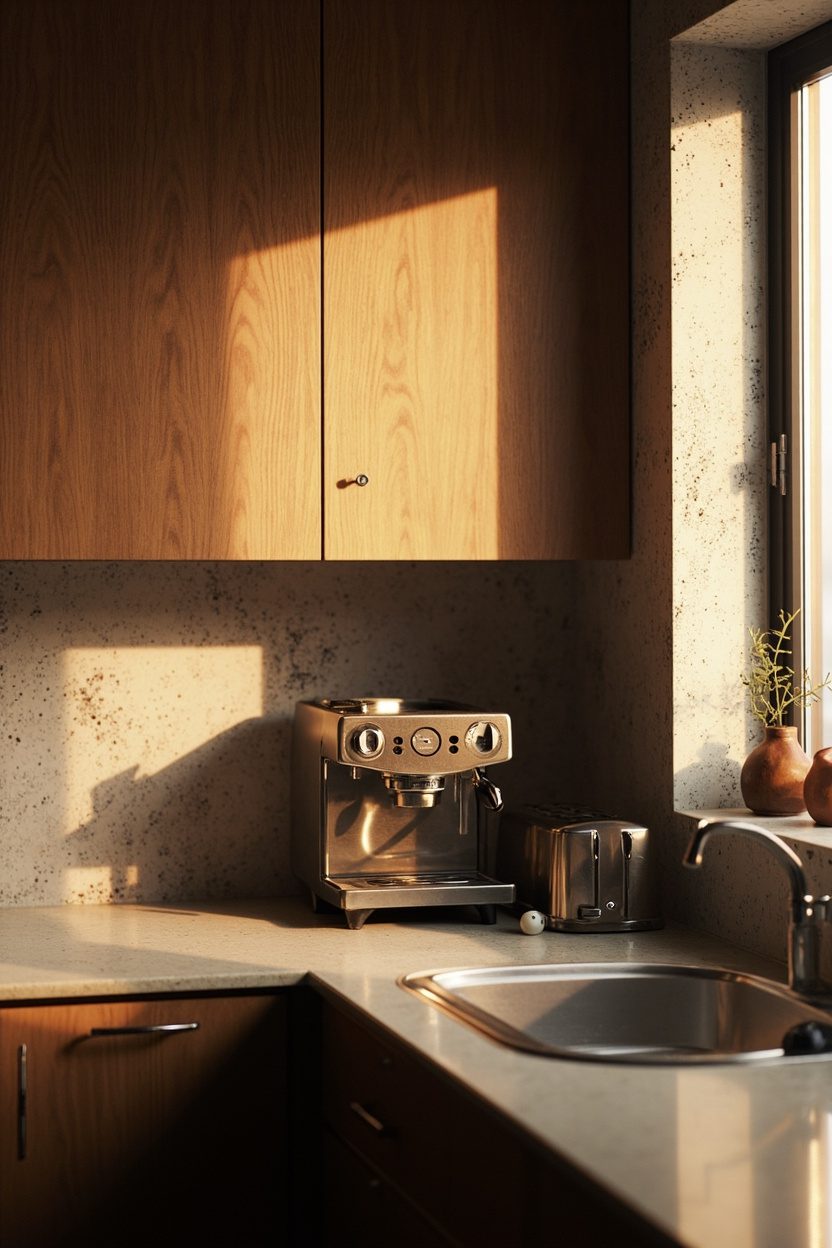
Select compact appliances with classic lines: a 24″ range in enamel white, a slim retro fridge, and a Sodastream-style countertop seltzer instead of a full dispenser. These keep a cottage aesthetic while fitting small footprints.
Prioritize finish cohesion; if you choose stainless accents for the sink, match small appliance trims to avoid a mismatched look.
Think placement: tuck the toaster under a low shelf to clear counters and keep the coffee maker on a shallow dedicated caddy so it can be pulled out for use, then slid back.
10. Stainless Steel Accent Uses
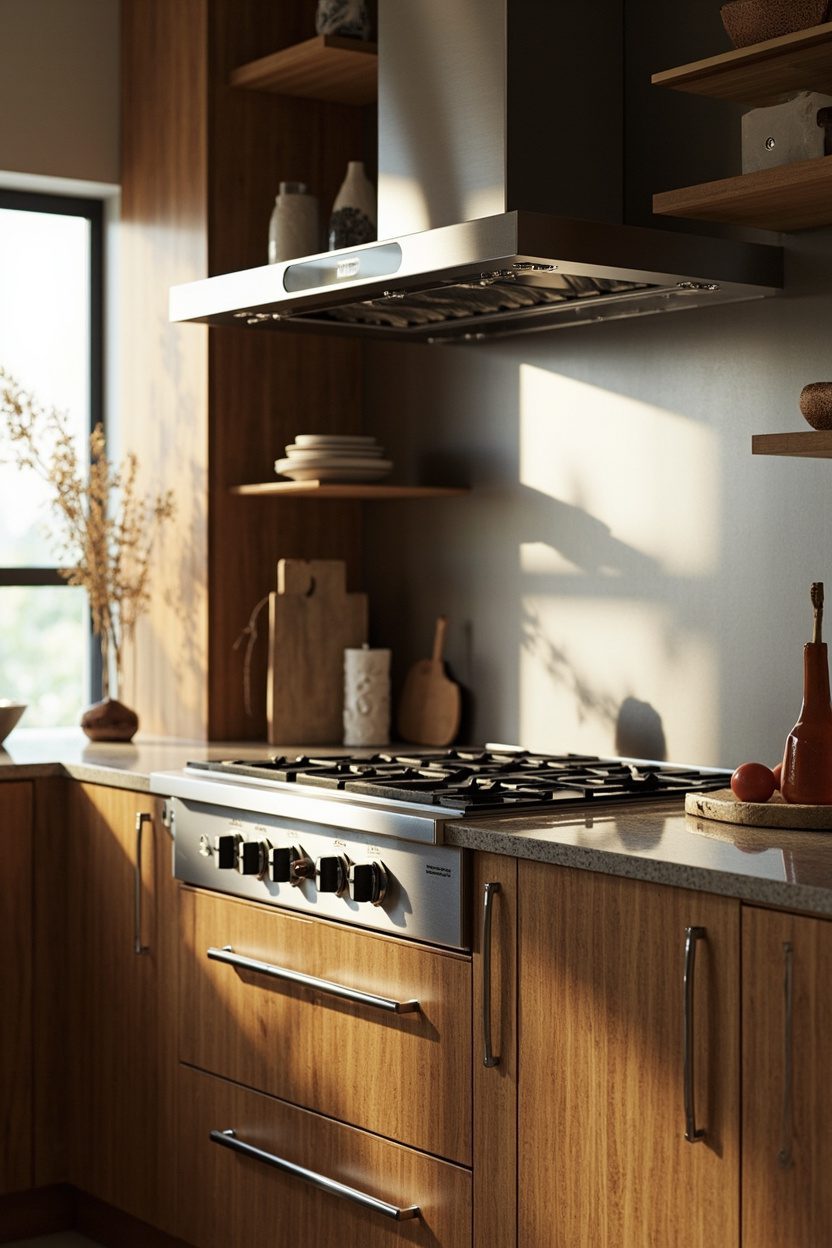
Stainless steel can cut through cottage sweetness with crisp reflections that feel modern rather than industrial; use it sparingly as a sink surround, thin open-shelf brackets, or a narrow splashback strip behind the hob.
Keep proportions gentle, choose a brushed finish, and limit coverage to about 10–15% of the visual plane so it reads as an accent rather than a commercial overhaul.
A common mistake is full-metal expanses. Instead, pair steel accents with warm materials: a wooden island or marble countertop softens the metal and ties into 2026 trends that favor mixed textures for intentional living, as highlighted by recent kitchen trend reporting.
11. Rug Choices For Kitchen Comfort
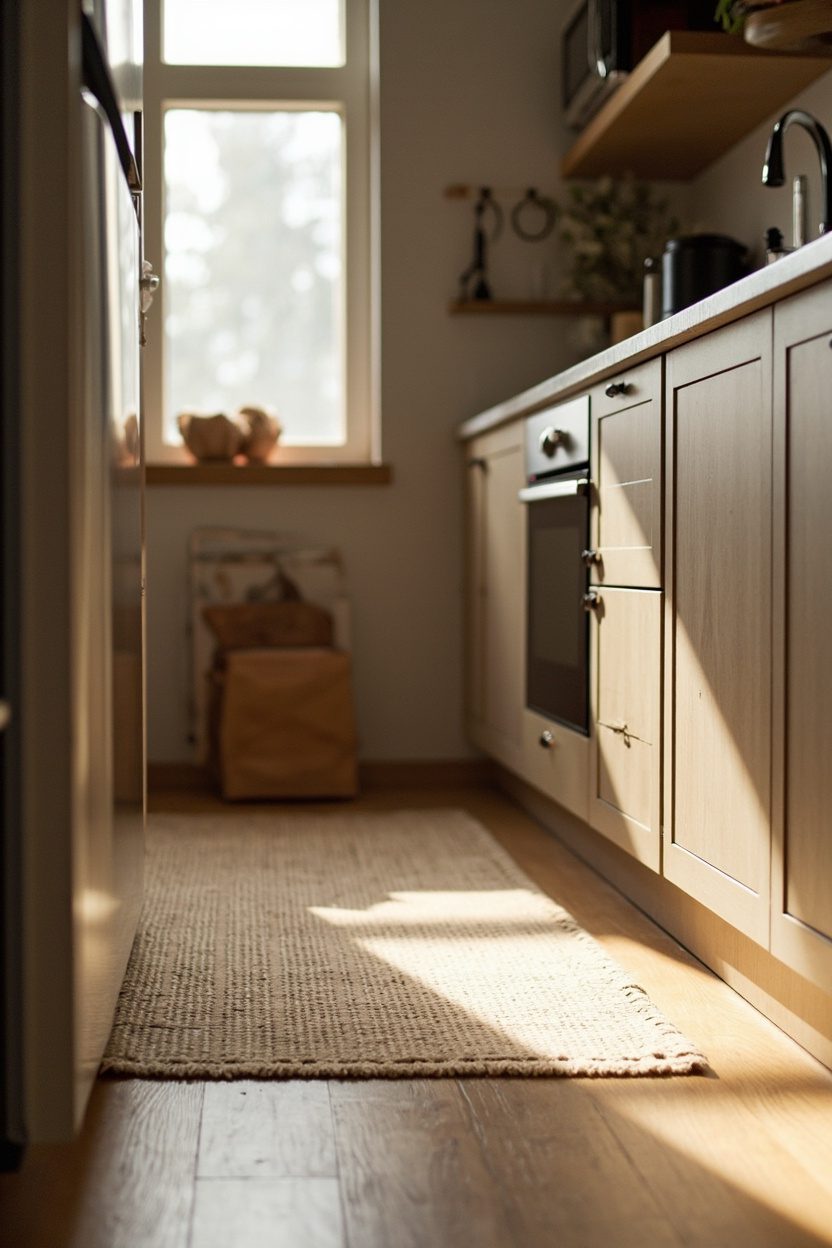
Select rugs that handle traffic and spills: flatweave Beni-style rugs or indoor-outdoor polypropylene runners give cottage warmth while being spill-resistant; choose a width that leaves 6–12 inches of visible floor at cabinet bases for balanced proportions.
Opt for a short pile to avoid tripping and make cleaning easier—anchor the rug under the sink or in front of prep zones where you stand most.
Color and pattern should support the room’s palette. Soft florals or faded kilims work well with painted cabinets, while a simple neutral runner complements marble counters and wood islands.
Layer a smaller patterned mat under the sink on top of a neutral runner for visual interest without sacrificing function.
12. Smart Storage For Clutter-Free
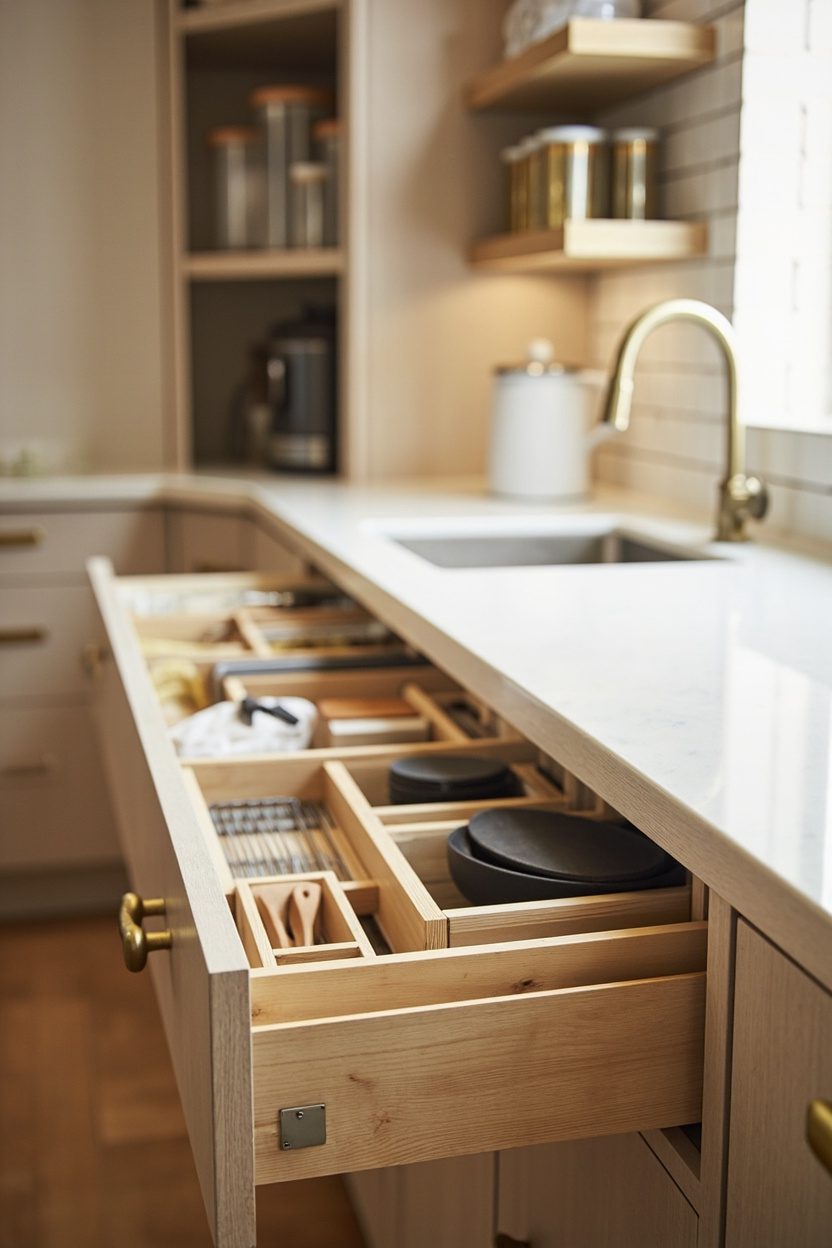
Design storage around daily use: deep drawers for pots, pull-out trays for spices next to the hob, and a 12–18″ appliance garage on the counter to hide toasters and kettles keeps surfaces cottage-casual but tidy.
Install adjustable shelving inside pantry units so you can change shelf heights seasonally and avoid wasted vertical space.
Don’t underestimate visible-but-styled storage open shelves for everyday dishes should be limited to a single run no higher than eye level and spaced 10–12 inches apart to prevent a crowded look.
For a cohesive finish, match interior shelf material to your island wood or cabinet trim to make organization feel intentional rather than an afterthought.
13. Color Palettes That Feel Homey
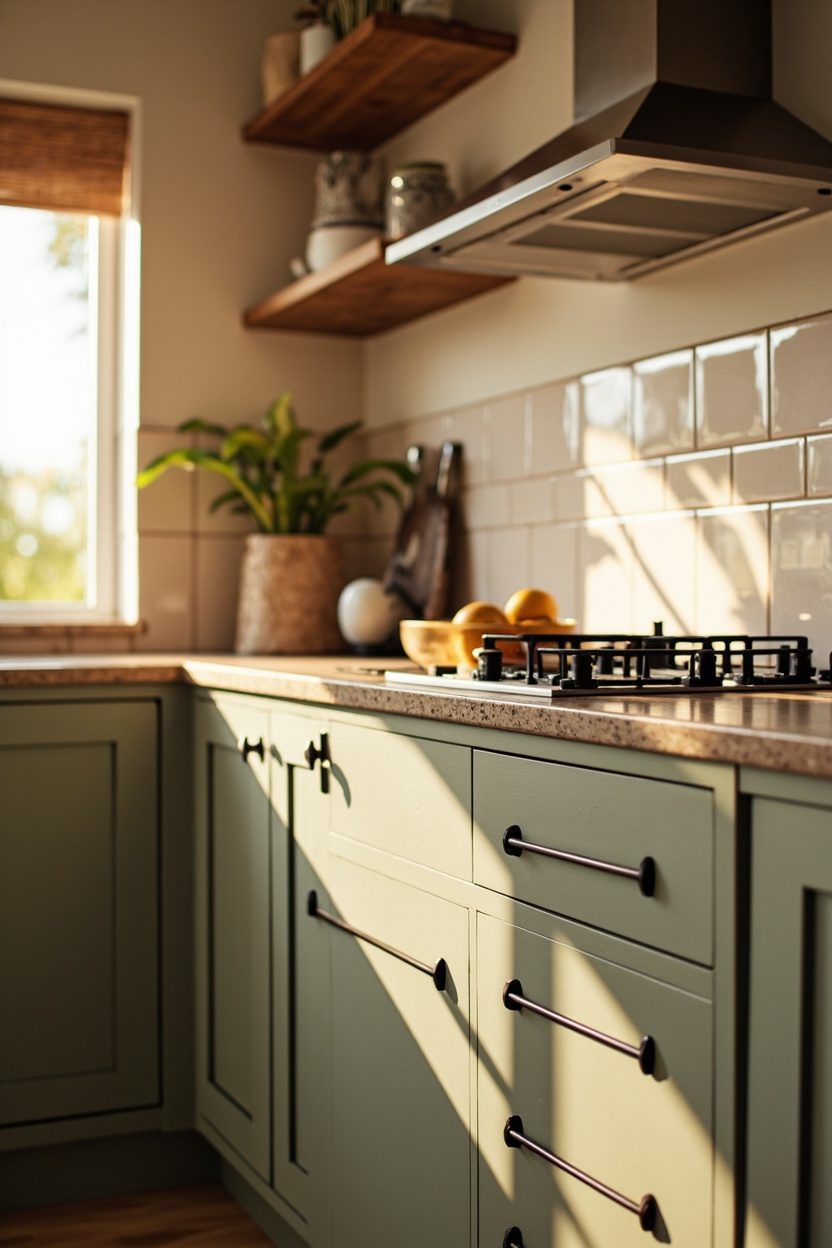
Choose palettes rooted in nature, sage, butter yellow, soft terracotta, and balance them with off-white walls to keep the space bright without clinical whiteness. Use the 60-30-10 rule: 60% neutral base, 30% main color (cabinets or island), 10% accent (backsplash or textiles) to create proportionate, layered warmth.
Pairing green cabinets with a wooden island and a subtle marble counter follows 2026 kitchen trends that marry color with texture, giving both charm and resale relevance.
Avoid over-saturating small kitchens; use the main color on lower cabinets and keep uppers lighter to preserve visual height.
14. Seating Nooks For Casual Dining
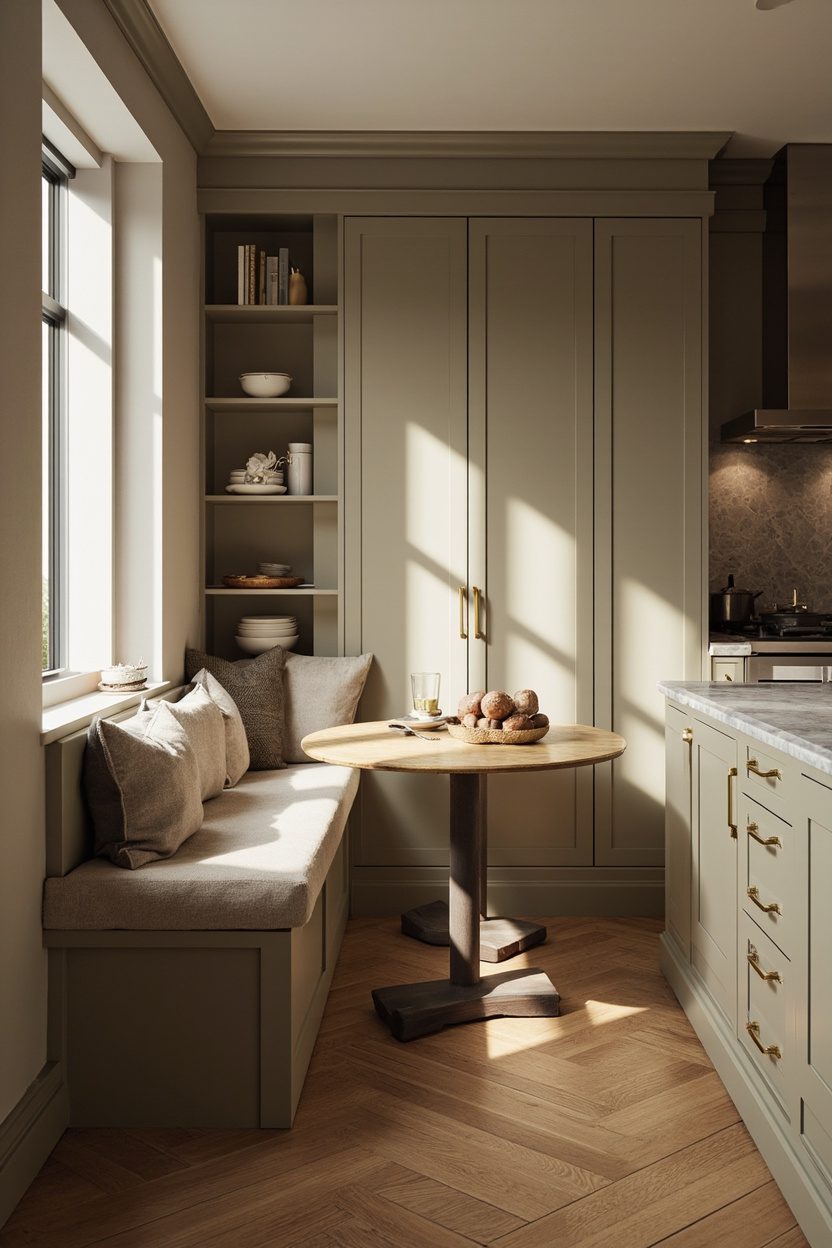
Built-in banquettes maximize floor space, specify seat depth of 18–20 inches, and a back cushion 14–16 inches high for comfortable everyday lounging.
Anchor the nook with a round table 36–44 inches wide to allow circulation on all sides and add under-seat drawers for table linens.
A successful nook uses layered cushions in differing patterns but coordinated tones to prevent visual clutter; consider a wipeable upholstery on the seat and removable covers for ease of maintenance.
Position the nook near a window or beneath pendant lighting hung 30 inches above the table to create a picture-perfect cottage breakfast spot.
If you want another practical angle, read 15 Cottage Kitchen Ideas That Feel Like They’re Straight from a Novel.
FAQ
Eggshell or satin are ideal; they clean well but keep a soft, low-sheen appearance that feels homey rather than industrial.
Yes—focus on paint, textiles, and hardware swaps first; a painted island and new pulls are high-impact, low-cost changes.
They are, if you commit to decluttering and using matching storage containers; keep heavy or hazardous items in closed cabinets for safety.
Keep appliances integrated or panel-ready where possible and choose modest stainless or matte finishes so they recede against warm cabinetry.