



Decorate in cottage style by focusing on softness, lived-in warmth, and thoughtful layering rather than strict rules. This guide shows practical, room-by-room decisions you can apply now, from palette selection to furniture scale and textile choices.
Whether you’re refreshing one room or renovating a whole house, the goal is a modern cottage that feels cozy and curated. Below are the first design fundamentals to get your color, furniture, and textiles working together.
- Planning Your Modern Cottage Color Palette Choices
- Choosing Furniture: Curves, Textures, and Scale
- Layering Textiles for Warm, Cozy Interiors
- Incorporating Antiques and Vintage Finds Rightly
- Lighting Strategies to Enhance Cottage Ambience
- Practical Flooring and Rug Solutions for Comfort
- Avoiding Common Modern Cottage Design Mistakes
- Maintaining and Refreshing Cottage Style Over Time
- FAQ
- Final Thoughts
- Related Decor Reads
Planning Your Modern Cottage Color Palette Choices
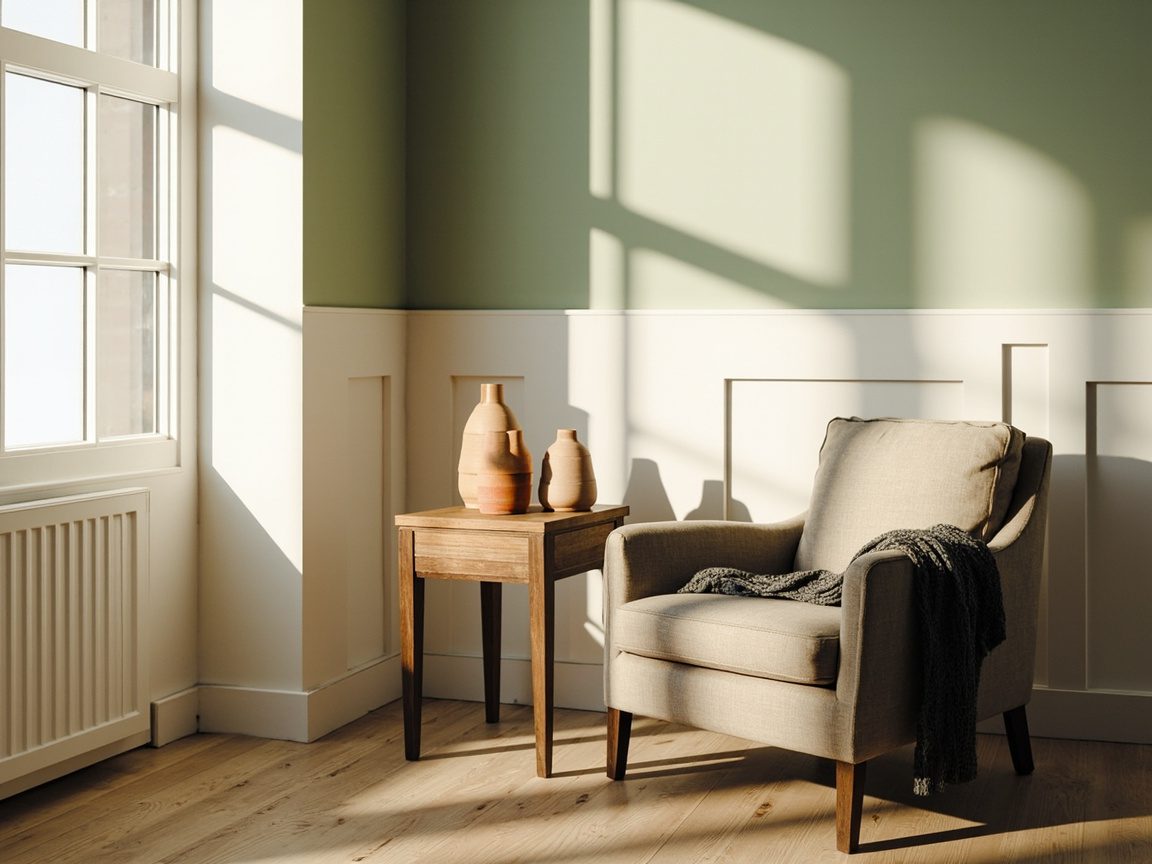
Start with a restrained base of warm whites and muted neutrals, then layer in gentle accents for depth. Modern cottage favors soft, earthy hues that read as calm and collected, not fussy.
Actionable palette rules and criteria:
- Base: Choose one warm white or cream for walls, with an LRV of around 70–85 to keep rooms bright, yet soft.
- Secondary: Add a muted sage, dusty blue, or warm greige for cabinets or a feature wall, aiming for 15–25% surface coverage.
- Accent: Use deeper, natural tones like terracotta, olive, or charcoal in small doses for trim, textiles, and hardware to ground the scheme.
- Contrast and balance: Introduce one darker accent per room to avoid a washed-out look, for example, a charcoal mantel or deep green cupboard.
- Consistency across rooms: Keep undertones consistent—if your white has warm yellow undertones, choose secondary colors with warm bases to harmonize flow.
Mistakes to avoid:
- Avoid pairing cool and warm whites, which creates visual friction between rooms.
- Don’t overuse pastels; choose muted, earthy versions to maintain the cottage’s cozy character.
Choosing Furniture: Curves, Textures, and Scale
Furniture in modern cottage blends casual silhouettes with tactile surfaces, favoring curves over rigid lines, and scale that fits the room’s human proportion.
Practical selection criteria:
- Silhouette: Prioritize soft, rounded armchairs and sofas with exposed wooden legs to read both modern and cottage.
- Material: Choose mixed materials—painted wood casegoods, natural oak, and upholstered pieces in linen or cotton blends.
- Scale: Measure circulation paths first; maintain 24–30 inches between seating and coffee tables, and avoid oversized sectional pieces in small rooms.
- Antiques and vintage: Integrate one or two aged wooden pieces with patina to add history, such as a weathered sideboard or pantry cabinet.
Common pitfalls:
- Avoid matching sets that look factory-perfect; cottage feels collected, not showroom-synced.
- Don’t choose too-small furniture in large rooms; scale should feel inviting, not sparse.
Layering Textiles for Warm, Cozy Interiors
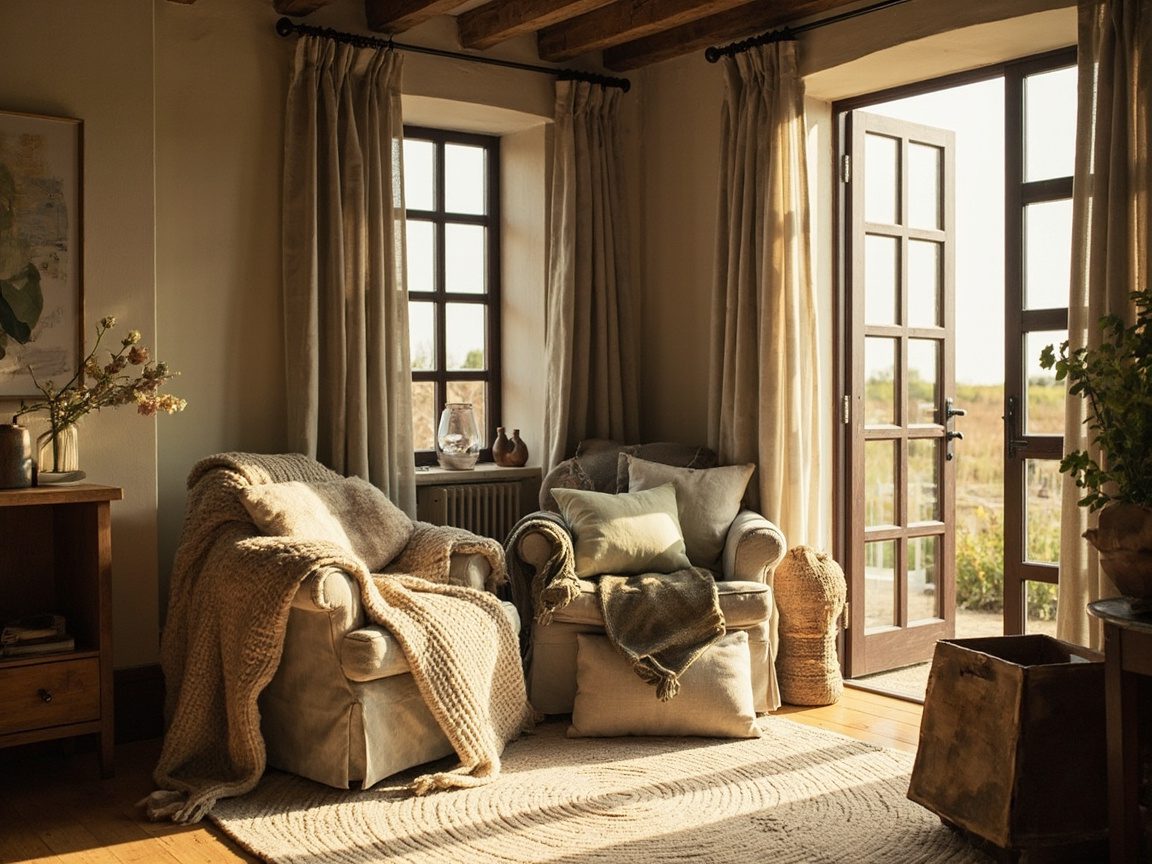
Textiles create the tactile warmth that defines cottage style, so layer materials with varying weights, patterns, and natural fibers.
How to layer effectively:
- Start with a neutral area rug in jute or low-pile wool, then add a smaller patterned rug for interest in high-traffic zones.
- Pillows: Mix linen, boucle, and faded floral patterns; aim for odd numbers and varied sizes for an effortless look.
- Window treatments: Use light-filtering linen for daytime softness, then heavier drapes in colder months for insulation and depth.
- Throws and blankets: Keep at least one throw per seating area, in a contrasting texture like chunky knit or woven cotton.
Installation and maintenance tips:
- Layer rugs with non-slip pads to prevent shifting and to extend wear.
- Choose washable textiles where possible for easy upkeep, especially in kitchens and family rooms.
Incorporating Antiques and Vintage Finds Rightly
Antiques and vintage pieces anchor cottage style, giving rooms depth and story. Choose items that feel worn-in but functional, and let one or two pieces be the visual focus per room.
- Start with scale and purpose: pick an antique sideboard or trunk for storage, not just decoration. It should solve a practical need while showing patina.
- Mix eras carefully: pair a midcentury chair with a farmhouse table, keeping proportions similar to avoid visual mismatch. Aim for 60/40 modern to vintage in any one vignette.
- Restore selectively: preserve original finishes if stable, but refinish surfaces used heavily, like tabletops. Maintain hardware when possible, swapping only if it compromises function.
- Group smalls for impact: arrange vintage ceramics, framed prints, and books in odd-numbered clusters on shelves or mantels, tying them together with a repeating color or material.
- Be provenance-wise: label or note the origin when you buy, so you can tell the story to guests. Provenance adds perceived value and emotional connection.
Lighting Strategies to Enhance Cottage Ambience
Lighting should feel layered and soft, creating a lived-in, welcoming glow. Combine ambient, task, and accent lighting to mimic natural warmth throughout the day.
- Ambient: use warm LED bulbs, around 2700K to 3000K, and dimmers on main fixtures to control mood. Recessed lights work, but soften them with shaded pendants or semi-flush fixtures.
- Task: add adjustable sconces by beds and reading chairs, and under-cabinet lighting in kitchens. Choose fixtures with fabric or frosted shades to diffuse glare.
- Accent: highlight antiques, artwork, and textured walls with narrow-beam picture lights or small uplights. Keep accents at low wattage so they read as gentle highlights.
- Natural light: maximize daylight with lightweight curtains in breathable fabrics, and use mirrors opposite windows to amplify brightness without changing the footprint.
- Mood detail: introduce candles or battery-operated wax candles in clusters for evening warmth, and keep candleholders consistent with the room’s metal finish to maintain cohesion.
Practical Flooring and Rug Solutions for Comfort
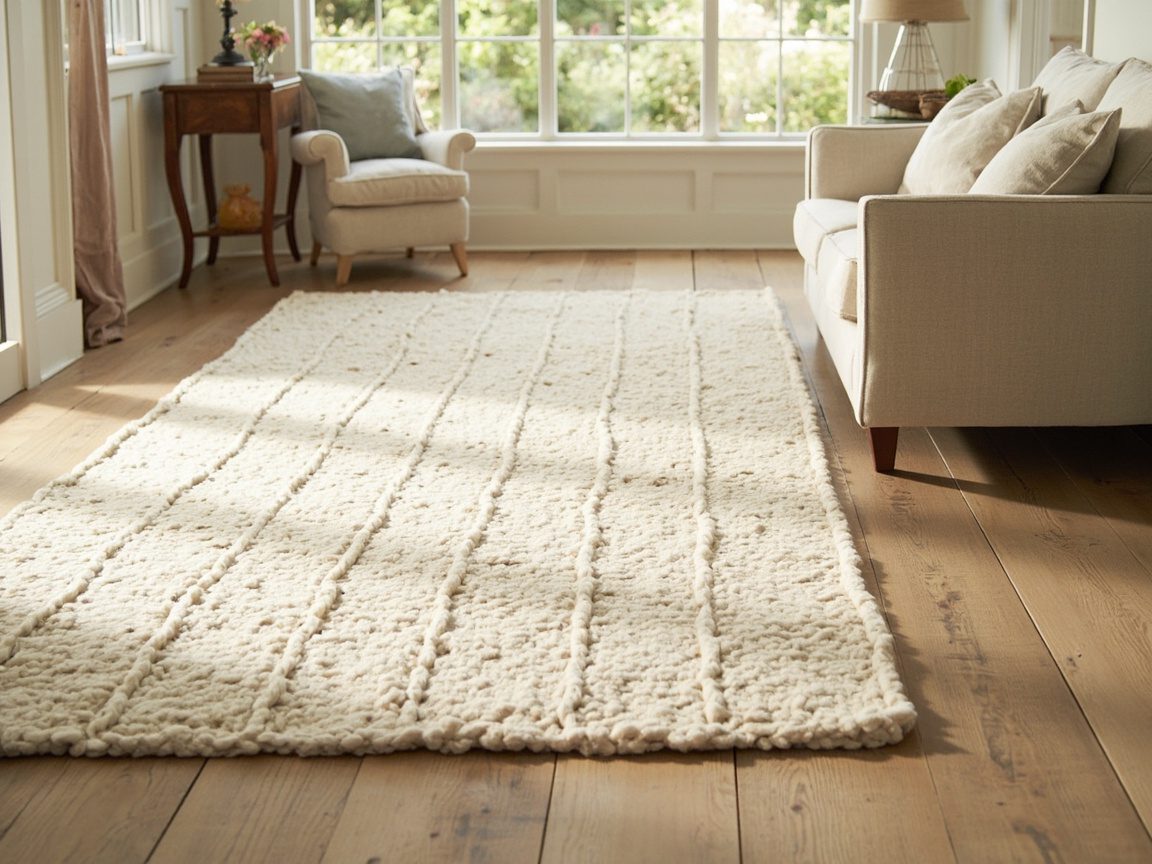
Flooring in cottage interiors should balance durability with tactile warmth. Prioritize materials that handle daily life, while layering rugs for softness and visual interest.
- Hard surfaces first: choose wide-plank oak or mixed-tone engineered wood in warm, muted stains for authentic cottage character and resilience.
- Protect high-traffic zones: use durable finishes rated for wear, or add sisal runners in hallways and the kitchen, which hide scuffs and wash easily with spot cleaning.
- Rug placement rules: anchor seating areas with a rug large enough that front legs of sofas and chairs sit on it, typically leaving 12–18 inches of bare floor to frame the rug.
- Material choices: prefer natural fibers like wool or jute for feel and longevity; in bathrooms and mudrooms, use washable flatweaves or indoor-outdoor rugs for easy maintenance.
- Layering for comfort: place a soft wool rug over a natural fiber rug or add underlay for insulation and noise reduction, especially on older floorboards prone to creaks.
- Color and pattern criteria: select rugs with muted florals, faded stripes, or subtle geometrics in earthy palettes, so they read as vintage without overpowering the room.
Avoiding Common Modern Cottage Design Mistakes
Modern cottage succeeds when warmth, texture, and simplicity coexist. Many mistakes come from overcorrecting trends, so use these practical checks to keep the look authentic and enduring.
- Too many matchy pieces: Mix finishes and eras. Combine painted furniture with a raw wood antique for depth, and limit identical new-matched sets to one area only.
- Overloading on frills: Prioritize well-chosen vintage or handcrafted details, rather than filling every surface with lace and doilies. Select two to three textured accents per room, for example, a woven throw, an embroidered pillow, and a ceramic lamp.
- Ignoring scale and proportion: Choose furniture that fits human scale. In small rooms, pick low-profile sofas and narrow armchairs, and in larger rooms, add several seating groupings rather than one oversized piece.
- Forgetting function for form: Cottage style is lived-in. Ensure storage solutions are attractive and practical, such as open shelving with baskets or a bench with hidden storage, so clutter doesn’t break the aesthetic.
- Using cold whites and stark neutrals: Warm the palette with off-whites, muted greens, and soft greys. Test paint on multiple walls and in different lights before committing.
- Neglecting layered lighting: Combine ambient, task, and accent lighting. Add table lamps and wall sconces to balance an overhead fixture and to create a cozy evening glow.
- Overlooking maintenance needs: Natural materials require care. Choose finishes you’ll actually maintain, and protect high-use surfaces with washable fabrics or removable slipcovers.
Maintaining and Refreshing Cottage Style Over Time
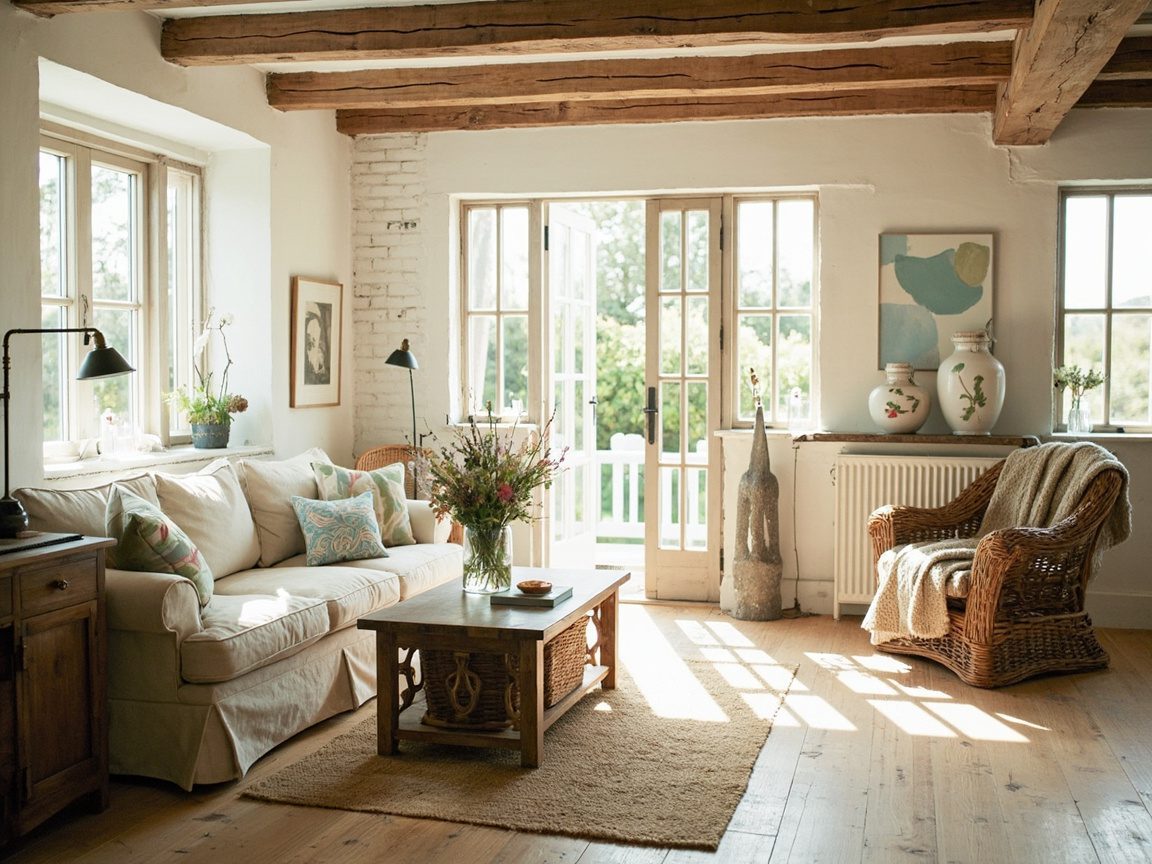
Keep cottage style fresh without losing its core warmth by scheduling small updates and seasonal rotations. Regular, low-effort actions preserve the handmade, relaxed character.
- Quarterly refresh, small scope: Rotate textiles, such as throws and pillows, and swap a few accessories to shift the mood without a full redesign.
- Annual maintenance checklist: Refinish hardware, tighten furniture joints, clean and re-oil wood surfaces, and launder slipcovers to maintain a cared-for appearance.
- Seasonal planting and floral updates: Refresh arrangements with foraged branches in winter, and fresh-cut flowers in spring. Follow simple palette rules: two dominant hues with one accent color.
- Introduce one new vintage find per year: Add a single antique or handcrafted piece to evolve the room quietly, and avoid wholesale style changes that break cohesion.
- Re-evaluate function every two years: Assess storage, traffic flow, and seating. Replace or reconfigure pieces that no longer serve daily life, prioritizing durability and scale.
- Keep a materials ledger: Note paint colors, fabric names, and finish types. This saves time and ensures replacements or touch-ups stay true to the original scheme.
If you want another practical angle, read 15 Cottage Kitchen Ideas That Feel Like They’re Straight from a Novel.
FAQ
Balance by pairing one modern silhouette with one antique per vignette. Match scale and repeat a material or color to create visual harmony.
Choose warm whites, muted sage, soft greige, and pale clay. Test samples on different walls and observe them in morning and evening light.
Yes. Focus on low-profile furniture, multiuse pieces, and a restrained palette to create light, airy rooms that still feel cozy.
Limit small decor items, use storage baskets, and curate open shelving with repeated shapes and restrained colors for a tidy, intentional display.
Final Thoughts
Modern cottage is about comfort, careful curation, and lived-in layers. Prioritize function, mix old and new thoughtfully, and maintain small seasonal updates to keep the style timeless and welcoming.