


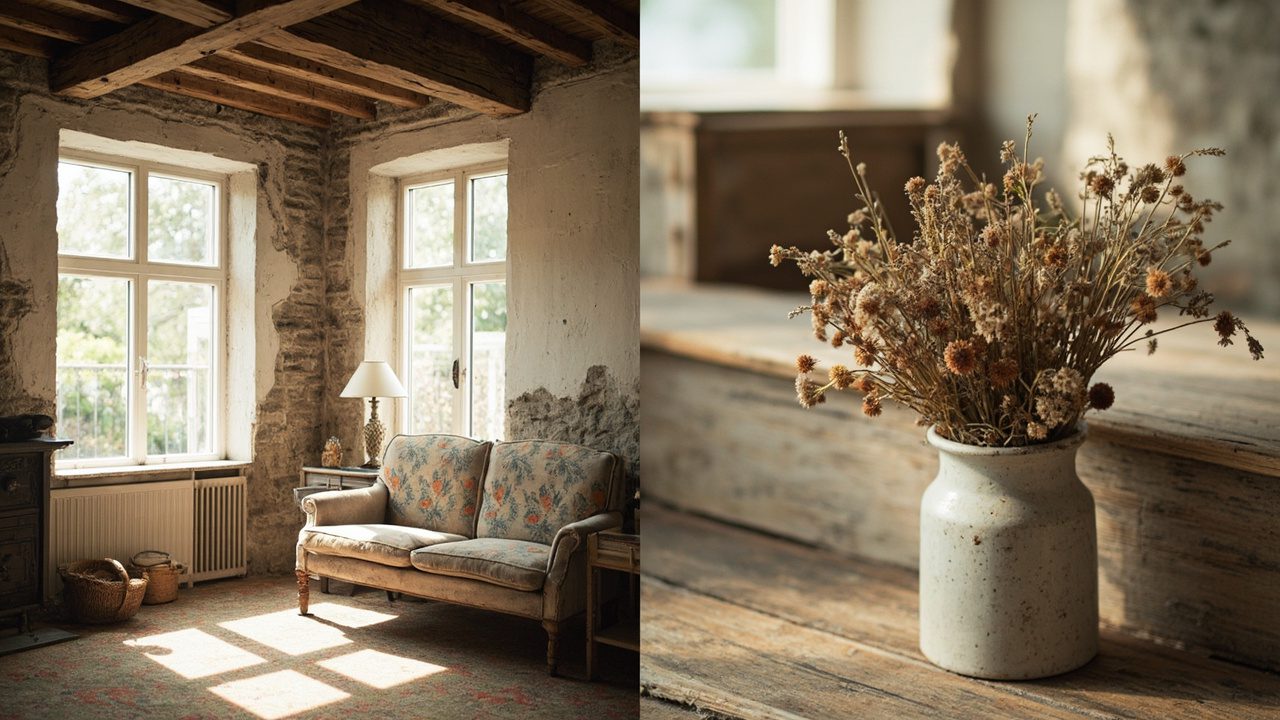
Vintage cottages promise warmth, character, and a lived-in charm. To keep them from feeling dated, focus on balancing genuine vintage finds with modern finishes, clear layouts, and thoughtful color choices.
This guide starts with the foundations you need to get that balance right.
- Vintage Cottage Style: Defining Core Elements and Mood
- Practical criteria to define the mood
- Mistakes to avoid
- Planning Your Vintage Cottage Layout for Simplicity
- Actionable layout rules
- Implementation tips
- Choosing a Cohesive Color Palette and Textures
- Practical palette rules
- Examples and quick swaps
- Mixing Vintage Finds with Modern Finishes
- Sourcing Authentic Vintage and Thrifted Pieces
- Practical Furniture Choices for Cozy Functionality
- Avoiding Common Vintage Cottage Decorating Mistakes
- Styling Tips to Maintain Warmth and Timeless Charm
- FAQ
- Final Thoughts
- Related Decor Reads
Vintage Cottage Style: Defining Core Elements and Mood
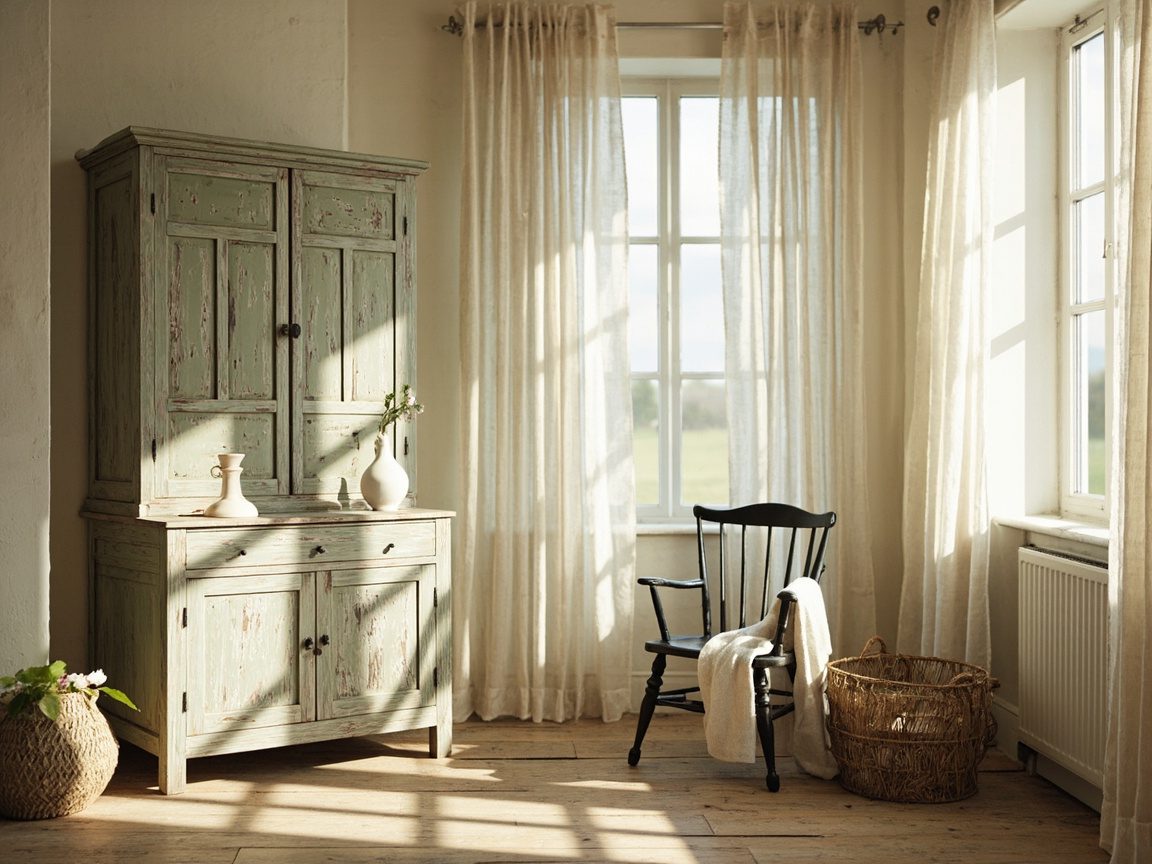
Vintage cottage style centers on comfort, subtle nostalgia, and restrained ornamentation. Aim for pieces that show history, not heavy nostalgia, and mix them with streamlined modern elements to keep the look current.
Practical criteria to define the mood
- Scale: favor human-scale furniture, for example, low-profile sofas and small dining tables that suit cottage rooms.
- Materials: prioritize natural materials, such as painted wood, linen, and worn brass, but limit each room to two or three dominant materials.
- Details: choose a single period focal point per room, such as a vintage mirror or an antique dresser, then pair it with contemporary lighting.
Mistakes to avoid
- Collecting too many small vintage items, which creates clutter rather than character.
- Using period pieces exclusively, which can make the space feel like a museum instead of a home.
- Over-restoring antiques; keep gentle wear visible to show authenticity.
Planning Your Vintage Cottage Layout for Simplicity
Start by mapping how you use each room, then remove anything that doesn’t support that function. Simplicity in layout reinforces the cottage’s cozy feel and improves traffic flow.
Actionable layout rules
- Zone by activity, not by furniture type, for example, carve a reading nook rather than clustering chairs for no purpose.
- Keep circulation paths at least 30 inches wide in primary rooms, and allow 18–24 inches around smaller pieces.
- Limit furniture per room to essentials, usually three to five purposeful pieces, to maintain air and light.
Implementation tips
- Measure and sketch before buying; scale models or masking tape on the floor prevent impulse purchases that crowd a room.
- Use multipurpose furniture, such as storage benches or small sideboards, to reduce visual clutter.
- Place vintage focal pieces against simple backdrops, for example, an antique dresser on a painted plaster wall, to let the character read clearly.
Choosing a Cohesive Color Palette and Textures
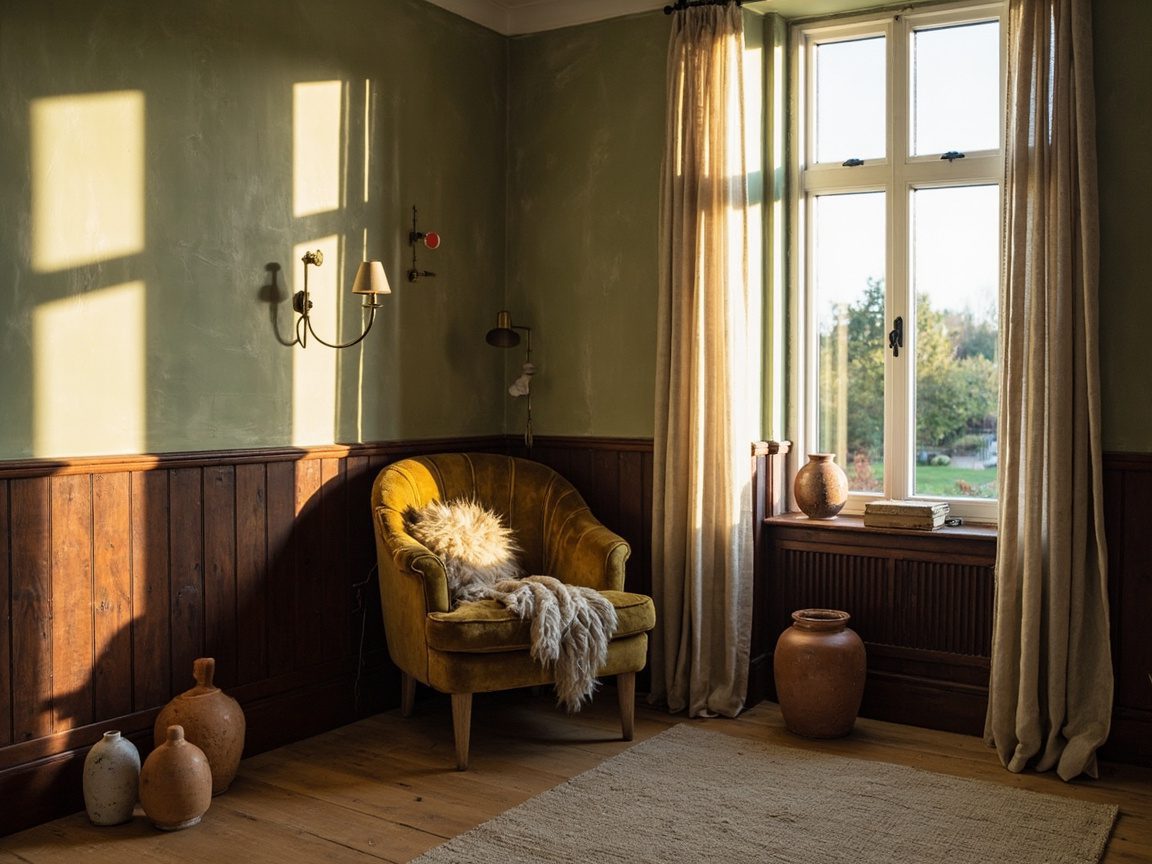
A cohesive palette keeps vintage elements contemporary. Start with a neutral base, then add two to three accent colors tied to your key vintage pieces.
Practical palette rules
- Base tones: choose warm whites, soft greys, or muted greiges for walls to reflect natural light and complement aged wood.
- Accent strategy: use one saturated color in small doses, such as a painted door or cushions, and repeat it in accessories for cohesion.
- Texture mix: combine smooth modern surfaces, such as matte metal or glass, with tactile vintage textures like linen, woven rugs, and painted wood.
Examples and quick swaps
- If you have a floral vintage sofa, pick two colors from its pattern for curtains and a rug, and neutralize the walls.
- Swap glossy finishes for matte paint on trim to modernize period moulding without losing character.
- Layer textures progressively: floor rug, mid-level textiles like throws, and small metallic accents to add sparkle without competing.
Mixing Vintage Finds with Modern Finishes
Keep the palette and scale consistent so vintage pieces read as intentional, not clutter. Anchor rooms with modern finishes, then add vintage accents to create warmth and character.
- Choose a neutral backdrop, for example, warm white or muted sage, so patinaed woods and metal tones stand out without clashing.
- Balance proportions: pair a low-slung midcentury sofa with a vintage, turned-leg coffee table to avoid visual competition.
- Introduce modern finishes in high-use areas, such as quartz counters or matte black fixtures, to keep durability and a contemporary feel.
- Repeat one modern material across the room, for instance, brass hardware, to unify mixed eras and prevent a disjointed look.
- Use textiles to bridge styles: a machine-washable linen slipcover on an antique frame keeps it livable while preserving charm.
Sourcing Authentic Vintage and Thrifted Pieces
Efficient sourcing saves time and prevents buyer’s remorse. Aim for pieces with good bones, then restore selectively.
- Inspect structure first: drawers should slide, joints should be tight, and legs should sit flat; avoid heavy restoration projects unless you plan to refinish.
- Know the eras: look for dovetail joinery and solid wood in pre-1950s pieces, and plywood or molded forms in midcentury items to match your desired vintage style.
- Use targeted searches at estate sales, auctions, and local thrift shops; photograph items and measure beforehand to confirm the scale fits your room.
- Negotiate with evidence: note wear or missing parts when making offers, and ask about provenance if authenticity matters for value.
- For smalls and textiles, frequent online marketplaces let you filter by condition and era; save searches and set alerts for quick wins.
Practical Furniture Choices for Cozy Functionality
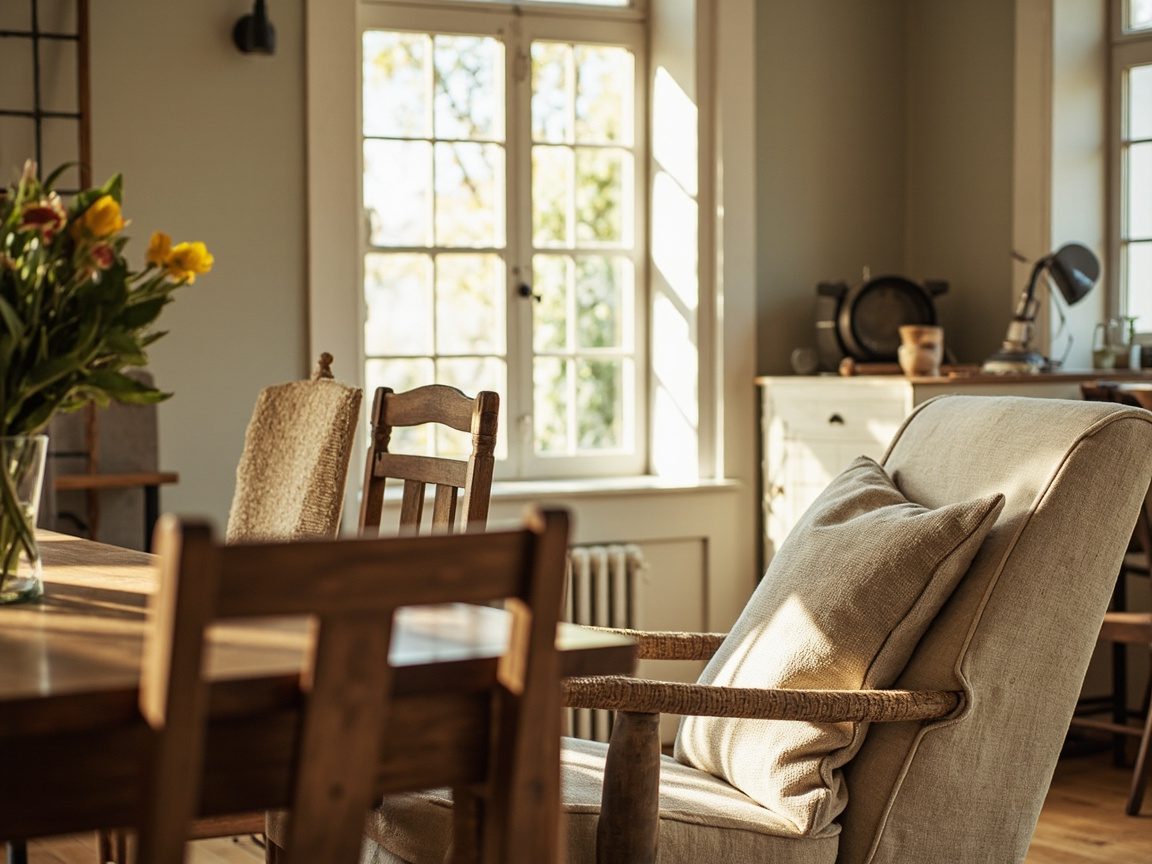
Select multipurpose, comfortable pieces that respect cottage scale while supporting daily life. Prioritize durability, easy cleaning, and human-centered proportions.
- Sofa: choose a deep-seated sofa with a removable slipcover in a durable fabric, 84–92 inches for standard living rooms, to balance comfort and traffic flow.
- Dining table: Use an expandable solid-wood table, 36–42 inches wide minimum, so it fits small breakfast nooks but expands for guests.
- Storage: prefer built-in or low-profile cupboards and dressers with soft-close hardware to hide clutter while keeping the cottage silhouette.
- Accent chairs: pick one upholstered chair and one easy-to-move vintage chair per seating area to create visual interest and flexible seating.
- Sleep spaces: choose a platform or daybed with under-bed drawers for guest rooms, combining cozy appeal with practical storage.
- Rugs: layer rugs sized to anchor furniture groups; living rooms should have at least the front legs of major pieces on the rug to unify seating.
Avoiding Common Vintage Cottage Decorating Mistakes
Many vintage cottage projects stall because of a few recurring errors. Below are the most common missteps, with clear fixes so your space reads curated, not dated.
- Over-cluttering with mismatched antiques, which can feel chaotic: limit true vintage pieces to 3–5 focal items per room, and balance them with modern, simple shapes for visual rest.
- Using period color palettes verbatim, which can look like a museum: update hues by choosing softer, desaturated versions of vintage colors, and test swatches on walls for different light at morning and evening.
- Ignoring scale, which makes rooms feel awkward: pair large vintage furniture with other pieces of similar visual weight, and introduce streamlined items to avoid overwhelmed proportions.
- Overdoing themed accessories, which turns style into costume: keep accessories purposeful, edit down to meaningful objects, and rotate seasonally to keep the look fresh.
- Neglecting function, which sacrifices comfort for authenticity: modernize upholstery and lighting where needed, so vintage pieces are comfortable and usable daily.
- Relying only on patterns, which creates visual noise: mix solids and textures to let a few patterned textiles stand out instead of competing.
- Forgetting proper lighting, which flattens the atmosphere: layer ambient, task, and accent lighting; choose bulbs with warm color temperature for that cozy cottage glow.
Styling Tips to Maintain Warmth and Timeless Charm
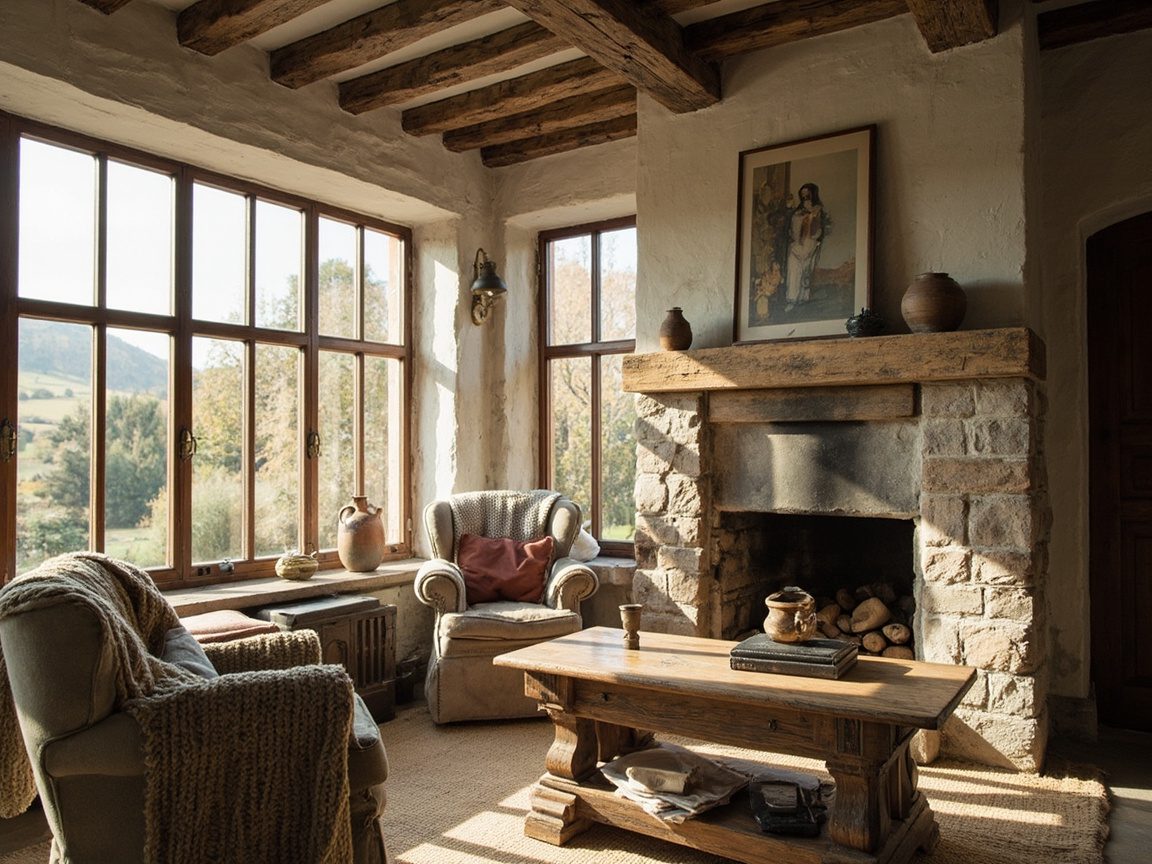
To keep a vintage cottage feeling warm and timeless, focus on texture, restraint, and practical updates. These styling moves make the home feel lived-in and current.
- Anchor with natural materials: use solid wood floors or rugs in natural fibers, linen curtains, and woven baskets to add tactile warmth and longevity.
- Layer textiles thoughtfully: combine a neutral sofa, a textured throw, and one or two vintage-pattern cushions to create depth without clutter.
- Choose one curated color accent: pick a single recurring color across three elements, for example a painted door, a cushion, and a vase, to create cohesion.
- Mix finishes intentionally: allow small contrasts, like aged brass with matte black, to feel deliberate rather than accidental; repeat each finish 2–3 times per room.
- Update upholstery and rugs for durability: reupholster seating in modern, hardwearing fabrics that mimic period textures, and choose low-pile rugs for easier maintenance.
- Keep surfaces edited: leave meaningful objects on display, but use trays and shallow bowls to group small items so surfaces read calm and curated.
- Bring in living elements: place at least one large plant per main room and small potted herbs in the kitchen to add life and a fresh scent.
- Refresh annually with small swaps: rotate textiles, change lighting globes, or repaint a small piece to keep the look evolving without a full redo.
FAQ
Reupholster in durable, contemporary fabrics that echo the original texture, repair structural issues discreetly, and retain visible hardware when it contributes to the piece’s story.
Soft neutrals and desaturated pastels work best, especially warm creams, muted sage, and dusty blue. Use stronger accents sparingly to avoid a dated look.
A balanced room usually has 3–5 authentic vintage focal pieces, complemented by modern basics. This prevents the space from feeling themed or cluttered.
Yes, by prioritizing shared qualities like natural materials, restraint, and functional simplicity. For examples of blending minimal warmth, see Japandi Interiors for guidance.
Final Thoughts
A successful vintage cottage feels curated, not crowded. Prioritize texture, edited collections, and practical updates to preserve charm while ensuring comfort and longevity.