


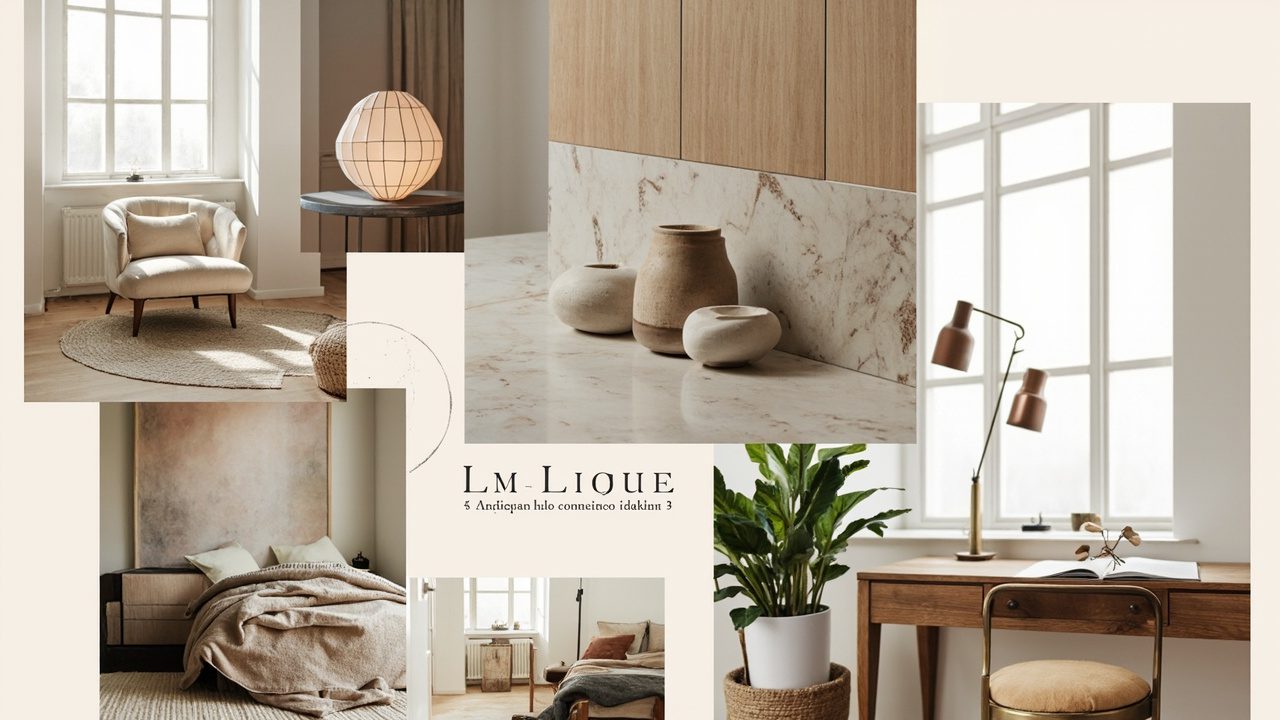
The year’s smartest home decor trends favor warmth, tactility, and pieces that feel collected over time. Expect lived-in styling on shelves, layered neutral palettes with depth, and furniture that curves softly to invite conversation.
We tested these ideas across real homes and rentals, zeroing in on details that move the needle, like shelf spacing, paint undertones, and upholstery textures. .
Our Pick: Sculptural, organic furniture silhouettes — I love how a single barrel swivel or wave edged console instantly softens a boxy room, and in small spaces, the curved profiles keep traffic flowing without visual clutter.
- 1. Modern cottage shelving displays
- 2. Layered warm neutrals palette
- 3. Sculptural, organic furniture silhouettes
- 4. Flowing, curved sofa profiles
- 5. Vintage books and pottery styling
- 6. Cozy lived-in bookcase vignettes
- 7. Stark white softened with creams
- 8. Collected decor on open shelves
- 9. Natural wood grain accents
- 10. Textured boucle and wool upholstery
- 11. Plaster and limewash wall finishes
- 12. Low-sheen, earthy paint tones
- 13. Oversized ceramic statement lamps
- 14. Arched mirrors and doorways
- 15. Stone and tumbled tile surfaces
- 16. Biophilic greenery in every room
- 17. Artful, irregular coffee tables
- FAQ
1. Modern cottage shelving displays
- Effort Level: Weekend DIY.
- Estimated Budget: 100-500.
- Maintenance Level: Low (requires dusting).
- Best For: Renters.
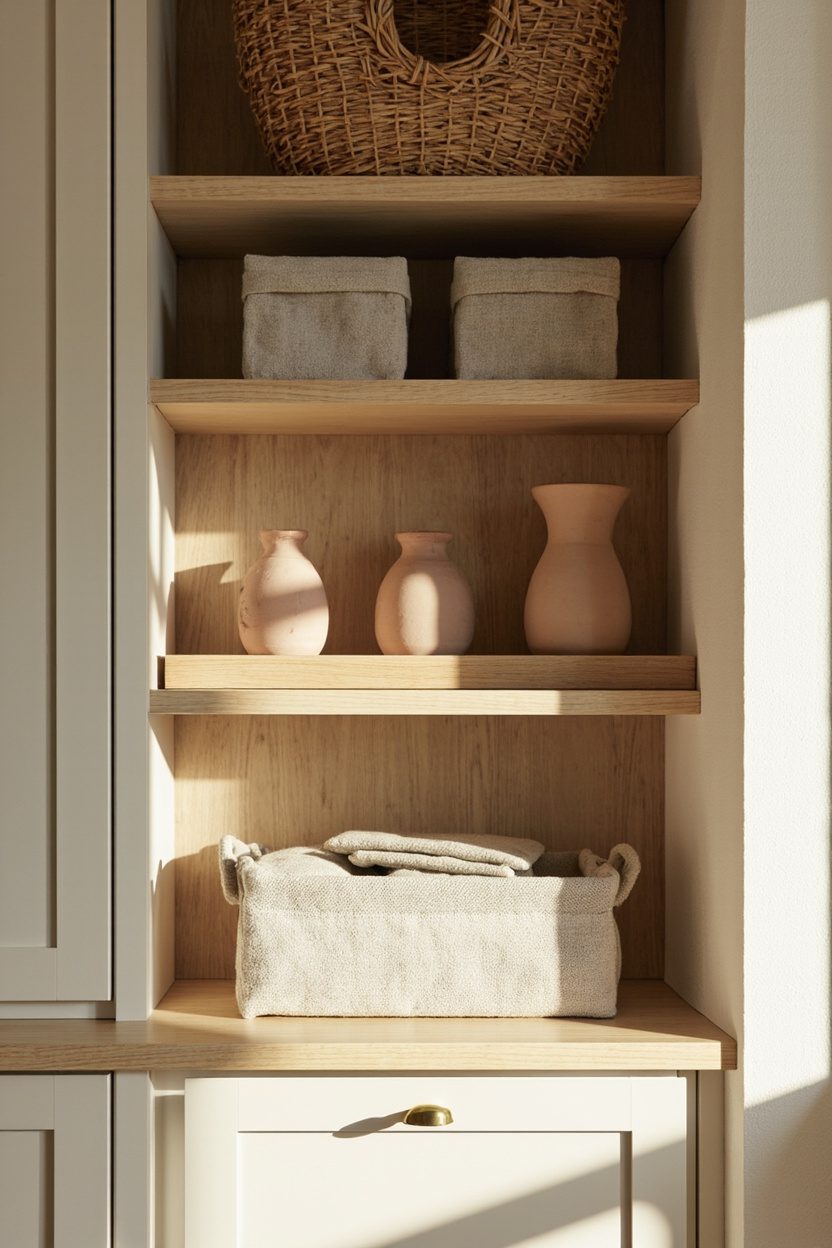
Style open shelves with a 60, 30, 10 mix, sixty percent books, thirty percent pottery and baskets, ten percent greenery. Stagger heights and leave at least one negative space per shelf to avoid the souvenir shop look.
Choose wood tones that echo your flooring by one shade lighter for cohesion, and line shelf backs with linen peel and stick for texture.
Vintage clay vessels and timeworn hardcovers nail the cozy, lived-in look spotlighted in modern cottage shelving trend reports.
If you are budget-focused, thrift hardcovers by color family and decant pantry goods into clear jars for utility on kitchen shelves. For rustic charm inspo, see Old Farmhouse, then balance with one sleek accent like a matte black bookend.
2. Layered warm neutrals palette
- Effort Level: Weekend DIY.
- Estimated Budget: Under 100.
- Maintenance Level: Low.
- Best For: Small Bedrooms.
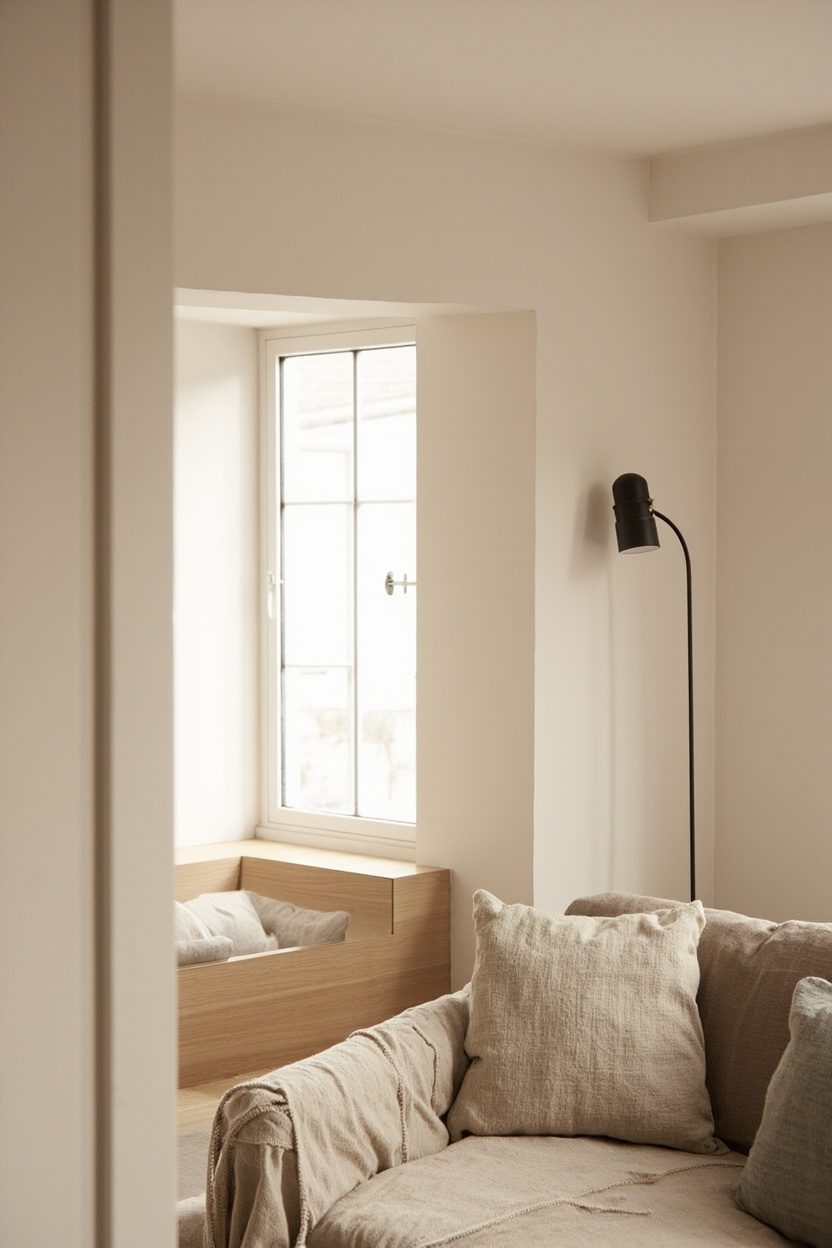
Build from a creamy base wall, think soft ivory with an LRV around 80, then layer taupe textiles, mushroom velvet, and caramel leather. Keep undertones consistent; pink beige pairs with warm taupe, green beige pairs with greige, to prevent clashing.
Add matte textures like limewash on a single accent wall and nubby bouclé pillows for depth without darkening the room. Warm metals in brushed brass or aged bronze read richer against these hues than chrome.
For kitchens, pair oat colored cabinets with bone tile and natural oak trim for a cohesive envelope. Browse French Farmhouse Kitchen On Budget and Boho Kitchen for two budget-friendly ways to translate the palette through tile, runners, and open shelf styling.
3. Sculptural, organic furniture silhouettes
- Effort Level: 500+.
- Estimated Budget: 500+.
- Maintenance Level: Medium (vacuum crevices).
- Best For: Living Rooms.
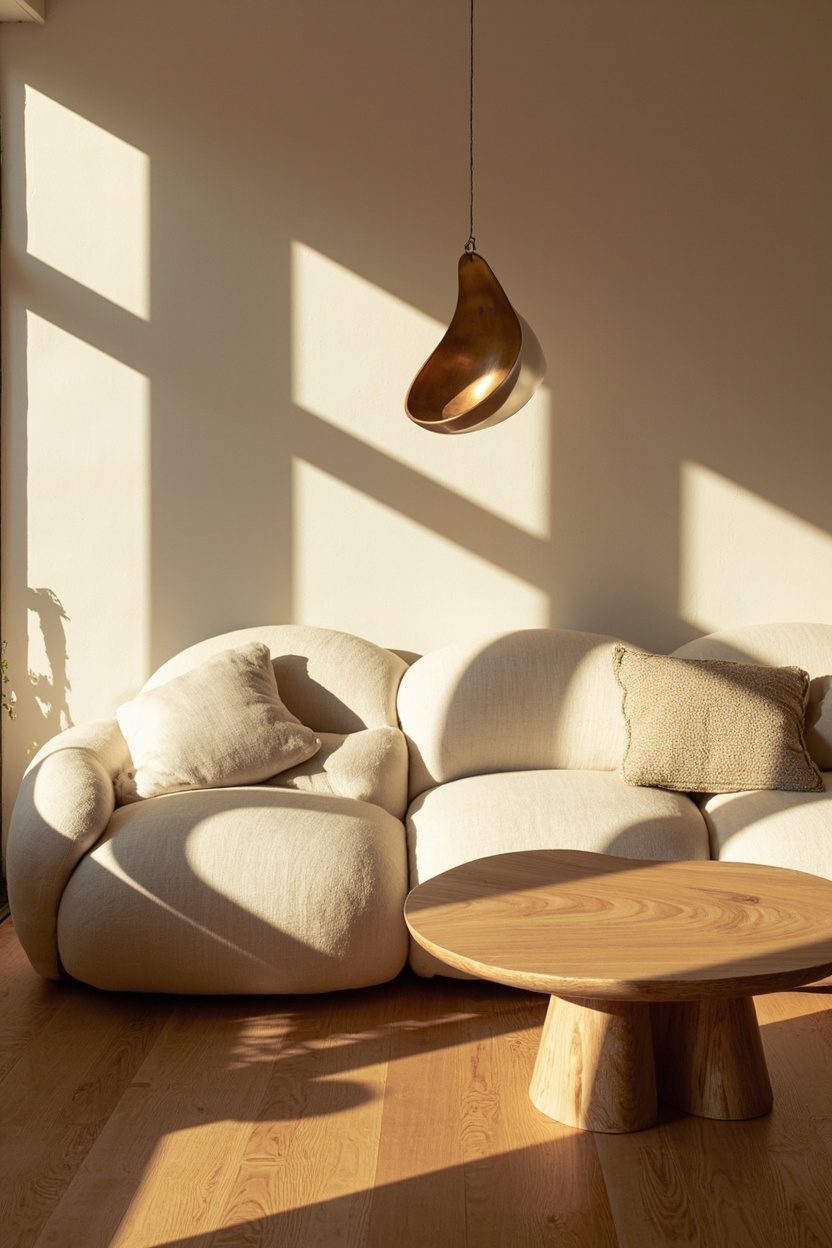
Choose curved sofas with a 36 to 38 inch depth for lounge level comfort, and pair with a round or pebble coffee table to maintain flow clearance of 18 inches. Bouclé or chenille adds softness, and performance fabric keeps stains in check.
Offset organic lines with a low, linear media console to ground the room, then echo curves in a mushroom lamp or oval mirror. This shift toward flowing forms is a leading 2026 movement, adding softness and motion to rigid rooms, as noted by Woodgrain.
Common mistake, crowding multiple bulky curves, so the layout feels heavy. Anchor with one hero silhouette, like a barrel chair, then keep side tables slender, or opt for nesting tables to flex during gatherings.
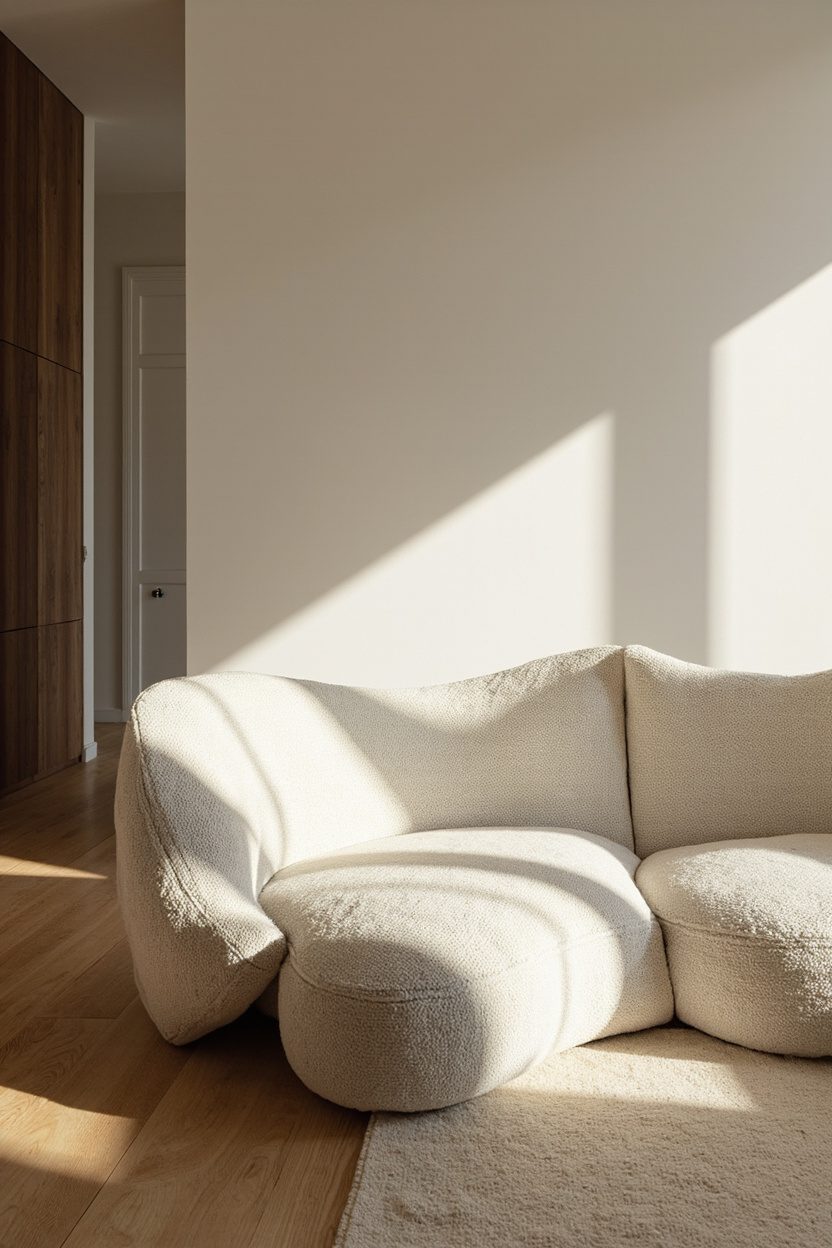
4. Flowing, curved sofa profiles
- Effort Level: Weekend DIY.
- Estimated Budget: 500+.
- Maintenance Level: Low (requires dusting).
- Best For: Open living rooms.
Opt for a radius-front sofa with a tight bench seat; it visually softens corners and encourages conversational seating. Leave at least 14 to 16 inches between the curve and a round coffee table to keep traffic fluid.
Choose textured boucle or a hardy performance chenille in warm stone, cream, or cocoa for that sculptural, 2026 feel noted for organic lines. If space is narrow, a 72 to 84-inch petite curved loveseat gives the effect without crowding.
A common mistake is pairing a curved sofa with a sharp rectangular rug that is too small. Size the rug so the front two sofa legs rest on it, and consider a subtly arched floor lamp to echo the shape.
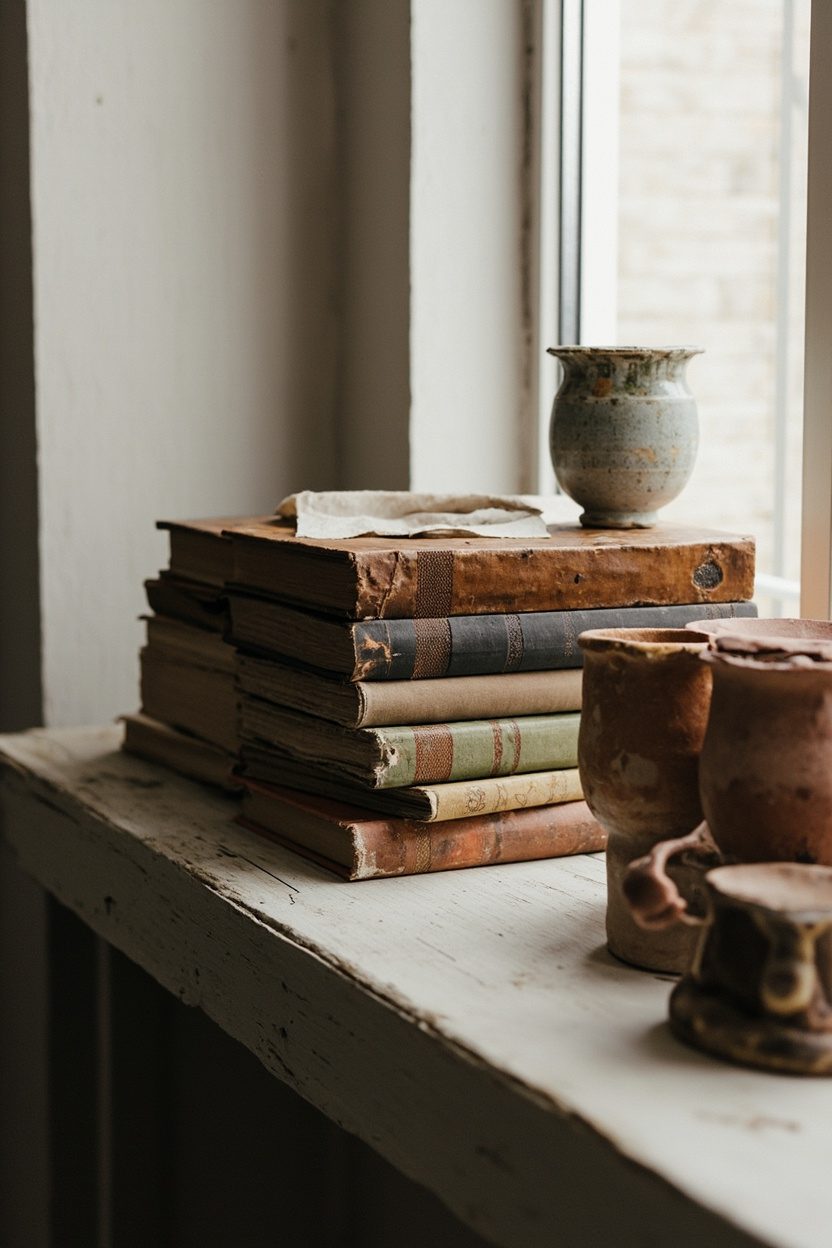
5. Vintage books and pottery styling
- Effort Level: Afternoon project.
- Estimated Budget: Under 100.
- Maintenance Level: Low (requires dusting).
- Best For: Renters and shelves.
Mix linen or deckle-edge books with matte earthenware and a single-glazed piece for contrast. Vary heights using stacked books as risers, keeping a loose triangle composition, tallest at 10 to 12 inches.
When I tried this in my own living room, I overfilled every shelf, and it looked heavy. Editing down to odd-number groupings, three to five objects per shelf, instantly felt calmer and more intentional.
Shop thrift stores for neutral spines under two dollars each and look for pottery with visible throwing rings for texture.
For a cozy, collected look that ties to modern cottage tones, layer in warm neutrals as seen in current trends, then ground the scene with a single darker vessel. Explore soft palette ideas in Cosy Minimalist Home Touches.
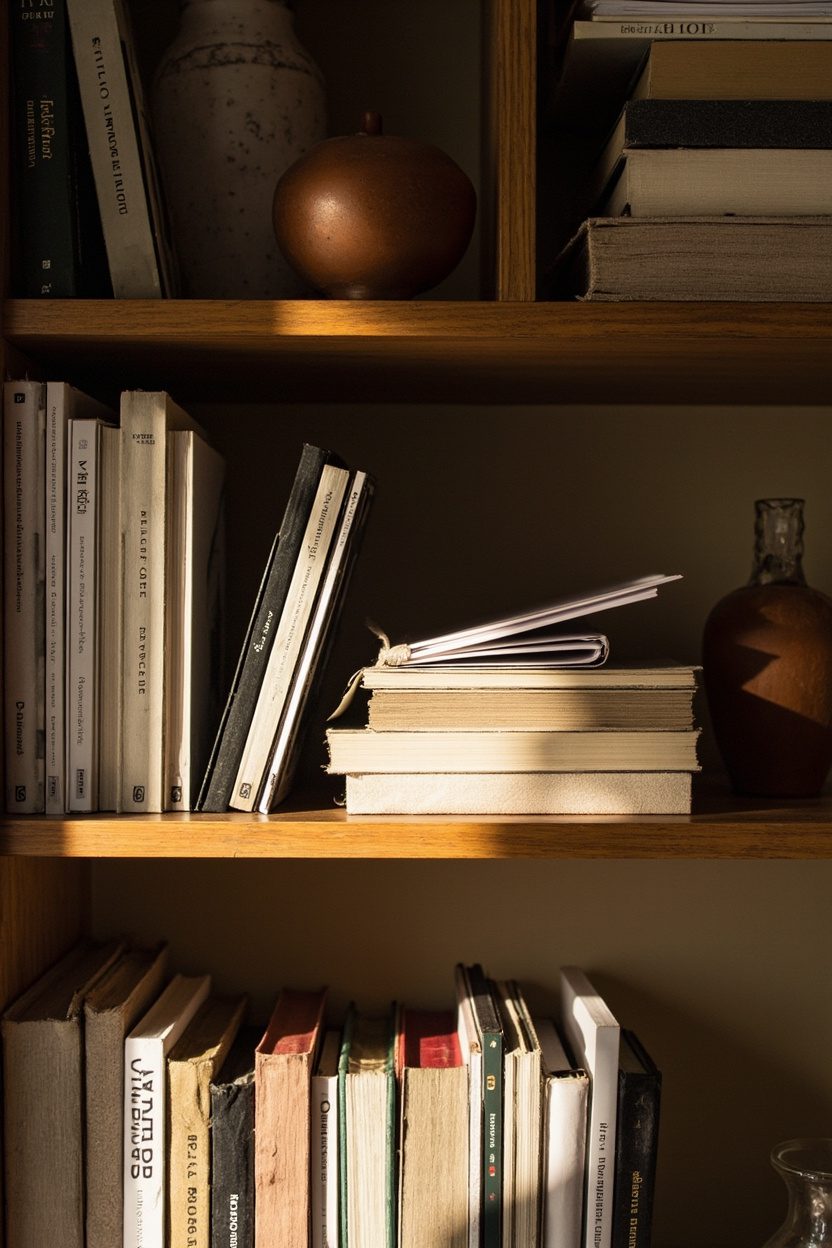
6. Cozy lived-in bookcase vignettes
- Effort Level: Weekend DIY.
- Estimated Budget: Under 100.
- Maintenance Level: Low (requires dusting).
- Best For: Living rooms and studies.
Style shelves with a two-thirds books to one-third objects ratio, then leave a few intentional gaps for breathing room. Face a handful of books pages-out for texture, a subtle styling cue gaining traction for that lived-in feel.
Blend vintage books, pottery, and framed snapshots to achieve layered warmth over stark white backdrops, a 2026 direction highlighted by industry watchers. Keep tones cohesive, think sand, wheat, and clay, while adding one sculptural piece to nod to the organic shapes trend, as noted by Woodgrain’s 2026 trends.
Lighting is the secret weapon; install a simple puck light or a plug-in picture light above the case to warm the collection at night.
For a gentle, eclectic twist, borrow a woven accent from our Boho Kitchen story and echo it with a small basket on the bottom shelf.
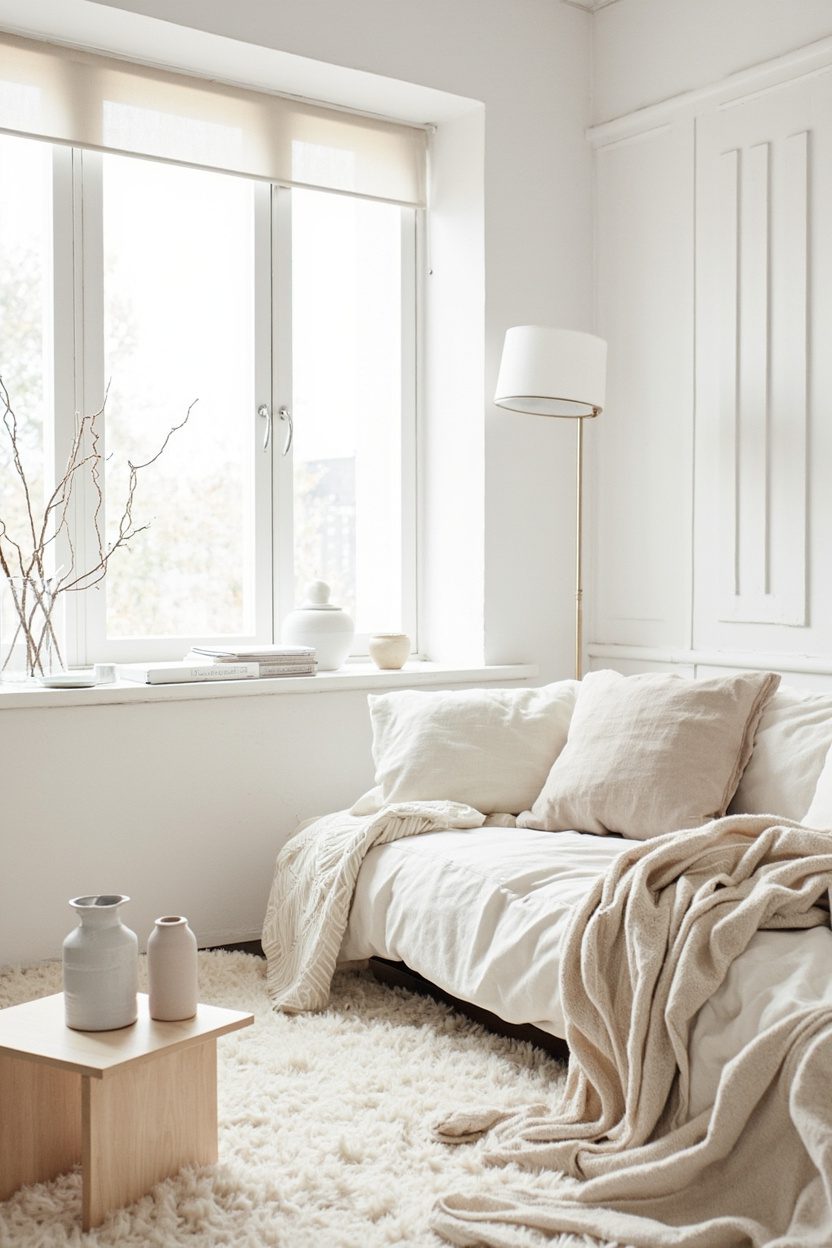
7. Stark white softened with creams
- Effort Level: Weekend DIY.
- Estimated Budget: 100-500.
- Maintenance Level: Low (requires dusting).
- Best For: Renters.
Layer white walls with creamy textiles, think boucle throws and ivory linen curtains, to warm the temperature without repainting. Aim for a 70 percent white to 30 percent cream ratio so the palette stays crisp, not yellow.
Swap bright white lamp shades for parchment or oatmeal fabric, and choose off-white switch plates to reduce stark contrasts. A common mistake is mixing cool blue whites with buttery creams; sample both under daylight before committing.
For kitchens, balance glossy white fronts with cream-toned zellige or a travertine look laminate, a budget-friendly nod to stone.
8. Collected decor on open shelves
- Effort Level: Weekend DIY.
- Estimated Budget: Under 100.
- Maintenance Level: Medium (occasional restyling).
- Best For: Small living rooms.
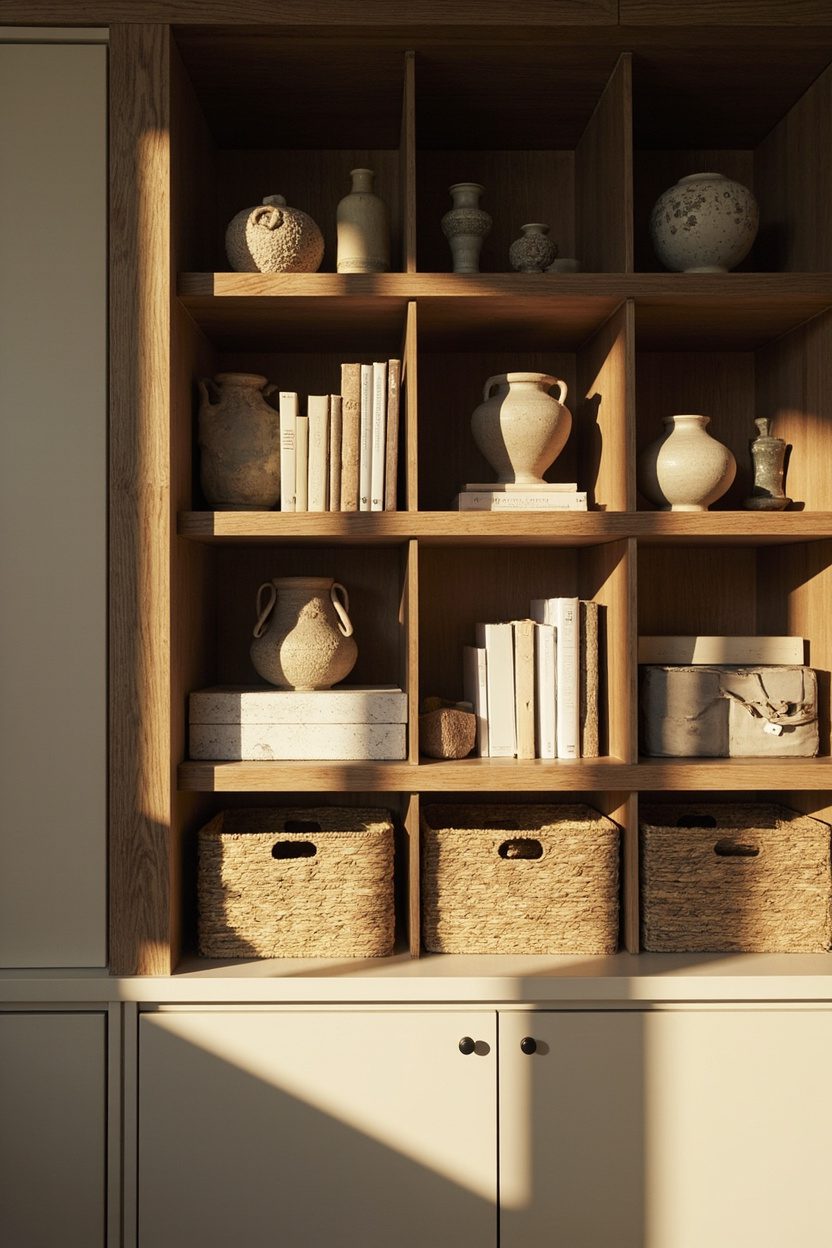
Style shelves with varied heights, stack vintage books horizontally, then perch a small vessel or organic sculpture on top to create rhythm. Leave negative space, one-third of each shelf, so the arrangement breathes and feels intentional.
Keep a tight palette of three materials: paper, ceramic, and wood, which echoes the cozy, lived-in shelving trend noted for modern cottage spaces in this trend overview.
Rotate seasonal pieces rather than adding more; clutter is the quickest way to lose the curated look.
In kitchens, decant baking staples into clear jars and add one patina piece like a copper pot for warmth.
For a budget-friendly farmhouse vibe, borrow texture and color cues from our French Farmhouse Kitchen On Budget guide.
9. Natural wood grain accents
- Effort Level: Afternoon refresh.
- Estimated Budget: 100-500.
- Maintenance Level: Low (wipe with conditioner).
- Best For: Living rooms and entries.
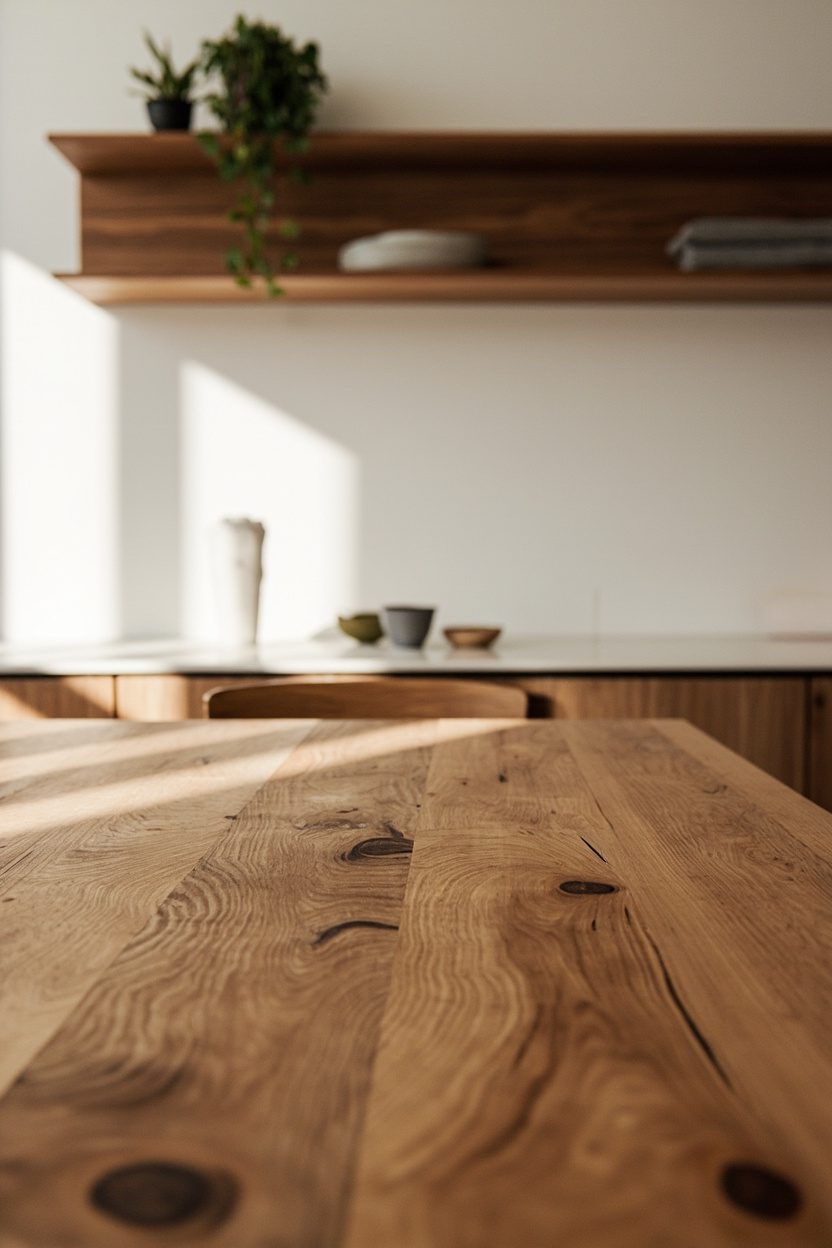
Introduce a single hero piece, a walnut side table or white oak frame, to showcase real grain without overwhelming the room. Prioritize oil finishes over heavy varnish so the cathedrals and rift lines read clearly.
Mix species carefully, keep undertones aligned, cool ash with cool, warm oak with warm, and limit to two woods in one sightline.
Sculptural, softly rounded forms amplify the trend toward organic shapes highlighted for 2026, giving movement without visual noise.
If you are updating casework, apply rift cut white oak edge banding to flat pack cabinets for a high-end look on a budget. Pair with quiet surfaces, like a white plaster wall and a neutral rug, so the grain remains the star.
10. Textured boucle and wool upholstery
- Effort Level: Weekend DIY.
- Estimated Budget: 100-500.
- Maintenance Level: Medium (spot clean, lint roll).
- Best For: Living rooms, cozy nooks.
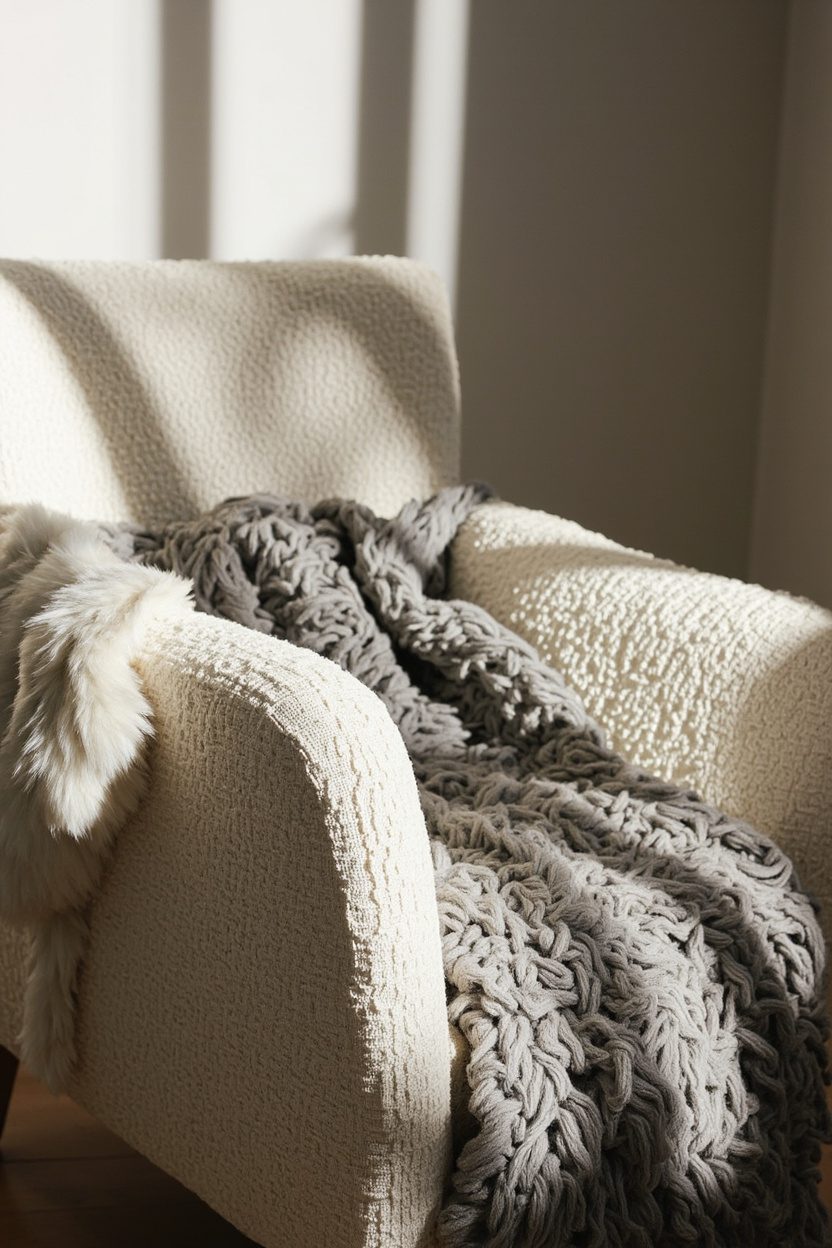
Boucle and chunky wool instantly add warmth and tactile interest, especially on accent chairs and ottomans. Choose tightly looped boucle for durability in high traffic zones, and opt for stain-resistant performance wool if you have pets.
Keep the silhouette simple so the texture shines, think barrel chairs, slipper chairs, and soft curved benches. This pairs beautifully with sculptural, organic shapes that are trending for 2026, bringing softness and movement to a room.
Balance the nubby fabric with smooth elements like oak armrests, lacquered side tables, or linen curtains.
For styling, layer a thin leather strap pillow or a stoneware side table to contrast the cozy pile, and avoid heavy tufting, which can trap crumbs.
11. Plaster and limewash wall finishes
- Effort Level: Weekend DIY.
- Estimated Budget: 100-500.
- Maintenance Level: Low (gentle dusting).
- Best For: Bedrooms, dining rooms.
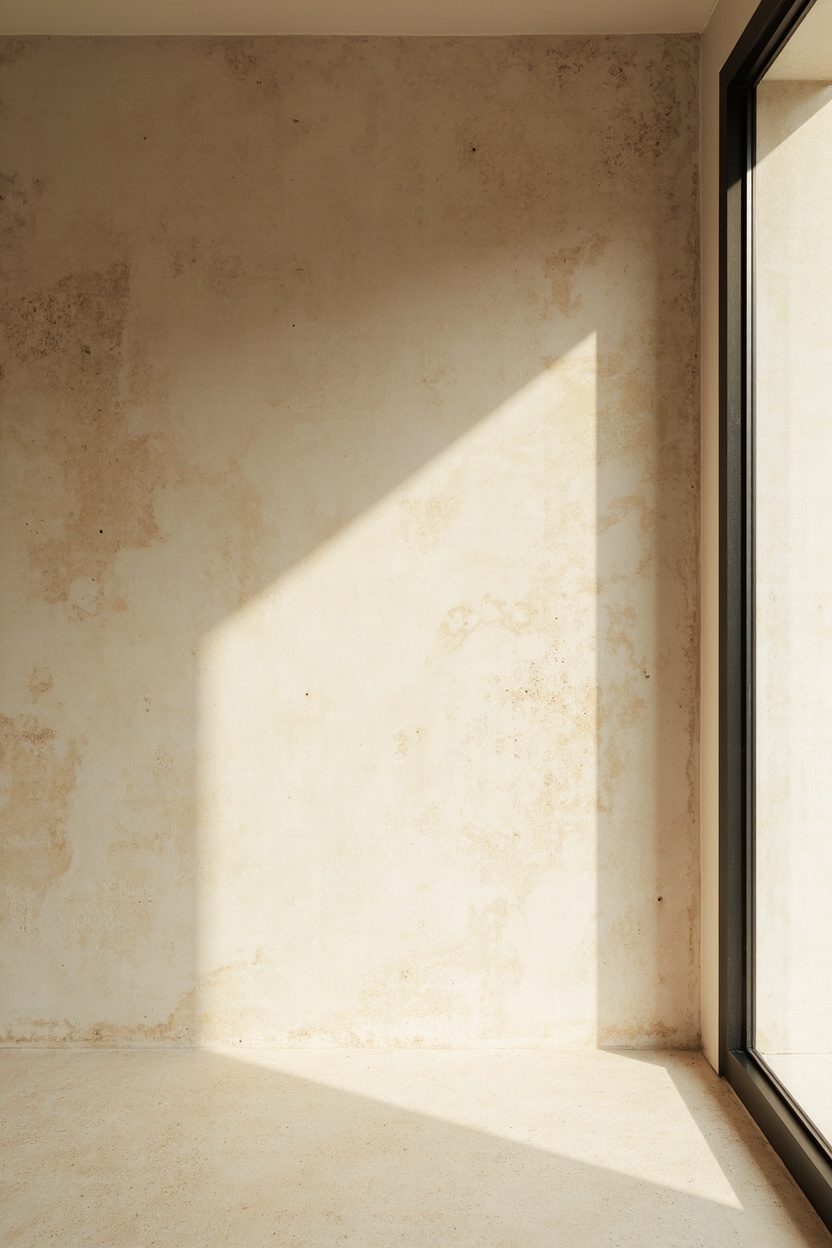
Limewash and plaster add soft movement, matte depth, and that lived-in cottage feel. Work in thin, crisscross strokes with a wide brush, letting each coat dry fully to build cloudy variation without streaks.
Choose warm neutrals like bone, putty, or mushroom to layer over stark whites, a look gaining traction in modern cottage spaces.
Seal bath or kitchen zones with a breathable topcoat, and cap sharp outside corners with a bullnose bead to avoid chipping.
Pair these walls with aged wood, vintage books, and handmade pottery for collected shelves, or lean into rustic charm with pieces from your Old Farmhouse finds.
12. Low-sheen, earthy paint tones
- Effort Level: Afternoon DIY.
- Estimated Budget: Under 100.
- Maintenance Level: Low (wipeable eggshell).
- Best For: Living rooms, bedrooms.
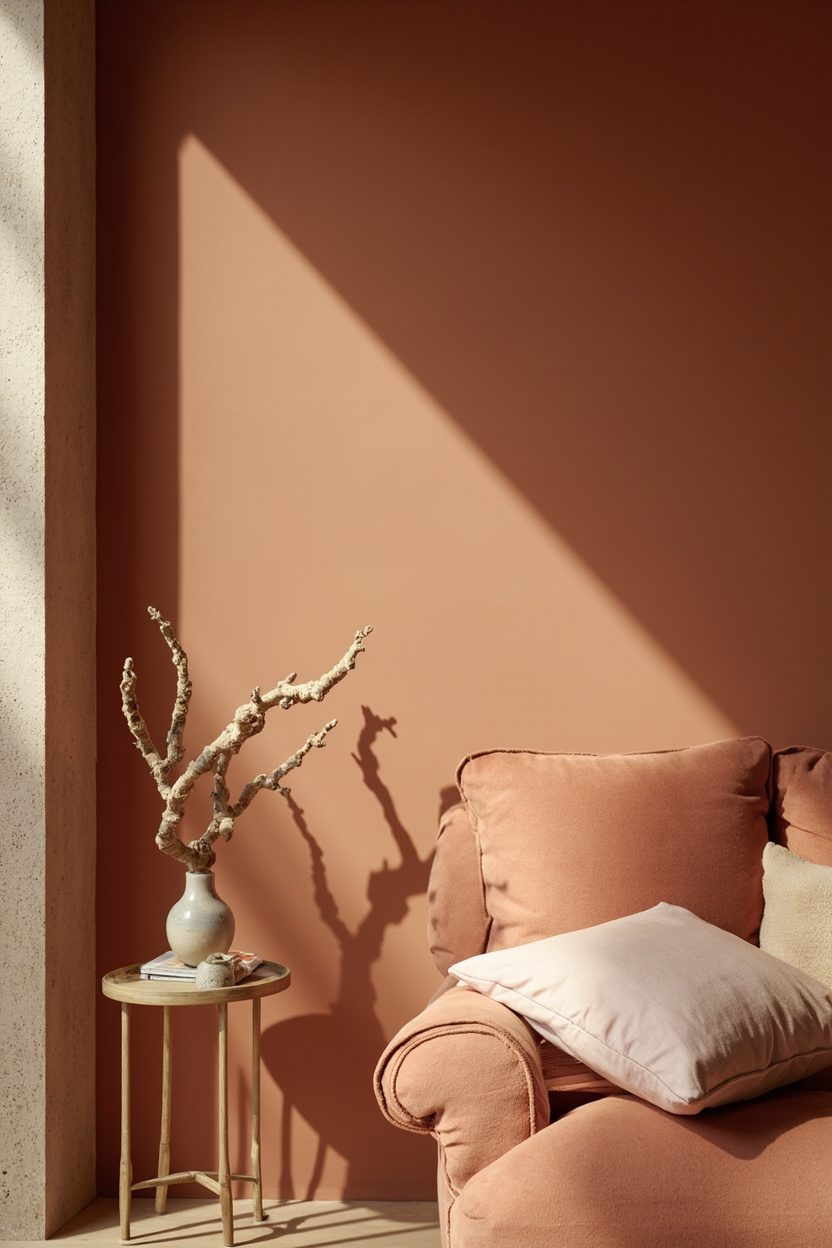
Think clay taupe, olive drab, and mineral brown in eggshell or matte for a calm, grounded backdrop. Test large swatches on multiple walls, and keep undertones consistent with your floors and upholstery to prevent muddy clashes.
Use color drenching for small rooms, walls, and trim in the same low sheen tone, to smooth visual breaks and make art pop. Tie in a sculptural lamp or curvy coffee table to echo the organic forms shaping 2026 interiors, as highlighted by design trend reporting from Woodgrain.
Real talk, I once chose an earthy beige that looked perfect in the store, then read orange at home under warm bulbs. Switching to 3000K lamps and a greener taupe corrected it, so always sample with your actual lighting before you commit.
13. Oversized ceramic statement lamps
- Effort Level: Easy swap
- Estimated Budget: 100-500
- Maintenance Level: Low (requires dusting)
- Best For: Living rooms, bedside pairs
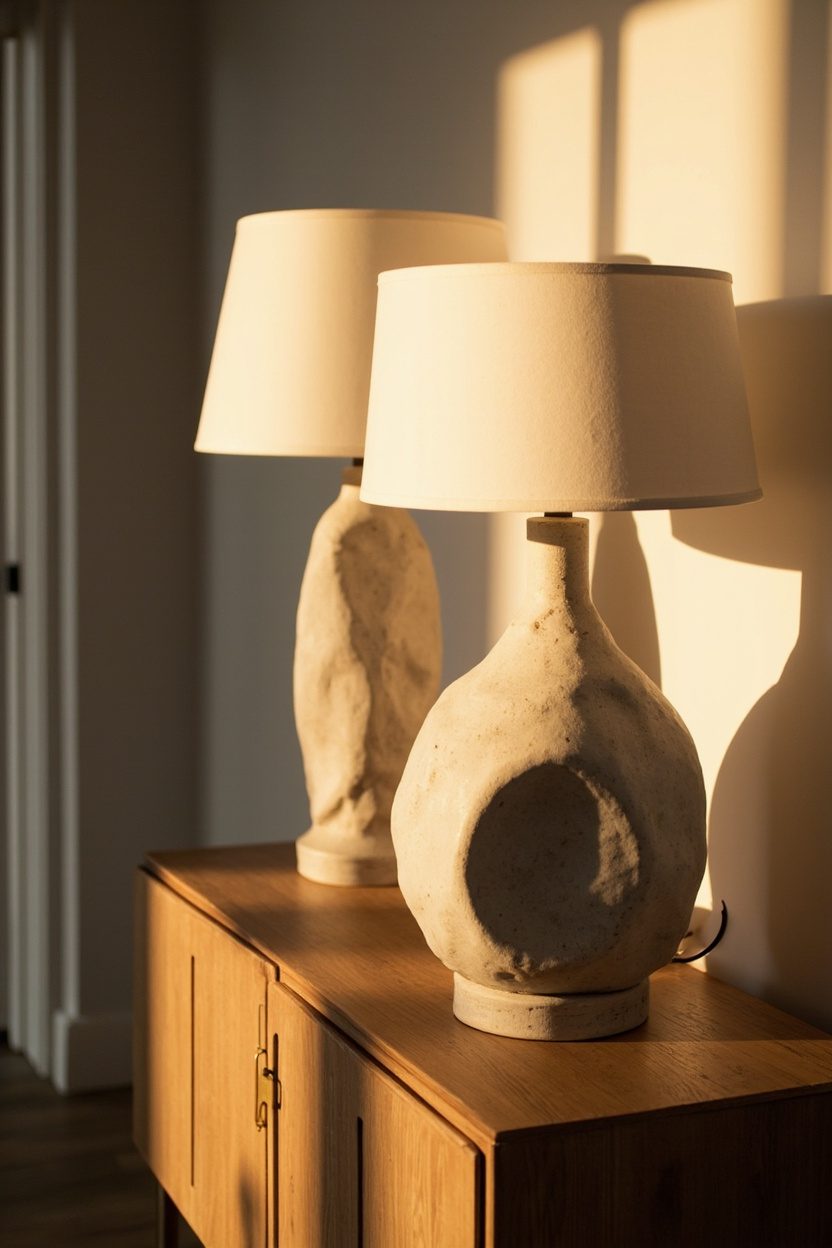
Choose a lamp with a wide, sculptural base in matte ceramic, think chalky ivory, sand, or earthy terracotta, to anchor a side table without visual clutter. Aim for a 28 to 34 inch overall height so the bottom of the shade sits near eye level when seated.
Pair a large base with a linen drum shade, 15 to 18 inches wide, to diffuse warm light and flatter textures. Hide cords with a felt cord clip and place the lamp one hand’s width from the table edge for stable reach.
For layered neutrals that feel collected, let the lamp sit beside a low stack of vintage books and a small bowl, a look rising with modern cottage styling.
14. Arched mirrors and doorways
- Effort Level: Weekend DIY
- Estimated Budget: 100-500
- Maintenance Level: Low (glass cleaning)
- Best For: Narrow halls, small entryways
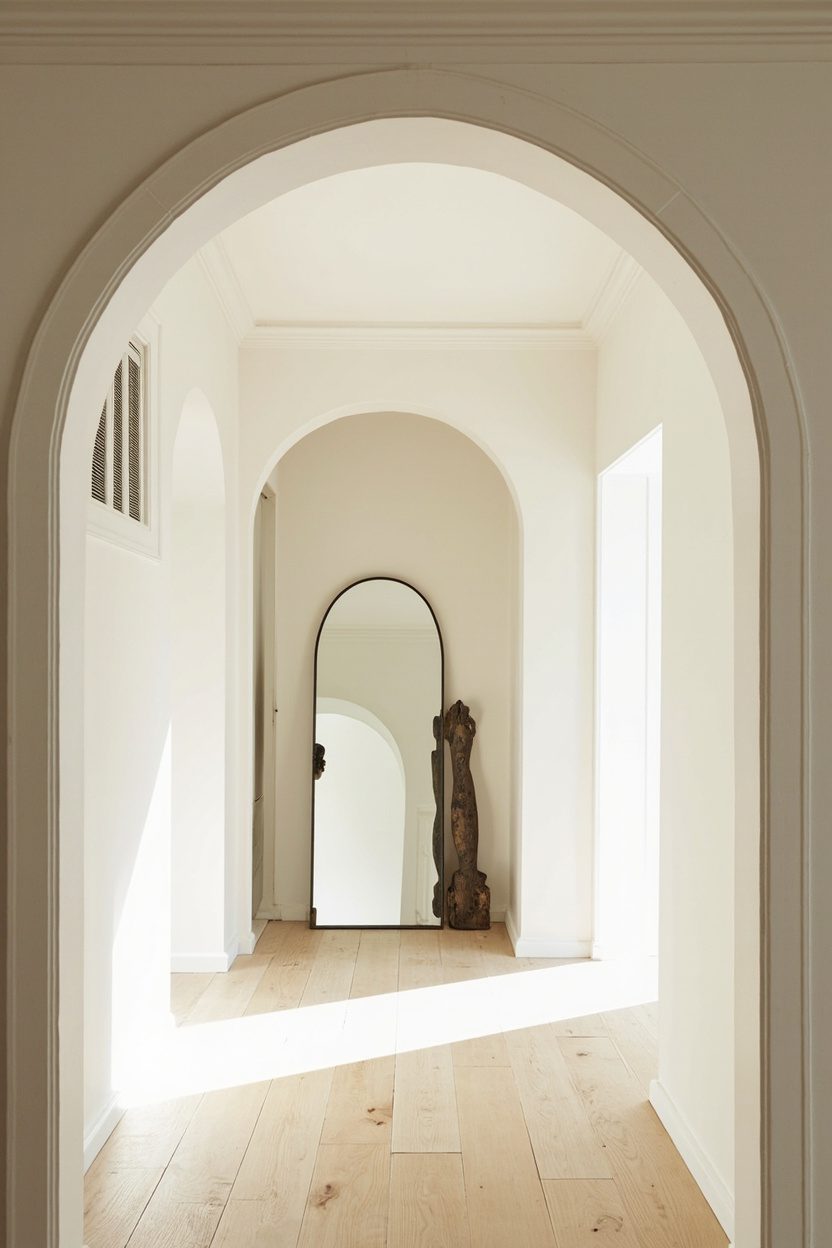
Arched mirrors widen tight spaces by bouncing light while softening lines with a gentle curve. Hang the mirror so the top arc clears nearby trim by at least 3 inches, and keep the center 58 to 62 inches from the floor for a gallery-right sightline.
Real-talk warning: I once centered an arched mirror over a console that was too short, and the proportions felt top-heavy. Measure your console width and choose a mirror at 60 to 80 percent of that size, or add taller lamps to bridge the visual gap.
If you are ready for a true opening, use flexible MDF arch kits, then frame with 2.5-inch casing for a crisp shadow line.
Curves pair beautifully with organic shapes trending in 2026, a shift noted by design pros.
15. Stone and tumbled tile surfaces
- Effort Level: Pro install recommended
- Estimated Budget: 500+
- Maintenance Level: Medium (seal annually)
- Best For: Kitchen backsplashes, fireplace surrounds
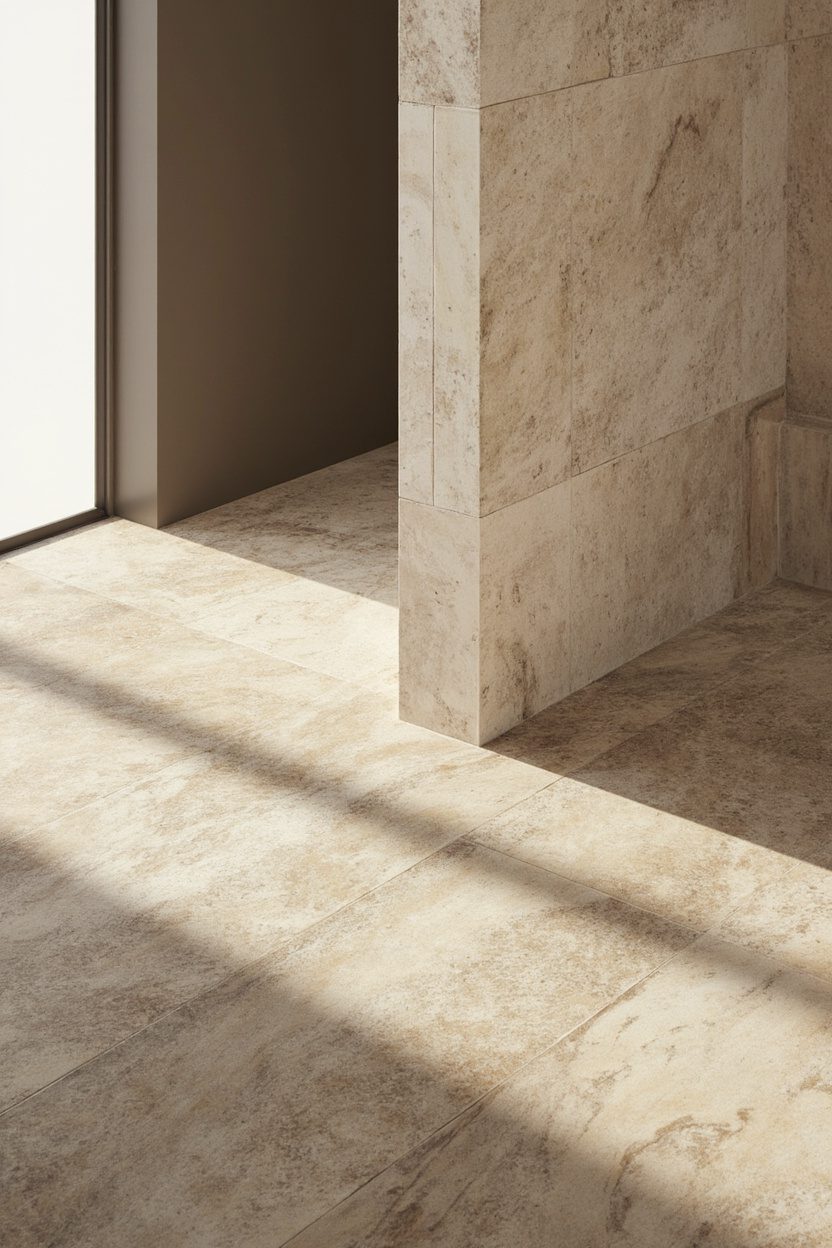
Limestone, travertine, and tumbled marble bring soft edges, color variation, and that lived-in patina straight out of classic European kitchens. Choose honed, not polished, to reduce glare and fingerprints, and run tiles in a tight 1/16 inch grout for an old-world feel.
Budget saver, mix a stone splash with laminate or butcher block counters, then color-match sanded grout to the stone’s lightest tone for a seamless look.
If you love rustic charm, style with reclaimed wood accents inspired by Old Farmhouse notes, keeping metals in aged brass to warm the palette.
Seal porous stones right after installation and again yearly, testing with a water droplet to confirm beading.
For hearths, extend tile 8 to 12 inches beyond the firebox opening for code safety and a visually weighty frame.
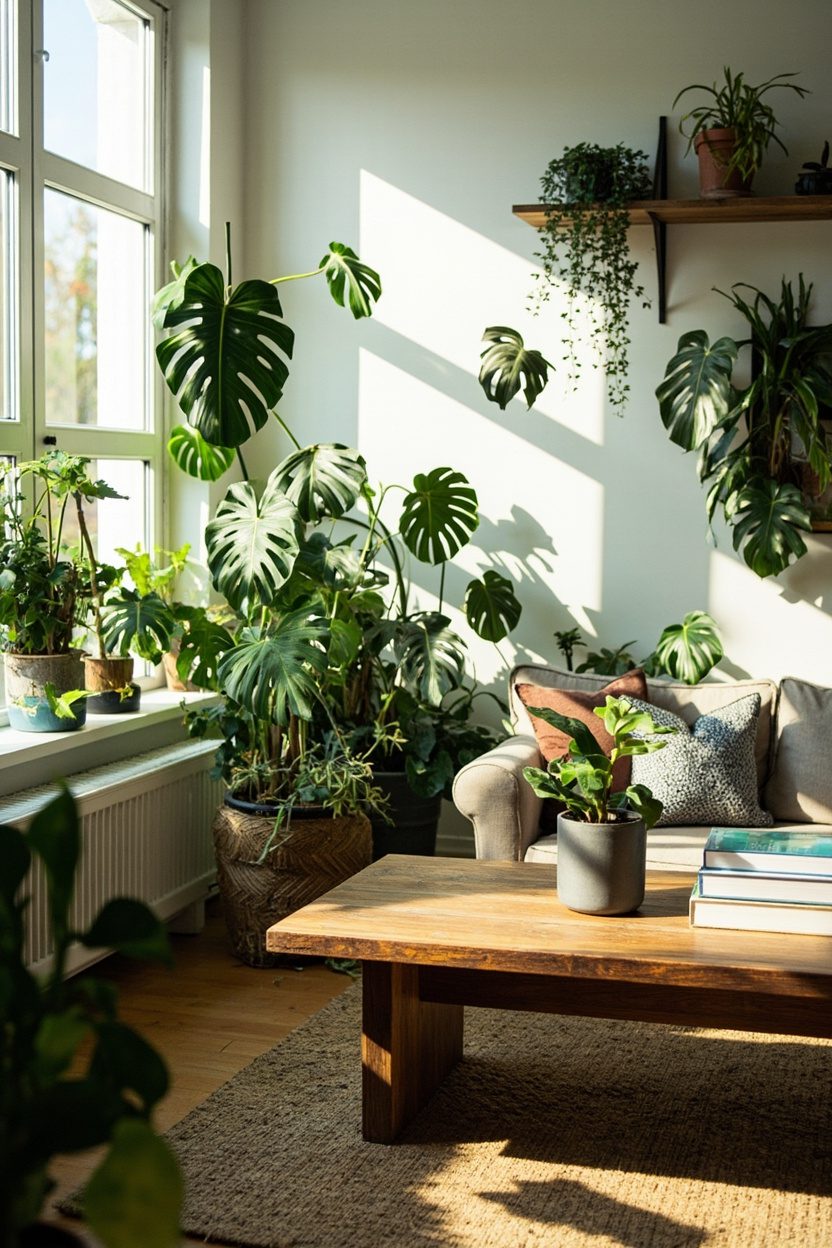
16. Biophilic greenery in every room
- Effort Level: Weekend DIY.
- Estimated Budget: Under 100.
- Maintenance Level: Low (requires light watering).
- Best For: Renters.
Layer trailing pothos on shelves, tuck a snake plant near the entry, and add a compact fern in the bath for a soft, lived-in look. Cluster planters in odd numbers, mixing matte ceramic with woven baskets to create depth and texture.
Place taller plants where they can frame furniture, like a rubber tree flanking a sofa, keeping leaves 6 inches clear of walls to prevent scuffs. If light is scarce, rotate in hardy ZZ plants or use grow bulbs disguised in warm white lamps.
Style around existing tones with light oak stands and off-white pots, a combination that pairs beautifully with the layered neutrals trend noted for 2026 in this roundup.
For a relaxed, collected vibe, echo the greens with muted textiles rather than bright botanical prints.
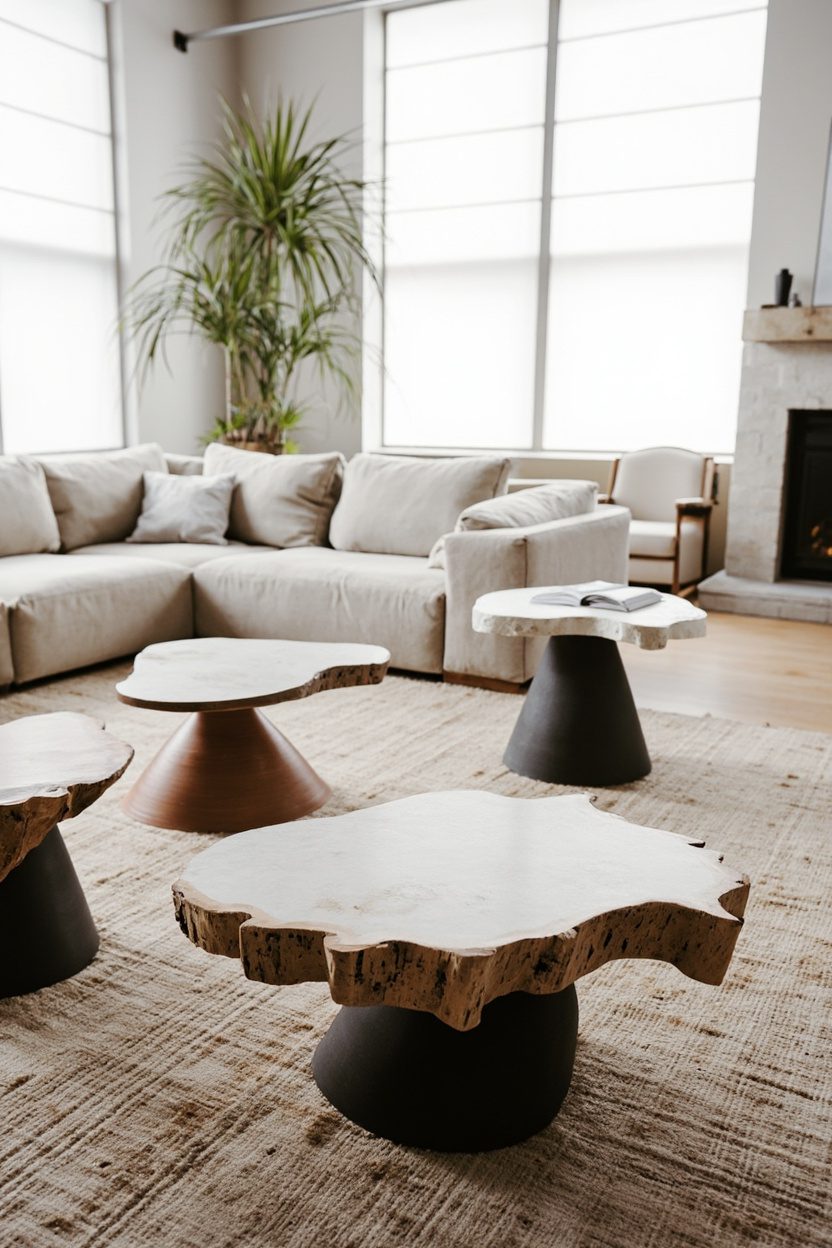
17. Artful, irregular coffee tables
- Effort Level: Weekend DIY.
- Estimated Budget: 100-500.
- Maintenance Level: Low (requires dusting).
- Best For: Small Living Rooms.
Choose organic silhouettes, like a kidney-shaped travertine top or a resin and wood river edge, to bring movement to your seating area. Keep clearance at 16 to 18 inches from the sofa front, and aim for a table height within 2 inches of seat height for comfort.
Style sparingly so the form shines, using a single sculptural bowl and two stacked books, then adjust with trays if you need a corralled function.
For more pared-back vignettes that complement these shapes, explore ideas in Minimalist Coffee Table Decor.
Irregular edges pair well with soft curved sofas, a key 2026 shift toward flowing lines highlighted by industry observers. If you lean rustic, a live-edge piece also blends beautifully with Old Farmhouse textures without feeling heavy.
For a complementary decor approach, see 14 Creative Ways to Hang Pictures Without Frames.
FAQ
Choose resilient species like ZZ, snake plant, and pothos, then supplement with warm white grow bulbs in standard lamps. Water sparingly, let the soil dry between drinks, and rotate plants monthly so each side gets even exposure.
Aim for a table 40 to 60 percent of your sofa length, keeping 16 to 18 inches of knee clearance. For small rooms, an irregular silhouette with soft corners eases movement and visually lightens the footprint.
Group by height and container finish, limiting each vignette to three planters max. Echo leaf tones in one throw or art piece, and leave negative space on nearby surfaces to let the greenery breathe.
Rounded, bullnosed edges are safer than sharp corners, and sealed finishes resist spills. Consider a two-piece nesting set so you can slide one away during playtime and reconfigure for entertaining later.