


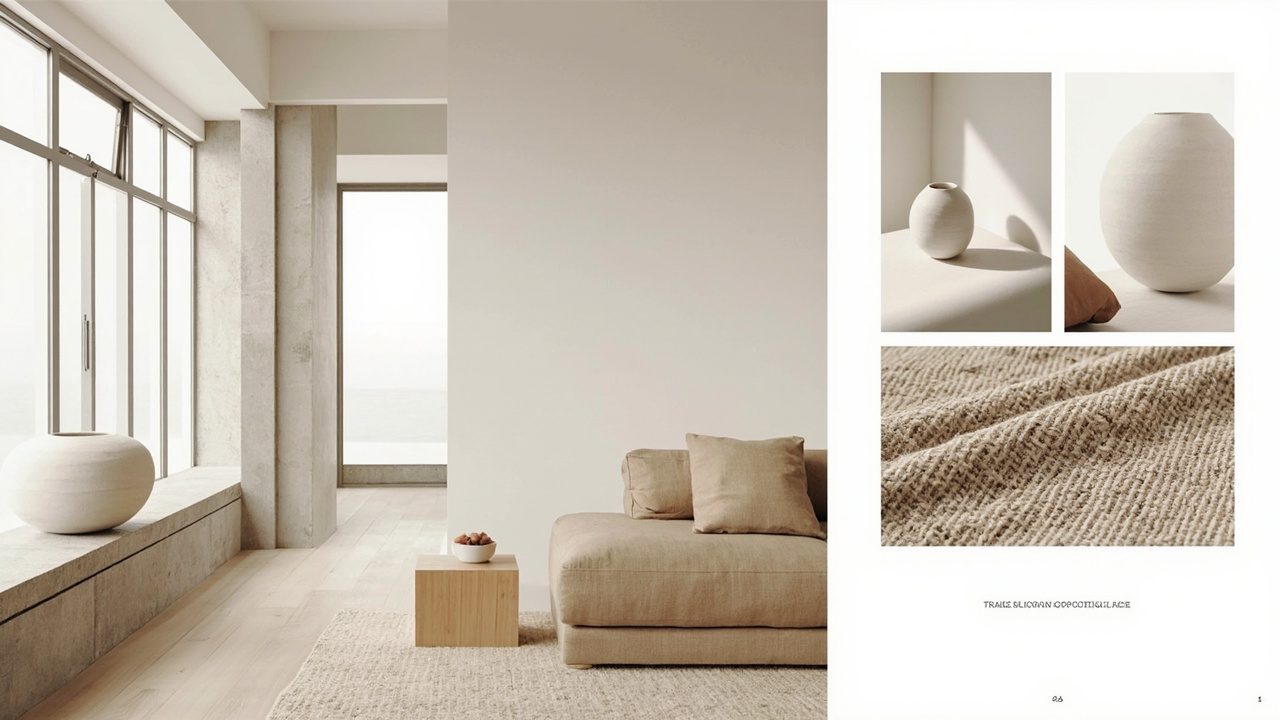
Minimalist house interior design is about reducing visual clutter while keeping the place comfortable and functional. This guide focuses on clear decisions you can make from the floor plan to finishes, so your home feels calm and lived-in, not sterile.
Start with the purpose of each room, and work outward from essential furniture and circulation needs. Prioritize quality over quantity, and choose solutions that make daily life easier, not harder.
- How to Plan a Minimalist House Interior Layout?
- Choosing Materials and Textures for Warm Minimalism
- Color Palettes That Keep Minimalism Cozy
- Furniture Selection: Function, Scale, and Comfort
- Lighting Strategies to Enhance Minimal Spaces
- Styling Tips: Personal Touches Without Clutter
- Common Minimalist Design Mistakes to Avoid
- Maintaining and Evolving Your Minimalist Home
- FAQ
- Final Thoughts
- Related Decor Reads
How to Plan a Minimalist House Interior Layout?
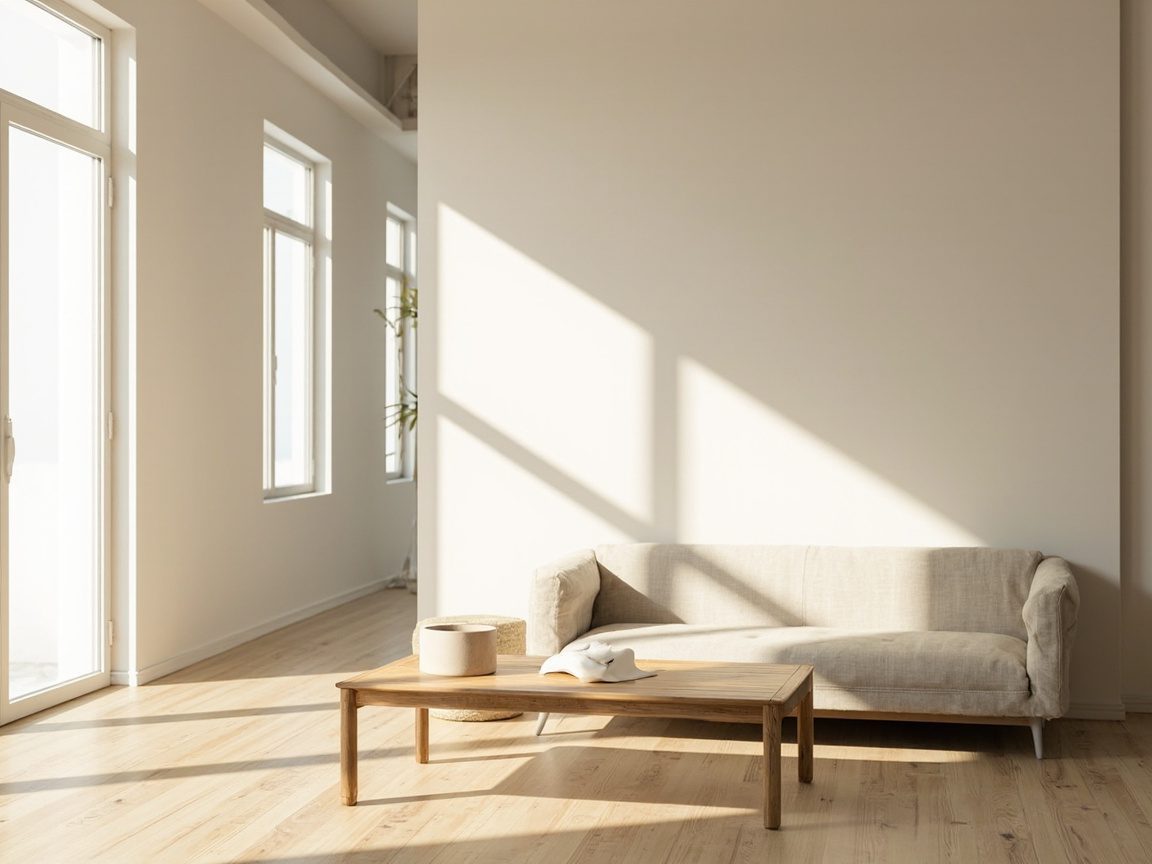
A minimalist layout begins with function, then refines form. Treat each room as a set of required activities, then remove everything that doesn’t serve those activities.
Practical steps
- List core activities per room, for example, living: seating for 4, media, and reading nook. That list defines the minimum furniture and clearances.
- Use a simple bubble diagram first: mark activity zones, primary circulation paths, and focal points. Aim for 800–900mm clear paths in high-traffic zones.
- Limit furniture to multipurpose or modular pieces, for example, ottomans with storage or a dining table that doubles as a workspace.
- Plan built-in storage into the layout, not as an afterthought. Target one discreet storage wall or integrated cupboards per main room to keep surfaces clear.
- Balance openness and intimacy: open-plan living works when zones are visually anchored by rugs, lighting, or a single low console rather than many partitions.
Mistakes to avoid
- Designing around furniture you don’t need. Sketch layouts to scale before buying pieces.
- Neglecting sightlines. Remove or conceal items that interrupt a clean visual flow, for example, tall cluttered shelves in view from entry points.
- Underestimating storage. Minimalism fails fast if daily essentials lack a home.
Choosing Materials and Textures for Warm Minimalism
Minimalist interiors in 2026 trend toward warmth through materiality rather than ornament. Focus on a limited palette of materials used consistently across rooms to create cohesion.
Selection criteria
- Wood: choose mid-tone, lightly grained wood for floors and key furniture, for example, oak or walnut. Match or coordinate tones rather than mixing many woods.
- Stone and concrete: use restrained amounts, such as a concrete hearth or honed stone countertops, to add weight and tactile contrast.
- Textiles: layer tactile fabrics—linen, wool, cotton—in neutral hues. Use one statement textile (a woven throw or wool rug) to inject warmth without visual clutter.
- Metals and finishes: favor matte or brushed metals, for example, blackened brass or satin chrome, to keep details subtle and durable.
Implementation tips
- Limit material types to three primary ones across a main living zone, for example, oak floors, plaster walls, and a wool rug.
- Test samples in situ under different lighting. A finish that reads warm by day can look flat at night, so check under both conditions.
- Use texture to replace pattern. A slub weave or subtle ribbed plaster adds interest while keeping a calm palette.
Color Palettes That Keep Minimalism Cozy

Choose colors that support simplicity, while providing depth and warmth. Aim for a restrained three-tier palette: base, mid, and accent.
Practical palettes
- Warm neutrals: off-white base, warm greige mid-tone, deep clay accent. This combo reads modern and approachable.
- Muted greens: soft sage base, stone gray mid, olive accent. Works well with natural wood and plants.
- Soft contrasts: pale sand base, charcoal mid, terracotta accent. Use charcoal sparingly to ground the scheme.
Application guidance
- Paint ceilings and trim a shade lighter than walls to keep spaces airy, while maintaining cohesion.
- Reserve stronger accent hues for small, changeable items, for example, cushions or a painted cabinet, rather than large surfaces.
- Use a color sample method: apply 0.5m2 swatches in multiple spots and observe for 48 hours before finalizing.
Furniture Selection: Function, Scale, and Comfort
Choose furniture by purpose first, then by form. Prioritize pieces that perform more than one task, for example, a storage ottoman or a sofa with a slender console behind it, to reduce visual and physical clutter.
- Function: list daily activities for each room, then select one primary piece per activity. For a living room, that means a comfortable sofa for seating, a low-profile media unit for electronics, and a single side table for drinks.
- Scale: measure circulation paths and sightlines. Allow at least 30–36 inches for walking zones, and keep furniture depths modest—around 32–36 inches for sofas in compact rooms.
- Comfort: don’t sacrifice ergonomics. Test seat height (16–18 inches typical) and back support. Minimalist does not mean minimal comfort.
- Materials and finishes: choose two to three complementary materials, for example, oak, matte metal, and neutral upholstery. Consistency reduces visual noise and elevates cohesion.
- Visual weight: prefer raised furniture with visible legs to maintain a sense of openness, unless you need built-in or low cabinets for storage.
- Budget prioritization: spend more on frequently used items, like the sofa and bed, and economize on accent pieces. Quality in core items prolongs the minimalist aesthetic.
Lighting Strategies to Enhance Minimal Spaces
Lighting defines mood and reveals form in a minimalist interior. Layer light to keep spaces functional and softly dimensional, rather than stark.
- Three layers: combine ambient (recessed or pendant), task (reading lamps, under-cabinet), and accent (wall washers, picture lights). Each layer should be independently controllable.
- Color temperature: stick to warm neutrals, 2700K–3000K, to prevent a clinical look. Use the same temperature family across layers for harmony.
- Dimmer control: install dimmers on primary circuits to adjust intensity for time of day and activity. Dimming also helps reveal textures without adding more objects.
- Fixture selection: choose simple silhouettes in matte finishes that recede visually, for example, a slim pendant or a cone wall sconce. The fixture should complement the furniture scale.
- Natural light: maximize it with sheer window treatments or motorized blinds. Place mirrors opposite windows to bounce light, but keep mirror frames minimal and proportionate.
- Accent tactics: highlight one focal object or architectural detail with a narrow-beam accent light rather than multiple decorative items.
Styling Tips: Personal Touches Without Clutter
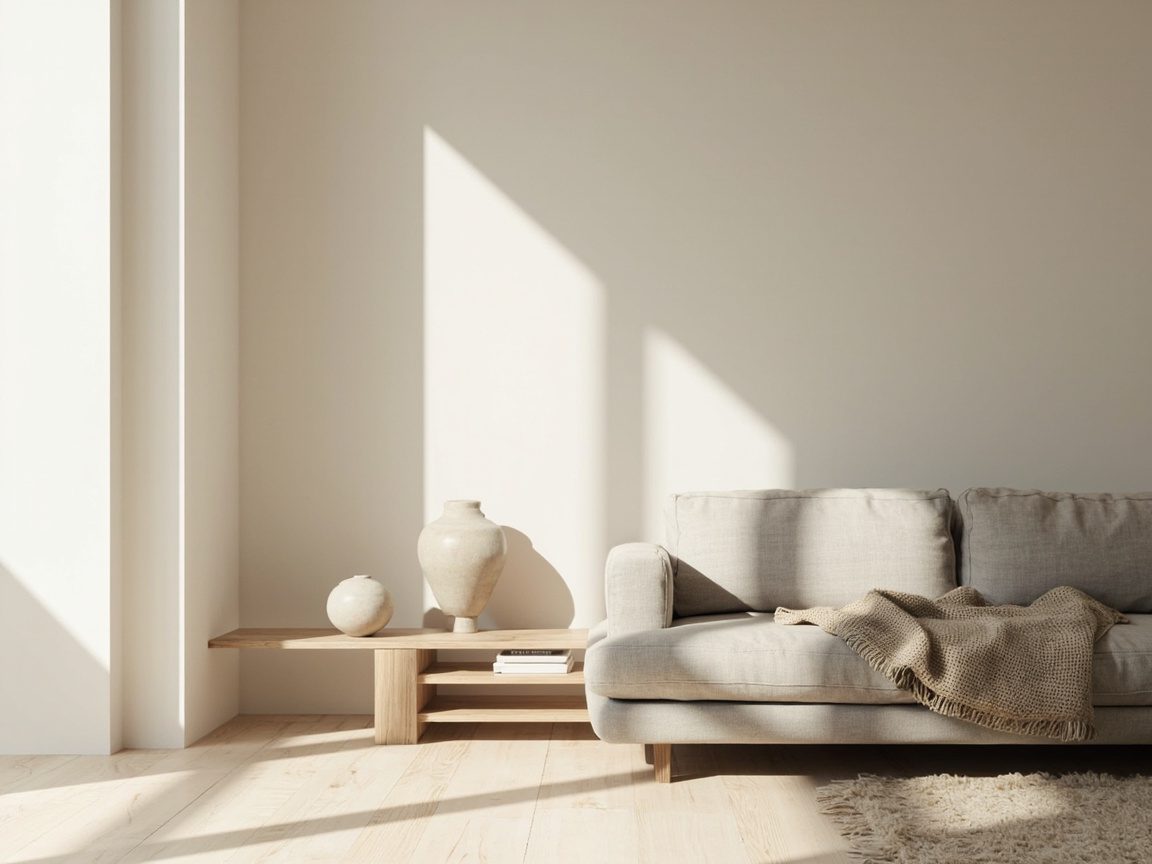
Minimalist styling is intentional, not sparse. Choose a few meaningful items, and display them using clear rules so each object can breathe.
- Edit ruthlessly: limit tabletop and shelf displays to 3–5 items per vignette. Ask, does this item add function, sentiment, or texture? If not, store it.
- Group thoughtfully: arrange objects in odd numbers and varying heights, for example, a small vase, a stack of two books, and a ceramic bowl.
- Material layering: introduce tactile contrast—wool throw on a leather chair, linen cushion on a neutral sofa—to add warmth without extra objects.
- Artwork approach: use one large-scale piece or a restrained gallery of the same frame and mat. Position it at eye level, and keep the surrounding wall space clear.
- Greenery: one sculptural plant or a small cluster of potted herbs suffices. Choose simple planters in neutral tones and avoid excessive plant variety.
- Rotation rule: change small accessories seasonally or for mood, then return most to storage. This keeps the space fresh without accumulating items.
Common Minimalist Design Mistakes to Avoid
Minimalism is about purposeful editing, not deprivation. Avoiding common missteps keeps the space calm, functional, and inviting.
- Over-clearing: Removing too many items creates a cold, impersonal feel. Keep a few meaningful objects per room, sized and grouped for balance.
- Ignoring scale: Too-small furniture in a large room, or oversized pieces in a small space, destroys harmony. Measure room proportions and choose pieces using a simple ratio: primary furniture should occupy about 60–70% of usable wall length.
- Monochrome monotony: All-white rooms can feel sterile. Introduce warmth with one or two natural materials, such as wood or stone, and subtle tonal variations in textiles.
- Poor lighting planning: Minimalism relies on light to define space. Layer ambient, task, and accent lighting; prioritize dimmers and warm color temperatures around 2700–3000K for comfort.
- Hidden clutter: Hiding everything in closed storage can make rooms feel boxed. Use open shelving sparingly with curated displays, and invest in attractive storage that complements the palette.
- Neglecting texture: Relying only on flat surfaces flattens the design. Add texture with a wool rug, linen curtains, or a woven throw to create depth without visual noise.
- Faux minimalism: Buying cheap, minimalist-looking items that quickly wear out undermines the approach. Prioritize quality over quantity and select pieces with simple details that age well.
Maintaining and Evolving Your Minimalist Home
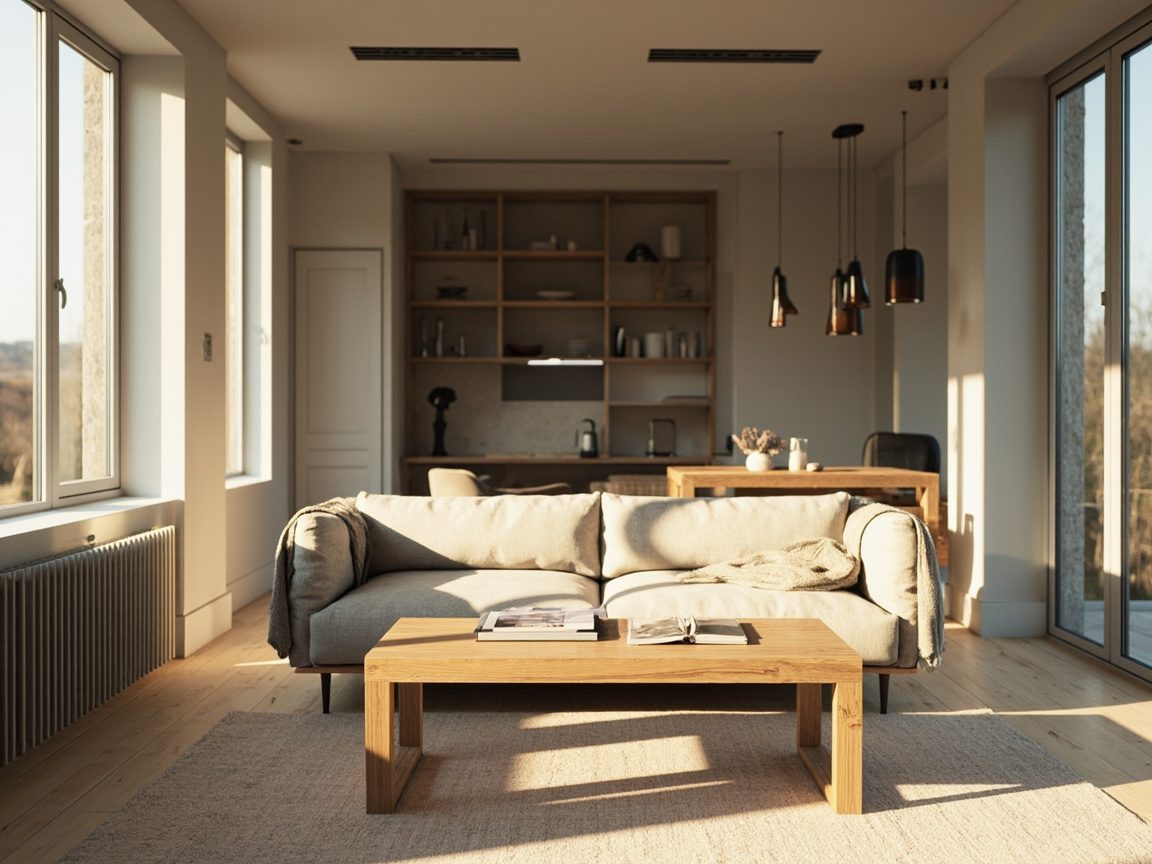
Minimalist homes require regular maintenance and thoughtful evolution to remain relevant and comfortable. Treat the process as seasonal editing, not a one-time purge.
- Quarterly edit: Every three months, remove one item per room that you haven’t used or enjoyed. This prevents gradual accumulation and reassesses what truly matters.
- One-in, one-out rule: For each new decorative or functional purchase, remove one existing item of similar function or visual weight to keep the balance.
- Rotate textiles and art: Swap cushions, throws, and a piece of artwork seasonally to refresh the mood without adding clutter. Keep a dedicated storage bin for off-season items.
- Maintain finishes: Wipe surfaces weekly, oil wooden furniture biannually, and replace worn textiles promptly. Well-maintained pieces look better and last longer.
- Adapt functionally: If lifestyle changes, re-evaluate room uses rather than force existing layouts. Convert a formal dining area into a simple work zone with multi-use furniture when needed.
- Document decisions: Keep a short style guide listing your core palette, preferred materials, and scale preferences. Use it when shopping to avoid impulse buys that break cohesion.
FAQ
Begin by decluttering surfaces and grouping items by category. Repaint or tweak lighting for immediate impact, then replace or remove large items gradually based on the style guide you create.
Yes. Prioritize multipurpose furniture, vertical storage, and a restrained palette to maximize perceived space. See small home planning strategies for layout ideas.
Limit accents to a few meaningful pieces, use texture and material contrasts, and choose art or collections that reflect your interests in edited displays.
Perform a light edit every three months and a deeper review annually. Regular checks prevent clutter creep and allow the home to evolve with your needs.
Final Thoughts
Successful minimalism is intentional, practical, and flexible. Use careful curation, maintenance routines, and clear decision criteria to keep your home calm, useful, and genuinely personal.