


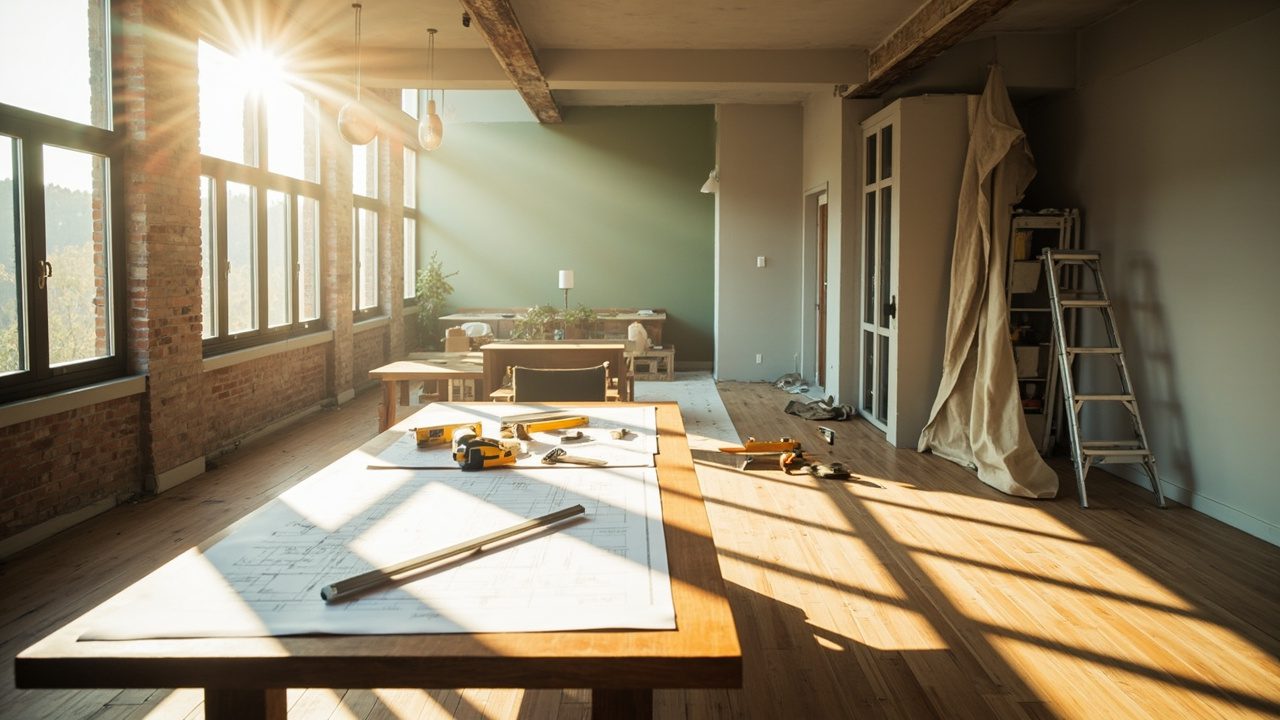
Home improvement projects should feel purposeful, not overwhelming, and prioritized work keeps budget and disruption low while boosting daily life.
This guide orders 15 updates by impact, effort, and cost so you can choose what to tackle next with confidence and design clarity.
As a senior interior designer, I focus on decisions that matter, like paint sheen, pattern scale, plant placement, and realistic budgeting.
Expect specific material choices, common mistakes to avoid, and simple metrics to help you plan each project from weekend refreshes to professional renovations.
My Recommend: Biophilic Living Rooms — I love this one because bringing nature indoors lifts mood and indoor air quality, and it’s remarkably flexible, from a budget-friendly plant collection to a high-end green wall, making it the most transformative for everyday living.
- 1. Bold Color Walls
- 2. Maximalist Patterns
- 3. Biophilic Living Rooms
- 4. Outdoor Living Upgrades
- 5. Spa-Style Bathrooms
- 6. Statement Light Fixtures
- 7. Warm Wood Tones
- 8. Curved Furniture Pieces
- 9. Mixed-Metal Finishes
- 10. Home Office Nooks
- 11. Layered Textiles
- 12. Smart-Integrated Kitchens
- 13. Sustainable Materials
- 14. Color-Blocked Cabinets
- 15. Multi-Functional Spaces
- FAQ
- Final Thoughts
1. Bold Color Walls
- Effort Level: Weekend to 2 days.
- Estimated Budget: Under $300 to $800.
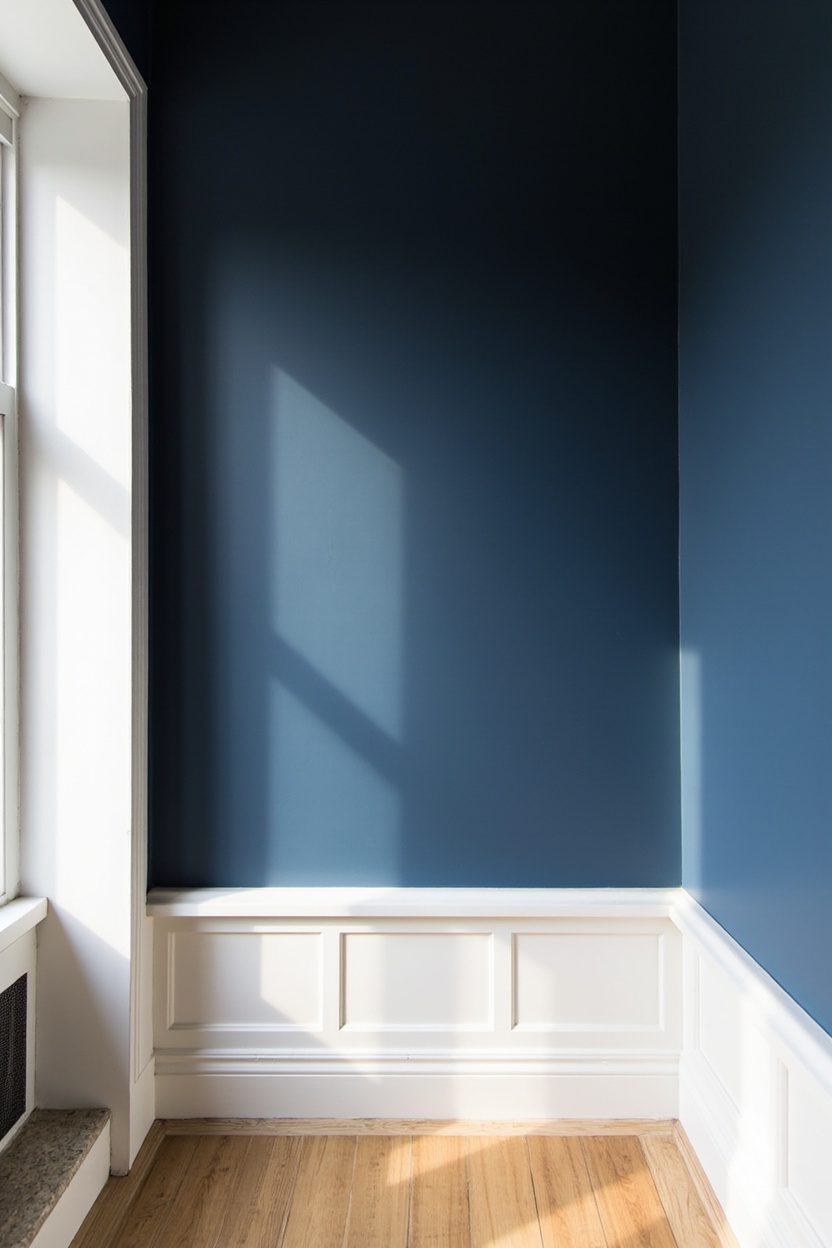
Bold color walls are a fast way to change a room’s personality, moving away from neutrals toward confident hues that anchor furniture and art.
Choose paint with good coverage, an eggshell or satin sheen for living spaces, and test a 2×2 foot patch in different light before committing.
Consider scale: large rooms tolerate saturated jewel tones, while small spaces benefit from bold accents on a single wall.
A common mistake is underestimating undertones, so compare swatches in morning and evening light before buying a full gallon.
Styling Blueprint
- Pick two coordinating colors, main and accent, and sample on different walls.
- Use painter’s tape and quality rollers for crisp edges and even coverage.
- Pair with light-colored trim if you want a modern contrast, or match trims for a seamless feel.
- Budget for primer if covering dark or glossy surfaces to ensure color fidelity.
2. Maximalist Patterns
- Effort Level: Moderate styling sessions.
- Estimated Budget: $150 to $1,200, depending on textiles.
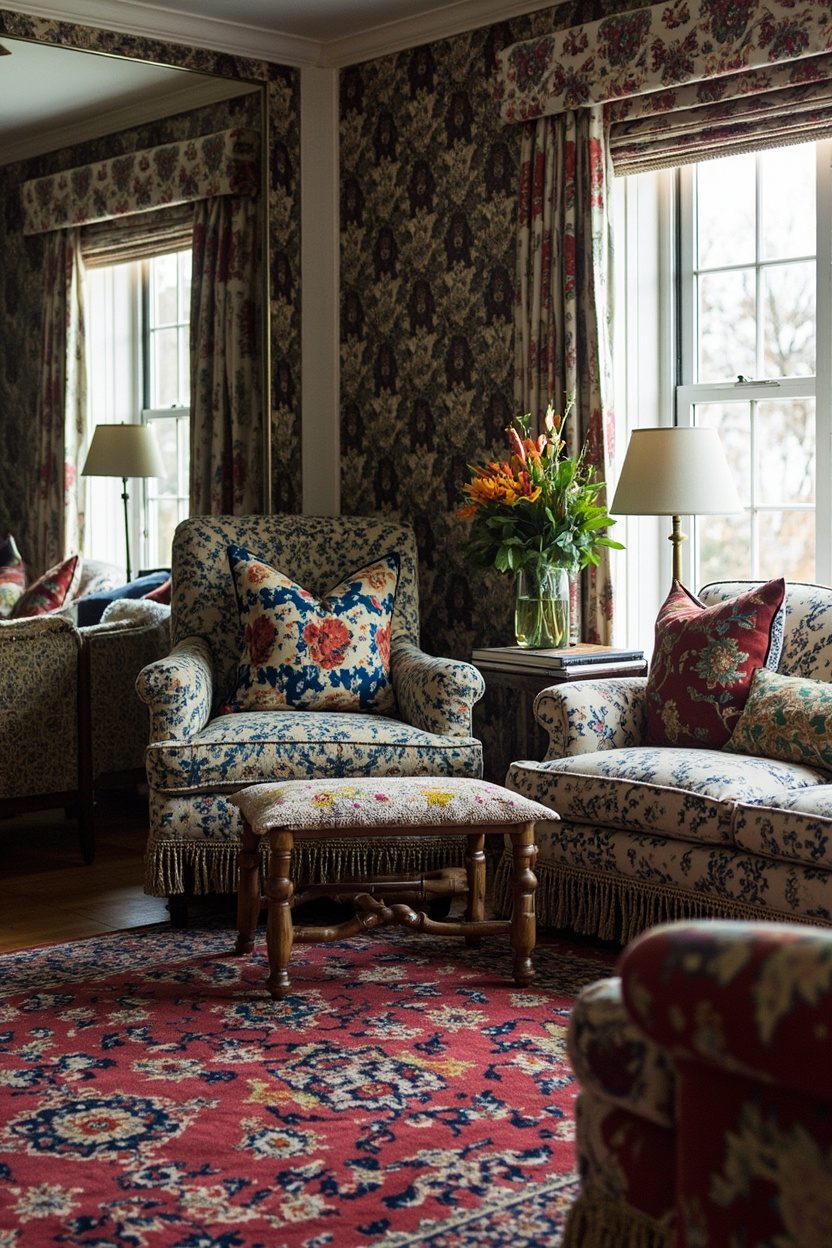
Maximalist patterns layer prints and textures for a curated, lived-in look that celebrates personal collections rather than erasing them.
Start with a dominant pattern, like a large-scale floral or geometric rug, then introduce 2–3 smaller patterns in cushions, throws, and wallpaper.
Balance is key: keep one solid anchor color, often drawn from the largest pattern, to prevent visual chaos.
Avoid matching scales; instead, mix large, medium, and small motifs to create depth and intentional contrast.
Essential Elements
- Select one pattern as the focal point, often on a rug or wallpapered wall.
- Introduce complementary patterns in 2–3 textile pieces, varying scale and texture.
- Limit the palette to 3–4 colors to maintain cohesion across patterns.
- Use framed art or a neutral sofa to give the eye a resting place.
3. Biophilic Living Rooms
- Effort Level: Ongoing updates.
- Estimated Budget: $50 to $2,500, depending on scale.
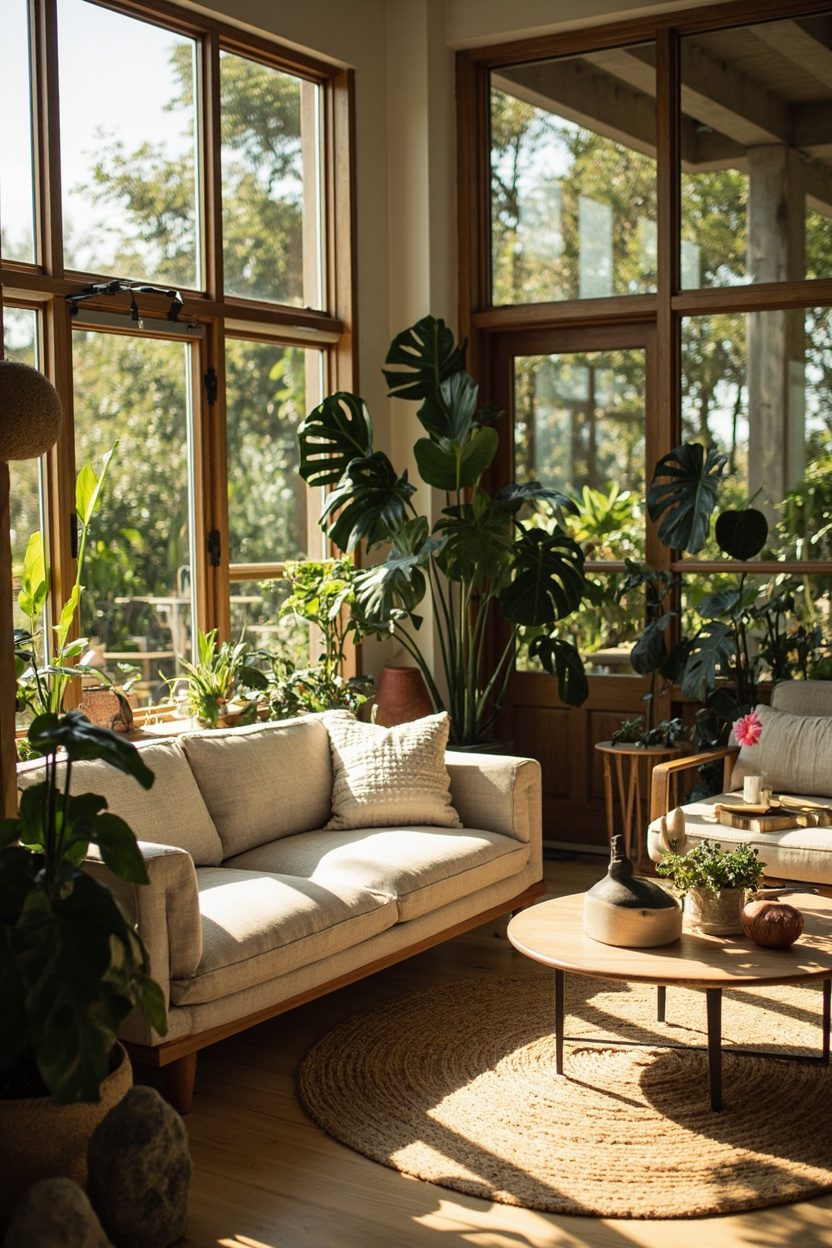
Biophilic living rooms reconnect interiors with nature through plants, natural materials, and daylight, improving comfort and wellbeing.
Start small with low-maintenance plants like pothos or snake plants, and place them near light sources, avoiding direct hot sun for sensitive species.
Consider material choices such as reclaimed wood coffee tables, stone accents, and linen upholstery to reinforce the natural theme and tactile warmth.
For bigger budgets, integrate a living wall or increased glazing to maximize daylight, but plan irrigation and maintenance from the start.
What to Focus On?
- Prioritize daylight and place seating to face natural views or bright windows.
- Choose 3–5 plant varieties with different heights and textures for visual interest.
- Use natural fiber rugs and wood tones to create a cohesive, warm palette.
- Avoid overwatering and group plants by light needs to simplify care routines.
4. Outdoor Living Upgrades
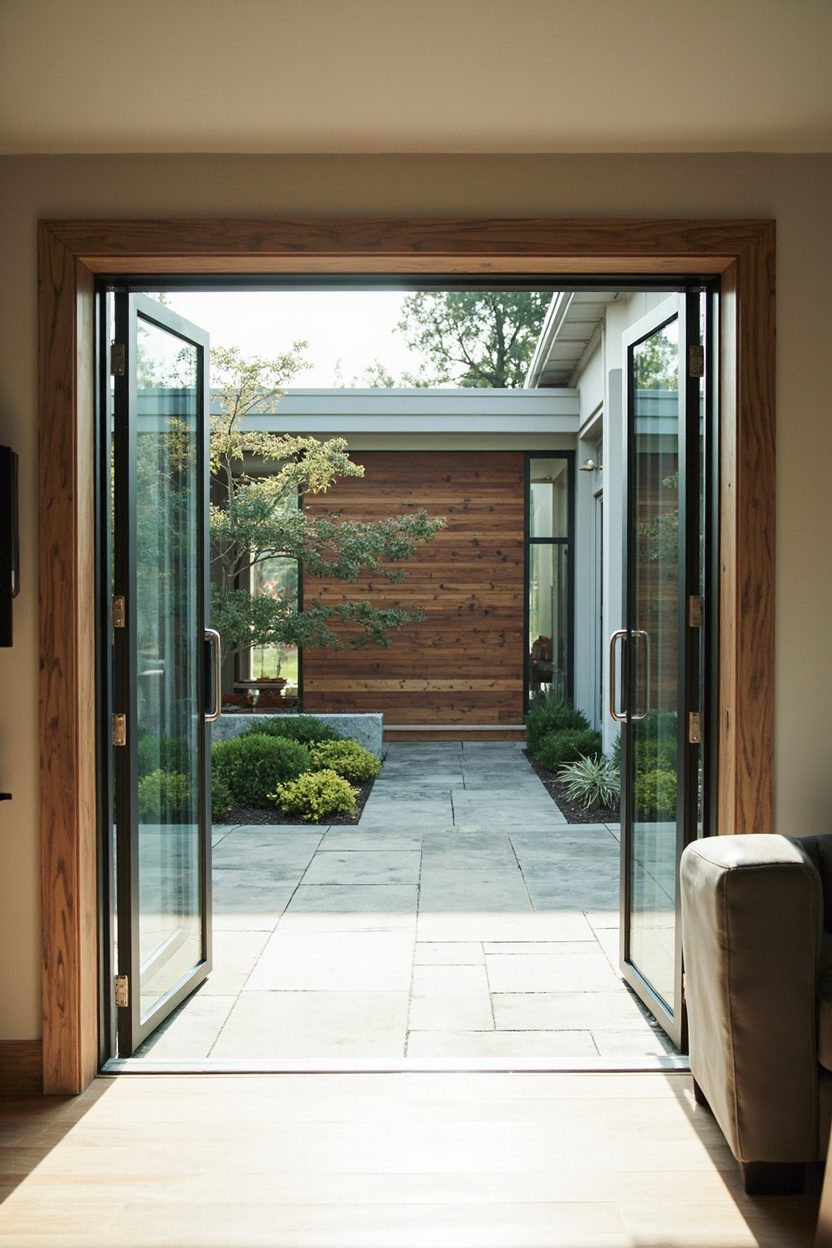
- Effort Level: Weekend to two-week project.
- Estimated Budget: $500 to $8,000.
Revamping outdoor space extends usable square footage, and small changes often deliver big returns in enjoyment and resale value.
Prioritize durable materials, like pressure-treated or composite decking, and choose stainless steel or powder-coated fasteners for coastal durability.
Think in zones, with a cooking area, dining spot, and a lounging corner, keeping scale appropriate for your yard size.
A common mistake to avoid is oversizing furniture for a small patio, which kills circulation and makes the space feel cramped.
Essential Elements
- Define zones with an outdoor rug, anchor pieces, and 36 to 48 inches circulation paths around seating.
- Choose weatherproof materials: teak or aluminum frames, quick-dry cushions, and composite decking for low maintenance.
- Install layered lighting: path lights, string lights, and a focused sconce or pendant over dining surfaces.
- Budget for irrigation and planting: native shrubs and a simple drip system for long-term low upkeep.
5. Spa-Style Bathrooms
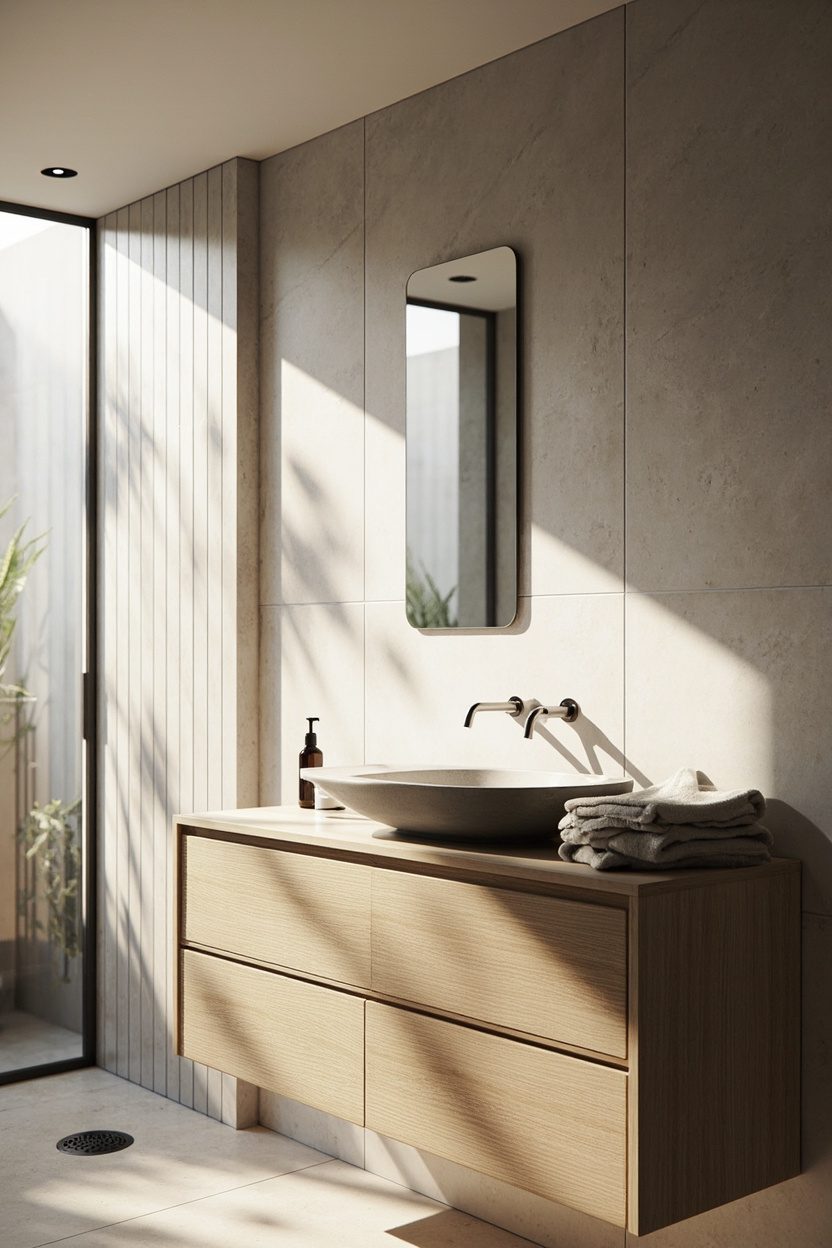
- Effort Level: Two to six weeks.
- Estimated Budget: $2,000 to $15,000.
Turning a bathroom into a spa retreat centers on material and fixture choices, like a frameless glass shower, matte brass fixtures, or large-format porcelain tiles for fewer grout lines.
Add a tactile element, such as heated floors or a teak bench, for daily comfort and an immediate sense of luxury.
Prioritize ventilation upgrades when adding steam functions, because moisture control protects finishes and prevents mold.
When I renovated my own hall bath, I underestimated lighting layers; adding dimmable sconces beside the mirror immediately transformed morning routines.
What to Focus On?
- Choose a 38 to 42 CFM fan for standard bathrooms, upgrade to 80+ CFM for steam or wet rooms to manage humidity effectively.
- Select fixtures with sensible ergonomics, like a 16 to 18-inch shower seat and handheld shower for flexibility.
- Invest in a high-quality grout sealer and large tiles to reduce maintenance and enhance a clean, spa-like look.
- Layer lighting: overhead dimmable downlights, task lighting at mirrors, and mood lighting like LED toe-kicks.
6. Statement Light Fixtures
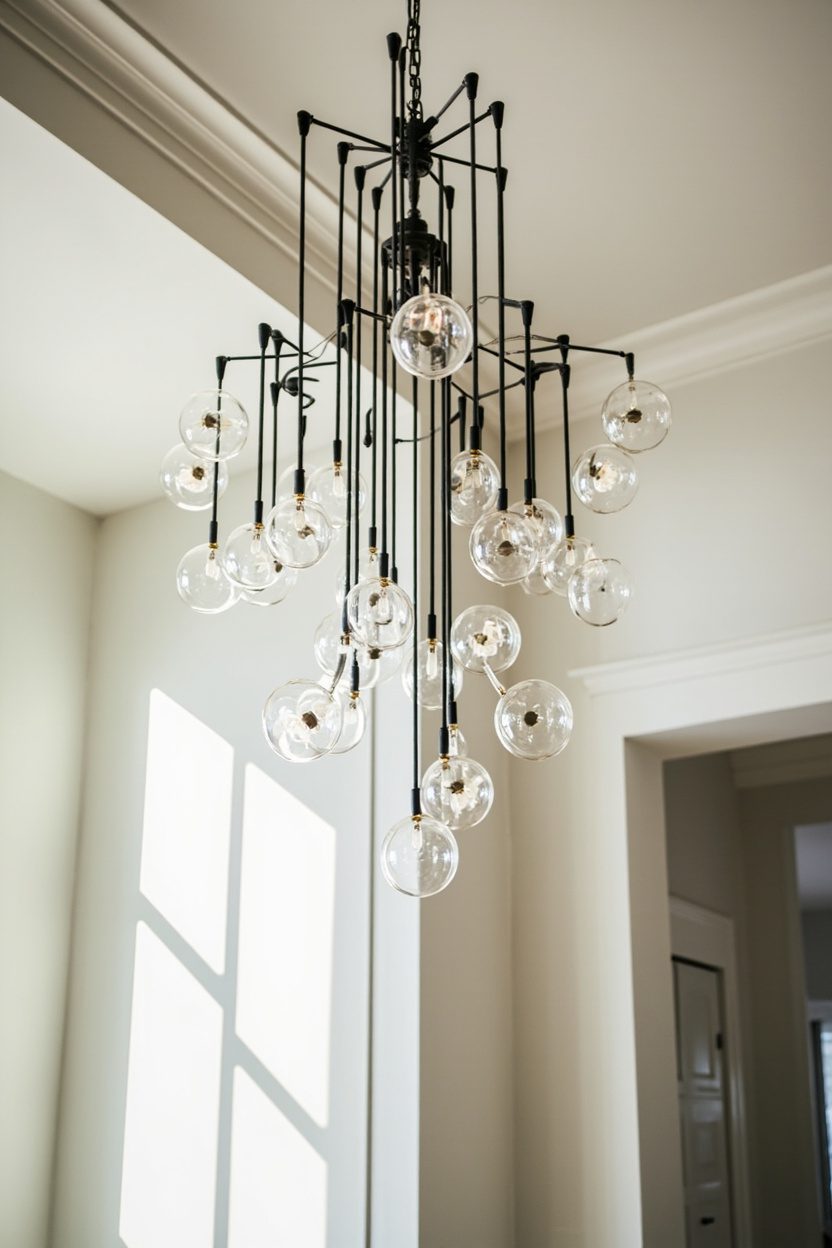
- Effort Level: Afternoon install to one-day project.
- Estimated Budget: $150 to $3,000.
A bold pendant or sculptural chandelier can become the room’s focal point, anchoring furniture placement and color choices around it.
Consider scale carefully, using the rule: fixture diameter in inches roughly equals the sum of the room’s length and width in feet divided by two.
Material choice matters for style longevity; pick finishes that coordinate with hardware, for example, brushed nickel for modern kitchens or aged brass for warm, eclectic rooms.
Avoid placing oversized fixtures too low; maintain at least 30 to 36 inches above a dining table for comfortable sightlines.
Styling Blueprint
- Measure twice: choose fixtures sized to the room and intended purpose, allowing appropriate clearance and sightlines.
- Coordinate finishes with existing metal tones, or intentionally contrast for eclectic impact, keeping one dominant finish for cohesion.
- Install on a dimmer to adjust mood and reduce glare, selecting compatible bulbs for color temperature consistency, typically 2700K to 3000K for warm interiors.
- Consider professional wiring for heavy or complex fixtures, budgeting for a licensed electrician when weight or junction box upgrades are needed.
7. Warm Wood Tones
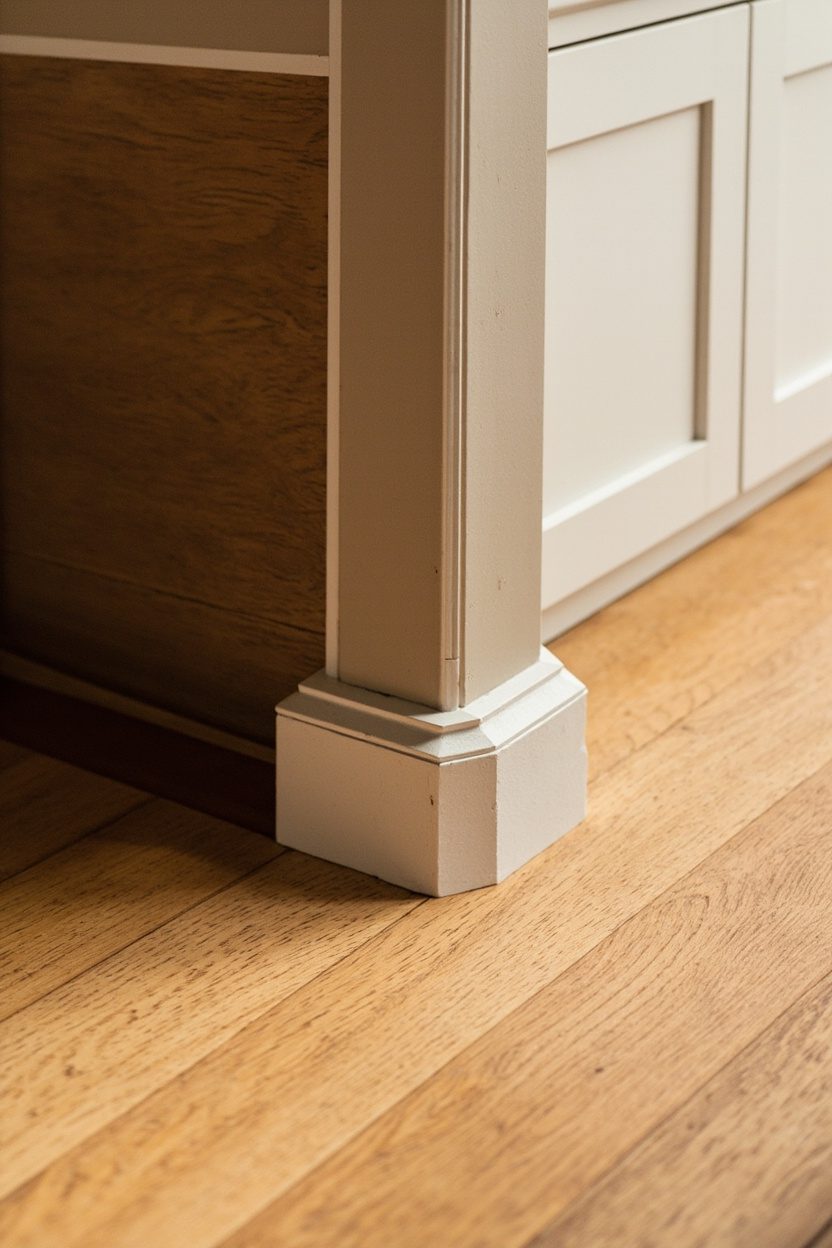
- Effort Level: Moderate renovation.
- Estimated Budget: $1,000–$6,000.
Warm wood tones bring instant coziness and depth, shifting a room away from cool, sterile neutrals toward something more lived-in and tactile.
Choose mid-tone woods like oak with a honey stain, walnut, or rift-sawn ash for furniture and millwork to anchor a space without overpowering it.
Balance is key; pair warm wood with lighter textiles and brass or matte black accents to avoid a heavy, dated look.
Watch scale: use wider planks for floors in larger rooms, and thinner veneers for cabinetry to control visual weight and cost.
Styling Blueprint
- Pick a dominant wood tone and limit to two complementary finishes for consistency across a room.
- Refinish existing floors rather than replace them to save money. Plan for 3–5 days of work for a medium-sized room.
- Use sealed wood in humid areas, or opt for engineered wood for stability in kitchens and basements.
- Add one statement piece, like a walnut coffee table, to test the warmth before committing to major installs.
8. Curved Furniture Pieces
- Effort Level: Low to moderate sourcing.
- Estimated Budget: Under $2,500.
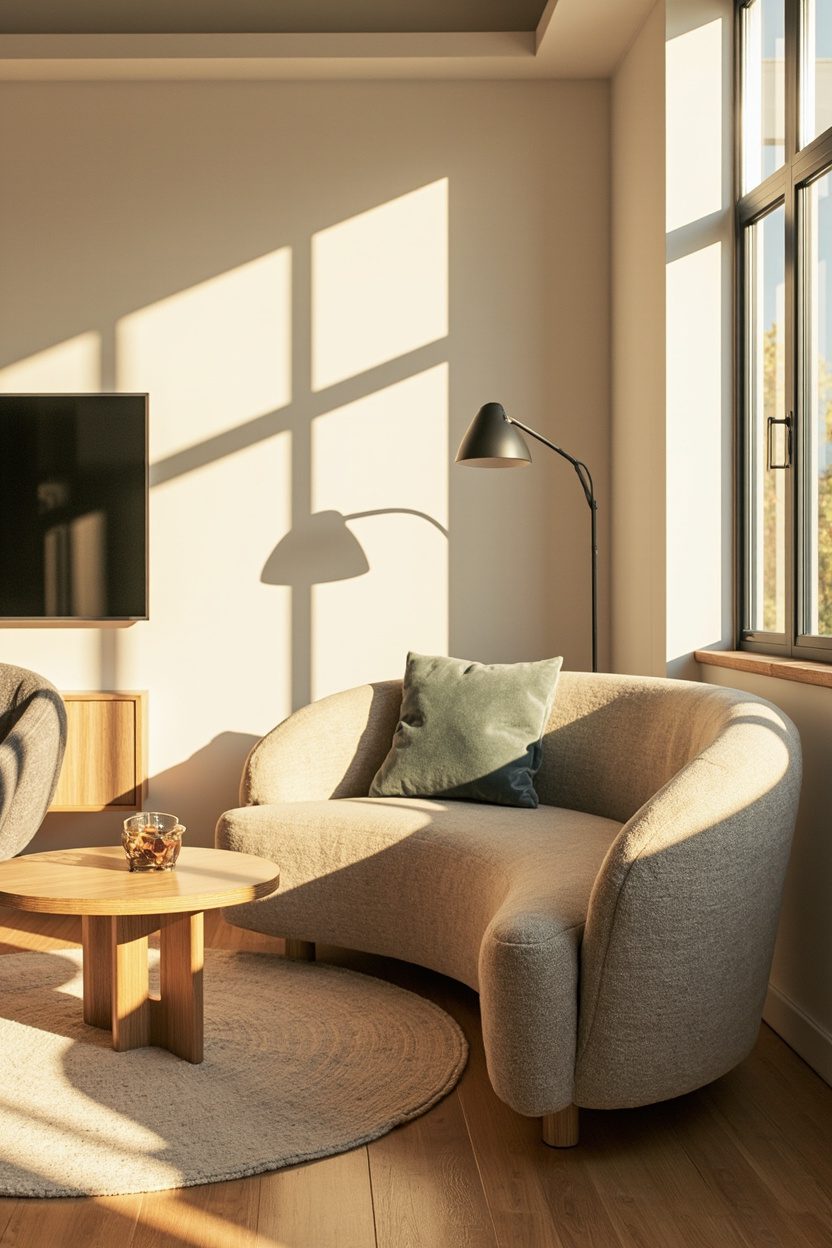
Curved furniture softens hard sightlines and creates an inviting flow, ideal for conversational areas and compact living rooms.
Start with a curved sofa or an accent chair in a durable, mid-tone fabric to add sculptural interest without overwhelming the layout.
Scale matters: keep radius proportional to room size, a deep-radius sofa suits larger open plans, while a petite curved chair works in small spaces.
Pair curves with rectilinear elements, like a square rug or linear shelving, to maintain visual balance and functional storage.
Essential Elements
- Choose performance fabrics in high-traffic spots, consider velvet for a luxe look in lower-use rooms.
- Measure sightlines and walkways, leave at least 30 inches of circulation around curved pieces.
- Mix a rounded focal piece with geometric accessories to avoid a sweet, overly feminine scheme.
- Shop modular curved sofas if you need flexibility for future reconfiguration or downsizing.
9. Mixed-Metal Finishes
- Effort Level: Small updates.
- Estimated Budget: Under $800.
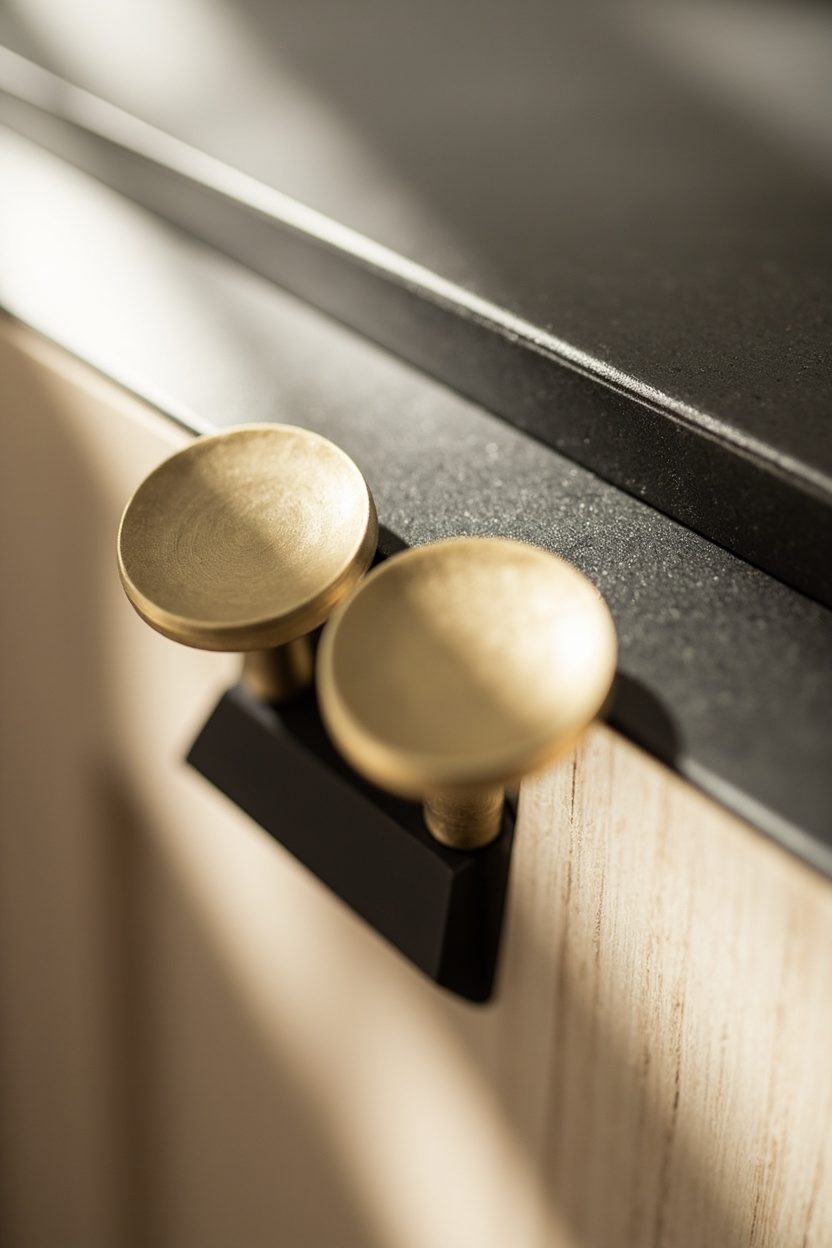
Layering metals—brass, nickel, bronze, and black—adds depth and personality, moving beyond matching sets to a curated, collected-over-time look.
Start small by swapping hardware or light fixtures, keeping one dominant metal and using others as accents to avoid visual chaos.
Match metal temperatures with the room palette; warm metals pair well with warm woods and bold colors, cool metals suit lighter, airy schemes.
When combining finishes, coordinate the sheen level; for example, pair satin brass with brushed nickel rather than mixing polished with matte indiscriminately.
Real-Talk Warning: I once mixed polished chrome and antique brass across a kitchen without a unifying element, and the result felt disjointed; resolving it required changing cabinet pulls to a single, warmer brass to harmonize everything.
What to Focus On?
- Pick one primary finish for large elements, like faucets or major lighting, and use secondary metals sparingly.
- Keep metal finishes consistent within zones, for example, bathroom fixtures match, while kitchen hardware can differ slightly.
- Introduce transitional pieces, such as fixtures that combine two metals, to bridge contrasts smoothly.
- Test in natural and artificial light before finalizing, because metal tones shift significantly with lighting conditions.
10. Home Office Nooks
- Effort Level: Short project.
- Estimated Budget: $200–$1,200.
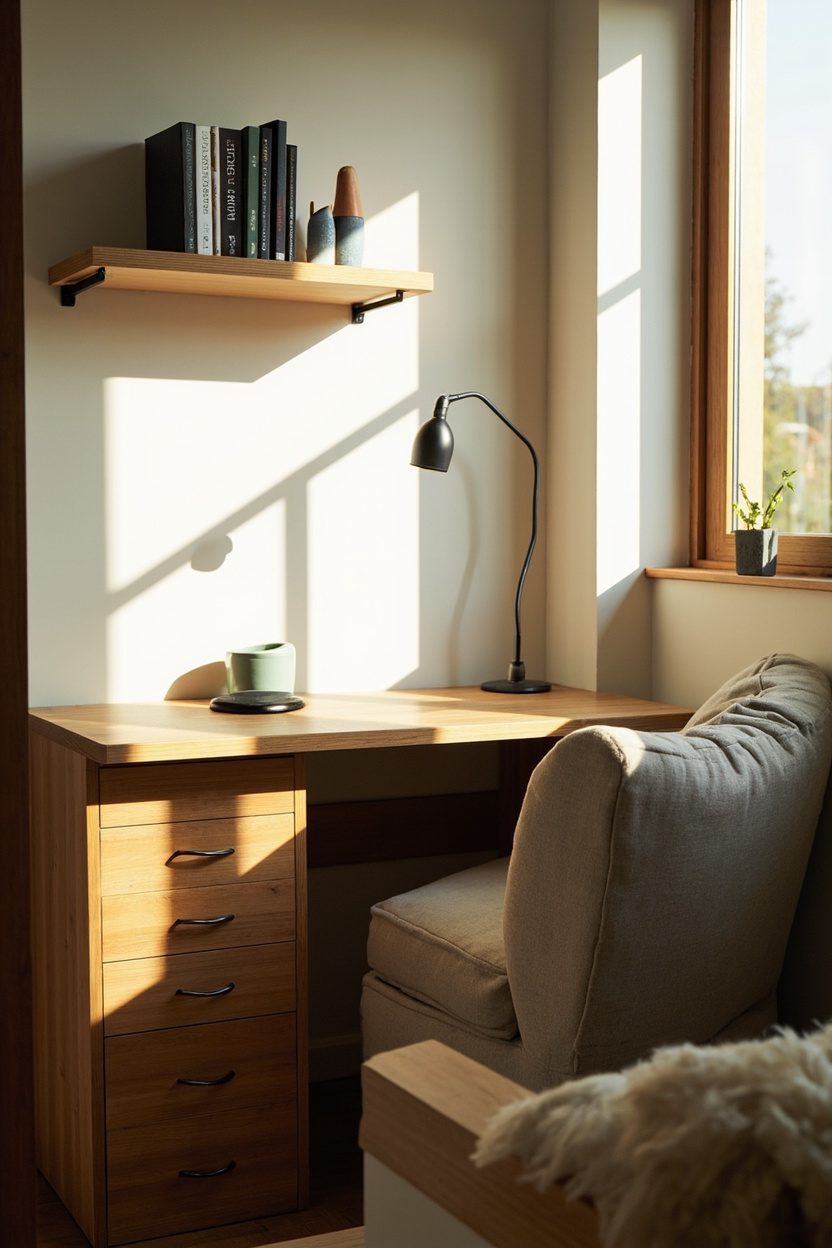
Create a compact, dedicated workspace by carving a niche from an unused corner, closet, or under-stair area, prioritizing a desk width of at least 36 inches for laptop and paperwork space.
Choose a durable, low-reflective desktop material like matte laminate or solid wood to reduce glare and wear, and set the desk height to standard 29 inches or use an adjustable desk for ergonomic flexibility.
Lighting is essential, including layered lighting with a focused task lamp and soft ambient light, and position the workspace near a window where possible to harness natural light and biophilic benefits.
Keep acoustics in mind, add a small area rug and fabric wall panels or books for sound dampening, and opt for quiet peripherals like a silent keyboard and mouse to reduce distraction.
Essential Elements
- Desk with 36–48 inch width, matte finish surface, and cable management cutout.
- Ergonomic chair, adjustable height, lumbar support, mid-budget tier.
- Layered lighting: adjustable task lamp plus soft overhead light or wall sconce.
- Storage solution: slim filing drawer or floating shelves for vertical organization.
11. Layered Textiles
- Effort Level: Easy refresh.
- Estimated Budget: Under $300.
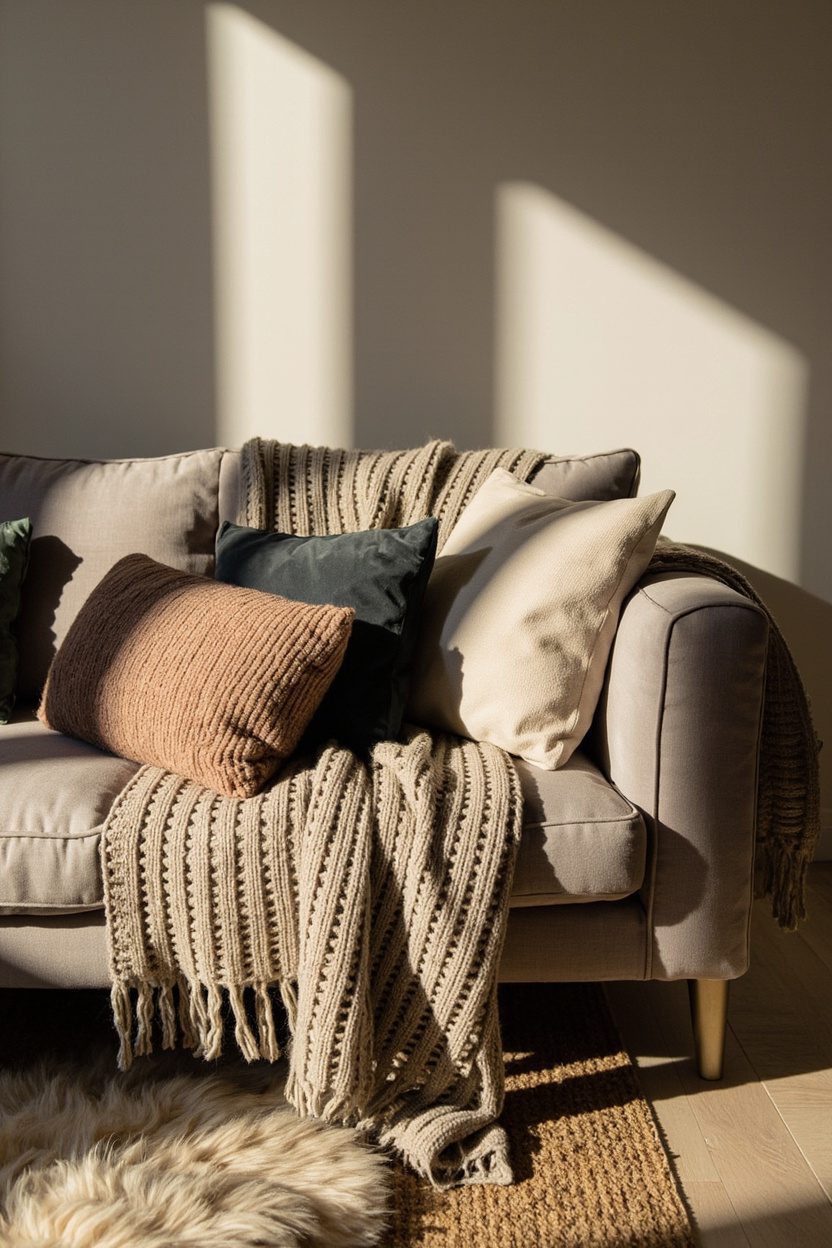
Layered textiles instantly add warmth and personality, mix textures like boucle throws, linen cushions, and a wool rug for tactile variety and visual depth.
Choose a balanced color direction, pair a bold accent color with muted neutrals or nature-inspired greens to stay on trend without overwhelming the room.
Scale matters; combine small-scale patterns like pinstripes with larger geometric or botanical prints, and keep at least one unifying color across pieces for cohesion.
Mind the material mix for function, use washable cushion covers in high-traffic areas, and reserve delicate fabrics like silk for low-use accent pillows.
Styling Blueprint
- Start with a base layer: durable wool or jute rug sized to anchor furniture grouping.
- Add seat layer: one boucle or velvet throw plus two mixed-pattern cushions, 18–20 inch sizes.
- Introduce a mood piece: textured blanket draped over an armchair, color tied to cushion palette.
- Rotate seasonally: lighter linens for summer, heavier wools and layered plaids for winter.
12. Smart-Integrated Kitchens
- Effort Level: Moderate renovation.
- Estimated Budget: $2,000–$15,000.
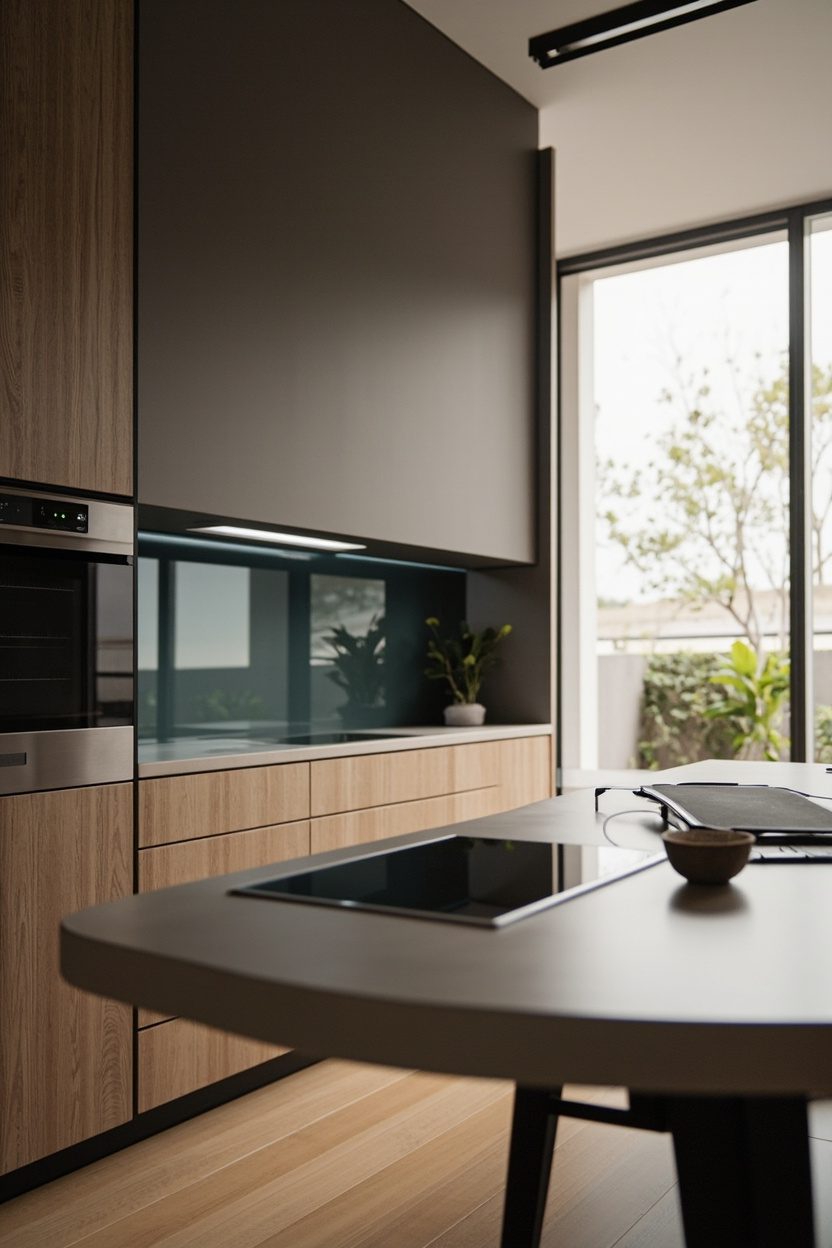
Integrate smart appliances and controls for convenience and energy savings, select Wi-Fi-enabled ovens, refrigerators, and a smart hub compatible with your preferred ecosystem.
Plan for practical placements, keep the smart oven within 36 inches of prep surfaces, and allocate at least 30 inches of clearance in front of major appliances for comfortable use.
Choose durable finishes that conceal fingerprints, like textured stainless or matte ceramic, and coordinate cabinet hardware size, 3–4 inch pulls for proportion on full-height doors.
Budget wisely, prioritize a high-efficiency dishwasher and smart thermostat if costs are constrained, and phase in larger appliances over time to spread investment.
What to Focus On
- Smart hub compatibility: choose one ecosystem for lights, appliances, and voice control.
- Energy-efficient appliances with at least an ENERGY STAR rating can lower operating costs.
- Placement: 36-inch work triangle clearance and 30-inch front clearance for appliances.
- Durable, low-maintenance finishes like matte stainless or porcelain that resist smudges.
13. Sustainable Materials
- Effort Level: Medium project planning.
- Estimated Budget: $500 to $5,000, depending on scope.
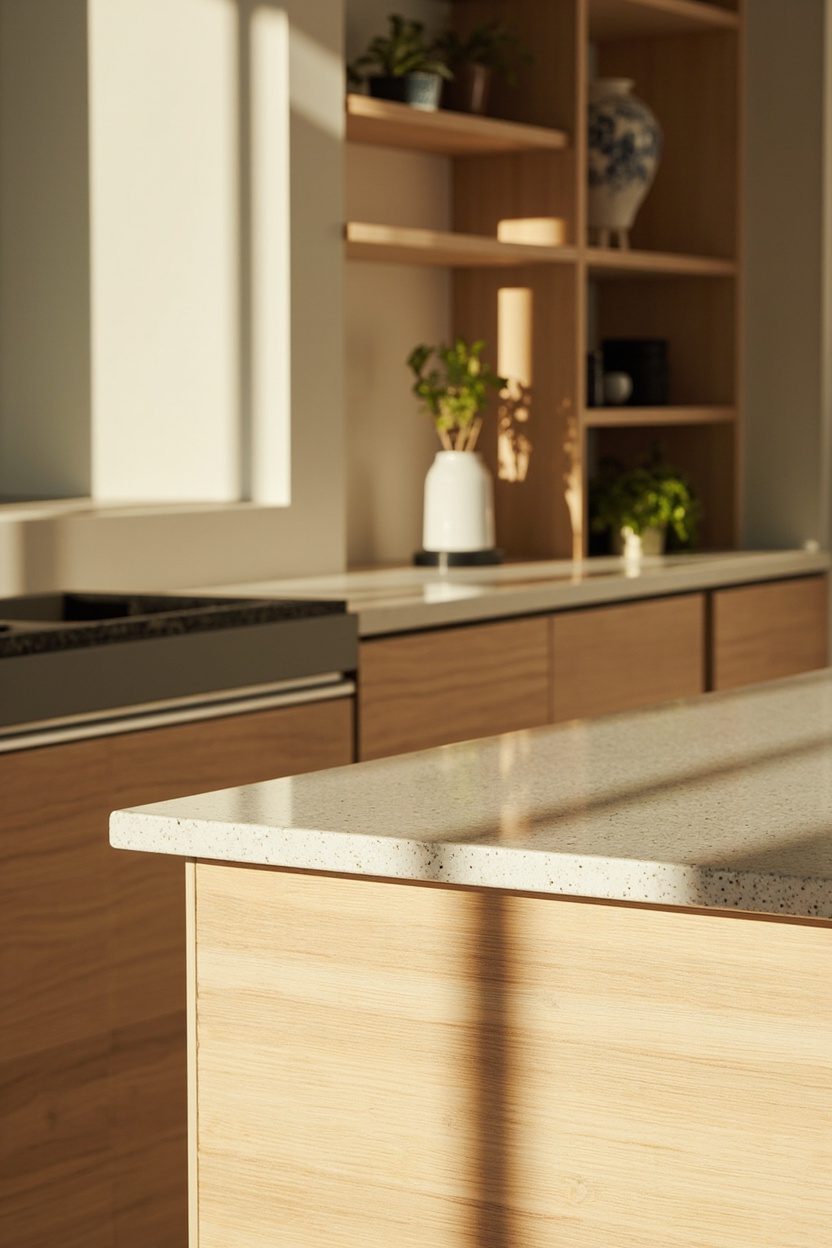
Choosing sustainable materials reduces environmental impact and improves indoor air quality by cutting VOCs and embodied carbon from finishes and furnishings.
Look for FSC-certified wood, reclaimed timber, low-VOC paints, and recycled-content countertops, and prioritize durability to avoid early replacement costs.
A practical decision: select bamboo or engineered wood flooring in high-traffic zones, because it offers the look of hardwood with a smaller carbon footprint and a mid-range price point.
Avoid greenwashing, check certifications, and get material samples to test color, texture, and maintenance before committing to large purchases.
Essential Elements
- Prioritize durable, certified materials like FSC wood and low-VOC paints for longevity.
- Use reclaimed wood for feature walls or open shelving to add character and savings.
- Choose recycled-content countertops or responsibly quarried stone for wet areas.
- Plan for lifecycle costs, factoring in maintenance and repair over the initial purchase price.
14. Color-Blocked Cabinets
- Effort Level: Weekend refresh to pro install.
- Estimated Budget: Under $300 for paint refresh, $2,000+ for new cabinetry.
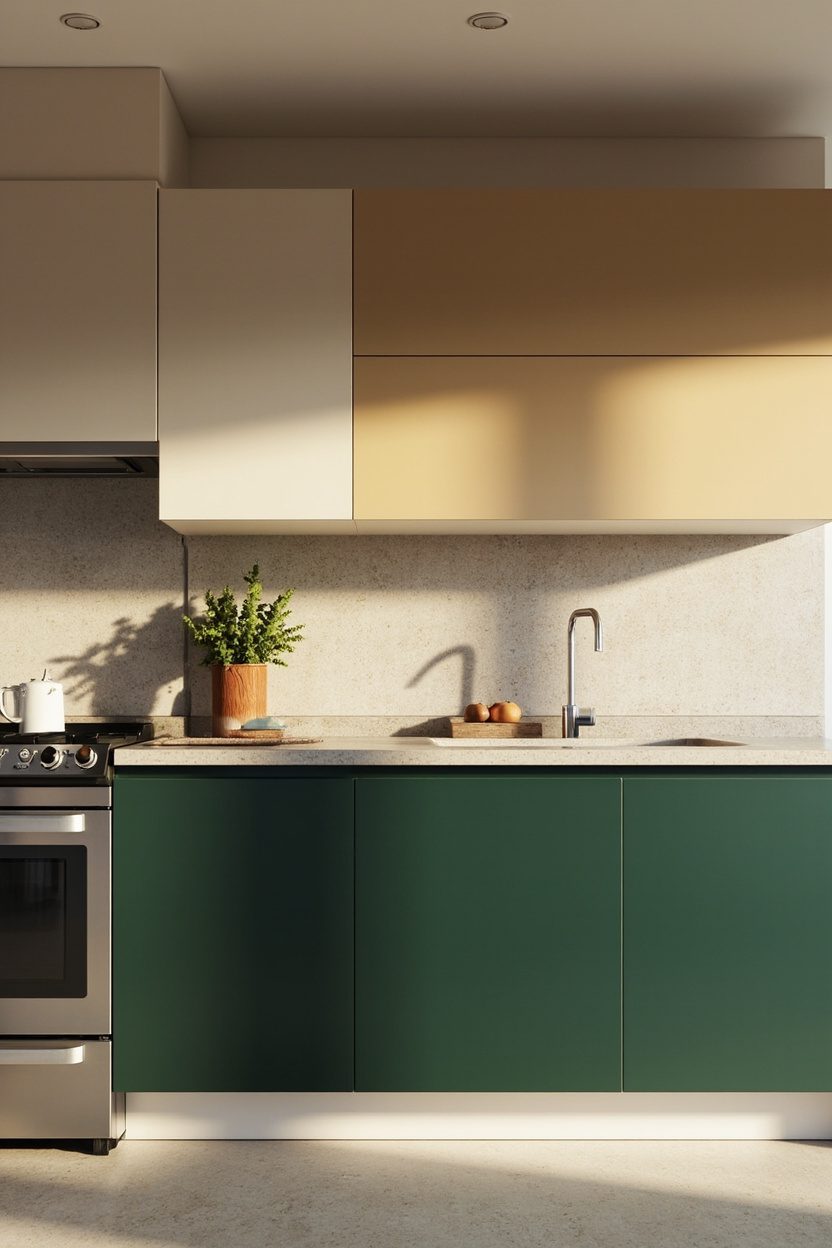
Color-blocked cabinets bring bold, modern contrast into kitchens and bathrooms, letting you anchor a room with two complementary hues rather than a single neutral.
Decide on the split by function or sightline, for example, darker base cabinets (navy or forest green) and lighter uppers (cream or soft pink) to keep the room grounded while staying bright.
When I tried this in my own kitchen, I underestimated sample sizes, so test large swatches under different lights; small chips lied about depth and warmth, and I had to repaint the uppers once.
Styling Blueprint
- Balance scale by keeping hardware uniform, even if cabinet colors differ, for cohesive flow.
- Use matte finishes on lower cabinets and satin on uppers to subtly separate zones.
- Limit palette to two or three tones, with one neutral to prevent visual overload.
- Coordinate with backsplash and countertop undertones to avoid color clashes.
15. Multi-Functional Spaces
Effort Level: Small to medium redesign.
Estimated Budget: $200 to $4,000, depending on built-ins and furniture.
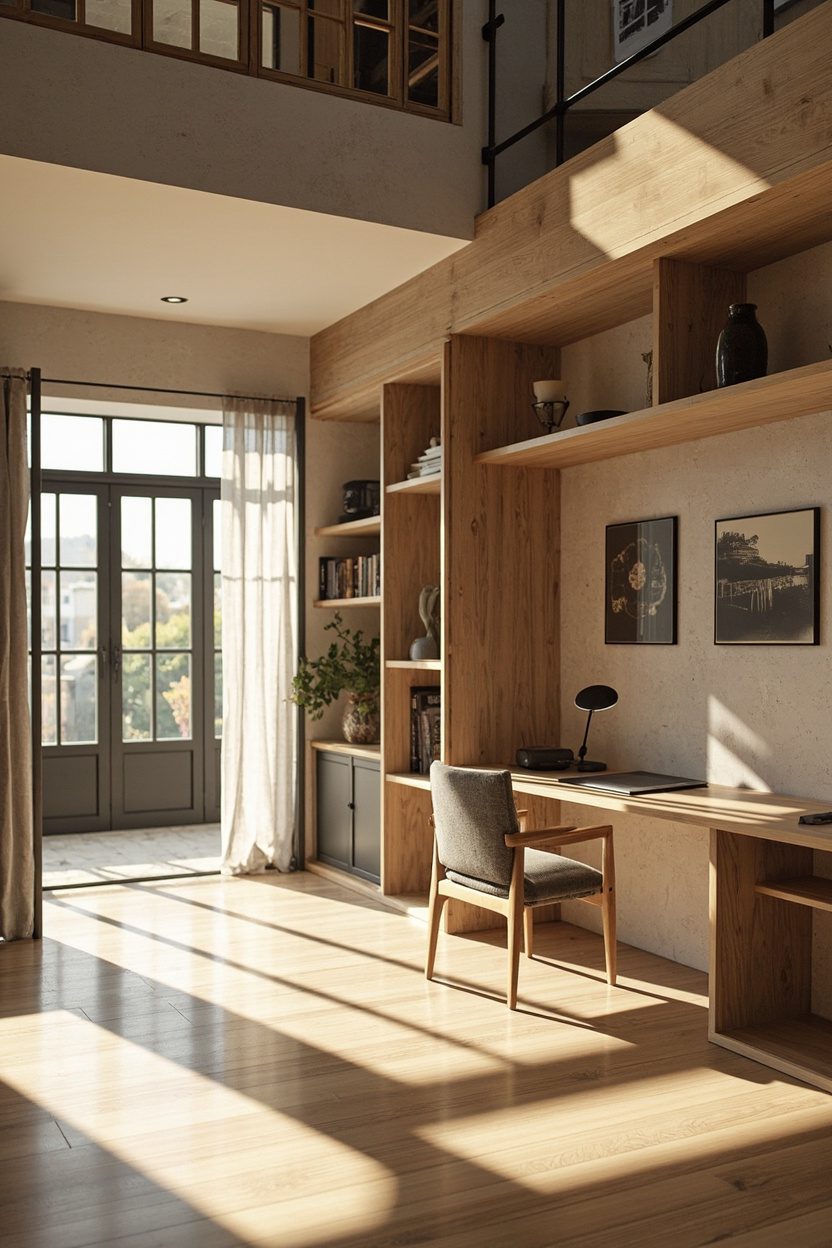
Designing multi-functional rooms maximizes square footage by combining work, play, and rest zones in a single footprint without feeling chaotic.
Specify furniture scale and placement carefully, choose a desk depth under 28 inches for compact home offices, and pick a sleeper sofa with a quality mattress if the space doubles as guest lodging.
Use vertical storage, zoned lighting, and area rugs to define functions, and select modular pieces that transform, like fold-down desks or sliding room dividers in budget-friendly materials.
What to Focus On?
- Prioritize circulation paths, keeping 30 to 36 inches clear for main walkways in combined spaces.
- Invest in dual-purpose pieces, such as ottomans with storage or desks that fold into cabinetry.
- Layer lighting: task for work, ambient for relaxation, and accent for display areas.
- Maintain a cohesive color story to visually unify disparate functions and reduce visual clutter.
If you want another practical angle, read 14 Reading Nook Ideas That Use Every Awkward Corner of Your Home.
FAQ
Costs vary widely, but sustainable choices can add a modest premium, often 5 to 20 percent over conventional options, depending on material and certification. The long-term savings from durability and lower replacement frequency often offset the initial spend.
Bold cabinet color-blocking appeals to buyers who value design-forward homes, but it can be polarizing. If resale is a priority, choose tones that read as modern but versatile, or use removable elements like painted panels for easier reversal.
Opt for scaled furniture, vertical storage, and modular pieces that tuck away. Zoning with rugs and lighting creates distinct areas, and setting clear circulation widths keeps the space functional and comfortable.
Look to current trend roundups that combine biophilic materials with vibrant color, and study projects that balance maximalist accents with eco-friendly finishes. Curated galleries and design edit pages often show real implementations that guide material selection.
Final Thoughts
These projects with sustainable materials, color-blocked cabinets, and multi-functional spaces offer complementary ways to make your home more beautiful, responsible, and useful.
Tackle sustainable upgrades where they last longest, introduce color-blocking as a low-commitment refresh if you love contrast, and plan multi-functional zones with clear circulation and modular furniture to get the most from every square foot.
Which of these ideas works best for your space? Let us know in the comments!