


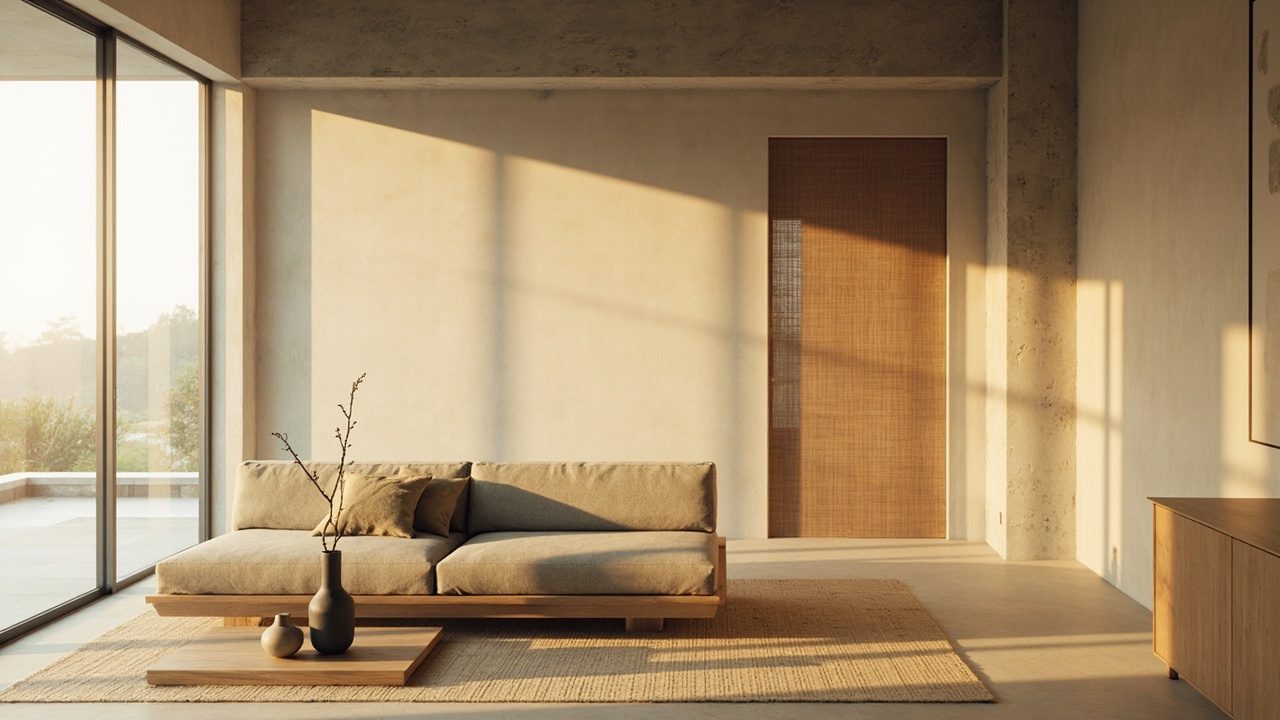
Japandi interiors are about purposeful restraint: a pared-back aesthetic where every object earns its place and materials read as honest. Think the warm grain of ash and oak paired with the soft minimalism of Japanese joinery—an approach that reduces visual noise while amplifying texture and tactility. This fusion favors functionality without austerity, where scale, silhouette, and finish orchestrate calm rather than clutter.
Practicality drives the palette and proportions. Light, muted Scandinavian hues set the backdrop while deeper, wabi‑sabi-inspired accents—smoked timbers, hand-glazed ceramics, and raw straw—introduce imperfection as beauty. Use these ideas to design rooms that feel lived-in and composed: low sightlines, layered neutrals, and carefully edited objects that invite touch and slow living.
- 1. Minimalist Wood Palettes
- 2. Low-Profile Tables
- 3. Straw Chair Accents
- 4. Neutral Linen Textures
- 5. Muted Pastel Tones
- 6. Tatami-Inspired Flooring
- 7. Wabi-Sabi Imperfections
- 8. Scandi Clean Lines
- 9. Natural Light Optimization
- 10. Organic Shapes
- 11. Compact Modular Seating
- 12. Textured Ceramic Vessels
- 13. Warm Matte Finishes
- 14. Hidden Storage Solutions
- 15. Indoor-Outdoor Flow
- 16. Layered Lighting
- 17. Mindful Decluttering
- FAQ
- Final Thoughts
1. Minimalist Wood Palettes
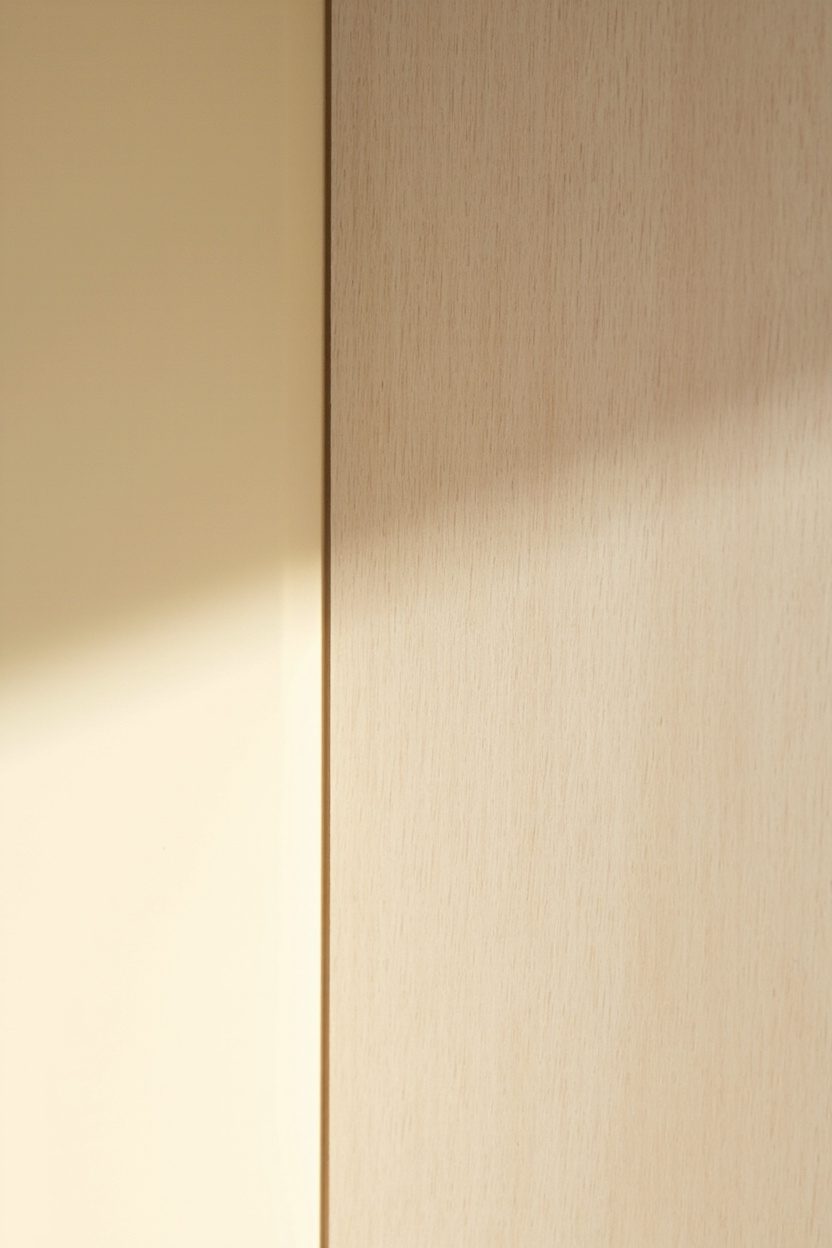
Start with a two‑wood strategy: choose one warm mid-tone (oiled oak or European ash) for large elements—flooring or a sofa frame—and a cooler pale birch or bleached pine for cabinetry or shelving to create subtle contrast. Keep finishes matte; avoid high-gloss lacquers that break the quiet mood, and specify clear oil or hardwax for longevity and natural patina development.
Limit color accents to muted greens, clay, or indigo in cushions and ceramics to maintain the minimalist impact. A common mistake is overloading the room with different wood tones—aim for three materials max (primary wood, secondary wood, and an accent metal) to preserve cohesion and scale.
Essential Elements
- Primary wood: oiled oak or ash for large planes (floor/sofa/frame).
- Secondary wood: bleached pine or birch for built-ins and trim.
- Finish: matte hardwax or oil to show grain and age gracefully.
- Accent colors: muted green, clay, or indigo in soft textiles.
2. Low-Profile Tables
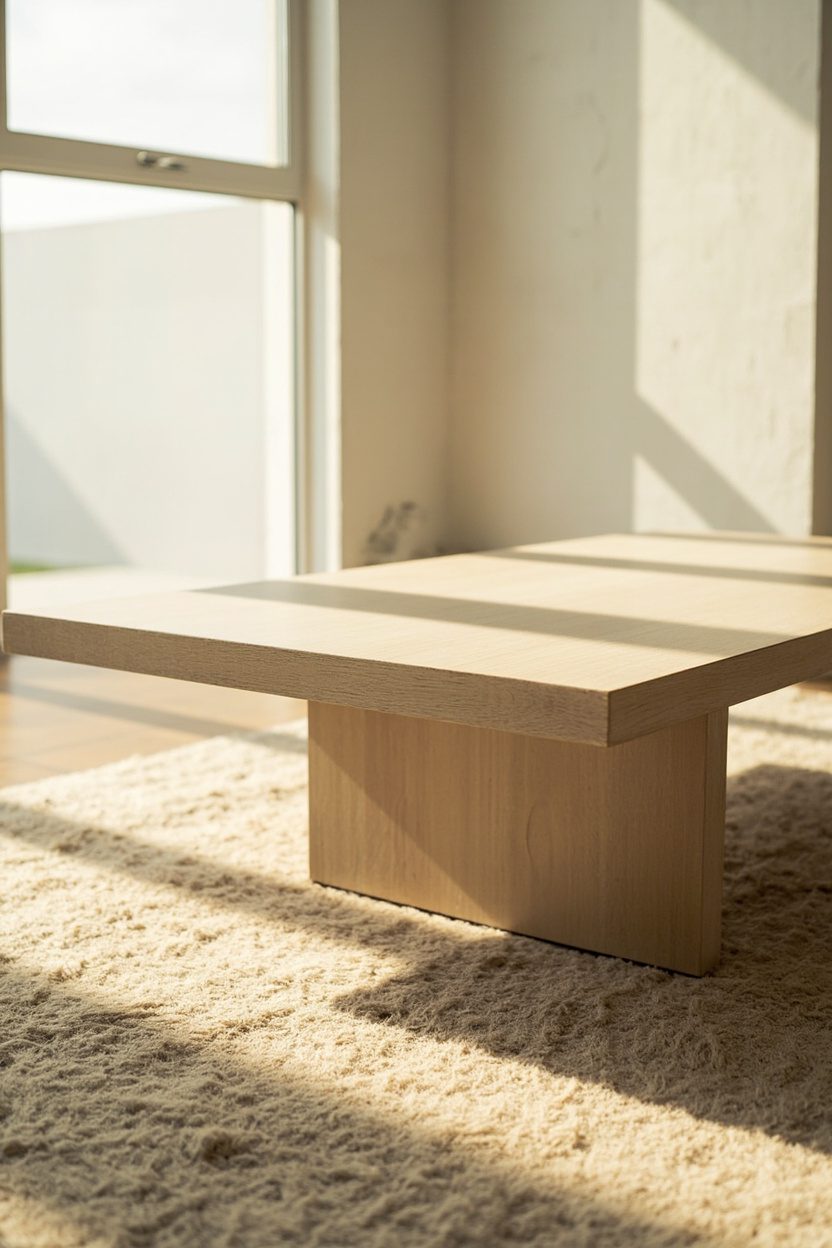
Low-profile tables—chabudai-inspired coffee and dining tables—anchor rooms without dominating sightlines, reinforcing Japandi’s grounded feel. Opt for a table height 30–40% lower than standard: for living rooms aim 30–35 cm (12–14 in) and for dining, consider 50–60 cm (20–24 in) if you plan floor seating or zabuton cushions; otherwise pick a lowered dining height with slim chairs that tuck neatly beneath to keep an airy silhouette.
Select slab tops with rounded edges and exposed end grain for tactile interest; avoid ornate legs and heavy stretchers that visually clutter the base. For durability, go solid wood (budget tier: engineered oak top on plywood core; premium: laminated solid ash) and specify replaceable feet pads to protect floors.
Styling Blueprint
- Table height: 30–35 cm for coffee, 50–60 cm for casual dining with floor seating.
- Top: solid or engineered oak/ash with rounded edges for safety and tactility.
- Base: simple tapered legs or recessed plinth to keep low visual profile.
- Seating: zabuton cushions or low benches in natural linen or wool blends.
3. Straw Chair Accents
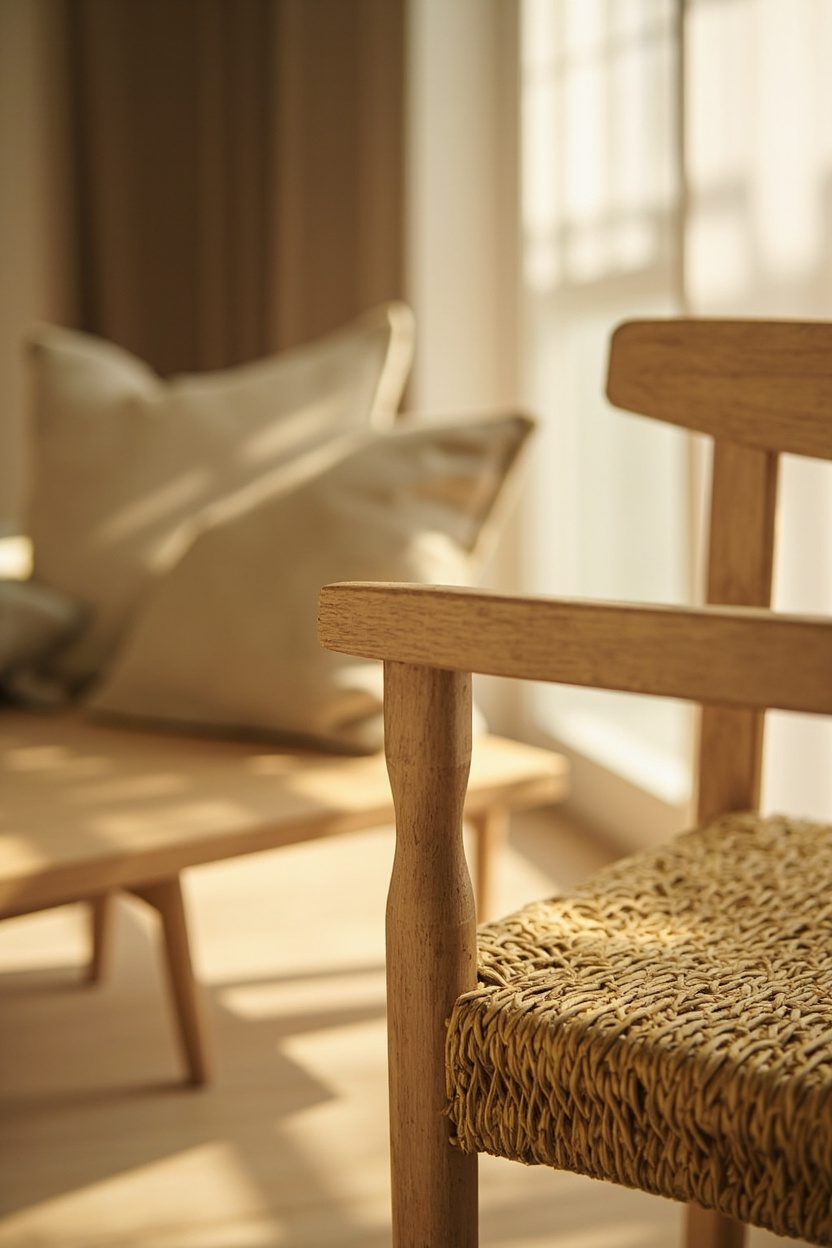
Straw chairs—like the Les Allues straw-seated style—introduce a light, textural counterpoint to smoother woods and clean lines; they read as both rustic and refined in Japandi compositions. Use one or two as accent seating in a reading nook or at a lowered dining table; choose tight-woven seagrass or rush seating set into a simple oak frame to ensure durability and visual integrity.
Avoid overly ornate finishes; keep frames in natural or lightly smoked wood and pair with neutral cushions in undyed linen if extra comfort is needed. If you’re on a modest budget, opt for a factory-made rush chair with reinforced seat edge, but for longevity and authenticity commission a locally woven seat on a simple frame.
What to Focus On
- Seat material: seagrass or rush with tight, durable weave for longevity.
- Frame finish: natural or lightly smoked oak to harmonize with palettes.
- Placement: single chair in a corner or pair at a low table to create balance.
- Comfort tweak: add an undyed linen cushion rather than reupholstering the straw.
4. Neutral Linen Textures
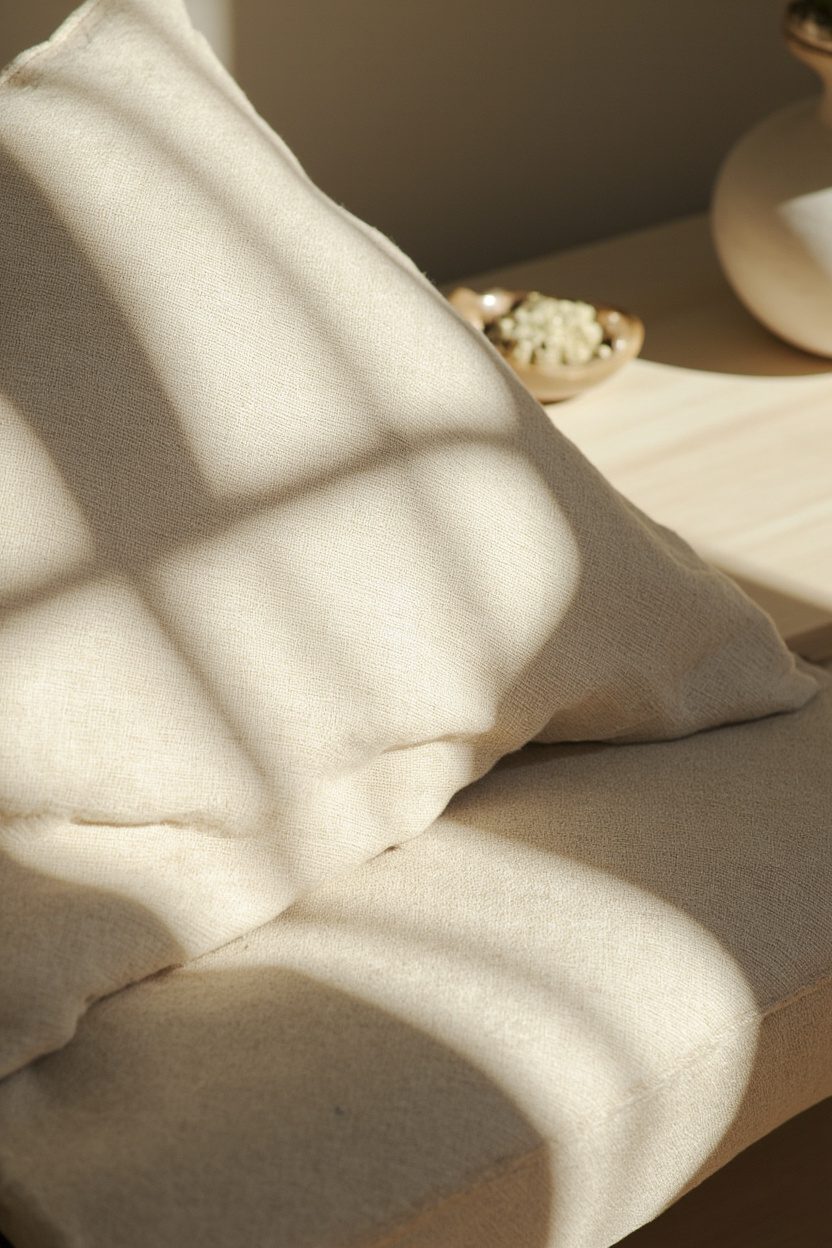
Linen is the backbone of a calm Japandi interior — its matte weave reads organic against the streamlined silhouettes typical of Scandinavian furniture. Choose heavyweight European flax linen for upholstery (400–600 gsm) to avoid premature pilling; lighter linens belong on curtains and decorative throws where soft drape matters more than abrasion resistance.
Layer linen neutrals in distinct temperatures: warm ecru for seating, cool stone for bedding, and greige for window treatments to create depth without adding pattern. Avoid synthetic blends that mimic linen’s look but flatten the tactile contrast; the point of this strategy is human touch and visible weave, not uniform smoothness.
Essential Elements
- Use 400–600 gsm linen for sofas and chairs to ensure durability.
- Mix three neutral temperatures (warm, cool, neutral) to build subtle contrast.
- Limit patterned linens to one accent piece to maintain serenity.
- Spot-treat stains promptly; natural linen discolors if left too long.
5. Muted Pastel Tones
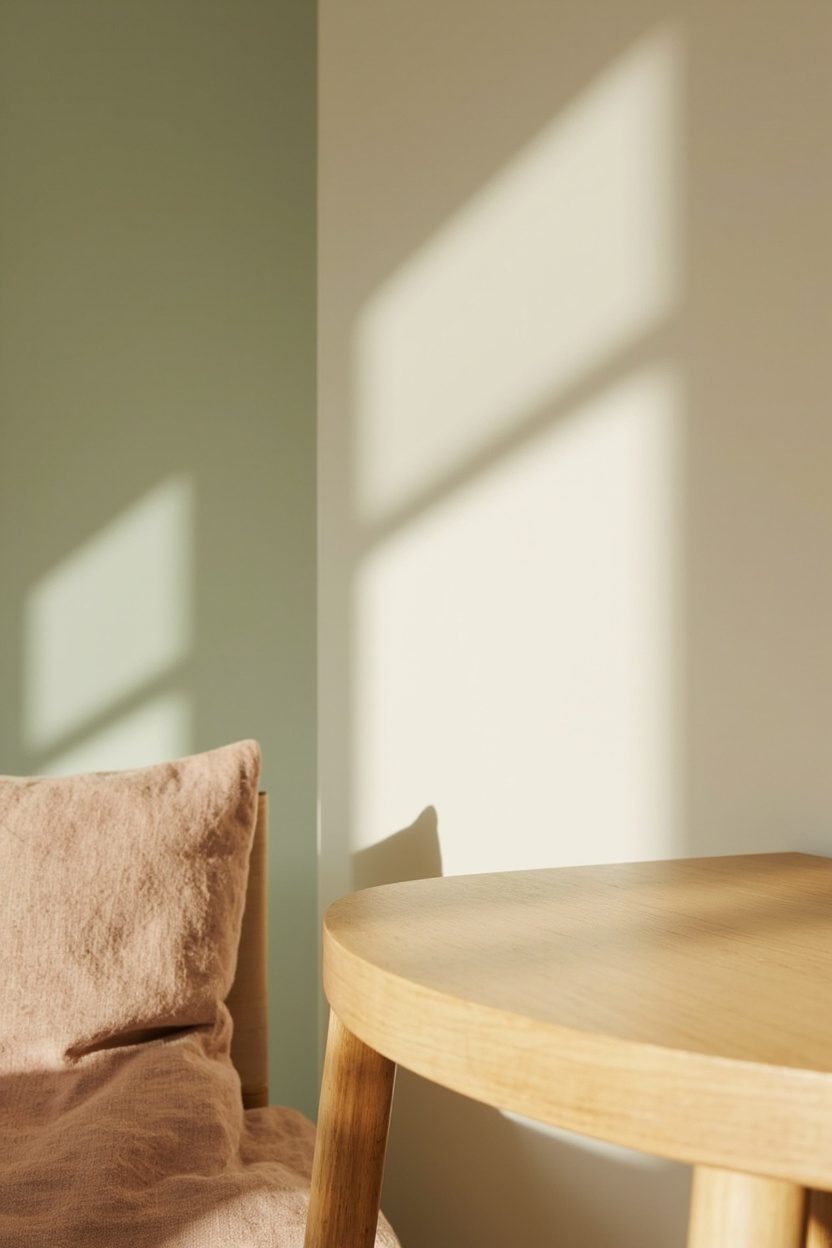
Pastels in Japandi are dusted down — think desaturated clay, faded sage, and whispery blush — used sparingly to warm minimal palettes without overpowering the room’s restraint. Apply these colors as anchoring accents: a low-profile armchair in muted terracotta, a single painted wall, or ceramic vases on a blonde-wood shelf.
Keep paint finishes matte or eggshell to preserve the tactile, handcrafted feel central to Japandi; high-gloss will contradict the aesthetic. For color balance, pair a pastel accent with natural materials (rattan, raw oak) and a dominant neutral base — this keeps the mood meditative rather than twee.
Styling Blueprint
- Select one pastel as a primary accent and repeat it in three objects across the room for cohesion.
- Use eggshell or matte paint to maintain soft, non-reflective surfaces.
- Combine pastel accents with warm wood tones to avoid a clinical look.
- Avoid saturated accessories; keep all pastels at least 30% desaturated for harmony.
6. Tatami-Inspired Flooring
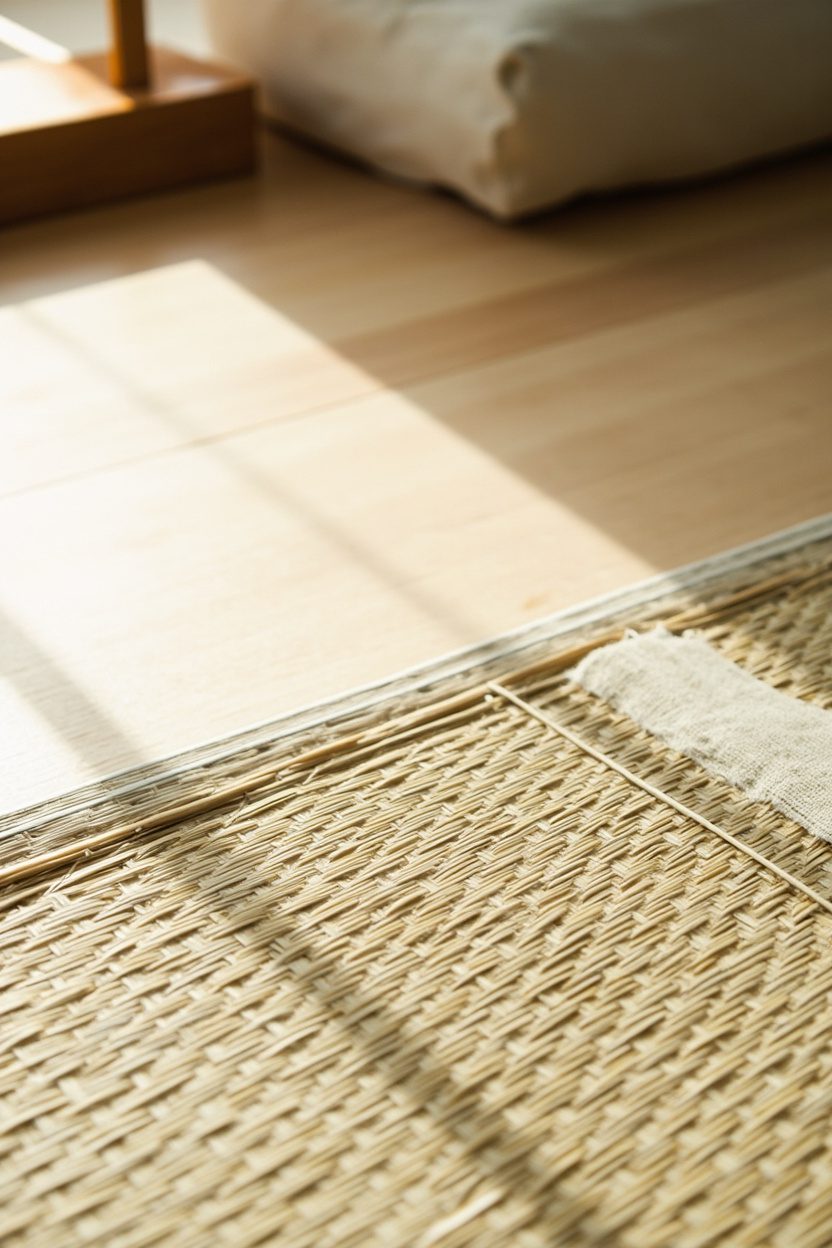
Tatami-inspired flooring channels the low-profile, grounded feeling of Japanese interiors while remaining practical for Western homes. Opt for woven straw-look vinyl or sisal in a muted beige if real tatami mats aren’t feasible; these alternatives handle humidity and foot traffic better while retaining the characteristic linear texture.
Scale matters: use larger, rectilinear planks or mat modules to echo tatami proportions (roughly 90 x 180 cm per module) and avoid small square tiles that break the visual calm. Place a low-lying seating area directly on the tatami module and anchor it with a slender oak table to preserve the low-slung silhouette central to Japandi living.
What to Focus On
- Choose woven sisal or high-quality vinyl with natural texture for durability in busy zones.
- Arrange modules in staggered, rectilinear layouts to mimic tatami proportions.
- Keep furniture low and lightweight to complement the floor’s horizontal emphasis.
- Protect high-traffic edges with a thin wool runner in a neutral tone to reduce wear.
7. Wabi-Sabi Imperfections
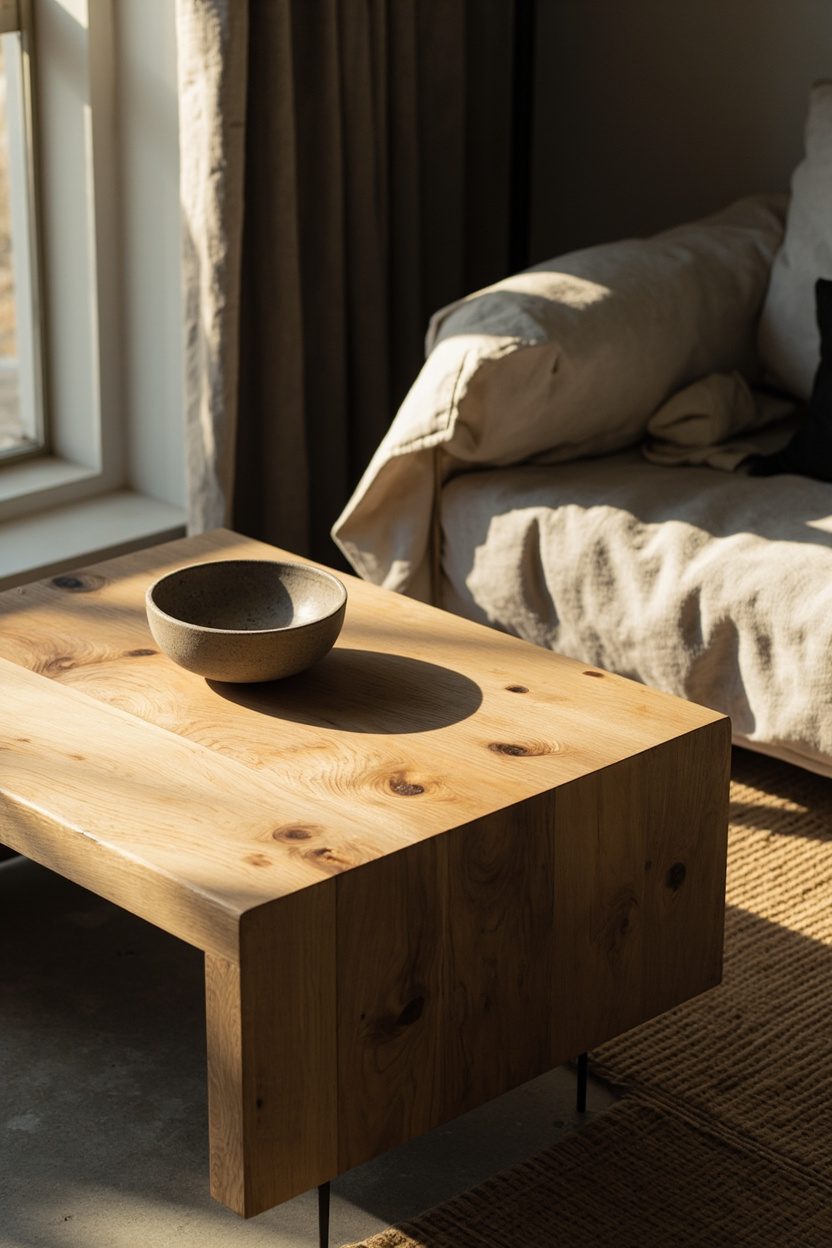
The wabi-sabi thread in Japandi embraces wear, repair marks, and uneven glazes as design assets rather than flaws. Introduce a hand-thrown ceramic vase with visible firing specks and pair it with a reclaimed oak coffee table that keeps its knotty edge—choose a matte oil finish to protect the wood but preserve texture (budget tier: mid, $400–$1,200 for a solid piece). Avoid high-gloss surfaces that fight the aesthetic; the point is tactile humility and visible life in materials.
This approach also guides maintenance choices: use natural waxes and mild soaps instead of abrasive cleaners that flatten patina, and allow small repairs—like a Japanese kintsugi-style resin fill or a simple dovetail patch—to remain visible as character. Resist the temptation to “perfect” every item; one over-polished accessory can undo the lived-in balance.
Essential Elements
- One handcrafted ceramic or stoneware piece with visible firing marks or glazing variations.
- Reclaimed solid wood table or shelving with preserved knots and an oil or wax finish.
- Textiles in uneven-weave linen or nubby wool in muted earth tones.
- Small, intentional repairs (kintsugi or simple wood patches) kept visible as character.
8. Scandi Clean Lines
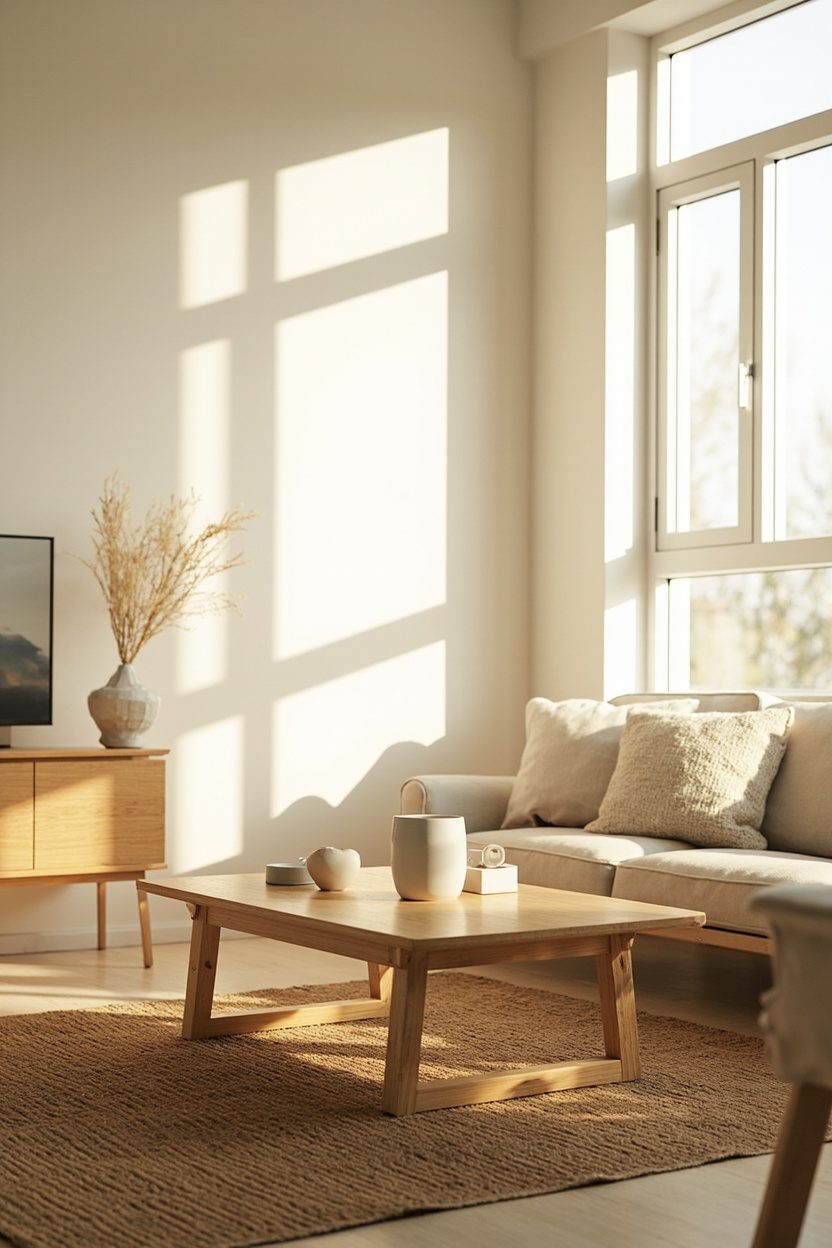
Scandinavian restraint in Japandi shows up as thin profiles, tapered legs, and furniture scaled to human proportions—select a sofa with a 30–35-inch seat height and exposed wood legs in ash or beech to keep the silhouette light. Prioritize storage solutions with flat, handleless fronts in matte lacquer or birch plywood veneer to maintain visual calm; opt for modular units so you can adjust scale when moving between homes.
Color and pattern are minimal: stick to a three-tone palette maximum—snow white, soft gray, and a single warm wood tone—and use one small geometric cushion as the only patterned accent. Avoid bulky, over-upholstered pieces and ornate trim, which tip the balance away from the restrained Scandi side of the fusion.
Styling Blueprint
- Select low-profile sofas and chairs with exposed wooden legs and neutral upholstery.
- Use modular storage with handleless fronts in light wood or matte finishes.
- Limit the palette to three neutrals and one wood tone for cohesion.
- Choose one small geometric textile or rug as a deliberate pattern accent.
9. Natural Light Optimization
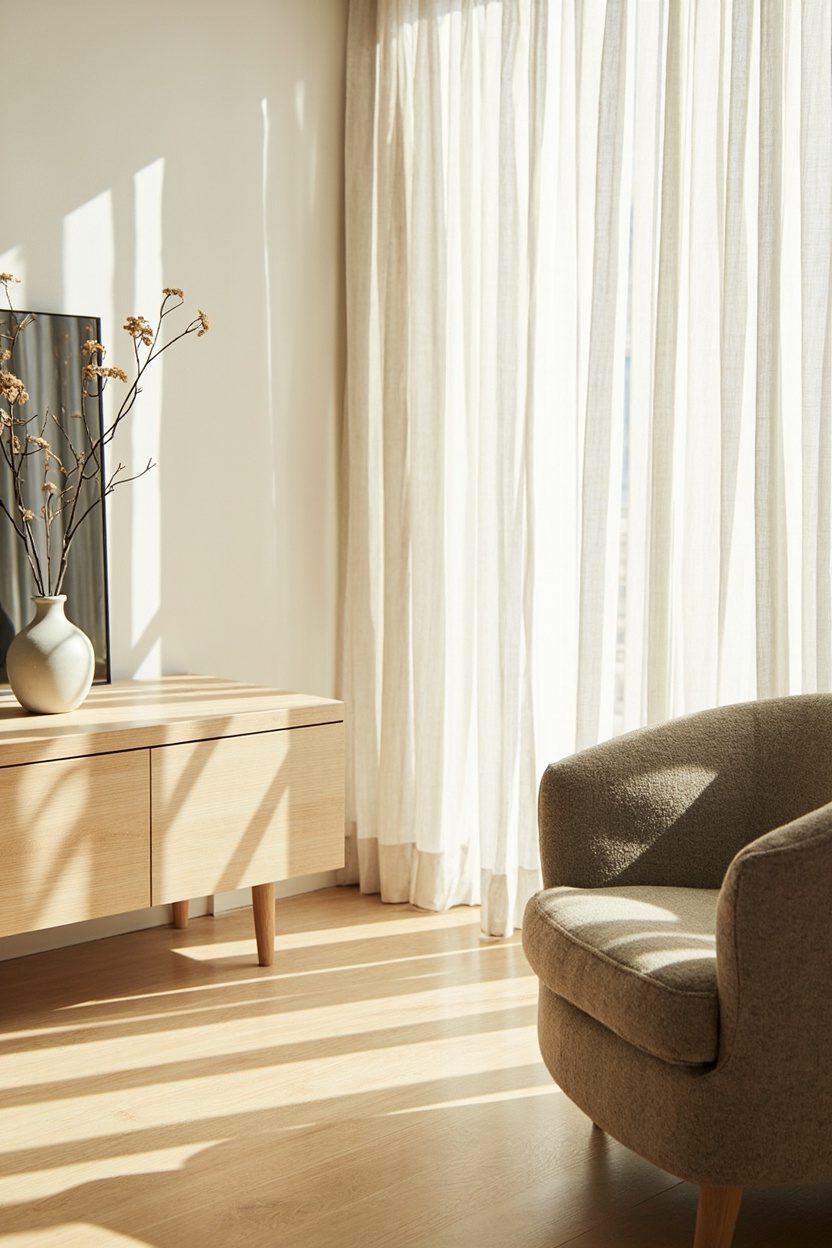
Japandi thrives on soft, diffuse daylight; maximize it by pairing thin-framed windows or sliding shoji-inspired panels with light-filtering linen curtains rather than blackout fabrics. Position mirrors opposite windows to bounce light deeper into compact floor plans, but choose round or irregular shapes with thin black or wood frames to maintain organic geometry; a 36–48 inch mirror works well in living rooms to increase perceived volume.
Consider window treatments that allow layering: a translucent sheer for daylight and a woven bamboo blind for privacy at night—install both on a single track to keep sightlines clean. Avoid heavy drapery hardware and floor pools of fabric, which swallow light and read as too formal for Japandi’s calm practicality.
What to Focus On
- Thin window frames or shoji screens to maximize glazing area and soften light.
- Layered window treatments: sheer linen plus a woven bamboo blind on one slim track.
- Strategic mirrors (36–48 inches) with thin frames opposite windows to bounce light.
- Minimal window hardware and no floor-pooling curtains to keep sightlines open.
10. Organic Shapes
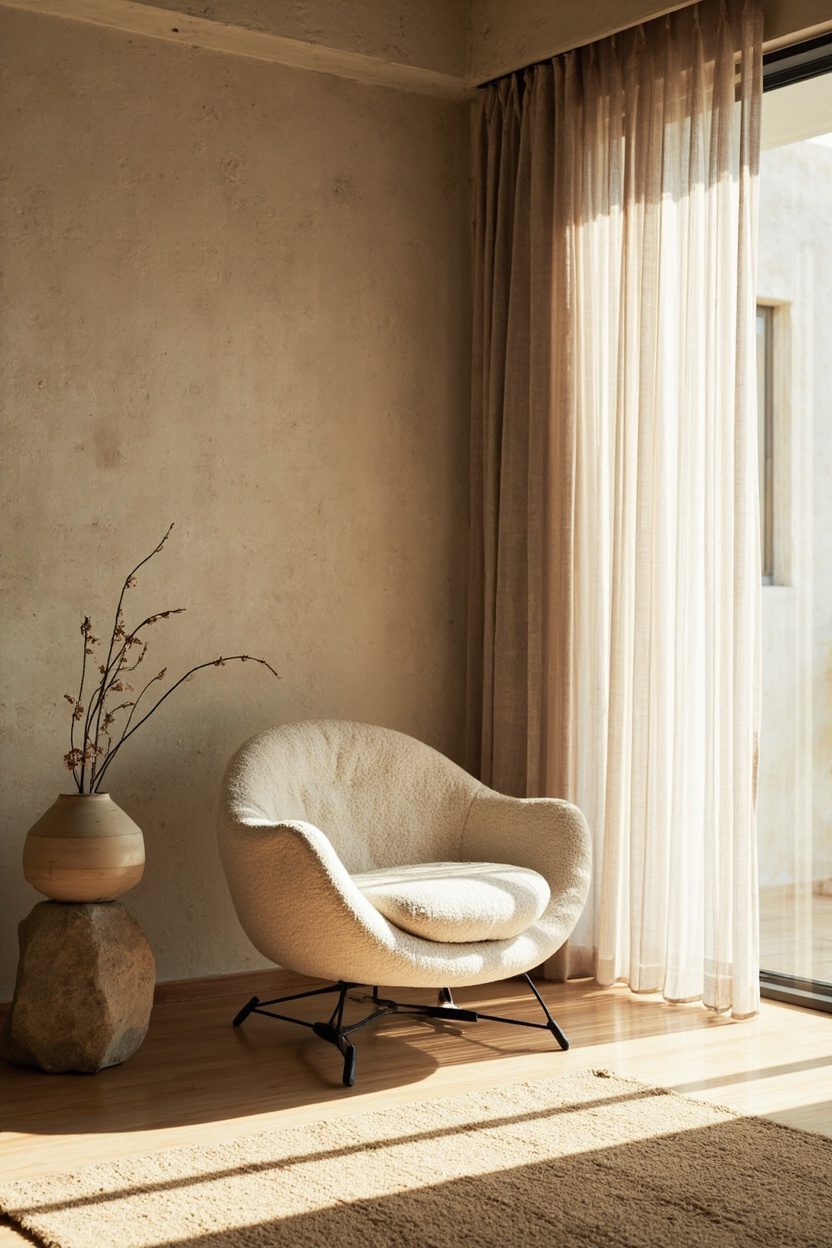
Natural, flowing silhouettes temper Japandi’s minimalism with a softer, tactile presence; think rounded ottomans, pebble-shaped coffee tables, and arched cabinetry cutouts. Choose warm ash or oak for curves to keep scale light—avoid oversized sculptural pieces that read heavy in small rooms and opt for pieces under 36 inches high to maintain sightlines and that grounded low-profile Japandi feel.
Curves work best when repeated in subtle groupings: a curved rug edge, an arched wall niche, and a rounded lamp base create cohesion without clutter. Keep upholstery in linen or tight-weave wool in muted tones (warm sand, pebble gray, moss) to let the shape do the work rather than busy patterning.
Styling Blueprint
- Pick one focal organic piece (e.g., 32″ pebble table) and keep surrounding furniture rectilinear for balance.
- Use wood with a visible grain (white oak or ash) to highlight craftsmanship, finished with a matte oil stain.
- Limit upholstery palette to two neutrals and one accent color to preserve calmness.
- Avoid high-gloss surfaces — choose matte or satin to maintain an earthy, tactile look.
11. Compact Modular Seating
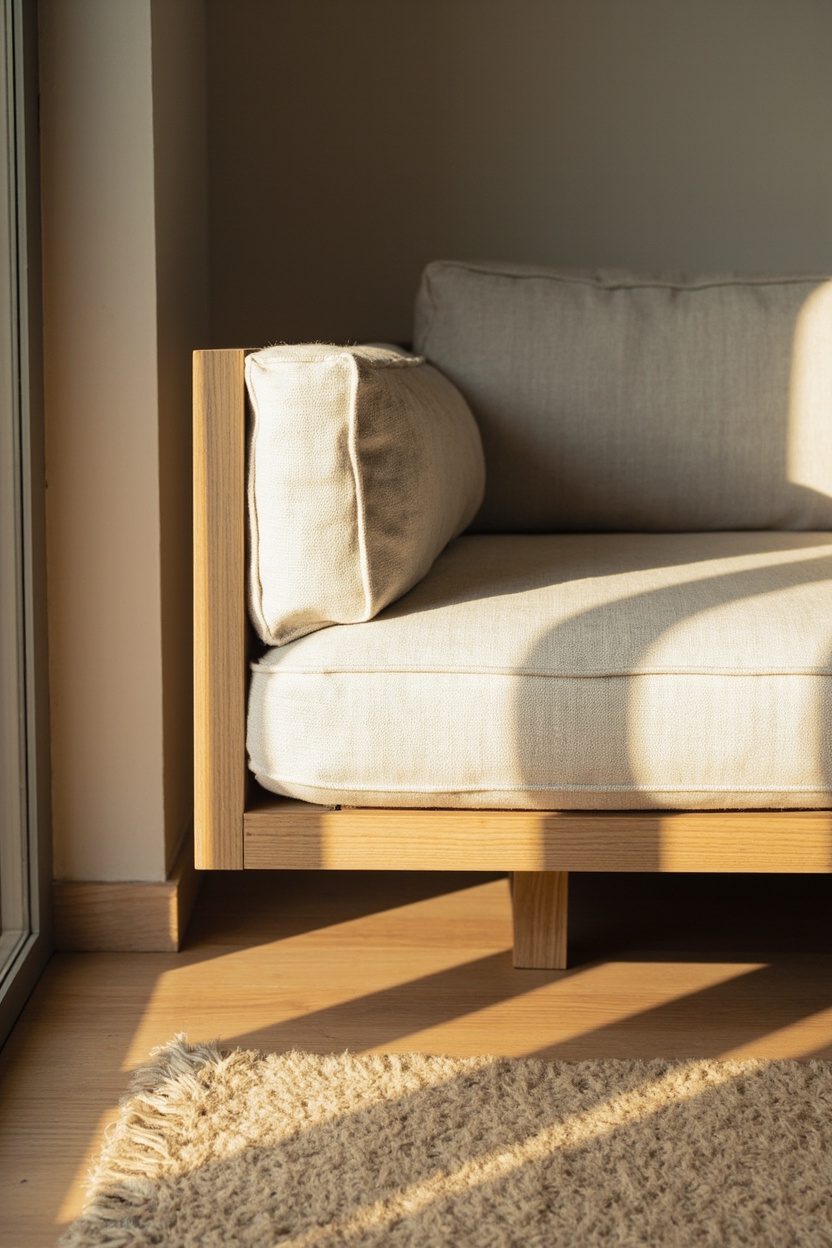
Modular sofas and sectionals reinterpreted in Japandi are compact, low to the ground, and configured for flexibility—perfect for urban living. Specify modules with 18–20″ deep seats and 16–18″ seat heights to echo Japanese low-profile furniture while keeping Scandinavian comfort; choose quick-release covers in linen blends for practical laundering.
Select frame materials like exposed ash or beech plus tapered legs to preserve lightness and airiness. When buying, avoid modules with heavy, boxy arms; instead, favor narrow or armless components so pieces can be rearranged into daybeds, corner nooks, or two-seat conversation sets without blocking windows or pathways.
What to Focus On
- Confirm module dimensions before purchase—target overall depth under 36″ for tight spaces.
- Opt for removable, washable covers in natural fibers for longevity and easy maintenance.
- Choose a neutral base fabric and add one accent cushion in muted indigo or olive for warmth.
- Keep leg clearance (4–6″) under modules to preserve the visual lightness characteristic of Japandi.
12. Textured Ceramic Vessels
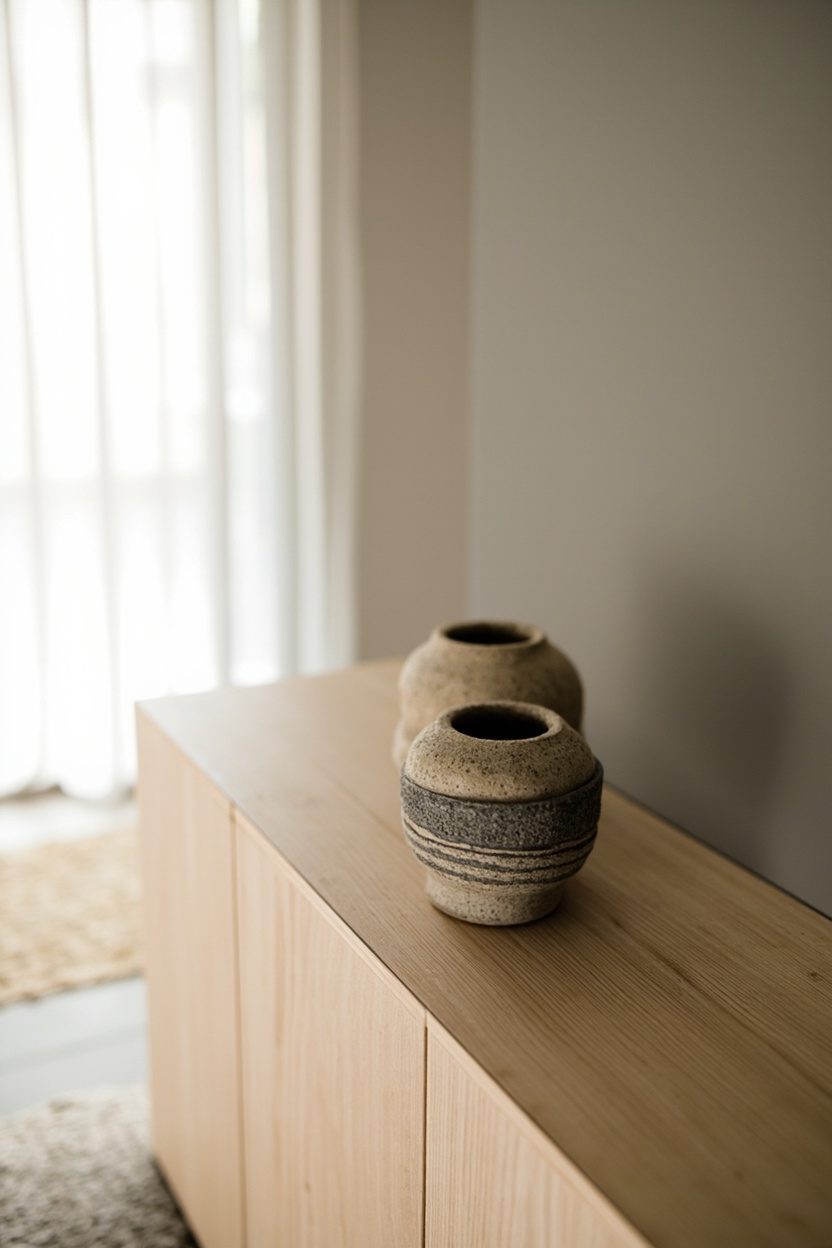
Handmade ceramics add quiet sculptural interest and tactile contrast—a core Japandi move. Select vessels with subtle imperfections, matte glazes, and organic surface marks; a set of three in varying heights (6″, 9″, 14″) reads intentional. Prioritize locally made stoneware if possible for authenticity and to reduce embodied carbon.
Group ceramics in odd numbers on open shelving or a low console to anchor a vignette; avoid crowding—leave breathing space around each piece. Use ceramics as both functional objects (water carafe, utensil jars) and artful stillness, pairing them with a single sprig or dried grass rather than dense floral arrangements.
Essential Elements
- Choose matte, tactile glazes in neutral tones—cream, ash, charcoal—to harmonize with wood finishes.
- Mix sizes (small, medium, tall) and place in odd-number clusters for visual rhythm.
- Reserve one shelf or tabletop for ceramics only to allow texture to read clearly.
- Avoid high-sheen glazes or ornate patterns that conflict with Japandi restraint.
13. Warm Matte Finishes
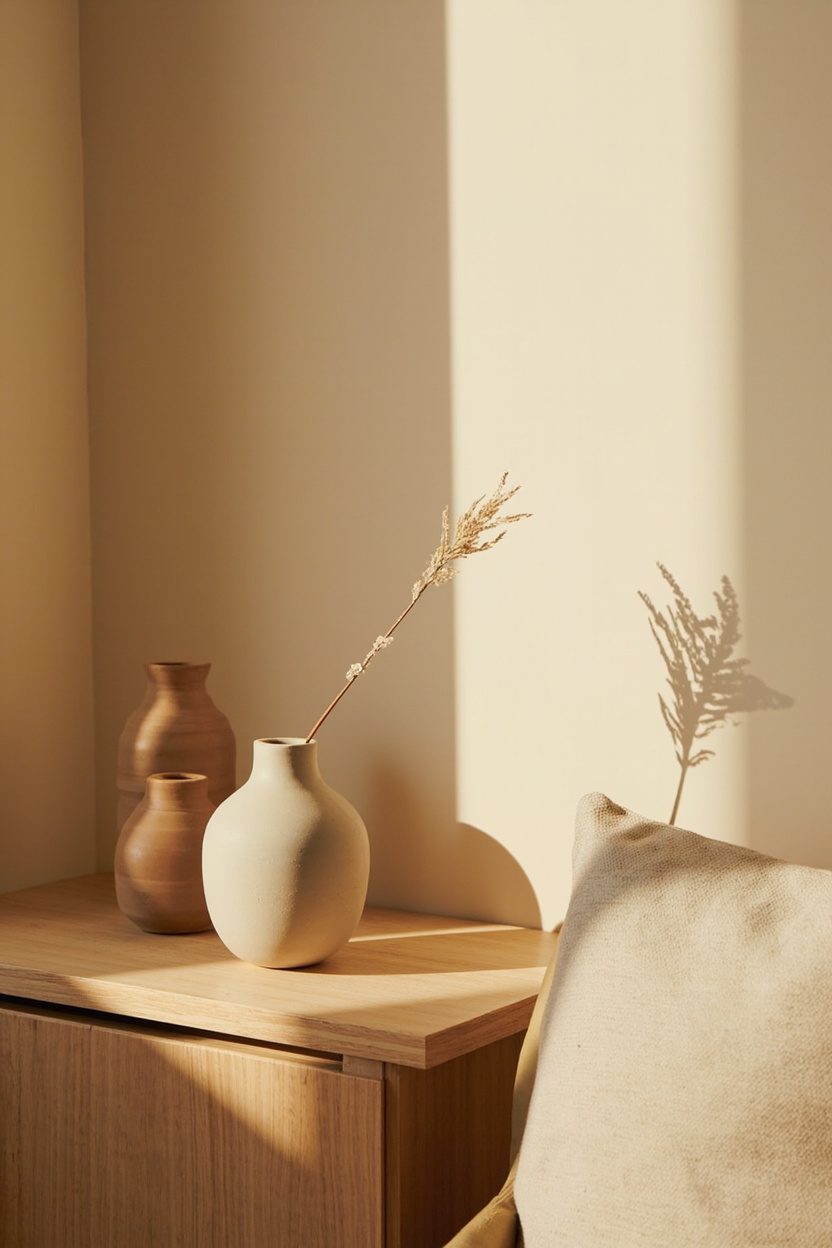
Soft, low-sheen paints and finishes are the backbone of Japandi calm—choose warm matte plaster or eggshell in sand, clay, or greige to mute reflections and reinforce tactile quiet. Opt for lime or microcement on accent walls and low cabinetry; these surfaces hide imperfections and look richer at close range, making them suitable for budget tiers ranging from DIY-friendly paint refreshes to higher-end Venetian plaster finishes priced per square meter.
Matte metal hardware and unvarnished wood trim complete the look—avoid high-gloss lacquer or chrome. A common mistake is over-darkening matte tones: keep samples in different light and pick a hue two steps lighter than what you think you need to preserve airiness in smaller rooms.
Essential Elements
- Choose warm neutrals: sand, soft terracotta, greige, or muted ochre tones.
- Prefer microcement or lime plaster for feature walls to add texture without shine.
- Match matte black or brushed brass hardware sized proportionally to cabinet scale.
- Test large swatches on north- and south-facing walls before committing to full rooms.
14. Hidden Storage Solutions
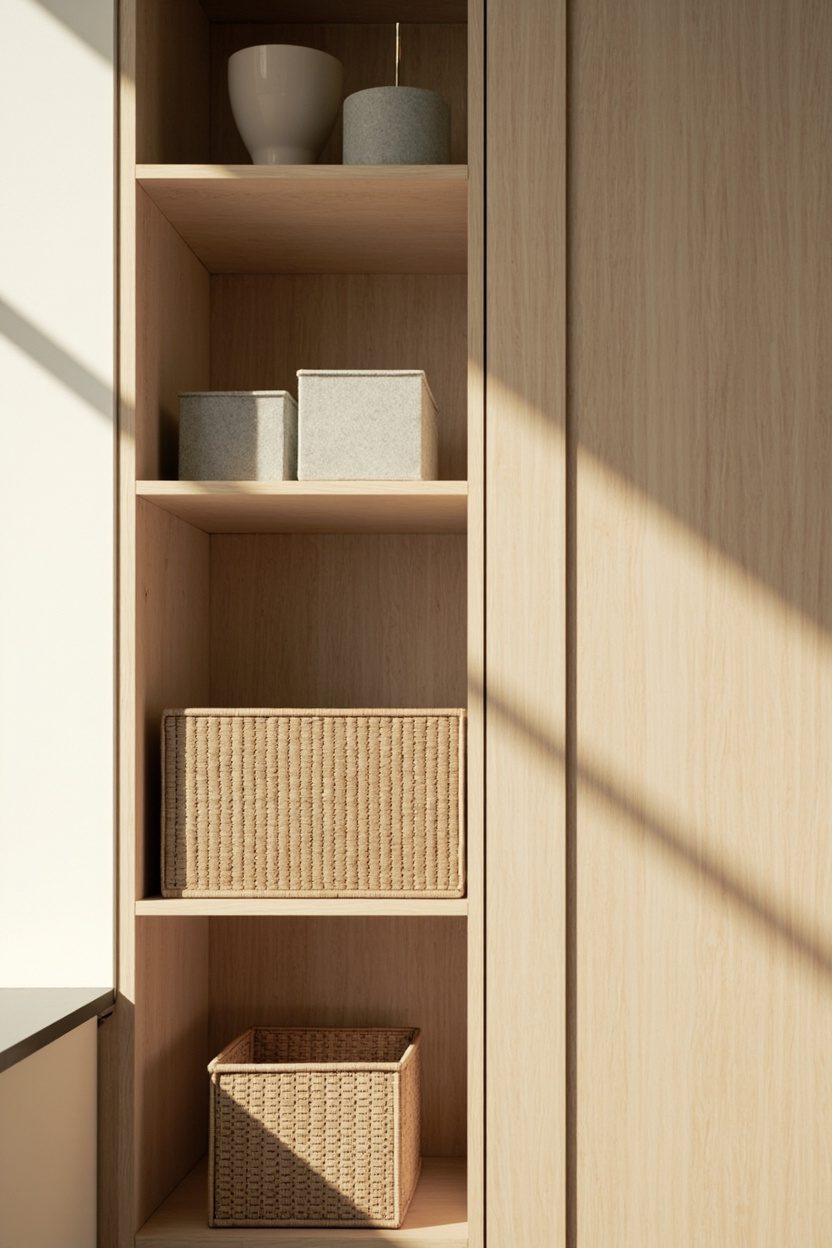
Japandi demands restraint—store clutter out of sight with built-ins that read like furniture: shallow recessed shelving with flush-panel doors, low-profile platform beds with under-drawers, and bench seating with lift tops. Use plywood or oak for visible faces and MDF carcasses to control cost; ensure door reveals are tight (2–3 mm) for that handcrafted, seamless look.
Prioritise function: design storage to the item, not the room—dedicate a narrow drawer for trays and remotes, and stack shallow pull-out shelves for linens. Avoid overly deep cabinets that become black holes; instead, add shallow pull-out organizers and labeled boxes to maintain order.
Styling Blueprint
- Keep visible fronts minimal—flat panels, recessed pulls, or shadow gaps only.
- Design storage depth for specific items (e.g., 35–45 cm for folded linen drawers).
- Incorporate ventilation slots in closed wood furniture for natural fiber storage.
- Allocate a “daily use” cubby near entryways for keys and masks at eye level.
15. Indoor-Outdoor Flow
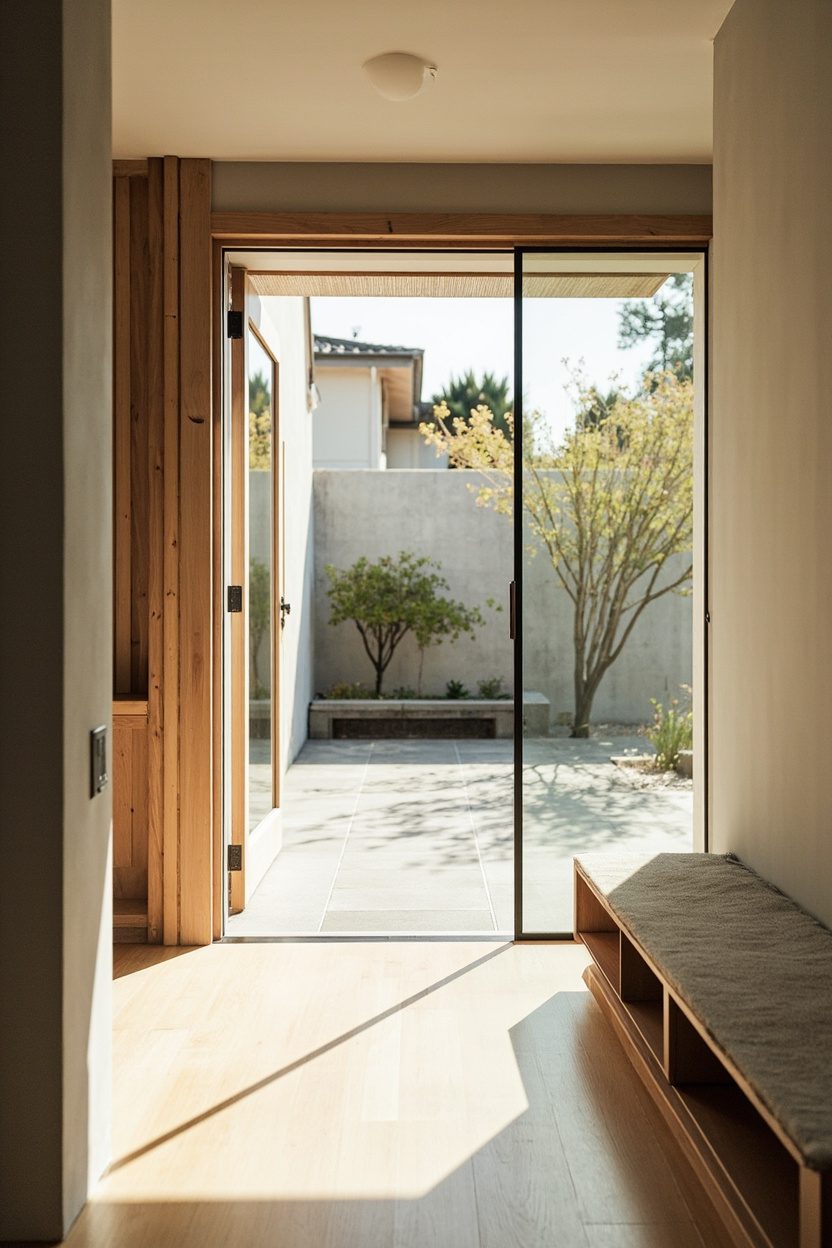
A signature Japandi move is dissolving the boundary between inside and garden: extend floor finishes to a sheltered patio, use wide sliding doors, and align sightlines with a focal outdoor planting (bamboo, clipped box, or a single sculptural maple). Choose exterior-grade oak decking or smooth poured concrete that echoes interior tones; be mindful of a 1–2 cm threshold lip for drainage and thermal break.
Bring the outside in with clipped bonsai, a single large stone, or a tatami-like mat placed near the threshold to receive guests—avoid an indoor jungle. Practical detail: specify UV-stable fabrics for any semi-outdoor cushions and keep planters on trays to protect interior flooring from moisture.
What to Focus On
- Match or closely coordinate interior and exterior floor colors and textures for visual continuity.
- Use large-format sliding or folding doors with slim aluminum frames for unobstructed views.
- Select low-maintenance plants with sculptural silhouettes (e.g., Japanese maple, bamboo, or boxwood).
- Detail thresholds for weather, drainage, and a flush transition where possible.
16. Layered Lighting
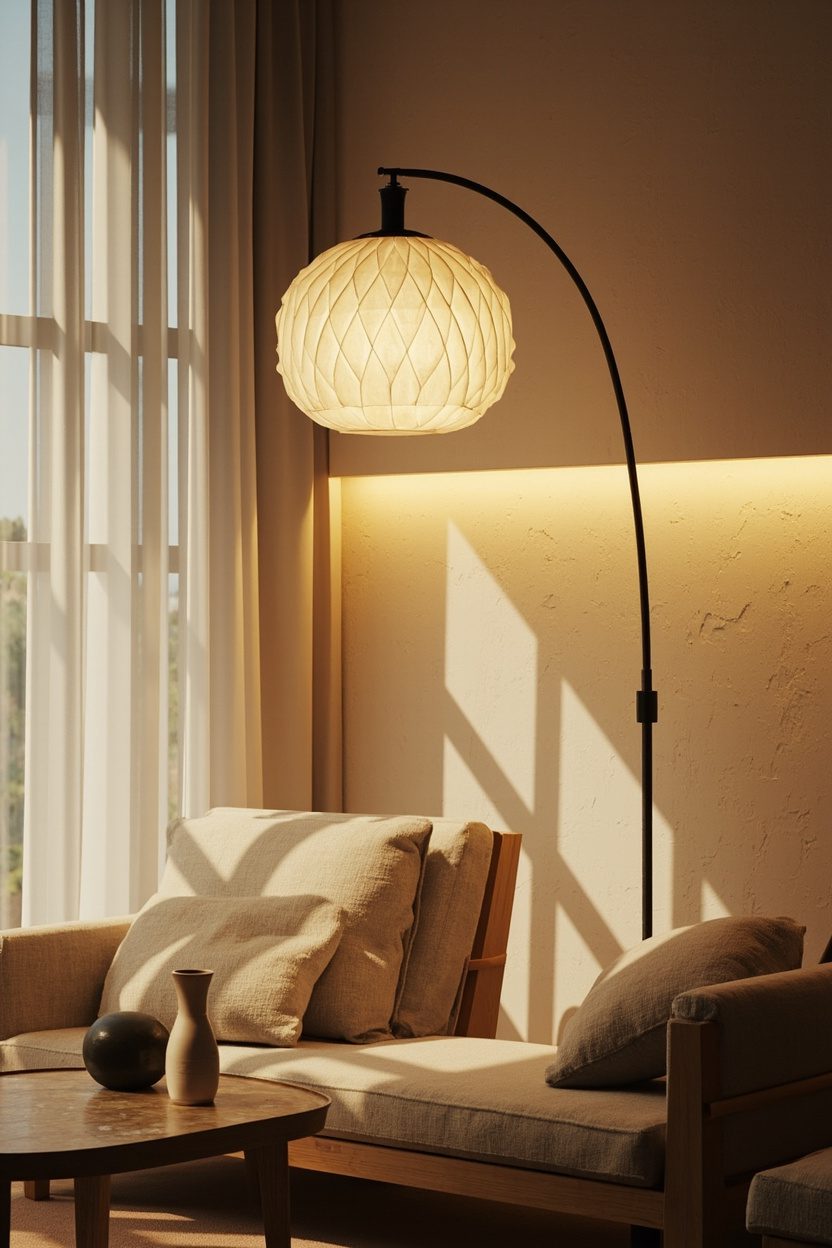
Japandi thrives on atmosphere; layered lighting creates that range from bright functionality to soft, meditative warmth. Combine a low, sculptural pendant in natural materials (think rattan or papier-mâché at dining scale, 18–24″ diameter) with a pair of narrow floor lamps for reading — keep metal finishes matte black or soft brass to maintain restraint and avoid reflective glare. Make a deliberate decision to place the primary general light on a dimmer (0–100% recommended) so the room can shift from task-focused to evening relaxation without changing fixtures.
Accent lighting should be purposeful, not decorative clutter: a linear LED under-shelf strip at 3000K highlights wood grain on shelving, while an adjustable wall sconce at eye level illuminates a favored ceramic or washi-paper screen. Avoid overly cool temperatures; aim 2700–3000K for warmth, and use CRI 90+ bulbs to render natural textiles and wood accurately. A mistake to avoid is relying on a central chandelier alone — Japandi rooms read best when light comes layered and low, not just top-down.
What to Focus On
- Install a dimmer on the main fixture to control mood and function.
- Choose 2700–3000K, CRI 90+ bulbs for accurate, warm color rendering.
- Mix task, ambient, and accent sources; keep styles and finishes muted.
- Place accent lights to highlight texture, not just objects, for depth.
17. Mindful Decluttering
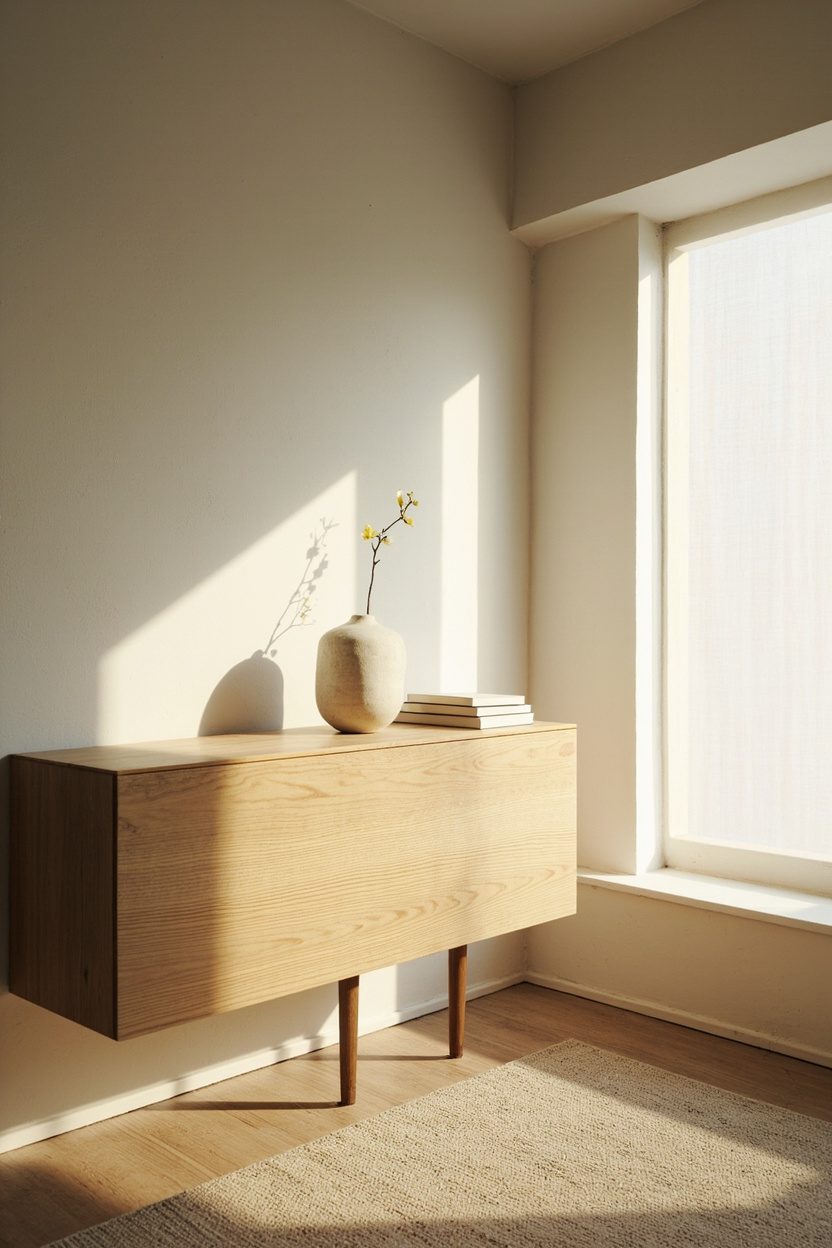
Japandi’s restraint is not minimalism for its own sake but disciplined curation — every object must earn its place. Begin by editing with intent: keep only items you use daily or that contribute tactile or aesthetic value (e.g., a handcrafted tea set, a linen throw, a single large art piece). Prioritize closed storage in natural wood or matte-painted cabinets to hide visual noise; open shelving should show no more than 5–7 thoughtfully arranged objects per run to maintain breathing space.
Storage solutions should be measured to scale: low-profile cabinets that sit at or below seat height preserve sightlines, while built-ins with sliding doors avoid hardware clutter. Avoid the “one-shelf stuffed” mistake — underpopulate shelves instead of overfilling them, and use consistent container materials (woven baskets or neutral ceramic boxes) to unify the look. This is where the Japanese respect for negative space meets Scandinavian utility: clean, functional, and calm.
Essential Elements
- Keep daily-use items accessible; hide the rest in low, natural-finish cabinets.
- Edit to 5–7 items per visible shelf to preserve negative space.
- Use consistent storage materials (woven, ceramic, matte wood) for cohesion.
- Scale storage to furniture height to maintain open sightlines and flow.
For a complementary decor approach, see 13 Minimalist Balcony Decor Ideas for Small Outdoor Spaces.
FAQ
What is Japandi and how does it differ from minimalism?
- Japandi fuses Japanese wabi-sabi warmth with Scandinavian functionality; unlike strict minimalism, it values tactile materials and curated imperfections alongside clean lines.
Which color palette works best for a Japandi living room?
- Neutral base tones—warm off-whites, soft greys, muted beiges—with accents of indigo, deep green, or soot; see nuanced suggestions in Boho Living Room Color for complementary approaches.
Can I incorporate DIY elements without breaking the style?
- Yes—simple, well-crafted DIY like low-profile shelving or a textile headboard fits perfectly; refer to Diy Built In Bookcase Projects for build ideas that respect scale and material.
What materials should I avoid to keep the Japandi look authentic?
- Avoid high-gloss plastics, fussy ornamentation, and overly bright synthetic colors; choose matte, natural textures like oiled wood, linen, stone, and paper instead.
Final Thoughts
Japandi succeeds when intention governs every choice: scale, texture, and restraint matter more than trend-driven pieces. Aim for a quiet, functional home where light, storage, and materials are deliberately edited — the result feels curated, comfortable, and remarkably livable.