


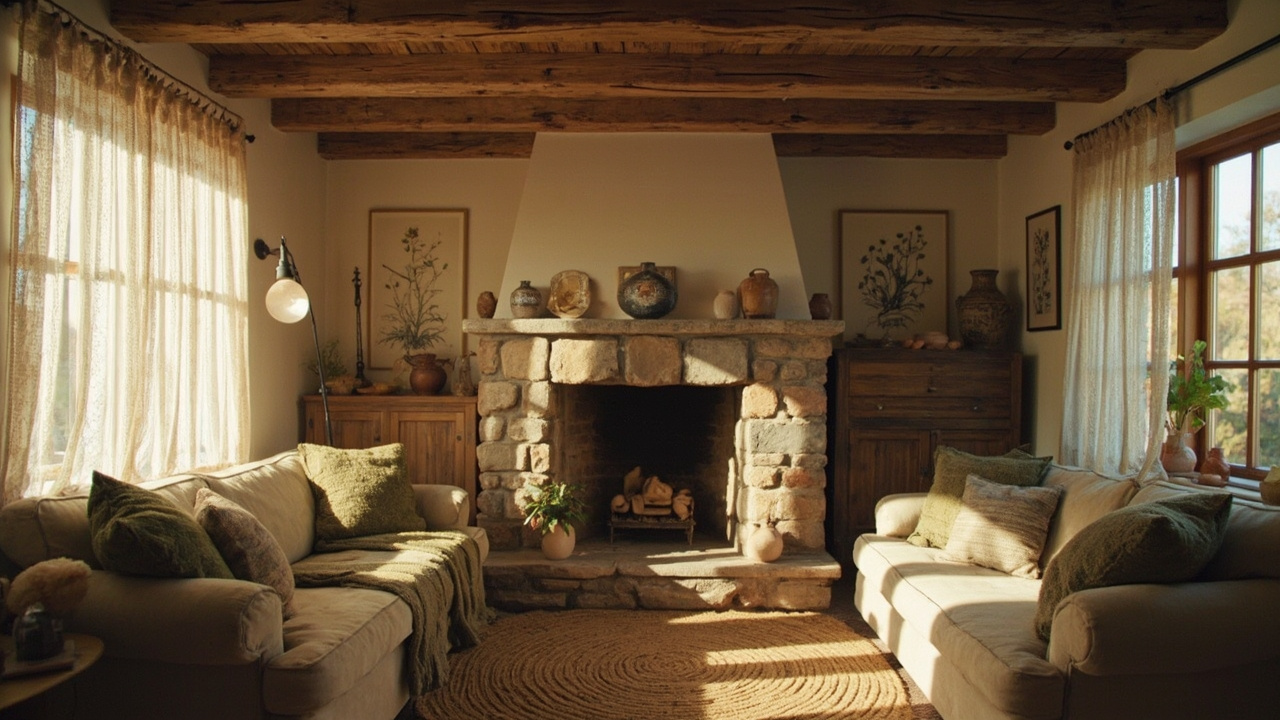
Earthy Cottage Home Decor brings warm, natural charm into any room, and these 15 Earthy Cottage Home Decor Ideas That Wow show how to make rustic comfort feel modern and deliberate.
Each idea pairs natural textures, muted tones, and thoughtful vintage touches to create inviting, livable spaces that age beautifully and suit a wide range of homes and budgets.
- 1. Warm Magnolia Walls: Soften a Spacious Living Room with Earthy Neutrals
- 2. South-Facing Window Treatments to Maximise Light in a Cottage Living Room
- 3. Rustic Timber Tables: Choosing the Right Grain for an Earthy Dining Space
- 4. Stone and Wood Pairings for an Authentic Cottage Table
- 5. Leather and Linen Seating Combos for Comfortable, Textured Dining
- 6. Seasonal Surface Styling: Natural Centerpieces for the Cottage Table
- 7. Layered Rugs: Grounding a Room with Natural Fibers and Patterns
- 8. Handcrafted Ceramics and Earthenware for Everyday Cottage Charm
- 9. Botanical Corners: Bringing Potted Greens into an Earthy Floor Plan
- 10. Woven Wall Art and Macramé for Warm, Textural Accent Walls
- 11. Open Shelving Styled with Vintage Finds and Natural Materials
- 12. Softened Minimalism: Balancing Clean Lines with Organic Touches
- 13. Cozy Nooks: Designing Window Seats for South-Facing Cottage Rooms
- 14. Raw Finish Joinery: Embracing Imperfection in Cottage Carpentry
- 15. Muted Palette Schemes Inspired by Countryside Landscapes
- Final Thoughts
1. Warm Magnolia Walls: Soften a Spacious Living Room with Earthy Neutrals
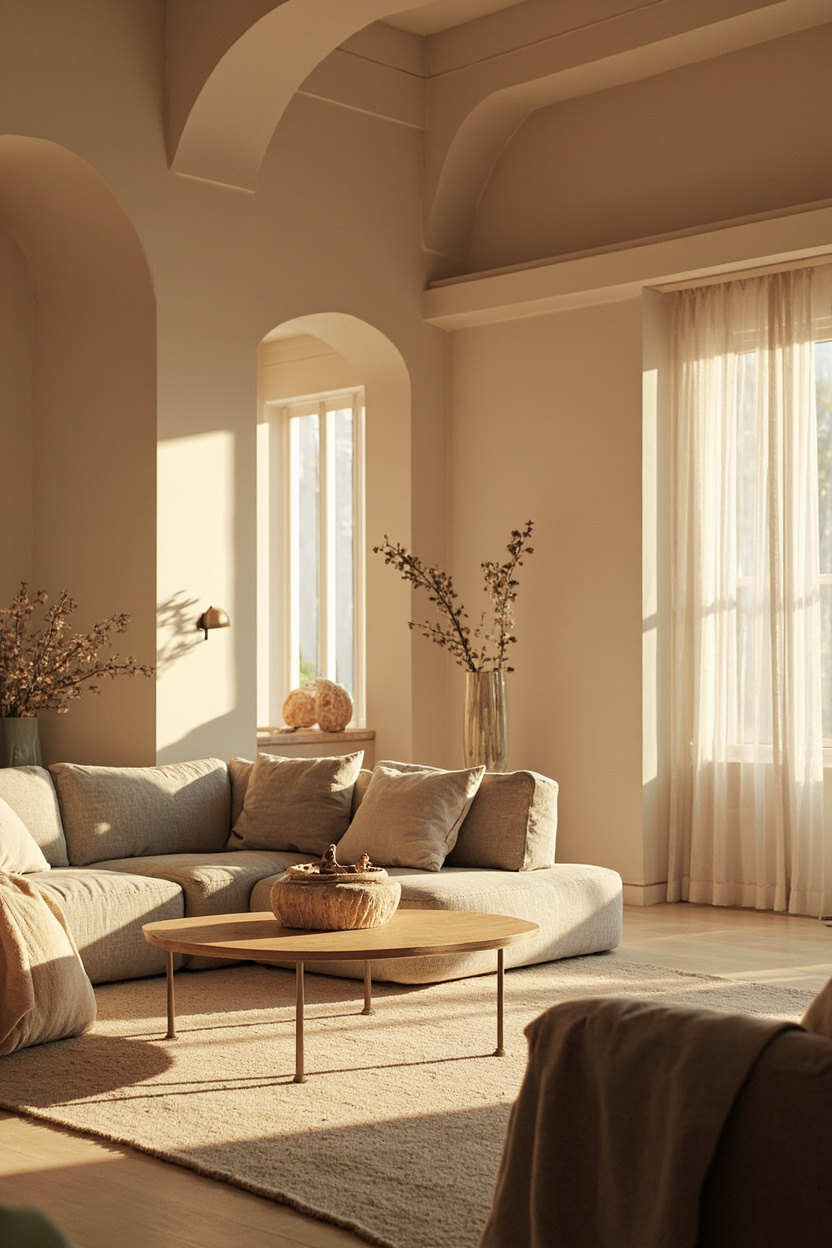
Use warm magnolia as a primary wall color to reduce starkness in large rooms while keeping light reflection high; pair with trim in a slightly deeper cream to define architectural details without contrast fatigue.
Anchor the palette with medium-toned wooden floors and a large jute rug to add natural texture and ground the space.
Introduce three-layered lighting sources—ambient, task, and accent—in warm 2700–3000K to maintain cozy depth and highlight focal points.
2. South-Facing Window Treatments to Maximise Light in a Cottage Living Room
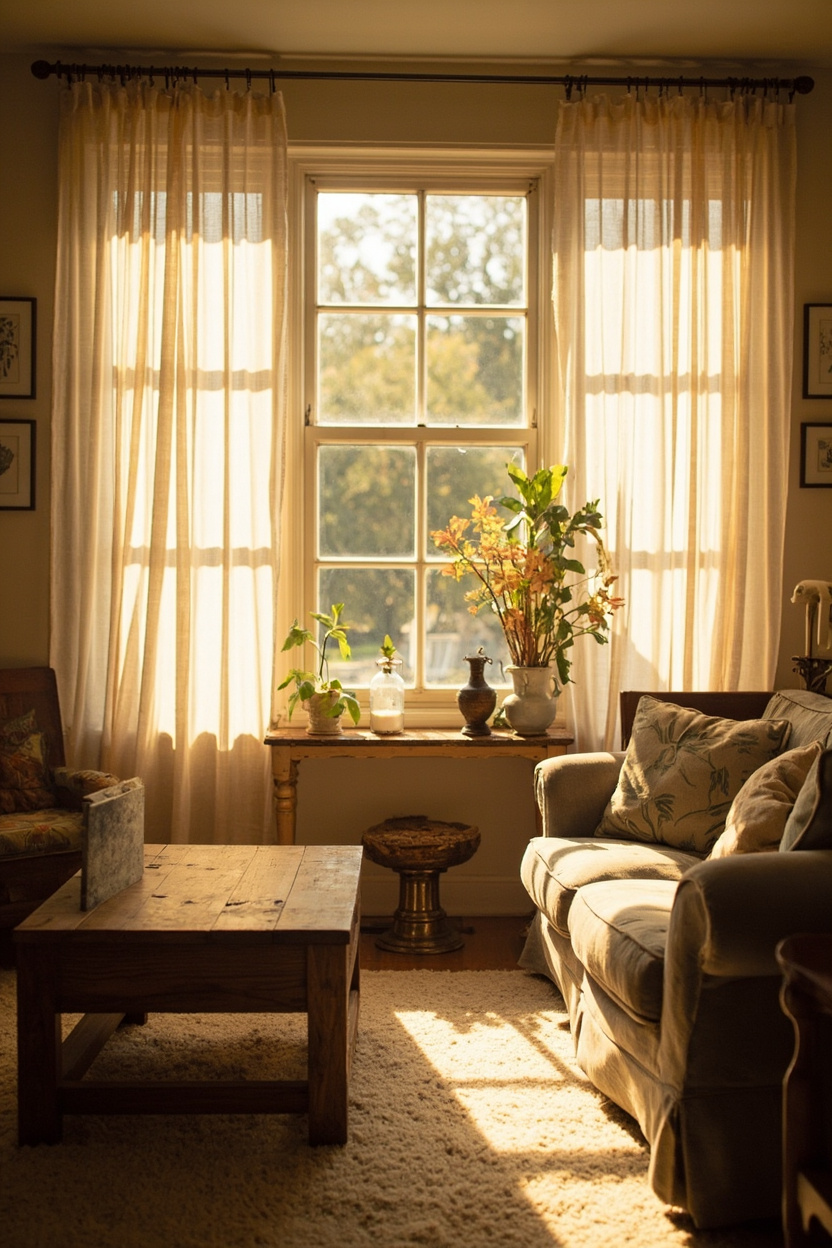
Install sheer layered curtains that diffuse direct sun while preserving views; choose a weight that softens glare but still allows thermal airflow.
Add adjustable internal shutters or a top-down/bottom-up blind for precise control of heat and privacy during peak sun hours.
Position seating and reflective surfaces (mirrors, light wood furniture) to bounce daylight into darker corners and reduce the need for artificial light.
3. Rustic Timber Tables: Choosing the Right Grain for an Earthy Dining Space
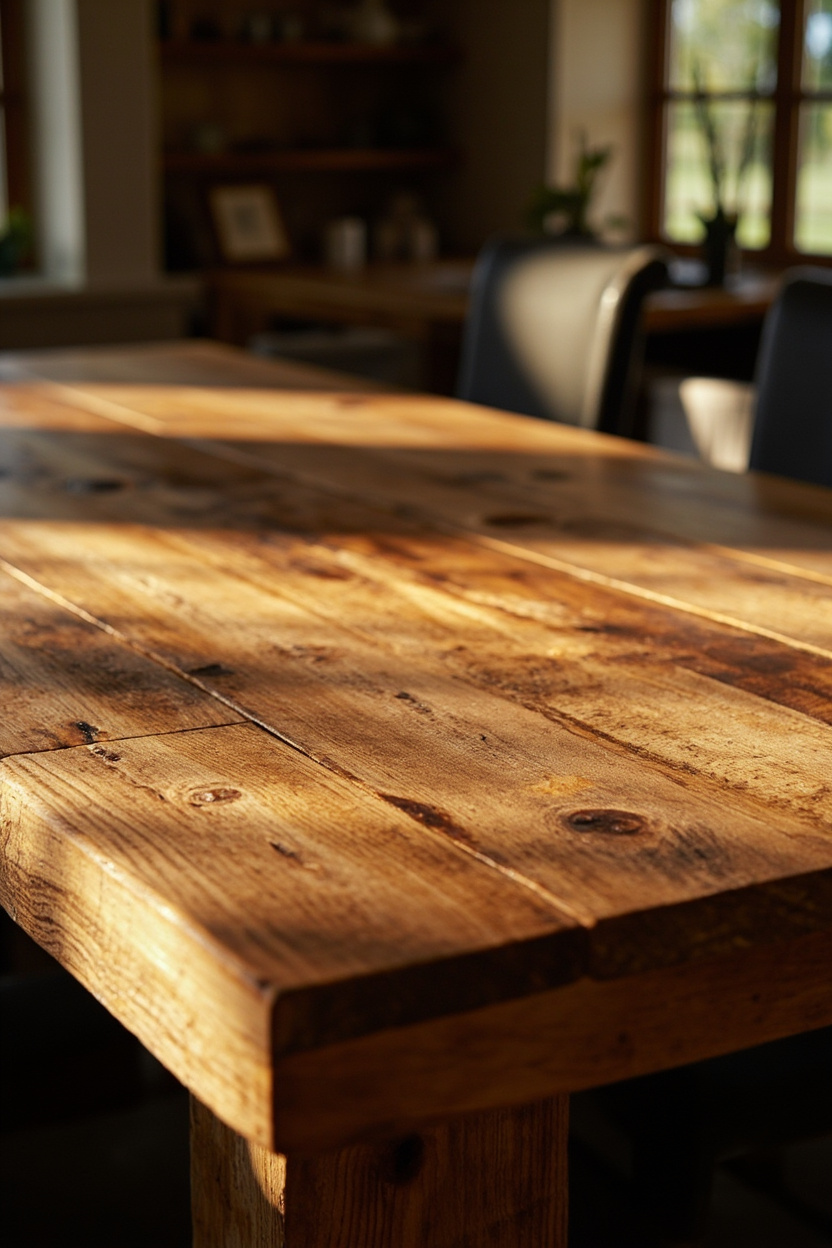
Select open-grain hardwoods like oak or ash for visible character and durability; tighter grains such as walnut read richer and more refined in a cottage setting.
Match table thickness and edge profile to room scale—thicker, live-edged planks suit wide, informal rooms; tapered or butcher-block tops fit compact spaces.
Finish with a matte or low-sheen oil to emphasize grain, repel stains, and keep the tactile, hand-crafted aesthetic.
4. Stone and Wood Pairings for an Authentic Cottage Table
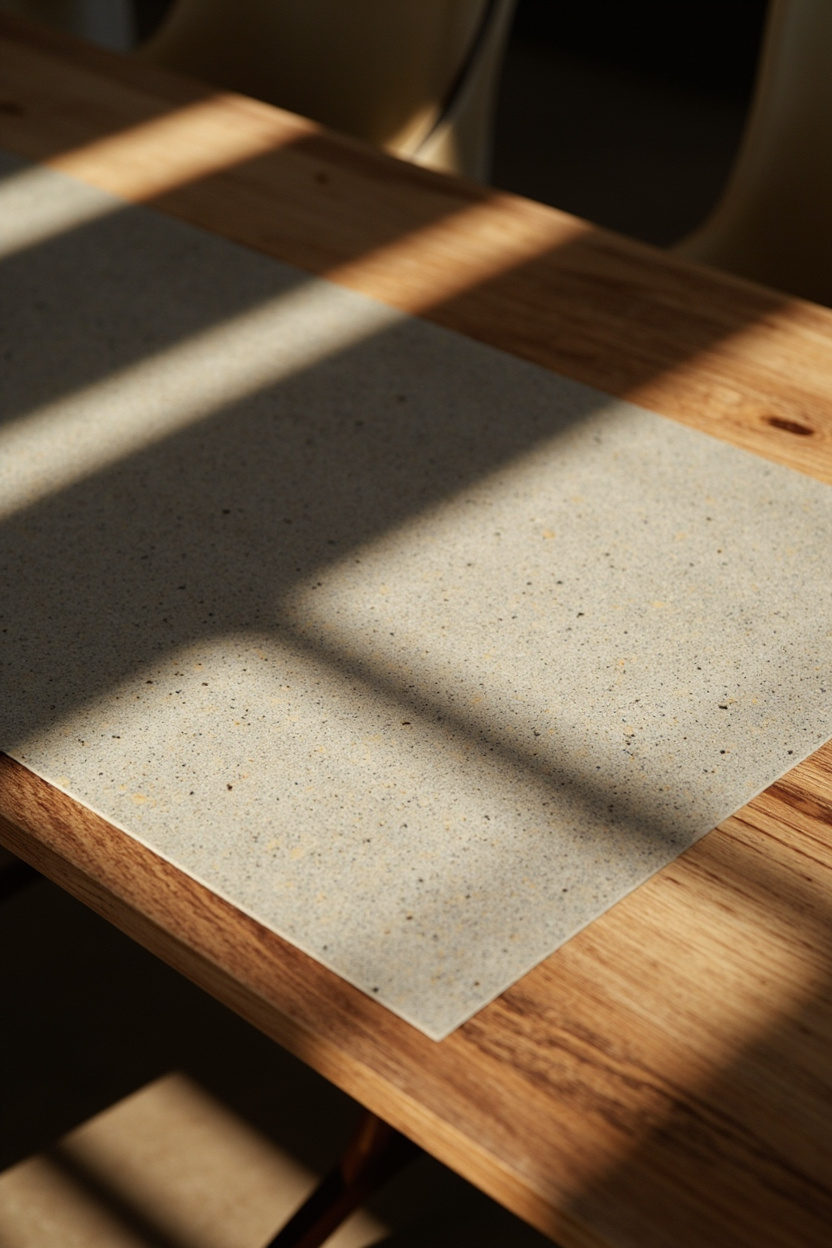
Balance a warm-toned wood base with a cool honed stone top (limestone or soapstone) to create contrast without visual tension.
Ensure consistent scale: heavy stone demands sturdy leg profiles and reinforced joinery to avoid a top-heavy look.
Use color-matching samples in the actual room light to confirm compatibility, then seal stone with a matte penetrating sealer for longevity.
5. Leather and Linen Seating Combos for Comfortable, Textured Dining
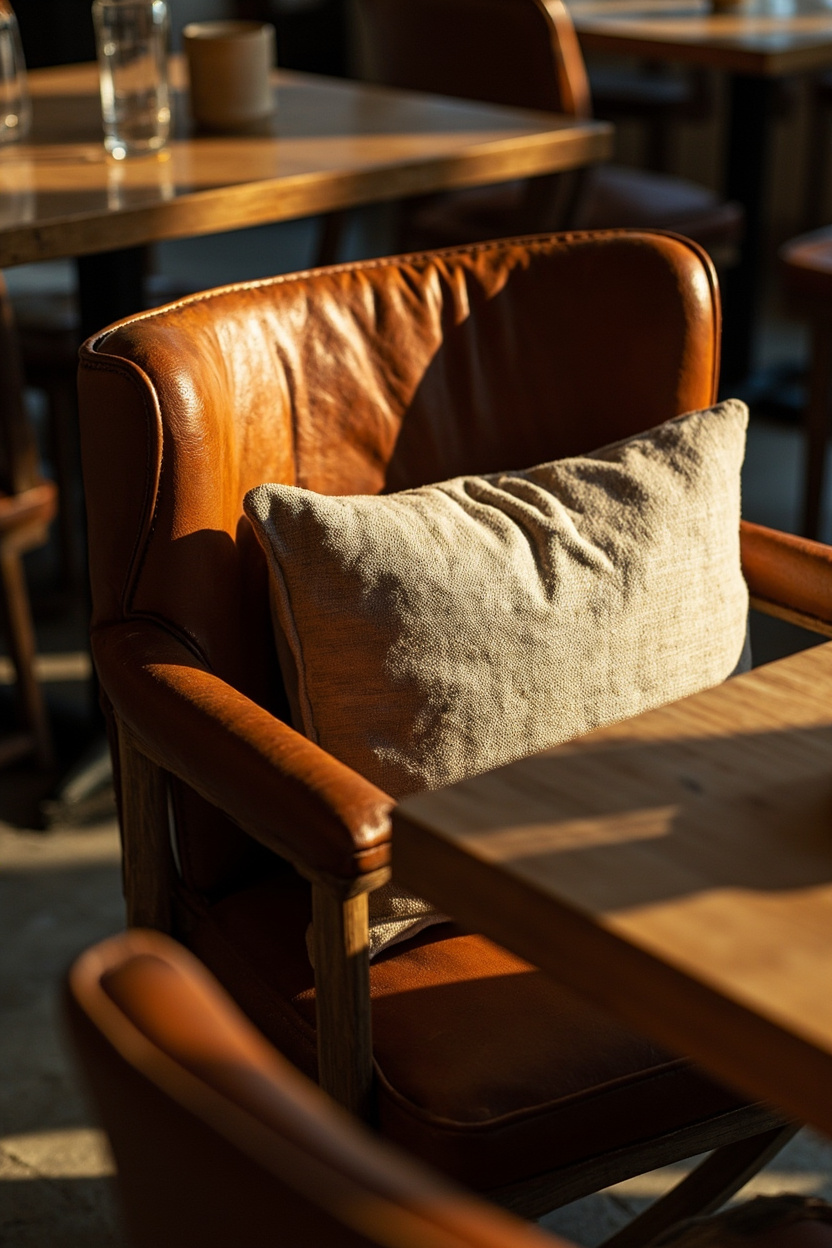
Combine leather on high-contact surfaces (chair backs, banquette ends) with breathable linen seat pads to balance durability and comfort.
Choose leather in warm cognac or saddle tones alongside undyed or oat linen to maintain earthy cohesion and wear gracefully.
Keep cushion fills medium-firm and removable covers for linen to ensure both support and easy maintenance.
6. Seasonal Surface Styling: Natural Centerpieces for the Cottage Table
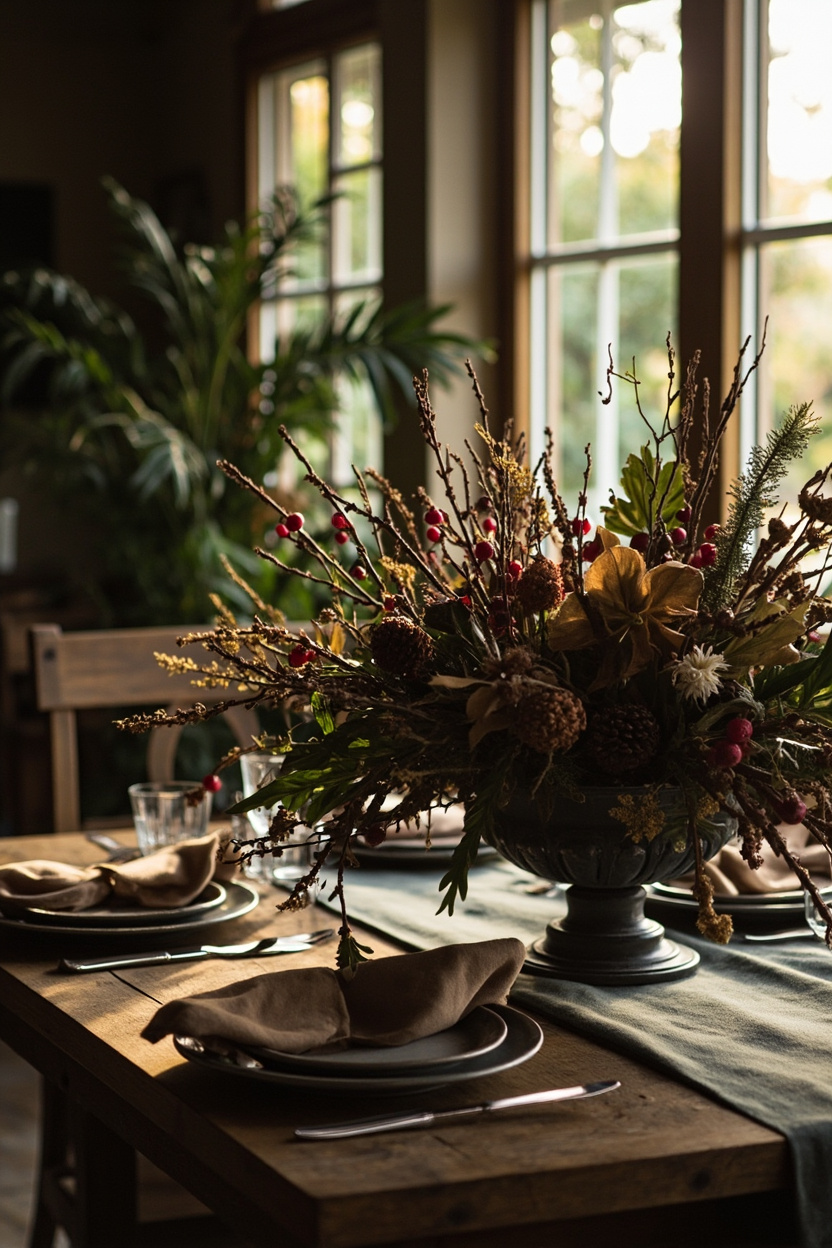
Use a low, linear arrangement of seasonal materials—cedar boughs in winter, dried hydrangea and seed pods in fall—so sightlines across the table remain open for conversation.
Anchor the display with a weighted tray or wooden board to keep pieces cohesive and protect the tabletop from moisture and abrasion.
Vary heights with simple vessels—small bowls, a narrow vase, short candlesticks—keeping the palette muted and materials organic to reinforce the cottage feel.
7. Layered Rugs: Grounding a Room with Natural Fibers and Patterns
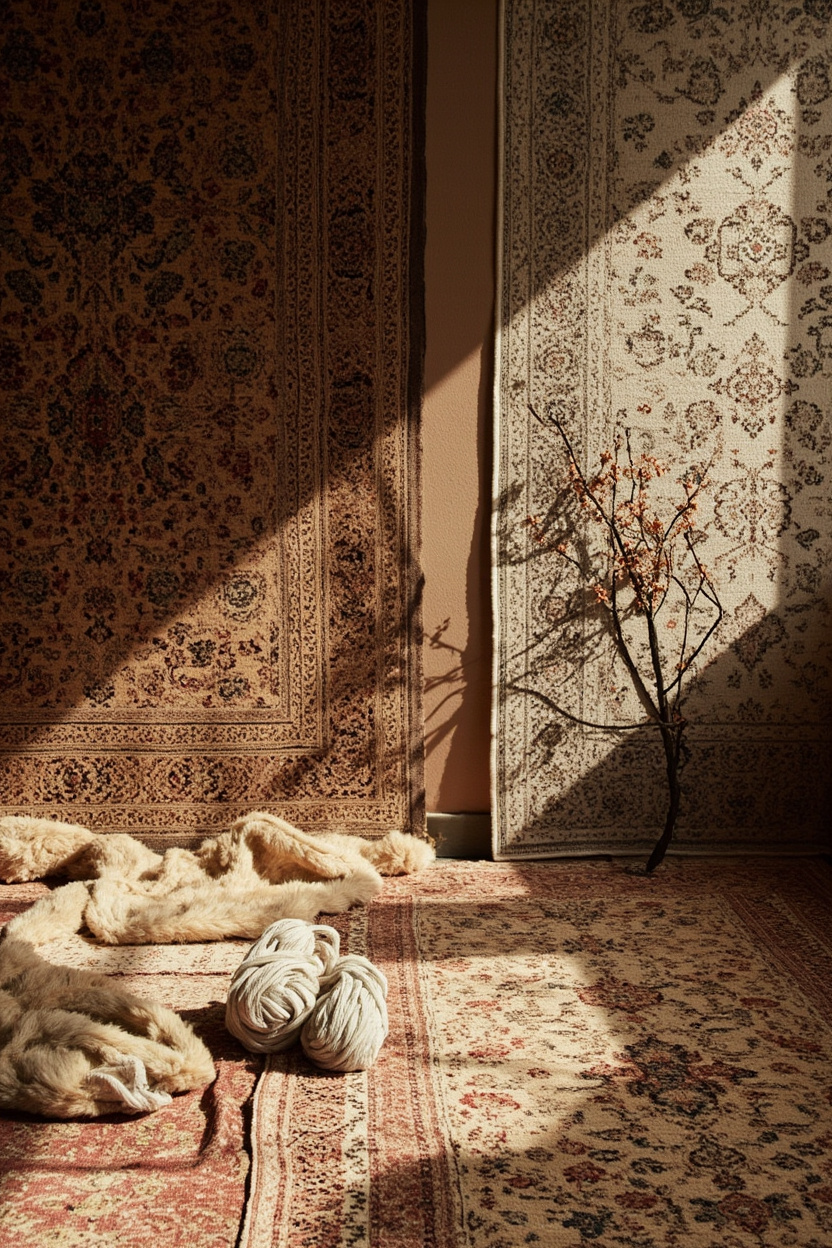
Start with a large, neutral jute or sisal as the base to add texture and durability, then layer a smaller wool or flatweave with a subtle pattern for warmth and comfort underfoot.
Ensure furniture sits partially on the top rug to create a unified seating zone and prevent the composition from feeling disjointed.
Keep color contrast gentle—earth tones and low-saturation blues or greens—to maintain cohesion while letting pattern add visual interest.
8. Handcrafted Ceramics and Earthenware for Everyday Cottage Charm
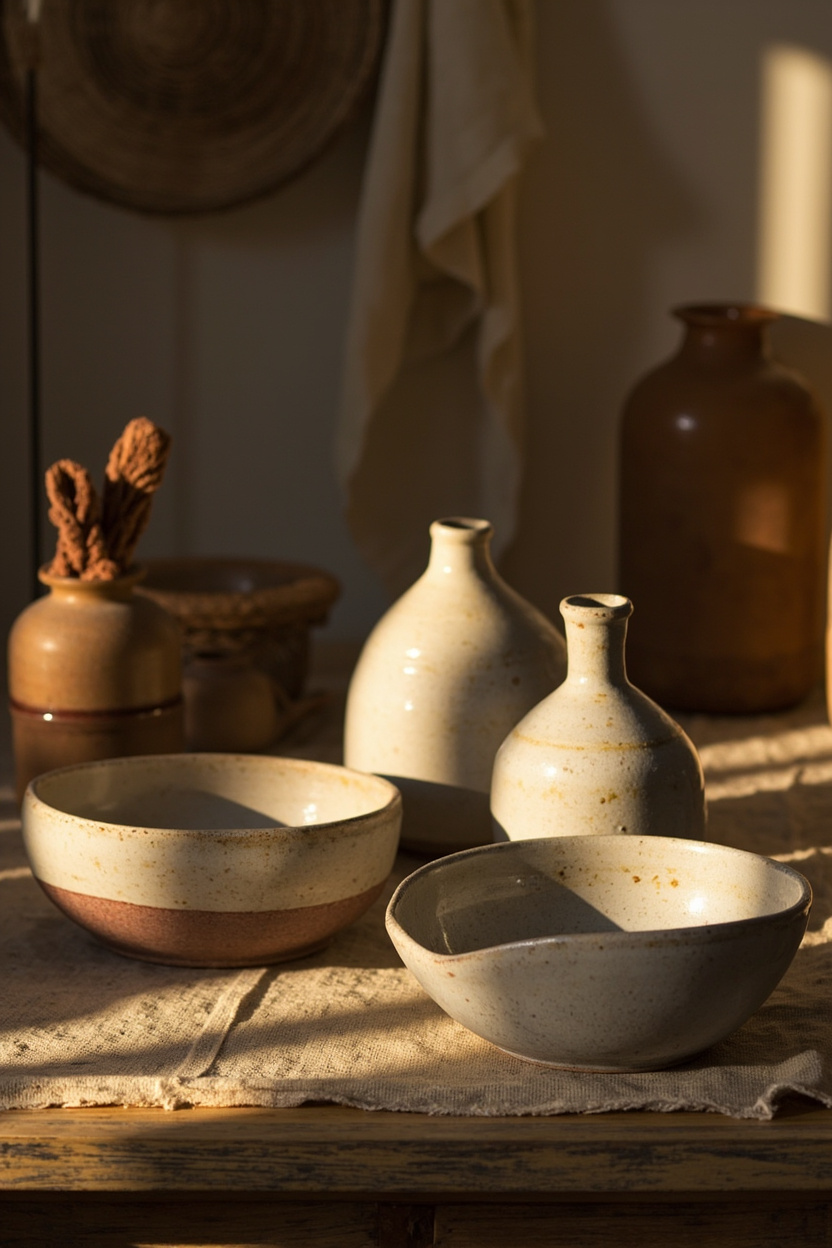
Choose ceramics with visible throwing marks, irregular glazes, and matte finishes to emphasize craft and authenticity in daily use items like pitchers, bowls, and mugs.
Group pieces in odd numbers and varied heights on open shelving or a farmhouse table to read as a curated collection rather than clutter.
Limit the palette to two or three complementary glaze tones so the hand-made variety reads as intentional and harmonious.
9. Botanical Corners: Bringing Potted Greens into an Earthy Floor Plan
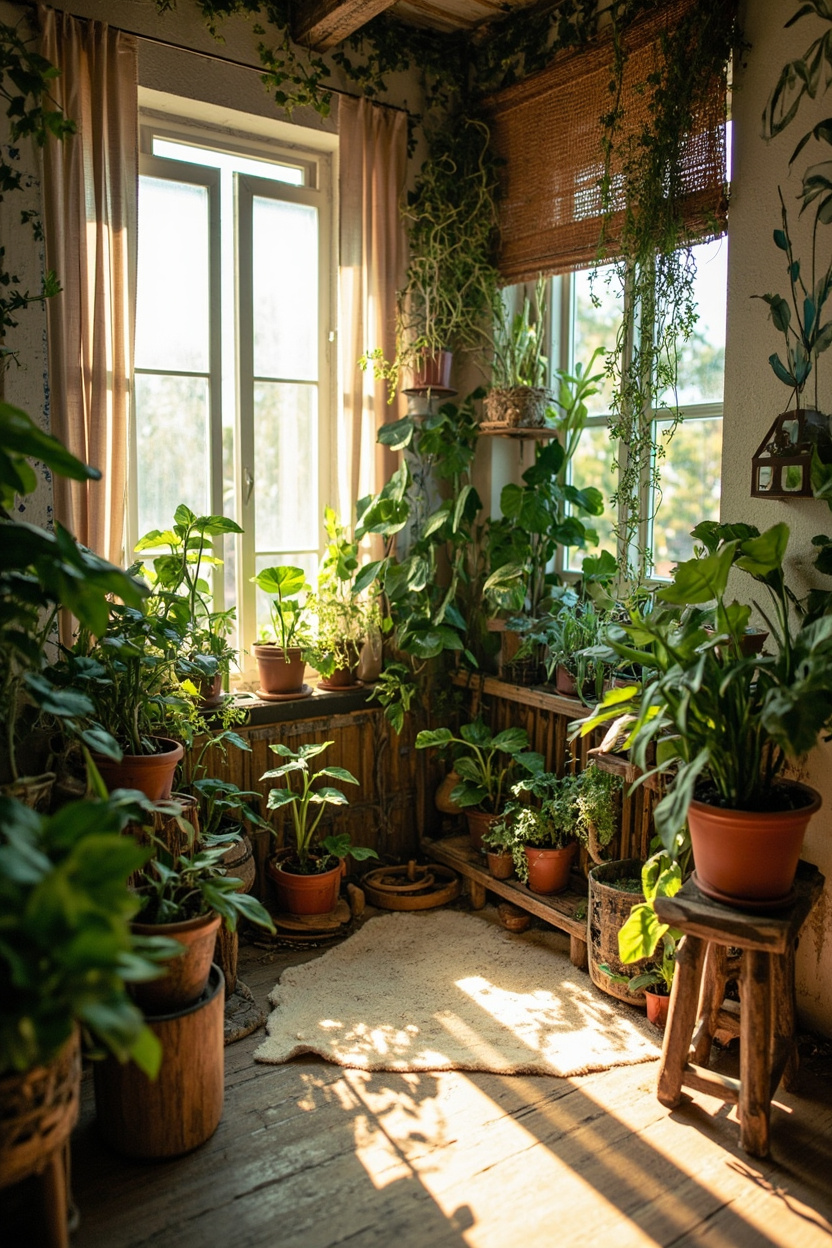
Designate a corner as a plant vignette with varied pot heights and textures—terracotta, woven baskets, glazed ceramics—to create depth without overwhelming the room.
Select plants suited to the light levels and rotate them seasonally; mix architectural forms (ficus, rubber plant) with trailing varieties (pothos, string of pearls) for layered interest.
Use a low stool or plant stand to lift at least one specimen, keeping lower pots visible and maintaining airflow and light for healthy growth.
10. Woven Wall Art and Macramé for Warm, Textural Accent Walls
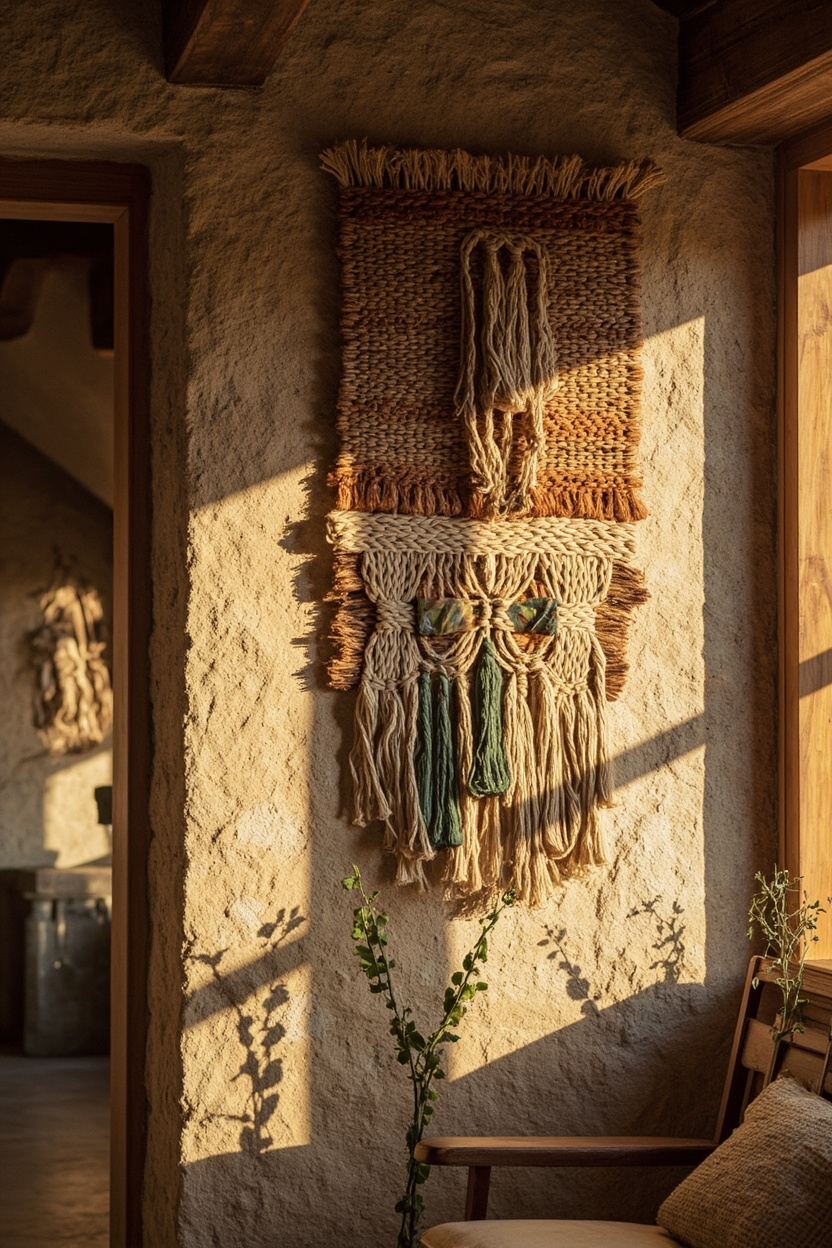
Scale woven pieces proportionally to the wall—long, narrow macramé suits vertical gaps while wide weavings anchor above sofas or beds—and keep fringe lengths tidy to avoid a messy look.
Mix natural fibers like cotton, wool, and raffia with subtle dye accents to tie the piece into your room palette without competing with other focal points.
Mount securely with wall anchors and consider a shallow picture light above the work to emphasize texture and shadow without glare.
11. Open Shelving Styled with Vintage Finds and Natural Materials
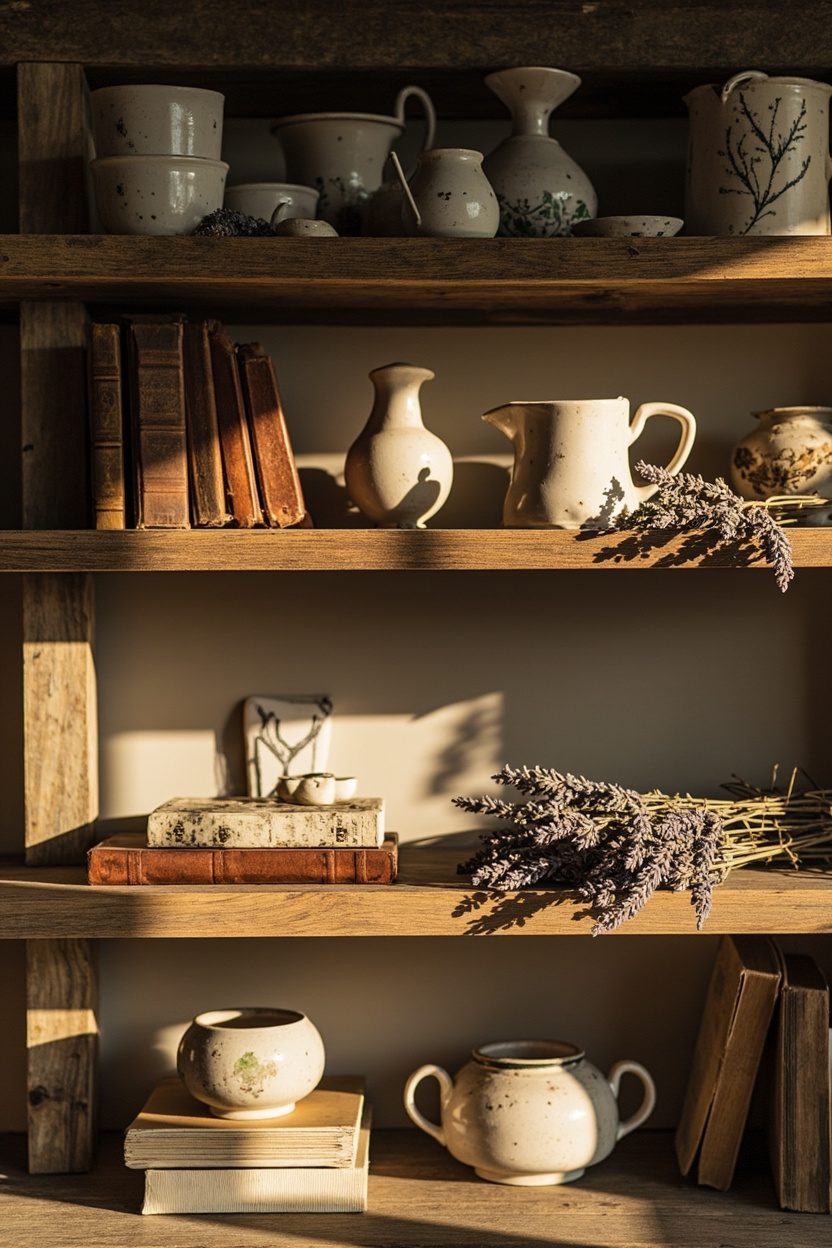
Use a restrained number of shelves and arrange items by scale and material—stack plates, lean framed prints, and intersperse woven baskets to prevent visual clutter.
Limit color accents to two tones pulled from ceramics or textiles and repeat them across shelves for cohesion.
Anchor the display with a grounded element like a wooden cutting board or potted plant and leave negative space to highlight each vintage piece.
12. Softened Minimalism: Balancing Clean Lines with Organic Touches
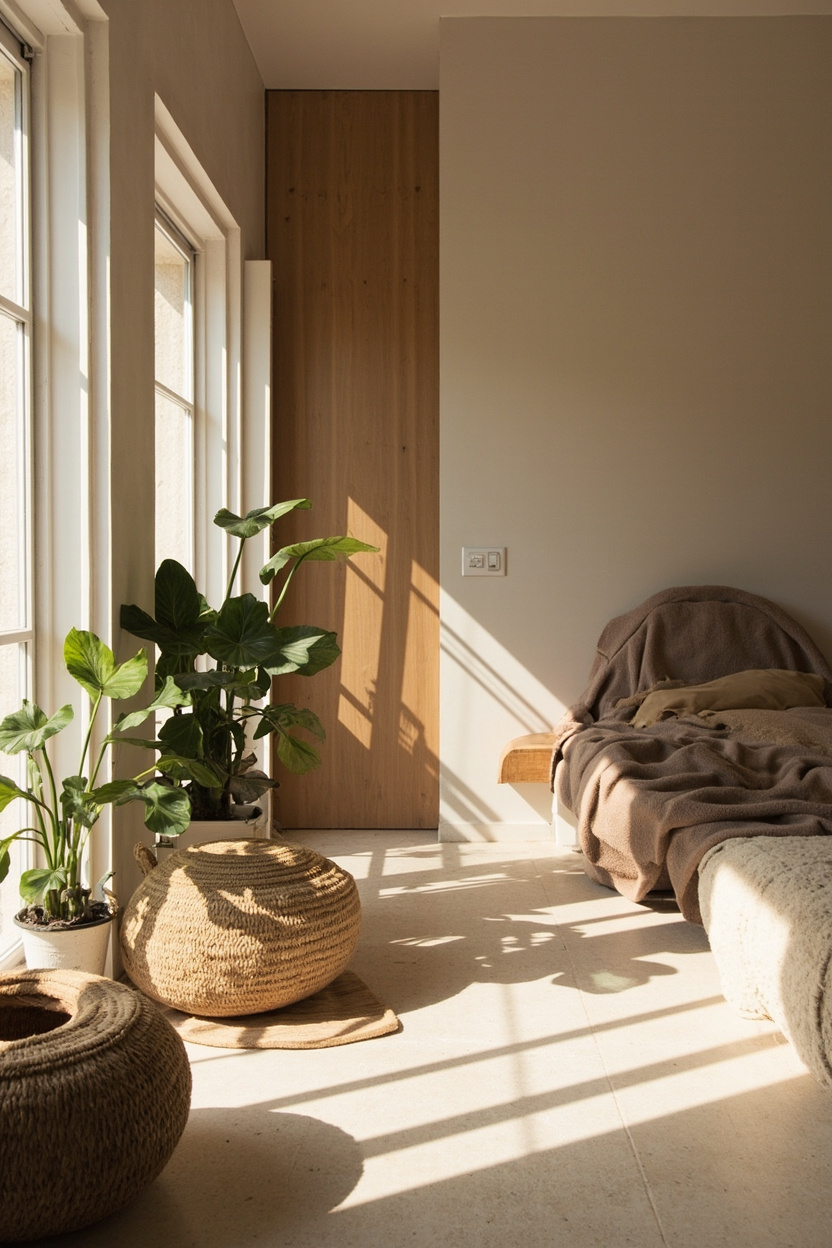
Start with a streamlined furniture silhouette in neutral finishes, then layer texture through linen throws, jute rugs, and rattan lighting to warm the scheme.
Keep ornamentation deliberate: select one organic shape per room—curved mirror, live-edge table, or sculptural clay vase—to humanize clean lines.
Control the palette tightly to three neutrals and one earthy accent so minimalism feels intentional rather than sparse.
13. Cozy Nooks: Designing Window Seats for South-Facing Cottage Rooms
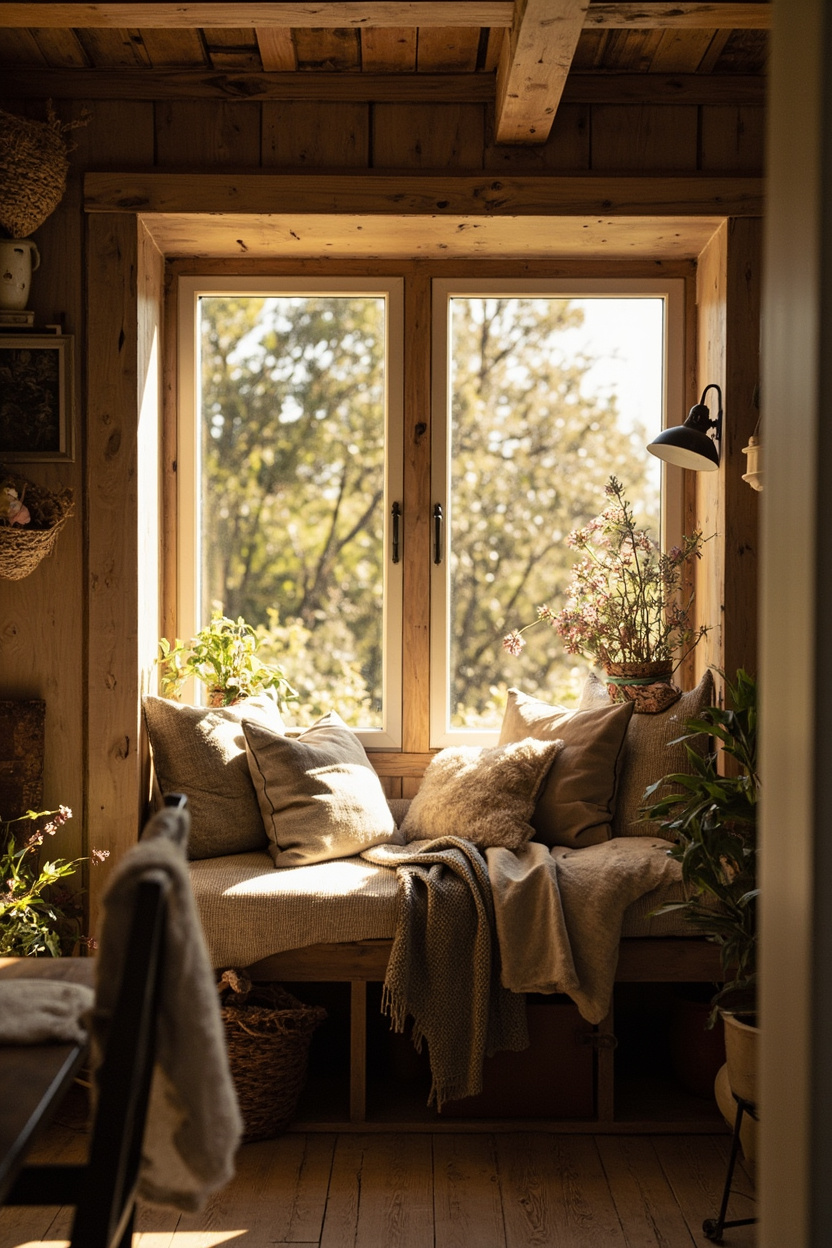
Position a deep cushion with weather-resistant fabric and low backs to maximize daylight and views while allowing airflow on hot afternoons.
Use integrated storage beneath the seat for throws and seasonal bedding, and choose lighter wood tones to reflect the sun and prevent fading.
Layer with a mix of lumbar and square pillows in natural fibers and include a small side table or wall-mounted shelf for books and a plant.
14. Raw Finish Joinery: Embracing Imperfection in Cottage Carpentry
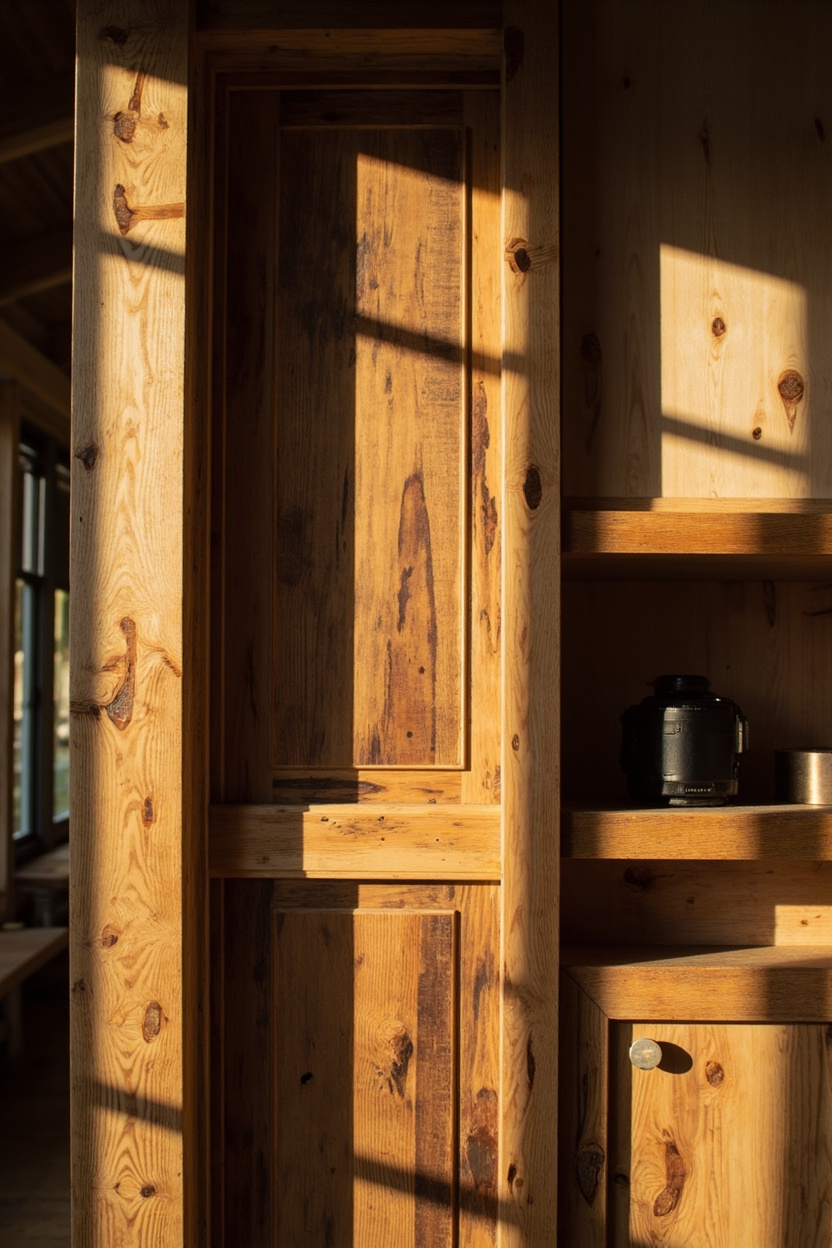
Specify finishes that celebrate tool marks and knots—oiled or waxed surfaces rather than high-gloss—to keep joinery tactile and authentic.
Design joints that are robust and simple, like exposed tenons or pegged mortise-and-tenon, so structure becomes a visible feature, not an afterthought.
Coordinate hardware in aged brass or blackened steel to complement the raw wood and avoid overly polished details that undermine the handcrafted look.
15. Muted Palette Schemes Inspired by Countryside Landscapes
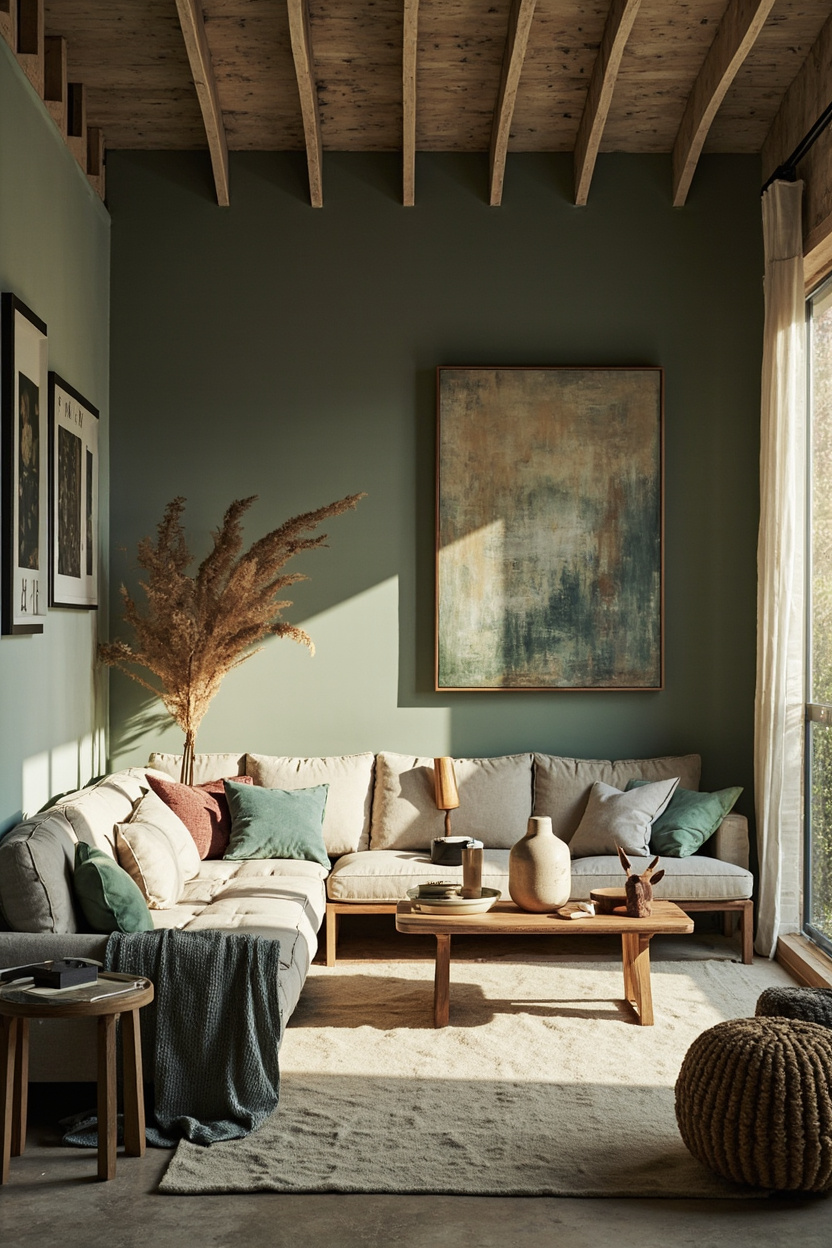
Derive three core hues—stone gray, oat, and sage—and use them across walls, upholstery, and accent pieces for a calm, layered effect.
Introduce contrast with deep charcoal or warm umber in small doses—frames, trims, or a painted door—to add depth without breaking the serenity.
Test paint samples in varying daylight; muted colors shift subtly with sun and shadow, so confirm selections at multiple times before committing.
Final Thoughts
Earthy cottage home decor offers more than just aesthetic appeal—it creates spaces that nurture the soul and stand the test of time.
By embracing natural textures, muted color palettes, and thoughtfully chosen vintage pieces, you can craft rooms that feel both grounded and gracefully elevated.
The beauty of this design approach lies in its versatility and accessibility. Whether you’re working with a generous budget or hunting for thrift store treasures, earthy cottage style welcomes imperfection and celebrates the patina of age.
Each weathered beam, hand-thrown ceramic piece, and sun-faded textile adds layers of authenticity that simply can’t be replicated by mass-produced décor.
Read Next: 12 Pink Cottage Ideas Romantic Hues