


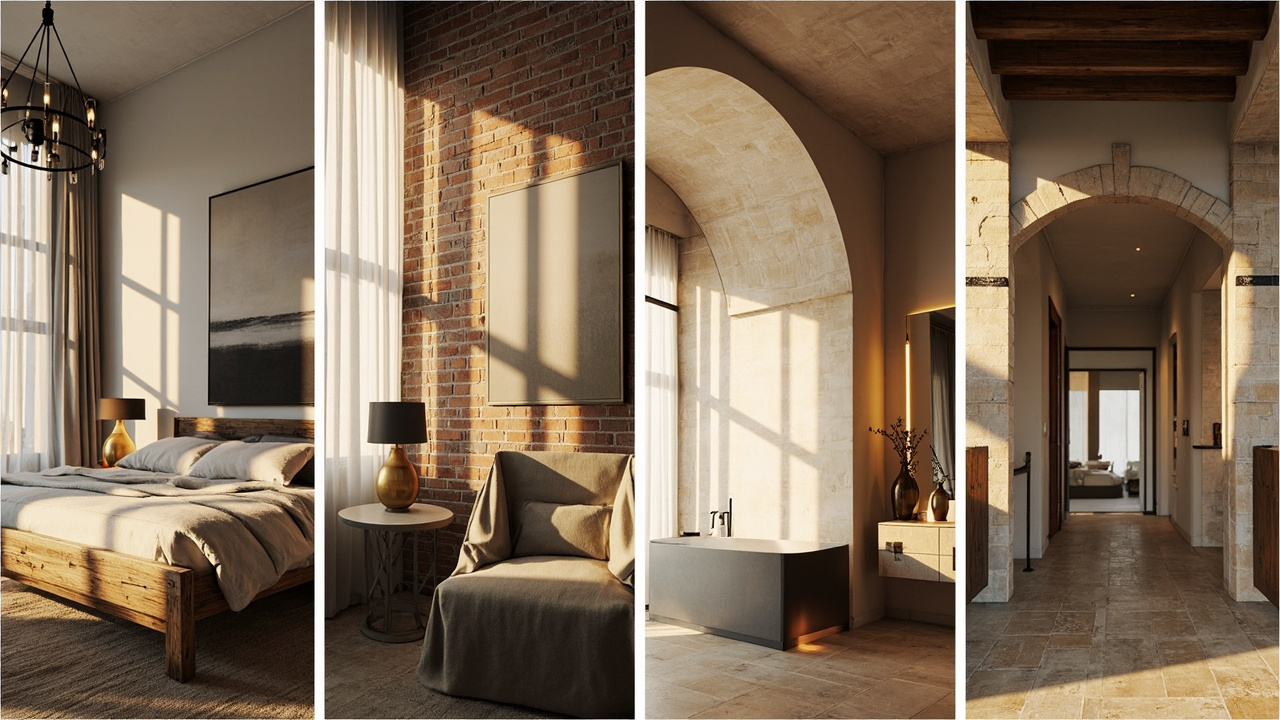
Mixing farmhouse and modern in the bedroom means pairing lived-in warmth with streamlined simplicity. Aim for comforting textures and vintage character, then counterbalance them with clean silhouettes and uncluttered surfaces.
Start by deciding which side leads the room. If you prefer cozy and layered, let farmhouse elements dominate and add modern accents.
If you favor minimalism, make modern form the base and bring in farmhouse pieces as focal, tactile highlights.
- Planning Your Modern Farmhouse Bedroom Layout
- Choosing a Balanced Farmhouse Modern Color Palette
- Selecting Furniture That Blends Rustic and Contemporary
- Incorporating Textiles to Soften Modern Lines
- Lighting Strategies for Warmth and Functionality
- Smart Storage Solutions with Farmhouse Character
- Common Design Mistakes to Avoid in Mix Styles
- Styling Tips to Refresh Your Bedroom Yearly
- FAQ
- Final Thoughts
- Related Decor Reads
Planning Your Modern Farmhouse Bedroom Layout
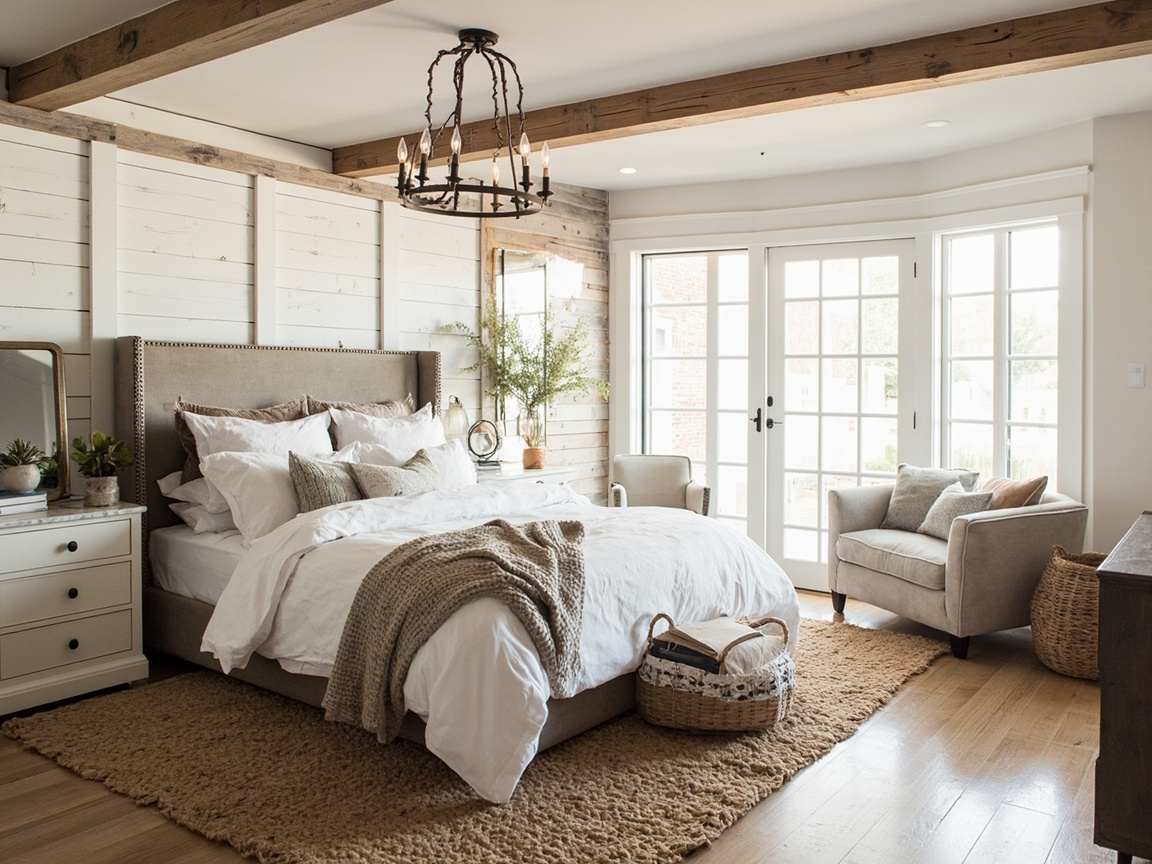
A clear layout keeps the dual styles cohesive. Start with functional zones—sleeping, storage, and a small seating or dressing area—so each style can be placed intentionally without visual competition.
- Anchor the room with one major focal point, such as the bed or an accent wall. Make that focal point reflect the dominant style.
- Keep traffic paths uncluttered; modern influence favors open space, while farmhouse pieces often feel heavier.
- Use scale to balance: pair a substantial farmhouse bed with sleeker nightstands, or vice versa.
- Prioritize practical storage (built-ins or a simple dresser) to maintain modern minimalism while allowing farmhouse textiles to remain visible and inviting.
Decision criteria: choose the dominant style before buying. If the ceiling height is low, prioritize modern low-profile furniture. For large rooms, you can layer more farmhouse pieces without feeling crowded.
Common mistakes to avoid: placing too many focal items in one area, or scattering small rustic accents that read as clutter instead of intentional warmth.
Choosing a Balanced Farmhouse Modern Color Palette
A disciplined palette unites rustic materials with modern simplicity. Stick to 3–4 core colors: a neutral base, a warm farmhouse tone, and one or two modern accents.
- Base neutrals: soft white, greige, or warm taupe keep the room airy and modern.
- Farmhouse warmth: muted sage, terracotta, or faded denim add rustic charm without overpowering.
- Modern accents: matte black, brushed brass, or deep charcoal work for fixtures and hardware.
- Introduce texture rather than pattern overload, linen bedding, a chunky knit throw, and a reclaimed wood headboard, read farmhouse, while the color system stays modern.
Implementation guidance: paint walls in the neutral base and reserve the farmhouse tone for textiles, an accent wall, or a statement rug. Use accent metals sparingly to maintain modern restraint.
Mistakes to avoid: overly saturated country colors or too many competing patterns; they push the room toward kitsch rather than curated warmth.
Selecting Furniture That Blends Rustic and Contemporary
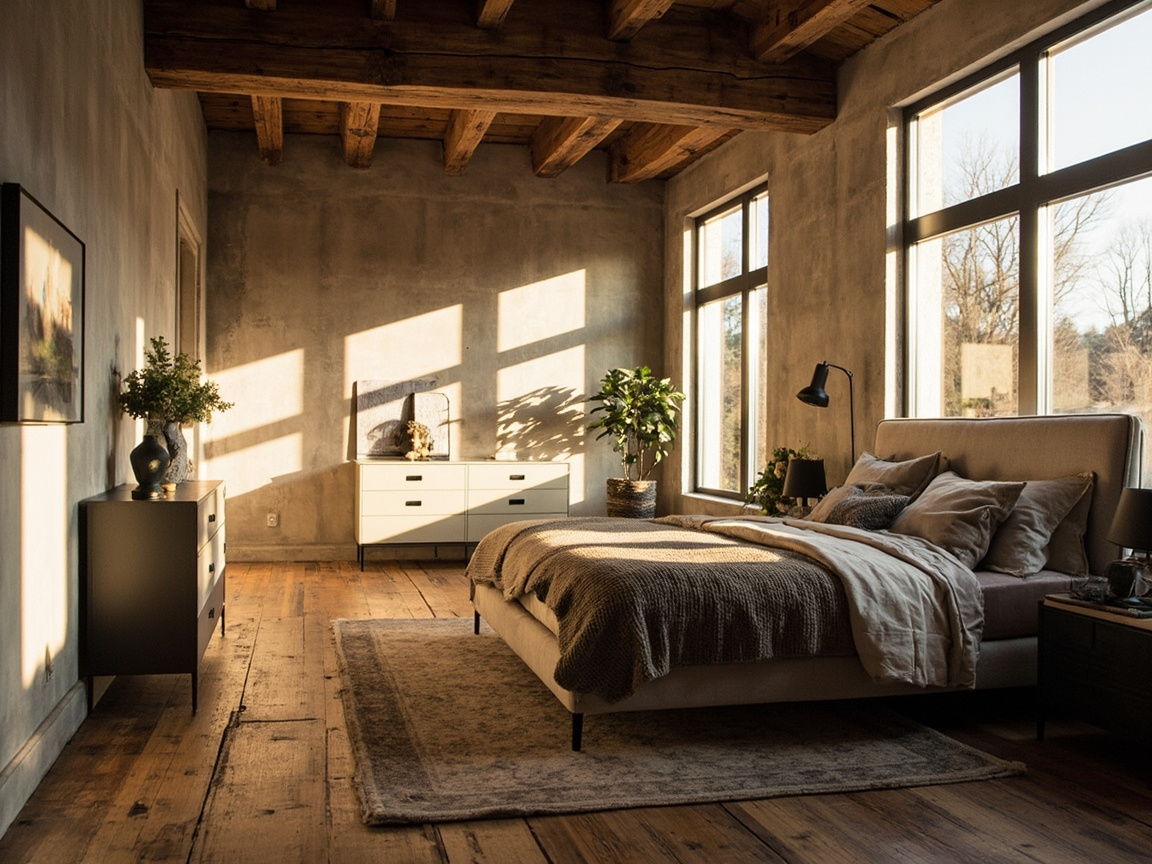
Furniture choice makes the style marriage tangible. Mix materials and keep lines clean: rustic surfaces with modern proportions create harmony.
- Bed: choose a simple wooden bed with a refined silhouette, or a modern upholstered bed paired with a reclaimed-wood bench.
- Nightstands and dressers: favor streamlined shapes in natural wood or painted finishes; avoid heavily carved antiques unless used sparingly as a focal.
- Seating: a minimalist armchair in leather or linen complements a farmhouse woven rug or basket.
- Hardware and legs: swap ornate pulls for slim metal hardware; tapered or metal legs give farmhouse pieces a contemporary lift.
Decision criteria: prioritize proportions and finish. If a piece is very rustic in texture, keep its shape simple. If a piece has an intricate silhouette, use a cleaner finish or neutral upholstery.
Mistakes to avoid: buying full matching sets that read strictly one style, and neglecting scale—small modern pieces can get lost next to oversized farmhouse furniture.
Incorporating Textiles to Soften Modern Lines
Textiles are the easiest way to temper modern minimalism with farmhouse warmth. Layered fabrics add tactility and visual depth without changing structural elements.
- Start with a neutral base: choose linen or cotton bedding in cream, soft gray, or warm white to anchor the room.
- Add one patterned piece: a checked, toile, or faded floral throw or pillow brings farmhouse character without overpowering the modern palette.
- Mix textures, not colors: combine chunky knit throws, woven seagrass cushions, and smooth velvet pillows to create contrast while keeping tones cohesive.
- Window treatments: opt for simple linen drapes or café-style curtains to soften window frames and diffuse light, rather than heavy, ornate valances.
- Rugs for balance: choose a low-pile natural fiber rug under the bed for warmth, then layer a smaller patterned rug at the bedside for visual interest.
Decision criteria: favor natural fibers for a lived-in feel, keep patterns limited to one or two focal pieces, and ensure the scale of patterns complements modern furniture lines.
Lighting Strategies for Warmth and Functionality
Lighting sets the mood and supports how you use the bedroom. Blend clean-lined fixtures with warmer finishes and layered sources to achieve both style and practicality.
- Layer light: use ambient (overhead), task (reading), and accent (art or décor) lighting to create depth and flexibility.
- Choose warm bulbs: 2700–3000K LEDs produce a cozy glow that flatters farmhouse textures while working well with modern fixtures.
- Mix metals thoughtfully: pair matte black or brushed nickel modern fixtures with aged brass or wrought-iron accents for farmhouse warmth.
- Statement fixtures: a simple metal chandelier or a lantern-style pendant above the bed nods to farmhouse style without clashing with modern furniture.
- Task lighting: wall-mounted swing-arm sconces or compact table lamps keep nightstands uncluttered and emphasize clean lines for modern sensibility.
Mistakes to avoid: overly ornate crystal fixtures that conflict with the farmhouse vibe, and using only a single overhead light, which flattens the space.
Smart Storage Solutions with Farmhouse Character
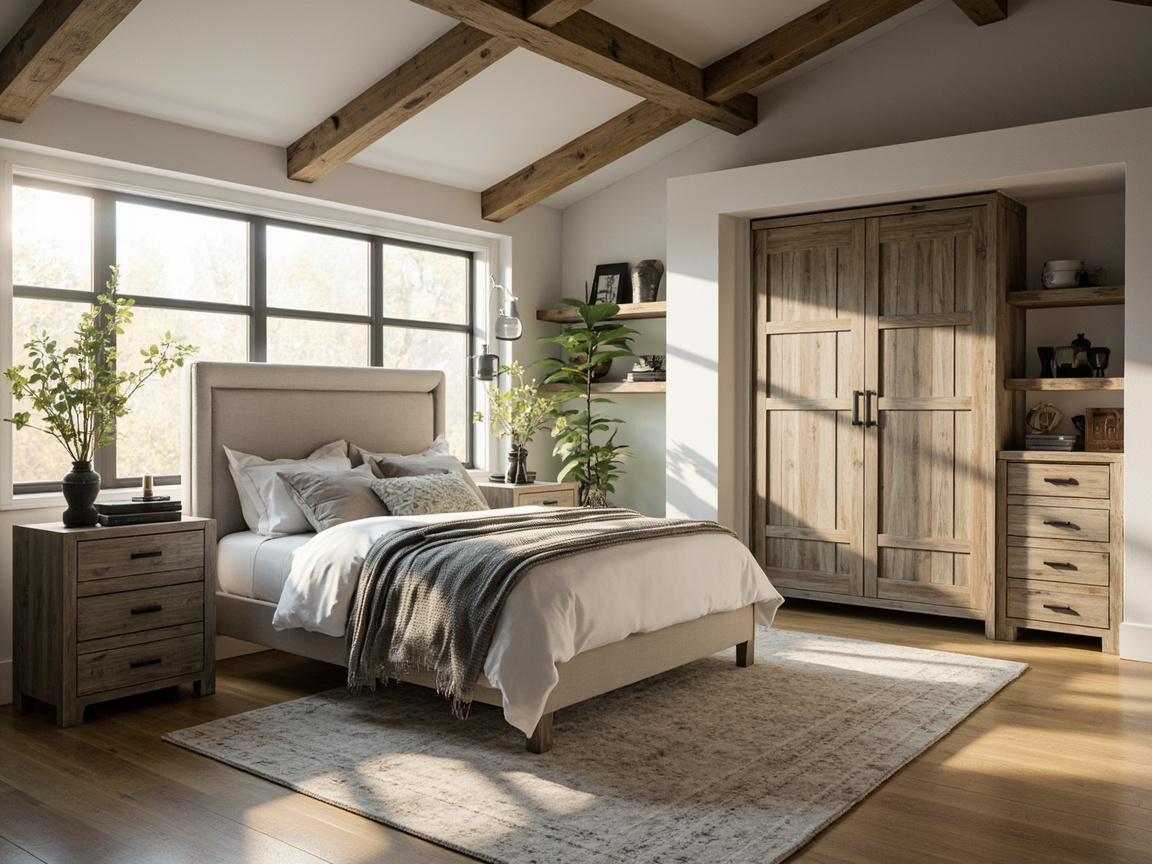
Storage should be functional and reinforce the hybrid aesthetic. Choose pieces that hide clutter while showing off farmhouse materials and craftsmanship.
- Built-in benches with baskets: a window seat with woven baskets underneath provides concealed storage and rustic texture.
- Reclaimed-wood dressers: pick streamlined silhouettes with distressed finishes to marry modern form with farmhouse materiality.
- Open shelving with containers: floating shelves in warm wood display curated items, while labeled metal tins keep smaller items tidy.
- Under-bed solutions: use low-profile wooden drawers or woven bins to maximize storage without disrupting modern lines.
- Multi-functional furniture: a modern platform bed with a hidden drawer combines clean design and practical farmhouse storage.
Implementation tips: measure first, prioritize concealed storage for daily clutter, and keep decorative storage consistent in material and tone to avoid visual chaos.
Common Design Mistakes to Avoid in Mix Styles
Mixing farmhouse and modern can feel effortless, but a few missteps will make the room feel uneven or cluttered.
Below are the most common mistakes and how to fix them quickly:
- Too many competing finishes. Mixing walnut, brass, distressed iron, and chrome creates visual noise. Limit major finishes to two and use one accent finish sparingly.
- Overloading on ornamentation. Heavy carved pieces plus ornate textiles read as period, not mixed. Choose one decorative focal piece and simplify surrounding items.
- Ignoring scale and proportion. Oversized rustic furniture with tiny modern lighting looks out of balance. Match furniture scale to the room size, and keep visual weight consistent across pieces.
- Clashing color temperatures. Warm, red-toned woods and stark cool whites can fight. Bridge them with neutral paints or textiles (soft greige, warm white) to harmonize undertones.
- Styling every surface. A constant stream of decor makes spaces feel staged, not lived-in. Leave some surfaces pared back; negative space emphasizes curated pieces.
- Forgetting functional needs. Prioritizing look over comfort—too-firm modern furniture or fragile vintage items—undermines the bedroom’s purpose. Test comfort and durability before committing.
- Using trends as rules. Trends are useful, not mandatory. If a trendy modern element clashes with your farmhouse base, adapt it or skip it to maintain cohesion.
Styling Tips to Refresh Your Bedroom Yearly
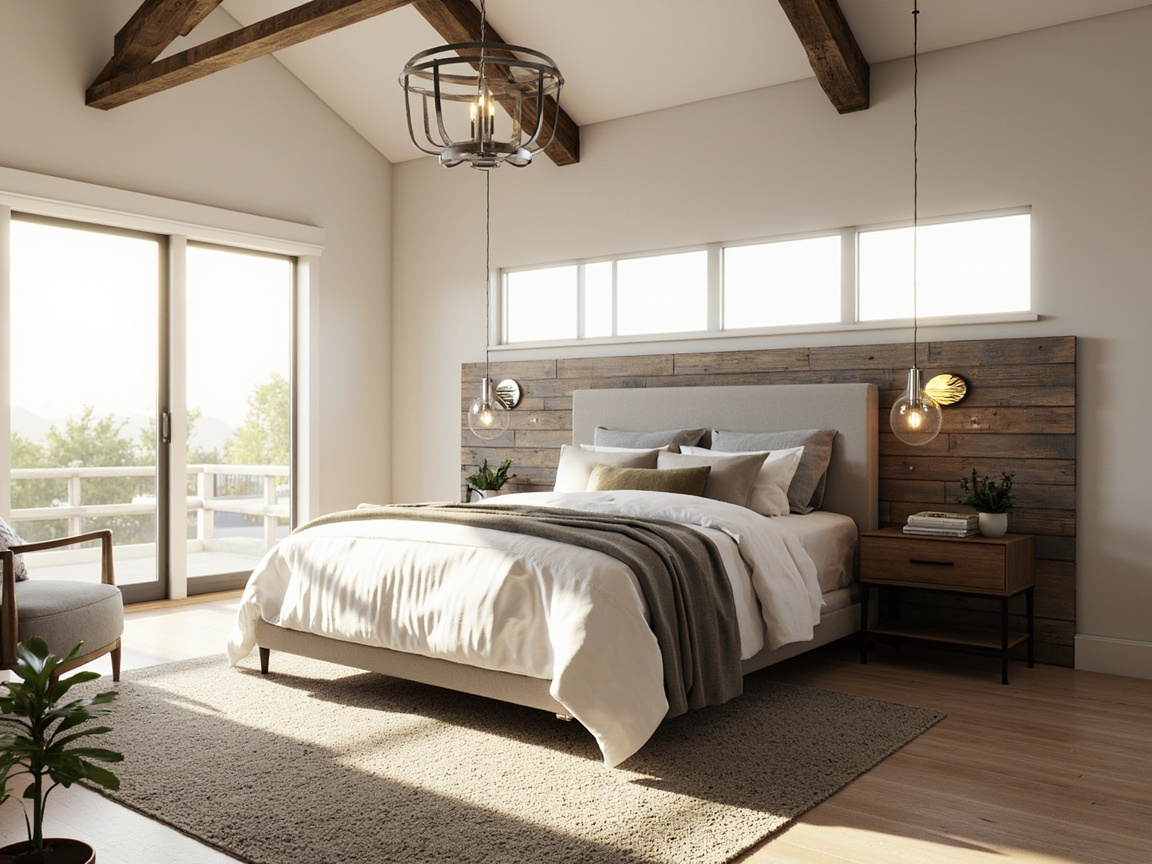
Plan small seasonal updates so the room stays fresh without a full overhaul. Rotate accents and adjust textiles to reflect the time of year and evolving taste.
- Swap textiles seasonally. Change bedding and throw blankets: heavier weaves and layered quilts for fall/winter, lighter linens and cottons for spring/summer.
- Rotate accent colors. Introduce a new accent color via pillows, vases, or a throw. Keep the base palette neutral so small color shifts feel intentional.
- Swap art and mirrors. Reframe or rotate wall art to update the mood. A simple swap can shift the room from rustic to more contemporary instantly.
- Swap small hardware. Change drawer pulls or lamp shades for an easy refresh that alters the room’s finish mix without big expense.
- Rearrange for flow. Move a chair, bench, or side table to improve sightlines or light. Small layout changes reinvigorate the space and expose overlooked angles.
- Introduce seasonal greenery. Use faux or real plants that suit the season—dried grasses for fall, bright cut flowers for spring—to add life and texture.
- Refresh lighting layering. Add or subtract task lamps and dimmers seasonally. Longer winter evenings benefit from softer, layered lighting; summer needs more daylight-effective fixtures.
- Declutter twice a year. Edit surfaces and closets every spring and fall. Removing items you no longer use keeps the mixed aesthetic clean and intentional.
If you want another practical angle, read 12 Farmhouse Living Room TV Wall Ideas That Look Intentional.
FAQ
Pick one statement piece—an upholstered headboard, a reclaimed wood dresser, or a modern sculptural light—and build around it. Anchor the room with complementary finishes and simplified supporting pieces.
Neutral bases like warm white, soft greige, or muted greys work best. They bridge rustic wood tones and modern accents while allowing seasonal color swaps.
Yes—use one dominant pattern and one or two smaller-scale supporting patterns. Keep colors consistent across patterns to unify the look.
Prioritize multifunctional furniture and light colors. Use streamlined modern pieces with warm textiles and a single rustic accent to add coziness without clutter.
Final Thoughts
Balancing farmhouse warmth with modern simplicity is about restraint and thoughtful contrast.
Focus on proportion, limit finishes, and refresh small elements seasonally to keep the bedroom feeling current and comfortable.