


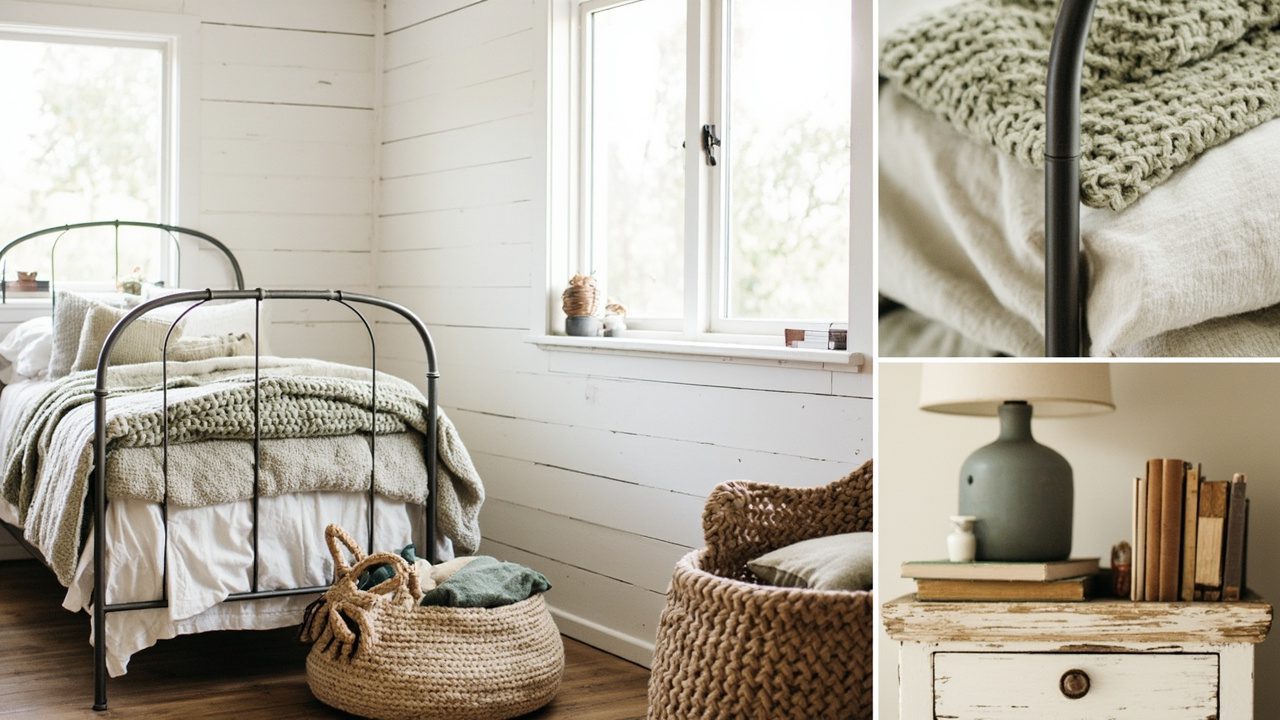
A farmhouse kids bedroom should feel calm and sturdy, with details that can flex as your child’s style changes. Start with honest materials, soft color, and pieces that do more than one job. Then layer in character with texture and pattern, so the room reads playful now and timeless later.
Because kids need both order and whimsy, I favor classic foundations, like shiplap, carved wood, and cotton ticking. Meanwhile, I keep paint, rugs, and art within a friendly palette that can handle scuffs. The result is cozy, practical, and ready for growth spurts, both literal and stylistic.
Smart Pick: A solid pine daybed with storage works as a reading perch now and a tween hangout later, while the drawers hide toys, blankets, and sports gear without visual clutter.
1. Shiplap Storybook Nook
- Effort Level: Weekend DIY.
- Estimated Budget: 100-500.
- Maintenance Level: Low (Wipe clean).
- Best For: Small, low-light spaces.
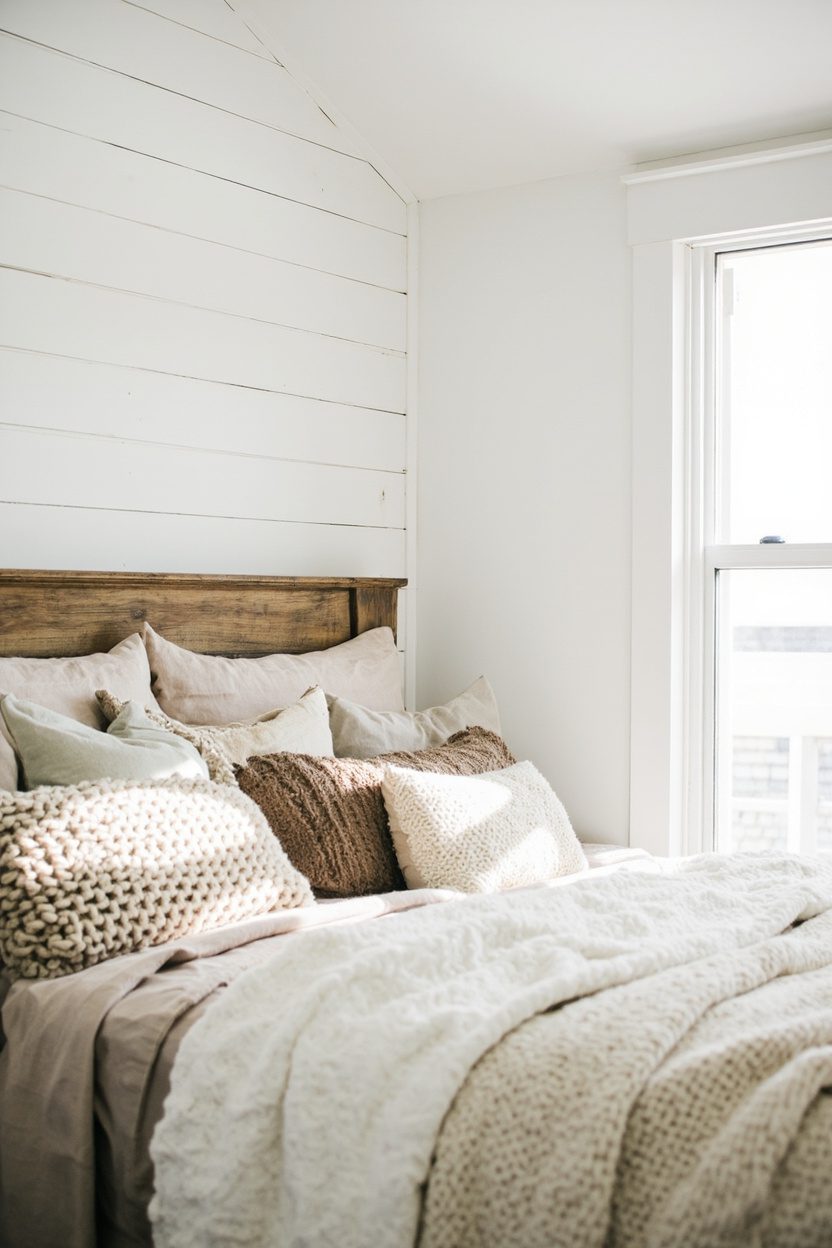
Create a quiet corner with vertical shiplap and a built-in ledge for books. Keep the boards at 1×6 or 1×8 for a gentle rhythm that suits a farmhouse kids bedroom.
Choose a matte washable paint in warm white, like linen or soft ivory. Because kids smudge walls, a washable finish keeps the nook fresh with a quick wipe.
Add a cushion in cotton ticking or denim for durability. Then use two wall sconces with metal shades, placed at 42 inches high, for reading without glare.
Baskets under the bench corral stuffed animals now and art supplies later. Meanwhile, peg rails above keep dress-up capes and hoodies off the floor.
Designer Secret
Install shiplap only in the nook, not the entire room. The contrast makes the corner feel special and saves budget for better lighting or a thick cushion. If you rent, try beadboard wallpaper paired with a freestanding bench to mimic the look.
2. Soft Americana Palette
- Effort Level: Afternoon refresh.
- Estimated Budget: Under 300.
- Maintenance Level: Low (Washable textiles).
- Best For: Shared rooms and rentals.
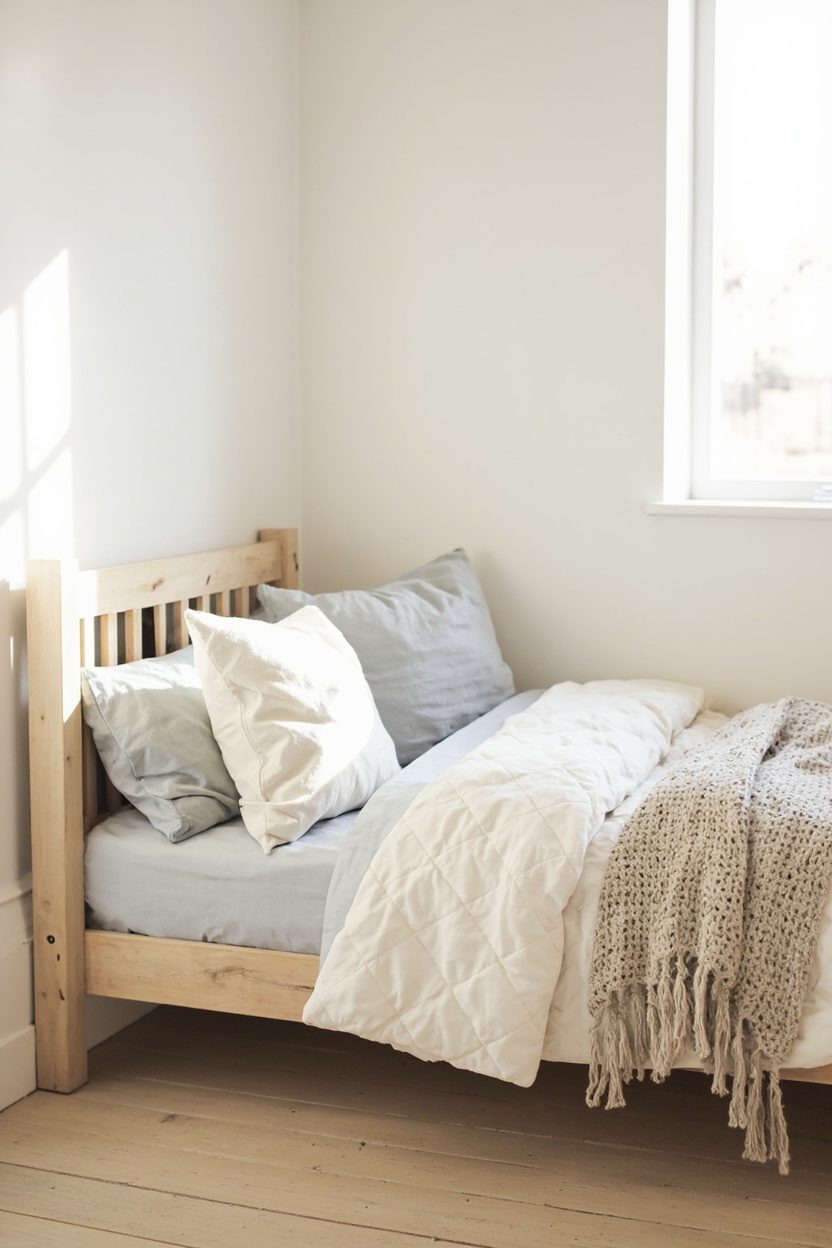
Build a gentle red, white, and blue story using dusty denim, cranberry, and creamy white. Because the tones are softened, the palette reads classic, not themed.
Start with a neutral rug, then add quilted shams and a striped throw. Mix small gingham with wide rugby stripes for balance, keeping patterns to three.
Use art with vintage pennants or botanical prints instead of flags. This nods to Americana while staying flexible as kids grow.
For metal moments, pick aged brass or oil-rubbed bronze hardware. Those finishes warm cooler blues and help the room feel collected.
Why This Works
Muted colors hide wear and allow quick seasonal swaps. You can dial up red for summer, then lean on denim and cream during school months. The palette anchors toys of many colors without visual chaos. For blending traditional and updated pieces, Mix Farmhouse And Modern In The Bedroom has useful styling cues. For wider trend context, designers also favor calmer, considered kids’ rooms, as noted by Nestig.
Save: Choose cotton quilts and shams from big-box lines in muted tones. Washable covers keep maintenance simple, and you can rotate pillow covers for quick refreshes as interests shift.
Splurge: Invest in a hand-loomed wool rug in oatmeal or heather gray. It grounds the palette, wears well, and instantly makes the space feel finished for both toddlers and tweens.
3. Carved Wood Bedframes
- Effort Level: One-day swap.
- Estimated Budget: 300-1200.
- Maintenance Level: Low (Dust and polish).
- Best For: Rooms needing warmth and presence.
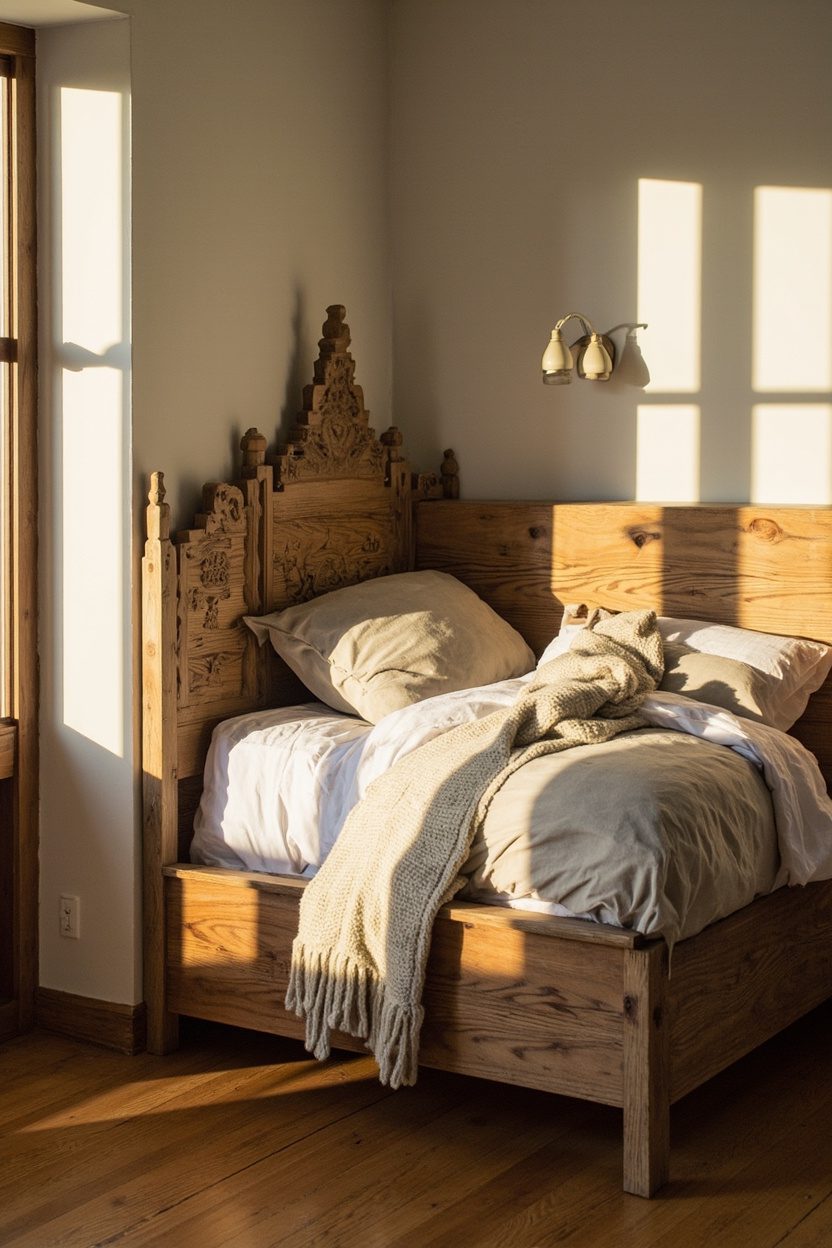
Pick a solid wood bed with simple carving, like spool, bobbin, or subtle floral motifs. Medium stain tones, such as walnut or honey, age well with changing bedding.
Mind scale in smaller rooms. A low footboard or open spindle frame keeps sightlines airy and leaves space for under-bed drawers.
Check slat spacing for mattress support and growing kids. Because sturdiness matters, look for center support legs and a hardware kit you can actually tighten.
Pair with linen or percale sheets, then a lightweight quilt. Meanwhile, avoid heavy canopies in tight rooms, which collect dust and dominate the footprint.
Before You Buy
Measure ceiling height and door clearances first, including stair turns. Vintage frames can be beautiful but sometimes lack modern slat systems, so budget for a bunkie board or a new slat kit. If you are styling for older kids, these frames also pair well with ideas in Farmhouse Teen Bedroom Ideas. For more carved-bed inspiration within farmhouse style, Homedit’s 2026 farmhouse bedroom ideas show timeless shapes that suit family homes.
4. Sage-and-White Calm
- Effort Level: Weekend DIY.
- Estimated Budget: 200-600.
- Maintenance Level: Low (Wipe clean).
- Best For: Small, low-light spaces.
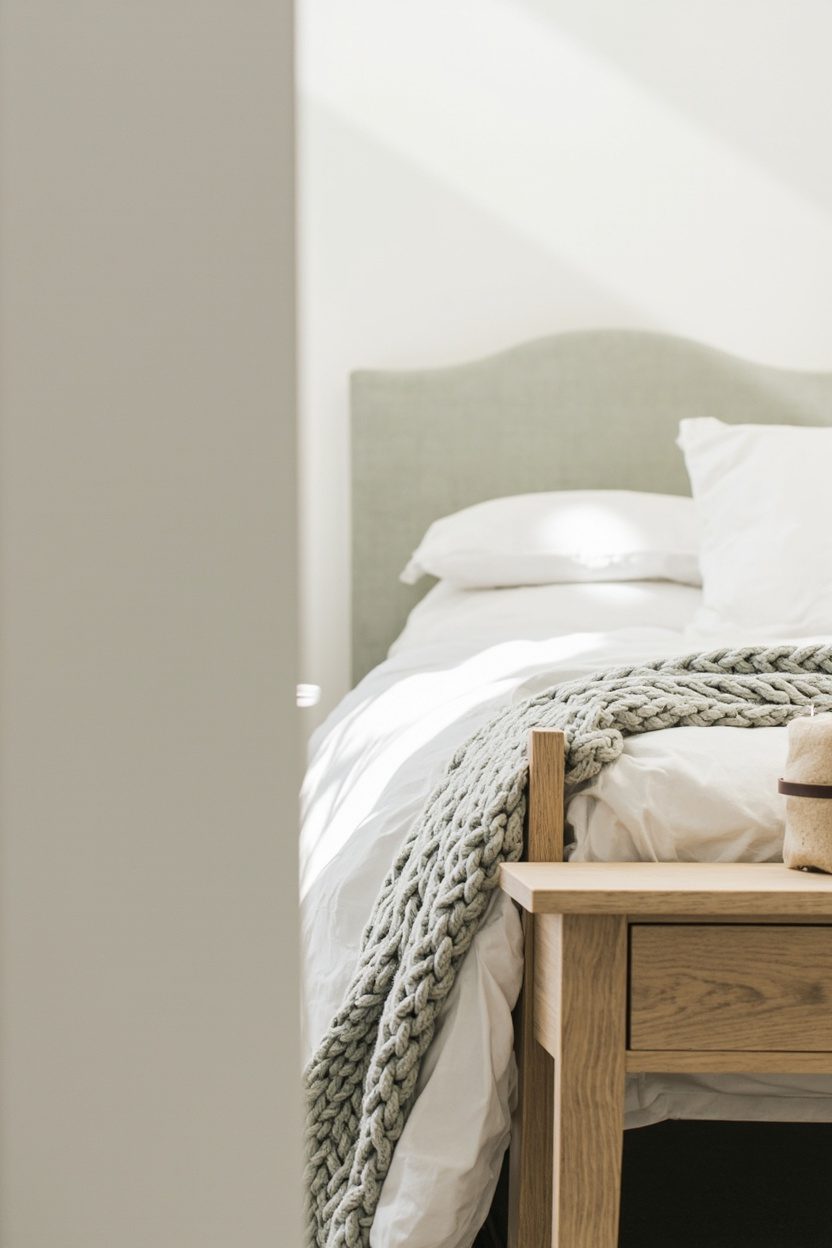
Sage keeps a farmhouse kids bedroom feeling soft, and white keeps it bright. Choose a gentle sage for walls or a big headboard, then anchor with crisp white bedding.
Because scale matters, pick one hero sage moment. For example, a paneled feature wall or a vintage metal bed frame sprayed in matte sage works beautifully.
Layer natural textures to ground the palette. A jute rug, woven baskets, and linen curtains keep the look warm, not icy.
Finally, add one playful hit of pattern. Gingham pillows or a tiny floral shade nod to farmhouse without reading fussy.
Designer Secret
Test three sage swatches across the day. North light can turn green gray, so you want a hue that stays fresh in morning and bedtime light.
Also, keep trim a warm white, not stark. A soft white with a hint of cream pairs better with natural woods and keeps the room cozy.
What You’ll Need
- Paint: Low-VOC sage and warm white, plus primer.
- Textiles: Linen blend curtains, white cotton duvet, gingham pillows.
- Rug: Flatweave jute or wool-jute blend.
- Storage: Woven baskets for toys and books.
5. Quilted Layered Bedding
- Effort Level: Weekend DIY.
- Estimated Budget: 100-400.
- Maintenance Level: Medium (Wash and rotate).
- Best For: All seasons and shared rooms.
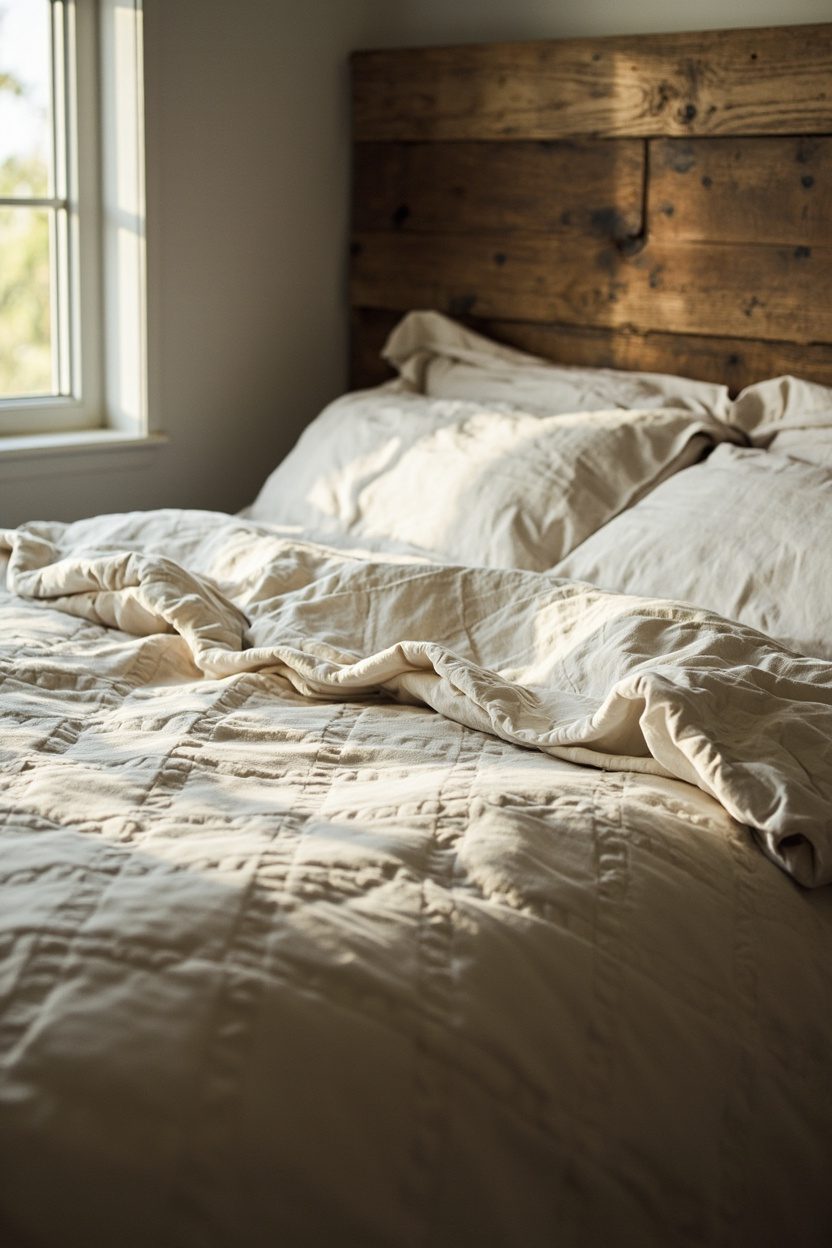
Quilts bring story and sturdiness to a farmhouse kids bedroom. Start with a breathable cotton quilt, then fold a second at the foot for color and weight.
Because kids run hot and cold, layering solves comfort shifts. A lightweight coverlet plus a lofty insert lets them mix as needed.
Mix small patterns with solids for calm. For example, a tiny floral quilt with a plain chambray duvet keeps the bed tidy, not busy.
Choose machine-washable fabrics. Prewashed cotton or linen-cotton blends hold up to weekly spins and still feel soft.
Real-Talk Warning: I once bought a gorgeous hand-stitched quilt that shed threads and shrank. Measure your washer capacity and check care tags, or you will regret laundry day.
Why This Works
Layering adds depth without clutter, which grows with the child. You can swap a patterned quilt for a teen-friendly solid and keep the base pieces the same.
Plus, color can be strategic. Pull one shade from the quilt into a pillow or rug, and the room suddenly looks styled, not accidental. For more age-up ideas, peek at Farmhouse Teen Bedroom Ideas.
6. Rustic Metal Sconces
- Effort Level: Weekend DIY.
- Estimated Budget: 120-350.
- Maintenance Level: Low (Wipe dust).
- Best For: Reading nooks and tight rooms.
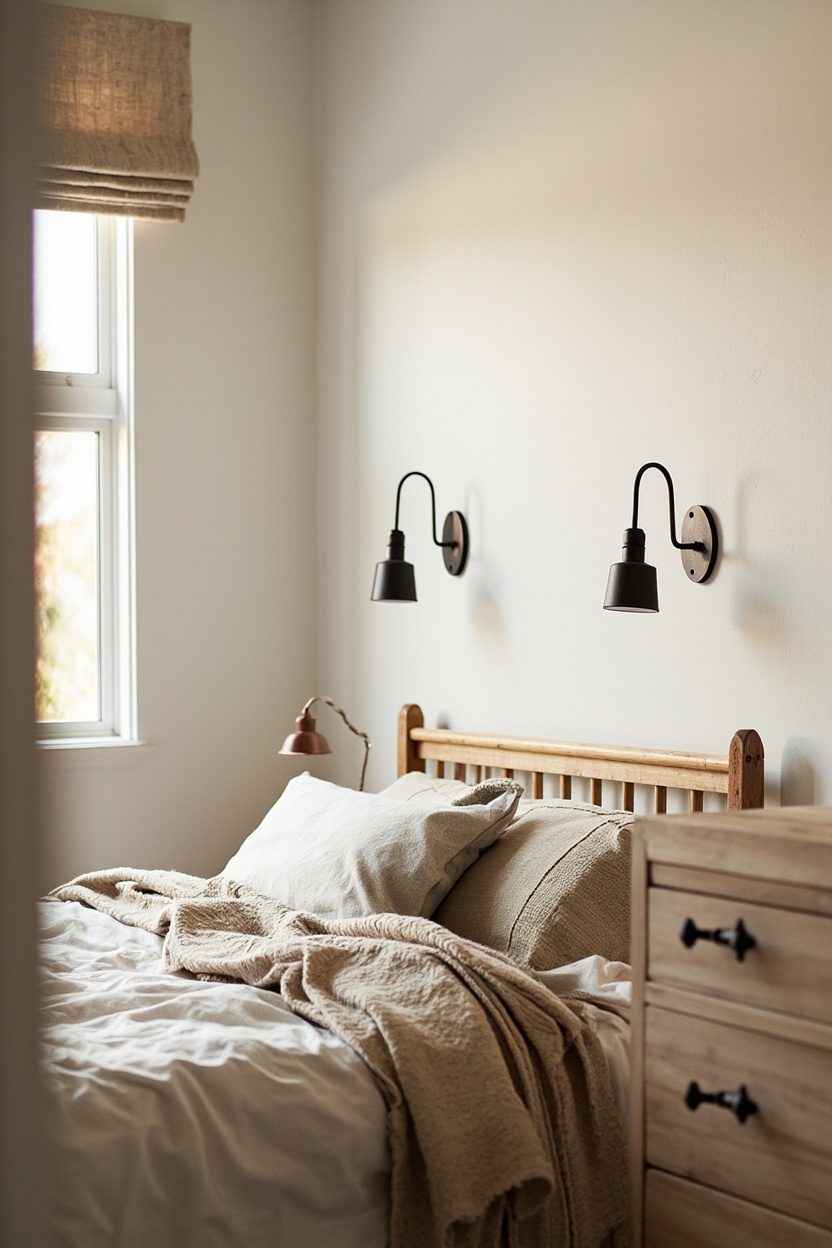
Wall sconces free up nightstand space in a farmhouse kids bedroom. Choose aged iron or rubbed bronze with a simple bell shade for a timeworn look.
Because height matters, mount centers about 52 to 60 inches from the floor. In a bunk room, place lower for the bottom bunk and higher for the top.
Consider plug-in sconces if hardwiring is not in budget. Cord covers in painted wood keep things tidy and safe.
Use warm 2700K bulbs for bedtime. Add a dimmer switch, so late-night reading does not blast the room with glare.
The Golden Rule Here
Match the metal to another element already in the room. If the bed has black spindles, pick blackened steel. If the pulls are brass, choose a soft antique brass instead.
Finally, balance symmetry with reality. Two sconces look classic, but a single swing-arm over a shared chair can be smarter in a small footprint. If you like blending eras, these pair well with ideas from Mix Farmhouse And Modern In The Bedroom.
7. Plaid Meets Gingham
- Effort Level: Weekend DIY.
- Estimated Budget: 100-500.
- Maintenance Level: Low (Wipe clean).
- Best For: Small, low-light spaces.
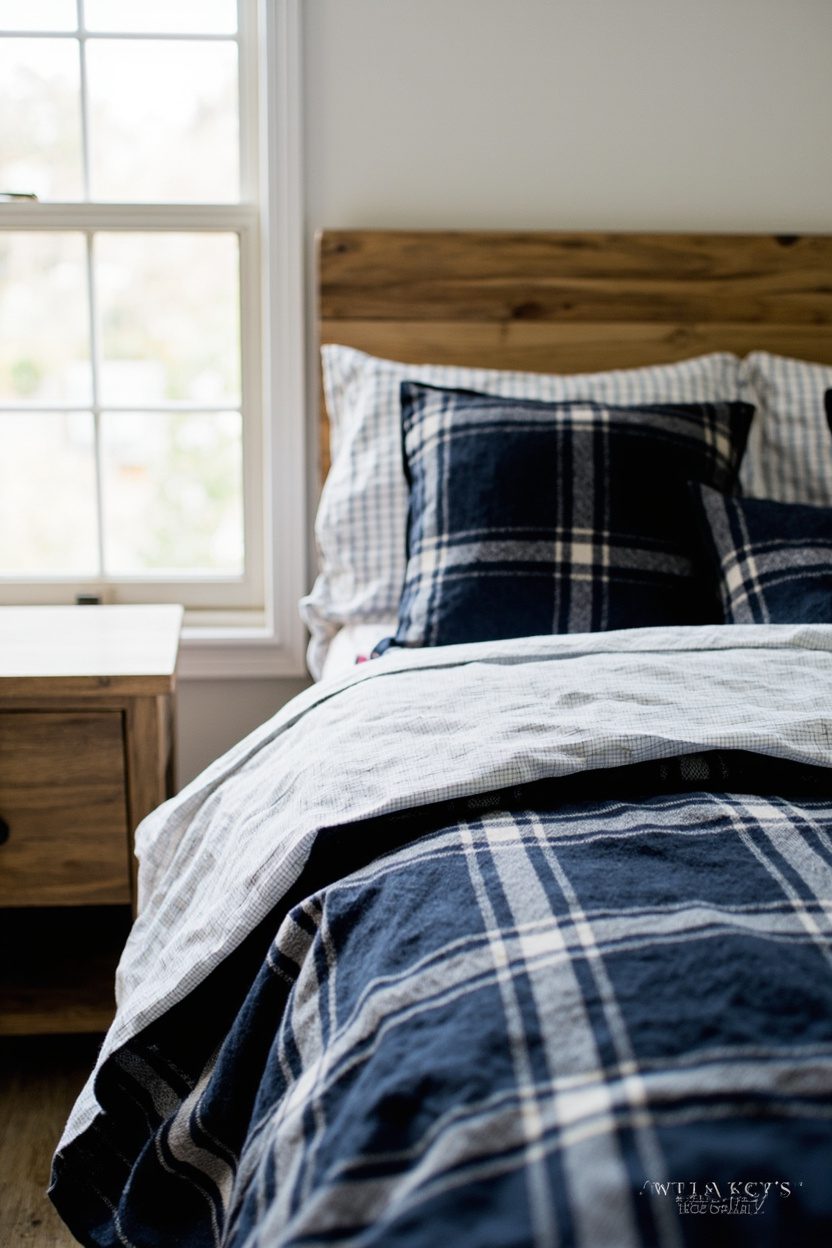
Start with one hero pattern in the farmhouse kids bedroom, then layer the other in a smaller scale. For example, a large buffalo plaid duvet pairs well with a tiny gingham pillowcase or bed skirt.
Keep the palette tight. Because kids’ rooms shift over time, choose two or three colors, like navy, cream, and soft red, so everything can mix as they grow.
Balance the checks with solids. Add a solid linen headboard or a plain cotton curtain panel to rest the eye, especially if the room is small.
Mind the scale. Meanwhile, avoid using large plaid on both curtains and bedding, which can feel busy. Instead, repeat the small gingham on a lampshade or storage bin.
Introduce texture for farmhouse warmth. A jute rug, a knit throw, and a simple wood bench ground the patterns without competing.
Designer Secret
Match pattern intensity, not just color. If the duvet is high contrast, keep the gingham mid contrast so it does not shout. I also like to repeat one color three times, for example navy in bedding piping, a stripe on the rug, and a framed print mat.
If you crave a little whimsy, add one novelty pillow. Therefore, a tractor, horse, or star works, while the rest stays classic. When tastes change, swap the novelty piece and keep the timeless plaids.
8. Vintage Toy Displays
- Effort Level: Weekend DIY.
- Estimated Budget: 100-800.
- Maintenance Level: Medium (Dust and rotate).
- Best For: Shared rooms and collectors.
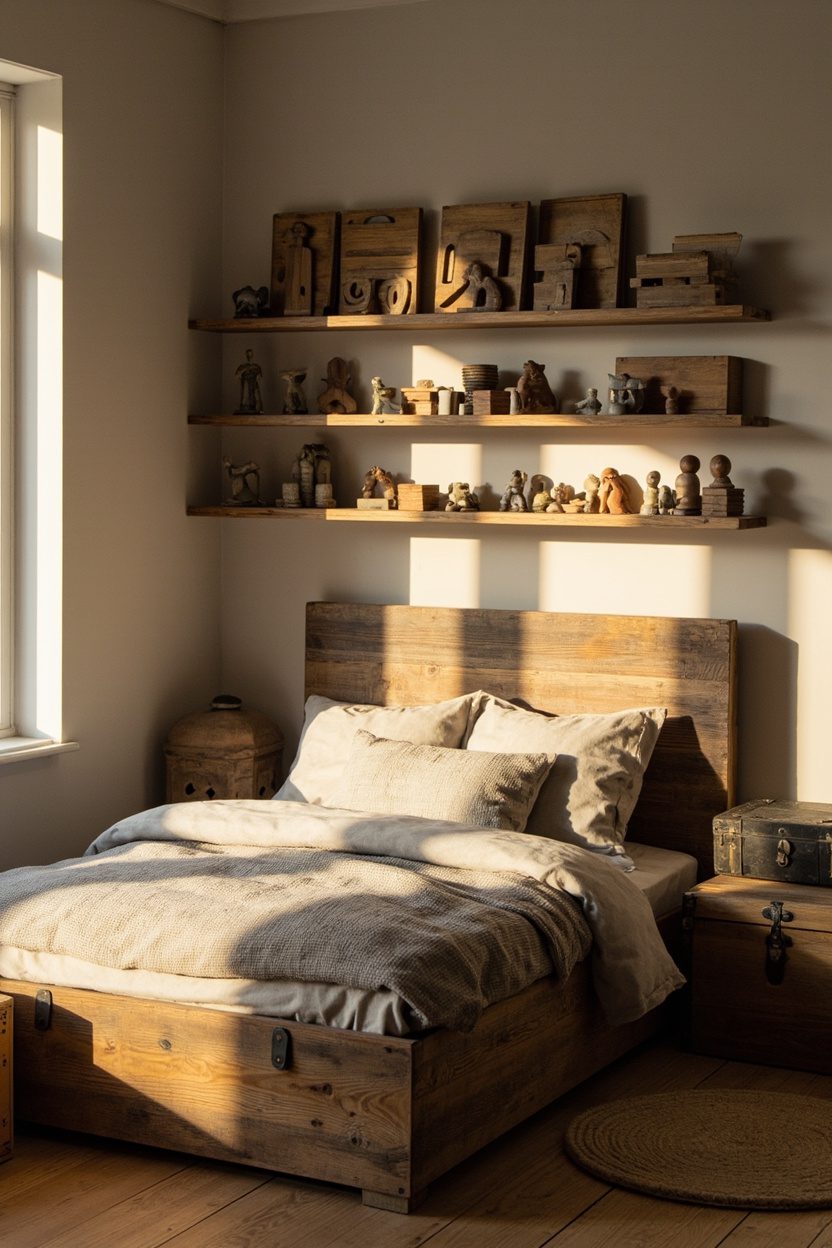
Curate a small shelf of characterful pieces in the farmhouse kids bedroom, like wooden pull toys, tin cars, or cloth animals. Because these are display items, edit to five to seven favorites.
Use picture ledges with a front lip. They keep toys from tumbling, and they read cleaner than bulky bookcases. Mount at adult eye level if they are fragile.
Mix eras for charm. Pair a painted rocking horse with a modern shadow box frame for a trading card, so the display does not feel themed.
Protect heirlooms. Acrylic display boxes or museum putty stop wobbles. Plus, you can label the shelf underside with dates or family names for memory keeping.
Rotate seasonally. Meanwhile, store the rest in lidded bins and swap every few months. Kids rediscover pieces, and dusting stays manageable.
Save: Hunt wooden toys at flea markets, local thrift shops, and online classifieds. Light scuffs often sand out, then seal with food safe mineral oil. Repurpose spice racks as picture ledges, which often cost under 15.
Splurge: Invest in a solid oak rail shelf with built in dowels, or a custom shadow box for tiny collections. Consider conservation grade acrylic if a piece is sun prone. It costs more, but it protects color and value.
Make It Your Own
Group by material for a calmer read, wood with wood and metal with metal. Then add one oddball hero, like a bright red fire truck, as the focal point that keeps the shelf playful.
If you want a touch more structure, number the ledges. Therefore, kids can help return items to their spots, which keeps the display intact during busy weeks.
9. Woven Baskets Wall
- Effort Level: Weekend DIY.
- Estimated Budget: 80-350.
- Maintenance Level: Low (Vacuum brush).
- Best For: Blank walls or awkward nooks.
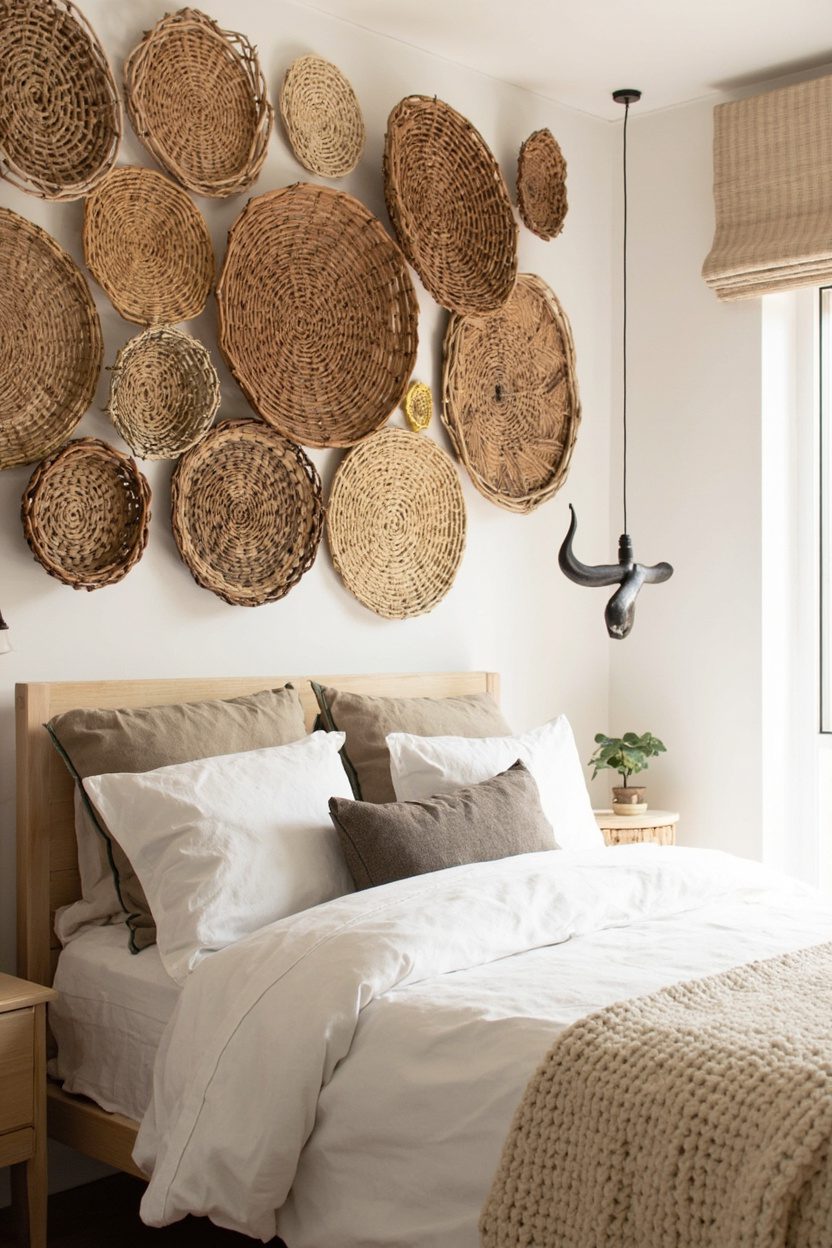
Cluster flat woven baskets in varied sizes for texture that reads soft and farmhouse friendly. In a farmhouse kids bedroom, this adds pattern without bold color.
Choose a color story. Because baskets vary, stick to natural, honey, and one accent dye like indigo or forest. It keeps the wall cohesive as toys change.
Plan the layout on the floor first. Start with the largest piece off center, then tuck mediums and smalls around it. Leave two finger widths between edges.
Use removable hooks for renters. Meanwhile, lightweight baskets hang well on adhesive hooks or small nails. Angle a few slightly for movement.
Avoid overfilling. Five to nine baskets feel collected, while fifteen can skew cluttered. Instead, grow the arrangement slowly as you find pieces.
Before You Buy
Check depth and weight. Very deep market baskets can jut out and catch sleeves. I stick to 1 to 3 inch profiles in kids’ rooms, so nothing becomes a hazard during bedtime sprints.
If you crave a learning moment, label one basket source and technique on the back. Therefore, kids see craft value early, and you remember which markets or makers to revisit.
10. Weathered Pine Nightstands
- Effort Level: Weekend DIY.
- Estimated Budget: 100-500.
- Maintenance Level: Low (Wipe clean).
- Best For: Small, low-light spaces.
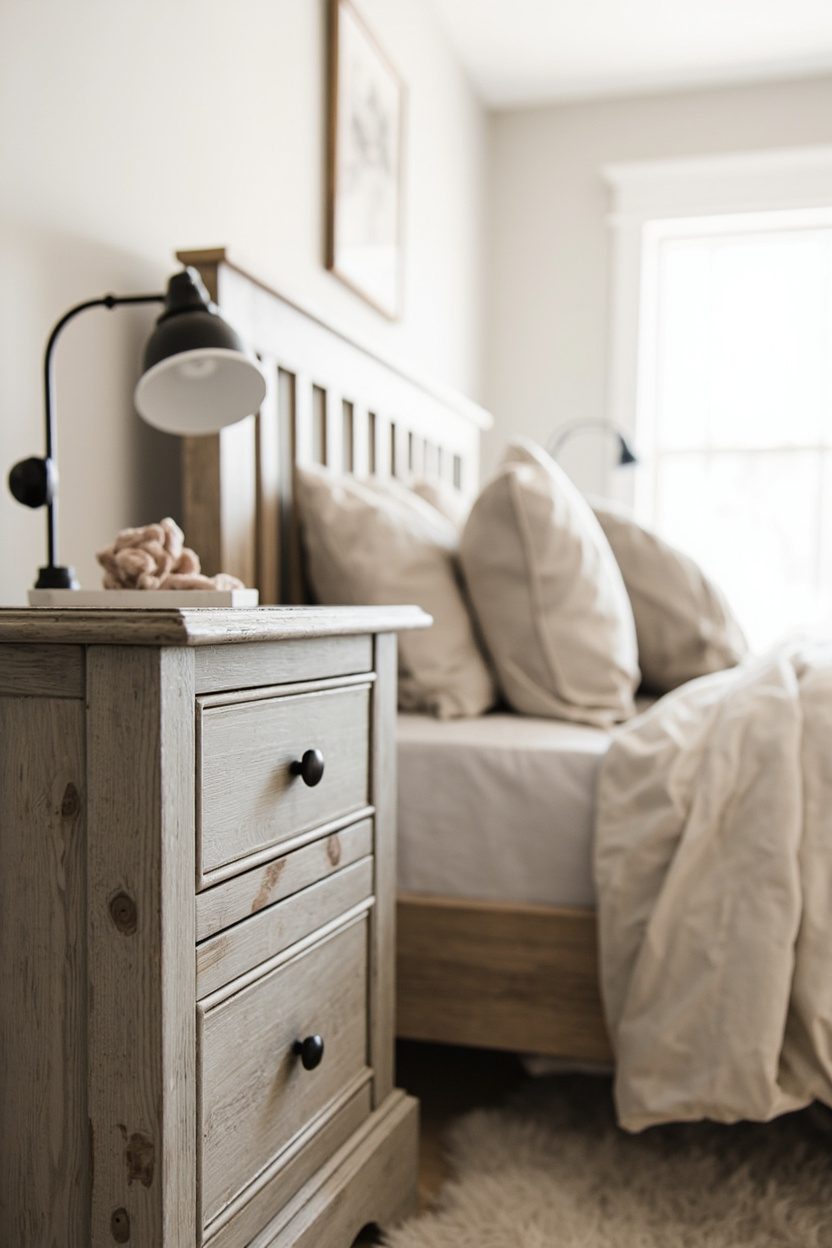
Weathered pine nightstands anchor a farmhouse kids bedroom with warmth and easy charm. Choose solid pine with visible knots, then use a clear matte finish to keep the grain honest.
Keep the silhouette simple, like a single drawer and an open shelf. This shape grows with them, from bedtime story stash to headphone dock.
Match hardware to the room’s metal story. For example, black iron pulls feel classic, while aged brass adds softness near patterned quilts.
Scale matters, so aim for a top height level with the mattress. Therefore, a 22 to 26 inch high table works well for most twin and full beds.
Because kids are kids, plan for dings. A light hand-scraped or wire brushed finish hides scuffs and looks purposeful as they grow.
Before You Buy
Measure the space between bed and wall, then leave at least three inches for linens and tiny elbows. Check drawer stops and smooth glides, since sticky tracks invite slammed fronts.
If the room runs small, choose a narrow profile with a bottom shelf for a lidded basket. I also like adding a clip-on sconce to free the tabletop for water and a favorite book.
What You’ll Need
- Pair of solid pine nightstands or unfinished pine bases..
- Matte water-based polyurethane or hardwax oil..
- Hardware in black iron or aged brass with matching screws..
- Fine sandpaper, tack cloth, and a soft brush for finishing..
FAQ
What wood finishes work best in a farmhouse kids bedroom?
Matte or satin finishes in natural pine, oak, or ash keep the room relaxed and forgiving. Because kids handle everything, look for water based polyurethane or hardwax oil that resists stains and wipes clean easily.
How can I mix color without losing the farmhouse feel?
Start with warm whites and soft grays, then layer gentle color like sage, denim blue, or dusty rose. Use color on quilts, shams, and art, because those pieces swap out easily as kids grow.
Are metal beds a good choice for a farmhouse kids bedroom?
Yes, especially in black or antique white. Metal frames feel airy in small rooms and pair well with wood nightstands. However, check for a sturdy center support and smooth welds to avoid squeaks over time.
What lighting should I choose for reading and bedtime?
Combine a warm ceiling fixture with focused task lights. Clip on or swing arm sconces beside the bed save space and keep cords tidy. Finally, add a soft nightlight for comfort during late night bathroom trips.