


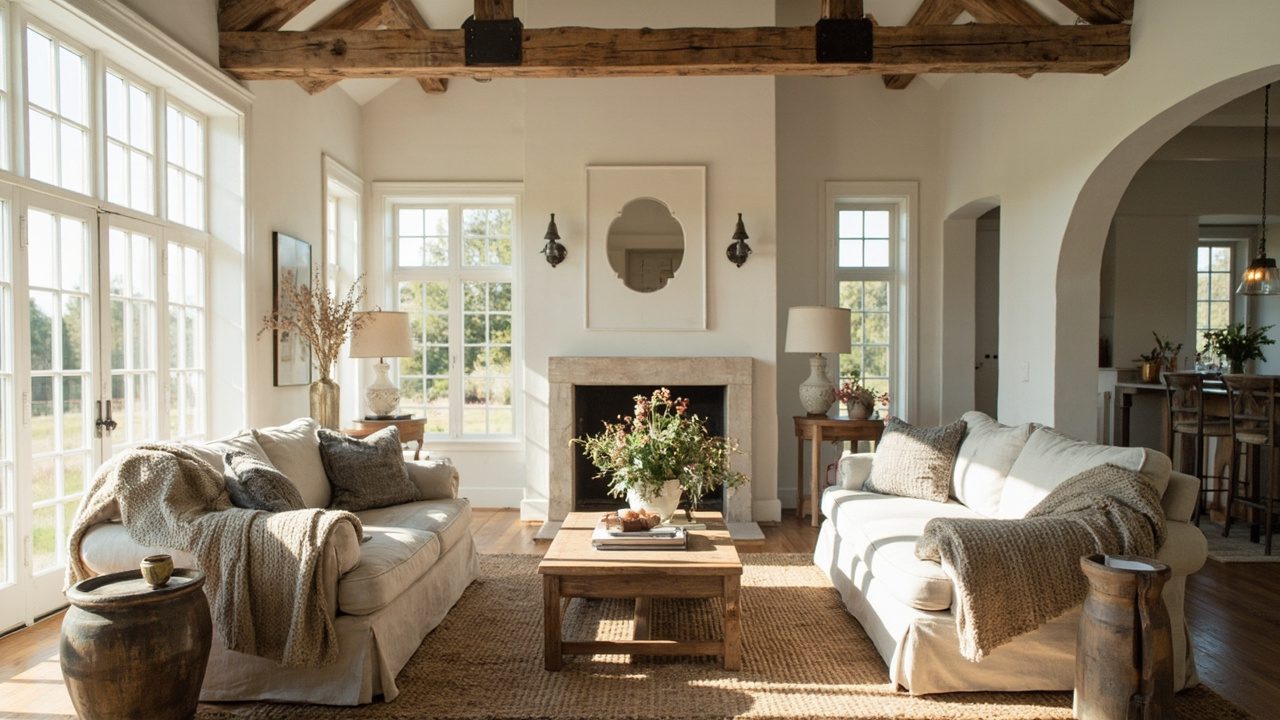
Farmhouse living room colors work best when they balance calm neutrals with grounded, nature-led accents. Think earthy greens, creamy whites, weathered woods, and a few lived-in textures that soften the light. Because these hues are muted and honest, they play well with patina, vintage finds, and modern comfort.
As trends shift, these palettes stay steady. You can layer them with dark wood beams or a slipcovered sofa and still land in that easy, welcoming mood. For a broader context on finishes, pairing these choices with ideas from Farmhouse Dark Wood Living Room and seating guidance from Farmhouse Living Room Sofa Styles keeps the look cohesive.
1. Mossy Green Walls
- Effort Level: Weekend DIY.
- Estimated Budget: 100-500.
- Maintenance Level: Low (Wipe clean).
- Best For: Small, low-light spaces.
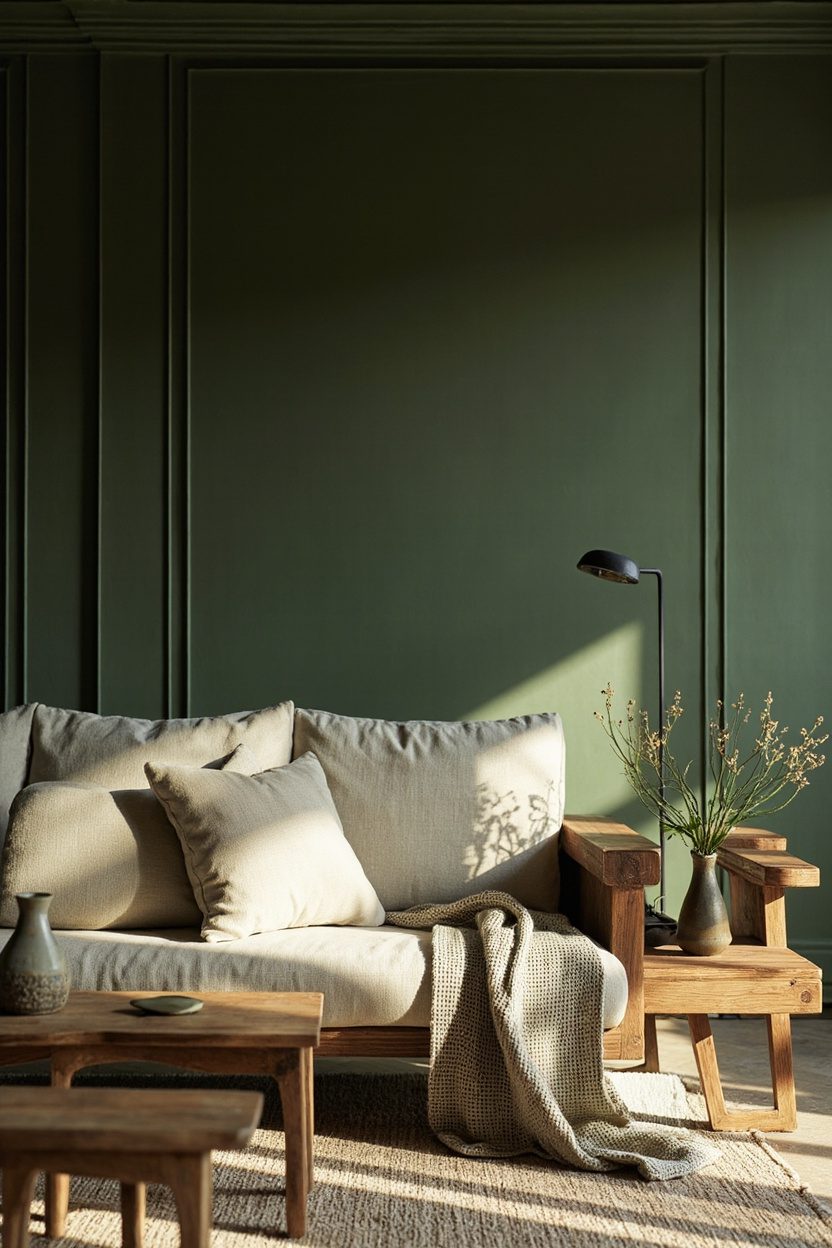
A soft mossy green reads like a walk through the trees, so it grounds a room without feeling heavy. Choose a mid-tone with gray undertones for a calm, heritage mood.
Because farmhouse living room colors lean earthy, this green pairs naturally with jute rugs and pottery lamps. It also flatters antique pine and matte black metal.
Test three swatches on different walls, and watch them morning and night. North light often cools green, so you may need a warmer version.
Keep trim creamy, not stark white, to avoid a harsh contrast. A soft ivory or warm white makes the green feel settled and timeless.
Why This Works
Green is a bridge color between wood tones and textiles, so it knits the room together. I like to repeat it once more in a throw or art mat, which makes the wall choice feel intentional rather than trendy.
2. Creamy Linen Sofas
- Effort Level: Weekend DIY.
- Estimated Budget: 100-500.
- Maintenance Level: Low (Wipe clean).
- Best For: Small, low-light spaces.
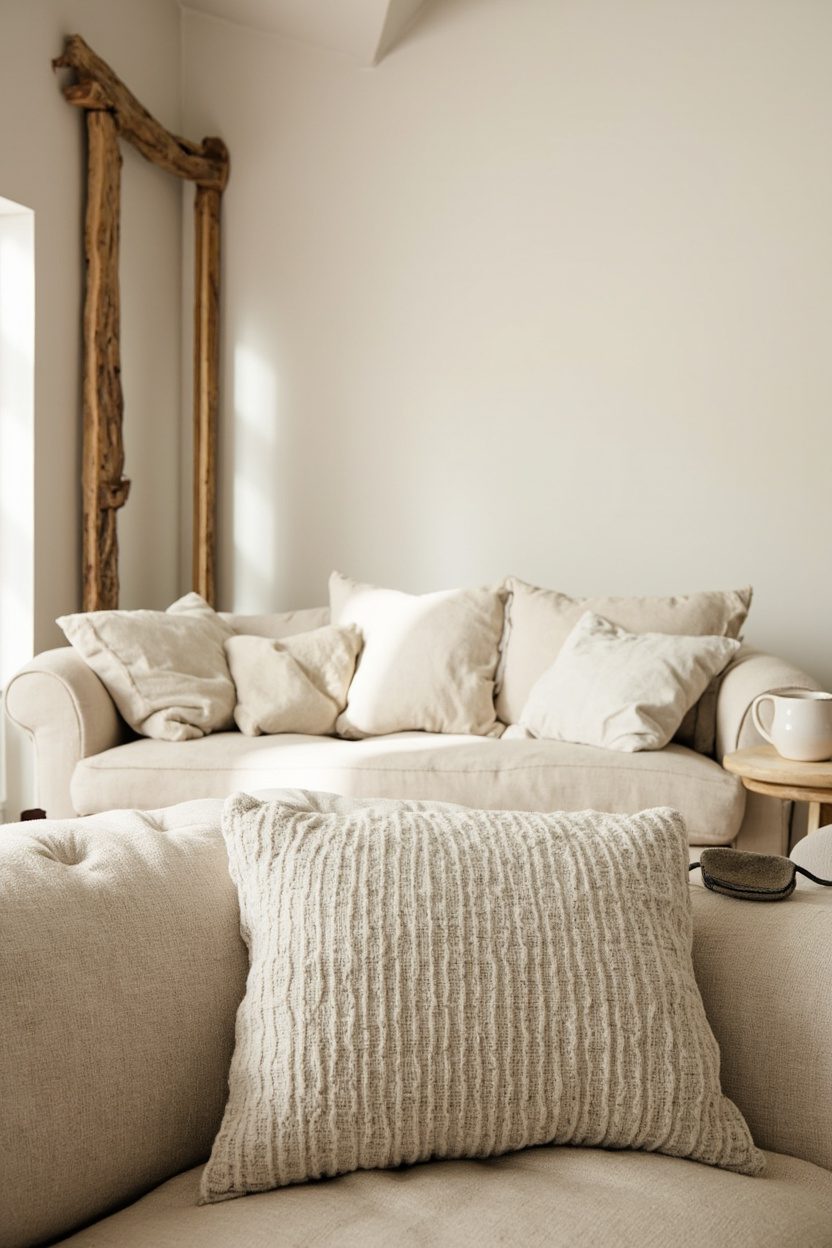
A creamy linen sofa is the anchor that lets farmhouse living room colors breathe. It softens dark beams, tames patterned rugs, and looks good in every season.
Choose a performance linen blend with a tight weave, because it resists pilling and stains better. Off-white with a drop of beige, not bright white, hides daily wear.
Scale matters. In a small room, a 72 to 80 inch sofa keeps traffic moving. In a larger space, a 90-inch bench seat reads relaxed and modern farmhouse.
Layer tone-on-tone pillows first, then add one darker accent like olive or charcoal. The contrast keeps the palette from washing out.
Splurge vs. Save
Save: Look for slipcovered frames from reputable mid-range brands, and choose washable cotton linen blends. Order an extra slip in the same dye lot. Rotate them seasonally to stretch longevity.
Splurge: Invest in kiln-dried hardwood frames with eight-way hand-tied springs. Upgrade to Belgian linen with a stain-resistant finish. It drapes beautifully, lasts for years, and patinas in a way that complements wood and stone.
3. Warm Wood Tones
- Effort Level: Weekend DIY.
- Estimated Budget: 100-500.
- Maintenance Level: Low (Wipe clean).
- Best For: Small, low-light spaces.
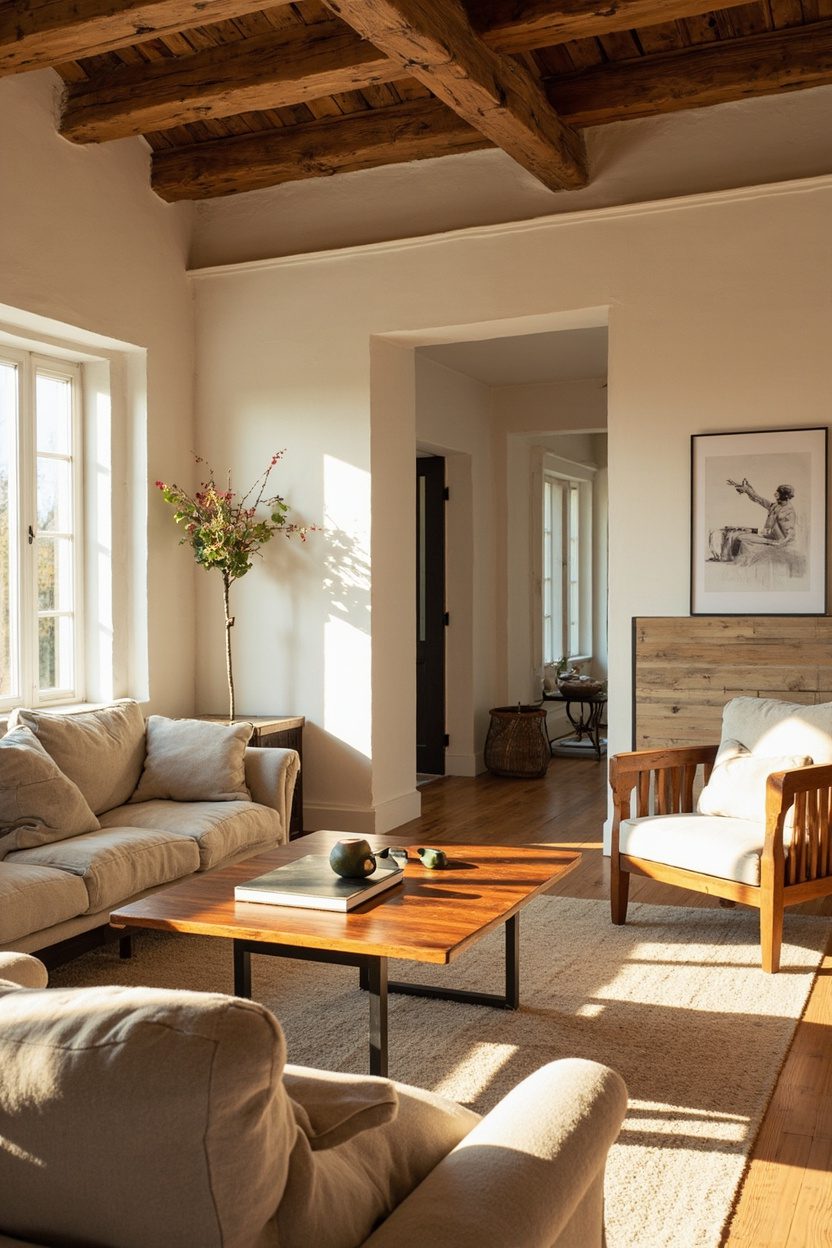
Warm oak, honey pine, and mid-walnut bring instant depth. They add that lived-in glow that farmhouse living room colors love, especially beside creams and greens.
Mix two wood tones maximum, plus black metal accents. For example, a walnut coffee table with oak side tables feels layered but not busy.
Mind sheen. A matte or satin finish reads authentic and hides dust. High gloss highlights every scratch and can skew formal.
If floors are cool, add a warm wood mantel or picture rail. The vertical touch pulls warmth up and balances the room’s temperature visually.
Stylist’s Note
When pairing woods, watch undertone first, species second. If the undertones talk to each other, the mix works. For more layout balance with built-ins and media, plan finish harmony alongside ideas from Farmhouse Living Room Tv Wall.
4. Textured Neutrals Palette
- Effort Level: Weekend DIY.
- Estimated Budget: 300-900.
- Maintenance Level: Low, vacuum and spot-clean.
- Best For: Small, low-light spaces.
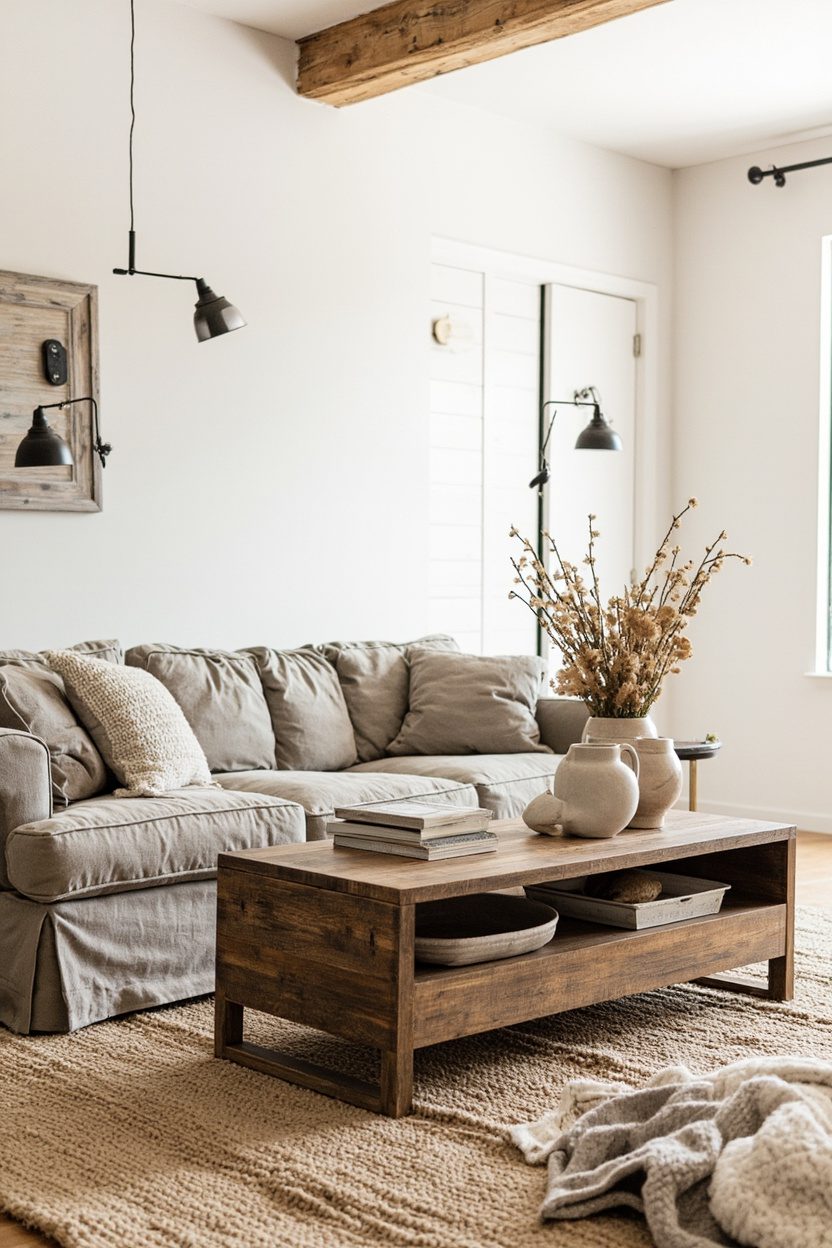
Start with warm white walls, then layer oatmeal, taupe, and greige accents. These farmhouse living room colors feel calm, yet never flat.
Use a mix of textures for depth. Think chunky knit throws, slub-linen pillows, and a jute or sisal rug.
Add honeyed wood tones on the coffee table or frames. Because contrast matters, bring in matte black metal in small hits.
Keep patterns quiet. Ticking stripes, petite checks, and tone-on-tone geometrics sit well with textured neutrals.
Choose paint with a soft sheen, like eggshell, to bounce light gently. Test swatches at different times of day.
Make It Your Own
Anchor the palette with a greige sofa, then rotate seasonal pillows. In summer, lean into flax linen. In winter, swap for wool and faux shearling.
If you have dark floors, lighten the center with a pale flatweave rug. For open plans, repeat one texture in three spots for cohesion.
5. Charcoal Window Trim
- Effort Level: Weekend DIY.
- Estimated Budget: 100-500.
- Maintenance Level: Low, occasional touch-ups.
- Best For: Bright rooms with good natural light.
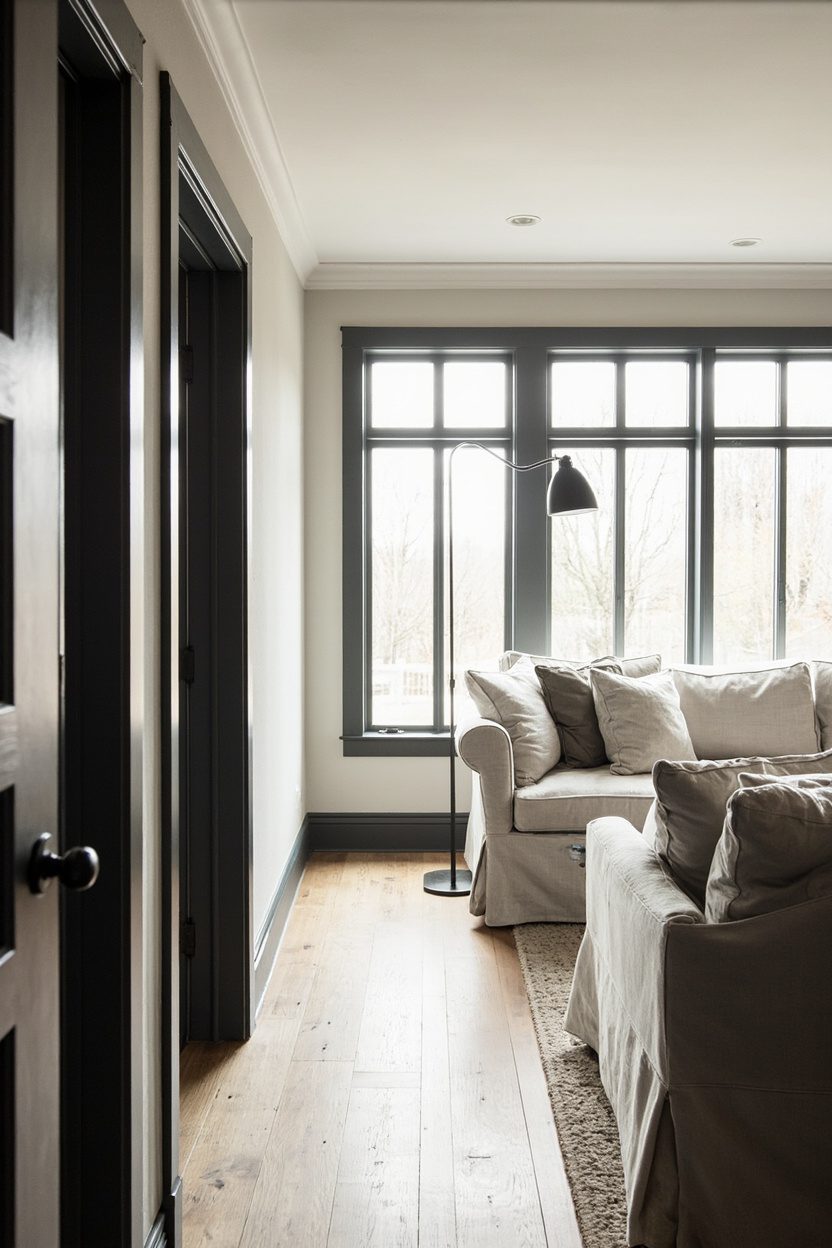
Painting window trim a soft charcoal frames the view and sharpens neutrals. It adds quiet drama to farmhouse living room colors without darkening the whole room.
Choose a deep gray with warm undertones, not blue. This sits better with natural wood and creamy walls.
Use satin or semi-gloss for durability and wipeability. It also gives a crisp line against walls.
Pair charcoal trim with woven shades and off-white drapery. The fabric softens the contrast while keeping edges defined.
Test two charcoals on a poster board and tape them up. Observe at sunrise and evening before committing.
When I tried this in my own living room, I skipped primer, and the paint scratched. I learned fast. Lightly sand, fill gaps with caulk, and prime for a pro finish.
Stylist’s Note
Keep the rest of the metals consistent. If the trim reads warm, pick oil-rubbed bronze or aged brass, not chrome. Consistency makes the charcoal feel intentional.
Want balance across the room? Echo the tone on the TV wall, cabinetry or a thin picture frame, as covered in Farmhouse Living Room Tv Wall.
For trend context on richer, moodier accents, Homes & Gardens notes earthier, muted hues are rising in 2026. Their color takes can guide undertone choices: Homes & Gardens.
6. Stone Gray Fireplace
- Effort Level: Weekend DIY.
- Estimated Budget: 400-2000.
- Maintenance Level: Moderate, seasonal dusting and sealing.
- Best For: Rooms needing a strong focal point.
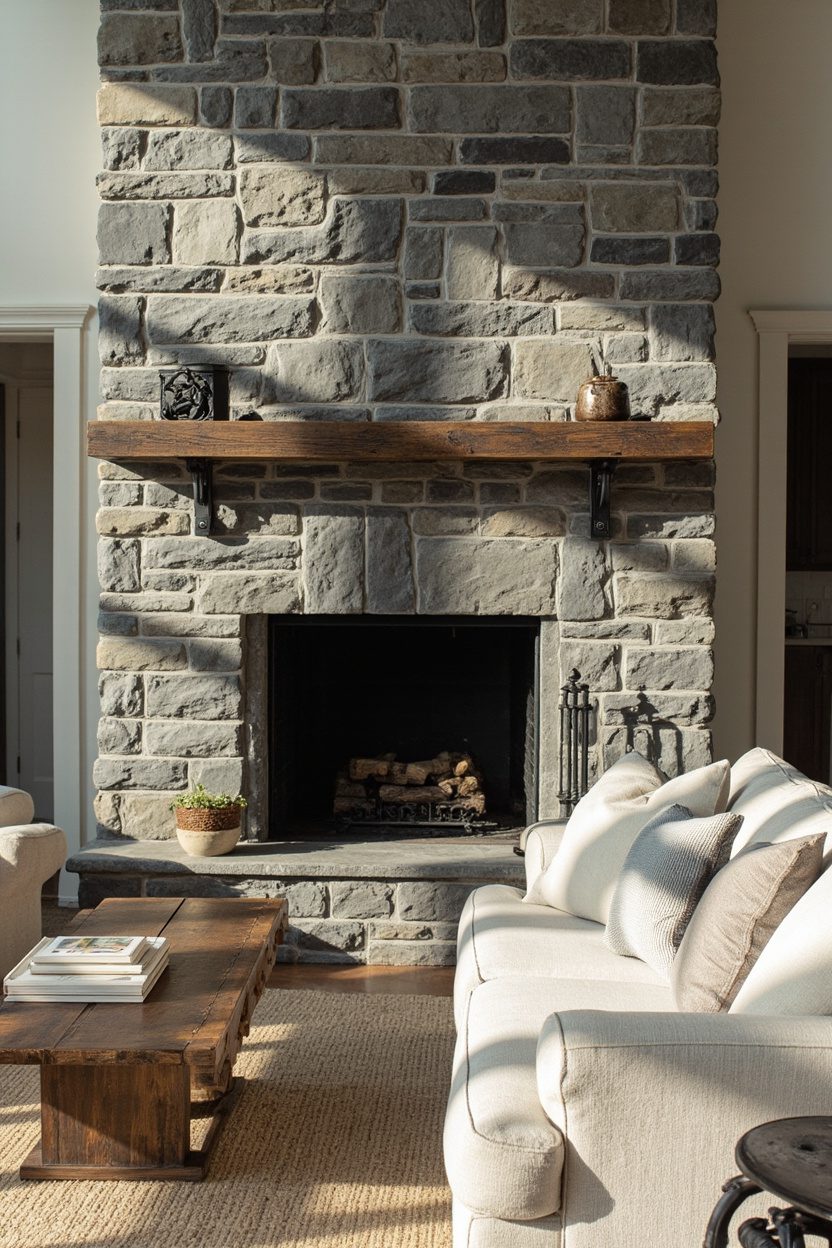
A stone gray surround grounds the room and flatters farmhouse living room colors. It pairs beautifully with warm whites, camel leather, and rustic woods.
Choose a mid-tone gray with a touch of brown or green. True cool gray can fight with pine or oak tones.
If you are updating brick, use a breathable masonry paint or limewash. Both soften color while keeping texture visible.
Scale matters. Chunkier stone suits vaulted ceilings, while slimmer ledgestone fits smaller rooms.
Finish the mantel in natural oak or waxed pine. Because balance helps, repeat that wood on a side table.
The Golden Rule Here
Match the fireplace gray to something else in the room, even if small. A throw, a stripe in a rug, or the window hardware will do. Repetition ties the palette together.
If your space is open plan, echo the stone tone on an island stool fabric or a vase, as a light touch. For seating shapes that suit this look, visit Farmhouse Living Room Sofa Styles. For layered, lived-in palette ideas, this overview is helpful: The Coolist.
7. Sage and Sand
- Effort Level: Weekend DIY.
- Estimated Budget: 100-500.
- Maintenance Level: Low (Wipe clean).
- Best For: Small, low-light spaces.
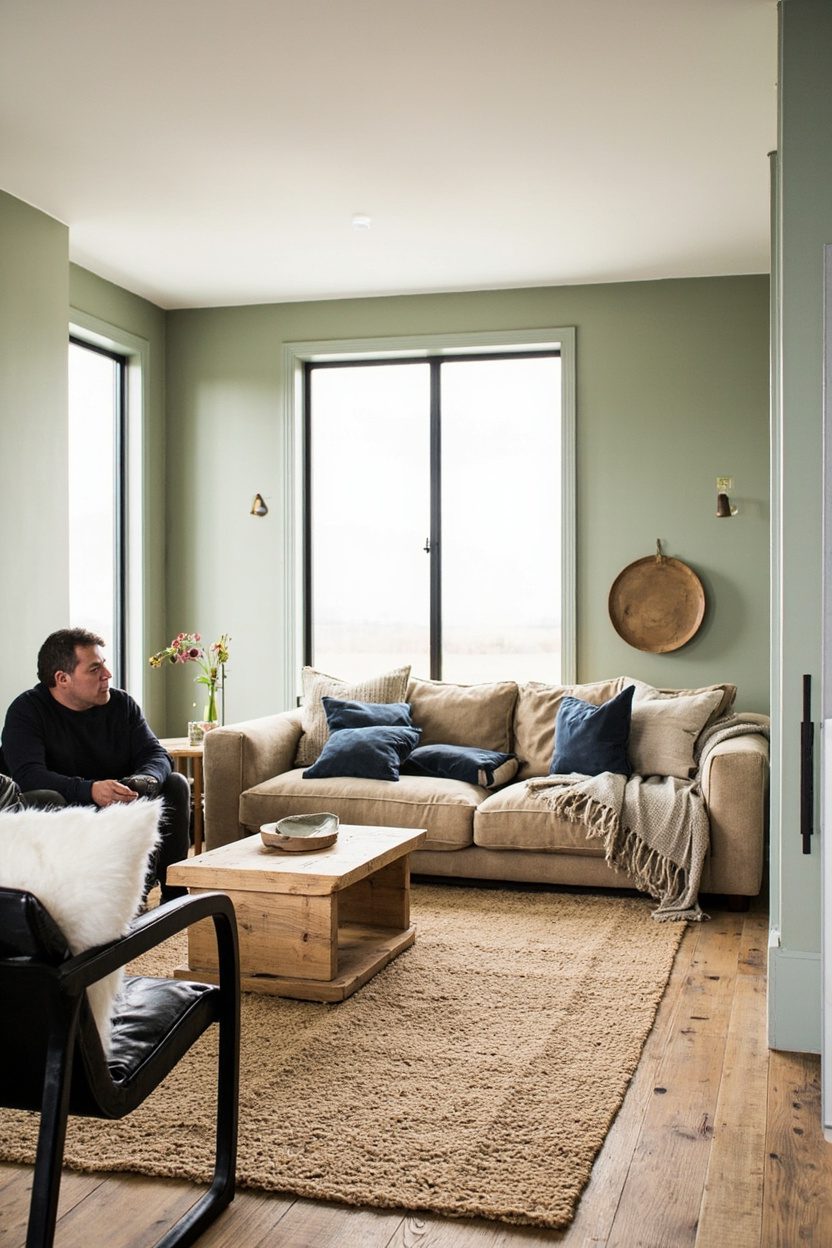
Sage on the walls instantly calms, while sandy beige grounds the room. These farmhouse living room colors feel soft, not sleepy, because the green brings life and the beige keeps everything warm.
Choose a muted sage with a gray undertone for versatility. Then pair it with a pale sand rug that has a low, easy-care pile.
Because finishes matter, add light oak frames and woven baskets. The natural textures bridge the gap between green paint and neutral upholstery.
Keep metals warm. For example, use aged brass for lamps and curtain rods, which flatter sage without turning brassy.
Artwork should stay simple. Botanical prints, sepia photos, or charcoal sketches keep the palette cohesive and unfussy.
Stylist’s Note
If your room skews dark, paint only two sage walls and keep the others a creamy off-white. You keep the freshness without losing brightness. I also like a linen sofa in oatmeal here, because it reads relaxed and timeless.
For a quick trial, start with sage velvet pillows and a sand throw before committing to paint. You will see how these hues play with your light across the day.
8. Matte Black Accents
- Effort Level: Weekend DIY.
- Estimated Budget: 100-500.
- Maintenance Level: Low (Wipe clean).
- Best For: Small, low-light spaces.
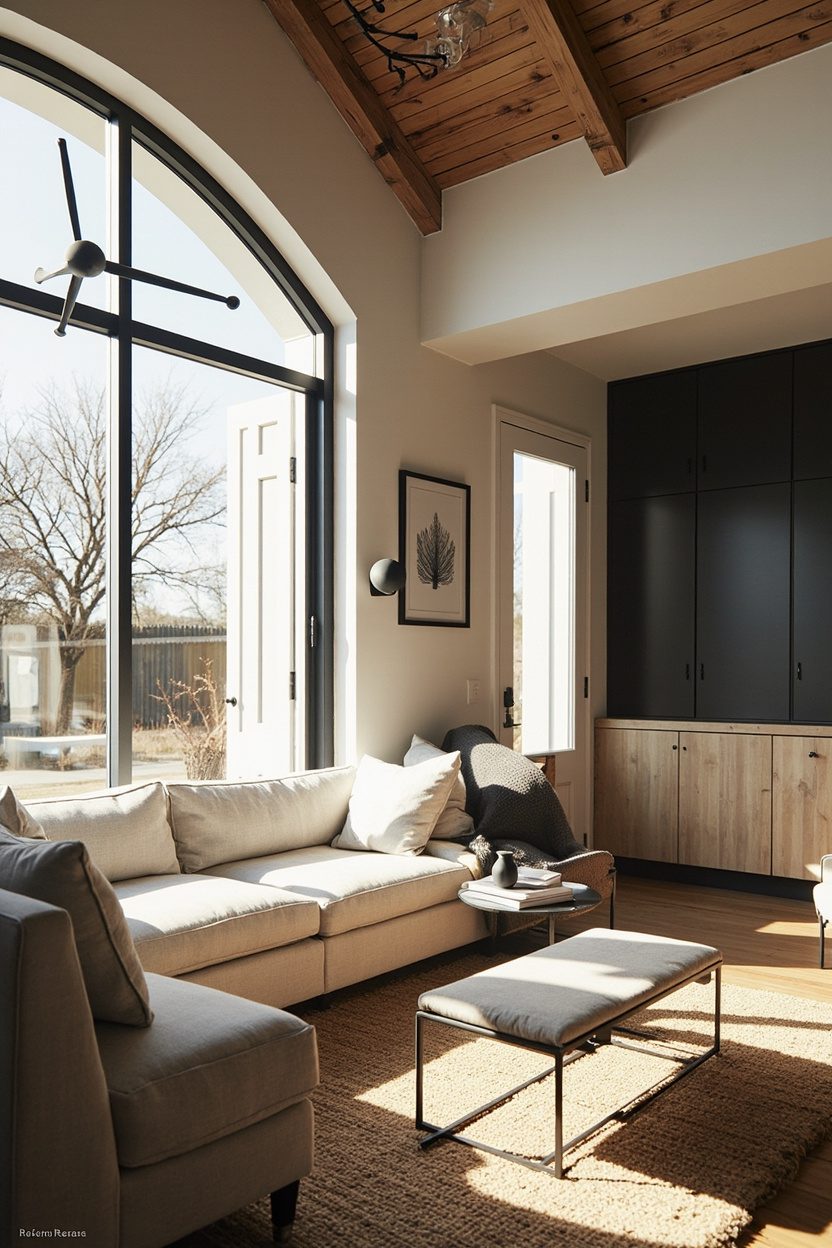
Matte black trims creamy whites and weathered woods, which sharpens farmhouse living room colors. It reads modern but still rustic because the finish stays soft, not glossy.
Use restraint. Paint a console, a window grid, or a picture frame set in matte black. Heavy handed use can tip the room industrial.
Balance with texture. Add chunky knits, nubby linen, and rattan so the black lines feel intentional, not stark.
Tie black to existing elements. For example, repeat it in lamp bases and a curtain rod, then echo the tone in a small patterned rug.
Layer warm whites, not cool. Alabaster or antique white keeps the look cozy, especially beside dark woods and iron.
The Golden Rule Here
Limit matte black to three to five touchpoints in one sight line. Your eye reads a rhythm, not a clutter of accents. If you have a black TV, count it as one element and echo it twice nearby.
Splurge vs. Save: To save, swap in matte black hardware on a thrifted cabinet and spray paint existing frames. A quart of high-quality matte black paint handles a side table and mirror with change to spare.
To splurge, specify metal window muntins or a custom forged stair rail in a true matte powder coat. The permanence and crisp lines elevate the architecture without fighting your softer textiles.
9. Rust Terracotta Hues
- Effort Level: Weekend DIY.
- Estimated Budget: 100-500.
- Maintenance Level: Low (Wipe clean).
- Best For: Small, low-light spaces.
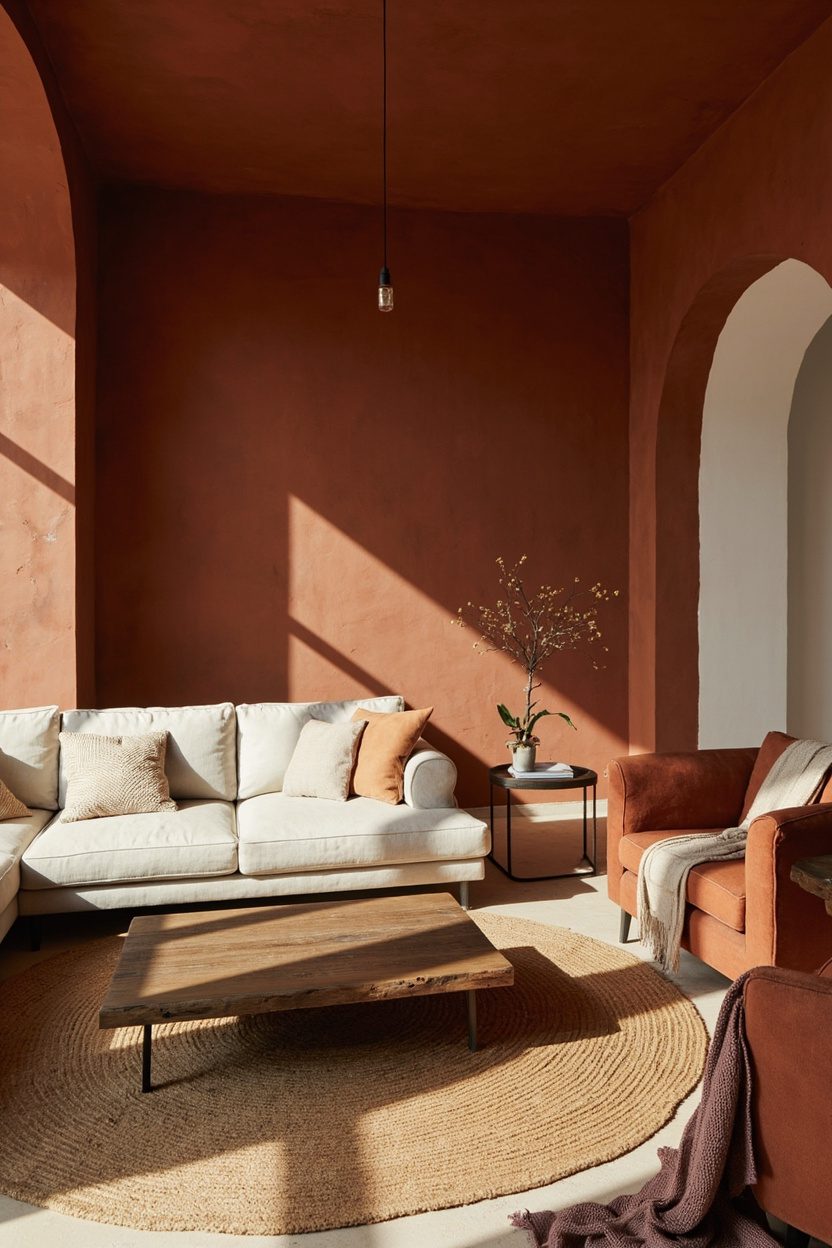
Rust and terracotta bring hearth warmth to farmhouse living room colors. They pair beautifully with creamy walls and dark oak because the orange undertone feels sun-kissed, not flashy.
Start small with terracotta pots, rust linen pillows, and a clay lamp base. These pieces deliver color and texture for modest cost.
If you want paint, choose a muted terracotta for a single accent wall or the back of built-ins. Keep trims creamy to avoid heaviness.
Layer brown leather, jute, and aged copper. The mix keeps the palette earthy and prevents the orange tones from reading too sweet.
Mind saturation. One saturated hero, like a rust area rug, should lead, while other items go two shades softer.
Make It Your Own
Terracotta shifts with light. Test swatches from morning to evening, because north light can gray the color while afternoon sun can push it orange. Adjust with a hint of brown or pink in the undertone.
I like pairing rust pillows with a chalky clay throw and a dark wood coffee table. The trio feels gathered, not matchy, and it ages gracefully with everyday use.
10. Wheat Beige Rugs
- Effort Level: Weekend DIY.
- Estimated Budget: 100-500.
- Maintenance Level: Low (Wipe clean).
- Best For: Small, low-light spaces.
- What You’ll Need: 6×9 or 8×10 natural fiber rug, non-slip rug pad, vacuum with brush off setting, fabric protector spray.
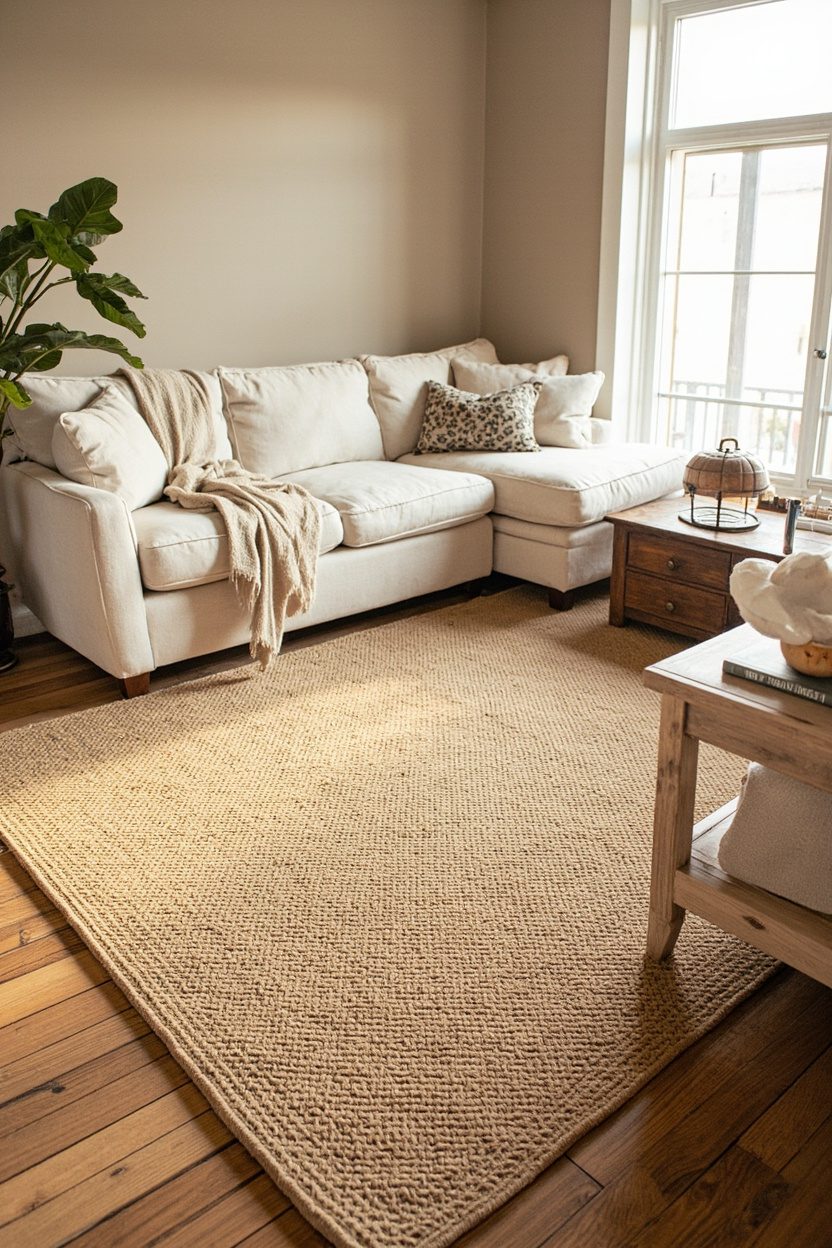
A wheat beige rug sets the base for farmhouse living room colors without shouting. Its sandy tone calms busy wood grains and pairs with soft whites, clay, and slate accents.
Choose a tight-weave jute or a wool blend if you want comfort underfoot. Jute is budget-friendly, while wool resists stains better and feels cushier.
Because beige can skew pink or green, sample in daylight and at night. The right wheat reads warm but neutral, so your sofa fabrics still lead.
Layering helps in high-traffic rooms. Place a flatweave beige rug under a smaller vintage kilim for a pattern that still feels grounded.
Why This Works
Wheat beige works like good lighting. It reflects warmth, quiets the palette, and lets texture take the spotlight. If your floors are dark, it bridges the contrast so furniture does not appear to float.
11. Muted Blue Throws
- Effort Level: Weekend DIY.
- Estimated Budget: 50-200.
- Maintenance Level: Low (Wipe clean).
- Best For: Small, low-light spaces.
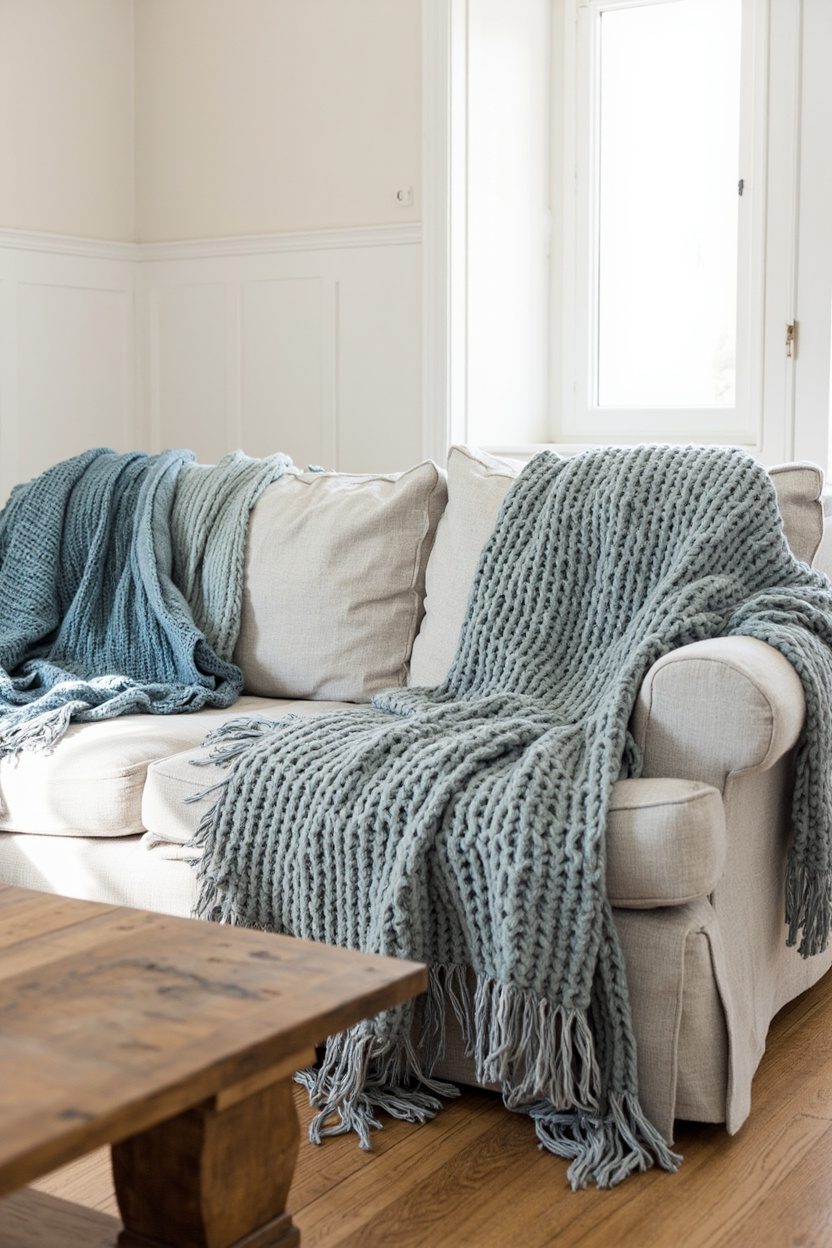
Muted blue throws, think slate, storm, or faded denim, bring calm to farmhouse living room colors. They cool sunlit rooms and balance warm woods without turning the space coastal.
Pick chunky knits for winter and gauzy linen for summer. Because texture changes the read of color, keep patterns subtle, like herringbone or narrow stripes.
Drape one over the sofa arm and fold another at the basket edge. Repeating the tone in two spots makes the palette feel intentional.
If your sofa is oatmeal or taupe, add a second blue within two tones of the throw. A pillow or a small vase will do, and the room snaps into focus.
Make It Your Own
If you love variety, gather three blues that share gray undertones. Rotate them seasonally. Your base stays the same, but the mood shifts, which keeps things feeling lived in and easy.
12. Aged Brass Details
- Effort Level: Weekend DIY.
- Estimated Budget: 75-400.
- Maintenance Level: Low (Wipe clean).
- Best For: Small, low-light spaces.
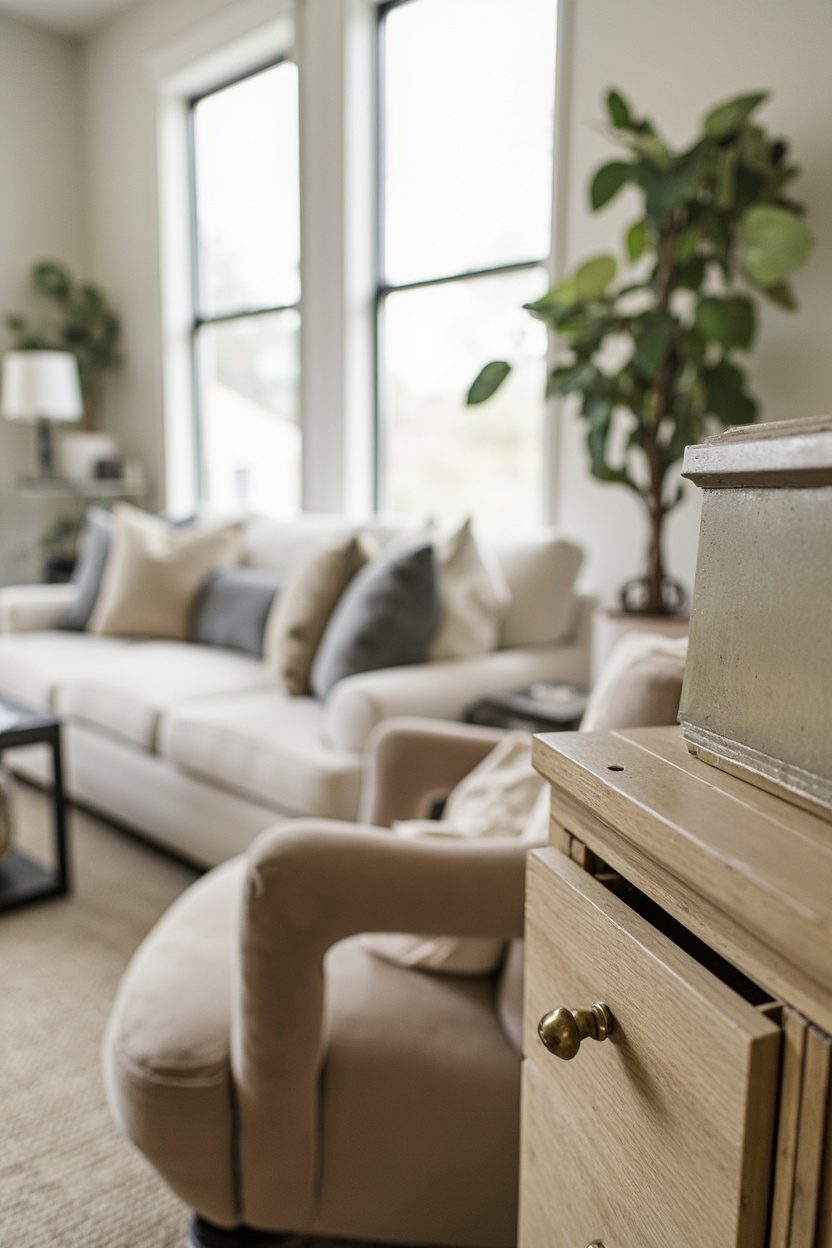
Aged brass warms farmhouse living room colors like candlelight. Use it on lamp bases, curtain rods, and picture frames for a soft, collected glow.
Look for unlacquered or hand-rubbed finishes, not mirror bright. The patina keeps things from reading too new against rustic beams or matte walls.
Because metals compete, limit the room to two finishes. Pair aged brass with black iron, and repeat each at least twice for balance.
When I tried this in my own living room, I mixed shiny brass knobs with antique frames. The clash was real. I swapped the knobs for aged bronze and everything settled.
Before You Buy
Check the undertone first. Aged brass with green cast prefers cooler blues and charcoals. A warmer, honey brass loves cream, wheat, and cognac leather. Hold samples next to your main fabrics before committing.
FAQ
How do I balance warm woods with cool farmhouse living room colors?
Use a warm neutral base, like wheat beige or cream, then add one or two cool accents, such as muted blue throws. Repeat each hue at least twice, which keeps the room cohesive instead of patchy.
What wall color works best with these palettes?
Soft white with a touch of warmth, like an off white or cream, tends to flatter natural materials. If you prefer more contrast, try a pale greige that respects wood tones without turning the space gray.
Can I mix aged brass with black hardware?
Yes, but limit the room to those two metals. Repeat each finish in at least two places, for example a brass lamp and frame, plus black curtain rods and a coffee table base, so it looks deliberate.
Are wheat beige rugs practical for families?
They can be, especially in a wool blend that resists stains. Add a quality rug pad for comfort and spot clean quickly. If you have pets, consider a low pile or indoor outdoor weave for easier care.