


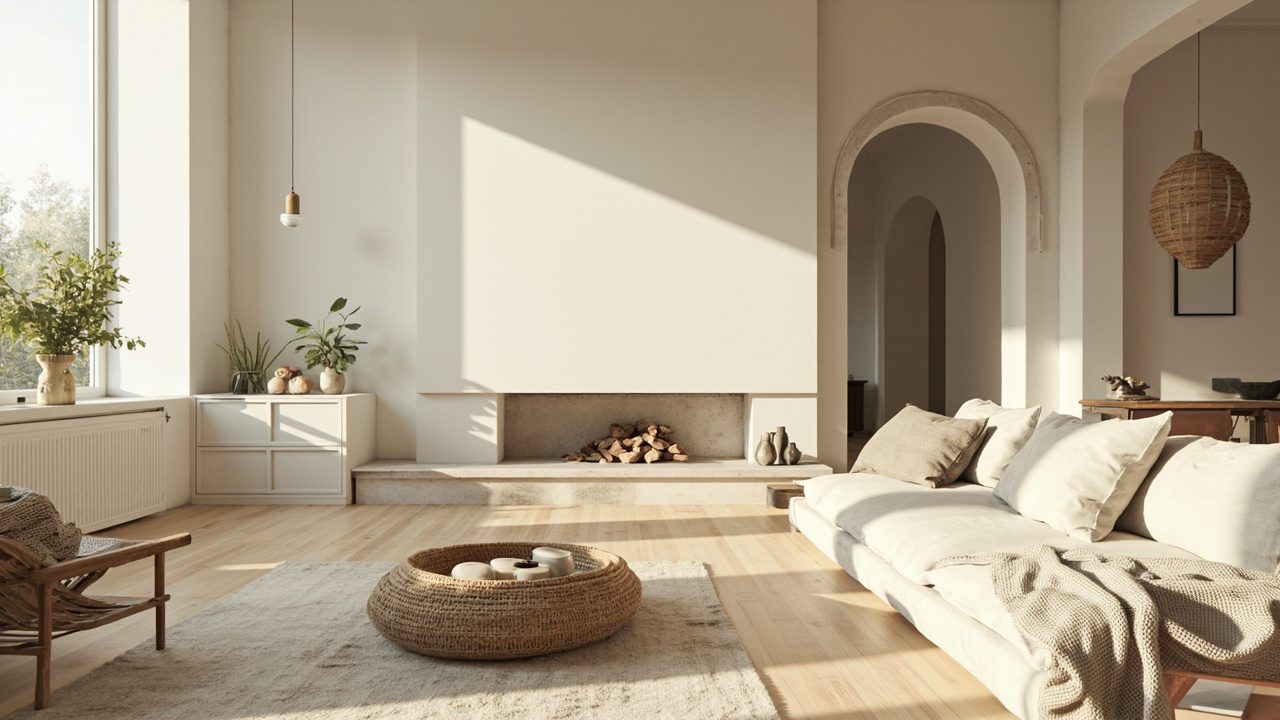
Minimalist lifestyle decor isn’t about an empty aesthetic; it’s about purposeful choices that reduce friction in your daily life.
When every object earns its place and every room serves its purpose, your home stops being a source of stress and starts becoming a space that genuinely supports the way you live.
But minimalism looks different in a bedroom than it does in a kitchen, and what works in a living room won’t always translate to a home office.
That’s why approaching it room by room rather than all at once makes the process feel manageable, personal, and lasting.
- How to Define Practical Minimalism for Your Home?
- Choosing Durable, Low-Maintenance Materials That Last
- Room-by-Room Minimalist Essentials and Furniture Choices
- Budgeting: Real Costs of a Minimalist Makeover
- Maximizing Natural Light and Reflective Surfaces
- Smart Storage Solutions That Stay Invisible and Functional
- Textiles, Color, and Warmth Without Clutter
- Sustainable Sourcing and Ethical Minimalist Purchases
- FAQ
- Final Thoughts
- Related Decor Reads
How to Define Practical Minimalism for Your Home?
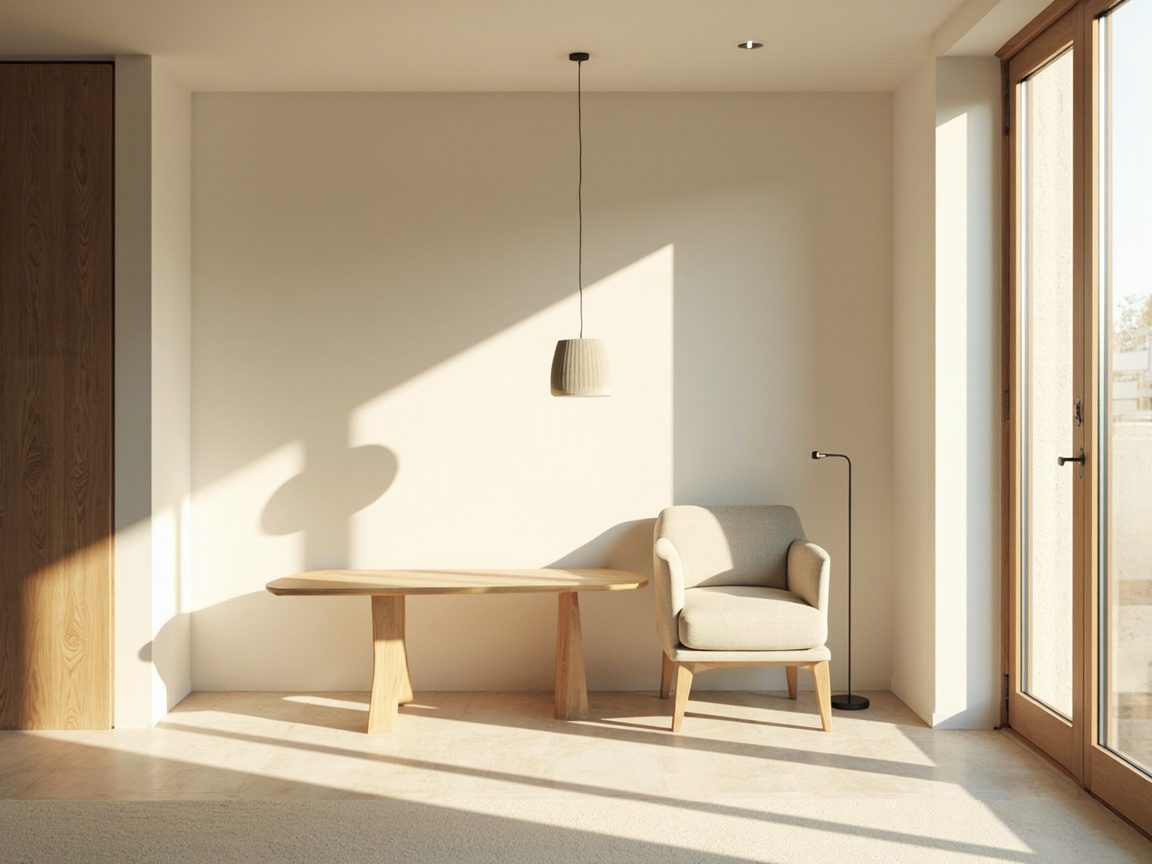
Minimalist lifestyle decor isn’t about an empty aesthetic; it’s about purposeful choices that reduce friction in daily life. In my experience, the most livable minimal homes balance restraint with comfort, so every item earns its place and supports how the household actually functions.
Start by listing daily activities in each room, then ask which pieces directly support those activities.
Use this quick filter to decide what stays:
- Function: Does this item solve a real need daily or weekly?
- Joy: Does it bring consistent calm or pleasure when used?
- Maintenance: Is it easy to clean and maintain without special care?
If an item fails two of these, it’s usually a candidate to donate, sell, or store. I continually see clients keep things “just in case,” and letting go of once-a-year items frees space and mental bandwidth.
Choosing Durable, Low-Maintenance Materials That Last
Choose materials that age well and require little upkeep, because true minimalism is sustainable minimalism. Opt for natural fibers and hardwearing finishes that develop character instead of showing wear quickly.
Practical material choices I recommend:
- Solid hardwoods with a matte or oil finish can be sanded and refreshed rather than replaced.
- Leather or high-quality polyurethane for seating—look for repairable cushions and replaceable covers.
- Porcelain or matte-finish ceramic tiles in bathrooms and kitchens, they hide water marks and clean easily.
- Performance fabrics for sofas and bedding, especially if you have kids or pets.
Also, prioritize simple colorways like soft neutrals or muted tones, because they tolerate accessory changes and reduce visual clutter.
Finally, check warranties and modular repair options when purchasing; items designed to be fixed extend a minimalist home’s lifespan.
Room-by-Room Minimalist Essentials and Furniture Choices
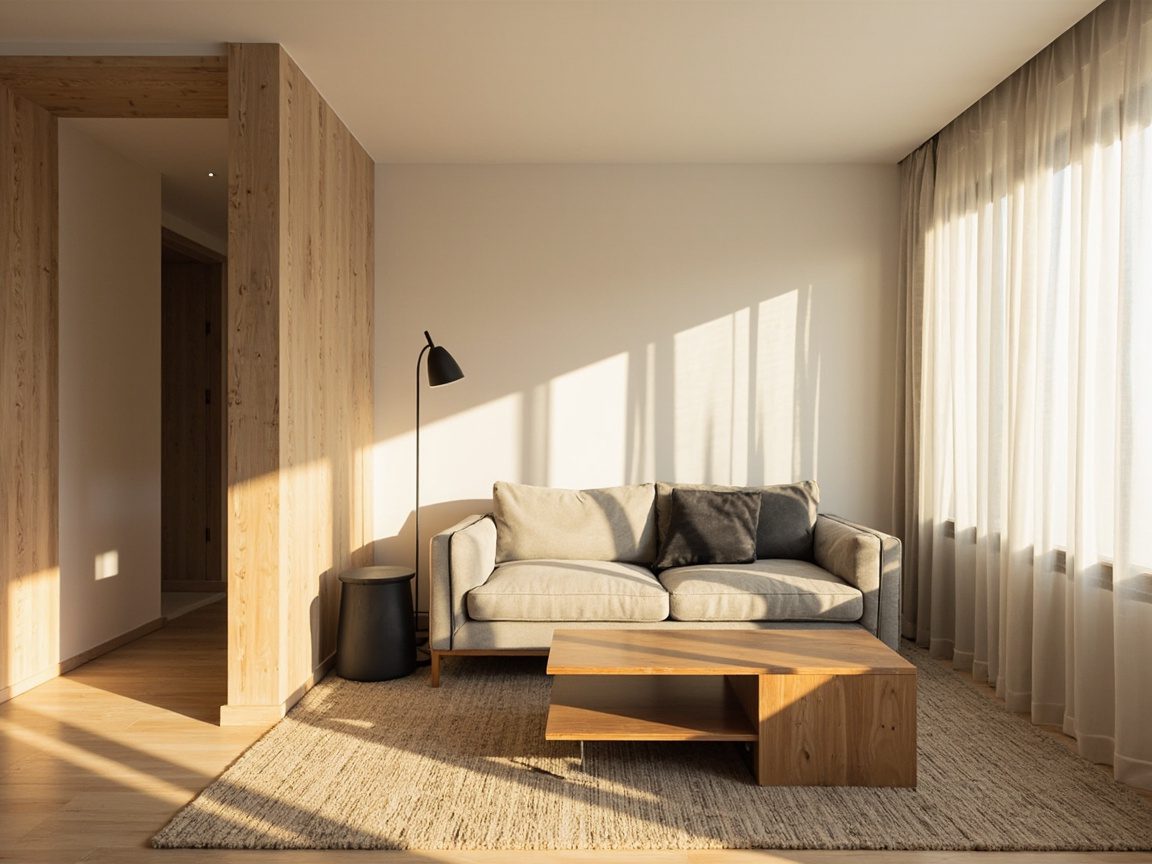
Treat each room as a function-first zone, then layer comfort. Below are essential pieces and selection criteria I use with clients to keep spaces uncluttered and practical.
Living Room
- Sofa: Choose a neutral, low-profile sofa with removable covers and supportive seat depth. Measure for natural traffic flow before buying.
- Coffee table: Pick one with storage or a small tray to corral remotes, keeping surfaces calm.
- Lighting: Combine one overhead light and a directional floor lamp to avoid multiple small lamps.
Kitchen
- Work surfaces: Prioritize durable counters like quartz or honed stone that resist staining and require minimal sealing.
- Open shelving: Use sparingly. Keep everyday dishes on easy-to-reach shelves and store extras in cabinets.
- Appliances: Choose multifunctional appliances to reduce gadget clutter.
Bedroom
- Bed: A simple frame with under-bed storage or a platform to eliminate extra dressers where possible.
- Bedding: Stick to two neutral sets and a washable duvet—I often suggest linen or cotton for breathability and low fuss.
- Nightstands: One drawer, competent lighting, and a single personal item—keeps surfaces peaceful.
Bathroom
- Vanity: Single-slab tops with drawers organize toiletries better than open shelves.
- Hardware: Matte finishes camouflage water spots and minimize visible wear.
- Textiles: Two sets of towels per person, rotate one while the other is being laundered.
Home Office
- Desk: Minimal footprint, cable management integrated, and a comfortable ergonomic chair.
- Storage: Closed cabinets for paperwork, open shelf for reference items only.
- Workflow: Keep only current projects on the surface to reduce task-switching stress.
Entry and Multipurpose Spaces
- Entry: A narrow bench with baskets underneath for shoes, and a wall hook or small shelf for daily essentials.
- Flexible furniture: Choose pieces that serve two roles, for example, a console that becomes a workspace.
If you want specific product recommendations for any room, I can narrow options by budget and finish.
Budgeting: Real Costs of a Minimalist Makeover
Minimalist updates often look simple, but costs can add up if you don’t plan. In my experience, clients underestimate expenses for lighting, storage, and surface upgrades.
Below are realistic line items and decision criteria to keep the project honest and affordable.
Major cost buckets to expect:
- Paint and prep, $300–$1,200 depending on room size and wall repair needs.
- Flooring or rug refresh, $400–$3,000; vinyl plank or a large neutral rug can be high-impact, low-cost options.
- Lighting upgrade, $150–$1,000 for layered fixtures and dimmable controls.
- Built-in or custom storage, $500–$5,000 depending on scope; modular systems often hit the best value point.
- Furniture replacement, $300–$3,500 per key piece; prioritize sofa and bed for comfort and longevity.
How to prioritize spend, a practical rule of thumb?
- Spend on three anchors: good lighting, a comfortable sofa or bed, and discreet storage. These three make the space feel intentional.
- Save on accessories: choose fewer, better pieces rather than many inexpensive accents.
Opt for neutral, durable finishes that don’t require replacement every few years.
Money-saving tactics that actually work:
- Refinish or reupholster a solid-frame sofa instead of replacing it. I’ve seen clients save 40–60% this way.
- Shop modular built-ins or closet systems; they’re cheaper than bespoke joinery and adaptable.
- Use layered lighting with a mix of existing fixtures and portable lamps to avoid rewiring costs.
- Buy one high-quality rug to anchor a room, rather than several small mats.
When to hire pros versus DIY?
- Hire a pro for electrical, structural, or complicated built-ins. Mistakes here are costly.
- DIY paint, curtain installation, and simple shelving if you’re comfortable with basic tools.
- Get at least two bids for any project over $1,000 to avoid inflated pricing.
Maximizing Natural Light and Reflective Surfaces
Minimalism thrives on light because brightness and openness convey simplicity. I continually see rooms with good bones ruined by heavy window treatments and cluttered surfaces, so focus first on unobstructed daylight.
Practical interventions that pay immediate dividends:
Replace heavy drapery with sheer panels or top-mounted blinds, keeping hardware close to the ceiling to visually raise the room.
Remove unnecessary window trim or dark treatments that eat light. Clean windows regularly, which makes a surprising difference.
Use low-profile, light-colored furniture finishes and one or two reflective accents to bounce light.
Reflective surface guidelines, not décor overkill:
- Mirror placement: opposite or adjacent to the main window, angled slightly to capture sunlight without creating glare.
- Metallics and glass: use sparingly, for example, a glass coffee table or a brass lamp. Too many reflective items create visual noise.
High-sheen paint on a single accent wall can amplify daylight. Test swatches at different times of day to avoid harsh reflections.
Layout and architectural tweaks:
Open sightlines by arranging furniture so light travels across the room, not blocked by tall pieces.
Consider interior glass doors for rooms that share light, or remove transom panels to increase flow.
If budget allows, enlarge windows or add a skylight where structural conditions permit; these are transformative investments.
Smart Storage Solutions That Stay Invisible and Functional
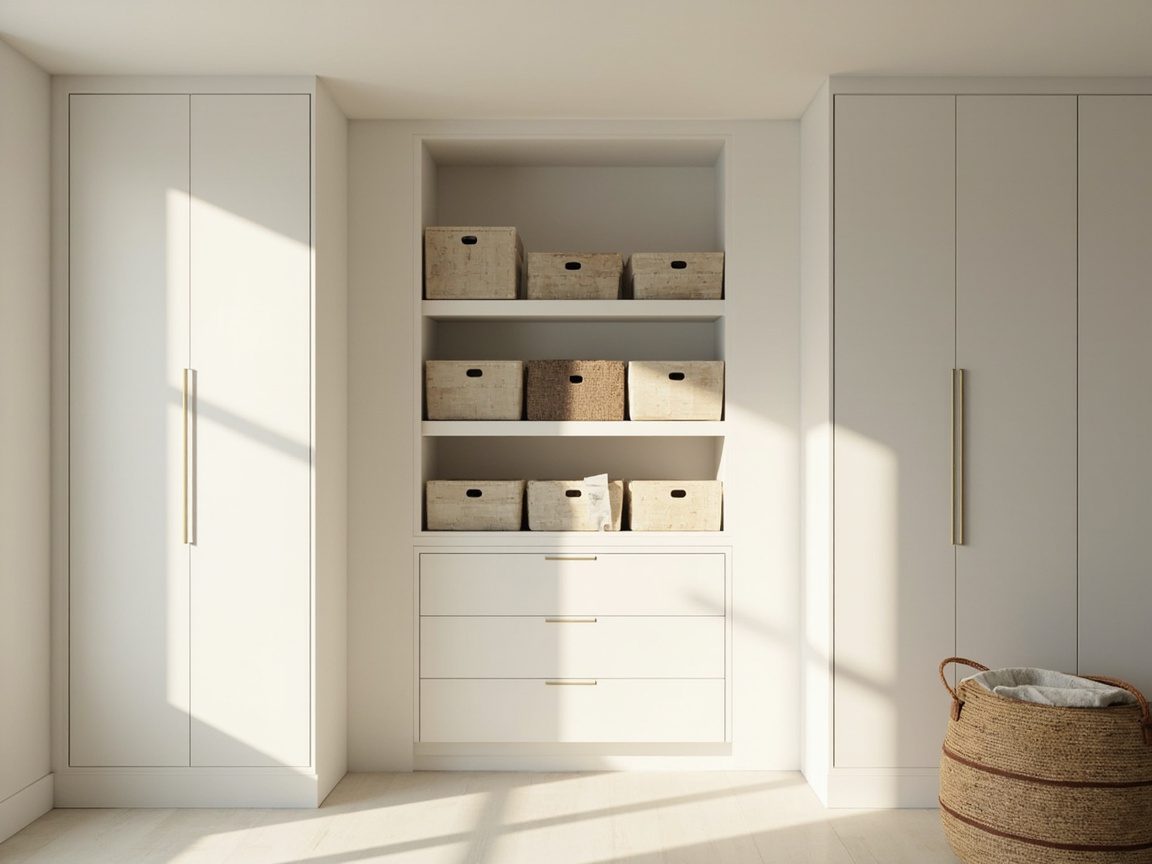
Storage is the backbone of minimalist living; visible solutions can undermine the calm. I favor systems that conceal functions and double as design elements, so rooms feel uncluttered without being barren.
Principles for invisible storage:
- Concealment first: closed cabinetry, drawers, and doors hide daily clutter. Open shelving works only for curated items.
- Modularity second: choose units that can be reconfigured as needs change, which extends lifespan and value.
- Proportion third: match the storage scale to the room. Oversized cabinets in a small space destroy minimalism.
Specific solutions that work room by room:
- Entryway: a shallow built-in bench with concealed cubbies for shoes and a hidden hook system for coats.
- Living room: media cabinet with ventilated drawers for electronics, and a single closed bookshelf rather than multiple units.
- Kitchen: deep drawers for pots, pull-out pantry racks, and a small appliance garage to keep counters clear.
- Bedroom: under-bed drawers, wall-mounted nightstands with drawers, and a streamlined wardrobe with internal organizers.
Installation and product tips:
- Choose full-extension drawers and soft-close hardware for longevity and a quiet, premium feel.
- Use matching face panels for appliances and cabinetry in kitchens to maintain a seamless look.
- Label internal organizers—visible only when opened—so systems stay organized without visual reminders.
Common mistakes to avoid:
- Relying on baskets and boxes as a long-term substitute for proper storage often becomes visual clutter.
- Buying storage by aesthetics alone; measure first to avoid wasted space or oversized units.
- Hiding everything in a single closet; distribute storage strategically so daily rhythms are supported, not interrupted.
Textiles, Color, and Warmth Without Clutter
Minimalist doesn’t mean cold. In my experience, texture and carefully chosen color are what stop a minimalist room from feeling sterile.
Focus on a restrained palette, then layer tactile textiles to create warmth and depth without adding visual noise.
Choose a base palette of two to three neutrals, for example, warm white, soft gray, and a muted taupe. Use one accent color sparingly, such as a deep green or terracotta, to ground the room.
Prioritize natural fibers, because they age gracefully and add subtle texture. Linen curtains, a wool throw, and a handwoven jute rug give variation without busy patterns.
Limit patterns to one small-scale motif, for instance, a thin stripe or simple grid on a cushion. Too many patterns immediately read as clutter.
Use scale to create interest: a large, simple rug, a chunky knit throw, and a slim lumbar pillow read cohesive. I continually see clients pick lots of small accessories that fight each other; instead, opt for fewer, larger textile pieces.
Keep textiles visible but minimal. Fold throws neatly on the sofa, and store extra bedding in a neutral woven basket. This reduces mess while keeping the room inviting.
For window treatments, choose sheer or lightweight linen panels that maximize light. Light-first planning makes minimalist color feel warm, not stark.
Maintenance criteria: pick machine-washable covers for high-use items, and choose indoor-friendly finishes for rugs so they can be cleaned without fuss.
Practical swap ideas:
- Replace five small decorative cushions with two larger ones in contrasting textures.
- Swap a patterned duvet for a solid linen set, then layer a textured blanket at the foot of the bed.
- Trade heavy drapery for linen panels to increase daylight and make the space feel larger.
Sustainable Sourcing and Ethical Minimalist Purchases
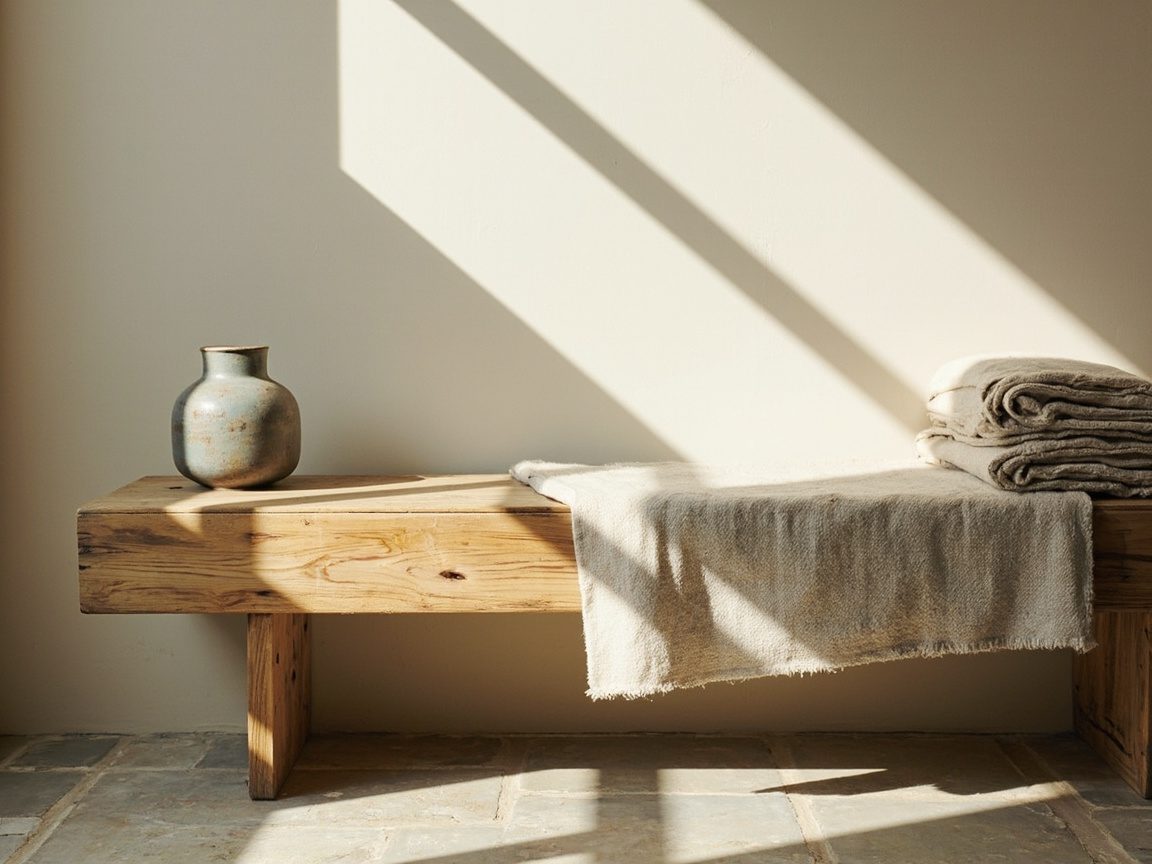
Minimalism pairs naturally with sustainability, because buying less and buying better are the same idea. I advise treating each purchase like a long-term decision, not a quick trend fix.
Prioritize longevity: choose well-made items with classic silhouettes and repairable construction, such as solid-wood tables or hand-stitched upholstery.
Look for transparent supply chains and certifications, for instance, FSC for wood or OEKO-TEX for textiles, as a basic quality filter.
Buy secondhand when possible. Vintage furniture often has superior materials, and mixing one vintage piece reduces the need for new production.
Set clear purchase criteria: does this item serve multiple functions, do I love it enough to live with it for five years, and is it repairable? If the answer is no to any, skip it.
Avoid impulse buys by implementing a 30-day rule for nonessential decor. I recommend that clients place a shortlist in a private wishlist and revisit it later.
Support local makers for bespoke or small-batch pieces, because lower shipping, better craftsmanship, and ethical labor are often part of the value.
For textiles, prefer natural, low-impact dyes and fabrics labeled for responsible production. This reduces chemical footprint and often improves longevity.
Disposal plan: buy items that can be resold or recycled, and document where you’ll donate or recycle when it’s time to let go.
Decision checklist before buying:
- Is it multifunctional? Will it still fit if the room shifts its layout? Is it made to last? Does the maker share how it was made?
FAQ
Start with one zone, like surfaces or textiles. Remove nonessential items, keep what you use daily, and box the rest for 30 days. If you didn’t miss it, donate or sell it.
Yes, use a limited palette and one restrained pattern. Texture and scale are your tools, so choose natural fabrics and a few larger pieces rather than many small, patterned items.
Layer warm textiles—wool throws, boucle cushions, and a thicker rug—while keeping colors warm neutrals. Add warm lighting with dimmable lamps rather than overhead glare.
Start with local artisans, reputable secondhand shops, and brands that publish sourcing information. Prioritize materials and construction over trend-driven styles.
Final Thoughts
Minimalist decor is less about removal and more about thoughtful selection. Choose quality, embrace texture, and make every piece earn its place.
These small, deliberate choices create calm, practical spaces that feel both lived-in and intentional.