


Keeping your plunge pool clean, safe, and ready to enjoy all year doesn’t have to be complicated or time-consuming.
With the right routine and a few smart strategies, you can maintain crystal-clear water, protect your equipment, and avoid costly repairs without turning pool care into a full-time job.
- Plunge Pool Maintenance: Essential Seasonal Planning Tips
- Designing for Easy Plunge Pool Upkeep
- Water Chemistry Basics for Plunge Pools
- Smart Automation and App-Based Monitoring Setup
- Filtration and Circulation: Choosing the Right Systems
- Routine Cleaning Tasks and Time-Saving Techniques
- Common Maintenance Mistakes to Avoid
- Optimizing Energy and Cost Efficiency
- FAQ
- Final Thoughts
Plunge Pool Maintenance: Essential Seasonal Planning Tips
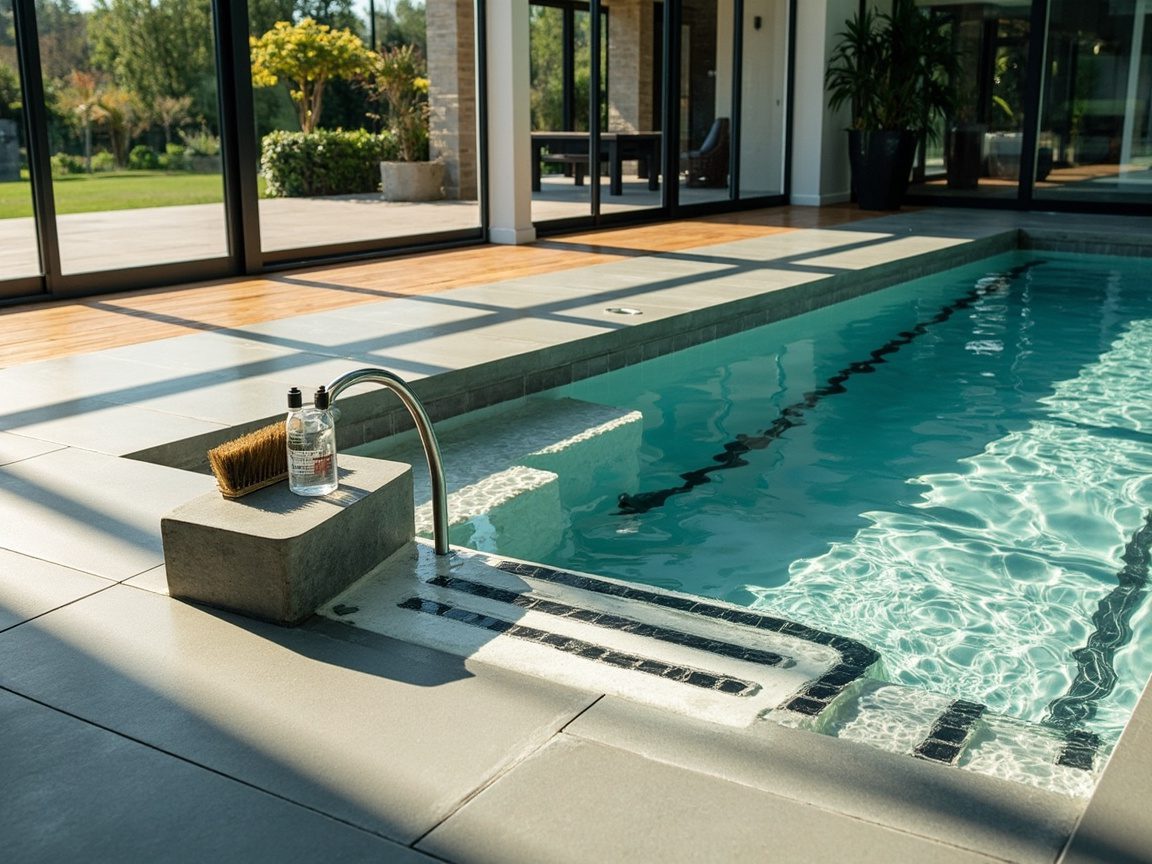
Plunge pools demand less water and filter time than full-size pools, but they still need a seasonal plan to stay trouble-free.
Think in terms of quarterly tasks, not daily drama, so you can prevent algae, equipment failures, and chemistry swings before they start.
Spring
Reopen with inspection first. Check covers, pump strainer baskets, and visible plumbing for cracks or debris. Shock the pool if algae was evident before closing, then rebalance pH and alkalinity within two days.
Summer
Prioritize circulation and shade management. Run the pump long enough to turn the water over 1.5 to 2 times daily, or automate based on temperature. Skim daily if near trees, and prune overhanging plants to cut organic load.
Fall
Prepare for leaf fall and cooler nights. Install leaf nets or a higher-grade skimmer basket, lower the water slightly if your freeze climate requires it, and add an algaecide as a preventive step two weeks before significant drops in temperature.
Winter
Winterize smartly in cold climates, and scale back maintenance in mild zones. Drain and store removable equipment, insulate exposed plumbing, and use a tight-fitting cover in freezing areas.
In temperate regions, reduce pump runtime to weekly circulation plus remote chemistry checks.
Actionable checklist (quarterly):
- Inspect equipment and valves for leaks or wear, and replace small parts early.
- Clean filters monthly, or switch to cartridge filters to halve maintenance time.
- Record water chemistry and runtime changes in a simple app or notebook.
Designing for Easy Plunge Pool Upkeep
Design choices cut maintenance time before you ever open the pool. When planning, prioritize features that reduce debris, improve circulation, and simplify access for routine tasks.
Choose a compact shape with minimal shadowed corners, because stagnant corners are where algae starts. Integrated sun ledges and sloped entries improve circulation and keep water moving naturally toward drains.
Select low-maintenance finishes and materials. Smooth plaster or pebble finishes resist biofilm better than highly textured tiles, and light, neutral colors make water clarity easier to judge. For decking, nonporous pavers reduce leaf staining and are simpler to pressure-wash.
Put equipment close and accessible. Locate pumps, heaters, and controllers near the pool for shorter plumbing runs and easier servicing.
Fit isolation valves on each piece of equipment so you can service one component without draining the pool.
Consider automation and smart controls:
- Install a basic automation system for pump schedules, heater control, and chemical feeders, because app-based alerts cut reactive maintenance by weeks.
- Choose a combined salt or mineral chlorinator and an automated pH feeder to keep chemistry steady with minimal daily input.
- Use a cover that’s easy to remove and secure; a well-fitting cover reduces evaporation, debris, and chemical use significantly.
Avoid common design mistakes:
- Don’t locate overhanging trees or large shrubs nearby; they double your skimming and filter load.
- Avoid hidden equipment enclosures without proper ventilation, because heat and moisture accelerate failures.
Water Chemistry Basics for Plunge Pools
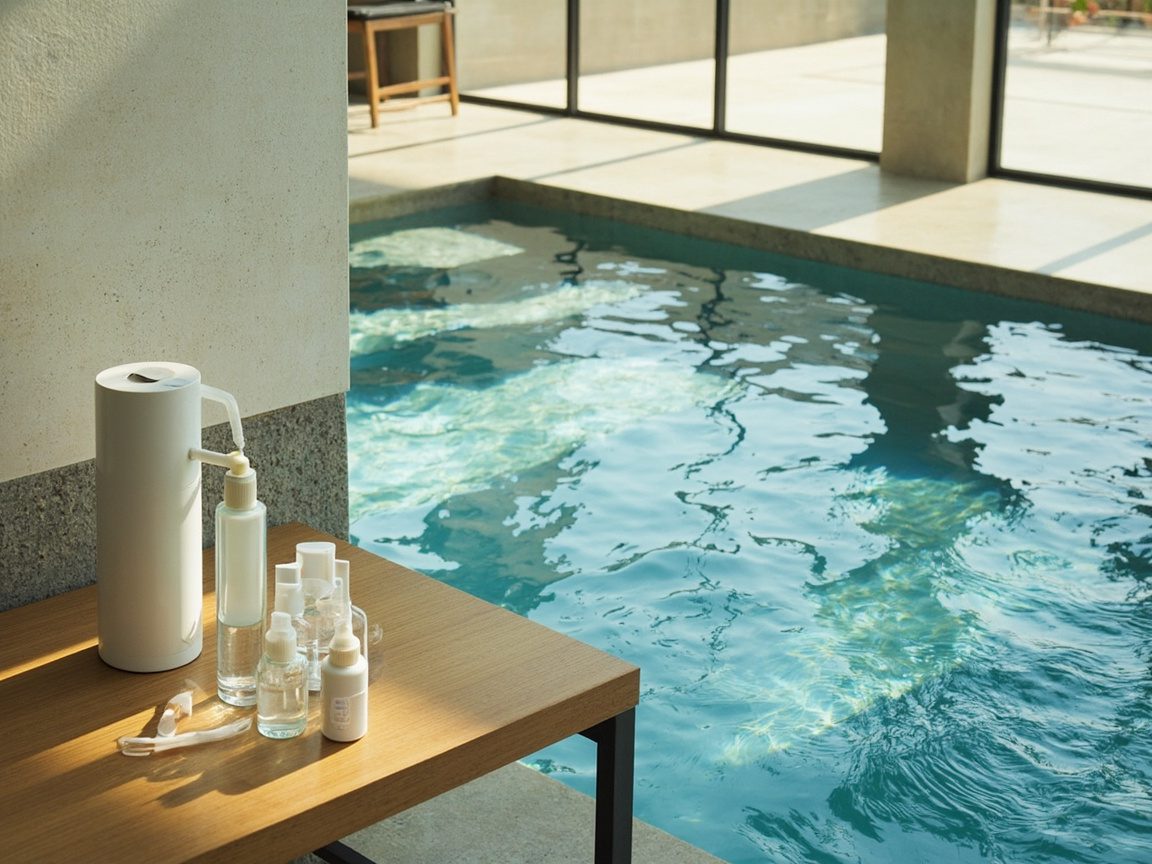
Plunge pools concentrate chemicals in less water, so small imbalances show up fast. Target stable ranges and check more frequently after heavy use or rain.
Target levels:
- Free chlorine: 1.0, 3.0 ppm for routine sanitation, 3.0 ppm after heavy bather load.
- pH: 7.2, 7.6, because this range maximizes sanitizer effectiveness and prevents scale or corrosion.
- Total alkalinity: 80, 120 ppm to buffer pH swings.
- Calcium hardness: 150, 400 ppm, lower for plaster, higher for tile to avoid etching.
Simple maintenance routine:
- Test water 2, 3 times weekly during warm months, and weekly in cooler months; use strips for quick checks, and a liquid kit monthly for accuracy.
- Adjust pH before chlorine, because pH changes affect chlorine activity dramatically.
- Shock weekly with non-chlorine shock for routine oxidation, or chlorine shock after heavy use or contamination.
Practical tips to reduce chemistry headaches:
- Use a small automatic chlorine feeder sized for your pool volume to avoid daily dosing errors.
- Install a salt or mineral system if you prefer lower-chlorine maintenance, because they stabilize sanitizer levels and cut chemical handling.
- Address source water quality before filling; hard or high-iron fill water needs pre-treatment to avoid staining and scale.
For more design strategies that pair well with low-maintenance pools, see our guide to Low Deck Ideas, Ground Level, and for simplified poolside living, explore Minimalist Desk Setups.
Smart Automation and App-Based Monitoring Setup
Modern automation reduces hands-on maintenance, and it pays to choose systems that integrate filtration, chemistry dosing, and remote alerts.
Prioritize controllers with proven compatibility across brands, and confirm the supplier supports over-the-air updates for new features and security patches.
- Key features to require: automatic chemical dosing with pH and ORP probes, pump scheduling, freeze and storm modes, and push notification alerts for out-of-range readings.
- Connectivity checklist: reliable Wi-Fi or cellular bridge, intuitive mobile app, and cloud logging so you can review trends before problems escalate.
- Installation tip: place probes in a dedicated sample loop after the filter to avoid misleading readings from stagnation, and schedule a professional calibration every 3 to 6 months.
- Cost-benefit rule: invest in automation when you value time savings and consistent water quality; cheaper systems often lack accurate sensing and create more service calls.
Filtration and Circulation: Choosing the Right Systems
Effective filtration and consistent circulation prevent debris buildup and reduce chemical use. For small plunge pools, focus on high turnover, energy efficiency, and easy-to-service equipment.
- Turnover target: aim for a turnover period of 4, 6 hours for compact pools, which balances clarity and pump runtime for most uses.
- Filter selection: cartridge filters offer low maintenance and good fine-particle capture for plunge pools, while high-rate sand filters suit heavier bather loads.
- Pump sizing: choose a variable-speed pump matched to your plumbing and desired turnover, and run it longer at lower speeds to save energy and improve skimming action.
- Skimming and returns: place skimmers and return jets to create a circular surface flow, and include an automatic surface skimmer if leaves are frequent.
- Winter operation: if you live where temperatures approach freezing, keep circulation at low speed in a protected mode to prevent line freeze, or winterize if you fully shut down.
Routine Cleaning Tasks and Time-Saving Techniques
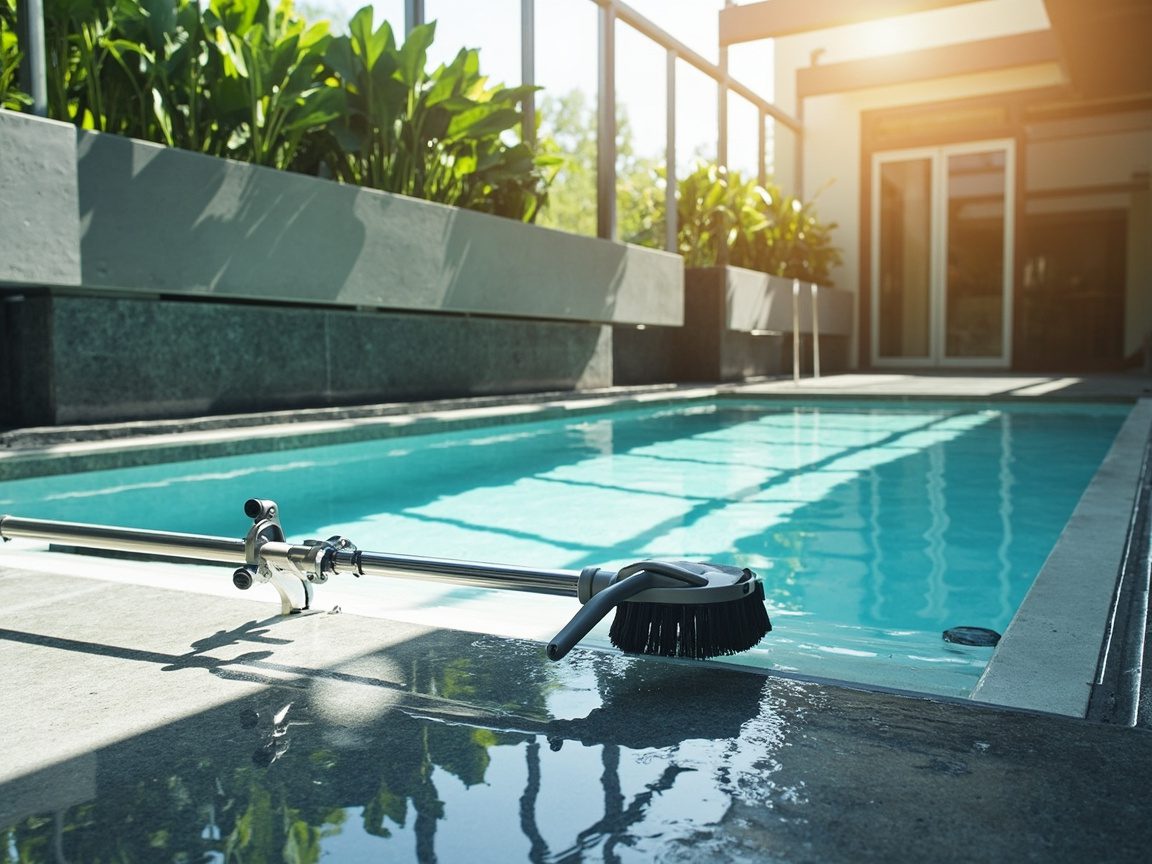
Regular micro-tasks prevent large cleanups and keep chemical use minimal. Commit to a short weekly routine and pair it with monthly checks for durable results.
- Daily/after-use (5 minutes): skim surface, brush walls quickly where water meets tile to prevent film, and run an app check for chemical alerts.
- Weekly (15, 30 minutes): vacuum or use a suction-side cleaner, clean the skimmer basket and pump strainer, backwash or rinse filters as the manufacturer recommends, and test sanitizer, pH, and alkalinity, adjusting as needed.
- Monthly (30, 60 minutes): inspect and clean probe tips, check pump and heater operation, inspect seals and fittings for leaks, and deep-clean cartridges or replace media on schedule.
Time-saving multipliers:
- Use automatic dosing paired with reliable probes to cut weekly chemical fiddling to checks only.
- Install a robotic cleaner for hands-off floor cleaning, freeing you for visual inspections.
- Schedule service visits seasonally, rather than reacting to problems, to maintain long-term efficiency.
Mistakes to avoid: skipping probe calibration, over-chlorinating to mask clarity issues, and running the pump only in short bursts, which leaves debris unsettled.
Common Maintenance Mistakes to Avoid
Small plunge pools are forgiving, but a few recurring mistakes create disproportionate work and cost. Spotting these errors early keeps maintenance simple and prevents equipment failure.
- Neglecting routine water testing, because chemistry drifts faster in small volumes. Test at least twice weekly during warm months, and adjust sanitizer and pH immediately when results are out of range.
- Over‑shocking or over‑chlorinating, which stresses finishes and shortens equipment life. Follow product dosing per pool volume, and use non‑chlorine shock for routine oxidizing when possible.
- Relying solely on manual cleaning, which invites algae and debris buildup. Combine a skimmer, a small robotic cleaner, or an automatic suction vacuum, and weekly brushing of walls and steps.
- Ignoring filter maintenance, since a clogged filter multiplies chemical use and wear. Backwash or clean cartridge filters monthly in heavy use, and replace cartridges per manufacturer guidance.
- Running pumps on inefficient schedules, because under‑ or over‑circulation causes cloudy water or wasted energy. Match run times to turnover needs and seasonal demands rather than running continuously.
- Skipping winter prep in cold climates, which risks freeze damage. Either winterize plumbing and equipment or maintain a minimum temperature and circulation based on manufacturer recommendations.
Optimizing Energy and Cost Efficiency
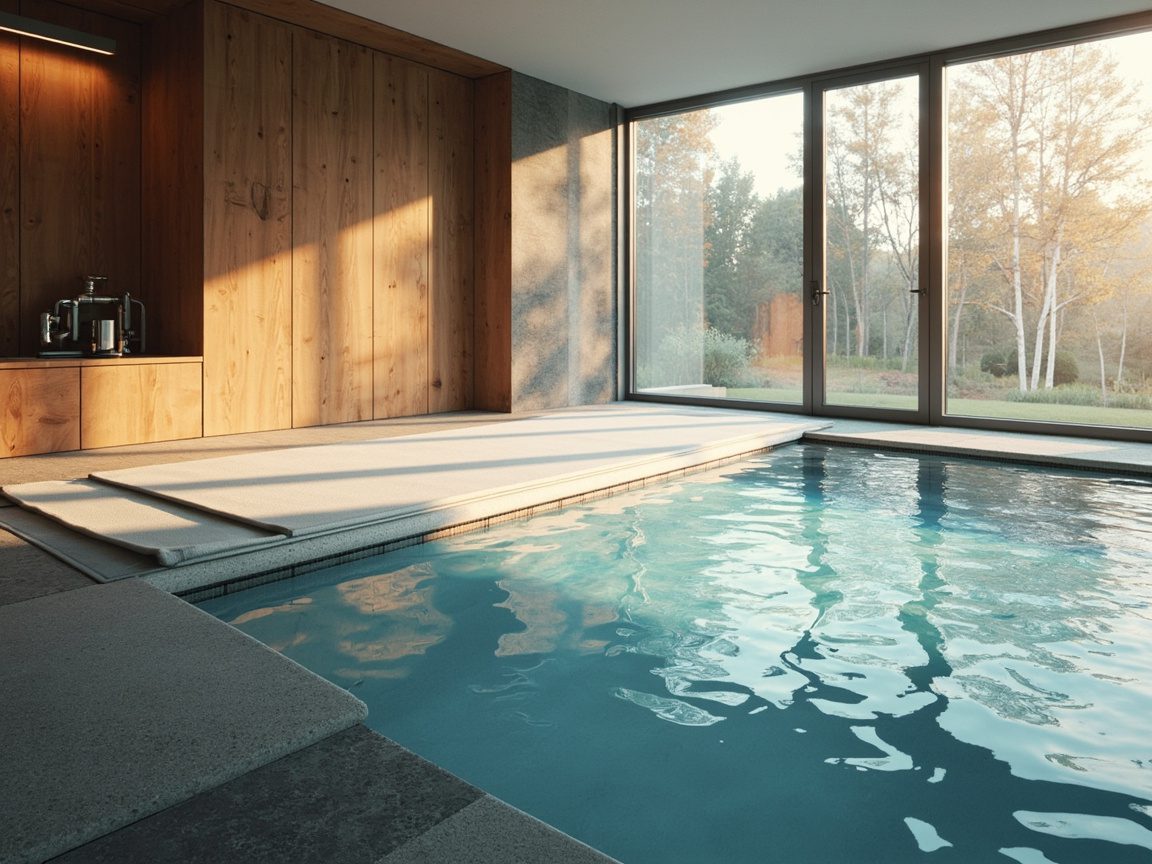
Energy and operating costs make the largest lifetime expense for plunge pools. Small changes cut bills substantially without compromising water quality or comfort.
- Set pump run times to achieve one full turnover daily during use months, and reduce to a minimum circulation off‑season. Use a timer or smart controller to automate schedules.
- Install a variable-speed pump, because it reduces electricity use dramatically compared with single‑speed units. Run low speed for filtration and a short high‑speed boost for vacuuming.
- Use a fitted thermal blanket or insulated cover every night, since evaporation is the primary heat and water loss. A cover reduces heating demand and chemical consumption.
- Opt for targeted heating: solar mats or a small heat pump sized to the plunge pool keep operating costs down versus oversized gas heaters. Match heater capacity to pool volume and typical temperature rise needed.
- Automate chemistry monitoring when the budget allows, to avoid overuse of chemicals and to reduce manual testing time. App‑based controllers often integrate with pumps and heaters for set‑and‑forget efficiency.
- Perform seasonal equipment audits: clean heat exchanger fins, inspect pump seals, and replace worn belts or valves. Preventive maintenance keeps systems running at peak efficiency and extends service life.
You can pair this with ideas from 20 Cold Plunge Aesthetic Ideas for the Wellness Obsessed.
FAQ
Test at least twice weekly during heavy use, and once weekly in cooler months. Increase frequency after heavy bather load or rain events.
Yes for daytime use, but cover it nightly to reduce heat and water loss, lower chemical use, and prevent debris entry.
Yes, variable speed pumps save substantial energy and allow fine control of circulation, typically paying back within a few years, depending on usage.
Either drain lines and store equipment per manufacturer instructions, or keep minimum temperature and circulation with antifreeze‑rated components. Follow the pool manufacturer’s winterization checklist to avoid freeze damage.
Final Thoughts
Maintaining a plunge pool year-round is manageable with regular testing, scheduled filtration, and energy‑smart upgrades.
Avoid common mistakes, automate where practical, and perform seasonal checks to keep costs and hassle low.