


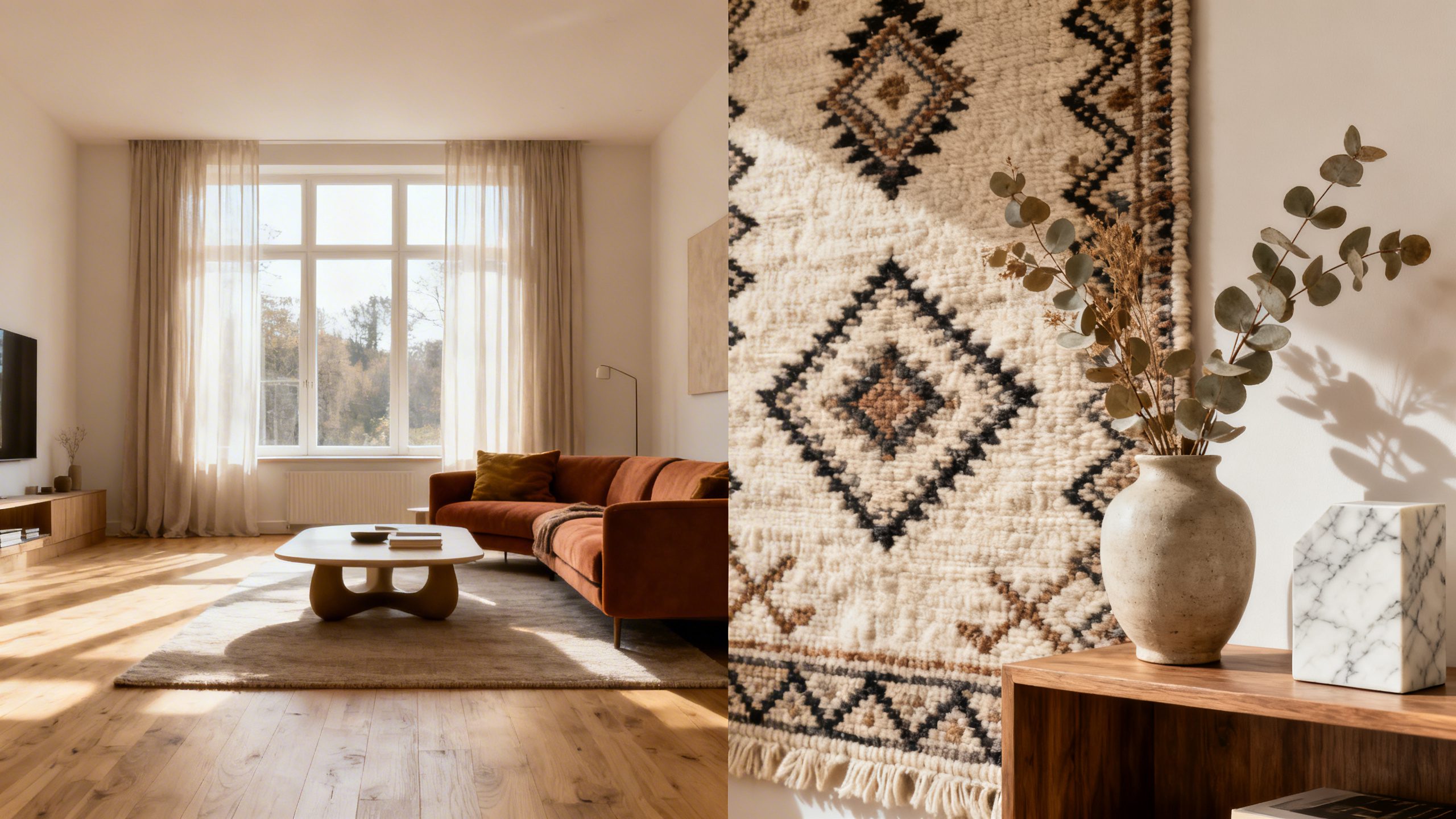
If you are planning, vetting the right home design plans early saves money, avoids awkward circulation, and builds a home that ages gracefully. The smartest schemes pair classic proportions with tactile finishes, so they feel current now and reassuring in ten years.
Below, I break down the foundational directions designers are leaning on for 2026, with concrete specs and pitfalls to dodge. Use these as lenses when reviewing drawings, mood boards, and contractor bids.
My Recommend: Clean Layouts, Softer Materials — I love this because softening a rigorous floor plan with limewash, wool, and rounded edges humanizes new builds, and it consistently photographs and lives better in real homes.
- 1. Warm, Timeless Home Design Plans
- 2. Clean Layouts, Softer Materials
- 3. Restrained Detailing in Plans
- 4. Semi-Open, Semi-Closed Floor Plans
- 5. Family-Friendly Circulation Paths
- 6. Natural Wood and Plaster Finishes
- 7. Calming Neutrals with Earth Tones
- 8. Layered Lighting in House Plans
- 9. Streamlined Storage Built-Ins
- 10. Textured Stone and Clay Surfaces
- 11. Cozy Nooks within Simple Plans
- FAQ
1. Warm, Timeless Home Design Plans
- Effort Level: Contractor-led with homeowner finishes.
- Estimated Budget: 500+.
- Maintenance Level: Low to medium.
- Best For: Long-term owners, whole-home refresh.
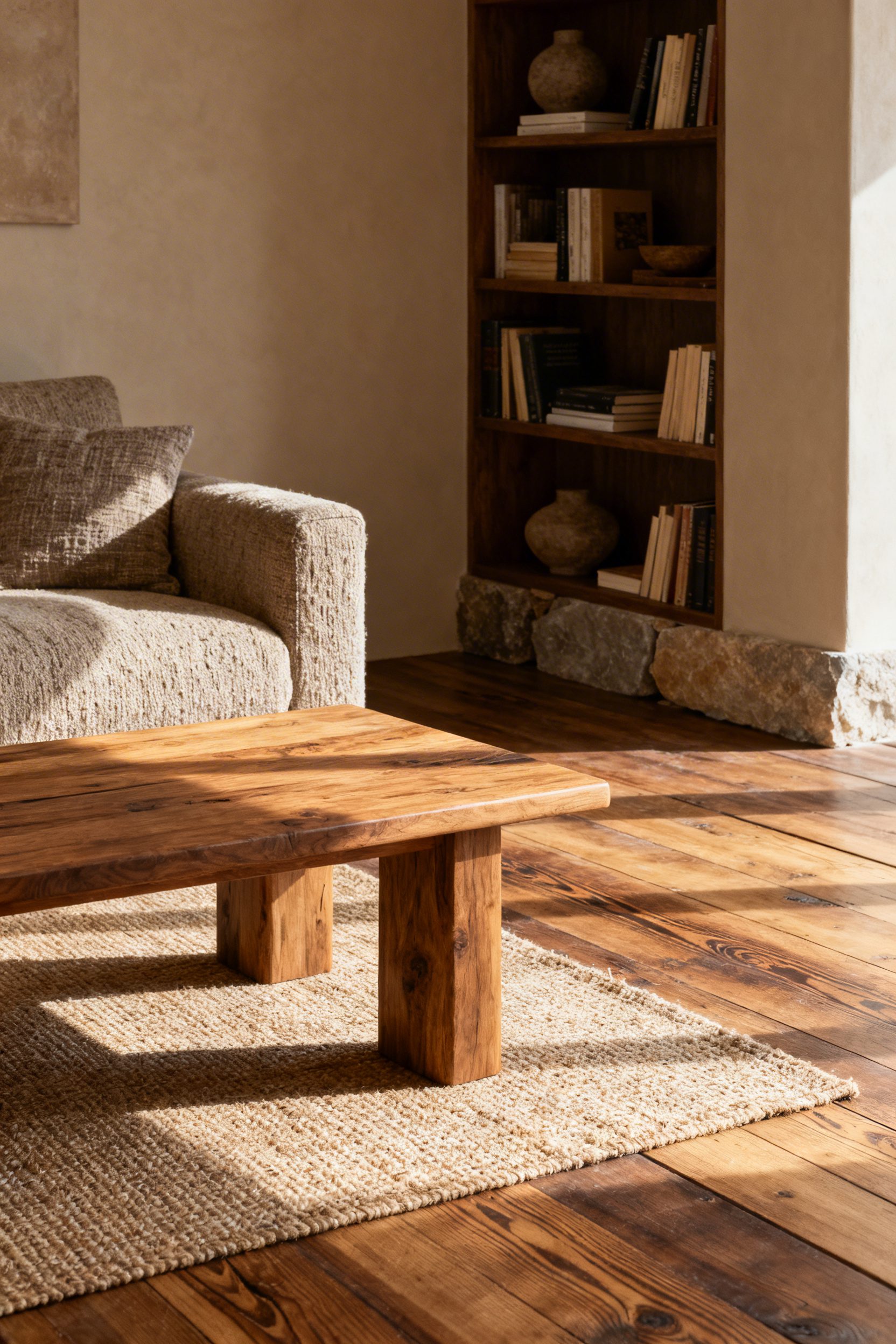
Anchor the palette with warm whites, clay or oatmeal walls, and medium-stain oak, then specify unlacquered brass or oil-rubbed bronze for hardware. Keep trim at 1×4 square stock and crown minimal, the warmth should come from color temperature and grain, not fussy profiles.
Plan for layered lighting, 2700K lamps in living areas and 3000K task lamps in kitchens, on dimmers with two or more circuits per room. A simple coffer or 1×6 ceiling beam detail adds shadow play without stealing headroom, see ideas in the wood beam doorway.
In the kitchen, choose Shaker doors with a 2.25 to 2.5 inch rail and stile, and specify inset or full-overlay consistently. Avoid thin stock or trend-forward fluting everywhere; reserve texture for one focal zone, like the island back.
2. Clean Layouts, Softer Materials
- Effort Level: Architect or designer with DIY finishing touches.
- Estimated Budget: 500+.
- Maintenance Level: Low.
- Best For: New builds, gut renos, modernizing compartmentalized homes.
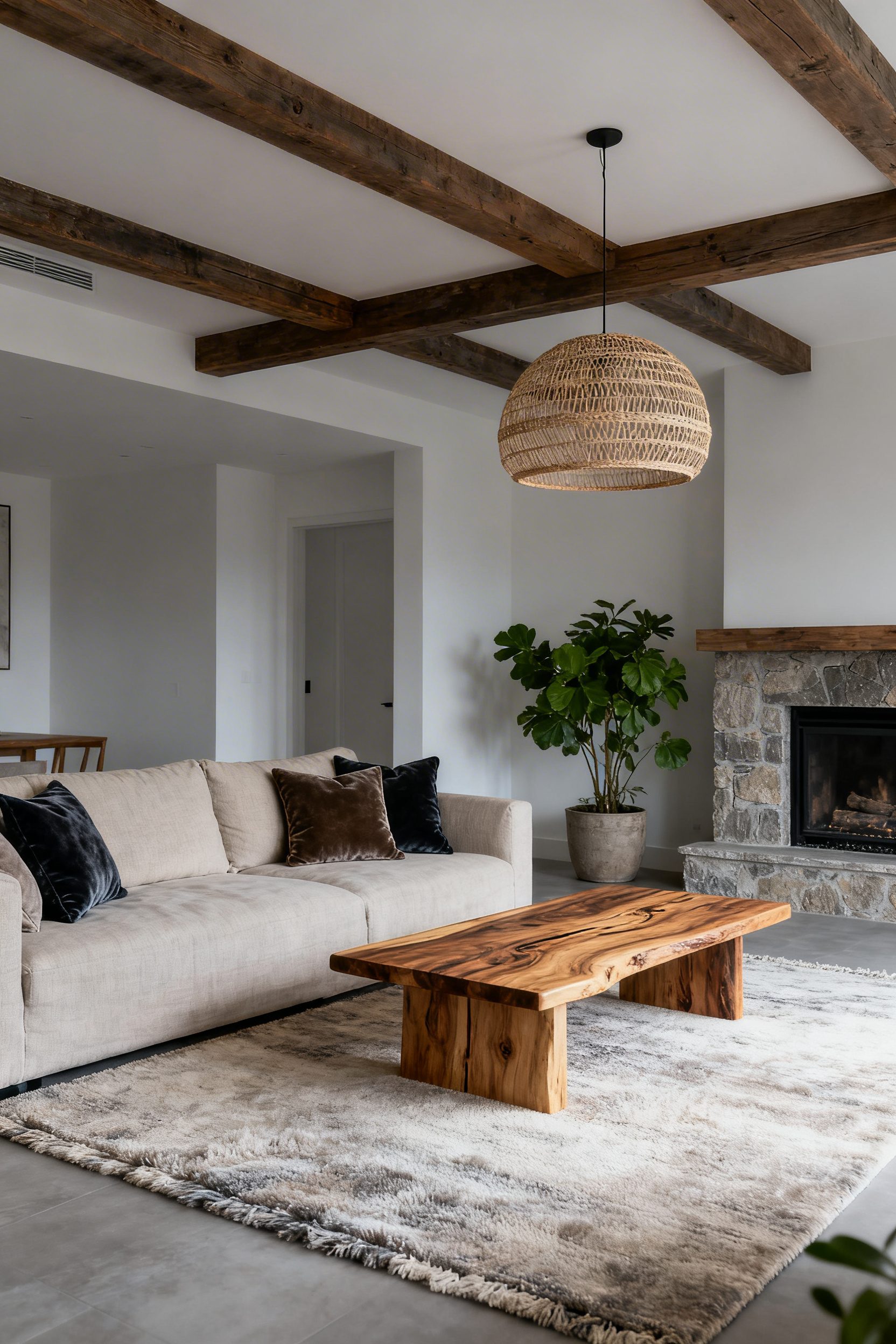
Start with clear circulation, 42 inches minimum around islands, 36 inches clear halls, and doors aligned to sight lines, then soften with limewash, boucle, and wool. Round sharp drywall corners with 3/4 inch bullnose or eased plaster returns to take the edge off rectilinear plans.
Use a semi-open approach where kitchen and dining connect, but include a 6 to 8 foot cased opening to control noise, a 2026 shift toward semi-closed cited by custom home designers. Reference tactile minimalism with Minimalist Home Decor for restraint that still feels cozy.
Flooring matters, choose 6 to 8 inch European oak or cork with a natural matte finish, and specify rugs at 8×10 minimum in living rooms to absorb echo. For credibility on this trend arc, note industry coverage of clean layouts and soft materials in recent reporting.
3. Restrained Detailing in Plans
- Effort Level: Weekend DIY for finishes, pro for millwork.
- Estimated Budget: 100-500.
- Maintenance Level: Low (requires dusting).
- Best For: Small spaces, cost-conscious renovations.
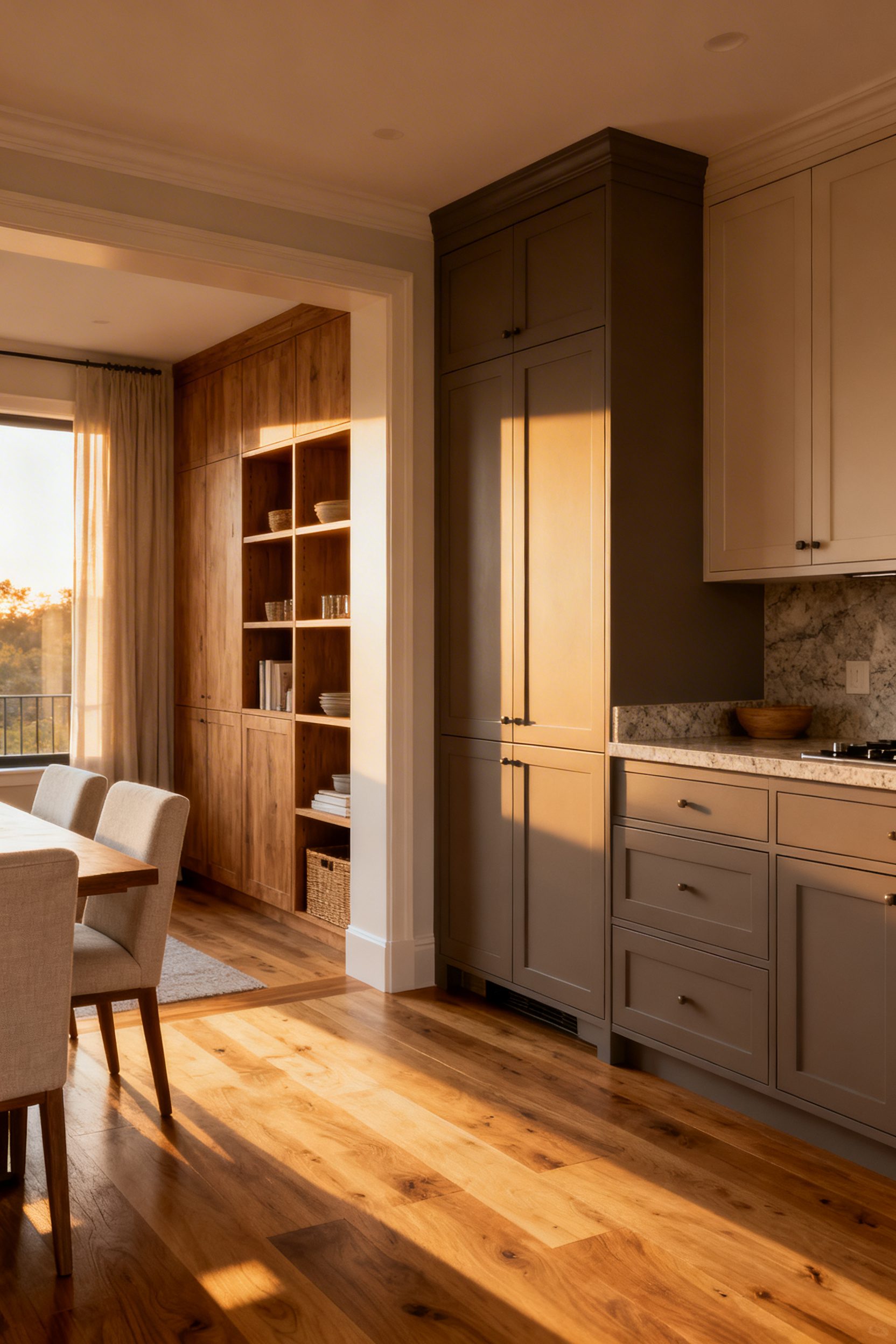
Edit profiles to two or three total, for example, 1×4 base with a 1×2 cap, a simple square casing, and no crown, which keeps costs and visual noise down. On built-ins, skip ornate feet, run cabinets to the floor with a 3-inch recessed toe-kick for shadow and easy cleaning.
In baths, use a stacked tile layout with a 3/16 inch grout joint and color-matched grout, and cap edges with a metal Schluter in matte nickel or black. If you crave patina, layer it through furniture and textiles rather than wall clutter, a cue aligned with Wabi Sabi Home Interior Design.
4. Semi-Open, Semi-Closed Floor Plans
- Effort Level: Contractor-led
- Estimated Budget: 500+
- Maintenance Level: Low (paint touch-ups)
- Best For: Busy households
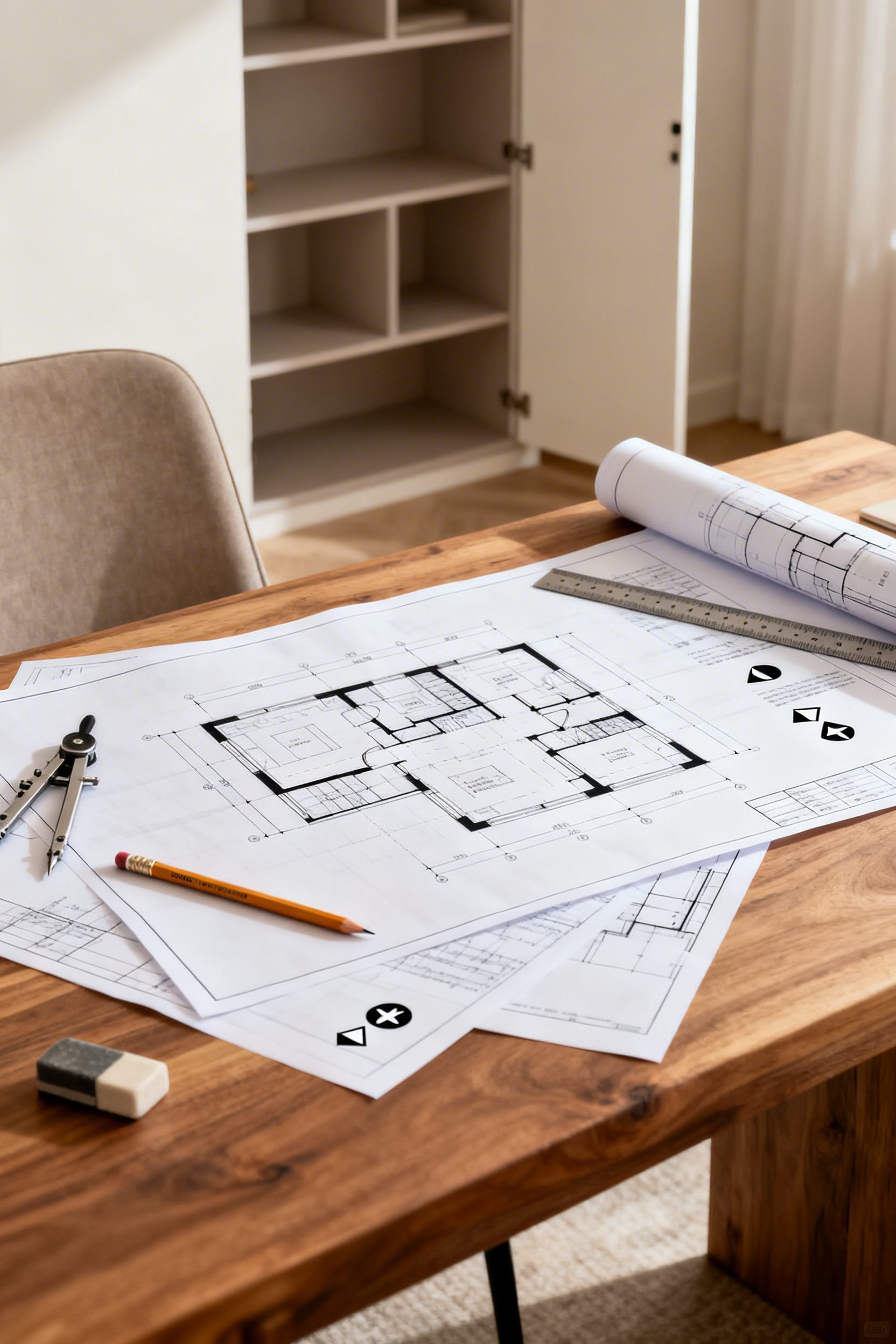
Trade full openness for cased openings, half walls at 42 inches, and glazed interior partitions that borrow light while taming noise and cooking smells. Pocket doors with clear sightlines let you flex the space for holidays or homework without a gut renovation.
Plan structure first, then proportion, placing openings centered on key views and aligning headers at a consistent 7 feet for visual calm. This semi-open approach is gaining momentum for 2026, with designers favoring restrained detailing that keeps layouts clear and livable, as noted in current trend reporting.
Use materials to communicate zones, for example, oak thresholds, a subtle coffer in the dining bay, or limewashed casing that softens transitions. If you lean quieter, pair this plan with the ethos of Minimalist Home Decor for fewer trims and cleaner lines.
5. Family-Friendly Circulation Paths
- Effort Level: Weekend DIY
- Estimated Budget: 100-500
- Maintenance Level: Low (occasional touch-ups)
- Best For: Growing families
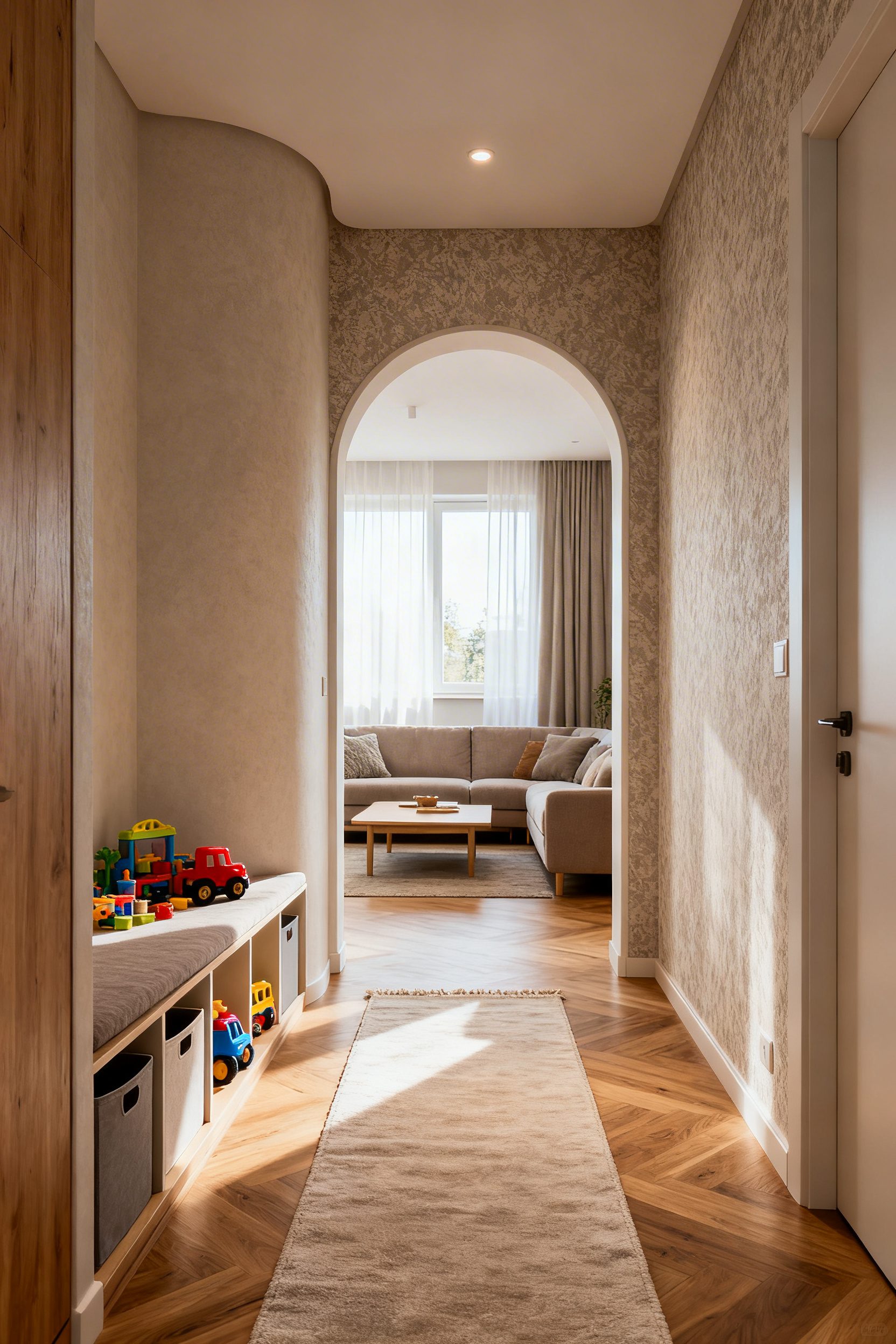
Lay out 36 to 42-inch clear walkways that bypass the TV zone and kitchen work triangle, cutting conflict at peak hours. Use runner rugs at 26 to 30 inches wide to visually stripe the route, and set furniture on 2-inch glides so pieces shift cleanly along the path.
Real-talk warning: I once centered a sofa perfectly, then discovered the stroller clipped its corner daily. Shifting the sofa back 6 inches and choosing a rounded-edge coffee table solved bruised shins and created a natural lane from entry to backyard.
Doors should swing away from the main corridor to avoid choke points, and hooks or charging ledges belong outside the traffic line, not in it.
6. Natural Wood and Plaster Finishes
- Effort Level: Weekend DIY
- Estimated Budget: 100-500
- Maintenance Level: Low (requires dusting)
- Best For: Warm, timeless interiors
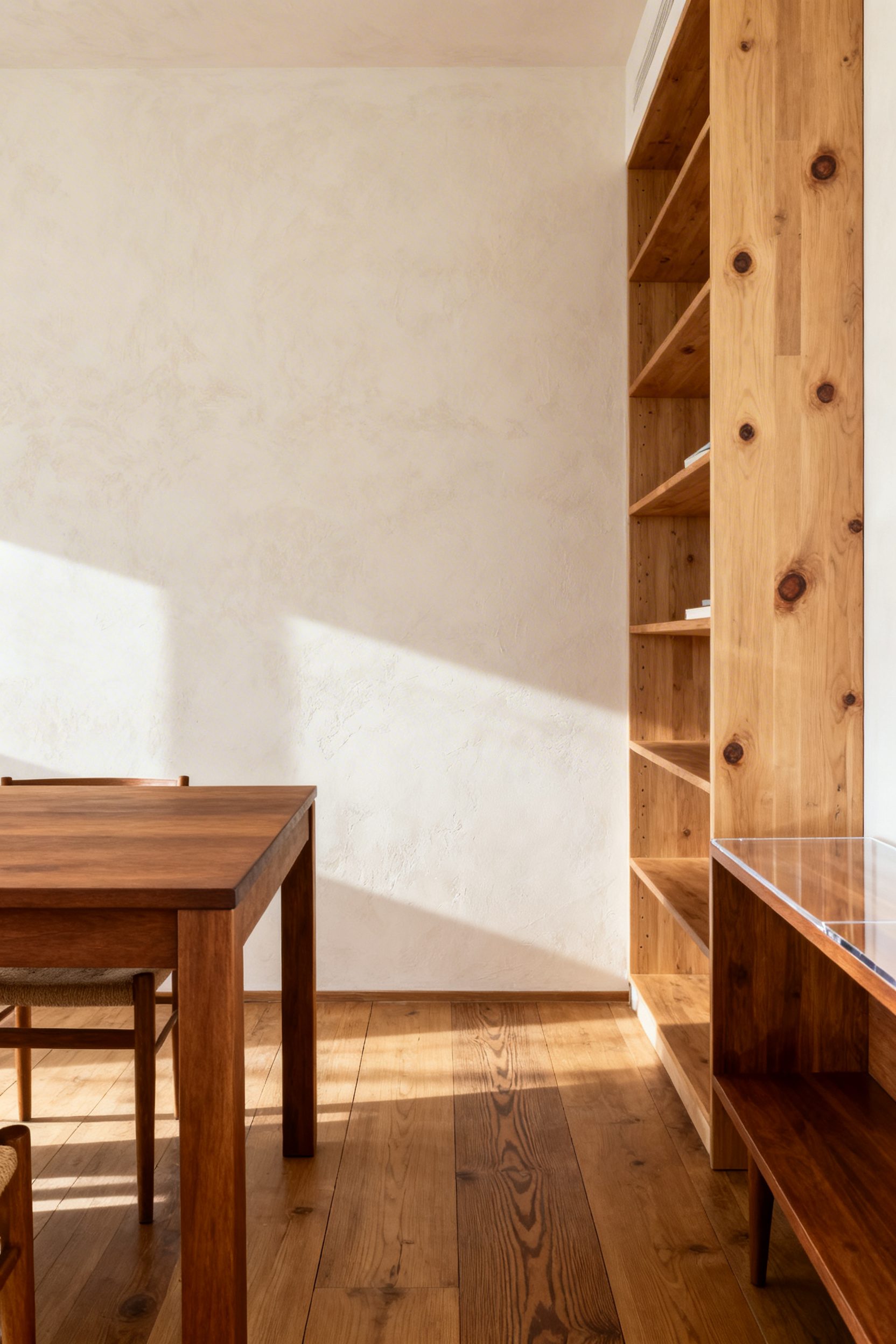
Combine quarter-sawn white oak with mineral-based plaster for a tactile shell that feels fresh yet enduring. Keep sheens matte, using hardwax oil on wood and limewash or clay plaster on walls to diffuse light and hide minor surface flaws.
Mind scale, specifying 3 to 4 inch oak trim with a 1/8 inch reveal at drywall for a crisp shadow line that reads intentional. Current trend reports highlight restrained detailing and soft materials that make simple spaces feel luxurious, a direction echoed by industry coverage such as 2026 home design trends.
Budget smart by plastering feature walls only, then wrapping adjacent corners with wood returns for a tailored end detail. Avoid yellowing by sampling finishes under warm LEDs, 2700 to 3000K, before committing across rooms.
7. Calming Neutrals with Earth Tones
- Effort Level: Weekend DIY.
- Estimated Budget: 100-500.
- Maintenance Level: Low (requires dusting).
- Best For: Living rooms and primary bedrooms.
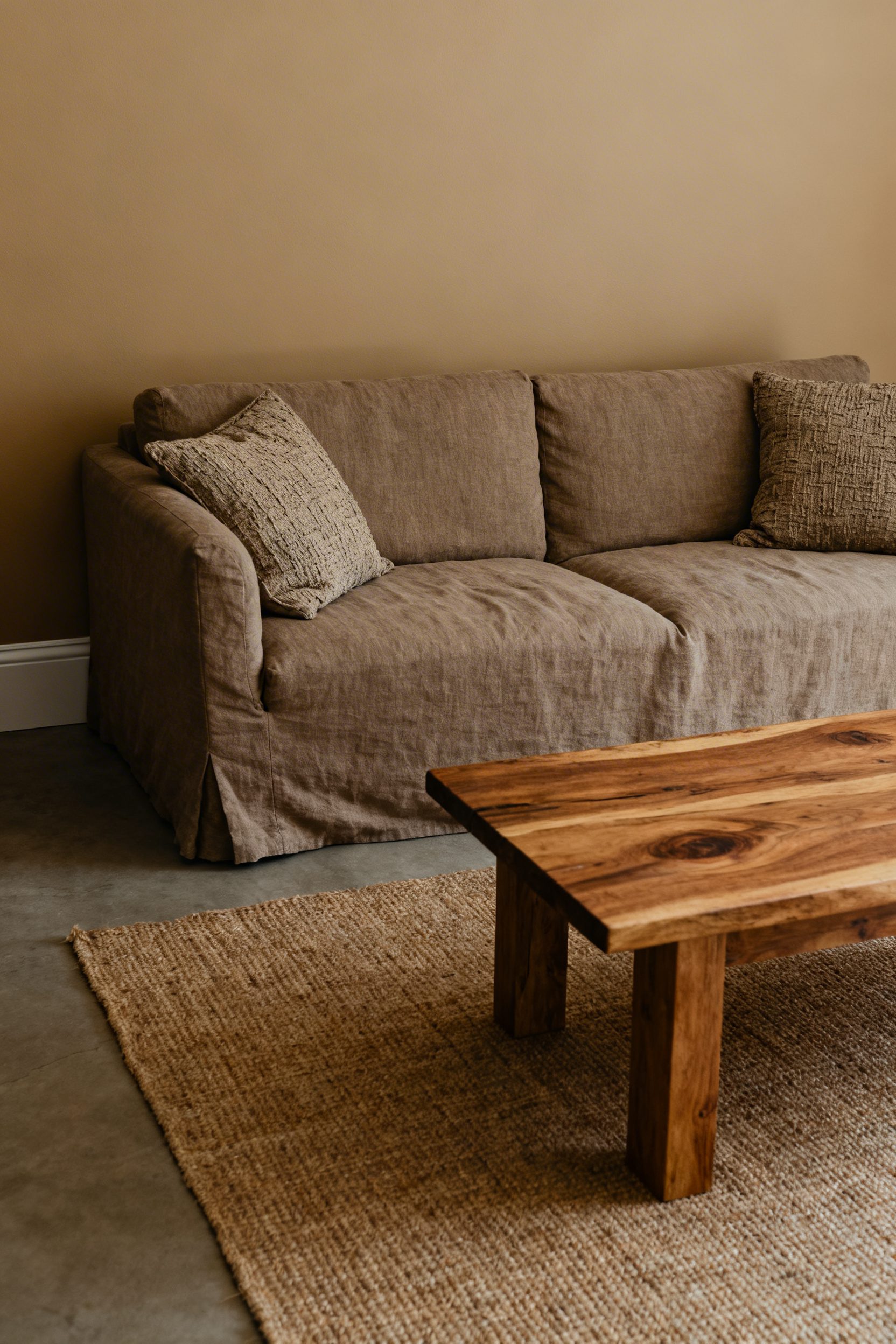
Build a palette that layers warm white walls with sandy beige, clay, and olive accents, then ground it with a walnut or smoked oak piece. Keep contrast gentle, think 60 percent soft neutral, 30 percent mid earth tones, 10 percent dark wood or iron.
Choose breathable textures like linen drapery, boucle pillows, and jute or wool flatweave rugs for depth without visual noise. Avoid gray that skews blue; it can read cold under LED light. Opt for 2700K bulbs to preserve warmth.
If you lean pared back, let a single clay vase or terracotta lamp be the accent, aligning with the spirit of Wabi Sabi Home Interior Design. For minimalists, reference Minimalist Home Decor to keep silhouettes clean while the palette stays cozy.
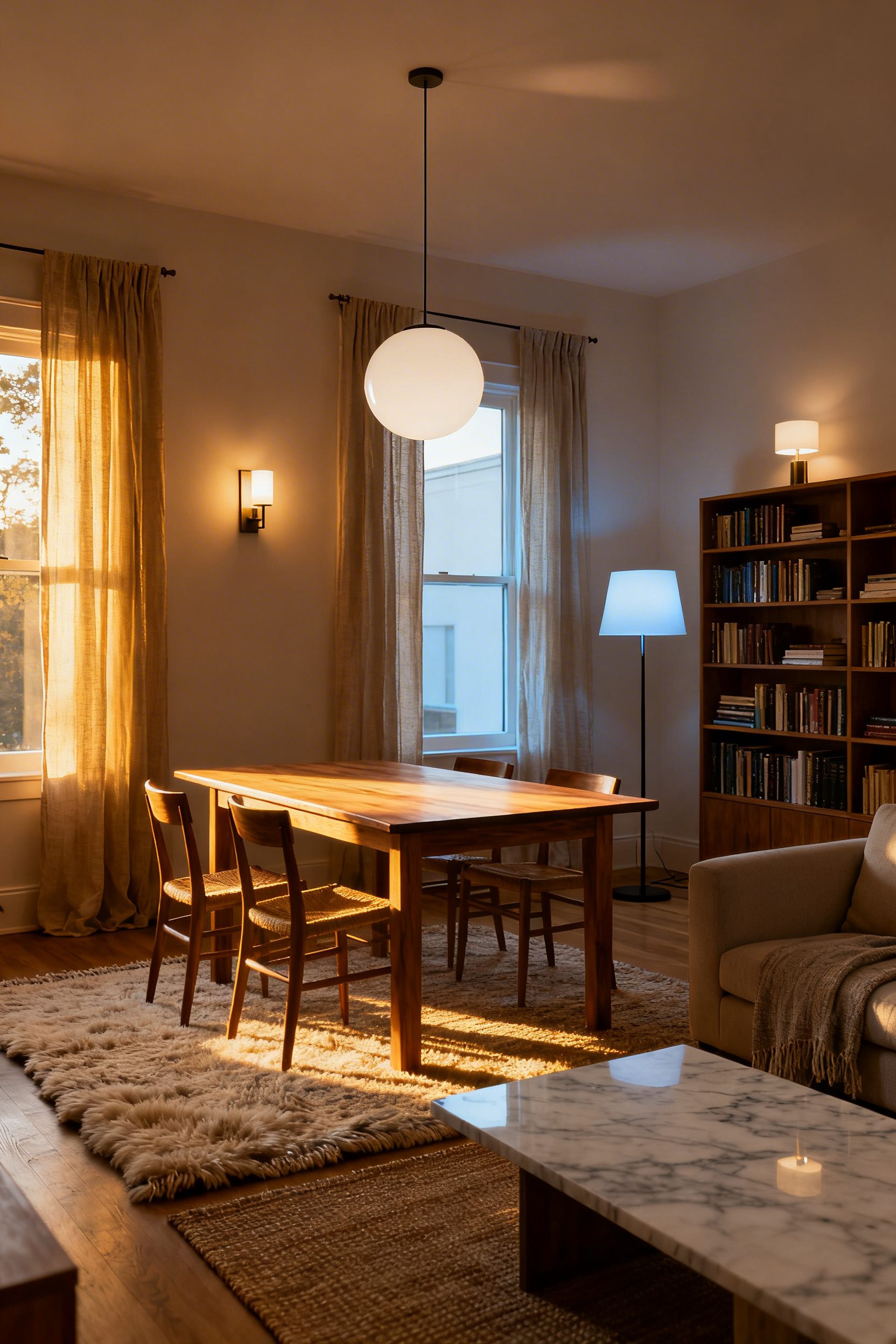
8. Layered Lighting in House Plans
- Effort Level: Pro install for hardwired, DIY for plug‑ins.
- Estimated Budget: 500+.
- Maintenance Level: Low (requires dusting).
- Best For: Open living and kitchens.
Plan three layers early: ambient from recessed or a centered fixture, task at counters and reading zones, and accent via picture lights or toe‑kick LEDs. Space cans at roughly half the ceiling height in feet; a 9-foot ceiling favors 4 to 5-foot spacing.
Specify warm dim or 2700K lamps for living areas, 3000K for kitchens, and keep CRI 90+ to flatter finishes. Put pendants on their own dimmer, hang them 30 to 34 inches above an island, and use one control zone per functional area for flexibility.
Current plans trend toward clean layouts with restrained detailing and softer materials, a direction noted by Architectural Designs. That restraint lets layered light do the heavy lifting without visual clutter.
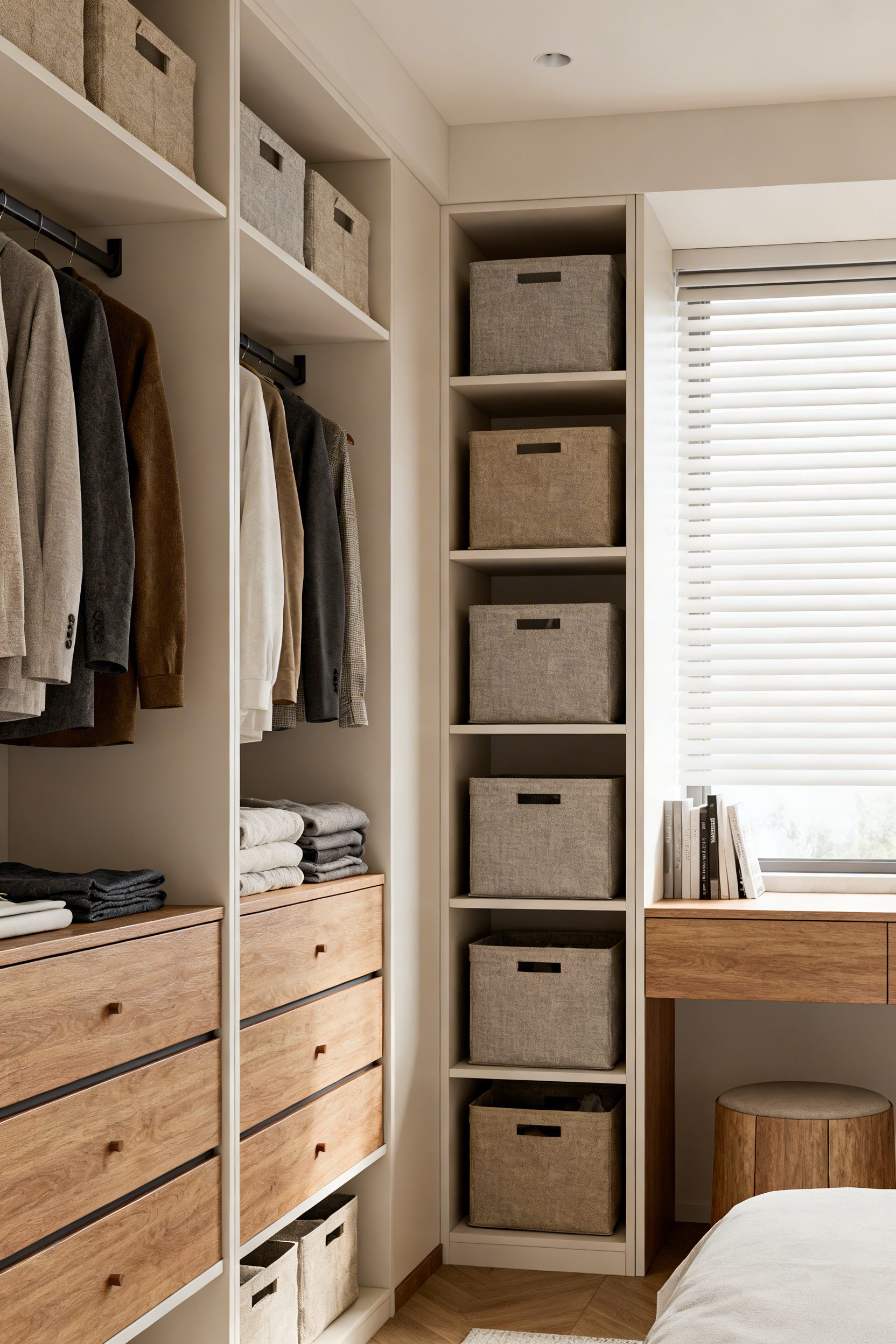
9. Streamlined Storage Built-Ins
- Effort Level: Pro carpentry, advanced DIY for boxes.
- Estimated Budget: 500+.
- Maintenance Level: Low (wipeable fronts).
- Best For: Living rooms and hallways.
Design shallow built‑ins at 12 to 14 inches deep to avoid bulky projections, then run them wall to wall for a custom look. Use slab fronts in painted MDF for budget, or oak veneer with a matte finish for warmth and durability.
Integrate a 3-inch recessed toe kick and a 2 to 3-inch scribe at walls to absorb imperfections. A common mistake is tight‑fitting carcasses that highlight crooked plaster. Prewire for a concealed outlet or puck lights before cabinetry goes in.
Style open shelves with a tight edit, stacks of books horizontally, one sculptural object per bay, and baskets below for daily clutter. If the home leans rustic, frame the opening with a stained header that nods to a subtle Wood Beam Doorway detail without visual heft.
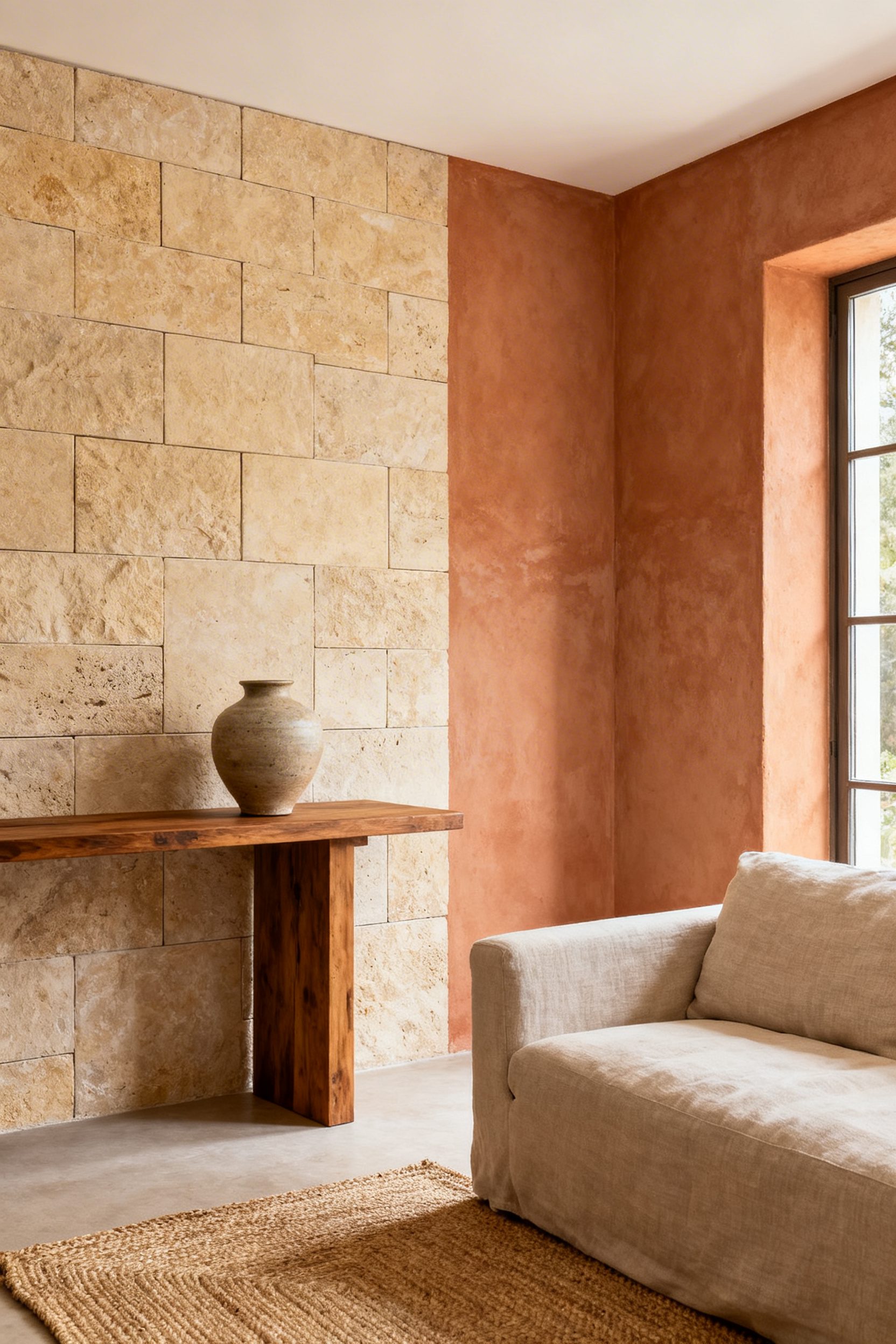
10. Textured Stone and Clay Surfaces
- Effort Level: Weekend DIY.
- Estimated Budget: 100-500.
- Maintenance Level: Low (requires dusting).
- Best For: Accent walls and fireplaces.
Limewash in a warm putty tone, applied in two thin coats with a natural bristle brush, softens drywall and hides minor imperfections. For depth, burnish the second coat lightly with a trowel so the highs catch light while the lows read velvety.
On a fireplace or kitchen splash, use tumbled limestone or honed travertine in mixed sizes, keeping grout within 1/8 inch for a tailored, old-world finish. Seal matte to avoid glare, and stop surfaces 4 to 6 inches before corners to create a framed reveal that feels intentional.
If you crave organic irregularity, a clay plaster skim at 1 to 2 millimeters creates movement without bulk. It pairs beautifully with quiet cabinetry, aligning with the shift to restrained detailing noted in current design trend reporting from Architectural Designs.
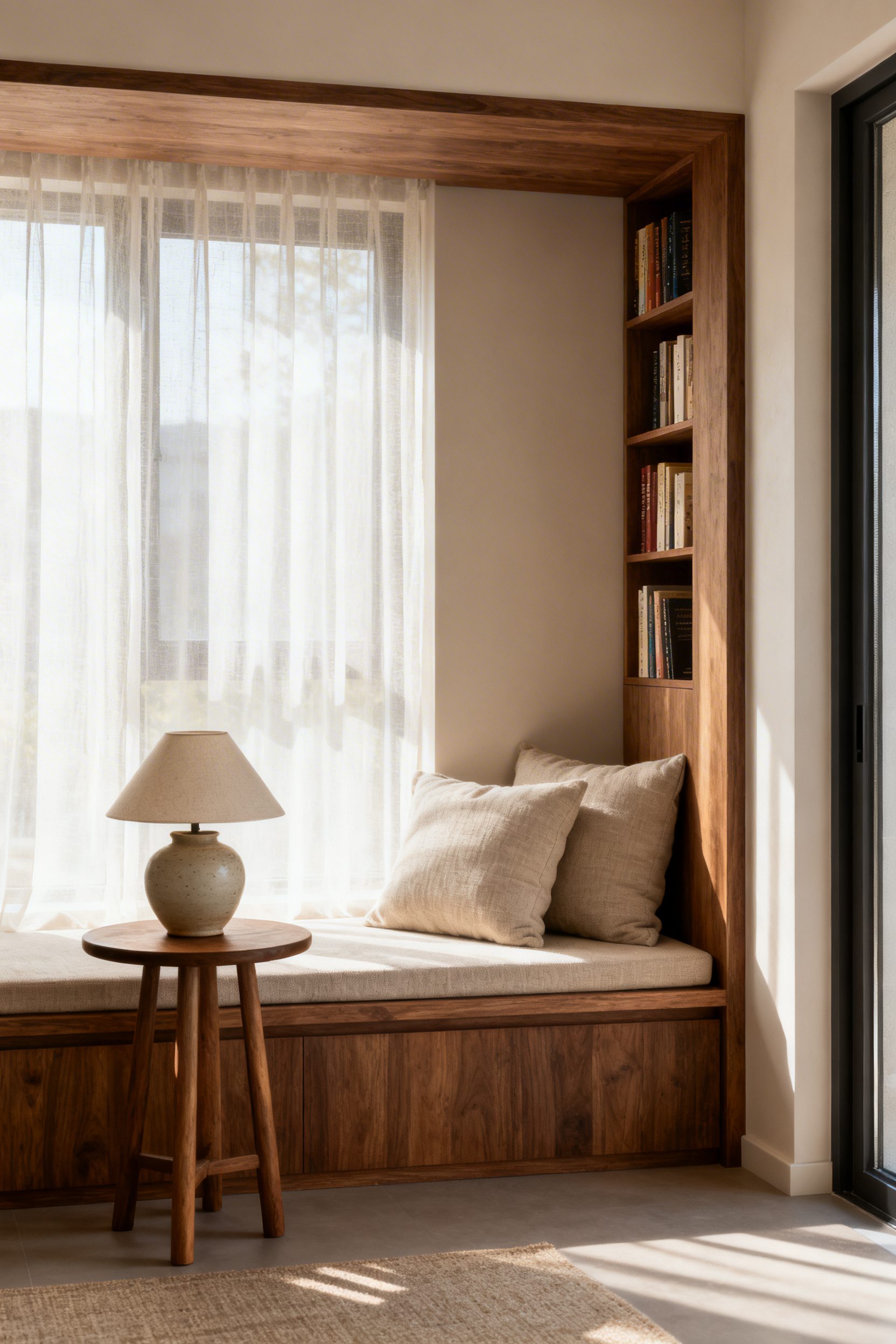
11. Cozy Nooks within Simple Plans
- Effort Level: Weekend DIY.
- Estimated Budget: Under 100.
- Maintenance Level: Low (requires vacuuming).
- Best For: Small bedrooms and landings.
Carve a 36 to 42 inch deep window seat with a firm bench cushion at 18 inch seat height and a 10 inch back bolster for comfort. Add a wall sconce on a swivel at shoulder height, keeping the switch at 42 inches for reach from the seat.
Use a tonal micro-pattern fabric that hides lint, and finish with a wool throw for texture without bulk. Keep millwork face frames to 1.5 inches for a light read, an approach that suits semi-open plans trending toward calm, edited lines.
For renters, float a nook by pairing a 30-inch wide storage bench with a slim bookcase and a small rug that defines the footprint.
FAQ
Yes, when applied over properly primed substrates and sealed with a breathable finish, clay plasters resist scuffs and age gracefully. In mudrooms or halls, add a low wainscot cap to protect the lower 36 inches from bags and shoes.
A true reading nook lands between 36 and 42 inches deep, which allows cross-legged lounging, while 24 inches suits upright sitting with a back cushion. Keep seat height at roughly 18 inches to align with standard chair ergonomics.
You can, but prime first with a mineral or lime-compatible primer to ensure adhesion and even absorbency. Glossy or oil-based paints should be lightly sanded and degreased before priming.
A hardwired sconce with a swivel arm provides targeted light without cluttering the seat, aiming the shade just below eye level when seated. If wiring is tricky, a plug-in sconce with a cord cover keeps it tidy and renter-friendly.