


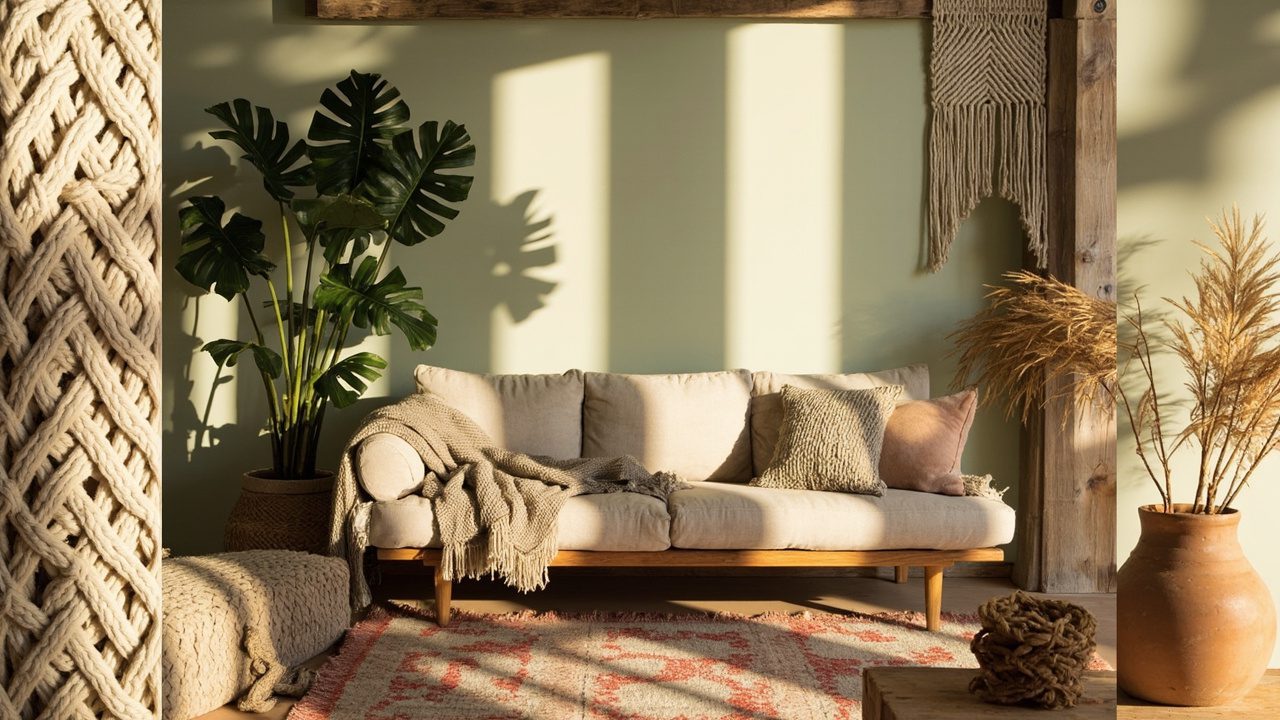
Boho room aesthetic searches usually mean people want relaxed, layered interiors that still feel intentional. This guide focuses on how to translate the free-spirited bohemian look into a whole-home language that reads cohesive rather than chaotic.
Think of boho as a design dialect: shared vocabulary (materials, colors, patterns) and tone (warm, collected, textural). Use the following sections to define those elements and create rules you can repeat from room to room.
- Boho Room Aesthetic: Defining Core Elements and Style
- Planning a Neutral Base for Modern Boho Rooms
- Choosing Textures: Rugs, Throws, and Natural Fibers
- Color Palettes: Earthy Tones and Accent Hues
- Furniture Decisions: Low Profiles and Wooden Pieces
- Layering Patterns and Maximalist Boho Balance
- Practical Implementation: Layouts and Styling Tips
- Common Mistakes and How to Avoid Them
- FAQ
- Final Thoughts
Boho Room Aesthetic: Defining Core Elements and Style
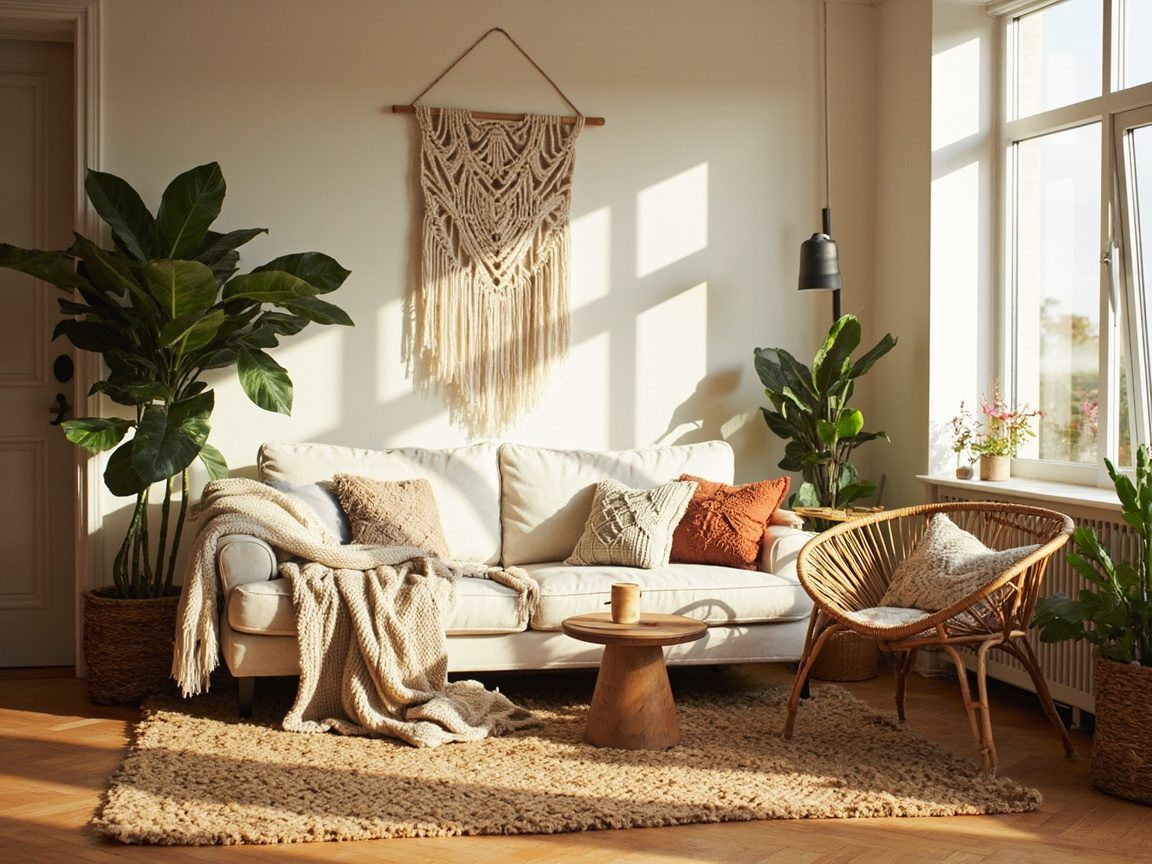
Start by choosing five repeatable elements you’ll use throughout the home—this creates visual continuity without forcing matchy-matchy décor. Limit the list so each room reads as part of a family rather than a literal copy.
- Core palette: select one grounding neutral (warm white, soft beige, or clay) plus two accent tones drawn from nature (terracotta, olive, deep teal). Use these consistently for walls, large upholstery, and major accessories.
- Textural trio: commit to three natural materials—rattan/wicker, raw wood, and jute or sisal. Rotate which material is most prominent per room.
- Pattern rule: pick one dominant pattern (kilim, ikat, or graphic tribal) and one supporting motif (small geometrics or subtle florals). Use the dominant at a single focal point, such as a rug or tapestry.
- Metal and finish accents: choose one metal finish (aged brass or matte black) and repeat it in small doses—lighting, hardware, and picture frames.
- Plant language: decide on plant types (large sculptural ficus vs. trailing pothos) and repeat them in pairings or groupings across spaces.
Implementation criteria:
- Repeat at least three of the five elements in every room to maintain cohesion.
- Anchor each room with one object that carries the boho signature (a woven rug, oversized macramé, or carved wooden chest).
- Avoid overloading a room with multiple competing patterns; balance bold pieces with calm surfaces.
Planning a Neutral Base for Modern Boho Rooms
A neutral base creates calm and lets textured, artisanal pieces speak. Think walls, large seating, and major rugs in restrained tones so layered accessories can vary without clashing.
- Walls and ceilings: choose one neutral paint across open-plan areas to visually connect rooms. Use a slightly darker neutral on an accent wall for depth.
- Key furniture: invest in low-profile sofas and simple wooden dining sets in neutral upholstery or light wood. These pieces act as a canvas for boho accents.
- Floor strategy: if you have different flooring types, add neutral, low-pile rugs in transitional spaces to soften abrupt changes.
- Transition pieces: use a consistent door or trim finish (painted or natural wood) to tie rooms together, especially in older homes where architectural details vary. See how an old farmhouse approach makes cohesion feel natural.
Mistakes to avoid:
- Don’t treat “neutral” as boring—insist on warm undertones that pair with natural fibers.
- Avoid too many competing neutral shades; aim for harmony rather than variety.
- Don’t rely solely on color; the neutral base succeeds when paired with deliberate texture and scale choices.
Choosing Textures: Rugs, Throws, and Natural Fibers
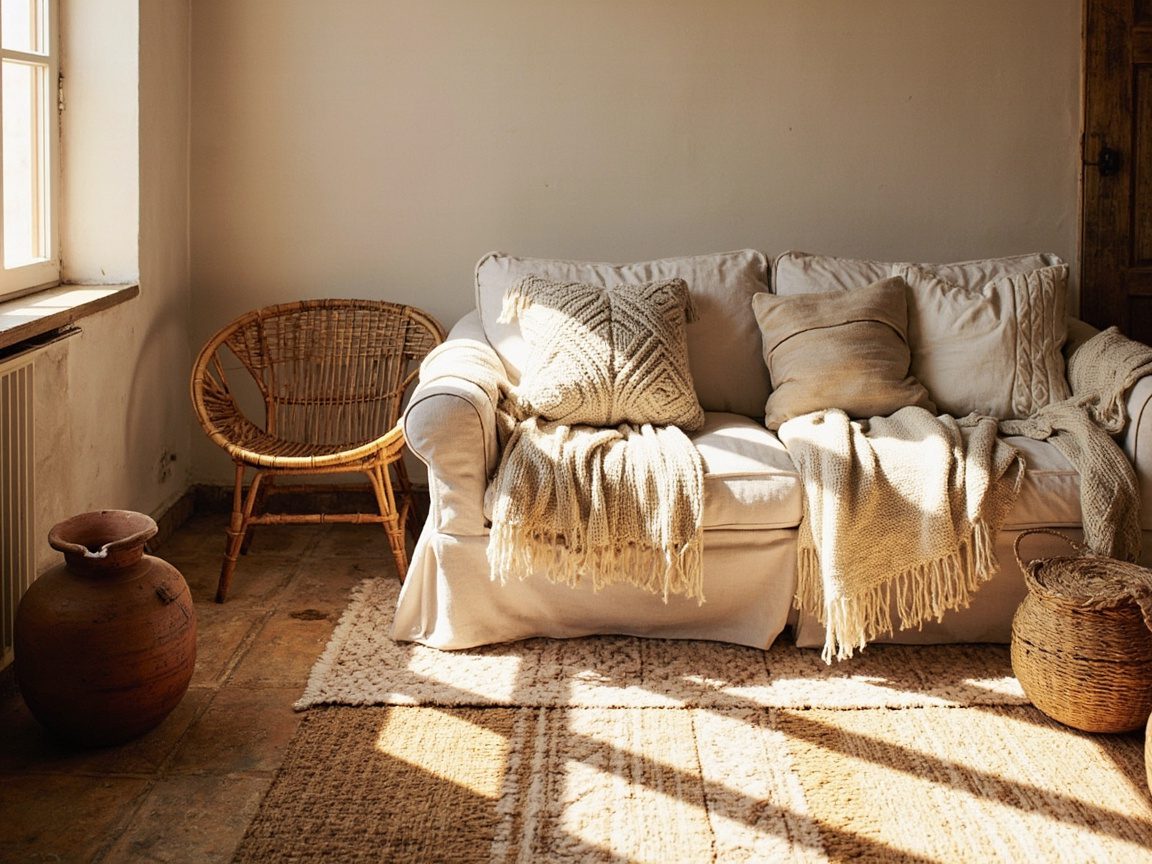
Texture is the backbone of boho; it creates warmth and depth without needing bright color. Build a tactile hierarchy so each room feels layered and lived-in.
- Rug selection criteria: .
- Anchor seating areas with a primary rug in natural fiber (jute, wool, or flatweave). Choose size to allow front legs of sofas/chairs to sit on the rug.
- Layer a smaller patterned or vintage rug atop a neutral base for character. Keep pile heights compatible to avoid tripping.
- Throws and pillows: .
- Mix three scales of pattern—one large graphic, one medium geometric, and one small textured weave.
- Prioritize natural fibers (cotton, linen, alpaca blends) for comfort and breathability.
- Furniture finishes and small decor: .
- Combine unfinished wood surfaces with a few polished pieces to maintain balance.
- Use woven baskets, macramé, and ceramic forms for contrast against smooth upholstery.
- Practical maintenance tips: .
- Choose washable throws and cushion covers in high-traffic zones.
- Rotate rugs seasonally to reduce wear and refresh the look.
Decision checklist:
- Does each room contain at least two natural fibers and one structural texture (wood/metal)? If not, add one.
- Are patterns balanced so eye-catching pieces have breathing space? If not, mute surrounding surfaces.
- Can textiles be cleaned or replaced without redesigning the whole room? Prioritize practicality for long-term cohesion.
Final note: For living-room boho applications and ideas for combining textures with minimal layouts, refer to curated examples like our Living Room Decor Boho Touches.
Color Palettes: Earthy Tones and Accent Hues
Anchor your home with a restrained earthy base to keep Boho feeling grounded and cohesive. Choose 2–3 neutrals (warm white, taupe, clay) across walls and large textiles, then layer accents room-to-room to create rhythm without repetition.
- Primary palette: warm white or soft cream for walls, clay or muted olive for a secondary wall or large upholstery piece.
- Accent hues: pick 2 bolder colors (burnt orange, deep teal, mustard) and use them as repeat motifs in cushions, art, or a single painted door.
- Contrast rule: balance a saturated accent with natural texture (jute, rattan, raw wood) to prevent the room from feeling heavy.
- Transition strategy: use a shared accent color (for example, teal) in adjacent rooms to create visual flow without matching everything exactly.
- Finish consistency: select 2 paint sheens (matte for walls, soft eggshell for trim) and stick to them house-wide for a polished look.
Furniture Decisions: Low Profiles and Wooden Pieces
Boho favors relaxed silhouettes and tactile materials. Prioritize low-profile seating and honest wood finishes to achieve that lived-in, collected feel across rooms.
- Seating scale: choose sofas and chairs with low arms and slimmer backs to maintain an airy, informal vibe; place furniture slightly away from walls for a curated grouping.
- Wood selection: mix warm, medium-tone woods (teak, oak, walnut) but keep the finish family similar—prefer matte or satin over high gloss for cohesion.
- Mix-and-match rule: combine a wooden framed sofa, a cane accent chair, and a reclaimed-wood coffee table to add depth without chaos.
- Functional pieces: invest in versatile wooden storage (open shelving, woven baskets) to display textiles and plants that reinforce the Boho narrative.
- Proportions checklist: ensure coffee table height is within 2–3 inches of sofa seat height and that rugs extend at least 18 inches under front legs to visually tie furniture together.
Layering Patterns and Maximalist Boho Balance
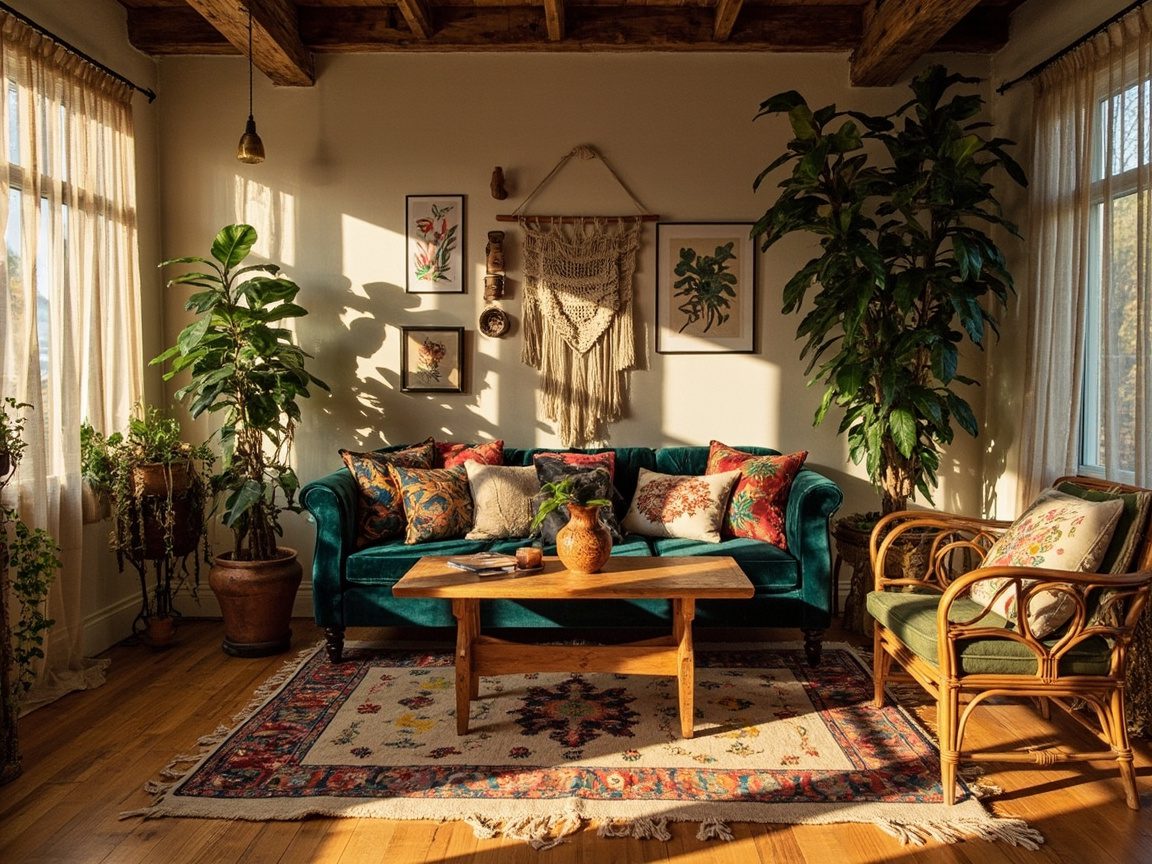
Boho thrives on pattern, but cohesion depends on intentional layering. Use a clear hierarchy: large-scale pattern, medium-repeat motif, and a small accent print in each major zone.
- Hierarchy example: a large kilim rug, a mid-scale floral sofa throw, and small geometric lumbar pillows.
- Limit palette per zone: keep pattern colors drawn from the room’s accent hues to avoid visual competition.
- Texture first: prioritize tactile contrast (fringe, embroidery, nubby weaves) before adding more print to prevent flatness.
- Negative space rule: always include at least one solid, neutral surface in a grouping to let patterns breathe—this can be a plain curtain or a neutral wall.
- Mistakes to avoid: don’t layer too many high-contrast patterns at the same scale; avoid repeating the same busy print in multiple rooms without variation.
- Implementation tip: start with a neutral rug and add one patterned anchor, then introduce smaller patterned accessories over time until the balance feels intentional.
Practical Implementation: Layouts and Styling Tips
Begin by zoning each room around a clear function and a tactile anchor—bed, sofa, dining table. A single strong texture (rattan, heavy woven wool, or reclaimed wood) should guide furniture choices and material layering in that zone.
- Living room: place a low-profile sofa against a neutral wall; anchor with a natural-fiber rug and one oversized macramé or woven wall hanging. Add two smaller patterned cushions rather than many small ones to keep the look intentional.
- Bedroom: center the bed on the main wall; use linen bedding, a textured throw at the foot, and a bedside table in a warm wood tone. Keep window treatments lightweight (sheer or linen) to maintain airiness.
- Dining/kitchen: choose a single statement surface—reclaimed wood table or open shelving—and repeat its tone in smaller elements (cutting boards, frames) to create visual continuity.
- Entry and circulation: keep pathways clear and use hooks or baskets in natural materials for everyday storage. A mirror with a woven frame expands light while adding boho texture.
Use a restrained color recipe: one dominant neutral, one warm earthy midtone, and one accent (terracotta, deep teal, or mustard). Apply the accent sparingly across rooms—one lamp, one rug, or a single art piece—to tie spaces without repeating motifs verbatim.
Lighting strategy: layer ambient, task, and accent lights. Choose sculptural pendants or woven shades for ambient light; use table lamps with warm bulbs for cozy corners. Dimmer switches are a high-impact, low-effort upgrade that immediately makes boho spaces feel more lived-in.
Curate objects deliberately: limit display to 6–10 meaningful items per surface. Rotate smaller collections by season to keep displays fresh without accumulating clutter. For cohesion, include at least one recurring motif (a particular ceramic finish, woven basket style, or color) in every major room.
Practical installation checklist:
- Measure first: ensure furniture scale fits circulation paths and doorways.
- Anchor with one rug per seating or sleeping zone sized to furniture (sofa legs on rug or all legs off; avoid half-rug mistakes).
- Balance textures vertically—heavy rugs or throws on the floor, lighter textiles higher (curtains, wall hangings).
- Create focal points in each room and avoid more than two competing focal features.
For quick edits, swap pillow covers, add a new woven basket, or replace one lamp shade to shift mood without a full redesign. For longer projects, start with the largest pieces (sofa, bed, table) and layer smaller items over time.
Common Mistakes and How to Avoid Them
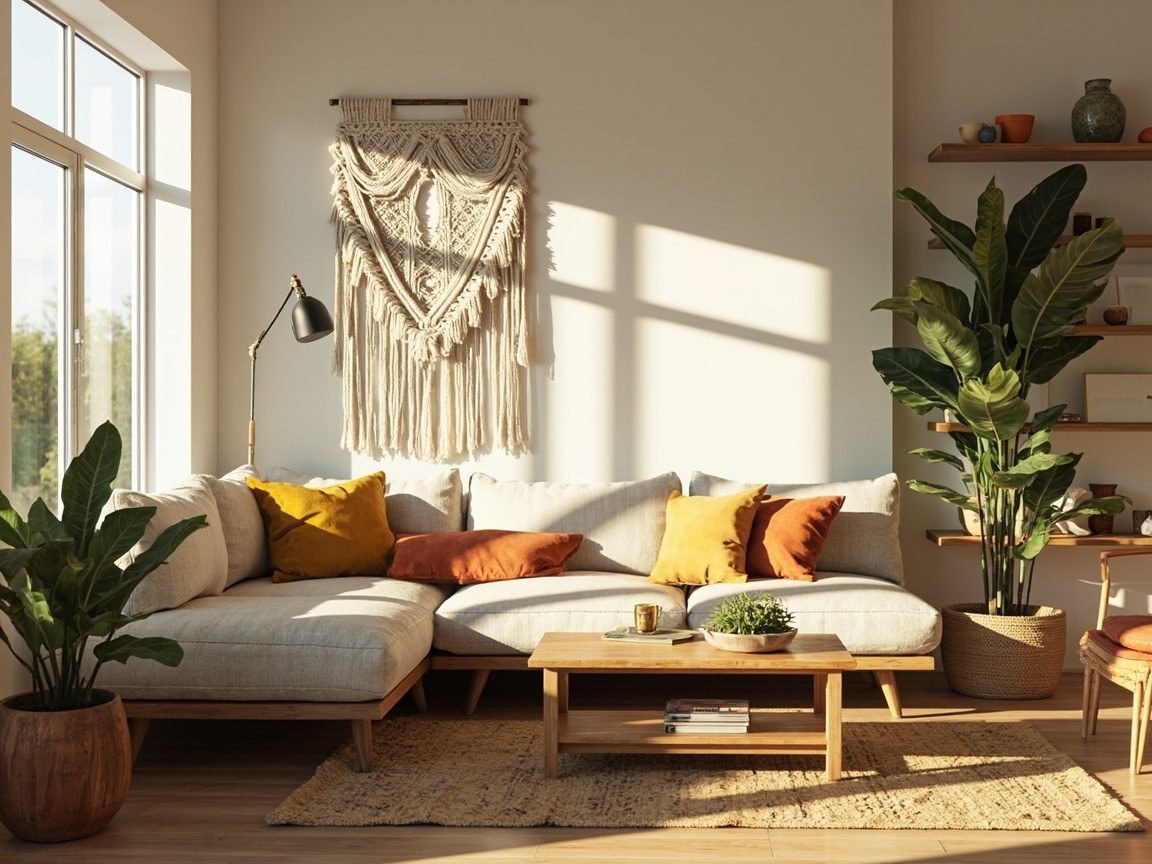
Boho can feel cluttered if every surface gets filled. Instead, edit intentionally: choose a few high-impact pieces and leave negative space to let textures and shapes breathe.
- Over-matching: avoid repeating the exact same pattern or material in every room. Instead, use a consistent palette and vary textures to maintain interest.
- Too many small accessories: group small items into vignettes of 3–5 objects on a tray or shelf to look curated rather than messy.
- Mismatched scale: don’t pair a tiny coffee table with a large sectional. Use furniture that respects proportions and sightlines.
- Poor lighting: relying on a single overhead light flattens texture. Layer lighting and choose warm-color bulbs (2700–3000K) for comfort.
- Ignoring functionality: beautiful baskets without labels or proper storage can create chaos. Match storage solutions to daily habits (e.g., a bench with shoe storage in the entry).
Decision criteria to avoid mistakes:
- Scale test: leave at least 24–36 inches between major furniture pieces for circulation in living areas.
- Edit rule: remove one item from display every time you add a new one.
- Consistency check: ensure each room repeats at least one color and one material found elsewhere in the home.
FAQ
How many accent colors should I use in a boho home?
Aim for one dominant neutral, one earthy midtone, and one accent color. Use the accent sparingly across rooms to unify without overwhelming.
Can I mix modern furniture with boho decor?
Yes. Pair streamlined modern pieces (low-profile sofas or minimalist desks) with boho textures like woven rugs and rattan. For ideas, see Minimalist Desk Setups for balance and contrast.
How do I keep boho decor from feeling dated or overly thematic?
Prioritize quality materials and a restrained palette. Rotate small decorative items and focus on timeless textures—linen, wood, and natural fibers—rather than trendy prints.
What’s the easiest way to introduce boho touches on a budget?
Start with textiles: swap cushion covers, add a jute rug, and use woven baskets for storage. These swaps add texture and warmth without large investments.
Final Thoughts
A cohesive boho home balances texture, scale, and restraint. Plan zones, pick a simple palette, and edit often—intentional curation will make the style feel curated, not chaotic. For further room-specific inspiration, explore Farmhouse Dining Room Designs or Boho Home Decor for practical examples and styling cues.