


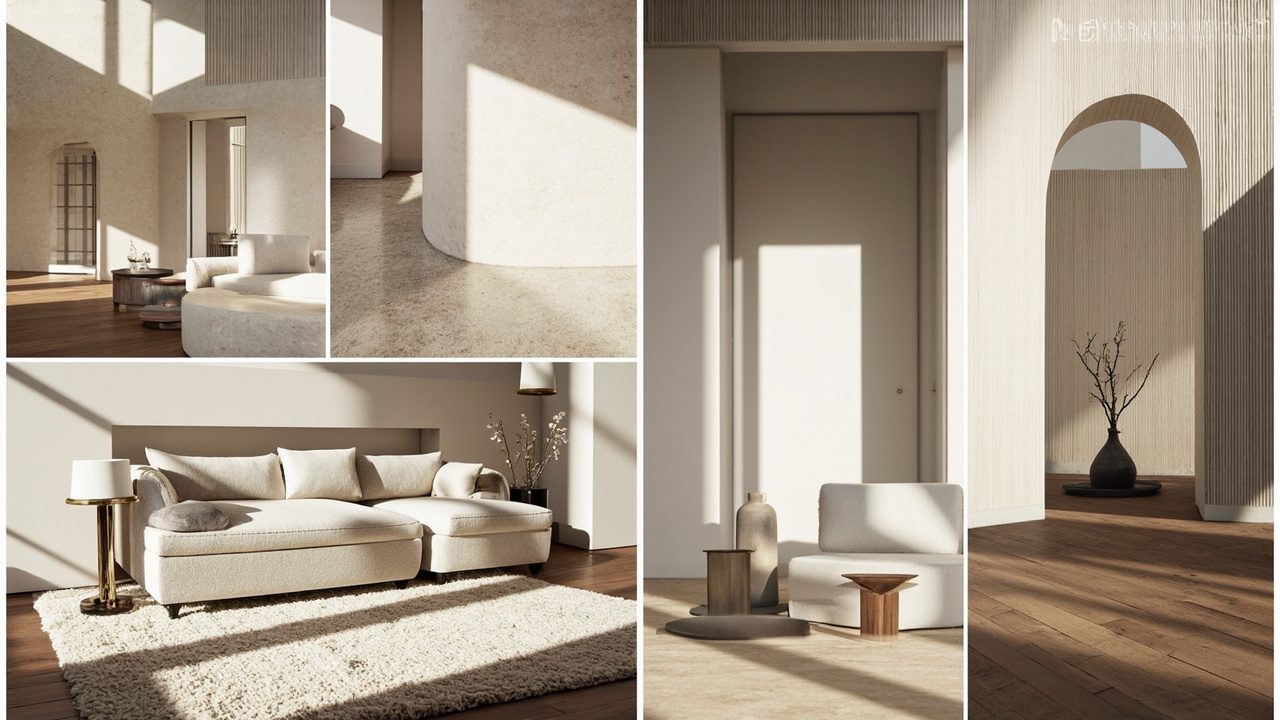
Create a living room that reads expensive without the bill to match. Luxury in 2026 is less about flashy ornament and more about considered materials, intentional scale, and a calm, edited palette, the “quiet luxury” approach that elevates everyday moments into something tactile and serene.
Start by prioritizing one or two investment moves (a better sofa frame, real wood or stone surfaces, or professional-grade paint) and let budget-friendly accents do the rest.
This list gives 18 practical, style-tested strategies to replicate that restrained glamour.
Each idea includes a concrete decision on what to buy, what to avoid, and how to scale pieces for your room so you can stop guessing and start styling with confidence.
- 1. Quiet Luxury Materials
- 2. Artisanal Textured Surfaces
- 3. Velvet Statement Sofas
- 4. Dark Raspberry Hues
- 5. Eclectic Pattern Mixing
- 6. Floral & Leopard Pairings
- 7. Curated Vintage Pieces
- 8. Bay Window Nooks
- 9. Cafe-Curtain Windows
- 10. Small Green Seating
- 11. Built-In Lounge Nooks
- 12. Gaming Table Centers
- 13. Emotional Living Corners
- 14. Sculptural Lighting Fixtures
- 15. Tactile Natural Fibers
- 16. Polished Brass Details
- 17. Monochrome Layering
- 18. Sustainable Luxury Furnishings
- Final Thoughts
- FAQ
1. Quiet Luxury Materials
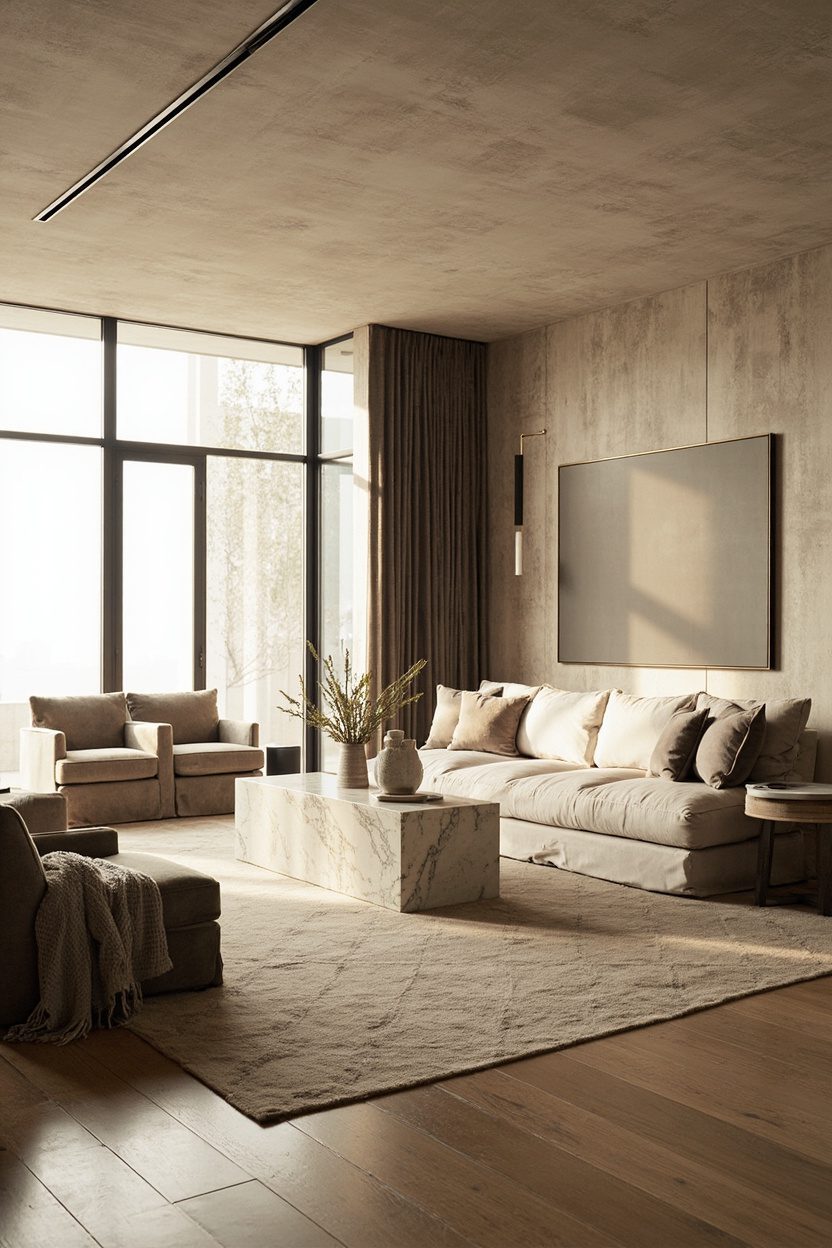
Quiet luxury is about surfaces that whisper quality: matte-lacquered cabinetry, honed stone, and wool-blend textiles with a tight weave. Choose tactile neutrals — warm greige, mushroom, or ivory — and limit high-contrast finishes; subtlety reads expensive and masks small imperfections in budget substitutions like engineered stone or veneer-grade wood with a premium finish.
A budget play: opt for large-format porcelain slabs that mimic marble veining for a fireplace surround or coffee table top instead of real marble. Prioritize where real material matters — a small hearth ledge, entry console top — and use convincing alternatives elsewhere to keep costs down without compromising the upscale feel.
Essential Elements
- Pick a restrained palette (warm neutrals) to unify mixed materials and elevate the overall look.
- Use engineered stone or porcelain slabs for large surfaces to mimic marble affordably.
- Invest in a few real-material accents (solid wood top, brass hardware) for authenticity.
- Avoid shiny laminates; choose matte or satin finishes to convey craftsmanship.
2. Artisanal Textured Surfaces
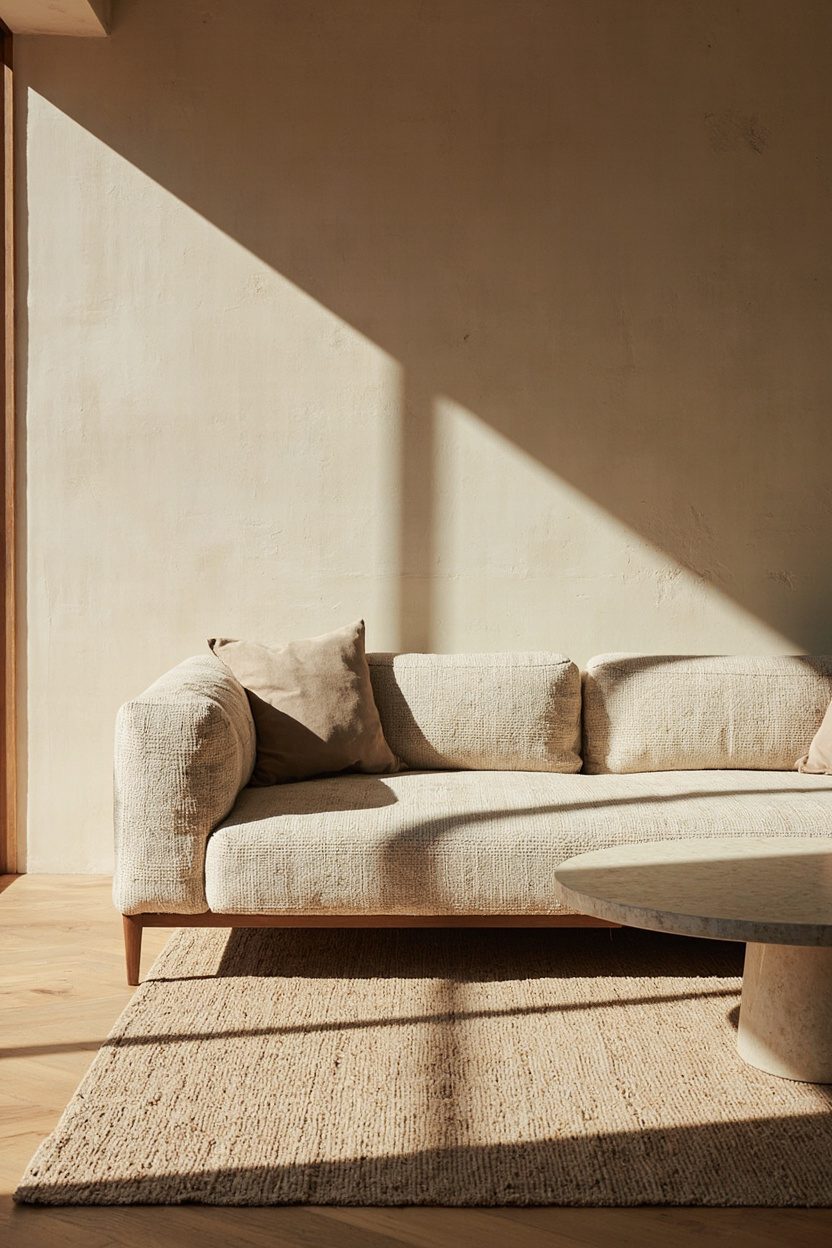
Handmade textures — plaster, hand-applied limewash, woven wall panels — inject depth without needing luxury furniture. Limit the treatment to one focal wall or a built-in to keep budget and balance; excessive texture can read cluttered. Textured finishes align with the 2026 trend toward artisanal surfaces and quiet luxury, turning simple rooms into curated spaces.
For cost control, try Venetian plaster look-alikes (skimming primer and a tinted topcoat) or removable textile panels over MDF frames. The trick is scale: a single oversized textured panel behind the sofa (approx. 6–8 ft) acts like art and elevates the whole room at a small fraction of commissioning a craftsman for every wall.
What to Focus On
- Create one textured focal plane (behind sofa or TV) rather than treating all walls.
- Use faux plaster techniques or DIY limewash for a high-end look on a budget.
- Scale the texture to the room — oversized panels in large rooms, single sections in small rooms.
- Pair textures with smooth, matte furnishings to avoid visual competition.
3. Velvet Statement Sofas
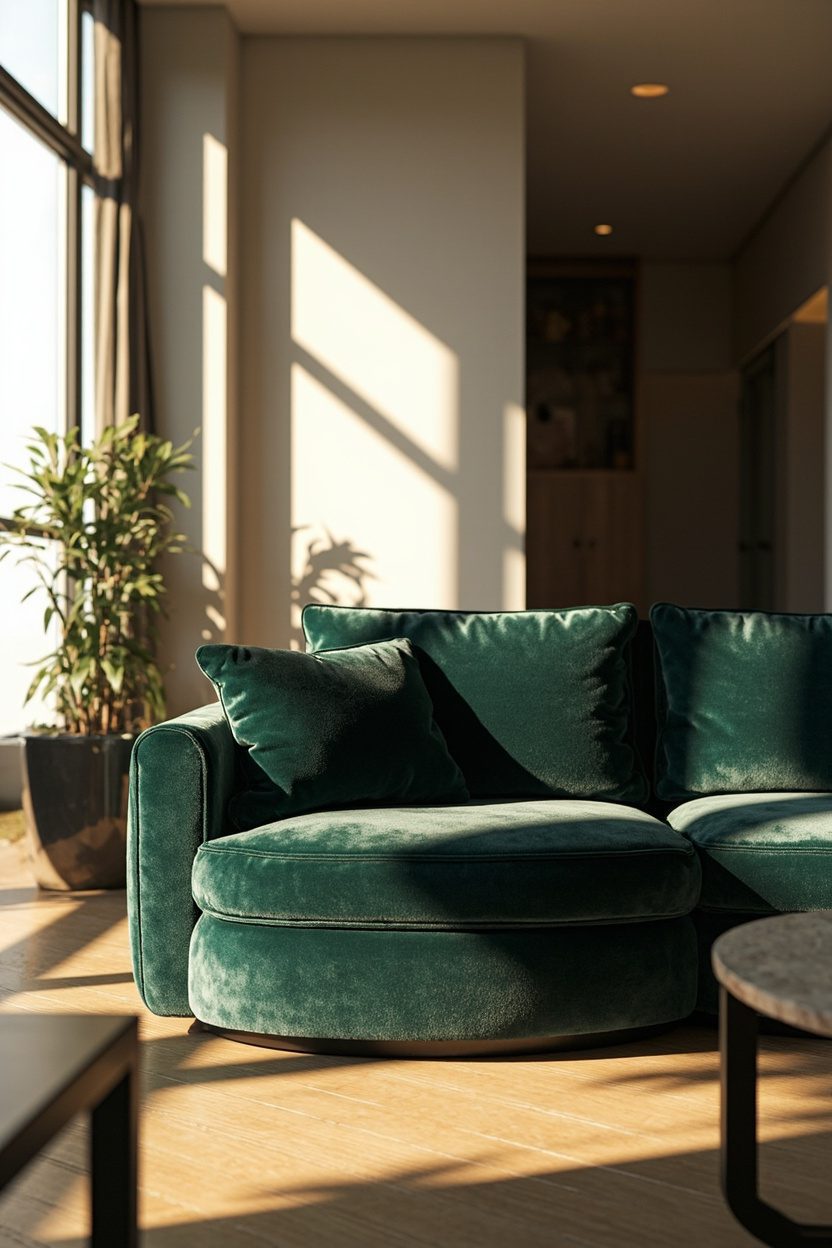
A velvet sofa reads instantly luxurious through its depth of color and soft light-reflecting nap; choose a saturated jewel tone or a deep mushroom for impact. For budget-conscious buys, select a piece with a kiln-dried hardwood frame and sinuous spring suspension; you can compromise on upholstery grade (poly-velvet blends are durable) but not on structural quality if you want longevity.
Scale matters: a three-seater with low, continuous arms keeps the silhouette modern and designer-friendly. Avoid ultra-soft fill that flattens quickly; firm, reversible cushions or feather-wrapped foam cores keep the sofa looking tailored. Add brass or dark-stained wood legs rather than cheap chrome to read more custom.
Styling Blueprint
- Choose a saturated but muted velvet (oxblood, forest, or mushroom) for a refined look.
- Prioritize frame construction (kiln-dried hardwood) over luxury fabric grade if needed.
- Select firm, reversible cushions to maintain a tailored silhouette long-term.
- Pair with mixed-textile pillows (silk-linen blends) for tactile contrast without clutter.
4. Dark Raspberry Hues
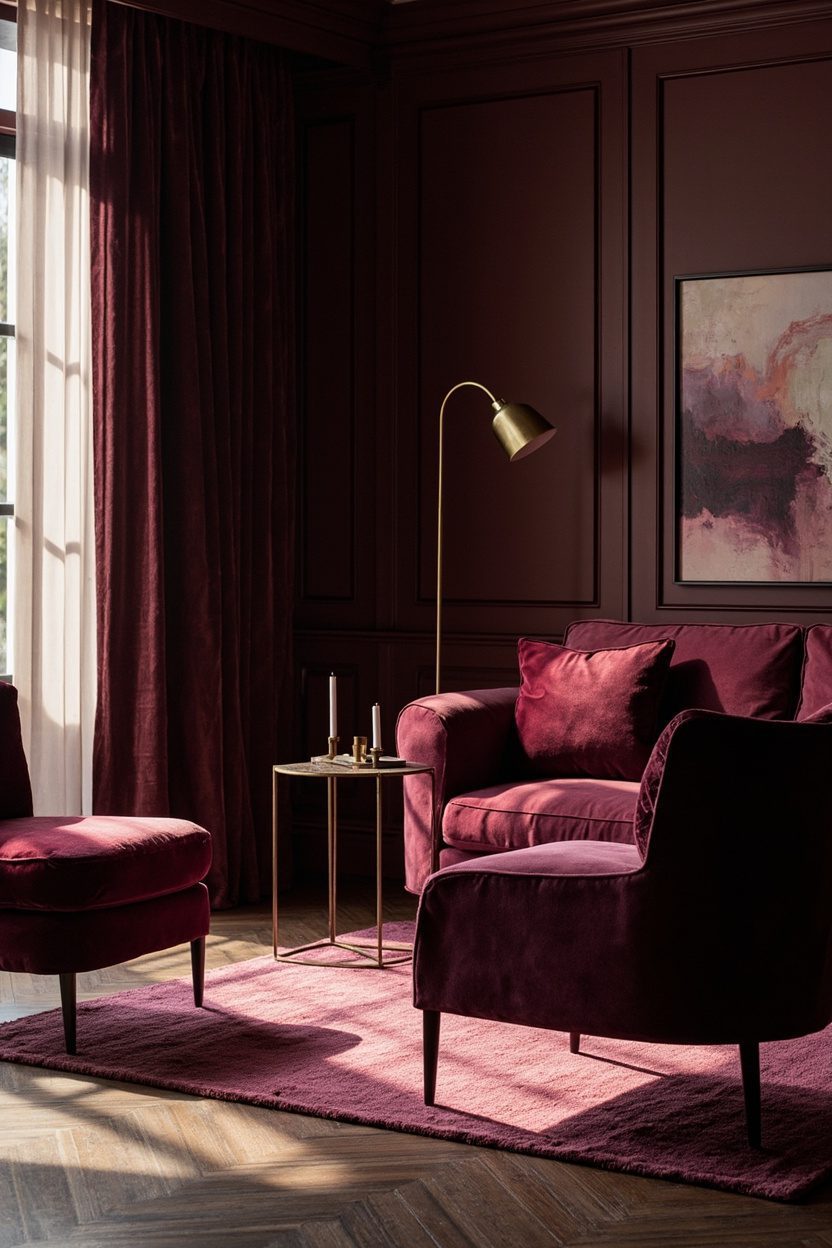
Deep, dark raspberry becomes an instant “quiet luxury” move when used sparingly against neutral backdrops. Swap a cheap sectional for a secondhand or reupholstered sofa in a raspberry velvet or microfiber—velvet reads expensive at a midrange price, but choose a performance microfiber if you have pets or kids to avoid frequent dry-clean bills.
Balance is everything: paint one focal wall in a muted raspberry (use a sample chip first) and keep trim and large surfaces in warm off-white to prevent the room from feeling heavy. Avoid pairing raspberry with cool metallics; instead, warm brass or aged bronze hardware and lamps will harmonize and elevate the tone rather than fight it.
Styling Blueprint
- Choose a single raspberry anchor piece (sofa or rug) and limit repeats to two smaller accents like a pillow and a throw blanket.
- Pick upholstery in performance velvet or microfiber for durability and luxury look under $1,200.
- Add warm brass lighting and a low-sheen walnut coffee table to ground the palette.
- Test paint with a 2×2 ft. sample patch before committing to a full accent wall.
5. Eclectic Pattern Mixing
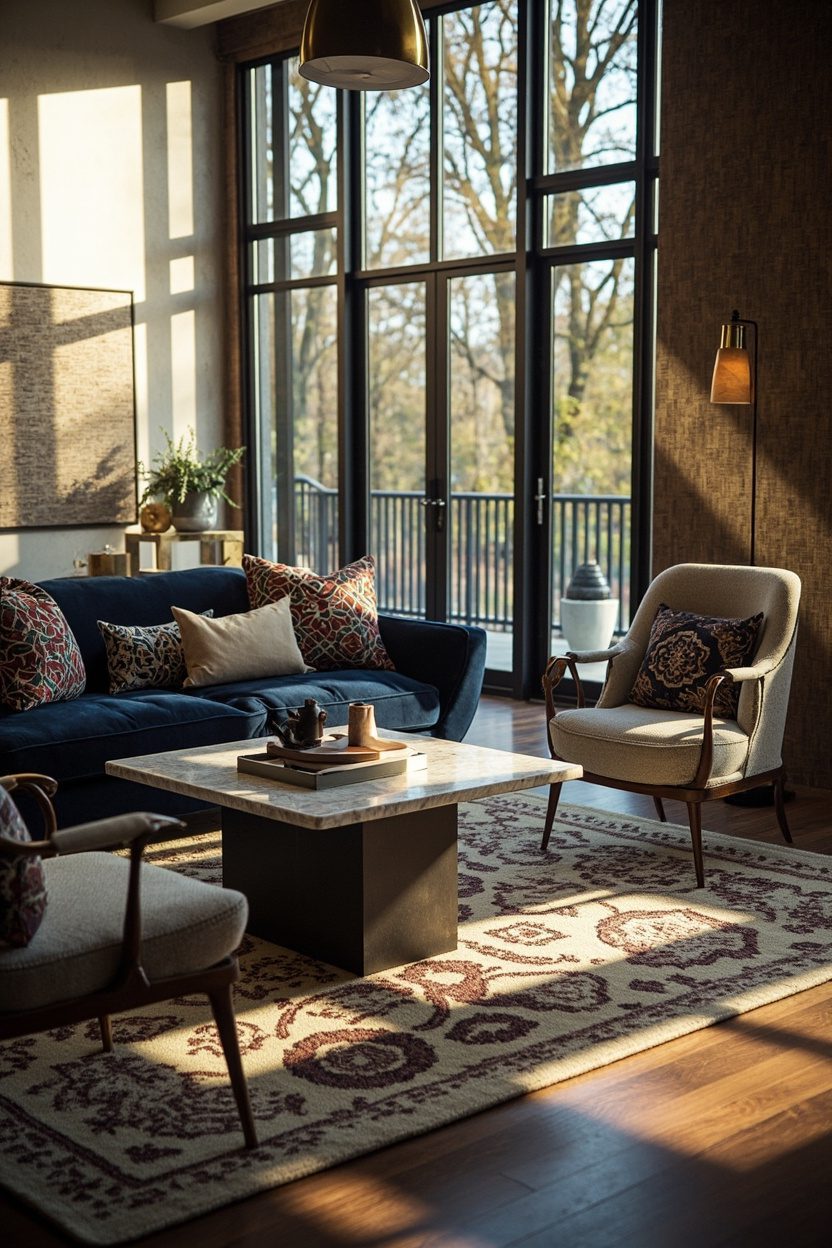
Pattern mixing signals confidence and curated taste when you control scale and color rather than leaning on randomness. Start with a restrained color story—two neutrals and one accent—and layer three pattern scales: large-scale (area rug), medium (sofa fabric), and small (scatter cushions). This prevents visual chaos and feels like an edited designer scheme even on a modest budget.
Work with budget-friendly sources: pick a neutral sectional from a big-box retailer and introduce personality with thrifted chairs and remade cushion covers in different patterns. Avoid matching the patterns too closely; instead, repeat one color across patterns to knit them together and always keep at least one solid to rest the eye.
What to Focus On
- Select one unifying color used in all patterns to maintain cohesion (e.g., charcoal accents across prints).
- Mix three scales: large rug, medium upholstery, small pillows—no more than three print types in active view.
- Incorporate one neutral solid piece (sofa or curtains) to anchor the design and reduce visual noise.
- Source patterned textiles from discount fabric remnant bins or make simple pillow covers to save costs.
6. Floral & Leopard Pairings
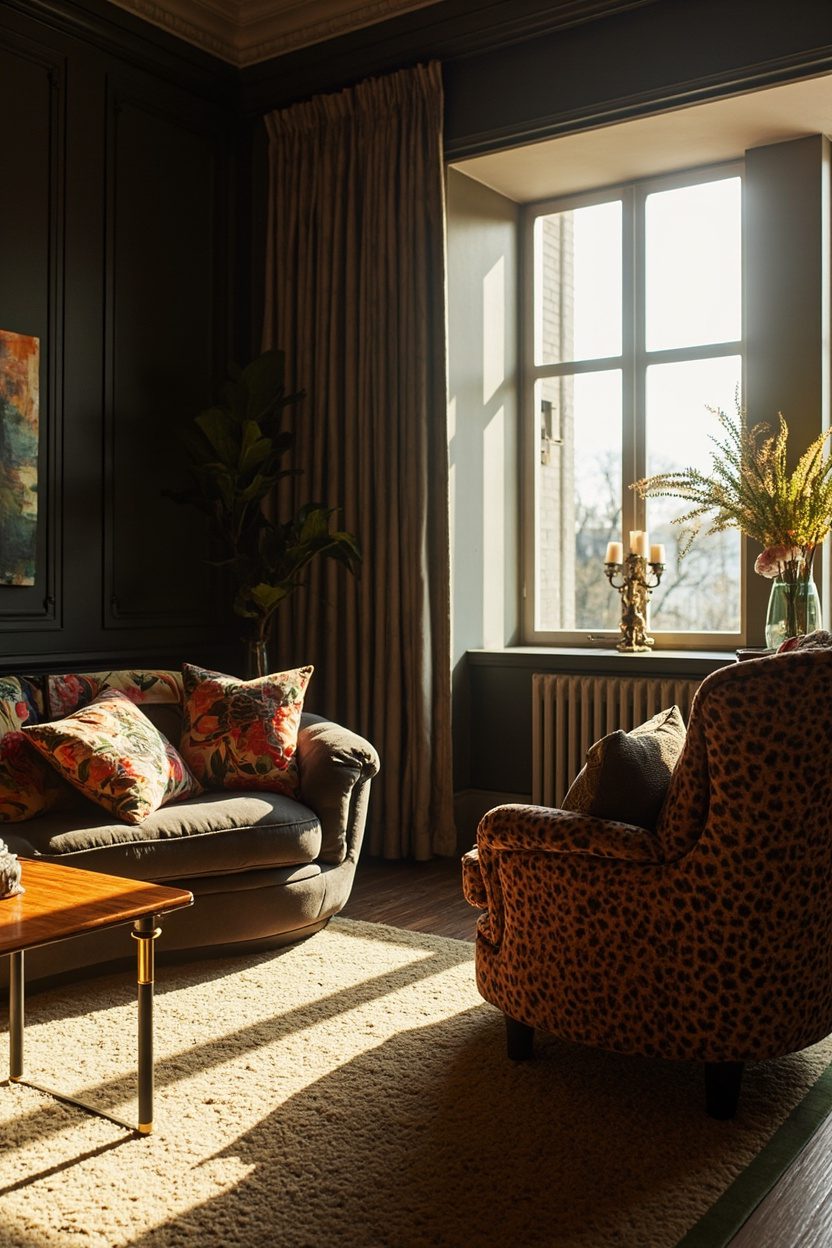
Pairing floral and leopard prints is a cheeky, high-style choice that signals a collected interior when executed with restraint. Treat leopard as your “texture” rather than the star—use it in small doses like a lumbar cushion or a pouf—and let a moody floral in deep raspberry or grape take center stage on an accent chair or curtains for dramatic effect.
Keep the rest of the scheme calm: matte black or deep bronze framing, natural wood furniture, and a neutral rug will keep the pairing from tipping into kitsch. One practical tip: use washable slipcovers or removable cushion covers for these statement pieces so you can swap patterns seasonally without a large investment.
Essential Elements
- Use leopard in small accents (one cushion or bench) and reserve floral for a single larger element (curtain or chair).
- Limit the palette to three colors max, with one deep tone (raspberry or navy) to harmonize both prints.
- Introduce matte black or warm wood finishes to ground the playful prints and add sophistication.
- Buy removable covers for statement pieces to update looks affordably and protect upholstery.
7. Curated Vintage Pieces
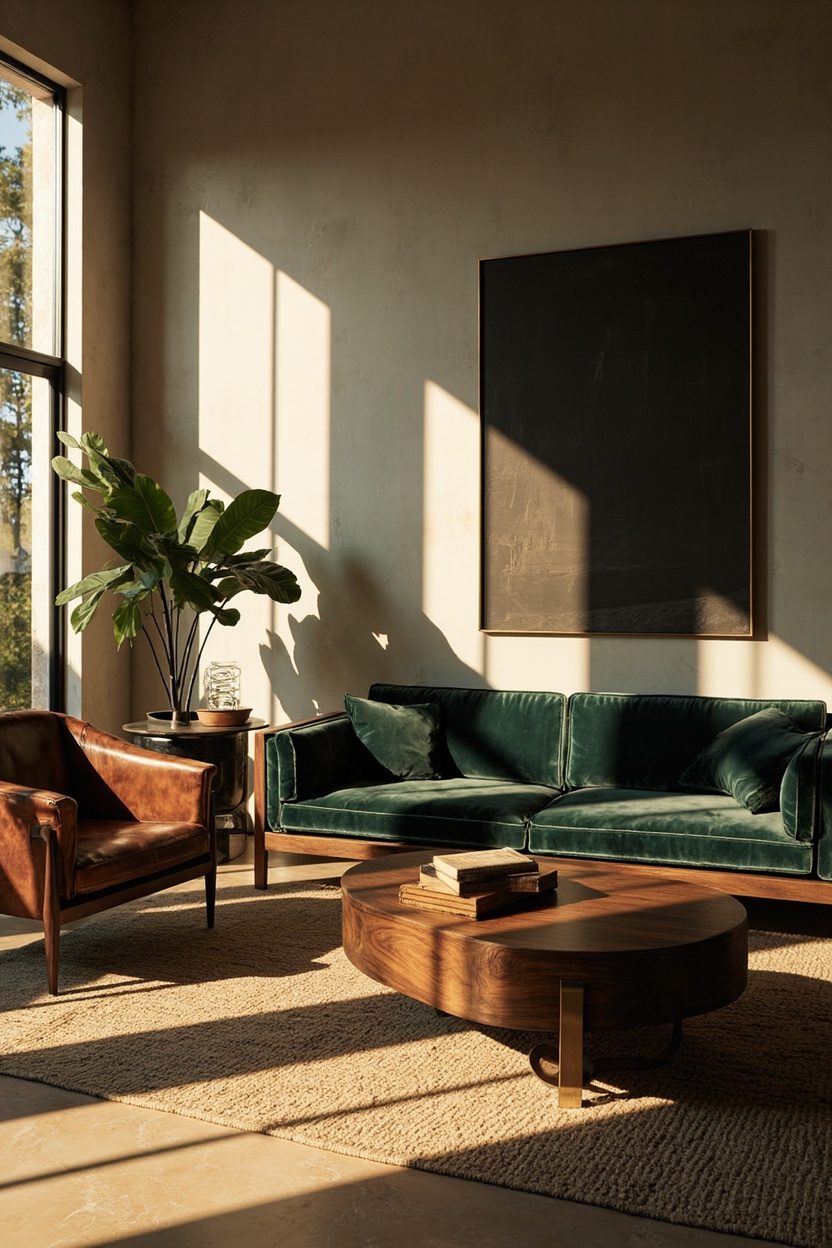
Curating vintage finds—one well-chosen velvet armchair, a mid-century coffee table, or a brass lamp—adds authentic patina that screams luxury without designer price tags. Focus purchases on silhouette and scale: a low, wide sofa in good proportion instantly reads high-end, even if recovered in an affordable performance fabric for durability.
Mix eras sparingly to keep the look intentional; avoid collecting many small mismatched items that read cluttered. Prioritize pieces with solid construction (hardwoods, dovetailed drawers) and reupholster only when the frame is sound—this saves money and yields a custom result that mimics “quiet luxury” materials.
Styling Blueprint
- Choose one statement vintage seating piece per room sized to the primary seating scale (e.g., 78–84″ sofa or 32–36″ armchair width)..
- Reupholster in a neutral linen-blend or velvet in a muted tone for a luxe look under $800–1,200..
- Balance with two modern items (side table, floor lamp) to keep the mix curated, not museum-like..
- Inspect joints and hardware; spend up to $200 on repairs rather than replacing a good frame..
8. Bay Window Nooks
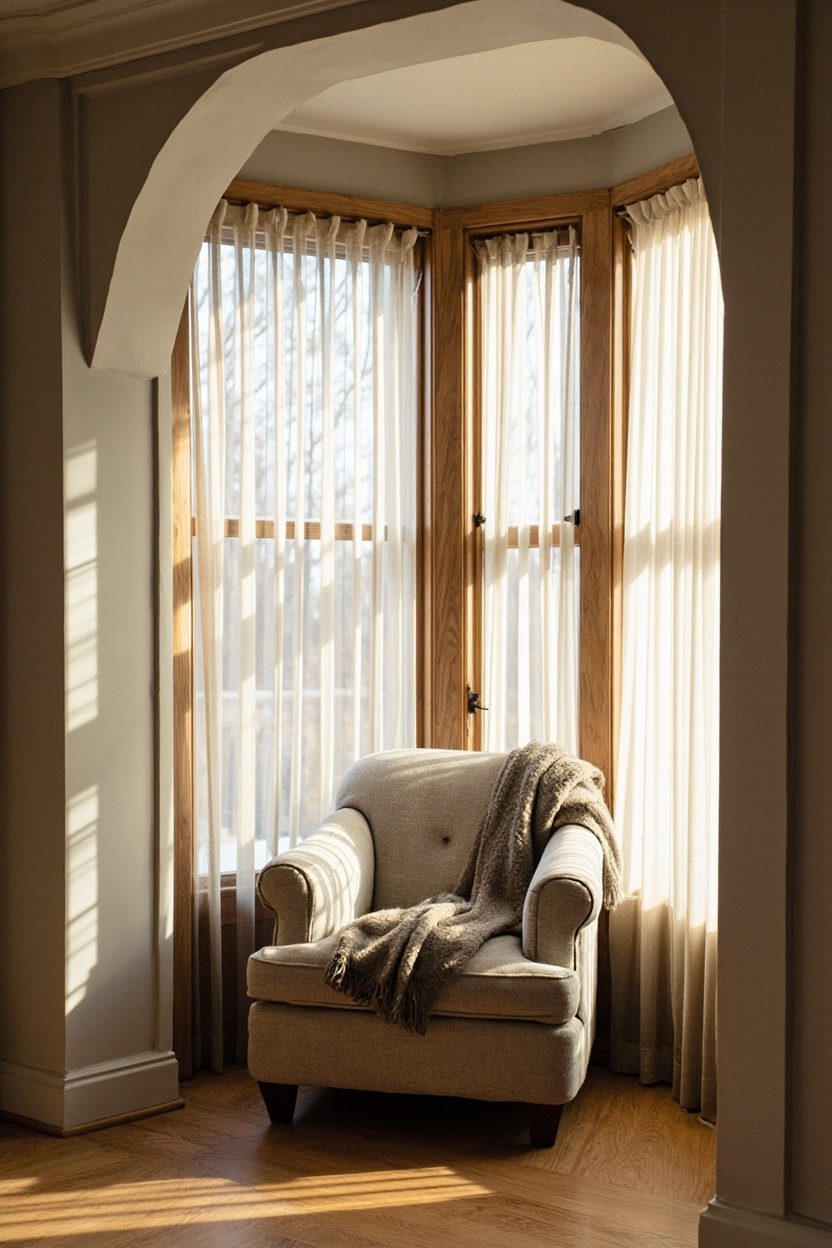
A fitted bay-window bench transforms wasted space into a designer-approved reading nook that feels expensive but often costs little beyond cushions and trim work. Keep the seat depth shallow (18–20″) for window benches to maintain comfortable circulation and allow a full cushion plus lumbar pillows without blocking sightlines.
Wood trim painted in the same hue as the wall creates a seamless, built-in look; choose semi-gloss for durability and easier touch-ups. Add a narrow bookcase at one end or a floating shelf above for layered personality—opt for brass shelf brackets to nod to quiet-luxury metal finishes without splurging on hardware.
What to Focus On
- Build bench height at 18” seat with 3–4” foam wrapped in a feather blend for comfort and a tailored profile..
- Use moisture-resistant plywood for the bench base and finish with 1x trim to conceal seams for under $250 in materials..
- Select window treatments that keep light soft—sheer panels or a cafe-rod half curtain in linen blend to complement the nook..
- Add two slim storage drawers beneath the bench with soft-close slides to combine form with function..
9. Cafe-Curtain Windows
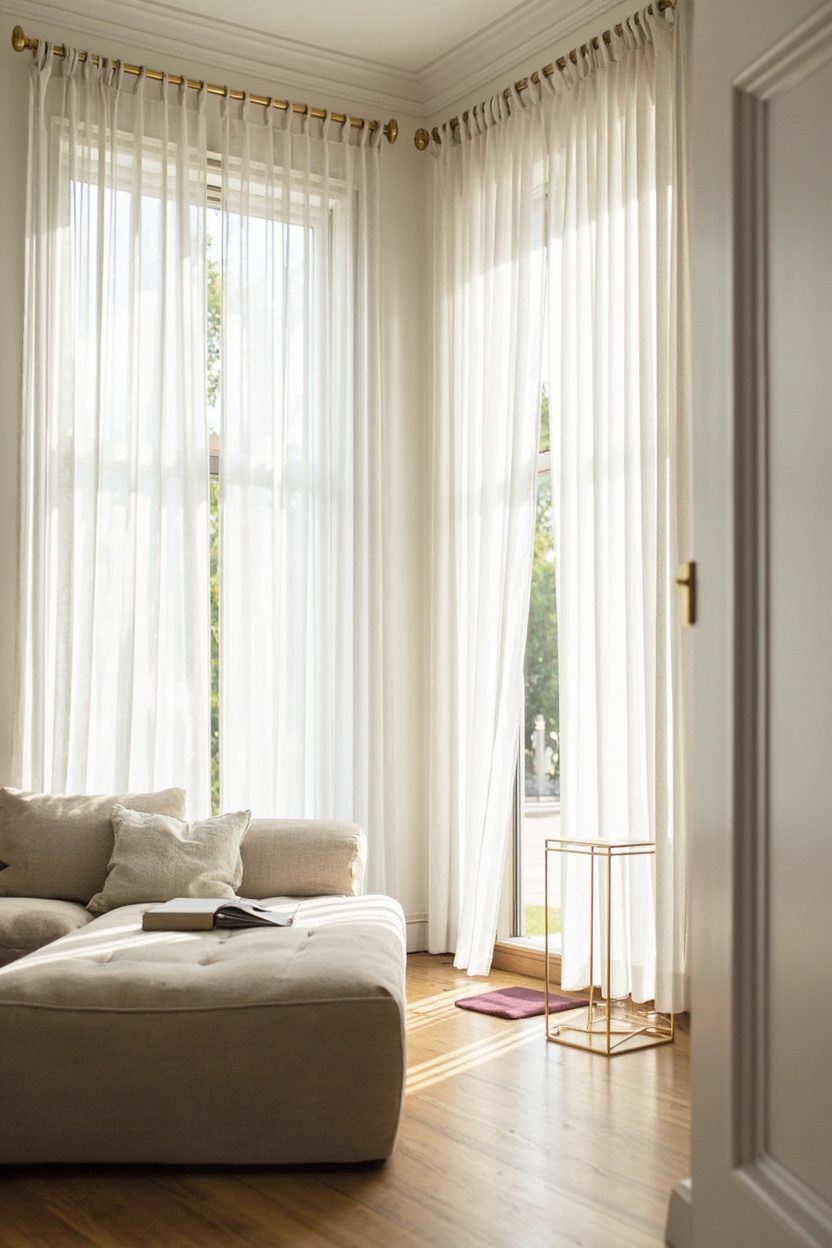
Cafe curtains—short, half-window panels—lend a Paris-adjacent charm that reads intentionally chic when executed in natural fiber linens or cotton-voile. Use lightweight fabric in an off-white or soft ecru to keep the room airy; heavier fabrics at this scale will look heavy and cheap the moment they billow oddly with any draft.
Mount the rod low and close to the glass (about 2–4″ above the sill) so the curtains appear tailored; avoid covering the trim, which should remain visible to preserve architectural detail. Pair with a single roller shade in a neutral woven texture for privacy after dark without adding visual clutter—a practical move with high-end impact.
Essential Elements
- Cut curtains to 1–2″ above the sill for a crisp cafe look and hem with a blind stitch for a professional finish..
- Use 100% linen or linen-cotton blends at 6–8 oz/yd² to achieve soft drape without translucency issues..
- Choose slim-stem metal rods in matte black or antique brass to integrate quietly with other fixtures (see staircase and railing cues in Staircase Railing Ideas)..
- Budget tip: buy 54″ wide ready-made panels and hem to size; expect to spend $25–60 per window versus $150+ for custom..
10. Small Green Seating
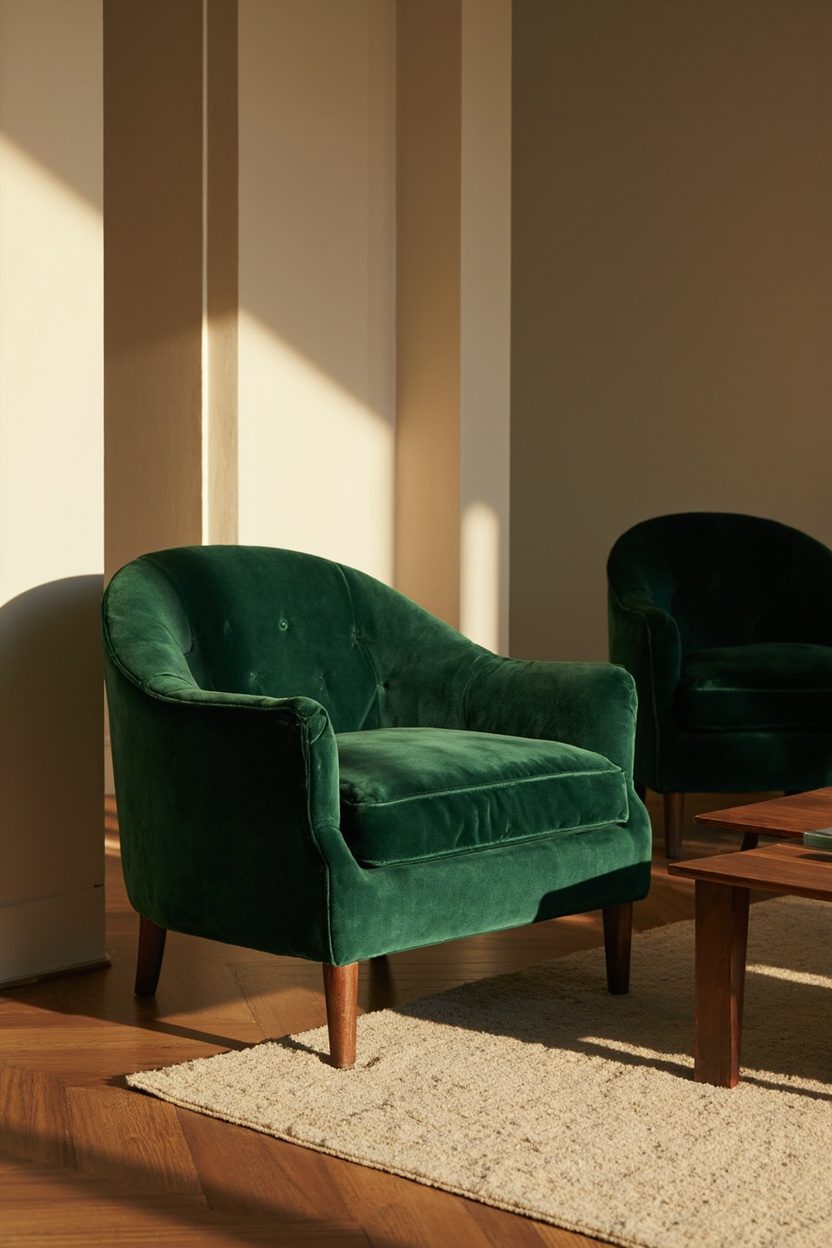
A cluster of compact green chairs or a petite loveseat in olive or sage lifts a neutral living room into a deliberately edited luxury scheme without a big spend. Choose velvet or boucle upholstery to read as “quiet luxury”; a 22–24″ seat height keeps proportions intimate and works with lower coffee tables for that designer lounge posture. Avoid tiny, lightweight frames that look cheap—opt for solid wood legs stained walnut or black to ground the piece and add perceived value.
Introduce contrast with one patterned cushion (think dark raspberry or botanical print) to nod to current eclectic trends while keeping the overall palette restrained. Place seating at a slight angle to create conversational pockets; if budget is tight, reupholstering thrifted chairs in a rich green fabric yields the same effect for far less.
Styling Blueprint
- Choose velvet or heavy boucle fabric for a luxe feel despite modest cost.
- Keep seat height 22–24″ to pair with low coffee tables and rugs.
- Add one statement cushion in deep raspberry or botanical print to reference trend direction.
- Finish legs in walnut or matte black to increase perceived quality.
11. Built-In Lounge Nooks
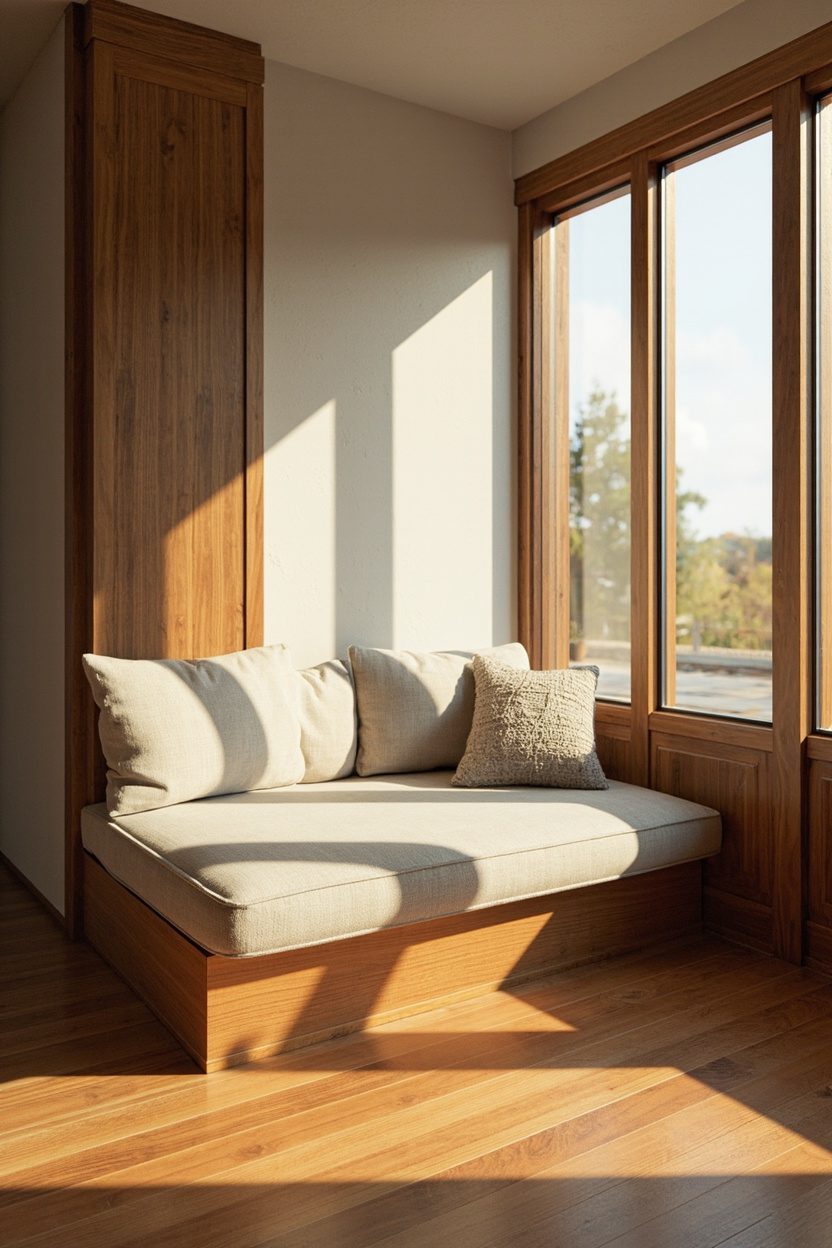
A built-in nook under a bay window or tucked into an alcove creates an instant luxury moment that reads custom without the full remodel price—use stock cabinetry kits and a bespoke cushion made from outdoor fabric for durability. Prioritize depth: a 22–24″ seat depth with a firm foam core cushion gives a hotel-like guest nap experience; include a lower recessed lighting strip for a soft, ambient glow that feels edited and expensive.
Layer with textured throws and a couple of structured bolsters in tonal shades to avoid a cluttered look; keep the color story within a trio of hues to achieve a calm, tailored result. If planning for long-term resale, integrate hidden storage beneath the seat using lift-up hinges or deep drawers—practicality sold with polish.
Essential Elements
- Seat depth 22–24″ and firm foam core for comfort and chic silhouette.
- Use stock cabinetry with custom cushion to control costs.
- Install recessed LED strip lighting for an elevated, soft glow.
- Incorporate hidden storage drawers or lift-up bench to add function and value.
12. Gaming Table Centers
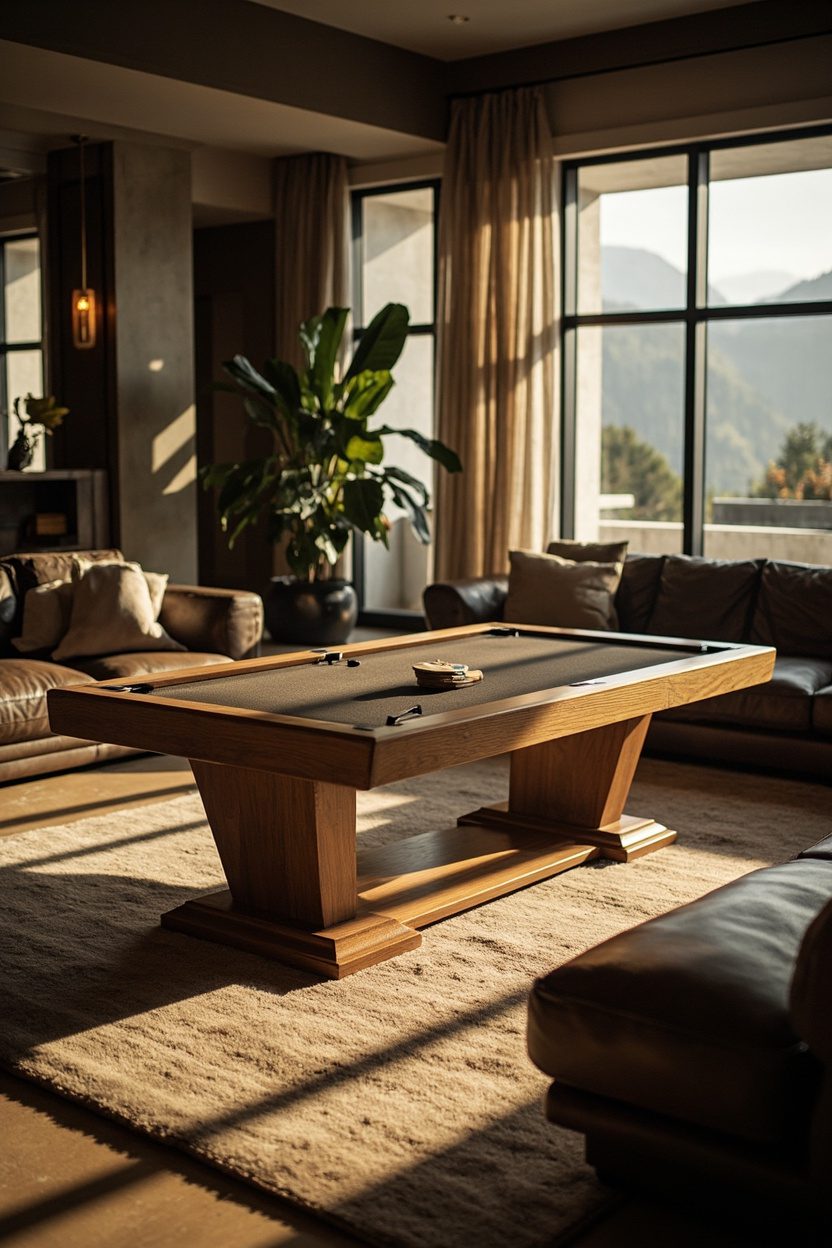
A dedicated gaming table—poker, mahjong, or even a multi-game surface—can act as the living room’s social nucleus and read luxe when executed in the right materials. Choose a round or octagonal table (42–48″ diameter) in walnut veneer with a felt inset or leatherette playing surface; the tactile finish signals craftsmanship and keeps costs in a mid-tier budget. Position it on a patterned rug to define the zone and protect floors.
Keep surrounding seating low and supportive: four streamlined armchairs at slight angles create a club-like atmosphere without overcrowding. If you want to nod to the 2026 trend of artisanal surfaces, add a ceramic or stone chip tray and brass candleholders—small material gestures that elevate the table’s perceived quality.
What to Focus On
- Pick a 42–48″ round or octagonal table in walnut veneer for warmth and durability.
- Use felt or leatherette inset for a professional playing surface that’s budget-friendly.
- Anchor with a patterned rug to define the social zone and protect flooring.
- Select four compact armchairs with 18–20″ seat depth to maintain comfortable circulation.
13. Emotional Living Corners
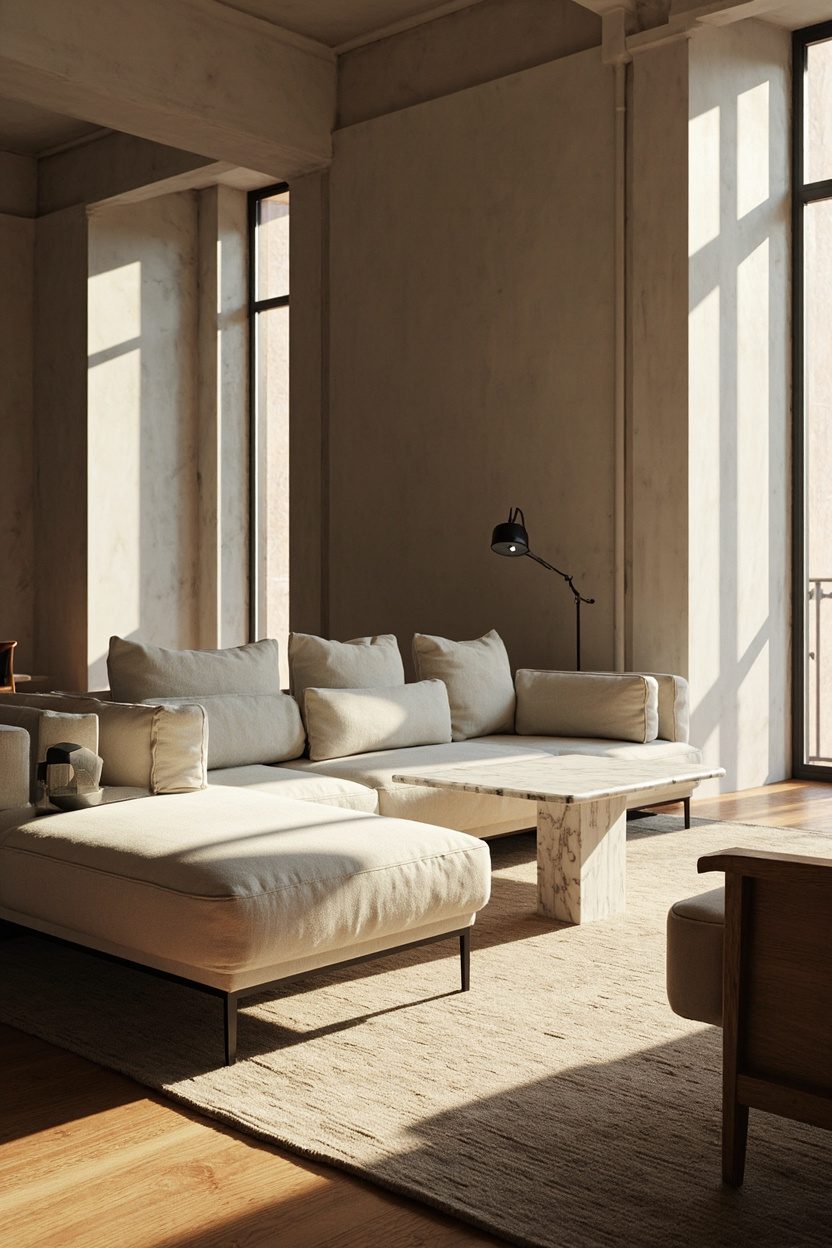
Create a small, purposeful corner that reads as an emotional anchor—think a slipper chair upholstered in a deep raspberry velvet, a low-profile side table, and a floor lamp that casts warm, layered light. Keep scale intimate: a 26–30″ wide chair plus a 14–18″ diameter table fits into most alcoves without overwhelming sightlines, and choosing a washable slipcover fabric keeps this luxe look budget-friendly and practical.
These corners aren’t decorative afterthoughts; they’re designed for a specific activity—reading, music listening, or morning coffee—so select one dominant material and one accent pattern to avoid visual clutter. A velvet seat, a wool throw, and a single patterned cushion (floral or animal print at a small scale) channel the 2026 trend toward curated, cozy nooks that feel deliberately edited rather than cluttered.
Styling Blueprint
- Pick a single-purpose chair in a finish that reads expensive (velvet or leather-look) priced mid-tier ($250–$800)..
- Layer two light sources: a cone floor lamp and a small table lamp for depth and mood control..
- Limit pattern to one small-scale cushion to keep the corner calm and emotive..
- Anchor with a 2×3 ft rug in natural fiber to define the space and absorb sound..
14. Sculptural Lighting Fixtures
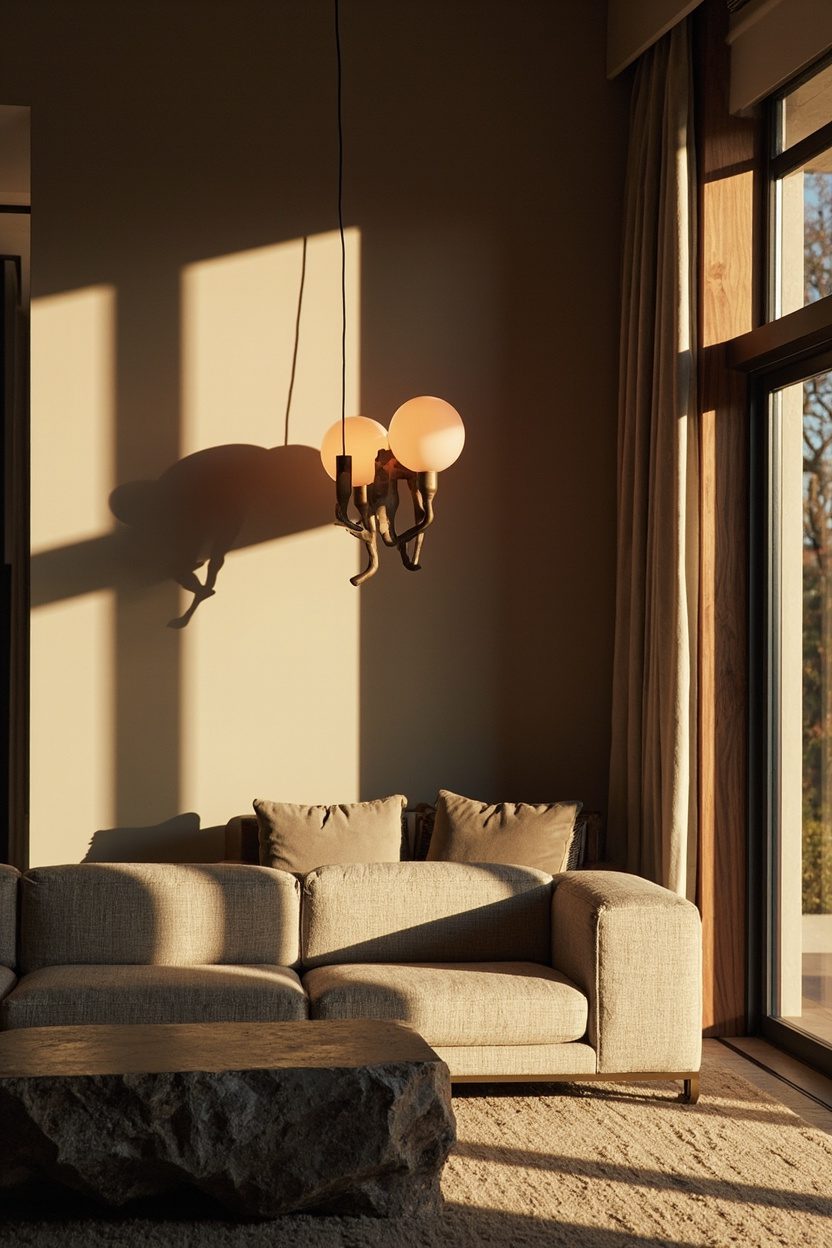
Use a sculptural chandelier or pendant as the room’s focal point—an organic metal form or blown-glass cluster will read like quiet luxury without an expensive provenance. Choose a piece scaled to ceiling height: for 9–10 ft ceilings pick fixtures roughly 20–30″ in diameter and hang so the lowest element sits 30–34″ above a coffee table or 8–9 ft from the floor for open-plan spaces.
To make this achievable on a budget, mix a statement headline fixture with affordable, hidden-source lamps (LED recessed or wall washers) to control light layers while keeping the sculptural piece purely aesthetic. Avoid overly ornate finishes; brushed brass or matte black with muted glass gives the illusion of bespoke metalwork at a fraction of the cost.
Essential Elements
- Match fixture scale to room dimensions—too large flattens the space, too small disappears..
- Choose warm 2700–3000K LEDs for a luxe, skin-flattering glow..
- Combine a statement pendant with inexpensive task lamps to balance budget and impact..
- Opt for neutral metal finishes and hand-blown-style glass to mimic artisan pieces..
15. Tactile Natural Fibers
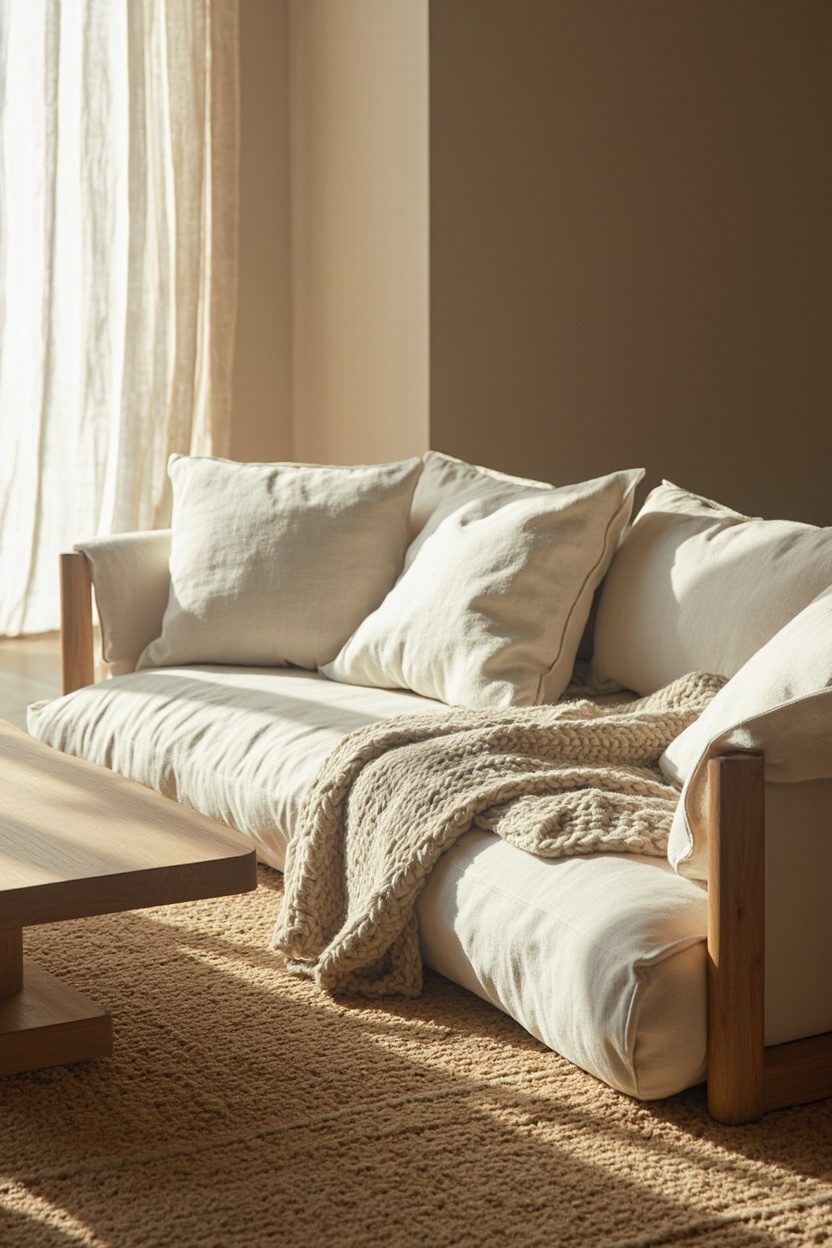
Bring quiet luxury down to earth with tactile natural fibers—jute, sisal, boucle, and washed linen—applied in rugs, upholstery, and throws to add subtle richness without flashy expense. Use an 8×10 jute or sisal rug as a grounding layer and place a softer wool or boucle rug under the seating area for comfort; the juxtaposition reads intentionally layered and high-end.
When selecting upholstery, choose linen blends for sofas and chair cushions in neutral tones (warm white, oatmeal, or mushroom) that conceal wear and photograph beautifully. Avoid all-synthetic rugs in high-traffic areas; natural fibers age with character and are easier to spot-clean when sealed or backed properly—budget-conscious durability that looks expensive.
What to Focus On
- Layer coarse (jute) with soft (wool/boucle) to achieve contrast and comfort..
- Pick neutral fiber tones that coordinate with trim and wall color for a cohesive palette..
- Prioritize washable or removable cushion covers to extend longevity and value..
- Avoid overly bright dye colors; natural, undyed fibers maintain an elevated, quiet look..
16. Polished Brass Details
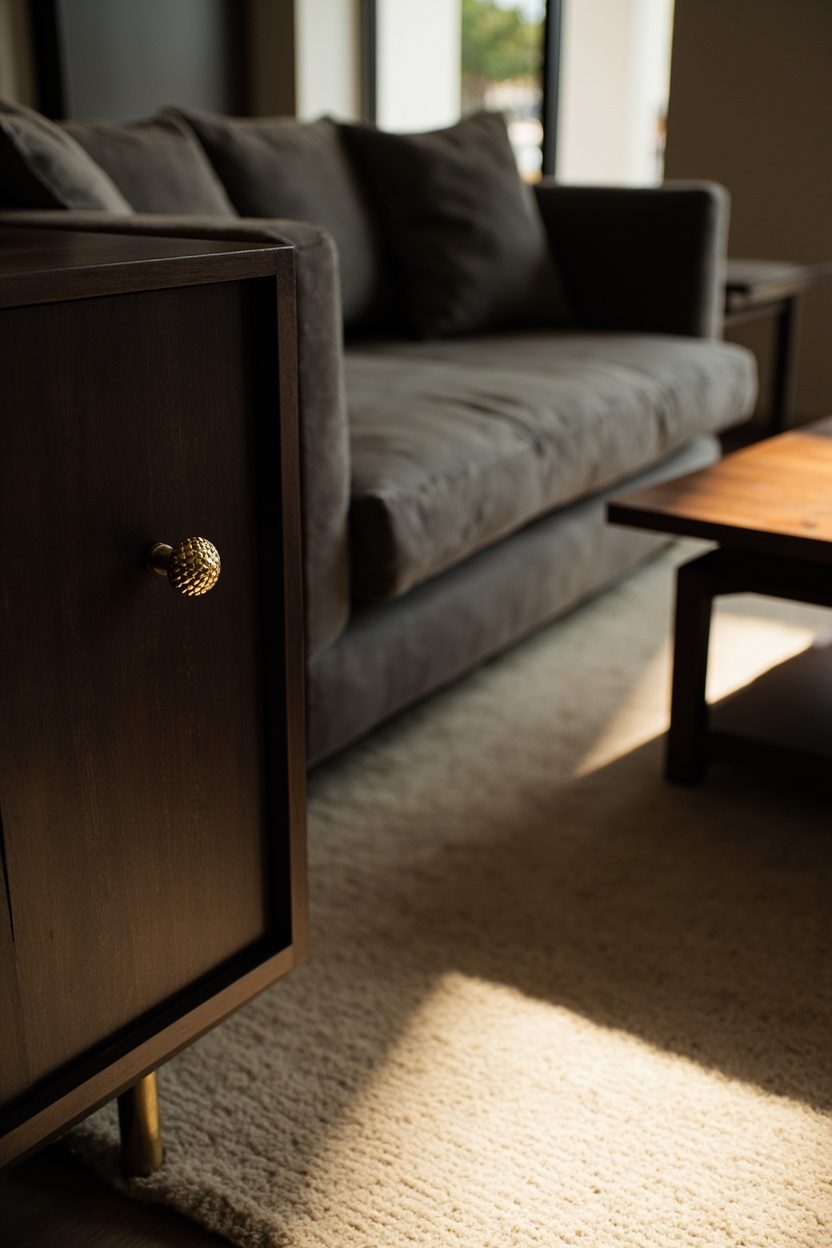
Polished brass reads instantly luxurious but doesn’t have to come from high-end showrooms; small, targeted pieces deliver the same effect. Swap ordinary cabinet pulls, switch plates, and lamp bases for warm, mirror-like brass to lift a neutral scheme without a full renovation. Choose solid brass for items you touch often—it’s durable and develops a lived-in patina that reads intentional rather than cheap.
Introduce a statement mirror or a shallow coffee table with brass trim to anchor the room; keep the scale in check so the metal reads as curated, not gaudy. Avoid mixing too many metal finishes—limit to polished brass plus one muted metal like aged nickel to maintain “quiet luxury” discipline highlighted in current trends.
Styling Blueprint
- Use brass in high-touch items: cabinet pulls, lamp stems, and faucets .
- Pick one larger brass anchor (mirror or table) to prevent cluttered shine .
- Balance with matte neutrals (stone, linen, unglazed ceramics) for contrast .
- Budget tip: replace hardware in phases — start with the focal wall or console .
17. Monochrome Layering
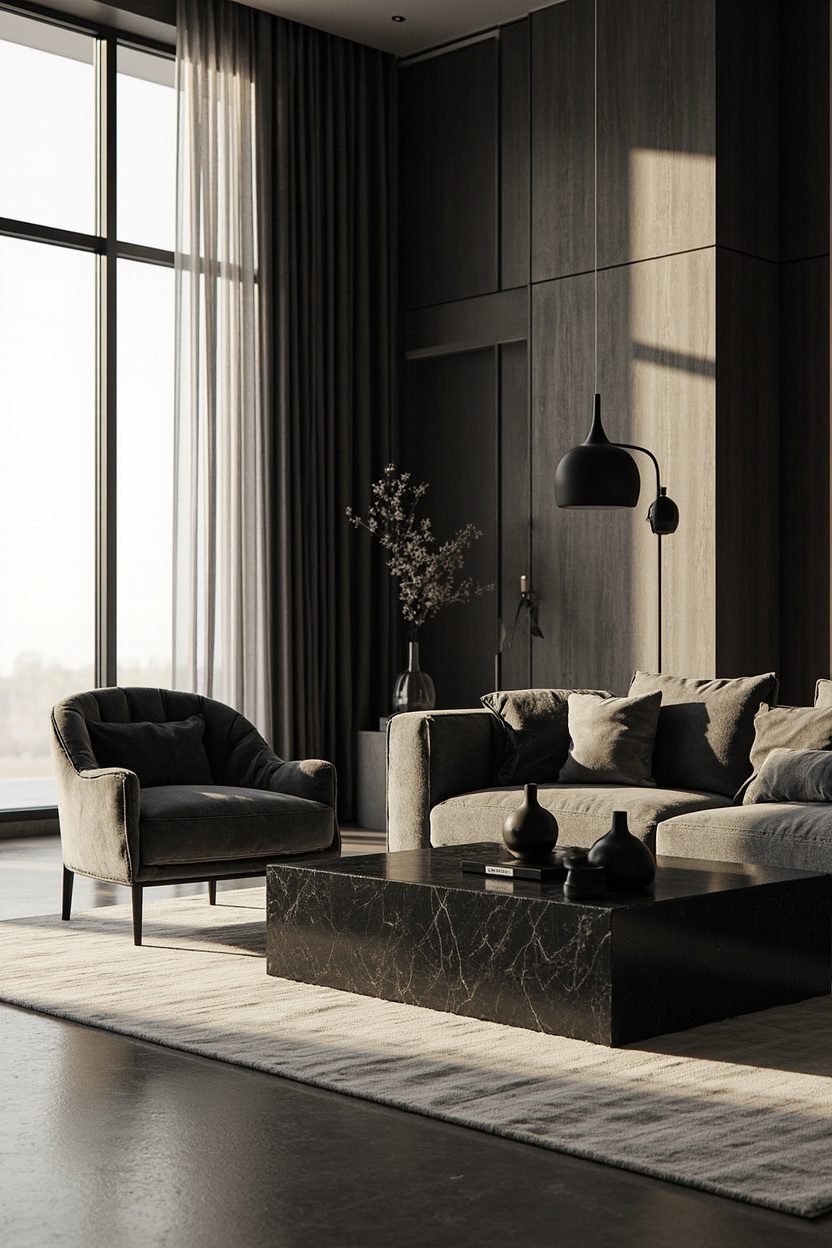
A single-color story in varied textures reads expensive and intentional; think soft dove grays, deep charcoal, or a warm off-white layered across textiles and materials. Rely on differences in sheen and scale—matte plaster walls, a low-sheen wool sofa, a subtle silk throw cushion, and a high-pile rug—to create depth without introducing competing colors. This approach mirrors the “quiet luxury” material focus for 2026, where tactile quality matters more than ornament.
Keep one material dominant (for example, all linens and wools) and add two contrasting textures (leather and boucle) to avoid a flat result. When selecting paint and upholstery, choose samples in the exact light of the room; what looks like the same shade in-store can shift dramatically by a bay window or recessed lighting.
What to Focus On
- Select three texture families (smooth, nubby, reflective) and repeat them across the room .
- Anchor with a tonal sofa and vary cushion fabrics in the same hue for subtle interest .
- Use trim and moldings painted in the same color but different finish to add depth .
- Shop outlet or secondhand for quality pieces in your chosen tone to stay on budget .
18. Sustainable Luxury Furnishings
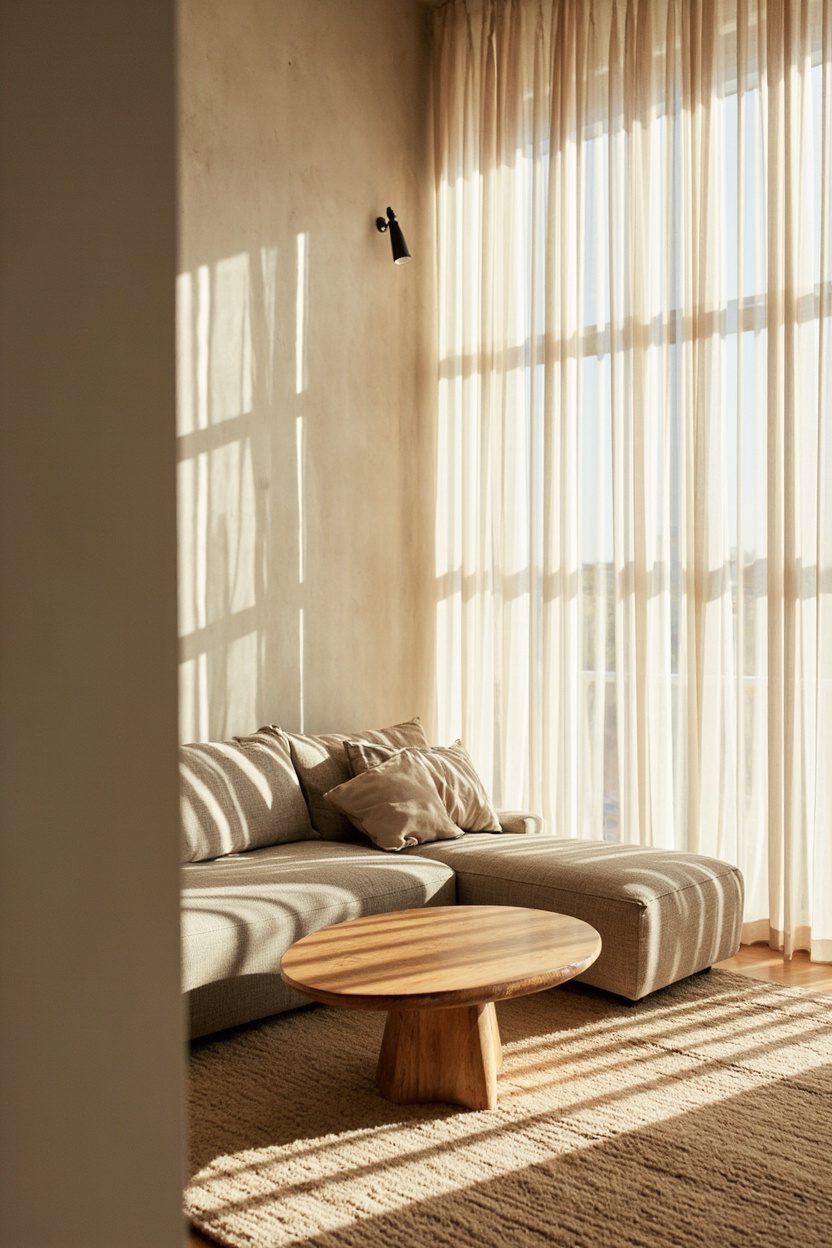
Sustainable furnishings prove that responsible choices can still read high-end—look for FSC-certified woods, reclaimed-wood coffee tables, and sofas with natural fillings like wool or recycled polyester. Prioritize investment pieces with classic silhouettes (a low-profile sofa, a slatted credenza) made from durable materials; they’ll outlast trend cycles and save money long-term. When buying, check construction details: solid joinery, kiln-dried hardwood frames, and removable covers for future reupholstery.
Mix new sustainably made items with quality secondhand finds to amplify the luxury impression while keeping costs down—an expertly restored vintage armchair next to a responsibly made contemporary sofa feels curated and layered. For inspiration on cohesive rustic-meets-refined palettes, consider modern farmhouse directions that pair well with sustainable woods and textures.
Essential Elements
- Choose one investment piece (sofa or credenza) with solid-frame construction and reupholstery-friendly fabric.
- Pair reclaimed-wood surfaces with soft textiles in neutral palettes to elevate warmth.
- Verify sustainability labels (FSC, GOTS, OEKO-TEX) when possible to ensure longevity.
- Scout vintage markets for statement furniture to combine character and cost-efficiency.
Final Thoughts
Luxury doesn’t require a lavish budget; intentional choices, attention to materials, and the occasional secondhand find create a refined living room that feels lived-in and considered.
Apply the principles here targeted metal upgrades, monochrome texture play, and sustainable investment pieces to build a lasting look that’s both modern and timeless.
A useful follow-up is 15 Low Deck Ideas Ground Level for Barefoot Summer Living.
FAQ
Buy fewer, better-made items, prioritize a comfortable sofa and a statement lighting or mirror, then fill in with textured textiles and polished hardware swaps. Phasing upgrades, like replacing cabinet pulls or adding a large rug, stretches your budget while improving perceived value.
Focus on quiet-luxury materials: artisanal surfaces, matte stone, soft wools, silk-blend cushions, and warm metals like brass. The emphasis is on tactile quality and restrained sheen rather than ornate decoration.
Vintage pieces add authenticity and patina that new replicas can’t replicate. Use them as anchors (an armchair, side table, or mirror) and ensure scale and finish pair well with your contemporary pieces to avoid mismatched visual weight.
Measure the room and use a simple rule: leave at least 18–24 inches between seating and the coffee table, and keep circulation clear about 30–36 inches around major paths. Oversized low-profile seating often reads more luxurious than many small, fussy pieces.