


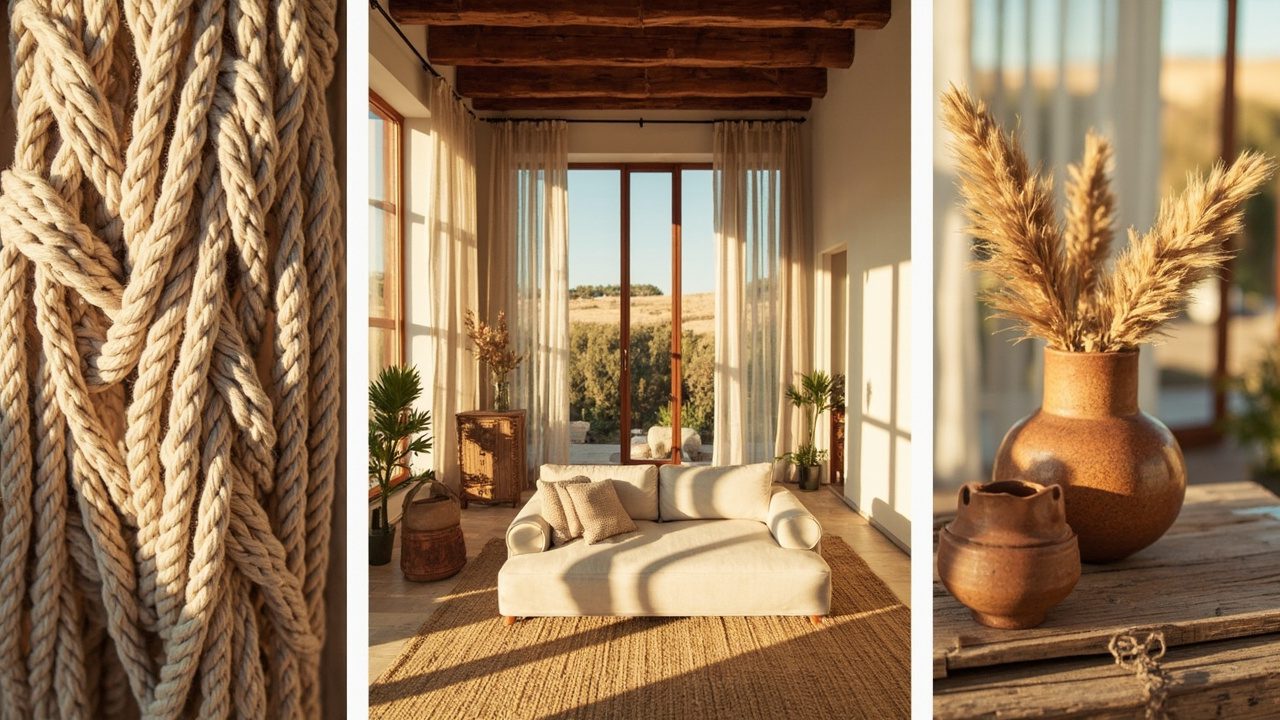
Boho interior design blends relaxed comfort with curated, artisanal character. If you’re searching for boho style, you want clear rules for layering texture, choosing materials, and arranging furniture that feels effortless, not cluttered.
This guide gives practical steps and decision criteria so you can plan, source, and style boho rooms that read as modern and intentional. Expect actionable tips for materials, layouts for small apartments, and common mistakes to avoid.
- Planning a Boho Interior: Key Principles and Goals
- Choosing Materials: Natural and Artisanal Selections
- Space Planning for Small Boho Apartments
- Layered Textiles and Rug Strategies
- Furniture Choices: Low-Profile and Sculptural Pieces
- Lighting and Plants for Organic Ambience
- Common Boho Design Mistakes to Avoid
- Maintaining and Optimizing Your Boho Space
- FAQ
- Final Thoughts
Planning a Boho Interior: Key Principles and Goals
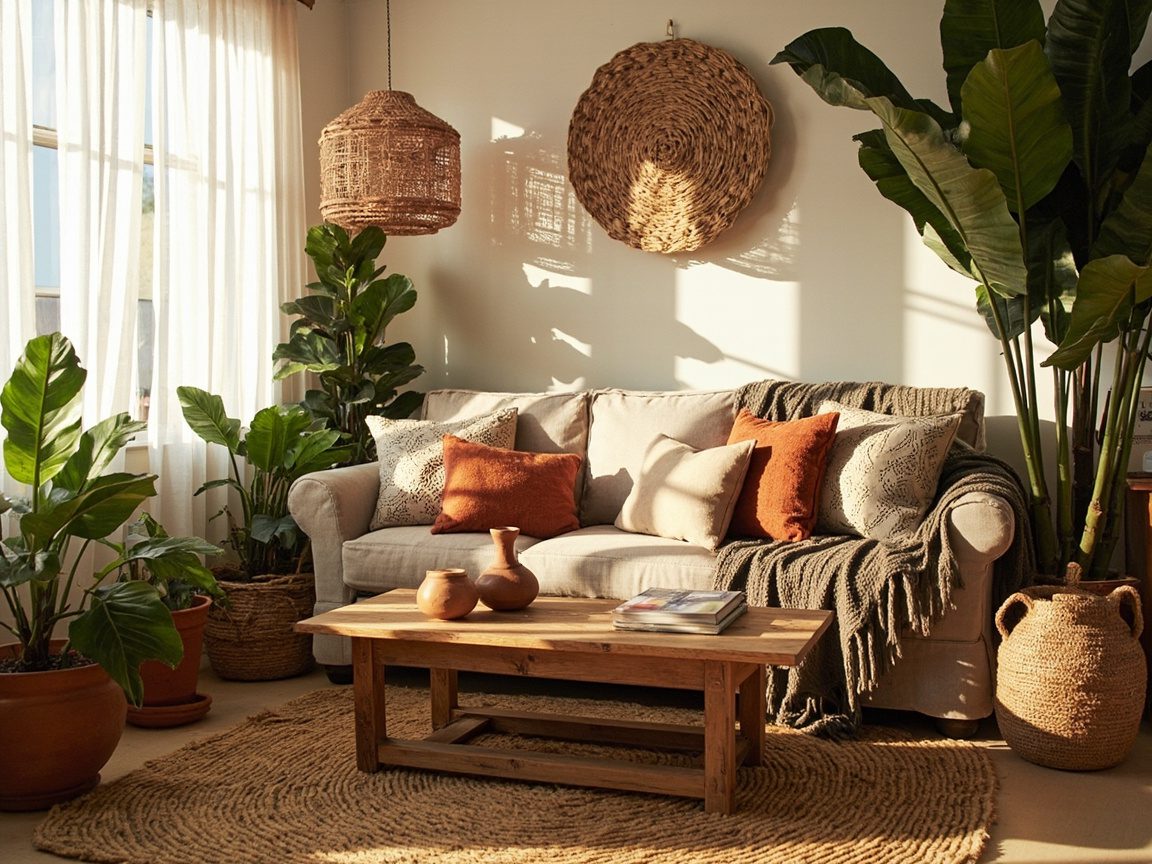
Boho design prioritizes lived-in comfort, personal collection, and tactile variety. Start by defining three goals for each room: function (how you live there), mood (calm, energetic, cozy), and focal interest (a woven wall, layered rugs, or a plant corner).
Decision criteria to set direction:
- Scale: Choose one dominant furniture piece per room (sofa or bed) and keep other pieces lower in visual weight.
- Palette: Limit base neutrals to two and add 2–3 accent hues in textiles or art to avoid chaotic color mixes.
- Texture balance: Aim for a mix of smooth, soft, and sculptural surfaces—wood, woven fibers, and ceramics—roughly 40/40/20 by visual weight.
Practical steps to start:
- Collect inspiration images and extract recurring materials and shapes before buying anything.
- Create a “one-item rule”: add one new pattern or object at a time and live with it for two weeks to test cohesion.
- Set a sourcing plan: local artisan fairs, secondhand shops, and targeted online retailers for woven or handcrafted pieces.
Mistakes to avoid:
- Over-collecting patterns—without tonal anchors, the room reads cluttered rather than curated.
- Using only small accessories, boho needs at least one large textural anchor (rug, tapestry, or large plant).
- Ignoring scale in small rooms—too-tall furniture or many high-contrast colors will shrink the space.
Choosing Materials: Natural and Artisanal Selections
Boho thrives on honest, tactile materials. Prioritize natural fibres and artisanal finishes that age gracefully and add story to the space.
Material choices and why they work:
- Rattan, wicker and cane: lightweight, warm, and excellent for chairs, pendant lights, and headboards.
- Solid wood (oak, walnut, teak): for durable anchors like coffee tables and shelving; choose handcrafted or slightly distressed finishes.
- Woven textiles (wool, linen, cotton): layer rugs, throws, and cushions in different weaves for depth without visual noise.
- Ceramics and hand-blown glass: use as artful vessels and lamps to introduce artisan craft.
- Natural fibres for window treatments: linen or cotton curtains soften light while keeping a relaxed feel.
Sourcing and selection criteria:
- Prefer handcrafted over mass-produced when the budget allows—look for visible maker marks or slight irregularities as proof of craft.
- Choose finishes with longevity: oiled or waxed woods that you can refresh rather than thin veneers.
- Test textile weight: heavier weaves for rugs and throws, lighter linens for bedding and curtains.
Common pitfalls and solutions:
- Avoid too many similar textures—if you have a rattan chair and a jute rug, introduce a soft wool throw to balance.
- Don’t rely solely on vintage pieces; mix in two or three contemporary items to keep spaces feeling current.
Space Planning for Small Boho Apartments
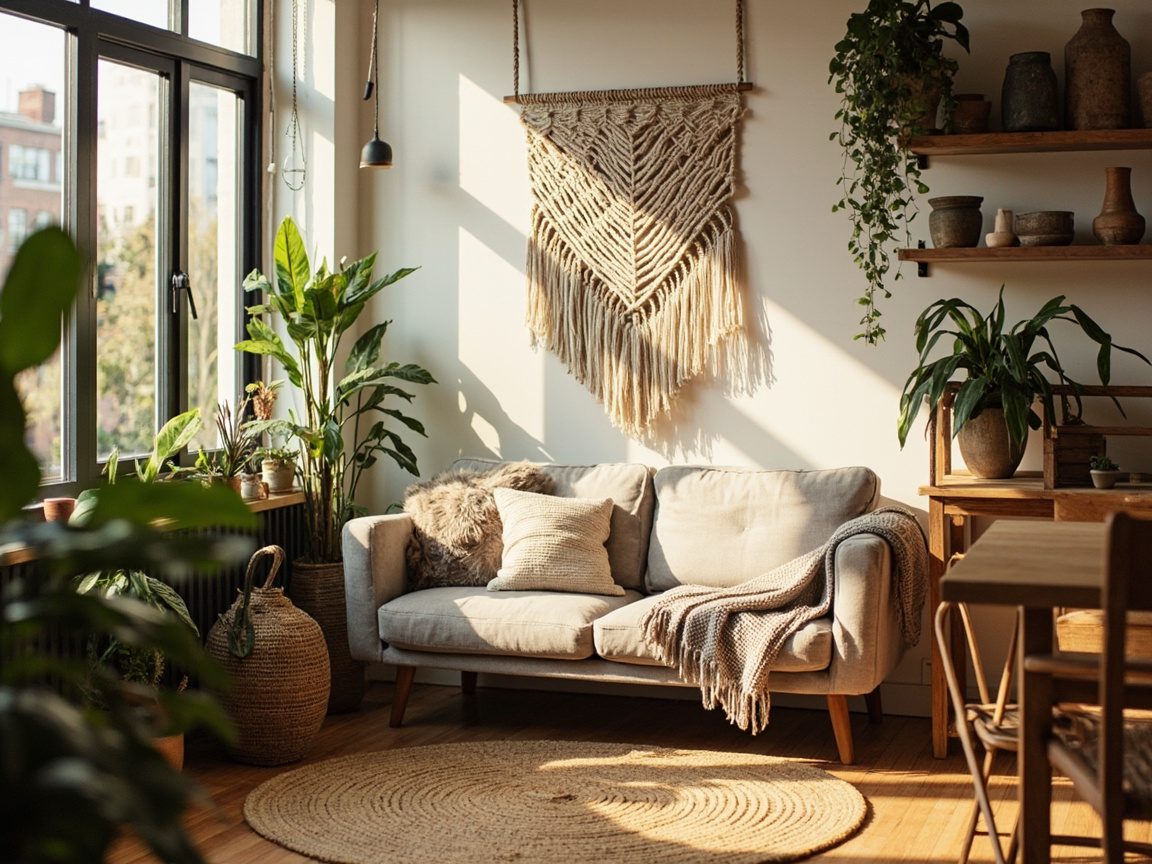
Small footprints require smart layering and multifunctional thinking. Boho can succeed in compact homes by prioritizing breathing room and flexible storage.
Actionable layout rules:
- Anchor with low-profile furniture: choose sofas and beds with low backs to maintain sightlines and a relaxed boho silhouette.
- Create zones with textiles: use rugs and throws to delineate living, dining, and sleeping areas without walls.
- Use vertical storage: open shelving or wall baskets store artful objects while keeping floor space clear.
Furniture and proportion criteria:
- Scale down dimensions by 10–20% compared with standard pieces to avoid overwhelm (compact sofas, narrow dining tables).
- Favor multipurpose pieces: a storage ottoman, folding dining table, or sofa with hidden drawers.
- Keep at least 60–75 cm circulation paths in high-traffic areas to preserve comfort and flow.
Styling tips that save space:
- Layer a single rug with a small textured mat rather than multiple large rugs that fragment the room.
- Hang plants and pendant lights to free floor area and add vertical interest.
- Limit tabletop accessories; rotate displays on open shelves to keep surfaces airy and intentional.
For staging ideas and detailed room visuals, see our practical layouts for open living plans and boho color guidance.
Layered Textiles and Rug Strategies
Textiles create the tactile, collected feel central to boho interiors. Focus on layering different textures and patterns rather than matching sets; this gives depth and a relaxed, lived-in quality.
- Start with a neutral ground layer: a sisal or low-pile wool rug anchors the scheme and tolerates traffic.
- Layer one or two smaller rugs on top for pattern and softness, think kilim, faded Persian, or flatweave runners placed at angles.
- Mix scale and texture: pair a large geometric rug with smaller floral or tribal mats, and add a shag or faux-shearling throw for contrast.
- Use textiles to define zones in open plans: a rug under the seating group, a runner to guide circulation, and a woven mat at the entry.
- Keep practical edges in mind: avoid high-pile rugs in dining areas and use rug pads to prevent slipping and protect floors.
- For upholstery and curtains, layer thin linens with heavier woven throws. Choose colours that repeat subtly across rugs, cushions, and throws to create cohesion.
Furniture Choices: Low-Profile and Sculptural Pieces
Boho favours furniture that feels informal, tactile, and a touch sculptural. Prioritise low-profile seating and artisan-made pieces to achieve authenticity and comfort.
- Choose low, deep sofas or daybeds with removable covers for easy layering of cushions and throws; scale should invite lounging rather than formal sitting.
- Introduce one or two sculptural focal pieces—an arched-back chair, a rattan egg chair, or a hand-carved coffee table to add personality without clutter.
- Opt for natural materials: solid wood frames, cane, rattan, and leather age well and fit the boho aesthetic.
- Mix function with form: use poufs, floor cushions, and nesting tables for flexible seating and surface options in small spaces.
- Be selective with trends: invest in quality artisan pieces (a nod to the 2026 slow-living trend) and balance them with thrifted finds for eclecticism.
- Maintain visual balance if furniture is low and horizontal, add vertical elements like a tall plant or wall hanging to keep proportions pleasant.
Lighting and Plants for Organic Ambience
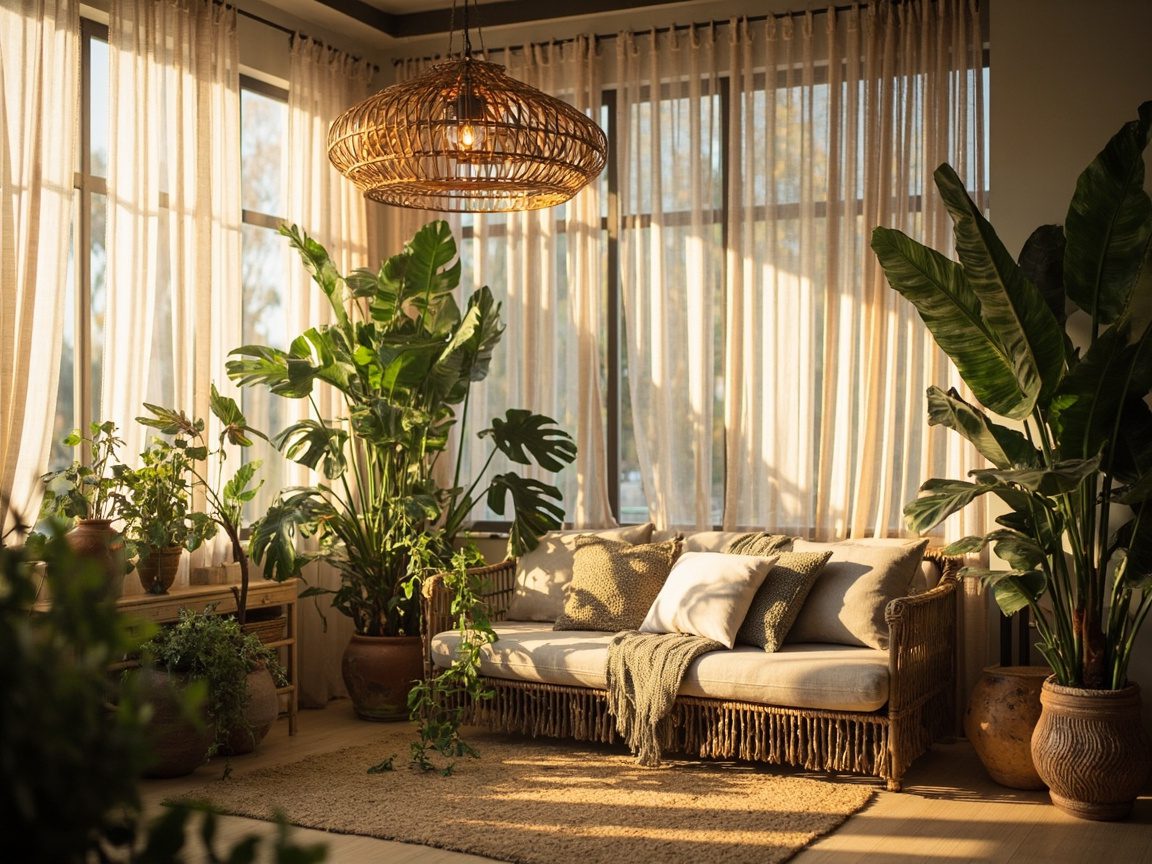
Lighting and greenery make boho rooms feel alive and soulful. Layer light sources and choose plants that contribute texture and scale.
- Layered lighting: combine ambient (soft overhead or diffused pendants), task (reading lamps), and accent (string lights, spotlights) for flexible moods.
- Use warm bulbs (2700–3000K) and dimmers to keep tones cozy and natural. Avoid stark, cool white light that flattens textures.
- Select sculptural fixtures, woven pendants, paper lanterns, or handblown glass to echo the room’s artisan character.
- Plants by purpose: place large, architectural plants (fiddle-leaf fig, monstera) to anchor corners; use trailing plants (pothos, string of hearts) on shelves for softness.
- Group plants at varying heights and pot styles to create mini-landscapes; use terracotta, ceramic, and woven baskets for tactile contrast.
- Maintenance criteria: pick plants suited to the room’s light. For low light, choose snake plants or zamioculcas; for bright, go with succulents and palms.
- Mistakes to avoid: overcrowding with too many small plants or relying solely on artificial light without warm accents—both reduce the organic effect.
Common Boho Design Mistakes to Avoid
Boho looks effortless, but several common mistakes can make it feel cluttered or kitschy. Below are practical pitfalls and how to correct them.
- Too many competing patterns. Mix patterns, but limit them to 3–4 scales (large, medium, small, accent). Anchor busy patterns with a neutral base like linen or raw wood.
- Forgetting balance and negative space. Boho isn’t maximalism without restraint. Leave breathing room around key pieces—plant corners, wall art, or a statement chair—to let textures read clearly.
- Overloading on color without cohesion. Use a palette rule: one dominant tone, one secondary, and one bright accent. This keeps a collected look rather than a chaotic one.
- Relying only on cheap accessories. Invest in a few artisanal or vintage focal pieces (a woven rug, carved side table). Quality items elevate casual finds and create longevity.
- Ignoring scale and proportion. Pair low-profile seating with low tables, and taller plants or lamps with high-backed furniture. Mismatched scale makes spaces feel off-balance.
- Poor lighting choices. Boho needs layered lighting—ambient, task, and accent. Avoid only overhead fixtures; add table lamps, floor lamps, and candles for warmth and depth.
- Neglecting maintenance-friendly materials. For high-traffic rooms, balance delicate textiles with durable surfaces like sealed wood or washable cushion covers.
Maintaining and Optimizing Your Boho Space
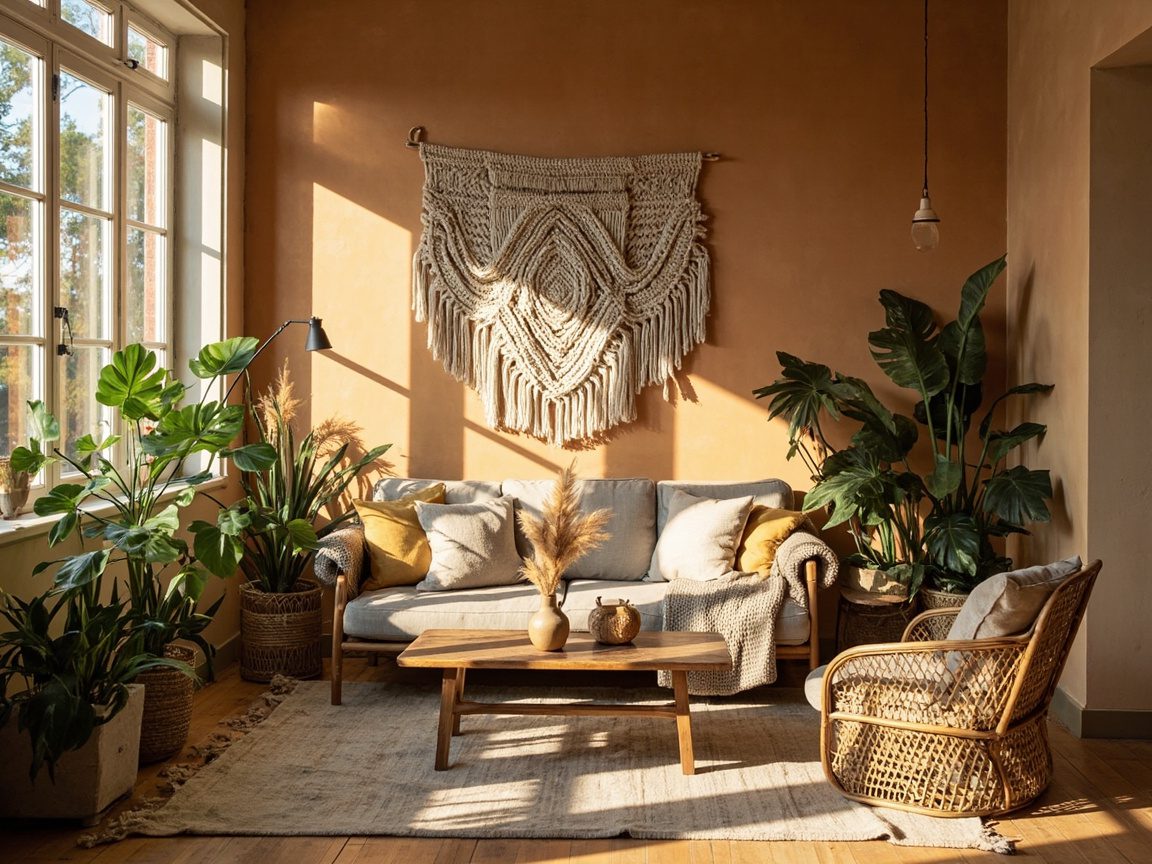
Boho interiors thrive when curated regularly. Use simple routines and strategic edits to keep the look intentional rather than overstuffed.
- Seasonal editing: Every 3–6 months, remove one-third of small accessories. Rotate textiles (throws, cushions) to refresh color and texture without new purchases.
- Cleaning textiles: Use washable slipcovers or removable cushion covers for everyday durability. For woven rugs and macramé, follow specific care—vacuum gently and spot-clean with mild detergent.
- Protect high-use surfaces: Seal wooden tables and wicker with appropriate finishes to prevent stains and wear. Use coasters and trays to contain clutter on open surfaces.
- Plant care routine: Group plants with similar light and watering needs. Use pebble trays for humidity-sensitive varieties and set a weekly watering schedule to avoid under- or over-watering.
- Light optimization: Maximize natural light with translucent curtains. Add warm bulbs (2700–3000K) in layered fixtures to maintain the cozy boho glow after dark.
- Storage solutions: Integrate attractive storage woven baskets, vintage trunks, or open shelving with fabric bins—to hide essentials while keeping texture on display.
- Refresh with small edits: Swap a cushion, change a plant pot, or rehang a piece of art to shift the mood. Small changes maintain freshness and avoid costly overhauls.
A useful follow-up is 10 Boho Easter Floral Ideas Wild Textured and Beautiful.
FAQ
Prioritize low-profile furniture, layered rugs to define zones, and vertical storage like wall shelves. Limit large patterns and keep a cohesive color anchor to avoid visual clutter.
Yes. Introduce boho through textiles, a single woven statement piece, and plants. Maintain clean lines on structural pieces to preserve the home’s modern bones.
Natural materials: rattan, jute, linen, reclaimed wood, and ceramics. Aim for tactile variety—smooth, rough, and woven—to create the layered boho feel.
Establish a light weekly tidy: vacuum rugs, dust woven items gently, and launder removable textiles regularly. Choose furniture finishes that are easy to wipe clean.
Final Thoughts
Boho design succeeds when texture, craftsmanship, and practical maintenance converge. Curate intentionally, invest in a few quality pieces, and use simple care routines to keep the look relaxed and enduring.